
The Role of Decentralized Identity in the Future of Blockchain Platforms


Welcome to Blockchain Trends, your compass in the rapidly evolving world of decentralized innovation.
Beyond the hype, lies a transformative technology reshaping industries and redefining trust. Are you ready to uncover the true potential of blockchain beyond cryptocurrencies?
In this article, we delve into a critical piece of the puzzle: decentralized identity blockchain platforms. Discover how these secure and user-centric systems are poised to revolutionize how we manage identity in the digital age, and how they might just be the key to unlocking the next wave of blockchain adoption. Intrigued? Let's explore the future, one block at a time.
The Role of Decentralized Identity in the Future of Blockchain Platforms
- Introduction: Decentralized Identity (DID) and the Evolution of Blockchain Platforms
-
Frequently Asked Questions
- What is decentralized identity (DID) and why is it important for blockchain platforms?
- How do decentralized identity blockchain platforms differ from traditional identity management systems?
- What are some potential applications of decentralized identity beyond personal identification?
- What are the main challenges currently facing the adoption of decentralized identity blockchain platforms?
- How might decentralized identity blockchain platforms evolve in the future?
- Final Reflection: Embracing Identity Sovereignty
- Embrace the Future: Forge Your Decentralized Identity!
Introduction: Decentralized Identity (DID) and the Evolution of Blockchain Platforms
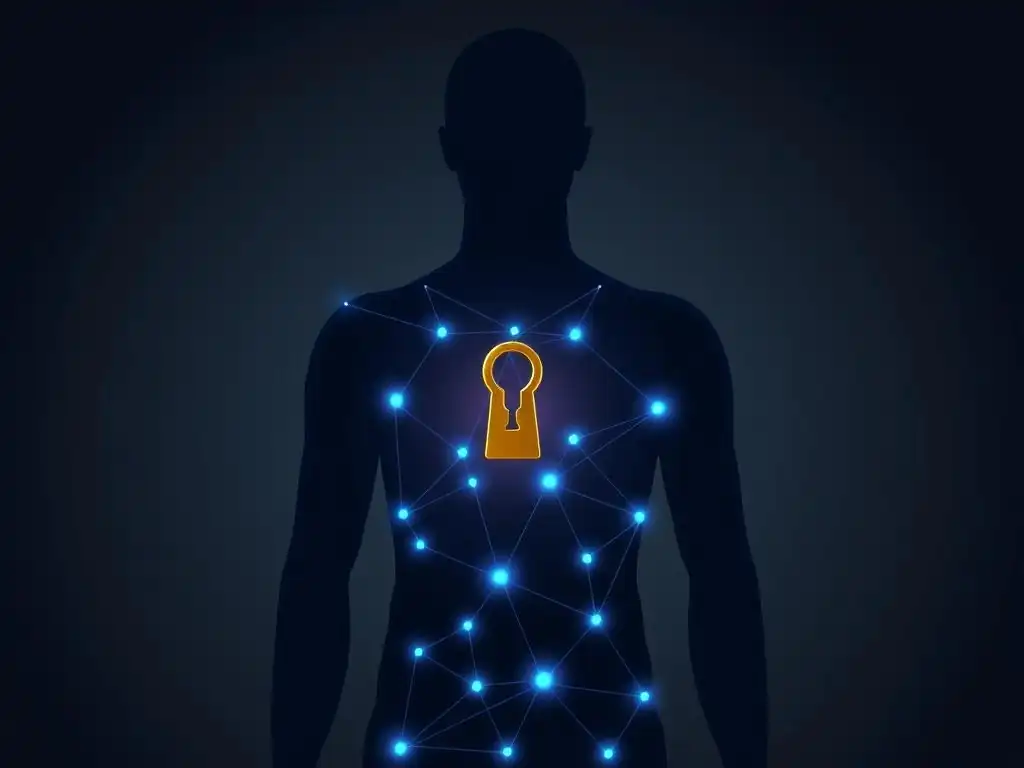
Understanding the Need for Decentralized Identity Solutions in Blockchain Ecosystems
Traditional identity systems, heavily reliant on centralized authorities, present inherent vulnerabilities within the burgeoning blockchain landscape. These systems, often characterized by usernames and passwords managed by third parties, create single points of failure susceptible to breaches and data manipulation. In blockchain ecosystems, where trust and security are paramount, these centralized identity models clash with the core principles of decentralization and user empowerment.
Consider the Equifax data breach of 2017, where sensitive data of over 147 million individuals was compromised due to centralized data storage. This exemplifies the risks associated with entrusting personal information to single entities, a risk that decentralized identity solutions actively aim to mitigate within blockchain environments.
Furthermore, in the context of blockchain platforms, the lack of user-centric identity management hinders the seamless and secure interaction between users and decentralized applications (dApps). Users are often forced to create multiple accounts and share personal data repeatedly across different platforms, leading to fragmented identity experiences and increased privacy risks.
Imagine a user engaging with multiple DeFi protocols; each interaction might require a separate registration and data disclosure, creating friction and exposing the user to potential data silos and security vulnerabilities. Decentralized identity solutions offer a paradigm shift by placing identity ownership and control directly in the hands of the user, aligning perfectly with the decentralized ethos of blockchain technology.
How Decentralized Identity Enhances User Control and Privacy on Blockchain
Decentralized Identity (DID) fundamentally alters the power dynamic of identity management on blockchain platforms by empowering users with unprecedented control over their personal data. Unlike traditional systems where identity providers dictate terms and conditions, DID architecture enables individuals to create and manage their own digital identities independently, without reliance on central intermediaries. This self-sovereign approach allows users to decide what information they share, with whom, and for what purpose, fostering a privacy-centric environment within blockchain ecosystems.
This enhanced user control translates directly into improved privacy. With DID, individuals can selectively disclose verifiable credentials – digital proofs of identity attributes – without revealing unnecessary personal information. For instance, when accessing an age-restricted dApp, a user can present a verifiable credential confirming their age without disclosing their exact date of birth or other personal details.
This principle of minimal disclosure significantly reduces the attack surface for data breaches and limits the potential for privacy violations. In contrast to centralized systems where data is often aggregated and monetized without user consent, decentralized identity prioritizes user autonomy and data privacy as core tenets of digital interaction on blockchain platforms.
The Growing Importance of Self-Sovereign Identity (SSI) in the Digital Age
Self-Sovereign Identity (SSI) is rapidly gaining prominence as a critical framework for navigating the complexities of digital identity in the modern era. In a world increasingly reliant on digital interactions and data exchange, the need for individuals to own and control their identities is becoming paramount. SSI principles, which underpin decentralized identity solutions, advocate for user-centric identity systems where individuals are the primary custodians of their identity data and have the agency to manage and utilize it as they see fit.
The increasing awareness of data breaches and privacy violations, coupled with the rise of decentralized technologies like blockchain, is fueling the adoption of SSI. Governments and organizations worldwide are recognizing the limitations of centralized identity models and exploring the potential of SSI to create more secure, privacy-preserving, and user-empowering digital ecosystems. For example, the European Union's eIDAS 2.0 regulation is incorporating principles of self-sovereign identity to enhance digital identity frameworks across member states. This global shift towards user-centric identity management underscores the growing recognition of SSI as a fundamental building block for a more equitable and trustworthy digital future.
Frequently Asked Questions
What is decentralized identity (DID) and why is it important for blockchain platforms?
Decentralized identity (DID) allows individuals to control their own digital identities without relying on central authorities. This is crucial for blockchain platforms because it enhances user privacy and data security, and fosters trust in decentralized systems.
How do decentralized identity blockchain platforms differ from traditional identity management systems?
Traditional systems rely on centralized databases, making them vulnerable to breaches. Decentralized identity blockchain platforms leverage distributed ledgers to store identity data, offering greater security and user autonomy compared to centralized approaches.
What are some potential applications of decentralized identity beyond personal identification?
Beyond personal identification, DIDs can be used for verifying credentials, enabling secure data sharing, and streamlining supply chain management. They can also facilitate seamless access to decentralized services.
What are the main challenges currently facing the adoption of decentralized identity blockchain platforms?
Challenges include scalability issues on some blockchain networks, the need for user-friendly interfaces, and the lack of standardized protocols for interoperability between different DID systems. Regulatory uncertainty also plays a role.
How might decentralized identity blockchain platforms evolve in the future?
Future developments may involve improved privacy-enhancing technologies, greater integration with Web3 applications, and the emergence of more robust regulatory frameworks that support the adoption of DIDs at scale.
Final Reflection: Embracing Identity Sovereignty
The journey through decentralized identity and its integration with blockchain platforms reveals a powerful truth: the future of digital interaction hinges on individual control and ownership of personal data. No longer can we passively accept centralized systems dictating our online existence. The potential for secure, transparent, and user-centric platforms built upon decentralized identity is not just a technological advancement; it's a fundamental shift in power dynamics.
This shift has profoundly influenced, and continues to influence, the cultural landscape of online interaction. The promise of self-sovereign identity resonates deeply with the growing desire for privacy and autonomy in a world increasingly dominated by data harvesting. It's about reclaiming agency in a digital realm where our identities have become commodities. Identity is the new perimeter of security, and it must be owned and controlled by the individual.
This quote encapsulates the core principle driving the decentralized identity movement, urging us to rethink how we interact with the digital world.
Now, as you consider the implications of decentralized identity blockchain platforms, I invite you to reflect on your own digital footprint. How much control do you truly have over your personal data? What steps can you take to advocate for and embrace solutions that prioritize individual sovereignty? The future is not predetermined; it is shaped by the choices we make today. Let us collectively strive towards a digital landscape where identity is not a vulnerability, but a source of empowerment.
Embrace the Future: Forge Your Decentralized Identity!
Thank you for exploring the pivotal role of decentralized identity in shaping the future of blockchain. You've gained valuable insights into how this technology can enhance security, privacy, and user empowerment. The future is decentralized, and your journey begins now. What's next?
Here are a few ways you can step into that future:
- Start building your own digital identity using a decentralized platform. Try out different solutions to see which best fits your needs and values. Don’t just read about the future—become a part of creating it!
- Explore open-source projects related to decentralized identity and consider contributing. Your skills and enthusiasm can help advance these important technologies.
- Share this article with your network! Initiate conversations about the significance of decentralized identity and its potential to transform the world.
What actions will you take this week to explore and contribute to the development of decentralized identity? We’d love to hear your thoughts in the comments below!
Leave a Reply