
Blockchain in Supply Chain Management: Enhancing Transparency and Traceability

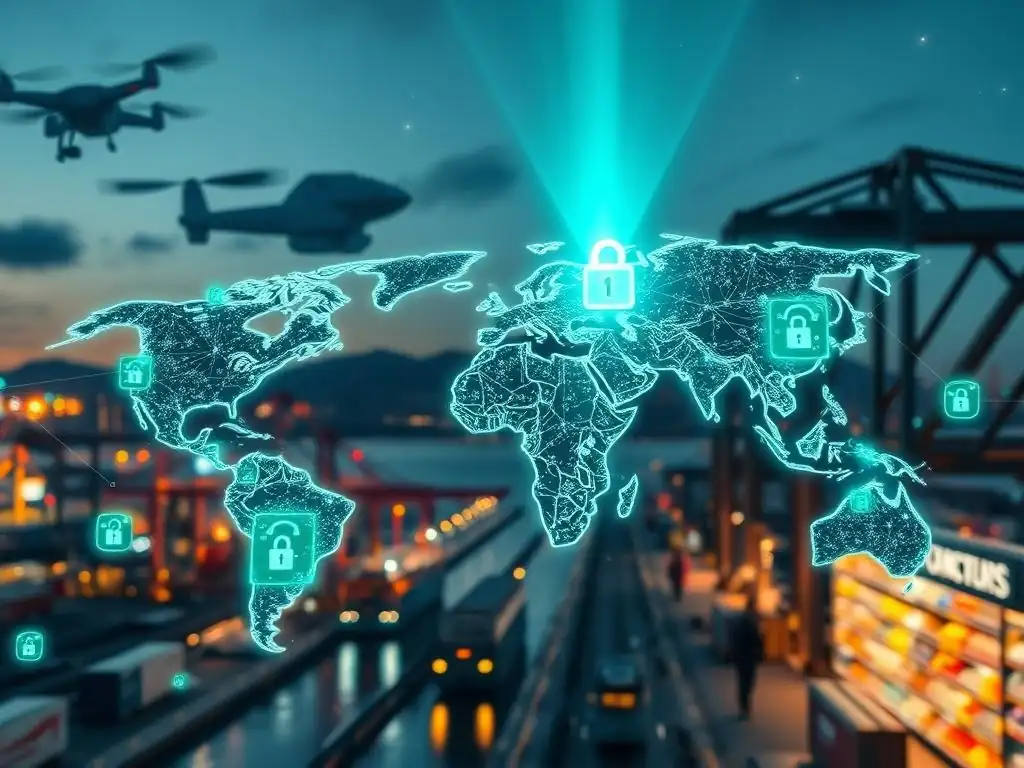
Welcome to Blockchain Trends, your premier source for in-depth analysis of blockchain's evolution beyond digital currencies. Dive into a world where decentralized solutions are reshaping industries, from finance to governance.
This week, we're unraveling the profound blockchain supply chain transparency benefits that are revolutionizing how businesses operate. Imagine a world with verifiable product origins, reduced fraud, and enhanced consumer trust. Intrigued? Let's explore how blockchain is forging a new era of accountability and efficiency in supply chain management.
Blockchain in Supply Chain Management: Enhancing Transparency and Traceability
- Introduction: Revolutionizing Supply Chains with Blockchain Technology
- Understanding Blockchain Technology for Supply Chain Applications
- Enhancing Supply Chain Transparency Benefits with Blockchain
- Blockchain for Supply Chain Traceability: A Step-by-Step Process
- Real-World Applications of Blockchain in Supply Chain Management
- Overcoming Challenges and Implementing Blockchain in Supply Chains
- The Future of Blockchain in Supply Chain: Trends and Predictions
- Measuring the ROI of Blockchain Implementation in Supply Chain
- Conclusion: The Transformative Power of Blockchain for Supply Chain Management
-
Frequently Asked Questions
- What are the primary benefits of using blockchain for supply chain management?
- How does blockchain enhance traceability in the supply chain?
- Beyond cryptocurrencies, what other applications of blockchain are relevant to supply chains?
- How does transparency provided by blockchain combat fraud in supply chains?
- What are some of the future trends for blockchain adoption in supply chain management?
- Final Reflection: Embracing Blockchain's Transparent Future
- Uncover the Future: Your Next Steps in Blockchain and Supply Chain
Introduction: Revolutionizing Supply Chains with Blockchain Technology
Supply chains are increasingly global, complex, and interconnected, involving numerous parties from raw material suppliers to manufacturers, distributors, and end consumers. This complexity often leads to significant challenges, including lack of visibility, inefficiency, fraud, and difficulties in ensuring product authenticity and ethical sourcing. Traditional paper-based systems and disparate digital databases create silos of information, hindering the ability to track goods effectively and verify their journey through the network.
Blockchain technology offers a novel approach to addressing these long-standing issues. By providing a distributed, immutable, and transparent ledger, blockchain has the potential to fundamentally transform how supply chains operate. It moves beyond simple record-keeping to create a shared, single source of truth accessible to authorized participants, significantly enhancing trust and collaboration among diverse stakeholders.
The Growing Need for Transparency in Modern Supply Chains
Consumers, regulators, and businesses alike are demanding greater transparency regarding the origin, handling, and journey of products. This includes concerns about food safety, ethical labor practices, environmental sustainability, and the authenticity of goods. A lack of transparency can lead to costly recalls, damage brand reputation, increase regulatory scrutiny, and fail to meet evolving consumer expectations.
For instance, in the food industry, tracing contaminated products through complex global supply chains can take days or even weeks using traditional methods, leading to widespread illness and economic losses. Similarly, the proliferation of counterfeit goods across various sectors, from pharmaceuticals to luxury items, poses significant risks to public health and causes billions in losses annually. Enhancing supply chain transparency benefits all parties by enabling faster responses to issues, building consumer trust, and mitigating risks associated with fraud and non-compliance.
Blockchain's Potential for Supply Chain Transformation: An Overview
Blockchain's core characteristics make it uniquely suited for revolutionizing supply chain operations. Its distributed nature means data is not stored in a single location, reducing vulnerability to single points of failure or manipulation. The cryptographic hashing ensures that once data is recorded, it cannot be altered without detection, providing an immutable audit trail. Furthermore, the consensus mechanisms require agreement among participants to add new blocks of transactions, enhancing data integrity.
These features collectively contribute to significant blockchain supply chain transparency benefits. They enable participants to record and track transactions, product movements, certifications, and other critical data in a secure and transparent manner. This shared, verifiable record allows for unprecedented visibility into the supply chain, from the source of raw materials to the point of sale, creating a foundation of trust that was previously difficult to achieve.
Understanding Blockchain Technology for Supply Chain Applications
What is Blockchain and How Does it Work? A Simplified Explanation
At its heart, a blockchain is a type of distributed ledger technology (DLT) that records transactions across many computers. Imagine it as a digital ledger that is duplicated and spread across a network of participants, rather than being stored in one central place. When a new transaction occurs (e.g., a product moving from one location to another), it is grouped with other recent transactions into a "block".
This new block is then verified by the computers in the network using complex algorithms (a consensus mechanism). Once verified, the block is cryptographically linked to the previous block, forming a chain – hence, blockchain. Each block contains a unique digital fingerprint (a hash) of the previous block, making it virtually impossible to alter a past block without breaking the chain and alerting the network. This structure ensures the data's integrity and creates a chronological, tamper-evident record of all transactions.
Key Features of Blockchain Relevant to Supply Chain Management: Immutability, Transparency, and Security
The inherent features of blockchain technology offer significant advantages for supply chain management. Immutability means that once data is recorded on the blockchain, it cannot be changed or deleted. This creates a permanent, verifiable history of every transaction and movement, crucial for auditing, compliance, and dispute resolution. For a supply chain, this means every step a product takes, every quality check performed, or every change in ownership is logged indelibly.
Transparency is another key benefit. While not all data on a blockchain is public (depending on the type of network), authorized participants in a supply chain network can have access to the shared ledger, seeing the same version of truth in real-time. This shared visibility eliminates information silos and provides stakeholders with clear, auditable data on product provenance, handling, and status.
Security is provided through cryptography, which secures transactions and ensures that only authorized parties can access or add data, protecting sensitive information while maintaining the integrity of the shared ledger. These features collectively underpin the substantial blockchain supply chain transparency benefits.
Different Types of Blockchain Networks for Supply Chain: Public, Private, and Consortium
Not all blockchain networks are the same, and the choice of network type is critical for supply chain applications. Public blockchains, like Bitcoin or Ethereum, are open to anyone to join, read, and participate in consensus. While highly decentralized and transparent, they can face scalability issues and lack privacy for sensitive business data, making them less suitable for many enterprise supply chain use cases without significant modifications or layer-two solutions.
Private blockchains are permissioned networks where participation is restricted and controlled by a single organization. They offer higher transaction speeds and privacy but sacrifice decentralization and trust, as a single entity controls the network. Consortium blockchains (also known as federated blockchains) are permissioned networks controlled by a group of organizations. This model strikes a balance between decentralization, control, speed, and privacy. It is often considered the most appropriate for supply chain management, as it allows multiple, competing entities (suppliers, manufacturers, distributors) to share data and collaborate on a trusted, shared ledger managed by the participants themselves.
Enhancing Supply Chain Transparency Benefits with Blockchain
Improved Traceability and Provenance Tracking Using Blockchain
One of the most significant blockchain supply chain transparency benefits is the dramatic improvement in traceability and provenance tracking. By recording every step of a product's journey on an immutable ledger – from the origin of raw materials, through manufacturing processes, quality checks, shipping, customs, and distribution – a complete and verifiable history is created. Each transaction on the blockchain can include details such as location, timestamp, temperature readings, ownership changes, and relevant certifications.
This granular level of detail, accessible to authorized network participants, means that the origin and path of any product can be traced back instantly. For example, in the event of a foodborne illness outbreak, tracing contaminated produce from a supermarket shelf back to the specific farm and even harvest batch can be reduced from days or weeks to seconds or minutes, allowing for targeted recalls and minimizing harm to consumers and producers of safe products. This level of immediate, verifiable traceability was previously unattainable with traditional systems.
Increased Visibility Across the Entire Supply Chain Network
Traditional supply chains often suffer from opaque segments where data is siloed within individual companies or steps. This lack of end-to-end visibility makes it difficult to identify bottlenecks, assess risks, verify compliance, or even know the real-time location and condition of goods. Implementing blockchain creates a shared, distributed ledger that acts as a single source of truth for all authorized participants across the network.
This shared ledger provides unprecedented visibility into the flow of goods and information. Participants, depending on their permission levels, can see data recorded by others in the chain, such as a supplier confirming a shipment, a manufacturer recording batch details, or a logistics provider updating location. This increased visibility allows for better coordination, proactive problem-solving, and enhanced forecasting, unlocking significant blockchain supply chain transparency benefits beyond just tracking, including improved inventory management and reduced stockouts.
Reduced Counterfeiting and Product Diversion through Blockchain Verification
Counterfeiting is a massive global problem, impacting everything from pharmaceuticals and electronics to apparel and luxury goods, causing significant economic losses and posing serious health risks. Blockchain technology offers a powerful tool to combat this by creating a secure, verifiable digital identity and history for each product or batch. By assigning unique identifiers (like QR codes or serial numbers linked to the blockchain) to products at their point of origin, their authenticity and journey can be tracked and verified throughout the supply chain.
Consumers or businesses can scan a product's identifier and access its verified history on the blockchain, confirming its legitimacy and tracing its path from manufacturer to purchase point. This makes it extremely difficult for counterfeit products to enter the legitimate supply chain undetected, as they would lack a verifiable blockchain record. Similarly, blockchain can help prevent product diversion (selling goods outside authorized distribution channels) by providing a clear, auditable trail of intended destinations and ownership transfers, enabling stakeholders to quickly identify and address discrepancies.
Blockchain for Supply Chain Traceability: A Step-by-Step Process
Data Input and Recording on the Blockchain
The process of using blockchain for supply chain traceability begins with capturing relevant data at various points in the product's journey. This data might include details about raw materials, manufacturing dates and locations, quality assurance results, packaging information, shipping details, temperature logs, and ownership changes. Each significant event or transaction in the supply chain lifecycle needs to be recorded.
This data is typically captured using various methods, such as manual entry via a user interface, scanning barcodes or QR codes, or automatically through IoT devices like sensors tracking location, temperature, or humidity. Once captured, this data is formatted and prepared to be added as a transaction to the blockchain network. Importantly, the integrity of the data before it is recorded on the blockchain is crucial; blockchain ensures immutability after recording, not the accuracy of the initial input.
Secure Data Sharing and Access Control
A key advantage of a blockchain for supply chain is its ability to facilitate secure and controlled data sharing among multiple parties who may not fully trust each other. Unlike traditional systems where each company holds its own data in silos, a blockchain provides a shared, distributed ledger. However, not all data is necessarily visible to everyone. Permissioned networks (consortium or private) are typically used, allowing granular control over who can view specific types of data.
Using cryptographic keys and smart contracts, access permissions can be defined. For example, a regulator might have access to all compliance-related data across the chain, while a logistics provider only sees shipping and location data relevant to their role, and a consumer might only see provenance and authenticity information for the specific product they purchased. This controlled sharing ensures that sensitive business data remains private while still providing the necessary transparency and collaborative environment across the supply chain.
Real-Time Tracking and Monitoring of Goods
Once data is being recorded on the blockchain at each step, the network provides near real-time visibility into the movement and status of goods. As products change hands, move between locations, or undergo processing, the corresponding transactions are added to the blockchain, creating a live, updating ledger of their journey. This enables participants with appropriate permissions to track goods in transit and monitor their progress against planned routes and schedules.
Integrating blockchain with other technologies, such as GPS tracking and IoT sensors, further enhances real-time monitoring. Sensor data (like temperature or shock) can be automatically recorded on the blockchain, providing verifiable proof of conditions during transit. This allows for immediate alerts if conditions deviate from standards (e.g., a cold chain breach), enabling prompt intervention and minimizing loss. This real-time, verifiable tracking is a core component of the blockchain supply chain transparency benefits, allowing for proactive management and improved responsiveness.
Real-World Applications of Blockchain in Supply Chain Management
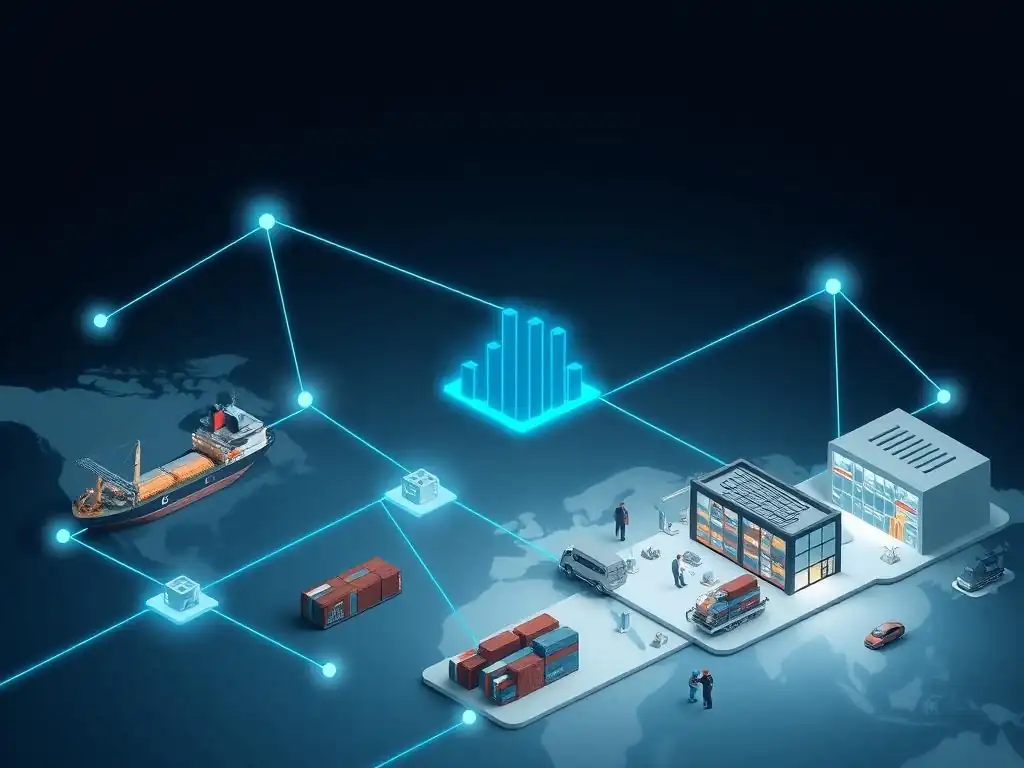
Case Study 1: IBM Food Trust for Food Safety and Traceability
IBM Food Trust is one of the most prominent examples of blockchain being applied to enhance supply chain transparency and traceability in the food industry. Launched by IBM, this network utilizes a permissioned blockchain built on Hyperledger Fabric. It connects growers, processors, wholesalers, distributors, manufacturers, retailers, and others in the food supply chain.
The platform allows participants to securely share food origin, processing, and shipping data on the blockchain. This enables rapid tracing of food products from farm to store.
In a well-known demonstration, Walmart used the platform to trace a package of mangoes from a store back to its farm of origin in just 2.2 seconds, a process that previously took over seven days using traditional paper-based and legacy electronic systems. This dramatic reduction in tracing time is a direct result of the enhanced blockchain supply chain transparency benefits provided by the platform, significantly improving food safety response times and reducing potential harm during outbreaks.
Case Study 2: MediLedger for Pharmaceutical Supply Chain Integrity
The pharmaceutical industry faces significant challenges with counterfeiting, product diversion, and ensuring compliance with regulations like the U.S. Drug Supply Chain Security Act (DSCSA), which mandates electronic, interoperable tracing of prescription drugs. The MediLedger Network is a consortium blockchain built by pharmaceutical companies and their supply chain partners specifically to address these issues.
MediLedger uses blockchain to create a shared, verifiable record of pharmaceutical product identifiers and transaction histories as they move through the supply chain. This allows participants to verify the authenticity of products and confirm they are being handled by authorized trading partners. By providing a secure, immutable audit trail, MediLedger helps companies meet regulatory requirements for traceability and significantly reduces the risk of counterfeit or illegitimate drugs entering the supply chain, protecting patient safety and demonstrating clear blockchain supply chain transparency benefits in a highly regulated sector.
Case Study 3: Arianee for Luxury Goods Authentication
The luxury goods market is particularly vulnerable to counterfeiting, which erodes brand value and consumer trust. Arianee is a blockchain-based solution focused on providing digital identities and certificates of authenticity for luxury items. When a luxury product is manufactured, a unique digital passport is created on the Arianee blockchain, containing information about its origin, materials, and certifications.
This digital passport, often linked to the physical product via a QR code or NFC tag, can be transferred to the new owner upon sale. The blockchain immutability ensures that the certificate of authenticity is genuine and cannot be faked. This provides verifiable proof of ownership and product authenticity, enhancing consumer trust and combating the illicit trade of counterfeit luxury goods. The platform demonstrates how blockchain can deliver significant blockchain supply chain transparency benefits specifically for high-value, high-risk products, ensuring their integrity and provenance throughout their lifecycle.
Overcoming Challenges and Implementing Blockchain in Supply Chains
Addressing Scalability Issues in Blockchain Supply Chain Solutions
While blockchain offers immense benefits, scalability remains a key challenge for widespread adoption in complex, high-volume supply chains. Public blockchains can process a limited number of transactions per second (e.g., Bitcoin ~7 tps, Ethereum ~15-30 tps), which is insufficient for the millions of transactions that occur daily in large supply networks. Even permissioned blockchains need to handle substantial transaction volumes and data storage requirements as more participants and products are added.
Solutions to address scalability include using permissioned networks like Hyperledger Fabric or R3 Corda, which are designed for higher throughput than public chains. Other approaches involve 'off-chain' transactions where only summaries or hashes are recorded on the main chain, while detailed data is stored elsewhere, or utilizing layer-two scaling solutions. Efficient data management and storage strategies are also critical to ensure the network can handle the vast amount of data generated by tracking millions of individual items.
Interoperability and Integration with Existing Systems
Supply chains rely heavily on existing legacy systems, including Enterprise Resource Planning (ERP), Warehouse Management Systems (WMS), Transportation Management Systems (TMS), and various databases used by different partners. Integrating a new blockchain platform with these disparate systems is a significant technical and operational challenge. Data often resides in different formats and is managed by systems that were not designed to interact with a distributed ledger.
Achieving seamless interoperability requires robust APIs and middleware to connect existing systems to the blockchain network. Standardizing data formats and processes across different organizations is also crucial. This integration effort can be complex and costly, requiring significant technical expertise and collaboration among supply chain partners. However, successful integration is essential to ensure that data flows smoothly onto and off the blockchain, maximizing the blockchain supply chain transparency benefits without disrupting existing operations.
Data Privacy and Security Considerations
While blockchain is inherently secure due to cryptography and immutability, implementing it in a supply chain context raises specific data privacy and security concerns. Sensitive business data, such as pricing, customer information, or proprietary manufacturing processes, needs to be protected while still providing necessary transparency to authorized parties. Furthermore, the principle of immutability means that once incorrect or malicious data is recorded, it is difficult to remove or correct, potentially propagating errors.
Permissioned blockchains with granular access controls are typically used to manage data privacy, ensuring that only relevant data is shared with specific participants. Techniques like zero-knowledge proofs can allow verification of data attributes without revealing the underlying data itself. Robust security protocols are needed to protect private keys and network nodes from cyber threats. Establishing clear governance rules among consortium members on data ownership, access, and error correction procedures is also vital to maintain trust and security within the blockchain network.
The Future of Blockchain in Supply Chain: Trends and Predictions
The Rise of Decentralized Supply Chain Networks
While many current blockchain supply chain solutions operate on consortium models with a degree of central coordination among members, the future may see a move towards more truly decentralized networks. This could involve using public or semi-public blockchain infrastructure combined with privacy-preserving techniques, or more complex governance models distributed among a wider set of stakeholders.
Decentralization could potentially increase resilience, reduce reliance on a few dominant players, and foster greater innovation through open standards and protocols. It aligns with the core ethos of blockchain and could unlock even greater blockchain supply chain transparency benefits by making the network more accessible and resistant to single points of control or failure. However, it also presents challenges related to governance, scalability, and regulatory clarity.
Integration of Blockchain with IoT and AI for Enhanced Supply Chain Efficiency
The combination of blockchain with other emerging technologies like the Internet of Things (IoT) and Artificial Intelligence (AI) is poised to create highly intelligent and efficient supply chains. IoT devices (sensors, trackers, smart tags) can automatically collect vast amounts of real-time data on product location, condition, and environment and feed this data directly onto the blockchain.
This integration creates a tamper-proof, automated record of events, enhancing the accuracy and timeliness of data on the ledger. AI can then analyze the rich dataset stored on the blockchain – including historical transaction data, sensor readings, and performance metrics – to identify patterns, predict potential issues (like delays or quality deviations), optimize routes, manage inventory more effectively, and automate decision-making through smart contracts. This synergy magnifies the blockchain supply chain transparency benefits by providing verifiable, real-time data for advanced analytics and automation.
Regulatory Landscape and Compliance for Blockchain-Based Supply Chains
The regulatory environment for blockchain technology is still evolving globally. As blockchain solutions become more prevalent in supply chains, clear regulations regarding data ownership, privacy (e.g., GDPR compatibility), digital identities, and the legal standing of blockchain-based records and smart contracts will be crucial. Compliance with industry-specific regulations (like DSCSA in pharmaceuticals or food safety standards) must also be ensured within blockchain implementations.
Governments and international bodies are actively exploring how to regulate blockchain without stifling innovation. Future trends will likely involve clearer guidelines and standards for blockchain adoption in various sectors. Successful blockchain supply chain initiatives will need to navigate this evolving landscape, potentially collaborating with regulators to help shape practical and effective compliance frameworks that leverage the transparency and auditability features of the technology.
Measuring the ROI of Blockchain Implementation in Supply Chain
Key Performance Indicators (KPIs) for Blockchain Supply Chain Projects
Measuring the return on investment (ROI) for blockchain in supply chain requires defining clear Key Performance Indicators (KPIs) aligned with the project's goals. These KPIs should quantify the improvements achieved through enhanced transparency and traceability. Examples include:
- Reduction in time taken to trace a product from origin to destination.
- Decrease in the number of counterfeit goods identified in the supply chain.
- Reduction in financial losses due to fraud, disputes, or product recalls.
- Improvement in on-time delivery rates and lead times.
- Reduction in inventory holding costs due to better visibility.
- Increase in customer satisfaction related to product authenticity and information access.
- Efficiency gains in administrative processes like documentation and verification.
Quantifiable Benefits: Cost Savings, Efficiency Gains, and Reduced Risk
Implementing blockchain can lead to several quantifiable benefits. Cost savings can result from reduced administrative overhead (less paperwork, fewer manual checks), lower costs associated with handling disputes and chargebacks (due to immutable records), and reduced losses from counterfeiting or spoilage (due to better monitoring). Efficiency gains stem from streamlined processes, faster information flow, and improved coordination among partners.
Reduced risk is a significant benefit, quantifiable through metrics like the decrease in successful counterfeit attempts, the speed of recalls, and improved compliance audit outcomes. For example, a study by McKinsey suggested that blockchain could reduce supply chain costs by 10-20% and improve transparency by 30-50% in certain sectors. While specific numbers vary greatly by industry and implementation scope, these figures highlight the potential for substantial ROI driven by the core blockchain supply chain transparency benefits.
Traceability Time Reduction, Counterfeit Product Reduction, and Inventory Optimization
Specific, measurable outcomes often targeted by blockchain projects include dramatically reducing the time required for traceability – as seen in the IBM Food Trust example reducing tracing time from days to seconds. This directly translates to faster response times during crises and reduced impact. The reduction in counterfeit products entering the supply chain can be measured by tracking the number of confirmed fakes detected versus those expected without blockchain, or by monitoring changes in market share lost to counterfeits.
Inventory optimization is another area where blockchain provides tangible benefits. Improved visibility and real-time tracking allow companies to have a more accurate picture of inventory levels across the entire network, reducing the need for buffer stock, minimizing stockouts, and lowering carrying costs. While precise figures depend on the specific supply chain, reductions in inventory holding costs by 5-15% have been cited as potential outcomes from enhanced visibility enabled by blockchain and related technologies. These metrics collectively paint a clear picture of the ROI derived from leveraging blockchain supply chain transparency benefits.
Conclusion: The Transformative Power of Blockchain for Supply Chain Management
Embracing Blockchain for a More Transparent and Efficient Future
The complexities and challenges of modern global supply chains necessitate innovative solutions, and blockchain technology has emerged as a powerful catalyst for change. By providing a shared, immutable, and transparent ledger, blockchain moves beyond incremental improvements to offer a fundamental shift in how goods and information flow through interconnected networks. Embracing blockchain enables businesses to overcome legacy limitations, build resilience, and meet the increasing demands for accountability and ethical sourcing.
The transformative power lies in its ability to create a single, trustworthy version of reality accessible to authorized participants. This shared truth dismantles information silos, reduces reliance on intermediaries, and provides the foundation for a more efficient, secure, and responsive supply chain ecosystem. The significant blockchain supply chain transparency benefits, coupled with enhanced traceability and security, position blockchain as a cornerstone technology for the future of supply chain management.
Blockchain's Role in Building Trust and Collaboration Across the Supply Chain Ecosystem
Perhaps the most profound impact of blockchain in supply chain management is its ability to foster trust among disparate and often competing entities. In traditional supply chains, trust is often established through contracts, audits, and intermediaries, which can be costly and inefficient. Blockchain replaces the need for absolute trust in a single party with trust in the technology and the network's consensus mechanism.
By providing a transparent, verifiable, and immutable record of transactions and events, blockchain creates a foundation for genuine collaboration. Partners can rely on the accuracy and integrity of the shared data, reducing disputes, improving coordination, and enabling new business models based on shared information and automated processes via smart contracts. Ultimately, blockchain's role extends beyond mere technology implementation; it is about enabling a more collaborative, trustworthy, and transparent global supply chain ecosystem that benefits businesses, consumers, and regulators alike.
Frequently Asked Questions
What are the primary benefits of using blockchain for supply chain management?
Blockchain enhances supply chain management primarily through increased transparency and improved traceability. This leads to better visibility of products throughout the entire process.
How does blockchain enhance traceability in the supply chain?
Blockchain creates an immutable record of each product's journey. Every transaction is securely logged, providing a clear audit trail and enabling easy tracking of goods.
Beyond cryptocurrencies, what other applications of blockchain are relevant to supply chains?
Besides cryptocurrencies, blockchain facilitates DeFi (Decentralized Finance) for secure payments and enterprise applications for improved data management. This also helps with regulatory compliance.
How does transparency provided by blockchain combat fraud in supply chains?
The immutable and shared nature of blockchain makes it difficult to tamper with data. This reduces counterfeiting and ensures that products are authentic, protecting consumers and businesses.
What are some of the future trends for blockchain adoption in supply chain management?
Future trends include wider adoption of decentralized systems, increased focus on interoperability between different blockchain networks, and enhanced regulatory frameworks to support innovation.
Final Reflection: Embracing Blockchain's Transparent Future
The exploration of blockchain's transformative power in supply chain management underscores a crucial point: transparency and traceability are no longer optional, but essential for building trust and resilience in today's interconnected world. The benefits, as outlined, extend far beyond mere efficiency gains; they represent a fundamental shift towards ethical sourcing, reduced counterfeiting, and enhanced consumer confidence, all vital components of a sustainable and responsible global economy.
The impact of blockchain on supply chains is not merely theoretical; it's actively reshaping industries and influencing consumer expectations. Witnessing this evolution firsthand reinforces the importance of embracing technological advancements that promote accountability and ethical practices. The future of supply chains is not just about moving goods; it's about moving information, and blockchain is the key to unlocking that potential.
This quote perfectly encapsulates the paradigm shift we are experiencing, where data integrity and accessibility are paramount.
As we conclude this exploration of blockchain supply chain transparency benefits, I invite you to consider how these principles can be applied beyond the corporate sphere. How can we, as individuals, demand greater transparency in the products we consume and the processes that bring them to us? Let us champion technologies that empower us to make informed choices and contribute to a more ethical and sustainable future, one block at a time.
Uncover the Future: Your Next Steps in Blockchain and Supply Chain
Thank you for exploring how blockchain is transforming supply chain management. We hope you gained valuable insights into enhancing transparency and traceability. Now, it’s time to turn that knowledge into action.
Consider connecting with a blockchain expert to discuss launching a pilot project within your supply chain. Experience the benefits firsthand and see how blockchain can optimize your operations.
Share this article with colleagues or industry peers on professional networks to spread awareness about the importance of transparency and traceability.
Additionally, explore a unique or unconventional use case of blockchain technology from a different industry and think about how that approach could be adapted to address your own supply chain challenges. Think creatively!
What is one practical step you will take this week to increase transparency in your supply chain with blockchain? Share your plans in the comments below!
Leave a Reply