
Ethical Materials Sourcing: Blockchain to Track and Verify Sustainable Practices

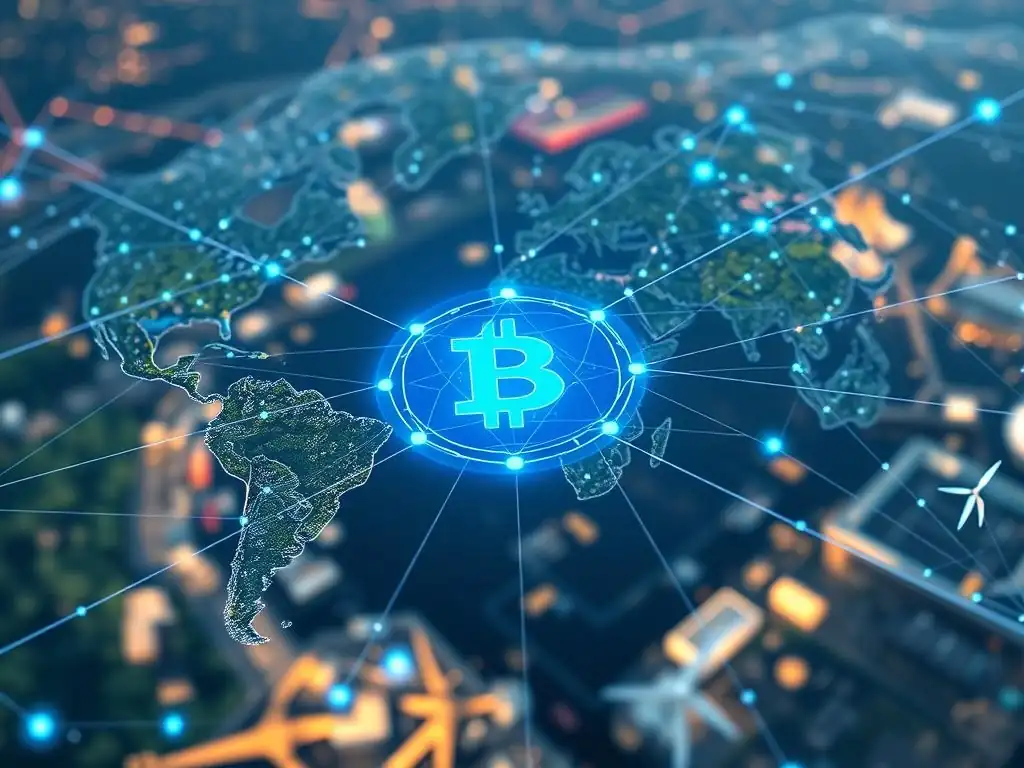
Welcome to Blockchain Trends, your compass in the rapidly evolving world of decentralized technology. Are you ready to discover how blockchain is reshaping industries beyond digital currencies? Dive into our latest exploration of Blockchain and Social Impact, where we unravel the complexities of blockchain supply chain ethics tracking. Learn how this groundbreaking technology is being leveraged to verify sustainable practices and bring unprecedented transparency to material sourcing. Curious to see how it works and what challenges lie ahead? Read on to unlock the potential for a more ethical and accountable future.
Ethical Materials Sourcing: Blockchain for Traceability and Sustainability
- Introduction: Enhancing Supply Chain Ethics with Blockchain
- Blockchain Technology for Ethical Supply Chain Tracking
- Benefits of Blockchain-Based Ethical Sourcing
- Implementing Blockchain for Ethical Materials Tracking
- Real-World Examples of Blockchain in Ethical Sourcing
- Addressing Challenges in Blockchain Adoption
- The Future of Blockchain and Sustainable Supply Chains
- Conclusion: Blockchain's Potential for Ethical Materials Sourcing
-
Frequently Asked Questions
- How does blockchain technology enhance ethical materials sourcing?
- What are the key benefits of using blockchain for supply chain ethics tracking?
- How can blockchain help address concerns about forced labor in supply chains?
- What challenges exist in implementing blockchain supply chain ethics tracking systems?
- How does blockchain supply chain ethics tracking contribute to broader sustainability goals?
- Final Reflection: Embracing Transparency for a Sustainable Future
- Embark on Your Ethical Sourcing Journey Today!
Introduction: Enhancing Supply Chain Ethics with Blockchain
The Increasing Demand for Ethical and Sustainable Products
Global consumer and regulatory pressures are driving an unprecedented demand for products sourced ethically and sustainably. Consumers are increasingly conscious of the environmental and social impact of their purchases, leading to a significant shift in buying behavior. Reports indicate that a substantial percentage of consumers, often cited around 60-70% in various surveys, are willing to pay more for products from companies demonstrating ethical sourcing and sustainable practices. This trend is compelling businesses across industries, from fashion and food to electronics and manufacturing, to re-evaluate their complex supply chains.
Furthermore, governments and international bodies are implementing stricter regulations regarding supply chain transparency, forced labor, environmental impact, and conflict minerals. Legislation like the EU's upcoming due diligence rules or existing regulations in the US and other countries mandate greater visibility into material origins and production processes. Companies failing to meet these standards face significant reputational damage, fines, and legal repercussions, making robust ethical materials sourcing not just a moral imperative but a business necessity.
Limitations of Traditional Supply Chain Visibility
Traditional supply chain systems often suffer from inherent opaqueness and fragmentation, making comprehensive ethical materials sourcing a significant challenge. These systems typically rely on disparate databases, manual record-keeping, paper-based documentation, and limited data sharing between different stakeholders. This lack of a unified, transparent platform creates blind spots regarding the true origin of materials, working conditions, and adherence to environmental standards at every stage of the supply chain.
The reliance on intermediaries and layered supplier relationships further obscures visibility. Information is frequently siloed or even intentionally concealed, making it difficult to verify claims about sustainability certifications or ethical labor practices. Audits provide snapshots in time but are often costly, infrequent, and susceptible to manipulation. This makes effective blockchain supply chain ethics tracking incredibly difficult using legacy methods, leaving businesses vulnerable to risks like counterfeit goods, forced labor scandals, or sourcing from environmentally damaging operations without their knowledge.
Blockchain's Role in Addressing Ethical Sourcing Challenges
Blockchain technology offers a transformative solution to the fundamental transparency and trust issues plaguing traditional ethical materials sourcing. By providing a decentralized, immutable, and transparent ledger, blockchain allows for the secure recording and sharing of data across the entire supply chain network, from the raw material source to the final product. Each transaction or event, such as a material transfer, a quality check, or a certification verification, can be recorded as a block on the chain, creating an auditable history that is resistant to tampering.
This inherent transparency and immutability enable businesses to establish a verifiable chain of custody for their materials. Stakeholders, with appropriate permissions, can access this shared ledger to track the journey of a product, verify the origin of its components, and confirm that ethical and sustainable practices were followed at each step. This foundational capability makes blockchain supply chain ethics tracking far more reliable and effective than previous methods, building trust among participants and providing credible assurance to consumers and regulators.
Blockchain Technology for Ethical Supply Chain Tracking
Immutable Ledger: Ensuring Data Integrity and Trust
At the core of blockchain's utility for ethical materials sourcing is its immutable ledger. Once data is recorded on the blockchain, it is incredibly difficult, if not impossible, to alter or delete it without consensus from the network participants. Each block of transaction data is cryptographically linked to the previous one, forming a chain. Any attempt to tamper with a block would break this cryptographic link, immediately alerting the network to the attempted breach. This inherent security feature ensures the integrity of the supply chain data.
For blockchain supply chain ethics tracking, this means that records of material origins, fair labor certifications, environmental compliance checks, and transportation logs become permanently verifiable. A record indicating that timber was harvested from a certified sustainable forest, for example, cannot be retroactively changed to hide illegal logging. This creates a single, trustworthy source of truth for all parties involved, significantly reducing the risk of data manipulation and fostering a higher level of trust within the often-complex and geographically dispersed supply chain network.
Smart Contracts: Automating Compliance and Verification
Smart contracts are self-executing contracts with the terms of the agreement directly written into lines of code. These contracts reside on the blockchain and automatically execute predetermined actions when specific conditions are met and verified on the network. In the context of ethical materials sourcing, smart contracts can automate and enforce compliance with ethical and sustainability standards without the need for intermediaries, streamlining blockchain supply chain ethics tracking processes.
For instance, a smart contract could be programmed to release payment to a supplier only after data verifying a sustainable farming practice (e.g., GPS coordinates confirming location, sensor data confirming water usage within limits) is uploaded and validated on the blockchain. Similarly, a contract could trigger an alert if a shipment deviates from an approved route, potentially indicating diversion or use of unauthorized transportation methods. This automation reduces administrative overhead, minimizes human error, and provides real-time enforcement of ethical sourcing agreements, ensuring that practices align with stated commitments.
Decentralized Management: Enhancing Visibility and Collaboration
Blockchain's decentralized nature means that data is not stored in a single location controlled by one entity but is distributed across multiple nodes in the network. This architecture eliminates single points of failure and reduces reliance on centralized authorities, which can be prone to errors, corruption, or data manipulation. In a decentralized ethical sourcing system powered by blockchain, relevant stakeholders—from farmers and miners to manufacturers, logistics providers, and retailers—can participate and access the shared, transparent ledger based on their permissions.
This distributed control fosters enhanced visibility and collaboration across the entire supply chain. Instead of information flowing linearly or being hoarded by intermediaries, a shared view of the material's journey and associated ethical data is accessible to authorized parties simultaneously. This collective participation and shared responsibility improve the accuracy of blockchain supply chain ethics tracking and build a more collaborative environment where issues can be identified and addressed proactively by all involved parties, rather than being hidden within fragmented systems.
Benefits of Blockchain-Based Ethical Sourcing
Enhanced Traceability of Material Origins
One of the most significant benefits of using blockchain for ethical materials sourcing is the dramatic improvement in traceability. By assigning unique digital identities to materials, batches, or even individual items at their point of origin and recording every subsequent movement and transformation on the immutable ledger, a complete and verifiable chain of custody is created. This level of granular detail allows companies to track materials back to their source with high confidence, a critical capability for blockchain supply chain ethics tracking.
For example, a piece of jewelry could be traced back to the specific mine where the gold was extracted, verifying it came from a conflict-free zone. Similarly, a garment's cotton could be traced to the exact farm, confirming organic certification and fair labor practices. This enhanced traceability provides businesses with the assurance needed to make informed sourcing decisions and confidently stand behind the ethical claims of their products, significantly reducing the risk of inadvertently sourcing materials linked to unethical practices.
Verification of Sustainability Certifications and Practices
Blockchain technology provides a robust mechanism for verifying sustainability certifications and practices throughout the supply chain. Instead of relying solely on paper certificates or periodic audits, certifications (like Fair Trade, FSC for timber, or organic certifications) can be tokenized or linked to data recorded directly on the blockchain. Smart contracts can then automate the verification process by checking if the required data points – such as proof of audits, sensor readings for environmental compliance, or records of worker payments – are present and validated on the ledger.
This continuous, verifiable record makes it much harder to falsify certifications or claim adherence to practices that are not being followed. For instance, a coffee producer claiming organic status must upload verifiable data (e.g., lack of pesticide use records, soil test results) to the blockchain, which can then be referenced by buyers and auditors. This level of transparency significantly strengthens the credibility of ethical and sustainable claims, making blockchain supply chain ethics tracking more reliable for all participants and consumers.
Reduced Risk of Fraud and Counterfeiting
Counterfeiting and fraud are major issues in global supply chains, impacting brand reputation, consumer safety, and ethical integrity. Blockchain's immutable and transparent ledger makes it significantly harder for counterfeit goods or unethically sourced materials to enter the legitimate supply chain undetected. By creating a verifiable digital trail for each product or material batch from origin, any item lacking this authenticated history can be easily flagged as potentially fraudulent during blockchain supply chain ethics tracking.
Unique digital identifiers, often linked to physical markers like QR codes or NFC tags, can be associated with items on the blockchain. When a product moves through the supply chain, scanning the marker updates its status on the ledger. If a product with a duplicate or invalid identifier appears, or if its recorded journey doesn't match the expected path, it can be identified as suspicious. This capability is particularly valuable for high-value goods or products where ethical sourcing is a critical selling point, protecting both brands and consumers.
Empowering Consumers with Product Information
Blockchain technology has the potential to directly empower consumers by providing unprecedented access to information about the products they purchase. By scanning a QR code on a product package, consumers can be directed to a public or permissioned blockchain interface that displays the verifiable history of the item. This information can include details about the origin of materials, the farms or factories where it was produced, relevant sustainability certifications, and even the fair wages paid to workers.
This level of transparency builds trust and allows consumers to make informed purchasing decisions aligned with their values regarding ethical materials sourcing and sustainability. Instead of relying solely on brand marketing, consumers can access verifiable data directly from the supply chain. This direct connection between consumer and origin encourages brands to uphold their ethical commitments, as any discrepancies in their blockchain supply chain ethics tracking system could be easily identified and publicized by engaged consumers.
Implementing Blockchain for Ethical Materials Tracking
Step 1: Identifying Stakeholders and Supply Chain Nodes
The initial step in implementing blockchain for ethical materials sourcing is to thoroughly map the supply chain and identify all key stakeholders and nodes. This involves understanding the entire journey of a material or product, from its raw form (e.g., farm, mine, forest) through processing, manufacturing, logistics, distribution, and potentially recycling or disposal. Key stakeholders include raw material producers, farmers, extractors, processors, manufacturers, logistics providers, distributors, retailers, certifiers, auditors, and potentially consumers.
Mapping these nodes and stakeholders is crucial for designing a blockchain network that accurately reflects the real-world flow of materials and information. It requires engaging with participants at each stage to understand their current data systems, capabilities, and willingness to adopt new technology. A clear understanding of who generates, owns, and needs access to specific data points at each node is fundamental for designing an effective blockchain supply chain ethics tracking system and defining appropriate access permissions on the network.
Step 2: Selecting the Appropriate Blockchain Platform
Choosing the right blockchain platform is a critical decision that depends on the specific requirements of the ethical materials sourcing use case. Options range from public blockchains (like Ethereum, though enterprise versions are often preferred for supply chains) to private or consortium blockchains (like Hyperledger Fabric, R3 Corda, or specific industry-focused platforms). Public blockchains offer high transparency but may have scalability limitations and lack privacy for commercially sensitive data.
Consortium blockchains, governed by a group of participating organizations, often provide a better balance of transparency, privacy, scalability, and performance for complex supply chains. They allow businesses to control access to data while still benefiting from immutability and shared truth. The selection process should consider factors such as the required transaction speed, data volume, privacy needs, ease of integration with existing systems, development costs, and the level of decentralization necessary for effective blockchain supply chain ethics tracking across the network.
Step 3: Integrating Data from Multiple Sources
Integrating data from diverse and often incompatible systems across the supply chain is a major technical challenge in implementing blockchain for ethical materials sourcing. Data originates from various sources: sensor data from IoT devices monitoring temperature or location, ERP systems managing inventory, quality control databases, laboratory test results, audit reports, and manual inputs from smaller suppliers or farmers. This data is often in different formats and managed by systems that don't easily communicate with each other.
Developing robust APIs and middleware is necessary to extract, standardize, and securely transfer this data onto the blockchain network. Ensuring data accuracy at the point of origin is paramount, as "garbage in, garbage out" applies equally to blockchain. Implementing data validation mechanisms and potentially integrating IoT devices directly into the data capture process can help ensure that the information recorded on the ledger for blockchain supply chain ethics tracking is reliable and reflects actual events and conditions.
Step 4: Developing Smart Contracts for Compliance
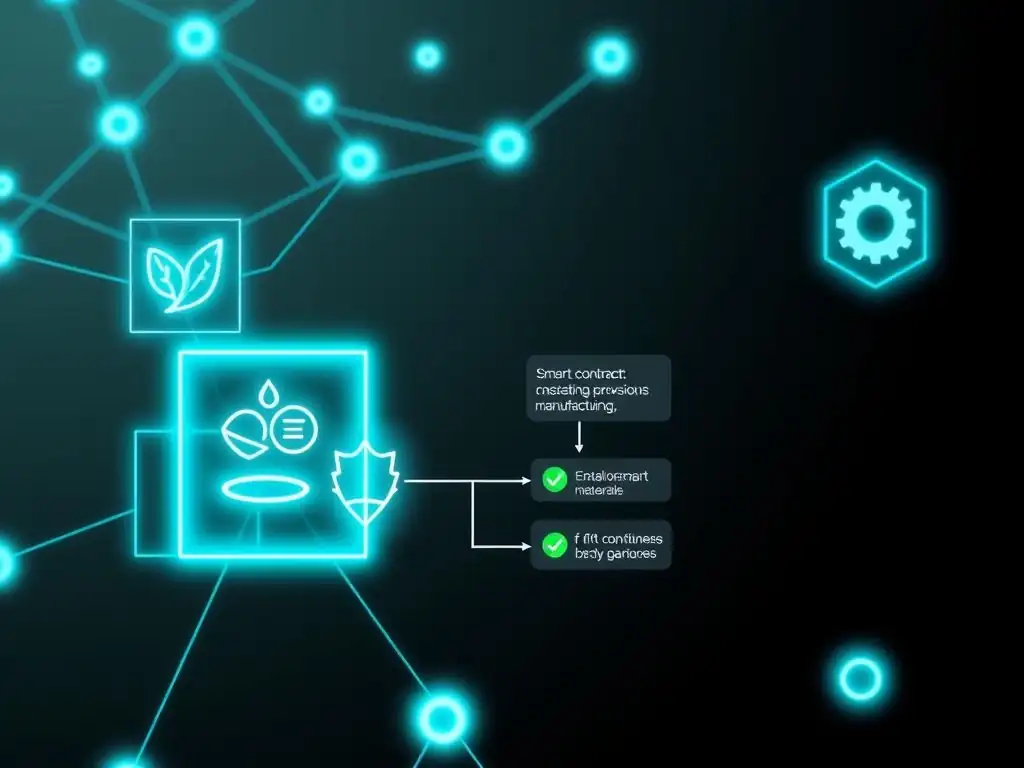
Developing and deploying smart contracts is essential for automating the verification and enforcement of ethical and sustainability standards within the blockchain system. This step involves translating specific ethical sourcing requirements and compliance rules into executable code. For example, rules related to fair wages, working hours, environmental impact thresholds, or adherence to specific agricultural practices are coded into smart contracts that interact with the data recorded on the blockchain.
These smart contracts can be designed to trigger actions based on verified data inputs. A contract might automatically initiate payment upon confirmation of material delivery and verification of origin data, or it could flag a supplier for review if sensor data indicates excessive water usage or non-compliance with waste disposal protocols. Careful design, testing, and auditing of smart contracts are crucial to ensure they accurately reflect the intended ethical standards and function reliably within the blockchain supply chain ethics tracking framework.
Step 5: Ensuring Data Privacy and Security
While blockchain offers inherent security through cryptography and immutability, ensuring data privacy and security, particularly for commercially sensitive information, is a critical implementation step. Not all data needs to be visible to every participant in the network. For example, a supplier's specific production costs might need to remain private while their compliance with labor standards needs to be verifiable. Using permissioned blockchains or private data channels within a consortium chain allows organizations to control who sees what information.
Implementing strong access controls and encryption methods is also vital. Data should be encrypted both in transit and at rest. Secure key management practices are necessary to protect the cryptographic keys that control access to data and sign transactions. Addressing data privacy regulations, such as GDPR or similar laws, is also crucial. Techniques like zero-knowledge proofs can potentially allow verification of compliance without revealing the underlying sensitive data, further enhancing privacy within the blockchain supply chain ethics tracking system.
Real-World Examples of Blockchain in Ethical Sourcing
Case Study 1: Tracing Organic Cotton from Farm to Retailer
Consider a scenario involving the ethical sourcing of organic cotton for a major apparel brand. A blockchain platform is implemented, involving cotton farmers, ginners, spinners, fabric mills, garment manufacturers, and the retailer. Each bale of organic cotton is assigned a unique digital ID at the farm, linked to data about the farm's organic certification, soil health records, and fair labor practices data collected via mobile apps or sensors.
As the cotton moves through the supply chain, each transfer of ownership and transformation (ginning, spinning into yarn, weaving into fabric, cutting and sewing into garments) is recorded on the blockchain, linked to the original bale ID. Smart contracts verify that each participant is certified organic and follows required labor standards before the material progresses to the next stage.
A garment's hangtag features a QR code linked to the blockchain entry, allowing a consumer to scan it and see the journey of the cotton, verifying its organic status and ethical production, enhancing blockchain supply chain ethics tracking visibility for the end-user.
Case Study 2: Verifying Sustainable Timber Harvesting Practices
In the timber industry, ensuring wood comes from sustainably managed forests is a major ethical challenge. A blockchain system can be used to track timber from the forest floor to the final wood product. When trees are harvested from a certified sustainable forest, logs are tagged with unique identifiers (e.g., RFID tags). Data recorded on the blockchain includes the forest location (verified via GPS), logging permits, species, and timestamp.
As the logs are transported, processed at sawmills, and used in manufacturing, each step is recorded on the blockchain, linked to the original log ID. Certifications (like FSC or PEFC) are verified via smart contracts interacting with the data. If a log appears in the supply chain without proper blockchain registration or if its origin data doesn't match a certified forest location, it can be flagged as potentially illegally or unethically sourced. This provides wood product manufacturers and consumers with confidence in the sustainability claims, improving blockchain supply chain ethics tracking for this resource.
Case Study 3: Tracking Recycled Plastics in Manufacturing
Tracking recycled materials, particularly plastics, is crucial for promoting a circular economy and ensuring ethical sourcing of waste streams. A blockchain platform can be used to track plastic waste from collection points through sorting, processing into recycled pellets, and use in manufacturing new products. Waste collectors and recycling centers register the type and volume of plastic waste on the blockchain, potentially linked to location data and proof of responsible collection practices.
As the recycled plastic is processed and sold to manufacturers, these transactions are recorded on the blockchain. Data about the quality and composition of the recycled material can also be added.
When a manufacturer uses the recycled plastic in a product, they record this on the ledger, linking the product batch to the source of the recycled material. A consumer buying a product made with recycled plastic can scan a code to verify the percentage of recycled content and trace it back to the registered recycling facility, providing transparency in the ethical sourcing of recycled materials and enabling robust blockchain supply chain ethics tracking.
Addressing Challenges in Blockchain Adoption
Scalability and Performance Considerations
One of the significant technical hurdles in adopting blockchain for large-scale ethical materials sourcing is scalability and performance. Global supply chains involve millions of transactions daily, from material movements and quality checks to certification updates. Public blockchains can struggle with high transaction throughput and may incur significant transaction fees (gas costs). While enterprise and consortium blockchains offer better performance, they still need to handle the immense volume and velocity of data generated by complex supply networks efficiently.
Addressing scalability requires careful platform selection and potentially implementing layer-2 solutions or off-chain data storage with on-chain verification. Optimizing the data being recorded on the blockchain – focusing on critical, verifiable data points rather than every single detail – can also improve performance. Ongoing research and development in blockchain technology are continually improving throughput and reducing latency, but these remain key considerations when designing a system for comprehensive blockchain supply chain ethics tracking.
Data Standardization and Interoperability Issues
A major non-technical challenge is the lack of data standardization and interoperability across different participants and stages in the supply chain. Various companies use different ERP systems, data formats, and terminology. Getting all stakeholders, from small farmers to large manufacturers, to agree on common data standards and reporting protocols necessary for recording information consistently on the blockchain is complex. Furthermore, ensuring different blockchain platforms or supply chain networks can exchange information is crucial for end-to-end visibility.
Developing industry-wide data standards for ethical sourcing and sustainability metrics is essential. Initiatives promoting interoperability standards between different blockchain platforms and legacy systems are also vital. This requires significant collaboration among industry consortia, technology providers, and regulatory bodies to define common data models and APIs. Without standardization, integrating data from diverse sources into a unified blockchain supply chain ethics tracking system remains a significant barrier.
Regulatory and Legal Compliance
Navigating the complex and evolving landscape of regulatory and legal compliance presents another challenge for blockchain adoption in ethical sourcing. Regulations regarding data privacy (like GDPR), data localization, digital signatures, and the legal status of smart contracts vary significantly across jurisdictions. Ensuring that a blockchain-based system complies with all relevant laws in every country where the supply chain operates requires careful legal consideration and system design.
Furthermore, integrating blockchain with existing legal frameworks for contracts, audits, and dispute resolution requires clarity. The immutability of blockchain data, while beneficial for trust, can also pose challenges if errors need correction or if data needs to be removed for legal reasons (e.g., right to be forgotten). Engaging with legal experts and regulatory bodies is crucial to design systems that meet compliance requirements while leveraging blockchain's benefits for blockchain supply chain ethics tracking.
Fostering Collaboration Among Supply Chain Participants
Successful implementation of blockchain for ethical materials sourcing depends heavily on fostering collaboration and trust among all supply chain participants. Blockchain is a shared technology; its effectiveness increases with the number of parties actively using it and contributing accurate data. However, getting competing companies or historically siloed entities to share data and adopt a common platform can be difficult. Participants may have concerns about data privacy, control, cost, and the perceived value proposition.
Building a governance model for the blockchain network that is fair, transparent, and addresses the concerns of all stakeholders is essential. Clearly demonstrating the benefits – such as reduced audit costs, improved efficiency, enhanced brand reputation, and increased market access – can incentivize participation. Pilot projects focused on specific materials or segments of the supply chain can help build confidence and demonstrate the value of collaborative blockchain supply chain ethics tracking before scaling up.
The Future of Blockchain and Sustainable Supply Chains
Integration with Emerging Technologies
The future of blockchain in sustainable supply chains lies in its integration with other emerging technologies. The Internet of Things (IoT) devices, such as sensors tracking temperature, humidity, location, or energy consumption, can feed real-time, verifiable data directly onto the blockchain, further automating data capture and reducing manual input errors critical for accurate blockchain supply chain ethics tracking. Artificial intelligence (AI) can analyze the vast datasets recorded on the blockchain to identify patterns, predict risks (e.g., potential ethical or environmental violations), and optimize supply chain routes for sustainability.
Furthermore, combining blockchain with digital twins – virtual replicas of physical products or processes – can create highly detailed and verifiable digital representations that track every aspect of a product's lifecycle on the blockchain. This integration promises more granular traceability, predictive analytics for risk management, and enhanced automation of compliance checks, creating a more dynamic and intelligent ethical sourcing ecosystem.
Expansion to New Industries and Materials
While early blockchain adoption in supply chains has seen traction in areas like food, luxury goods, and extractives, its application in ethical materials sourcing is poised to expand significantly to new industries and materials. This includes critical minerals used in electronics and batteries, agricultural products like palm oil and cocoa (often linked to deforestation and labor issues), seafood (combating illegal fishing and labor abuse), and complex manufactured goods with multi-component bills of materials.
As blockchain technology matures and becomes more accessible, its use in tracking the ethical journey of a wider array of materials will become more feasible. Industry-specific blockchain consortia are likely to emerge, tailoring platforms and data standards to the unique challenges of different sectors, driving broader adoption of blockchain supply chain ethics tracking across the global economy.
Promoting Circular Economy Practices
Blockchain technology is uniquely positioned to facilitate the transition towards a circular economy by enabling verifiable tracking of products and materials throughout their entire lifecycle, including their end-of-life phase. By creating a permanent record of a product's composition, origin of materials, and how it was manufactured, blockchain can provide essential information needed for effective recycling, repair, and reuse.
Tracking materials on the blockchain from cradle to grave allows companies to design products for disassembly, manage take-back programs more effectively, and verify that materials are genuinely recycled or repurposed according to ethical and environmental standards. This capability supports the creation of closed-loop systems, reducing waste and promoting the sustainable use of resources, making blockchain an invaluable tool for ethical materials sourcing within a circular framework.
Towards a Transparent and Ethical Marketplace
Ultimately, the widespread adoption of blockchain in ethical materials sourcing is driving the global marketplace towards greater transparency and accountability. As more companies implement blockchain supply chain ethics tracking, opacity in supply chains will diminish, making it increasingly difficult for unethical practices to hide. This transparency benefits not only businesses seeking to manage risk and enhance reputation but also consumers, regulators, and civil society organizations who can verify ethical claims with confidence.
The future envisions a marketplace where the origin, social impact, and environmental footprint of products are readily accessible and verifiable on a shared ledger. This increased transparency will foster greater competition based on ethical performance, incentivize sustainable innovation, and build a more trustworthy relationship between producers and consumers, fundamentally transforming how goods are sourced and consumed globally.
Conclusion: Blockchain's Potential for Ethical Materials Sourcing
Embracing Blockchain for Responsible Business Practices
Blockchain technology offers a powerful and potentially transformative solution for the complex challenges of ethical materials sourcing in global supply chains. Its core attributes – immutability, transparency, and decentralization – provide the foundation for building systems that can reliably track material origins, verify sustainability claims, and enhance accountability across fragmented networks. Embracing blockchain is becoming essential for businesses committed to responsible sourcing, managing reputational and regulatory risks, and meeting the growing demand for ethically produced goods.
Implementing effective blockchain supply chain ethics tracking requires strategic planning, investment in technology integration, and a commitment to data accuracy at every step. While challenges related to scalability, standardization, and collaboration exist, ongoing technological advancements and industry initiatives are steadily addressing these hurdles.
Collaboration and Standardization for Widespread Adoption
Achieving the full potential of blockchain for ethical materials sourcing necessitates widespread adoption and collaboration across entire industries, not just individual companies. Establishing common data standards, interoperability protocols between different platforms, and shared governance models for blockchain networks are crucial steps towards creating seamless, end-to-end visibility in global supply chains.
Industry consortia, multi-stakeholder initiatives involving businesses, NGOs, and governments, and pre-competitive collaboration are vital for developing the necessary infrastructure and frameworks. By working together, stakeholders can build robust blockchain supply chain ethics tracking systems that benefit the entire ecosystem, promoting transparency and trust on a global scale.
Blockchain: Building a Sustainable Future
Blockchain technology is not merely a tool for tracking; it is a catalyst for building a more sustainable and equitable future. By enabling verifiable ethical materials sourcing, it empowers consumers, holds corporations accountable, and provides the data needed to support environmental conservation and fair labor practices. As integration with technologies like IoT and AI advances, blockchain's ability to create intelligent, transparent, and ethical supply chains will only grow.
Investing in and leveraging blockchain for ethical materials sourcing is a critical step towards creating a global marketplace where sustainability and ethics are not just buzzwords but verifiable realities. It lays the groundwork for a future where businesses thrive by doing good, contributing to a world where resources are sourced responsibly and products are made with respect for both people and the planet, underpinned by reliable blockchain supply chain ethics tracking.
Frequently Asked Questions
How does blockchain technology enhance ethical materials sourcing?
Blockchain provides a transparent and immutable ledger for tracking materials. This allows for verification of sustainable practices throughout the supply chain, reducing risks of fraud and unethical behavior.
What are the key benefits of using blockchain for supply chain ethics tracking?
The main advantages include increased transparency, improved traceability, and enhanced trust among stakeholders. This leads to more responsible and sustainable sourcing practices.
How can blockchain help address concerns about forced labor in supply chains?
By providing a clear record of each step, blockchain makes it easier to identify and address potential instances of forced labor and other human rights violations. It provides accountability through verifiable data.
What challenges exist in implementing blockchain supply chain ethics tracking systems?
Challenges include data integration across different systems, scalability concerns, and the need for industry-wide collaboration to ensure data standardization and interoperability.
How does blockchain supply chain ethics tracking contribute to broader sustainability goals?
It allows companies to demonstrate their commitment to environmental and social responsibility, attracting ethically conscious consumers and investors. It also fosters greater accountability within the supply chain.
Final Reflection: Embracing Transparency for a Sustainable Future
The journey of tracing ethical materials sourcing through blockchain technology, as explored in this article, highlights a critical shift in how we perceive and interact with global supply chains. The power of blockchain in ensuring transparency and accountability is no longer a theoretical concept, but a tangible tool for fostering ethical practices. This technology offers a pathway to rebuild trust and empower consumers to make informed choices that align with their values, ultimately driving demand for sustainable and ethically sourced products.
The impact of ethically sourced materials extends far beyond mere compliance; it shapes the cultural narrative around consumption and responsibility. Witnessing the growing demand for transparency and the increasing adoption of blockchain solutions fills me with hope for a future where ethical considerations are at the forefront of every business decision. The future of supply chains is not just about efficiency, but about ethics and transparency. Blockchain is the key to unlocking that future.
This sentiment underscores the profound potential of blockchain to revolutionize how we approach global trade and consumption.
As we conclude this exploration of blockchain's role in ethical materials sourcing, I invite you to consider your own role in shaping a more sustainable future. Reflect on the products you consume, the companies you support, and the impact your choices have on the world. Embrace the power of informed consumption and demand transparency from the brands you trust. By actively seeking out and supporting ethical practices, you become a catalyst for positive change, contributing to a world where sustainability and ethical responsibility are not just aspirations, but the very foundation of our global economy.
Embark on Your Ethical Sourcing Journey Today!
Thank you for exploring how blockchain can revolutionize ethical materials sourcing. We hope you've gained valuable insights into building more transparent and sustainable supply chains. Now, let's put that knowledge into action!
Here are a few steps you can take right now:
- Start researching blockchain solutions tailored to your industry. Explore how these technologies can enhance transparency and accountability in your specific supply chain.
- Join the conversation! Share this article with your network and discuss the potential of blockchain in promoting ethical sourcing. Let's amplify the impact!
- Consider small changes in your purchasing habits to favor companies committed to ethical materials. Even small steps can make a big difference!
What immediate action will you take to contribute to a more ethical and sustainable future, leveraging the power of blockchain? Share your thoughts in the comments below!
Leave a Reply