
Crypto Tax and Estate Planning: Ensuring Smooth Transfer of Digital Assets

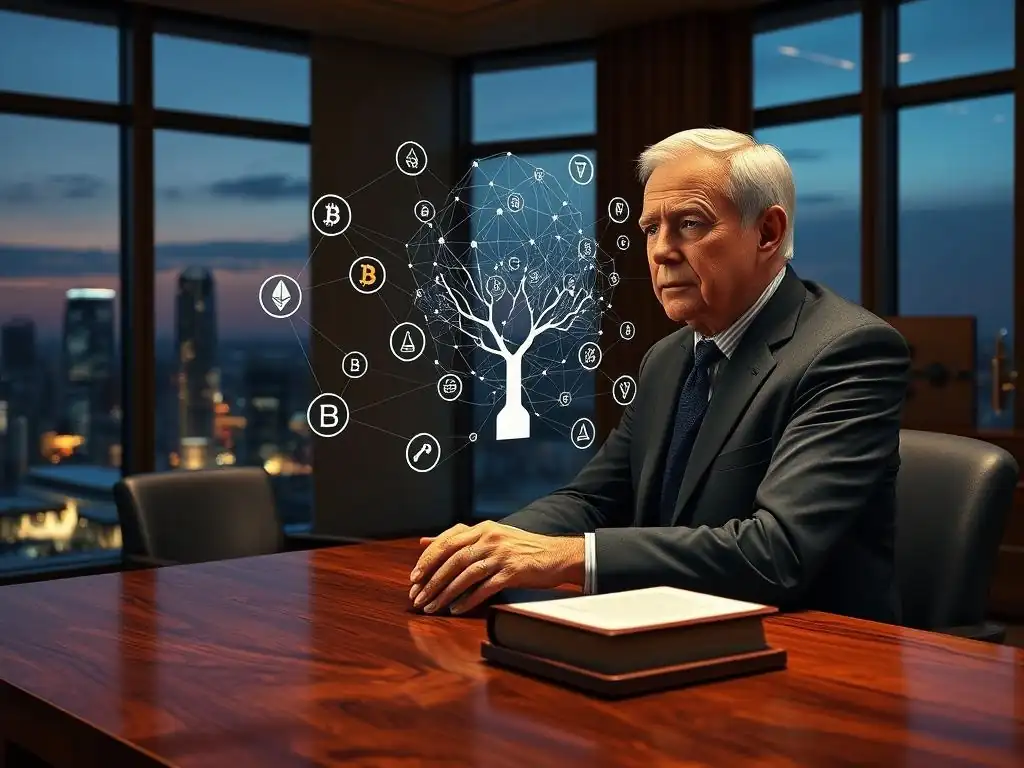
Welcome to Blockchain Trends, your compass navigating the ever-evolving landscape of decentralized technology!
Ever wondered how blockchain can revolutionize more than just finance? This month, we delve into the fascinating intersection of law and technology, specifically uncovering innovative blockchain estate planning strategies for 2024. Discover how to safeguard your digital assets and ensure a seamless transfer for future generations. Ready to unravel the complexities of crypto tax and estate planning? Let's explore together!
- Crypto Tax and Estate Planning: Ensuring Smooth Transfer of Digital Assets
- Defining Digital Assets for Estate Planning Purposes
- The Challenges of Traditional Estate Planning with Blockchain Assets
- Blockchain Estate Planning Strategies 2024: A Comprehensive Guide
- Crypto Tax Implications for Estate Planning
- Avoiding Common Pitfalls in Blockchain Estate Planning
- Case Studies: Successful Crypto Estate Planning Examples
- The Future of Blockchain Estate Planning
- Conclusion: Securing Your Digital Legacy with Proper Planning
-
Frequently Asked Questions
- What are the primary challenges in incorporating blockchain assets into traditional estate planning?
- How can blockchain technology itself be used to enhance estate planning processes?
- What are some of the specific "Blockchain estate planning strategies 2024" that address crypto inheritance?
- How does DeFi (Decentralized Finance) impact estate planning for digital assets?
- What regulatory considerations are crucial for effective crypto tax and estate planning?
- Final Reflection: Securing the Digital Legacy
- Secure Your Crypto Legacy: Plan Your Digital Estate Today!
Crypto Tax and Estate Planning: Ensuring Smooth Transfer of Digital Assets
The Growing Importance of Digital Asset Estate Planning
As the adoption of blockchain technology and digital assets continues to accelerate, the need for robust blockchain estate planning strategies 2024 has become paramount. Millions of individuals worldwide now hold significant value in cryptocurrencies, Non-Fungible Tokens (NFTs), and other forms of digital property. Unlike traditional assets like real estate or stocks, digital assets present unique challenges for transfer upon death or incapacitation due to their decentralized nature, reliance on private keys, and often opaque ownership records. Without proper planning, these assets can become permanently inaccessible to heirs, potentially representing a substantial loss of inherited wealth.
The global cryptocurrency market capitalization alone frequently fluctuates around the $2 trillion mark, illustrating the immense value held in this asset class. A significant portion of this value is held by retail investors and early adopters who may not have considered the long-term implications of their holdings. Reports suggest that a substantial percentage of crypto holders, perhaps even exceeding 10-15%, have not made any provisions for transferring their digital assets.
This lack of preparedness highlights a critical gap in traditional estate planning, necessitating specialized knowledge and strategies tailored to the unique characteristics of blockchain-based assets. Effective blockchain estate planning strategies 2024 are no longer a niche concern but a vital component of comprehensive wealth management for anyone holding digital assets.
Understanding the Intersection of Crypto, Taxes, and Estate Law
Navigating the landscape of digital asset inheritance requires a deep understanding of how cryptocurrencies and other blockchain assets intersect with existing tax laws and estate planning principles. Unlike traditional assets with clear legal frameworks established over centuries, digital assets operate in a rapidly evolving regulatory environment. Tax authorities globally, including the IRS in the United States, are increasingly scrutinizing cryptocurrency transactions, including transfers upon death. Estate planning must therefore consider not only the mechanism of asset transfer but also the potential tax liabilities incurred by the estate and the beneficiaries.
The complexities arise from how digital assets are classified (e.g., property, currency, or something else), how their value is determined at the time of death, and how capital gains taxes apply when heirs eventually sell or transfer the inherited assets. For instance, the cost basis for inherited crypto in the U.S. is generally "stepped up" to the fair market value at the time of the decedent's death, potentially reducing capital gains tax for the heir compared to the decedent's original purchase price.
However, accurately determining this value can be challenging for illiquid or volatile assets. Integrating crypto tax considerations early into blockchain estate planning strategies 2024 is essential to minimize future tax burdens and ensure a smooth, compliant transfer process.
Defining Digital Assets for Estate Planning Purposes
Cryptocurrencies: Bitcoin, Ethereum, and Altcoins
Cryptocurrencies like Bitcoin (BTC), Ethereum (ETH), and various altcoins constitute the most common type of digital asset encountered in estate planning today. These assets represent value stored on decentralized ledgers (blockchains) and are controlled by private cryptographic keys. The primary challenge in transferring cryptocurrencies upon death is ensuring that the designated executor or beneficiary gains secure access to these private keys or the wallets that hold them, without compromising security during the owner's lifetime. Unlike bank accounts, there is no central authority to contact to simply "unlock" access.
The sheer variety of cryptocurrencies, each potentially held on different exchanges, software wallets, or hardware devices, adds complexity. An individual might hold BTC on a Ledger hardware wallet, ETH on MetaMask, and various altcoins across accounts on Coinbase, Binance, and Kraken. Each platform and wallet type requires specific access methods, login credentials, and private key management strategies.
A comprehensive blockchain estate planning strategy 2024 must account for this diversity, documenting the location and access methods for each type of cryptocurrency held, along with clear instructions. Failing to document access to even a single private key could render a substantial portion of the digital estate permanently lost.
Non-Fungible Tokens (NFTs) and Estate Transfer
Non-Fungible Tokens (NFTs) represent ownership of unique digital items recorded on a blockchain, ranging from digital art and collectibles to virtual real estate and gaming assets. While often associated with high-value sales (like Beeple's "Everydays: The First 5000 Days" selling for $69 million), the market includes a vast array of NFTs with varying values, held by a growing number of individuals. Estate planning for NFTs presents unique challenges compared to fungible cryptocurrencies.
The value of an NFT can be highly subjective and illiquid, making valuation at the time of death difficult. Furthermore, the heir must not only gain access to the wallet holding the NFT but also understand its nature and potential market value.
Transferring NFTs typically involves transferring the ownership recorded on the blockchain, which is tied to the private key controlling the wallet where the NFT resides. The process is similar to transferring cryptocurrency in terms of needing wallet access.
However, the specific platform or marketplace where the NFT was acquired or is displayed (e.g., OpenSea, Foundation) may have terms of service that impact transferability or require additional steps. A robust blockchain estate planning strategy 2024 for NFTs must detail which wallets hold which specific NFTs, provide access instructions, and ideally include guidance on their nature or potential disposition (e.g., "sell this collection," "transfer this piece to my child").
Estate planning extends beyond cryptocurrencies and NFTs to encompass a broader category of digital assets, including domain names, online accounts (social media, email, cloud storage), digital media libraries, and interests in online businesses or platforms. While not always blockchain-based, these assets are part of the digital legacy and require consideration in a comprehensive estate plan. Accessing and managing these accounts after death can be complicated by privacy policies and terms of service of the platforms involved, many of which are designed to terminate accounts upon the user's death.
For example, gaining access to a deceased person's email account might be necessary to recover passwords for other digital assets, but providers like Google or Microsoft have specific, sometimes cumbersome, procedures for granting access to next of kin. Online business interests, such as revenue-generating websites or e-commerce stores, require careful planning to ensure continuity or orderly transfer of operations and associated digital assets like customer databases, domain names, and platform accounts.
While these may not directly involve blockchain technology, their inclusion is vital for a complete digital asset estate plan, working in tandem with blockchain estate planning strategies 2024 for crypto and NFTs.
The Challenges of Traditional Estate Planning with Blockchain Assets
Lack of Centralized Control and Record-Keeping
One of the foundational principles of traditional finance and estate planning is centralized control and record-keeping. Financial institutions like banks and brokerage firms maintain detailed records of assets and have established procedures for transferring ownership upon notification of death, typically requiring a death certificate and legal documentation like letters testamentary. Blockchain assets, by contrast, are designed to be decentralized. Ownership is determined by possession of a private key, not by an entry in a central database maintained by a trusted third party.
This lack of centralization means there is no single point of contact to report a death and initiate asset transfer. There is no "crypto bank" that can simply verify identity and hand over assets. The responsibility for securing and transferring access falls entirely on the asset owner and their designated representatives.
Furthermore, tracking all of a decedent's digital asset holdings can be incredibly difficult without meticulous record-keeping by the owner, as there is no public registry linking individuals to specific wallet addresses. This inherent characteristic makes traditional estate planning methods insufficient on their own for managing blockchain assets, underscoring the need for specialized blockchain estate planning strategies 2024.
Security Risks and Private Key Management
The security model of blockchain assets, based on private keys, is a double-edged sword in estate planning. While providing censorship resistance and user control during life, it creates a critical vulnerability upon death. Losing private keys means losing access to the assets permanently. Sharing private keys during life is a significant security risk, potentially exposing assets to theft. Therefore, a key challenge is devising a method to securely transfer access to private keys or wallets to an executor or beneficiary only at the appropriate time, without risking the assets during the owner's lifetime.
Traditional estate planning documents like wills are typically paper-based and stored securely, but they don't provide a secure mechanism for transferring highly sensitive digital information like private keys. Including private keys directly in a will is highly insecure. Relying on a lawyer or executor to "figure it out" is often futile if the decedent hasn't provided clear, secure instructions.
An estimated $100 billion to $200 billion in Bitcoin alone is believed to be held in wallets where the private keys have been lost or forgotten, a stark reminder of the consequences of inadequate private key management in estate planning. Developing secure and practical methods for private key transition is central to effective blockchain estate planning strategies 2024.
Regulatory Uncertainty in Crypto Estate Planning
The regulatory landscape surrounding cryptocurrencies and blockchain assets is still developing and varies significantly across jurisdictions. This uncertainty poses challenges for estate planning, particularly regarding valuation, tax treatment, and the legal standing of digital asset transfers outlined in wills or trusts. Governments are still determining how best to classify and regulate these assets, leading to potential shifts in tax obligations and legal requirements.
For example, while the U.S. IRS has provided some guidance on taxing crypto as property for income and capital gains purposes, specific rules around valuing volatile assets at the date of death or the alternative valuation date (six months after death) can be complex. International holdings add another layer of complexity, potentially involving conflicting inheritance laws and tax treaties. Estate planners must stay abreast of these evolving regulations to ensure that blockchain estate planning strategies 2024 remain compliant and effective, advising clients on potential future changes and their impact on the plan.
Blockchain Estate Planning Strategies 2024: A Comprehensive Guide
Documenting Your Digital Assets: Inventory and Valuation
The cornerstone of any effective blockchain estate planning strategy 2024 is creating a detailed and comprehensive inventory of all digital assets. This goes beyond simply listing "cryptocurrency" or "NFTs." The inventory should include:
- Types of assets (e.g., Bitcoin, Ethereum, specific NFT collections like CryptoPunks or Bored Apes)
- Quantities or specific identifiers (e.g., 0.5 BTC, Ethereum address holding a specific NFT contract)
- Location of assets (e.g., specific exchange like Coinbase Pro, hardware wallet model like Ledger Nano X, software wallet like MetaMask, specific cold storage method)
- Access information (e.g., account usernames, email addresses associated with accounts, wallet names/labels, but critically, NOT private keys or passwords directly in this document)
- Instructions on how to access the securely stored private keys or recovery phrases.
- Estimated value at the time of documentation (acknowledging volatility).
Valuation of digital assets at the time of death is critical for estate tax purposes and distribution among heirs. For widely traded cryptocurrencies, average prices from reputable exchanges at the date of death are typically used. For less liquid altcoins or unique NFTs, valuation can be significantly more challenging and may require appraisal by specialists. Maintaining this inventory requires regular updates, perhaps quarterly or annually, to reflect changes in holdings, locations, and associated access methods. A digital asset inventory template can be a valuable tool, ensuring all necessary information is captured systematically.
Choosing the Right Legal Structure: Wills, Trusts, and Custodial Accounts
Integrating digital assets into an estate plan requires selecting appropriate legal structures. Traditional wills are essential for appointing an executor and directing the distribution of assets, but they have limitations for digital assets, primarily regarding access and privacy. A will becomes public record during probate, making it unsuitable for storing sensitive access information like private keys.
Trusts, particularly revocable living trusts, offer greater flexibility and privacy. Digital assets can be transferred into a trust during the owner's lifetime, with a designated trustee responsible for managing and distributing them according to the trust's terms upon the grantor's death or incapacitation. Trusts avoid the public probate process, enhancing the security of digital asset information.
For significant digital asset holdings, establishing a trust specifically tailored to digital assets, or incorporating specific provisions within a general trust, is often recommended as part of robust blockchain estate planning strategies 2024. Custodial accounts offered by specialized digital asset custodians can also serve as a mechanism for holding assets, with the custodian bound by legal agreements regarding asset transfer upon death, although this involves trusting a third party.
Secure Key Management and Recovery Solutions
Securely managing private keys and ensuring their transferability upon death is perhaps the most critical, and often the most challenging, aspect of blockchain estate planning strategies 2024. Simply writing down a private key and leaving it in a safe or with an executor is risky. Advanced solutions are necessary.
Hardware Wallets and Multi-Signature Schemes
Hardware wallets (like Ledger, Trezor, or Coldcard) store private keys offline, significantly reducing the risk of online theft. The owner controls the device and the recovery phrase (typically 12 or 24 words). For estate planning, the challenge is securely transmitting this recovery phrase to the executor or beneficiary only when needed.
Methods include storing the phrase in multiple secure physical locations known to the executor (e.g., bank safe deposit box, lawyer's safe) or using specialized services that facilitate secure storage and transfer. Multi-signature (multi-sig) schemes require multiple private keys to authorize a transaction (e.g., 2 of 3 keys). This can be used in estate planning by distributing the required keys among the owner, a trusted family member, and perhaps a legal advisor or trusted institution.
Upon the owner's death, the remaining parties can collectively access the assets. For example, a 2-of-3 setup might involve the owner, their spouse, and their lawyer. If the owner passes, the spouse and lawyer can use their keys to access the funds.
Trusted Third-Party Custodians for Estate Planning
Specialized digital asset custodians (like Anchorage Digital, Coinbase Custody, Gemini Custody) offer institutional-grade security and often have established procedures for handling assets upon the death of a client, similar to traditional financial institutions. Using a trusted third-party custodian can simplify estate planning significantly, as the custodian takes on the responsibility of secure storage and transfer according to pre-defined legal instructions and verification of death. However, this approach requires trusting the custodian implicitly and involves relinquishing direct control over the private keys during one's lifetime.
Custodial solutions often come with fees, which vary based on the value and type of assets held, potentially ranging from a few basis points to over 1% annually for smaller holdings. While convenient, choosing a custodian means evaluating their security practices, regulatory compliance, and specific estate planning services as part of your blockchain estate planning strategies 2024.
Incorporating Smart Contracts for Automated Asset Distribution

Smart contracts, self-executing contracts with the terms of the agreement directly written into code on a blockchain, offer innovative possibilities for automating digital asset distribution in estate planning. A smart contract could theoretically be programmed to release assets from a specific wallet to designated beneficiary addresses upon verification of certain conditions, such as the passage of a specific time period or the input of a pre-defined code known only to the executor.
However, implementing smart contracts for estate planning is complex and currently carries significant risks. Programming errors in smart contracts can lead to irreversible loss of assets. Verifying conditions external to the blockchain (like a person's death) requires "oracles," which introduce points of potential failure or manipulation.
While promising for the future, relying solely on smart contracts for significant asset distribution in blockchain estate planning strategies 2024 is not yet widely recommended due to the technical complexity, security risks, and lack of established legal precedent for interpreting and enforcing such contracts in an estate context. They are best explored in conjunction with traditional legal frameworks and expert technical advice.
The Role of a Digital Executor or Trustee
Given the unique nature of digital assets, appointing an executor or trustee with specific knowledge of blockchain technology and digital assets is crucial. A traditional executor, while capable of handling bank accounts and real estate, may be completely lost when confronted with a hardware wallet or instructions involving private keys and blockchain addresses. A "digital executor" could be a tech-savvy family member, a professional fiduciary with expertise in digital assets, or a specialized service.
The digital executor's responsibilities would include identifying all digital assets (often guided by the decedent's inventory), securely accessing wallets and accounts using the provided instructions, valuing the assets, managing any necessary transfers or sales, and coordinating with the main estate executor and legal/tax professionals. Clearly defining the scope of their authority and providing them with the necessary (but securely stored) access information are vital steps in blockchain estate planning strategies 2024. If a trust is used, the trustee would fulfill a similar role regarding the digital assets held within the trust.
Crypto Tax Implications for Estate Planning
Estate Tax on Digital Assets: What You Need to Know
In jurisdictions with an estate tax (like the United States at the federal level), digital assets are generally considered property and are subject to inclusion in the gross estate for tax calculation purposes. The value of the digital assets at the time of the decedent's death (or the alternative valuation date, if elected) is added to the total value of the estate. If the total value exceeds the prevailing estate tax exemption amount, estate tax may be due.
For 2024, the federal estate tax exemption in the U.S. is approximately $13.61 million per individual. Estates exceeding this threshold are subject to tax rates up to 40%.
Accurately valuing digital assets on the date of death can be challenging, especially for volatile assets or those traded on illiquid markets. Tax authorities typically require valuation based on market prices from reputable exchanges. Documentation of asset holdings and their value at the time of death is critical for filing the necessary estate tax returns (e.g., Form 706 in the U.S.). Failure to properly identify and value digital assets can lead to underreporting the estate's value, potentially resulting in penalties and interest. Integrating tax expertise into blockchain estate planning strategies 2024 is non-negotiable.
Capital Gains Tax Considerations for Heirs
When an heir inherits digital assets, they generally receive a "stepped-up" cost basis equal to the fair market value of the assets on the decedent's date of death (or alternative valuation date). This means that if the heir subsequently sells the digital assets for a price higher than this stepped-up basis, they will owe capital gains tax on the difference. If they sell for less than the stepped-up basis, they may realize a capital loss. The tax rate (short-term or long-term) depends on how long the heir holds the asset after inheriting it.
For example, if a person inherits 1 BTC when its value is $50,000 (the stepped-up basis) and sells it a year later for $70,000, they would owe long-term capital gains tax on the $20,000 gain. If they sold it two months later for $55,000, they would owe short-term capital gains tax on the $5,000 gain.
If they sold it for $40,000, they would have a $10,000 capital loss. Understanding these rules is vital for heirs and should be a point of discussion within the blockchain estate planning strategies 2024, perhaps providing guidance or resources for beneficiaries regarding their future tax obligations.
Gifting Strategies for Digital Assets to Minimize Tax Liability
Gifting digital assets during one's lifetime can be a strategy to reduce the size of the taxable estate and potentially minimize future tax liabilities for both the donor and the recipient. In the U.S., individuals can gift up to a certain annual exclusion amount per person per year (e.g., $18,000 in 2024) without incurring gift tax or using their lifetime gift tax exemption. Gifting amounts above the annual exclusion may use up part of the lifetime exemption, which is tied to the estate tax exemption.
When gifting appreciated digital assets, the recipient generally receives the donor's original cost basis (a "carryover basis"). If the recipient later sells the asset, they will owe capital gains tax on the appreciation from the donor's purchase price, not the value at the time of the gift. This differs from the stepped-up basis received through inheritance.
Strategic gifting requires careful consideration of the tax implications for both parties and should be done with advice from a tax professional specializing in digital assets. While a potential tool, gifting must be carefully planned and documented as part of overall blockchain estate planning strategies 2024.
IRS Regulations and Guidance on Crypto Taxation in Estates
The U.S. Internal Revenue Service (IRS) has issued guidance over the years regarding the taxation of virtual currencies, starting with Notice 2014-21, which classified virtual currency as property. Subsequent guidance, including Revenue Ruling 2019-24 and various FAQs, has clarified aspects of calculating basis, reporting gains/losses, and the tax treatment of forks and airdrops. While direct guidance specifically addressing crypto estate taxation is less extensive than for income/capital gains, the general principles of property taxation apply.
Executors are responsible for reporting the fair market value of digital assets on the estate tax return (Form 706) if the estate is large enough to require filing. They may also need to file income tax returns (Form 1041) for the estate itself, which could include reporting any income generated by digital assets during the estate administration period or capital gains realized if the executor sells assets to pay expenses or facilitate distribution.
Staying updated on the latest IRS publications and seeking advice from tax professionals familiar with digital assets are crucial components of executing blockchain estate planning strategies 2024 compliantly.
Avoiding Common Pitfalls in Blockchain Estate Planning
Failing to Disclose Digital Assets
One of the most significant pitfalls is simply failing to acknowledge and document the existence of digital assets within the estate plan. Many individuals with crypto holdings treat them informally, perhaps just remembering which exchange they used or where they put a hardware wallet. Without a clear inventory and instructions, executors and family members may remain completely unaware that digital assets exist, or they may find wallets they cannot access. It's estimated that billions of dollars in crypto are inaccessible precisely for this reason.
This failure to disclose can lead to permanent loss of assets, depriving intended beneficiaries of their inheritance. It can also create legal complications if an executor discovers undisclosed assets late in the process, potentially requiring amendments to probate filings or causing delays. A fundamental step in effective blockchain estate planning strategies 2024 is open communication with your chosen executor/trustee and meticulous documentation of all digital asset holdings and access methods, stored securely.
Inadequate Security Measures for Private Keys
Another critical error is using insecure methods to store or transmit private keys or recovery phrases intended for inheritance. Leaving a written list of private keys in a desk drawer, sending them via email, or storing them in an unsecured cloud document are all extremely risky practices that could lead to theft during the owner's lifetime or after their death, before the intended beneficiary can secure the assets.
Secure key management solutions, like using hardware wallets, multi-signature wallets, or specialized custodial services designed for inheritance, are essential. If using physical storage for recovery phrases, distributing segments of the phrase to different trusted individuals or storing copies in separate, secure locations (like different bank safe deposit boxes) can add layers of security. Emphasizing secure key management practices is a core tenet of successful blockchain estate planning strategies 2024.
Lack of Legal Expertise in Crypto Estate Matters
Estate law is complex, and adding digital assets introduces novel legal and technical challenges that many traditional estate planning attorneys may not be equipped to handle. Failing to engage legal professionals with specific expertise in digital assets and blockchain technology is a common pitfall. An attorney unfamiliar with the subject might draft a will or trust that doesn't adequately address the unique nature of digital assets, potentially leading to disputes or making asset transfer impossible.
Seeking out attorneys who have experience advising on crypto estate planning strategies 2024, understand private key management, and are knowledgeable about the evolving regulatory landscape is crucial. They can help structure the estate plan correctly, advise on legal mechanisms for granting access to digital assets, and ensure the plan complies with current laws. Similarly, involving a tax advisor with crypto expertise is vital for understanding and planning for the tax implications.
Ignoring Tax Implications
Overlooking the potential tax liabilities associated with digital assets in an estate plan can lead to significant financial burdens for the estate and beneficiaries. Failing to account for potential estate taxes on high-value digital asset holdings can leave the estate without sufficient liquid funds to pay the tax bill, potentially forcing the sale of assets at unfavorable times. Similarly, heirs may be surprised by unexpected capital gains tax liabilities when they eventually decide to sell inherited digital assets if they were not informed about the stepped-up basis rules or advised on potential tax planning.
Proactive tax planning, including understanding valuation rules, potential gifting strategies, and the tax basis implications for heirs, should be integrated into the blockchain estate planning strategies 2024 from the outset. Consulting with a tax professional specializing in digital assets is essential to accurately estimate potential tax liabilities and structure the plan in a tax-efficient manner.
Case Studies: Successful Crypto Estate Planning Examples
Transferring Bitcoin Through a Revocable Living Trust
- Scenario: Jane, a Bitcoin investor with holdings valued at $1 million, wants to ensure her two children inherit her BTC smoothly and privately upon her death. She is concerned about the public nature of probate and the complexity of private key management.
- Strategy: Jane establishes a revocable living trust, naming herself as the initial trustee and appointing her eldest child, who is tech-savvy, as the successor trustee. She legally transfers ownership of her Bitcoin (held in a multi-signature wallet requiring 2 of 3 keys) into the trust. She holds one key, her eldest child (as future trustee) holds another, and her estate attorney holds the third key in a secure, offline location. The trust document includes specific instructions for accessing the wallet using the multi-sig scheme and distributing the BTC equally between her two children.
- Outcome: Upon Jane's death, her eldest child, as successor trustee, works with the attorney to use their combined keys to access the trust's multi-sig wallet. They follow the trust's instructions to transfer the BTC to the beneficiaries' personal wallets. The process avoids probate, keeping the details private, and the multi-sig setup ensures no single person could access the funds before Jane's death. This exemplifies a successful application of blockchain estate planning strategies 2024 using a trust structure.
Using a Smart Contract for NFT Distribution to Multiple Beneficiaries
- Scenario: David, a digital artist, owns a collection of 50 unique NFTs on the Ethereum blockchain, valued at approximately $500,000. He wants to distribute specific NFTs from his collection to five different beneficiaries upon his death, based on pre-determined allocations.
- Strategy: David consults with a legal team and blockchain developers experienced in digital asset estate planning. They decide to use a combination of traditional legal instructions and a carefully coded smart contract. David creates a document outlining which specific NFTs (identified by contract address and token ID) go to which beneficiary's wallet address. He then works with developers to create a smart contract designed to hold the NFTs and release them to the specified addresses upon activation. The activation mechanism is tied to a secure process involving his digital executor and perhaps a decentralized oracle service that can verify a death certificate or a specific trigger transaction initiated by the executor. The smart contract code is audited for security.
- Outcome: While still an emerging strategy with risks, if implemented successfully, the smart contract could automate the distribution of the NFTs directly to the intended beneficiaries' wallets without manual intervention by the executor for each transfer. The legal document provides the necessary context and instructions for the executor to initiate the smart contract's execution. This demonstrates a potential advanced use case within blockchain estate planning strategies 2024, though highlighting the need for expert technical and legal counsel.
A Comprehensive Digital Asset Estate Plan Utilizing a Digital Asset Power of Attorney
- Scenario: Maria holds a diverse portfolio of digital assets, including crypto on multiple exchanges and wallets, NFTs, and a profitable online business. She wants a comprehensive plan covering all digital assets, including provisions for incapacitation.
- Strategy: Maria creates a detailed digital asset inventory, securely storing access information (excluding private keys directly) in a bank safe deposit box and with her estate attorney. She drafts a will and a revocable trust, incorporating specific clauses addressing digital assets. Crucially, she also executes a Digital Asset Power of Attorney, granting a trusted individual (her sister) the authority to manage her digital accounts and assets if she becomes incapacitated. She uses hardware wallets for most of her crypto and stores the recovery phrases securely using a multi-location strategy. For her online business, she has a succession plan documented, including access to domain registrars, hosting providers, and platform accounts, shared securely with her sister and a designated business partner.
- Outcome: This multi-faceted approach addresses various types of digital assets and scenarios (death and incapacitation). The Digital Asset Power of Attorney allows for management during incapacitation, which a will alone wouldn't cover. The secure, multi-location storage of recovery phrases provides a robust mechanism for accessing assets upon death or incapacitation. The comprehensive documentation ensures her sister and attorney know where everything is and how to access it securely, forming a strong example of well-rounded blockchain estate planning strategies 2024.
The Future of Blockchain Estate Planning
Emerging Technologies and Solutions
The field of blockchain estate planning is still in its nascent stages, and new technologies are constantly emerging to address the unique challenges. Decentralized autonomous organizations (DAOs) are being explored as potential structures for managing communal digital assets or even facilitating the transfer of individual assets through programmed rules. Cryptographic techniques like secure multi-party computation (MPC) could allow multiple parties (e.g., heirs or executors) to collectively authorize transactions without any single party ever possessing the full private key, potentially enhancing security and facilitating access upon death.
Furthermore, specialized platforms and services are being developed specifically for digital asset inheritance. These services aim to provide secure storage for private keys and instructions, with mechanisms to verify death and release information to designated beneficiaries according to predefined rules. Some utilize time-locked smart contracts or decentralized networks to manage the release process. While these solutions are promising, they are relatively new and require careful vetting regarding their security, reliability, and compliance with legal frameworks. The evolution of blockchain technology itself will undoubtedly continue to shape future blockchain estate planning strategies 2024 and beyond.
The Role of AI in Digital Asset Management After Death
Artificial intelligence (AI) may play a future role in assisting with digital asset estate planning and administration. AI could potentially be used to help identify and inventory a decedent's digital assets by analyzing their digital footprint (with appropriate legal authorization). AI algorithms could also assist in the complex task of valuing illiquid digital assets like specific NFTs by analyzing market data, rarity, and sales history.
Moreover, AI-powered tools could potentially help executors navigate complex wallet interfaces or decipher technical instructions left by the decedent. However, the use of AI in such sensitive areas raises significant privacy, security, and ethical concerns. Ensuring that AI tools are secure, transparent, and compliant with legal and fiduciary duties will be critical before they become widely adopted components of blockchain estate planning strategies 2024. Currently, AI's role is more theoretical or limited to assisting professionals rather than directly managing asset transfers.
Regulatory Developments and Their Impact on Estate Planning
Regulatory clarity is perhaps the most significant factor that will shape the future of blockchain estate planning. As governments around the world develop more comprehensive frameworks for digital assets, the legal landscape for inheritance will become more defined. This could include clearer rules on asset classification, valuation methodologies for estate tax purposes, and legal standards for enforcing digital asset transfer instructions within wills and trusts.
Potential regulatory developments could include:
- Specific legislation addressing digital asset inheritance.
- Standardized methods for digital asset valuation at the time of death.
- Guidelines for fiduciaries (executors, trustees) handling digital assets.
- International agreements or standards for cross-border digital asset inheritance.
Increased regulatory clarity would provide greater certainty for individuals planning their estates and for the legal and financial professionals assisting them. It would likely standardize some of the best practices currently being developed as innovative blockchain estate planning strategies 2024, making the process more accessible and less risky for the average digital asset holder. However, staying informed about regulatory changes will remain essential.
Conclusion: Securing Your Digital Legacy with Proper Planning
Key Takeaways for Effective Blockchain Estate Planning Strategies 2024
Securing your digital legacy requires proactive and specialized planning that goes beyond traditional estate methods. The unique characteristics of blockchain assets – decentralization, reliance on private keys, and regulatory uncertainty – demand specific strategies. Key takeaways for effective blockchain estate planning strategies 2024 include:
- Document Everything: Create a detailed, regularly updated inventory of all digital assets, including types, locations, and access methods (though not private keys directly).
- Plan for Access: Devise a secure method for your chosen executor or trustee to access private keys or wallets only upon your death or incapacitation, using techniques like secure physical storage, multi-signature wallets, or trusted custodians.
- Use Appropriate Legal Structures: Incorporate digital assets into your will and consider using a revocable living trust for greater privacy and flexibility.
- Address Tax Implications: Understand potential estate tax and capital gains tax liabilities and plan accordingly, potentially exploring gifting strategies with professional advice.
- Choose the Right Team: Appoint an executor or trustee capable of handling digital assets and work with legal and tax professionals experienced in this specialized area.
- Stay Informed: The digital asset space and its regulations are evolving; review and update your plan periodically.
Resources for Further Information and Professional Guidance
Navigating the complexities of blockchain estate planning requires professional expertise. Individuals seeking to implement robust blockchain estate planning strategies 2024 should consult with:
- Estate Planning Attorneys: Look for attorneys specializing in digital assets or technology law.
- Tax Professionals: Engage CPAs or enrolled agents with experience in cryptocurrency and digital asset taxation.
- Digital Asset Security Consultants: Experts who can advise on secure key management and storage solutions.
- Specialized Digital Asset Custodians: If considering a custodial solution for inheritance purposes.
Various online resources, industry associations focusing on blockchain and law, and publications from reputable legal and financial firms also provide valuable information, but they should not replace personalized professional advice tailored to your specific situation and jurisdiction. Taking action today to develop your blockchain estate planning strategies 2024 is the best way to ensure your digital assets are transferred smoothly and securely to your intended beneficiaries.
Frequently Asked Questions
What are the primary challenges in incorporating blockchain assets into traditional estate planning?
The main challenges involve asset identification and valuation, dealing with complex private key management, and navigating the evolving legal and regulatory landscape surrounding digital assets.
How can blockchain technology itself be used to enhance estate planning processes?
Blockchain offers potential for secure and transparent record-keeping, creating immutable audit trails, and automating asset distribution through smart contracts.
What are some of the specific "Blockchain estate planning strategies 2024" that address crypto inheritance?
Strategies include creating a crypto will with clear instructions, establishing multi-signature wallets for shared access, and using custodial solutions with inheritance protocols.
How does DeFi (Decentralized Finance) impact estate planning for digital assets?
DeFi introduces complexity, as assets are often held in decentralized exchanges or lending platforms. Estate planning requires detailed records of these holdings and secure access to DeFi wallets and accounts.
What regulatory considerations are crucial for effective crypto tax and estate planning?
Understanding local and international tax laws related to cryptocurrency, adhering to KYC/AML regulations, and planning for potential changes in regulatory frameworks are essential.
Final Reflection: Securing the Digital Legacy
The complexities of crypto tax and estate planning are no longer a futuristic concern, but a pressing reality for a growing number of individuals. As digital assets become increasingly integrated into our financial lives, the need for robust blockchain estate planning strategies in 2024, and beyond, is paramount to ensuring a smooth and secure transfer of wealth to future generations.
The rise of cryptocurrency has profoundly impacted the traditional landscape of estate planning, demanding a shift in how we perceive and manage assets. This evolution necessitates a proactive approach, one that acknowledges the unique challenges and opportunities presented by blockchain technology. The only constant in life is change,
a sentiment that resonates deeply within the rapidly evolving world of digital finance and estate planning.
As you navigate the complexities of crypto tax and estate planning, remember that informed decisions today can safeguard your digital legacy for tomorrow. Consider the strategies discussed, consult with qualified professionals, and take the necessary steps to ensure your digital assets are transferred according to your wishes, providing peace of mind for you and your loved ones.
Secure Your Crypto Legacy: Plan Your Digital Estate Today!
Thanks for taking the time to understand the complexities of crypto tax and estate planning. Now that you're equipped with this valuable knowledge, let's put it into action to safeguard your digital assets for the future.
Here are a few steps you can take right now:
- Schedule a consultation with a qualified tax advisor specializing in cryptocurrency. This is your primary action to ensure compliance and optimize your estate plan.
- Explore cold storage options for your crypto assets, focusing on security best practices for generational wealth transfer. Research hardware wallets and secure vault services.
- Consider documenting your crypto holdings and access instructions in a secure, physical location separate from your digital records. Think "treasure map" not just a spreadsheet!
What’s the first step you’ll take to secure your crypto inheritance and ensure a smooth transfer to your loved ones? Share your plans in the comments below!
Leave a Reply