
Building an NFT Investment Portfolio: Diversification Strategies for Success


Welcome to Blockchain Trends, your guide to understanding the revolutionary impact of blockchain technology!
Are you ready to move beyond the hype and unlock the true potential of NFTs? In this article, we delve into NFT portfolio diversification strategies, revealing how to build a resilient and profitable investment collection. Learn how smart allocation can mitigate risk and maximize returns in this exciting, rapidly evolving space. Intrigued? Let's explore the strategies that separate successful NFT investors from the rest.
-
Building an NFT Investment Portfolio: Diversification Strategies for Success
- Understanding NFT Portfolio Diversification Strategies
- Key Components of a Successful NFT Portfolio
- How to Build Your NFT Investment Portfolio
- Advanced NFT Diversification Strategies
- Tools and Resources for Successful NFT Portfolio Management
- Case Studies: Successful NFT Portfolio Diversification
- Common Mistakes in NFT Portfolio Diversification
- Future Trends in NFT Portfolio Diversification
- Conclusion: Creating a Resilient NFT Investment Portfolio
-
Frequently Asked Questions
- What is NFT portfolio diversification and why is it important?
- What are some key factors to consider when diversifying an NFT portfolio?
- How can I determine my risk tolerance when building an NFT portfolio?
- What are some common mistakes to avoid when diversifying an NFT portfolio?
- Where can I find reliable information and analysis to inform my NFT diversification strategies?
- Final Reflection: Navigating the Evolving NFT Landscape
- Ignite Your NFT Portfolio: Unlock the Power of Diversification!
Building an NFT Investment Portfolio: Diversification Strategies for Success
Understanding NFT Portfolio Diversification Strategies
NFT portfolio diversification strategies are fundamental approaches investors use to spread their investments across various types of non-fungible tokens, platforms, and blockchain networks. This practice is analogous to traditional investment diversification, aiming to reduce overall risk by not concentrating capital in a single asset class or project.
In the volatile and nascent NFT market, where project values can fluctuate dramatically based on trends, community sentiment, and utility, a well-thought-out diversification strategy is not just advisable, but often essential for long-term sustainability and growth. It involves selecting a mix of assets that may react differently to market conditions, thereby potentially offsetting losses in one area with gains in another.
Implementing effective NFT portfolio diversification strategies requires a deep understanding of the market's various segments, from digital art and collectibles to gaming assets and virtual real estate. Investors must consider factors beyond just potential price appreciation, such as the underlying utility of the NFT, the strength of the project's community, the reputation of the creators, and the liquidity of the marketplace where the NFT is traded.
A diversified portfolio might include established "blue-chip" NFTs alongside newer, high-potential projects, or assets across different blockchain ecosystems like Ethereum, Solana, Polygon, and Flow. This methodical approach helps investors navigate the inherent risks of the NFT space while positioning themselves to capture opportunities across multiple fronts.
What is NFT Portfolio Diversification?
NFT portfolio diversification is the strategic practice of allocating investment capital across a range of non-fungible tokens with different characteristics, utilities, and risk profiles. Instead of putting all funds into a single NFT project or category, an investor spreads their holdings across various types, such as digital art, collectibles, gaming assets, virtual land, and utility tokens.
This distribution aims to mitigate the risk associated with the potential failure or decline in value of any single asset or market segment. By holding a variety of NFTs, an investor's overall portfolio is less susceptible to the specific downturns affecting a narrow niche within the broader NFT ecosystem.
Moreover, effective NFT portfolio diversification extends beyond just asset type. It also considers factors like the blockchain network the NFT resides on (e.g., Ethereum, Flow, Solana), the marketplace where it was acquired (e.g., OpenSea, Foundation), the underlying technology or smart contract security, and the long-term vision and development team behind the project.
A truly diversified NFT portfolio might include pieces from different artistic styles, collectibles from various popular series, and utility NFTs tied to distinct gaming or metaverse platforms. This comprehensive approach helps build resilience against market shifts, platform-specific risks, and project-specific challenges, making it a cornerstone of successful NFT portfolio management.
Importance of Diversifying Your NFT Investments
The importance of implementing robust NFT portfolio diversification strategies cannot be overstated in the current market landscape. The NFT market, while showing immense potential, is also characterized by high volatility and speculative bubbles. Many projects can experience rapid price increases followed by sharp corrections or even complete loss of value if interest wanes or the project fails to deliver on its roadmap.
Concentrating investments in a few popular NFTs or a single category exposes an investor to significant risk if those specific assets underperform or become illiquid. For instance, investing solely in one collection, even a seemingly strong one, leaves an investor vulnerable to risks specific to that collection, such as a rug pull, a security breach, or a sudden drop in demand.
Diversification acts as a protective layer against these inherent risks. By spreading investments across different types of NFTs, blockchains, and use cases, an investor reduces the impact of a single negative event on their overall portfolio. If the art NFT market experiences a downturn, holdings in gaming NFTs or virtual real estate might remain stable or even increase.
This balance helps to smooth out returns and preserve capital during volatile periods. Furthermore, diversification allows investors to participate in various growth areas within the NFT ecosystem, capturing opportunities that might arise in different niches, thereby potentially enhancing overall portfolio performance over time. It's a fundamental principle for building a resilient and sustainable NFT investment portfolio.
Key Components of a Successful NFT Portfolio
Building a successful NFT investment portfolio goes beyond simply buying a few trending pieces; it requires a strategic assembly of assets based on market understanding, risk tolerance, and long-term goals. The key components typically involve a mix of different NFT types, each offering unique potential and risks.
A robust portfolio will often include a blend of established, high-value assets that offer relative stability (though still volatile compared to traditional assets) and newer, potentially high-growth assets that carry higher risk but also higher potential returns. The balance between these components is crucial and depends heavily on the individual investor's profile and market outlook.
Moreover, a successful NFT portfolio incorporates assets from various sectors within the digital realm. This could mean holding a piece of generative art alongside a character for a blockchain game, or owning virtual land in a prominent metaverse project while also holding a fractionalized piece of a high-value collectible.
The selection process for each component should be informed by thorough research into the project's fundamentals, its community, the utility of the NFT, and its long-term vision. Without a thoughtful approach to assembling these key components, an NFT investment portfolio risks being overly exposed to specific market whims or project failures.
Different Types of NFTs to Consider
To implement effective NFT portfolio diversification strategies, understanding the various categories of NFTs is essential. Each type offers distinct characteristics and appeal to different segments of the market.
- Art NFTs: These represent ownership of digital art pieces, ranging from static images and illustrations to animations and interactive installations.
- Exploring Platforms like OpenSea and Rarible: Platforms such as OpenSea, the largest NFT marketplace by volume, and Rarible, a community-centric platform, are primary venues for acquiring art NFTs. OpenSea facilitates transactions across multiple blockchains like Ethereum, Polygon, and Klaytn, offering a vast selection. Rarible, while also supporting multiple chains, often highlights creator-focused features. In early 2022, OpenSea reported processing billions in monthly transaction volume, showcasing the scale of the art NFT market.
- Art NFTs gained significant attention with record-breaking sales like Beeple's "Everydays: The First 5000 Days," which sold for $69.3 million at Christie's in March 2021. While not every piece reaches such heights, the market includes a wide range of artists and price points. The value of art NFTs is often driven by the artist's reputation, the aesthetic quality of the work, its historical significance within the digital art movement, and the community surrounding the artist or collection. Investing in art NFTs often requires an appreciation for digital aesthetics and an understanding of the digital art scene.
- Collectibles: These are often part of limited-edition series, similar to physical trading cards or memorabilia, but in digital form.
- The Value of Projects like CryptoPunks and Bored Ape Yacht Club: Projects like CryptoPunks, launched in 2017 as one of the earliest NFT collections, and Bored Ape Yacht Club (BAYC), which gained massive popularity in 2021, exemplify the value held by collectibles. CryptoPunks are a collection of 10,000 unique 8-bit style characters, with rare attributes fetching premium prices; one alien Punk sold for over $11 million in June 2021. BAYC, a collection of 10,000 unique ape avatars, became a cultural phenomenon, offering holders access to an exclusive community and intellectual property rights for their specific ape.
- The value of collectible NFTs is heavily influenced by rarity, historical significance, community strength, and the utility or perks associated with ownership (e.g., access to events, airdrops, commercial rights). The floor price (the lowest price for an item in a collection) is a key metric for gauging the health and demand for a collection. As of late 2023, the floor prices for top-tier collections like CryptoPunks and BAYC remained significant, albeit subject to market fluctuations, demonstrating their established position in the collectible NFT space.
- Virtual Real Estate: NFTs representing ownership of virtual land parcels within metaverse platforms.
- Investing in Decentraland and The Sandbox: Decentraland and The Sandbox are leading metaverse platforms where users can buy, own, and develop virtual land represented by NFTs. In Decentraland, LAND parcels are finite and can be built upon, rented out, or used for experiences. The Sandbox offers LAND parcels where users can create games and assets using voxel art. Both platforms have seen significant investment, with individual land parcels selling for hundreds of thousands or even millions of dollars in 2021 and 2022, particularly for prime locations or larger estates.
- The value of virtual real estate NFTs is driven by factors such as location within the metaverse (proximity to popular areas or landmarks), size of the parcel, platform popularity and user base, potential for monetization (e.g., hosting events, building businesses), and future development plans of the platform. Investing in virtual real estate is akin to investing in physical property, requiring consideration of location, utility, and the long-term vision for the surrounding area and the platform itself. It represents a distinct component within an NFT portfolio diversification strategy.
Evaluating the Market: Trends and Opportunities
Effective NFT portfolio diversification strategies require continuous market evaluation. The NFT space is dynamic, with trends emerging and shifting rapidly. Staying informed about these trends helps investors identify potential opportunities and avoid overexposure to declining niches. This involves observing which categories are gaining traction, understanding the factors driving their growth, and recognizing shifts in investor sentiment. For example, the surge in popularity of profile picture (PFP) NFTs in 2021 was a major trend, followed by increased interest in utility-focused NFTs tied to gaming or decentralized finance (DeFi) in subsequent periods.
Furthermore, evaluating the market involves looking for untapped potential or emerging use cases for NFTs. This could include NFTs used for ticketing, supply chain tracking, digital identities, or fractionalized ownership of physical assets. Identifying these nascent areas early can offer significant growth opportunities, though they often come with higher risk due to less established markets and lower liquidity. Tools for market analysis are crucial here, providing data on trading volumes, floor prices, active wallets, and sentiment indicators to help investors make informed decisions about where to allocate their resources as part of their NFT portfolio diversification strategies.
Current Trends in the NFT Space
As of late 2023 and early 2024, several trends are shaping the NFT landscape. One significant trend is the increased focus on utility beyond simple ownership or collectibles. Projects are integrating NFTs into gaming ecosystems, providing in-game assets or characters that players truly own and can trade. Another trend is the growing adoption of NFTs by mainstream brands, artists, and entertainment franchises, bringing new audiences and use cases. Companies like Nike, Starbucks, and Disney have launched NFT initiatives, signaling broader acceptance and potential future integration into loyalty programs or digital experiences.
Another prominent trend is the shift towards more accessible and affordable NFTs, often on lower-cost or faster blockchains like Polygon, Solana, and Flow, moving some activity away from the often high gas fees on Ethereum's mainnet. Additionally, the concept of "phygital" NFTs, linking digital assets to physical items or experiences, is gaining traction.
For example, owning an NFT might grant access to exclusive events or entitle the holder to a physical counterpart of the digital asset. These trends highlight a maturing market that is exploring diverse applications and seeking to provide tangible value to holders, influencing how investors approach NFT portfolio diversification strategies.
Identifying High-Potential NFT Projects
Identifying high-potential NFT projects requires rigorous research and analysis, moving beyond hype alone. Key indicators of a promising project include a clear roadmap with achievable milestones, a strong and engaged community (often found on platforms like Discord and Twitter), a reputable and doxxed (publicly identified) team with relevant experience, and genuine utility for the NFT beyond speculative value. Projects addressing real-world problems or integrating into growing ecosystems (like gaming or DeFi) often have stronger long-term prospects. Examining the project's whitepaper, tokenomics (if applicable), and partnerships is also critical.
Furthermore, analyzing market data provides crucial insights. High trading volume on marketplaces, a rising floor price (while monitoring for artificial inflation), and a growing number of unique holders can signal increasing demand and healthy distribution. However, investors must be wary of metrics that can be easily manipulated, such as wash trading (buying and selling an asset rapidly to create artificial volume).
Engaging with the project's community on platforms like Discord and Twitter allows investors to gauge sentiment, ask questions directly to the team, and understand the project's culture, which is often a vital component of its success. A combination of fundamental analysis and market data evaluation is essential for identifying projects that fit within prudent NFT portfolio diversification strategies.
How to Build Your NFT Investment Portfolio
Building an NFT investment portfolio is a multi-step process that requires careful planning and execution. It begins with self-assessment and moves through research, allocation, and ongoing management. Simply jumping into the market based on hype is a recipe for potential losses. A structured approach ensures that investments align with financial goals and risk tolerance. This process is foundational to implementing effective NFT portfolio diversification strategies.
Step 1: Assessing Your Risk Tolerance
Before making any NFT investments, it is paramount to honestly assess your personal financial situation and risk tolerance. NFTs are highly volatile assets, and there is a significant risk of losing a substantial portion, or even all, of your investment. Consider how much capital you are willing and able to lose without it negatively impacting your financial stability or peace of mind.
Are you comfortable with the possibility of an investment dropping 50% or more in value in a short period? Your risk tolerance will heavily influence the types of NFTs you consider and the percentage of your overall investment capital you allocate to this asset class.
Investors with a lower risk tolerance might opt for more established "blue-chip" collections or utility-focused NFTs with clear use cases, albeit potentially with lower explosive growth potential. Those with a higher risk tolerance might explore newer, lesser-known projects with the hope of finding the next big hit, accepting the higher probability of failure. Understanding your comfort level with volatility and potential loss is the critical first step in formulating appropriate NFT portfolio diversification strategies and determining the overall size of your NFT allocation within your broader investment portfolio.
Step 2: Researching NFT Projects
Thorough research is the bedrock of successful NFT investing and a prerequisite for any sound NFT portfolio diversification strategy. This involves delving deep into potential projects beyond just looking at the art or the current floor price.
- Tools for Market Analysis: Utilizing platforms like DappRadar and NFTGo is essential for obtaining objective data. DappRadar provides insights into marketplace volume, active traders, and sales data across various blockchains. NFTGo offers comprehensive data on market cap, trading volume, floor prices, whale tracking, and collection rarity rankings. For example, analyzing DappRadar might show that a specific gaming platform's NFT marketplace has seen a 200% increase in volume over the past month, indicating growing interest. NFTGo could provide data on the distribution of holders for a particular collection, showing whether the assets are concentrated among a few whales or held by a broader community.
- Community Engagement: Joining Discord and Twitter groups for insights provides invaluable qualitative data. These platforms are where projects build communities, announce updates, and where potential investors can interact directly with the team and existing holders. Observing the activity level, the quality of discussion, and the responsiveness of the team can offer significant clues about the project's health and future potential. For instance, a Discord server with thousands of active, engaged members and regular updates from the team is generally a positive sign compared to a quiet or disorganized community. However, it's also important to filter out hype and look for genuine discussion and constructive feedback.
Step 3: Allocating Your Investment
Once research is complete, the next step is to allocate your investment capital across the selected projects according to your risk tolerance and diversification goals. This involves deciding how much to invest in each NFT and how to balance different types of NFTs within your portfolio.
Strategies for Balancing Different NFT Types
Balancing different NFT types is a core component of NFT portfolio diversification strategies. A common approach is to allocate percentages based on perceived risk and potential return. For instance, an investor might allocate a larger percentage to more established collectible or art projects ("blue chips") that have demonstrated some staying power and community, while allocating a smaller, speculative percentage to newer, high-risk/high-reward categories like nascent gaming NFTs or experimental art forms.
Another strategy is to balance based on utility; allocating a portion to assets with immediate use cases (like in a game or metaverse) and another portion to assets whose value is primarily aesthetic or cultural. The goal is to ensure that a downturn in one specific segment (e.g., PFP collectibles) does not decimate the entire portfolio because there are holdings in other, potentially uncorrelated, areas (e.g., virtual land or utility tokens).
Recommended Portfolio Allocation Percentages
There are no universally recommended percentages for NFT allocation, as it is highly dependent on individual circumstances, market conditions, and overall investment strategy. However, a conceptual framework might involve allocating percentages across risk tiers or categories. For illustrative purposes, an investor might consider a structure like:
- 40-50% in established, higher-value collections (e.g., top-tier collectibles, recognized art)
- 20-30% in promising utility-focused NFTs (e.g., gaming assets for popular games, virtual land in growing metaverses)
- 10-20% in experimental or high-risk/high-reward projects (e.g., new artists, untested platforms, fractionalized pieces of ultra-rare assets)
- 10% in miscellaneous or niche categories (e.g., music NFTs, domain names, phygital assets)
This is merely a hypothetical example. A very conservative investor might allocate 70-80% to blue chips, while a highly aggressive investor might allocate 50% or more to high-risk opportunities. The key is to decide on percentages that align with your risk tolerance and stick to them, rebalancing periodically as market conditions and project valuations change. Implementing these allocation strategies is central to effective NFT portfolio diversification strategies.
Advanced NFT Diversification Strategies
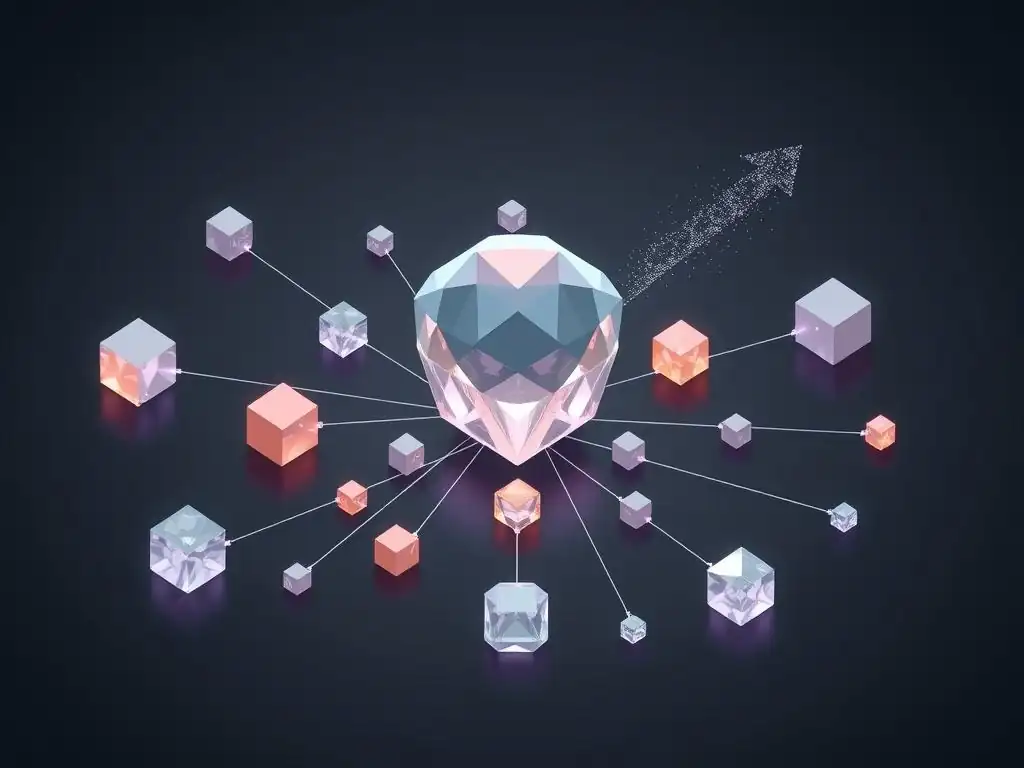
Beyond simply holding different types of NFTs, advanced NFT portfolio diversification strategies involve leveraging the unique capabilities of blockchain technology and the evolving NFT ecosystem. These strategies aim to increase potential returns, hedge against specific risks, or unlock liquidity from existing NFT holdings.
Layering Your Investments for Maximum Growth
Layering investments involves strategically placing capital across different levels of the NFT market or utilizing related protocols to enhance returns or manage risk.
- Cross-Platform Strategies: Investing in NFTs across multiple blockchains is a crucial layering strategy. While Ethereum dominates the market, significant activity and innovation are happening on other chains like Solana (known for its speed and lower fees, hosting projects like DeGods and y00ts), Polygon (an Ethereum layer-2 solution offering scalability, used by projects like Reddit Collectible Avatars), and Flow (designed for consumer applications, home to NBA Top Shot). Diversifying across chains hedges against chain-specific risks (e.g., network congestion, smart contract vulnerabilities on one chain) and allows participation in ecosystems with different strengths and fee structures. For example, while high-value art might primarily reside on Ethereum, high-volume gaming or collectible projects might thrive on Polygon or Flow due to lower transaction costs.
- Staking and Yield Farming NFTs: Some projects are introducing mechanisms to earn passive income from holding NFTs. Platforms like NFTX allow users to stake their NFTs by depositing them into vaults, receiving a fungible token representing fractional ownership of the vault's assets. These tokens can then be used in DeFi protocols for yield farming or trading, effectively allowing investors to earn yield on their illiquid NFT assets. Rally is another platform where creators and communities can launch their own social tokens, sometimes tied to NFTs, enabling unique forms of staking or yield generation. While still relatively new and carrying smart contract risk, these strategies offer ways to potentially generate income or increase holdings without selling the underlying NFTs, adding another layer to sophisticated NFT portfolio diversification strategies.
Leveraging Fractional Ownership
Fractional ownership allows investors to own a portion of a high-value NFT, making expensive "blue-chip" assets accessible to a wider range of investors and enabling diversification into assets that would otherwise be out of reach.
- Benefits of Fractionalizing High-Value NFTs: The primary benefit is increased accessibility. Instead of needing millions to buy a single CryptoPunk or a rare piece of digital art, investors can buy "shares" for a much lower price point. This allows smaller investors to gain exposure to the potential appreciation of top-tier assets, which is a vital aspect of inclusive NFT portfolio diversification strategies. Fractionalization also increases liquidity for the underlying asset; it's often easier to sell fractions than to find a single buyer for a multi-million dollar NFT. Platforms like Myco and CurioInvest facilitate the fractionalization of high-value assets, including art and collectibles. For example, a rare CryptoPunk might be tokenized into 1,000,000 fractional tokens, allowing thousands of people to invest in a piece of it.
Tools and Resources for Successful NFT Portfolio Management
Effective management is key to the success of any NFT portfolio diversification strategy. Investors need reliable tools to track their holdings, monitor market performance, and execute trades securely.
NFT Wallets: Choosing the Right Wallet for Your Investments
The wallet is the gateway to the NFT ecosystem, storing the private keys that prove ownership of your digital assets. Choosing a secure and compatible wallet is crucial.
- Top Wallets to Consider: MetaMask is arguably the most popular browser extension wallet, widely compatible with Ethereum-based marketplaces and many other EVM-compatible chains (like Polygon, BSC). It's user-friendly but requires careful handling of private keys. Trust Wallet is a mobile-first wallet supporting a vast array of cryptocurrencies and NFTs across multiple blockchains, often favored by mobile users. Coinbase Wallet, while connected to the Coinbase exchange, is a separate self-custody wallet that also supports multiple chains and NFTs, offering a balance of user-friendliness and broad compatibility. The choice often depends on preferred device (desktop vs. mobile), blockchain networks used, and desired features. Security features like hardware wallet integration (e.g., Ledger, Trezor) for storing private keys offline are highly recommended for significant NFT holdings, adding a critical layer of security to NFT portfolio diversification strategies.
NFT Marketplaces: Where to Buy and Sell Your NFTs
Marketplaces are the primary venues for acquiring and liquidating NFTs. Understanding the differences between major platforms is important for accessing specific types of NFTs and ensuring liquidity.
- Comparing Major Marketplaces: OpenSea remains the dominant general marketplace, supporting multiple blockchains and offering a wide variety of NFTs, from art and collectibles to gaming items and domain names. It's known for its high volume and broad selection. Foundation is a more curated platform, initially focusing on 1/1 art pieces, often attracting established digital artists and collectors looking for exclusive works. SuperRare is similar to Foundation, emphasizing high-quality, single-edition digital art from vetted artists. While OpenSea offers breadth and volume (processing billions in volume in peak months), platforms like Foundation and SuperRare cater to the higher end of the art market, with sales often reaching significant figures for individual pieces. Choosing the right marketplace depends on the type of NFT you are interested in and the level of curation or volume you prefer. Utilizing multiple marketplaces can also be part of NFT portfolio diversification strategies by accessing different market segments and liquidity pools.
Case Studies: Successful NFT Portfolio Diversification
Examining real-world examples provides valuable insights into how successful investors have approached NFT portfolio diversification strategies. While detailed portfolio breakdowns are rarely public, the general approaches of prominent figures offer lessons.
Real-World Examples of Successful Investors
Many early participants in the NFT space built significant portfolios by investing in a range of early projects across different categories.
- Investor Spotlight: How Beeple Built a Multi-Million Dollar NFT Portfolio: While primarily known as an artist who sold his work as NFTs for record sums, Beeple also became a collector. He acquired a diverse range of NFTs from other artists and projects, including pieces from CryptoPunks and other early collections. His approach demonstrated diversification not just within his own art sales but also by participating as a collector in the broader ecosystem. By holding pieces from various artists and collections, he diversified his exposure within the art and collectible segments, complementing his primary focus on creating his own work. This blended approach of creator and collector, with holdings across different projects, exemplifies a form of diversification in the NFT space.
- Other successful investors often highlighted in the space, such as those known by pseudonyms like "Pranksy" or "Gmoney," built their wealth through early investment in a wide array of projects, from collectibles like CryptoKitties and CryptoPunks to newer PFP projects and gaming assets. Their strategies often involved acquiring a diverse range of assets, participating actively in communities, and leveraging market trends.
Lessons Learned from Their Strategies
Several key lessons emerge from examining successful approaches to NFT portfolio diversification strategies:
- Early Adoption & Risk: Many significant gains came from early investment in projects before they became mainstream. This required taking on higher risk but offered potentially exponential rewards. However, this is not a guaranteed strategy and is prone to failure.
- Diversification Across Categories: Successful investors did not put all their eggs in one basket. They held a mix of art, collectibles, and utility-based NFTs, hedging against downturns in specific niches.
- Community Engagement: Active participation in project communities provided crucial insights into project health, team dedication, and market sentiment, informing investment decisions.
- Long-Term Vision vs. Flipping: While flipping (buying low, selling high quickly) is common, many built lasting wealth by holding onto key assets from successful, long-term projects that provided ongoing utility or community value.
- Adaptability: The market changes rapidly. Successful investors remained adaptable, recognizing new trends and adjusting their NFT portfolio diversification strategies accordingly.
Common Mistakes in NFT Portfolio Diversification
Even with a focus on diversification, investors can make mistakes that undermine their strategy. Recognizing and avoiding these pitfalls is crucial for preserving capital and achieving long-term growth.
Avoiding Overexposure to Specific NFT Types
A common mistake is thinking you are diversified when you are actually overexposed to a narrow segment. For example, an investor might own NFTs from ten different PFP collections on Ethereum. While technically owning different collections, they are heavily exposed to the PFP market trend and the Ethereum network.
If the PFP trend cools significantly or Ethereum experiences a major issue, the entire "diversified" portfolio could suffer heavily. True diversification requires spreading investments across genuinely different categories (art, collectibles, gaming, land, utility) and potentially different blockchain networks, as discussed earlier. Regularly reviewing your portfolio composition against market segments helps identify and rectify such overexposure.
Recognizing Market Trends and Timing Your Investments
Another pitfall is mistiming investments based on chasing hype or failing to recognize shifting market trends. Buying heavily into a category after it has experienced a massive parabolic run often means buying at the peak, leaving little room for further growth and high risk of correction. Conversely, being too early on a trend before there is sufficient market interest can lead to holding illiquid assets.
While timing the market perfectly is impossible, paying attention to underlying trends, community growth, and utility development (rather than just price pumps) helps make more informed decisions. Using market analysis tools to understand trading volume and price history can provide context, but must be combined with fundamental research into the project itself. NFT portfolio diversification strategies should ideally involve a mix of entering established areas at reasonable valuations and taking calculated risks on emerging trends after initial research.
Future Trends in NFT Portfolio Diversification
The NFT market is still evolving rapidly, and future trends will undoubtedly influence how investors approach diversification. Staying ahead of these trends is key to adapting NFT portfolio diversification strategies for future success.
Emerging Technologies Impacting NFT Investments
Several emerging technologies are poised to impact the NFT space significantly.
- The Role of AI and VR in NFTs: Artificial intelligence is already being used to generate digital art and curate collections, potentially leading to new forms of generative and interactive NFTs. AI could also play a role in market analysis and portfolio management tools, identifying patterns and opportunities. Virtual reality and augmented reality (VR/AR) are central to the development of the metaverse, which relies heavily on NFTs for representing ownership of assets, identities, and experiences. As VR/AR technology improves and metaverse platforms mature, the demand and utility for associated NFTs (like avatars, wearables, and land) are likely to increase, opening new categories for diversification. For instance, the integration of advanced graphics and physics in VR metaverses will likely increase the value of high-fidelity 3D NFT assets compared to current, simpler forms.
Predictions for the NFT Market in the Next 5 Years
Predicting the future of any nascent technology is speculative, but based on current trends, several developments seem likely for the NFT market over the next five years. We can anticipate continued growth in utility-focused NFTs, particularly in gaming, decentralized social media, and real-world asset tokenization (e.g., real estate, luxury goods). Institutional adoption is likely to increase, with more companies leveraging NFTs for loyalty programs, digital collectibles, and fan engagement. The technology underpinning NFTs will likely become more user-friendly, with improvements in wallet technology, marketplace interfaces, and cross-chain compatibility, making it easier for mass audiences to participate.
Furthermore, regulatory frameworks around NFTs are expected to develop globally, potentially providing more clarity and stability but also introducing new compliance requirements. As the market matures, we may see a consolidation of marketplaces and a greater emphasis on interoperability between different platforms and metaverses. While speculative "hype" cycles will likely persist, the underlying technology and its practical applications are expected to become more robust and integrated into various industries, fundamentally altering the landscape for NFT portfolio diversification strategies. Investors will need to adapt their approaches to incorporate these new use cases and technological advancements.
Conclusion: Creating a Resilient NFT Investment Portfolio
Building and managing an NFT investment portfolio in such a dynamic market is a challenging but potentially rewarding endeavor. The core principle for navigating this volatility and aiming for sustainable growth is implementing sound NFT portfolio diversification strategies. This involves thoughtfully spreading investments across different types of NFTs, blockchain networks, and use cases, rather than concentrating capital in a few speculative assets. A diversified portfolio is inherently more resilient to the inevitable downturns and specific project failures that characterize the NFT space.
Final Thoughts on NFT Portfolio Diversification Strategies
Effective NFT portfolio diversification strategies are not static; they require continuous research, evaluation, and adjustment. As the market evolves, new categories of NFTs emerge, technologies advance, and trends shift, investors must be prepared to adapt their holdings and allocation percentages. Focusing on projects with real utility, strong communities, and credible teams, while balancing these with exposure to potential high-growth areas, provides a robust framework.
Furthermore, leveraging advanced techniques like fractional ownership and exploring opportunities on multiple chains can enhance diversification and potential returns. Security practices, including choosing secure wallets and being vigilant against scams, are also paramount to protecting your diversified holdings.
Call to Action: Start Building Your NFT Portfolio Today
Embarking on your NFT investment journey requires careful planning, education, and a commitment to diversification. Start by assessing your risk tolerance and defining your investment goals. Dedicate time to researching the various types of NFTs and identifying promising projects using the tools and resources available.
Begin allocating your capital strategically, focusing on building a diversified collection that aligns with your strategy. Remember that the NFT market is high-risk, and only capital you can afford to lose should be invested. By adopting diligent NFT portfolio diversification strategies, you can position yourself to explore the exciting potential of non-fungible tokens while managing the inherent volatility of this innovative asset class.
Frequently Asked Questions
What is NFT portfolio diversification and why is it important?
Diversification in an NFT portfolio means spreading your investments across different types of NFTs to reduce risk. It's important because it mitigates the impact of any single NFT's poor performance on your overall investment.
What are some key factors to consider when diversifying an NFT portfolio?
Consider factors like NFT asset class, rarity, utility, and the creator's reputation. Also, research the historical performance and future potential of each NFT project before investing.
How can I determine my risk tolerance when building an NFT portfolio?
Assess your financial situation and investment goals. A higher risk tolerance allows for more speculative NFTs, while a lower tolerance favors established projects with a proven track record.
What are some common mistakes to avoid when diversifying an NFT portfolio?
Avoid over-diversification, which can dilute returns. Also, don't invest in NFTs you don't understand, and always conduct thorough due diligence on projects before investing.
Where can I find reliable information and analysis to inform my NFT diversification strategies?
Reputable sources include blockchain news websites, NFT analytics platforms, and expert opinions from experienced NFT investors. Always verify information from multiple sources.
The strategies outlined in this article, focused on NFT portfolio diversification, are not merely academic exercises. They represent a crucial roadmap for navigating the increasingly complex and volatile world of digital assets. In a market where hype can quickly turn to disillusionment, a well-diversified portfolio offers a shield against unforeseen risks and a pathway to sustained, long-term growth.
The rise of NFTs has undeniably reshaped the cultural and financial landscape, creating new avenues for artistic expression, community building, and investment. My own exploration of this space has underscored the importance of informed decision-making and a willingness to adapt to the ever-changing dynamics of the market. The key to successful investing is to understand not just the asset, but also the ecosystem in which it operates.
This quote perfectly encapsulates the need for a holistic approach to NFT portfolio construction, considering factors beyond just the perceived value of individual assets.
As you embark on your own NFT investment journey, remember that diversification is not just a strategy; it's a mindset. It's about embracing calculated risks, learning from both successes and failures, and continuously refining your approach. Let the principles of diversification guide your decisions, empowering you to build a resilient and rewarding NFT portfolio that reflects your individual goals and risk tolerance.
Ignite Your NFT Portfolio: Unlock the Power of Diversification!
Thanks for exploring the world of NFT diversification with us! We hope you now have a clearer understanding of how to build a resilient and potentially profitable NFT portfolio. Now, it's time to put your knowledge into action.
Here's how to continue your journey:
- Strategically Diversify: Begin by allocating a portion of your investment to different NFT categories such as digital art, collectibles, gaming assets, or virtual land. This approach helps spread risk and opens up new opportunities for growth.
- Research Emerging Artists: Explore lesser-known NFT marketplaces and communities. Discovering undervalued talent early can be highly rewarding and supports the broader creative ecosystem.
- Share Your Strategy: Engage with other NFT enthusiasts on platforms like Discord or Reddit to discuss your diversification approach. Learning from others is essential for refining your own strategy.
Are you ready to start diversifying your NFT holdings? Which unexpected NFT category will you explore first?
Leave a Reply