
The Convergence of Decentralized Identity and Web3: A New Paradigm for the Internet

Welcome to Blockchain Trends, your guide to understanding the real-world impact of blockchain technology.
Imagine a future where you own your digital identity, securely and privately. This article delves into the fascinating convergence of Decentralized Identity and Web3 integration, exploring how this powerful combination is poised to revolutionize the internet as we know it. Ready to unlock the potential of a self-sovereign future? Dive in to discover how this new paradigm is reshaping digital interactions and opening doors to unprecedented opportunities.
- Decentralized Identity Web3 Integration: Key Benefits and Use Cases
-
Frequently Asked Questions
- How does Decentralized Identity (DID) relate to Web3?
- What are the key benefits of integrating DID with Web3 applications?
- What challenges exist in widespread adoption of DID in the Web3 space?
- How does DID empower users within the Web3 ecosystem?
- Beyond personal identity, what other potential use cases exist for DID in Web3?
- Final Reflection: Embracing the Decentralized Future
- Uncover Your Web3 Potential: Own Your Digital Identity!
Decentralized Identity Web3 Integration: Key Benefits and Use Cases
Enhanced Security and Privacy in Web3 Applications
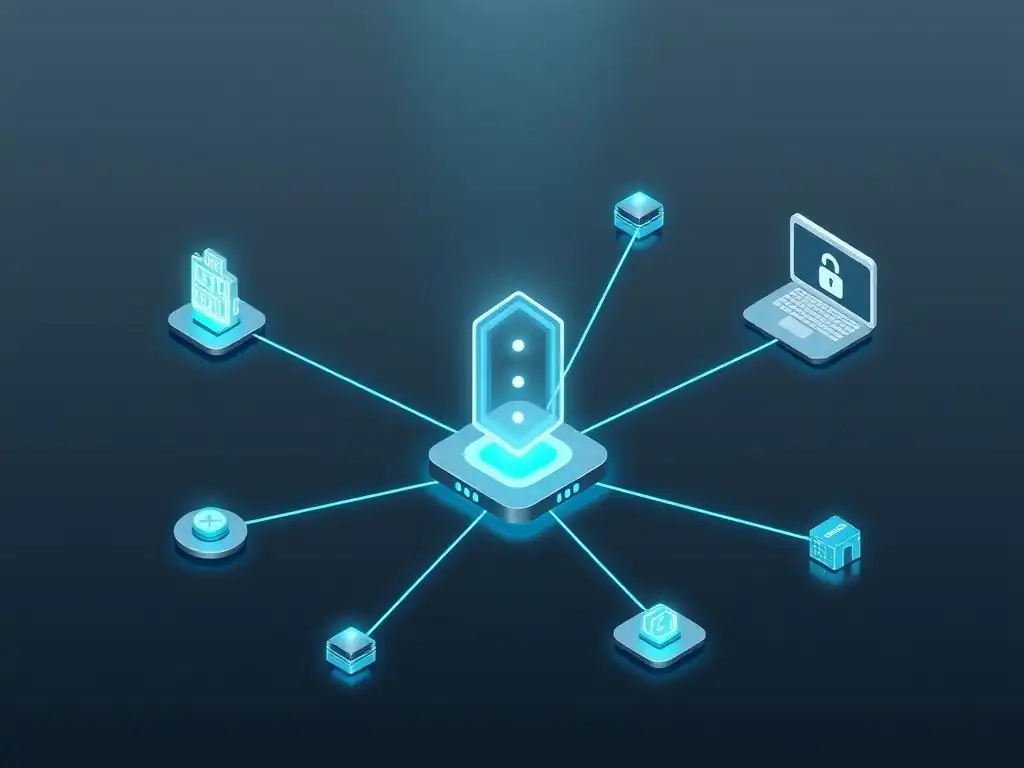
Integrating decentralized identity with Web3 provides a fundamental shift in how users interact securely online. Unlike traditional Web2 models where personal data is aggregated in centralized databases, DID solutions empower individuals with self-sovereignty over their digital identity. This significantly mitigates the risk of large-scale data breaches.
For instance, a centralized identity provider breach could expose millions of user records, as seen in past incidents affecting major corporations, sometimes impacting hundreds of millions of users' sensitive information including names, addresses, and social security numbers. With decentralized identity Web3 integration, data is not stored centrally; instead, users hold cryptographic keys and share only necessary verifiable credentials, drastically reducing the attack surface for malicious actors targeting large honeypots of data.
Furthermore, the privacy benefits of decentralized identity in Web3 are substantial. Users gain granular control over what information they share, who they share it with, and for how long. Instead of providing full identity documents for every service, a user can present a specific verifiable credential, such as "is over 18" or "is a verified professional," without revealing their name, birth date, or address.
This selective disclosure, underpinned by cryptographic proofs, ensures that interactions within Web3 applications respect user privacy by default, moving away from the pervasive surveillance models often associated with Web2 platforms that harvest vast amounts of user data for monetization. The inherent design of DID systems, leveraging blockchain or distributed ledgers, ensures that identity information is immutable and tamper-proof, adding another layer of security against unauthorized modifications.
Improved User Experience and Control Over Personal Data
The current Web2 landscape often forces users to create and manage numerous accounts, each with separate login credentials and often requiring repeated provision of personal information. This fragmented approach is cumbersome and increases the risk of compromised accounts due to password fatigue or reuse. Decentralized identity Web3 integration promises a more seamless and intuitive user experience.
Imagine accessing various decentralized applications (dApps) across different platforms using a single, self-sovereign identity controlled by the user, similar to a universal passport for the internet, but where the user is the sole custodian. This eliminates the need for multiple logins and simplifies the process of engaging with the decentralized web.
Beyond convenience, this integration places the user firmly in control of their personal data. In Web2, users often implicitly surrender control over their data to service providers through opaque terms of service. With DID in Web3, users explicitly grant permissions to share specific pieces of information or credentials.
This model ensures that data is not freely exploited or sold without the user's informed consent. For example, a user might share a verified credential proving their academic qualification with a decentralized professional network without giving that network access to their entire educational history or other unrelated personal details. This shift from data ownership by platforms to data stewardship by individuals fundamentally alters the relationship between users and online services, fostering greater trust and transparency in the digital realm.
Streamlined Onboarding Processes for Web3 Platforms
Onboarding new users onto Web3 platforms, particularly those requiring identity verification (like DeFi protocols or regulated marketplaces), can be a significant hurdle. Traditional Know Your Customer (KYC) and Anti-Money Laundering (AML) procedures are often manual, time-consuming, and require users to upload sensitive documents repeatedly across different services. This friction can deter potential users and slow the growth of decentralized ecosystems. Decentralized identity Web3 integration offers a powerful solution by enabling reusable, verifiable credentials.
Instead of undergoing a full KYC process for each individual platform, a user could obtain a verified credential from a trusted identity provider (e.g., a government-sanctioned entity or a reputable verification service) that asserts they have completed the necessary checks. They can then present this credential to multiple Web3 platforms.
This drastically reduces the time and effort required for onboarding, potentially cutting down processes that might take hours or days to just minutes. This streamlined approach is particularly beneficial for platforms operating at scale, allowing them to onboard users more efficiently while still meeting regulatory requirements through cryptographically verifiable proofs of identity or eligibility.
Fostering Interoperability Between Different Web3 Ecosystems
One of the key challenges in the nascent Web3 space is the fragmentation across different blockchain networks and decentralized applications. Users often find their identity, reputation, and assets locked within specific ecosystems. Decentralized identity Web3 integration provides a crucial layer for achieving true interoperability. By establishing a common, self-sovereign identity layer independent of any single blockchain or platform, users can seamlessly transition between services, carrying their verified credentials and reputation with them.
For example, a user might earn a verifiable credential for completing a course on a decentralized education platform. With a decentralized identity, they could then use that credential to gain access to exclusive professional development opportunities on a decentralized job board running on a different network, or to prove eligibility for a specific role in a decentralized autonomous organization (DAO).
This ability to leverage identity and credentials across disparate systems unlocks new possibilities for user interaction, collaboration, and value creation within the decentralized internet, moving towards a more connected and less siloed digital experience where users are not confined by the boundaries of individual platforms.
Frequently Asked Questions
How does Decentralized Identity (DID) relate to Web3?
DID offers a self-sovereign approach to identity, aligning perfectly with Web3's core principle of decentralization. It enables users to control their own data and identities, rather than relying on centralized authorities. This allows for greater user autonomy within the Web3 ecosystem.
What are the key benefits of integrating DID with Web3 applications?
Integrating DID with Web3 enhances security and privacy by eliminating the need for central databases storing personal information. It also fosters interoperability between different Web3 platforms, as users can utilize a single DID across various applications. This improves the overall user experience.
What challenges exist in widespread adoption of DID in the Web3 space?
Scalability and user-friendliness are significant hurdles. Current DID solutions can be complex for average users, and scaling the technology to accommodate large populations requires further development. Also, a lack of regulatory clarity can impede adoption.
How does DID empower users within the Web3 ecosystem?
DID gives users complete control over their digital identities and data. They can selectively share information with applications, preserving their privacy and reducing the risk of data breaches. This fosters a more trustless and transparent environment.
Beyond personal identity, what other potential use cases exist for DID in Web3?
DID can be used for verifying credentials, such as educational certificates or professional licenses, in a secure and tamper-proof manner. It can also be applied to device authentication and supply chain management within decentralized systems, expanding its utility beyond individual users.
Final Reflection: Embracing the Decentralized Future
The journey through decentralized identity and its integration with Web3 reveals not just a technological shift, but a fundamental reimagining of how we interact with the digital world. The promise of user-centric control and data sovereignty is no longer a distant aspiration, but a tangible possibility reshaping the very fabric of the internet. The convergence of these two powerful forces offers a pathway towards a more equitable, secure, and empowering online experience for everyone.
This paradigm shift profoundly impacts the cultural and social landscape, moving us away from centralized gatekeepers and towards a more democratized digital ecosystem. The ability to own and manage our own digital identities is not just a technical advantage; it's a fundamental human right in the digital age. The future of identity is decentralized, and it's about empowering individuals to control their own data and digital lives.
- Don Tapscott. This quote encapsulates the essence of what we strive for: a future where individuals are not merely users, but active participants in shaping their own digital destinies.
As we stand at the cusp of this new era, let us embrace the potential of decentralized identity and Web3 integration. Consider how you can leverage these technologies to reclaim control over your digital footprint, support projects that champion user privacy, and advocate for a future where the internet truly serves the interests of all. The power to shape the future of the internet lies within each of us; let us wield it wisely and build a decentralized world that is both innovative and inclusive.
Uncover Your Web3 Potential: Own Your Digital Identity!
Thanks for exploring the exciting world of decentralized identity and blockchain technology! We hope this article highlighted the transformative potential of owning your own digital identity. Now, let's turn knowledge into action!
Here are a few ways to embrace this new paradigm:
- Claim Your Decentralized Identity! This is the most important step. Research different decentralized identity providers and select one that matches your values and technical skills. Start experimenting today!
- Explore Web3 Applications: Discover platforms that prioritize user-owned data and decentralized authentication. Engage with these applications to understand the practical benefits of digital identities firsthand.
- Join the Conversation: Share this article with your network and participate in discussions about the future of identity and blockchain technology. Contribute your insights to the collective learning!
How will you leverage decentralized identity to shape your Web3 experience? Share your plans in the comments below!
Leave a Reply