
Revolutionizing Supply Chains with Smart Contracts: Tracking, Transparency, and Trust


Welcome to Blockchain Trends, your gateway to understanding the real impact of blockchain technology. Forget just cryptocurrencies – we're diving deep into the transformative power of decentralized systems. Curious about how this technology is reshaping industries? Let's explore the groundbreaking blockchain supply chain tracking benefits that are revolutionizing transparency and trust. Discover how smart contracts are creating a more efficient and secure future, and get ready to unlock the potential of this powerful technology. What could this mean for your business? Read on to find out!
- Introduction to Blockchain Supply Chain Tracking Benefits
- How Smart Contracts Revolutionize Supply Chains
- Key Blockchain Supply Chain Tracking Benefits Explained
- Use Cases Demonstrating Smart Contract Impact on Supply Chains
- Overcoming Challenges in Implementing Blockchain for Supply Chain Tracking
- The Future of Blockchain in Supply Chain Management
- Conclusion: Unlocking the Full Potential of Blockchain Supply Chain Tracking Benefits
-
Frequently Asked Questions
- What are the primary benefits of using blockchain for supply chain tracking?
- How do smart contracts contribute to revolutionizing supply chains?
- Beyond cryptocurrencies, what are some real-world applications of blockchain in supply chain management?
- How does blockchain technology address the issue of trust in supply chains?
- What are the potential regulatory challenges associated with implementing blockchain in global supply chains?
- Final Reflection: Embracing Trust in the Chain
- Ignite Transparency: Transform Your Supply Chain Now!
Introduction to Blockchain Supply Chain Tracking Benefits
Overview of Blockchain Technology in Supply Chain Management
Blockchain technology, initially recognized for its role in cryptocurrencies, is now transforming various sectors, with supply chain management standing out as a prime beneficiary. At its core, blockchain is a distributed ledger system that records transactions across many computers. This decentralized and immutable nature makes it exceptionally well-suited for supply chains, which inherently involve multiple stakeholders and complex processes. In traditional supply chains, information silos and a lack of transparency often lead to inefficiencies, delays, and increased costs. Blockchain addresses these challenges by providing a shared, transparent, and secure platform for all participants to access and verify critical data.
Imagine a global shipment of pharmaceuticals. Traditionally, tracking this shipment involves numerous intermediaries, each with their own systems and records. This fragmented approach creates opportunities for errors, delays, and even fraud. However, by implementing a blockchain-based system, every step of the journey – from manufacturing to delivery – can be recorded on the blockchain.
This includes details like temperature monitoring, location updates, and custody transfers. All authorized participants, such as manufacturers, logistics providers, distributors, and retailers, can access this information in real time, fostering greater collaboration and accountability throughout the entire supply chain network. This shared visibility is a cornerstone of the blockchain supply chain tracking benefits.
Importance of Smart Contracts for Supply Chain Innovation
While blockchain provides the foundational infrastructure for enhanced supply chain visibility, smart contracts are the engines that drive automation and efficiency. Smart contracts are self-executing contracts with the terms of the agreement directly written into code. They automatically execute predefined actions when specific conditions are met, eliminating the need for intermediaries and manual intervention. In the context of supply chains, smart contracts can automate a wide range of processes, from payment processing to inventory management and quality control. Their integration is crucial for unlocking the full potential of blockchain supply chain tracking benefits.
Consider a scenario where a shipment of goods is delayed beyond an agreed-upon timeframe. In a traditional setup, this would involve manual checks, claims processes, and potential disputes. However, with a smart contract in place, the delay can be automatically detected based on real-time tracking data from the blockchain.
Upon verification of the delay, the smart contract can automatically trigger pre-defined actions, such as issuing penalties, adjusting payment terms, or initiating alternative logistics arrangements. This automated and rule-based execution not only reduces delays and disputes but also significantly streamlines operations, making supply chains more agile, responsive, and cost-effective. The strategic use of smart contracts is therefore paramount in achieving true supply chain innovation.
How Smart Contracts Revolutionize Supply Chains
Automating Supply Chain Processes with Smart Contracts
Smart contracts are revolutionizing supply chains by automating traditionally manual and time-consuming processes. This automation spans various critical functions, significantly improving efficiency and reducing operational costs. For instance, consider the process of invoice reconciliation and payment. In conventional supply chains, this involves extensive paperwork, manual data entry, and often lengthy delays. Smart contracts can automate this process by triggering payments automatically when pre-defined conditions, such as delivery confirmation or quality verification, are met. This eliminates the need for manual invoice processing, reduces the risk of errors, and accelerates payment cycles, fostering better relationships between trading partners.
Furthermore, smart contracts can automate inventory management. By integrating with IoT sensors and blockchain-based tracking systems, smart contracts can monitor inventory levels in real-time. When inventory falls below a pre-set threshold, the smart contract can automatically trigger a reorder process, initiating purchase orders and even arranging logistics without human intervention. This proactive approach ensures optimal stock levels, minimizes stockouts, and reduces holding costs.
Beyond payments and inventory, smart contracts can also automate quality assurance processes. For example, in the food and beverage industry, temperature sensors can record data on the blockchain, and smart contracts can automatically reject shipments that fall outside acceptable temperature ranges, ensuring product quality and safety. This broad applicability of smart contracts in automating diverse processes underscores their transformative impact on supply chain operations.
Enhancing Tracking Accuracy through Blockchain-Enabled Smart Contracts
Blockchain-enabled smart contracts significantly enhance tracking accuracy throughout the supply chain journey. Traditional tracking systems often rely on disparate databases and manual data entry, leading to inaccuracies and data silos. Blockchain provides a single, shared source of truth, where every tracking event is securely recorded and immutably stored.
Smart contracts leverage this reliable data to automate and verify tracking events, ensuring a higher level of accuracy and transparency. For example, when goods pass through a checkpoint, such as a port or warehouse, IoT devices can automatically record the event on the blockchain, triggering a smart contract to update the shipment status and notify relevant stakeholders in real-time.
This enhanced accuracy is particularly critical for industries dealing with high-value or sensitive goods, such as pharmaceuticals, electronics, and luxury items. Consider the pharmaceutical industry, where maintaining the integrity of the cold chain is paramount. Smart contracts can be programmed to monitor temperature data from sensors attached to pharmaceutical shipments throughout their journey.
If the temperature deviates from the required range, the smart contract can automatically flag the shipment, alerting stakeholders to potential spoilage or quality issues. This proactive and data-driven approach minimizes risks, ensures product integrity, and strengthens consumer trust. The combination of blockchain's immutable ledger and smart contract automation creates a robust and reliable tracking system, far surpassing the capabilities of traditional methods.
Real-Time Data Sharing and Immutable Records for Transparency
One of the most significant revolutions brought about by smart contracts in supply chains is the establishment of real-time data sharing and immutable records, fostering unprecedented transparency. In conventional supply chains, information is often fragmented and siloed, with limited visibility across different stages. Blockchain and smart contracts dismantle these silos by creating a shared, permissioned ledger where authorized participants can access real-time data about the movement and status of goods.
Every transaction or event recorded on the blockchain is timestamped and cryptographically secured, making it tamper-proof and auditable. This immutability is fundamental to building trust and transparency within the supply chain ecosystem.
Imagine a consumer purchasing organic coffee beans. With a blockchain-enabled supply chain, the consumer can potentially scan a QR code on the packaging to access a wealth of information recorded on the blockchain. This could include details about the farm where the beans were grown, the harvesting date, processing methods, transportation history, and certifications. Smart contracts can be used to verify these claims automatically, ensuring that the information is accurate and trustworthy.
This level of transparency empowers consumers, builds brand loyalty, and enables businesses to demonstrate their commitment to ethical sourcing and sustainability. Furthermore, real-time data sharing facilitates better collaboration among supply chain partners, enabling proactive problem-solving and faster response to disruptions. This enhanced transparency is a core blockchain supply chain tracking benefit, transforming the way businesses operate and interact with consumers.
Key Blockchain Supply Chain Tracking Benefits Explained
Increased Transparency and Trust Among Supply Chain Stakeholders
Increased transparency and trust are arguably the most significant blockchain supply chain tracking benefits. Traditional supply chains often suffer from opacity, where participants have limited visibility beyond their immediate tier. This lack of transparency can breed mistrust, inefficiencies, and even fraudulent activities. Blockchain, with its inherent transparency and immutability, addresses these issues head-on. By providing a shared and auditable record of all transactions and events, blockchain fosters a culture of trust among supply chain stakeholders, from suppliers and manufacturers to distributors, retailers, and consumers.
Consider the complex global apparel industry. Tracing the journey of a garment from raw materials to the retail shelf can be incredibly challenging. However, with blockchain, each step, from cotton farming to textile production, garment manufacturing, and transportation, can be recorded on the blockchain.
This provides all stakeholders with a clear and verifiable audit trail, allowing them to track the origin of materials, verify ethical sourcing practices, and ensure compliance with labor standards. This enhanced transparency not only builds trust among partners but also empowers consumers to make informed purchasing decisions based on verified information. For businesses, this translates to improved brand reputation, reduced risks, and stronger relationships with both suppliers and customers.
Improved Traceability and Provenance Verification of Goods
Improved traceability and provenance verification are essential blockchain supply chain tracking benefits, particularly crucial in industries where product authenticity and origin are paramount. Traceability refers to the ability to track the movement of goods through each stage of the supply chain, while provenance verification confirms the origin and history of a product. Blockchain excels in both areas by providing an immutable record of every transaction and event associated with a product, creating a comprehensive and verifiable audit trail. This capability is particularly valuable in combating counterfeiting and ensuring product authenticity.
For example, in the luxury goods industry, counterfeiting is a major problem, costing brands billions of dollars annually. Blockchain can be used to create digital identities for luxury items, recording their origin, manufacturing details, and ownership history on the blockchain. Consumers can then verify the authenticity of a product by scanning a unique identifier, such as a QR code, linked to the blockchain record.
This provides irrefutable proof of provenance, protecting both brands and consumers from counterfeit goods. Similarly, in the food industry, blockchain can track the journey of food products from farm to table, verifying their origin, processing methods, and certifications, ensuring food safety and building consumer confidence in product claims.
Reduction of Fraud and Counterfeiting through Decentralized Ledgers
The decentralized and immutable nature of blockchain significantly contributes to the reduction of fraud and counterfeiting within supply chains. Traditional centralized systems are vulnerable to single points of failure and manipulation. In contrast, blockchain's distributed ledger, secured by cryptographic hashing, makes it extremely difficult to alter or tamper with recorded data. Once information is written to the blockchain, it becomes virtually immutable, providing a secure and trustworthy record of transactions. This inherent security is a key element in mitigating fraudulent activities.
Consider the issue of cargo theft, which is a significant problem in global logistics. By recording the custody transfer of goods on a blockchain, a transparent and auditable record is created. Any unauthorized changes or discrepancies would be immediately detectable, making it much harder for thieves to tamper with shipments or falsify records.
Furthermore, smart contracts can automate verification processes, such as confirming the authenticity of documents or certifications, reducing the risk of fraudulent documentation. The combination of decentralization, immutability, and cryptographic security offered by blockchain creates a more resilient and trustworthy supply chain environment, effectively minimizing opportunities for fraud and counterfeiting.
Streamlining Compliance and Regulatory Reporting with Smart Contracts
Streamlining compliance and regulatory reporting is another significant blockchain supply chain tracking benefit. Businesses operating in global supply chains face a complex web of regulations and compliance requirements, varying across different jurisdictions. Traditional compliance processes are often manual, time-consuming, and prone to errors. Blockchain and smart contracts can automate many aspects of compliance, making it more efficient and accurate. The immutable record of transactions on the blockchain provides a verifiable audit trail, simplifying regulatory reporting and audits.
For instance, consider regulations related to conflict minerals or ethical sourcing. Companies are increasingly required to demonstrate that their products are free from conflict minerals and sourced ethically. Blockchain can be used to track the origin of raw materials and verify compliance with relevant standards at each stage of the supply chain.
Smart contracts can automate the process of verifying certifications and generating compliance reports, reducing the administrative burden and ensuring greater accuracy. This streamlined compliance not only saves time and resources but also enhances a company's reputation and reduces the risk of penalties for non-compliance. The transparency and auditability of blockchain-based systems are invaluable assets in navigating the increasingly complex regulatory landscape of global supply chains.
Use Cases Demonstrating Smart Contract Impact on Supply Chains
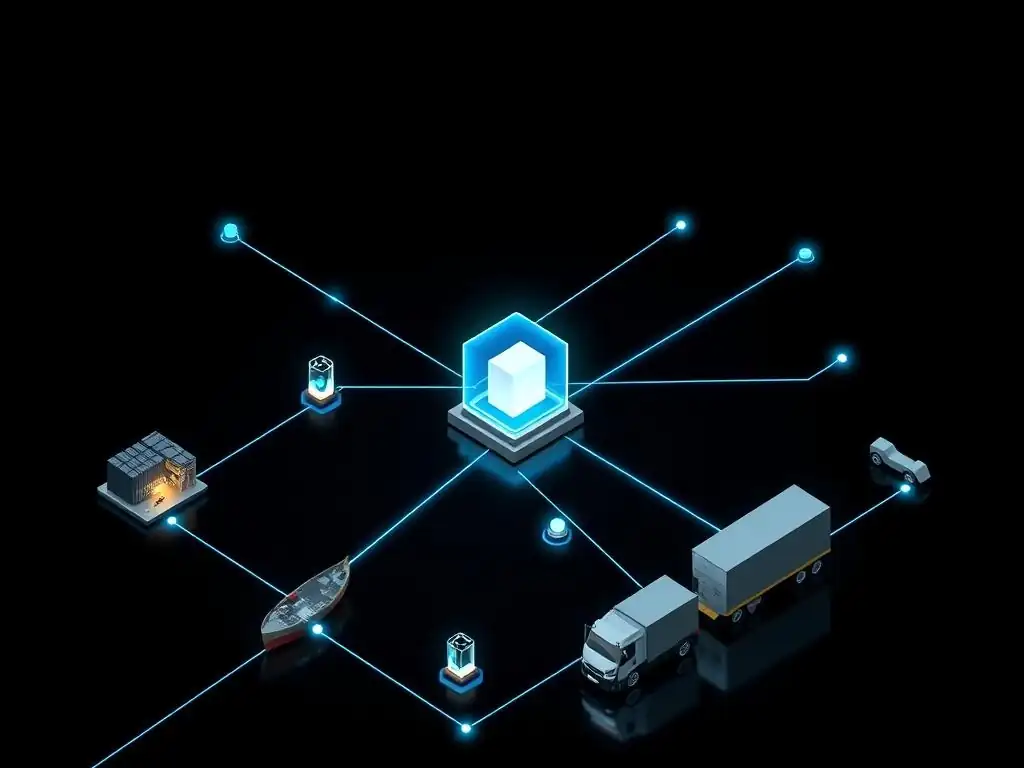
Smart Contracts for Inventory Management and Automated Reordering
Smart contracts are demonstrating significant impact in inventory management and automated reordering within supply chains. Traditional inventory management often relies on manual tracking and forecasting, leading to inefficiencies, stockouts, or excess inventory. Smart contracts, integrated with IoT sensors and blockchain-based tracking systems, offer a more dynamic and automated approach.
Real-time inventory data, captured by sensors and recorded on the blockchain, can trigger smart contracts to initiate automated reordering processes. When inventory levels of specific items fall below pre-defined thresholds, smart contracts can automatically generate purchase orders, select suppliers based on pre-agreed criteria, and even arrange logistics, all without manual intervention.
For example, a large retail chain can use smart contracts to manage inventory across its numerous warehouses and stores. Sensors can track stock levels in real-time, feeding data to the blockchain. Smart contracts continuously monitor this data, and when stock of a particular product dips below a set level at a specific location, the smart contract automatically triggers a reorder from the designated supplier.
The payment process can also be automated, with smart contracts releasing payment upon confirmation of delivery. This automated system minimizes stockouts, reduces holding costs for excess inventory, and streamlines the entire inventory replenishment process, leading to significant operational efficiencies.
Tracking Perishable Goods Using Blockchain for Quality Assurance
The ability to track perishable goods using blockchain and smart contracts is revolutionizing quality assurance in sensitive supply chains, such as food and pharmaceuticals. Maintaining the quality and safety of perishable goods throughout their journey from origin to consumer is critical. Traditional tracking methods often lack the granularity and real-time visibility required to ensure optimal conditions.
Blockchain-based systems, combined with IoT sensors that monitor temperature, humidity, and other environmental factors, provide a comprehensive and immutable record of the conditions under which perishable goods are transported and stored. Smart contracts leverage this data to automate quality checks and ensure compliance with pre-defined standards.
Consider the transportation of fresh produce. Temperature fluctuations during transit can significantly impact the quality and shelf life of fruits and vegetables. Sensors attached to containers can continuously monitor temperature and humidity, recording this data on the blockchain. Smart contracts can be programmed to automatically verify if these conditions remain within acceptable ranges throughout the journey.
If deviations occur, the smart contract can trigger alerts, initiate inspections, or even automatically reject shipments that do not meet quality standards. This real-time monitoring and automated quality assurance significantly reduces spoilage, minimizes waste, and ensures that consumers receive fresh and safe products. This application highlights the powerful blockchain supply chain tracking benefits for perishable goods.
Enabling Secure and Transparent Supplier Audits with Blockchain Records
Blockchain records are enabling secure and transparent supplier audits, transforming the way businesses assess and manage supplier compliance and performance. Traditional supplier audits are often manual, costly, and time-consuming, relying on paper-based records and on-site inspections. Blockchain provides a digital, immutable, and transparent platform for recording supplier data, certifications, and audit results. This makes supplier audits more efficient, reliable, and less prone to manipulation. Smart contracts can automate aspects of the audit process, such as verifying certifications and tracking corrective actions.
For example, a company sourcing materials from multiple suppliers can use a blockchain-based system to manage supplier information and audit trails. Suppliers can upload their certifications, compliance documents, and audit reports directly to the blockchain. Smart contracts can automatically verify the validity of certifications and track the status of corrective actions identified during audits.
Auditors can access this information directly from the blockchain, reducing the need for manual data collection and verification. The immutable nature of blockchain records ensures the integrity of audit data, building trust and transparency in supplier relationships. This streamlined and transparent audit process reduces costs, improves supplier performance monitoring, and strengthens overall supply chain resilience.
Overcoming Challenges in Implementing Blockchain for Supply Chain Tracking
Addressing Scalability and Performance Issues in Blockchain Networks
While the benefits of blockchain for supply chain tracking are substantial, addressing scalability and performance issues in blockchain networks is crucial for widespread adoption. Many existing blockchain platforms face limitations in transaction throughput and processing speed, which can be a bottleneck for large-scale supply chain applications involving thousands or even millions of transactions per day. As supply chains generate vast amounts of data, the blockchain infrastructure needs to be able to handle this volume efficiently and cost-effectively.
Various approaches are being explored to address scalability challenges. Layer-2 solutions, such as state channels and rollups, are designed to process transactions off-chain, reducing the load on the main blockchain. Sharding, a technique that divides the blockchain network into smaller, manageable shards, is another promising solution.
Furthermore, advancements in consensus mechanisms, such as Proof-of-Stake, are improving transaction processing speed and reducing energy consumption compared to older mechanisms like Proof-of-Work. Choosing the right blockchain platform and architecture, along with implementing appropriate scalability solutions, is essential for ensuring that blockchain networks can effectively support the demands of complex and high-volume supply chains.
Integrating Smart Contracts with Existing Supply Chain Systems
Integrating smart contracts and blockchain technology with existing supply chain systems presents a significant challenge. Many companies have already invested heavily in legacy systems, such as Enterprise Resource Planning (ERP) and Warehouse Management Systems (WMS). Seamlessly integrating blockchain solutions with these existing systems is crucial for avoiding disruption and maximizing the value of blockchain implementation. Interoperability between different systems and data formats is a key consideration.
APIs (Application Programming Interfaces) play a vital role in facilitating integration. Well-designed APIs can enable blockchain platforms to communicate and exchange data with existing supply chain systems. Middleware solutions can also be used to bridge the gap between different systems and ensure data compatibility.
Furthermore, standardization efforts are essential to promote interoperability and simplify integration. Industry-wide standards for blockchain data formats and protocols will make it easier for different blockchain solutions to work together and integrate with existing systems. A phased approach to integration, starting with pilot projects and gradually expanding the scope, can help organizations manage the complexity and minimize risks associated with blockchain implementation in their existing supply chain ecosystems.
Ensuring Data Privacy while Maintaining Transparency in Blockchain
Ensuring data privacy while maintaining transparency in blockchain-based supply chain solutions is a delicate balancing act. Blockchain's inherent transparency, while beneficial for traceability and trust, can raise concerns about data privacy and confidentiality, especially when dealing with sensitive business information or personal data. Supply chain data often includes commercially sensitive information, such as pricing, supplier details, and customer data, which companies may not want to share publicly.
Permissioned or private blockchains offer solutions to address data privacy concerns. Unlike public blockchains, permissioned blockchains restrict access to the network and data to authorized participants. Data encryption techniques can also be employed to protect sensitive information stored on the blockchain.
Zero-knowledge proofs and other privacy-enhancing technologies can enable data verification without revealing the underlying data itself. Careful consideration of data privacy requirements and the selection of appropriate blockchain architectures and privacy-preserving techniques are essential for building blockchain-based supply chain solutions that are both transparent and compliant with data privacy regulations, such as GDPR and CCPA. Balancing transparency with data privacy is a critical aspect of responsible blockchain implementation.
The Future of Blockchain in Supply Chain Management
Emerging Trends in Smart Contract Applications for Supply Chains
Emerging trends in smart contract applications are poised to further revolutionize supply chain management. One prominent trend is the increasing use of AI and machine learning in conjunction with smart contracts. AI can analyze vast amounts of supply chain data recorded on the blockchain to optimize processes, predict demand fluctuations, and identify potential risks.
Smart contracts can then be dynamically adjusted based on AI-driven insights, creating more adaptive and responsive supply chains. For example, AI algorithms can predict potential delays in shipments based on real-time weather data and traffic patterns, and smart contracts can automatically reroute shipments or adjust delivery schedules accordingly.
Another trend is the development of more sophisticated and flexible smart contract logic. Initial smart contracts were often relatively simple, executing pre-defined actions based on basic conditions. However, advancements in smart contract programming languages and development tools are enabling the creation of more complex and adaptable smart contracts. These advanced smart contracts can handle more intricate business rules, incorporate multiple data sources, and even adapt to changing circumstances in real-time. This evolution towards more intelligent and dynamic smart contracts will unlock even greater potential for automation and optimization within supply chains.
Potential for Decentralized Autonomous Supply Chain Networks
The future of blockchain in supply chain management points towards the potential for decentralized autonomous supply chain networks. Decentralized Autonomous Organizations (DAOs) are organizations governed by rules encoded in smart contracts, operating autonomously without centralized control. Applying this concept to supply chains could lead to the emergence of self-governing, decentralized networks where participants interact directly with each other based on pre-defined rules encoded in smart contracts. These networks could automate many aspects of supply chain operations, from procurement and logistics to quality control and payment processing, with minimal human intervention.
Imagine a decentralized autonomous supply chain for agricultural products. Farmers, logistics providers, processors, and retailers could all participate in this network, governed by smart contracts that define roles, responsibilities, and payment terms. Transactions would be recorded on the blockchain, ensuring transparency and traceability throughout the supply chain. DAOs could automate dispute resolution, manage risk sharing, and even distribute profits among participants based on pre-agreed rules. While still in its early stages, the concept of decentralized autonomous supply chains holds immense potential to create more efficient, resilient, and equitable supply chain ecosystems.
Role of Regulation and Standardization in Blockchain Supply Chain Adoption
Regulation and standardization will play a crucial role in shaping the future of blockchain adoption in supply chain management. As blockchain technology matures and its applications in supply chains become more widespread, regulatory frameworks are needed to address legal and compliance issues, ensure consumer protection, and foster trust in blockchain-based systems. Regulations related to data privacy, smart contract enforceability, and cross-border data flows will be particularly important for global supply chains.
Standardization efforts are also essential to promote interoperability, reduce fragmentation, and accelerate adoption. Industry-wide standards for blockchain data formats, protocols, and smart contract development will make it easier for different blockchain solutions to work together and integrate with existing systems. Standardization bodies and industry consortia are actively working on developing these standards. Clear regulatory guidelines and robust standardization will create a more predictable and supportive environment for businesses to invest in and deploy blockchain-based supply chain solutions, unlocking the full potential of blockchain supply chain tracking benefits on a global scale.
Conclusion: Unlocking the Full Potential of Blockchain Supply Chain Tracking Benefits
Summary of How Smart Contracts Foster Transparency, Tracking, and Trust
Smart contracts, underpinned by blockchain technology, are fundamentally transforming supply chains by fostering transparency, enhancing tracking, and building trust among stakeholders. The immutable and decentralized nature of blockchain provides a shared and verifiable record of supply chain events, while smart contracts automate processes, enforce agreements, and ensure efficient execution. This combination leads to enhanced visibility across the entire supply chain, improved accuracy in tracking goods, reduced fraud and counterfeiting, streamlined compliance, and ultimately, increased trust among all participants. The blockchain supply chain tracking benefits are multifaceted and far-reaching, offering significant advantages over traditional, opaque, and inefficient supply chain models.
From automating inventory management and payments to ensuring the quality and provenance of goods, smart contracts are proving their value across diverse industries and use cases. The real-time data sharing and immutable records provided by blockchain create a foundation for greater collaboration, faster response times, and more resilient supply chains. As businesses increasingly recognize these advantages, the adoption of blockchain and smart contracts in supply chain management is expected to accelerate, driving further innovation and unlocking even greater efficiencies.
Strategic Steps for Enterprises to Adopt Blockchain-Based Supply Chain Solutions
For enterprises looking to leverage blockchain supply chain tracking benefits, a strategic and phased approach to adoption is essential. The first step is to identify specific pain points within their existing supply chains where blockchain can offer tangible improvements. This could involve areas such as traceability of goods, supplier compliance, or streamlining documentation processes. Conducting pilot projects to test and validate blockchain solutions in a controlled environment is crucial before large-scale implementation. These pilot projects should focus on specific use cases and involve key stakeholders across the supply chain.
Building partnerships and collaborations within the supply chain ecosystem is also vital. Blockchain is inherently a collaborative technology, and successful implementation requires the participation and cooperation of multiple stakeholders. Enterprises should actively engage with suppliers, logistics providers, and other partners to build blockchain-based solutions together.
Furthermore, investing in education and training for employees is essential to ensure that organizations have the necessary skills and expertise to manage and operate blockchain-based supply chain systems effectively. By taking these strategic steps, enterprises can unlock the full potential of blockchain and smart contracts to create more transparent, efficient, and resilient supply chains for the future.
Frequently Asked Questions
What are the primary benefits of using blockchain for supply chain tracking?
Blockchain offers enhanced transparency, improved traceability, and increased trust among supply chain participants. This leads to greater efficiency and reduced risk.
How do smart contracts contribute to revolutionizing supply chains?
Smart contracts automate agreement execution and enforce pre-defined rules. This ensures accountability and reduces disputes throughout the supply chain.
Beyond cryptocurrencies, what are some real-world applications of blockchain in supply chain management?
Blockchain enables secure and transparent tracking of goods, verifying product authenticity, and managing inventory across complex supply networks.
How does blockchain technology address the issue of trust in supply chains?
Blockchain's immutable ledger creates a shared, auditable record of all transactions. This eliminates information asymmetry and fosters greater trust.
What are the potential regulatory challenges associated with implementing blockchain in global supply chains?
Navigating varying international regulations and ensuring data privacy compliance are key challenges. Standardisation and interoperability are also crucial.
Final Reflection: Embracing Trust in the Chain
The exploration of smart contracts in revolutionizing supply chains, as detailed throughout this article, underscores a critical shift in how we perceive and manage global commerce. The promise of enhanced transparency and traceability, powered by blockchain technology, is no longer a futuristic concept, but a tangible reality reshaping industries today. From ensuring ethical sourcing to combating counterfeit goods, the benefits of blockchain supply chain tracking are demonstrably impacting businesses and consumers alike.
The implementation of smart contracts in supply chains has not only streamlined operations but has also fostered a new era of trust and accountability. Witnessing this transformation firsthand, I am struck by the potential for this technology to empower consumers with greater knowledge and control over the products they consume. Trust, but verify,
as the saying goes, and blockchain allows us to do just that, verifying every step of a product's journey with unprecedented accuracy and security.
As we look ahead, the future of supply chains is inextricably linked to the continued adoption and refinement of blockchain-based solutions. I urge you, the reader, to consider how these advancements can be applied within your own sphere of influence.
Whether you are a business owner, a consumer, or simply an engaged citizen, the principles of transparency, traceability, and trust, now amplified by smart contracts, offer a powerful framework for building a more ethical and efficient world. Embrace the potential of blockchain, and let us collectively forge a future where supply chains are not just optimized, but truly transparent and trustworthy.
Ignite Transparency: Transform Your Supply Chain Now!
Thank you for exploring the potential of smart contracts to revolutionize supply chains. We hope you've gained valuable insights into how blockchain technology can enhance transparency and build trust. Now, take the next step and discover how these innovations are being applied in the real world.
Here's how you can get started:
- Explore a real-world case study: Investigate how companies in industries like food or pharmaceuticals are implementing smart contracts. Learn from their experiences and results.
- Attend a local blockchain meetup to connect with others interested in this technology and exchange ideas.
- Share your insights! Spread awareness about the benefits of smart contracts for supply chains on social media using the hashtag #BlockchainSupplyChain.
What specific challenge in your industry could smart contracts help address? Share your thoughts in the comments below!
Leave a Reply