
The Rise of Decentralized Clinical Data: Blockchain for Research and Collaboration


Welcome to Blockchain Trends, your go-to source for unraveling the complexities and vast potential of blockchain technology!
Imagine a world where clinical data research is revolutionized by secure, transparent, and collaborative systems. Our exploration into blockchain clinical data research reveals how this groundbreaking technology is poised to transform healthcare, moving beyond traditional limitations and fostering unprecedented advancements. Curious how decentralization can unlock new frontiers in medical breakthroughs? Dive in and discover the future of healthcare innovation!
- Conclusion: Embracing Decentralization for Improved Clinical Research
-
Frequently Asked Questions
- What are the primary benefits of using blockchain for clinical data research?
- How does blockchain improve data security in clinical trials?
- What role does blockchain play in fostering collaboration among researchers?
- What are some of the regulatory challenges associated with using blockchain in clinical data research?
- Beyond data security, what other applications of blockchain are relevant to clinical data?
- Final Reflection: Embracing the Decentralized Future of Healthcare
- Uncover the Future of Healthcare Research!
Conclusion: Embracing Decentralization for Improved Clinical Research
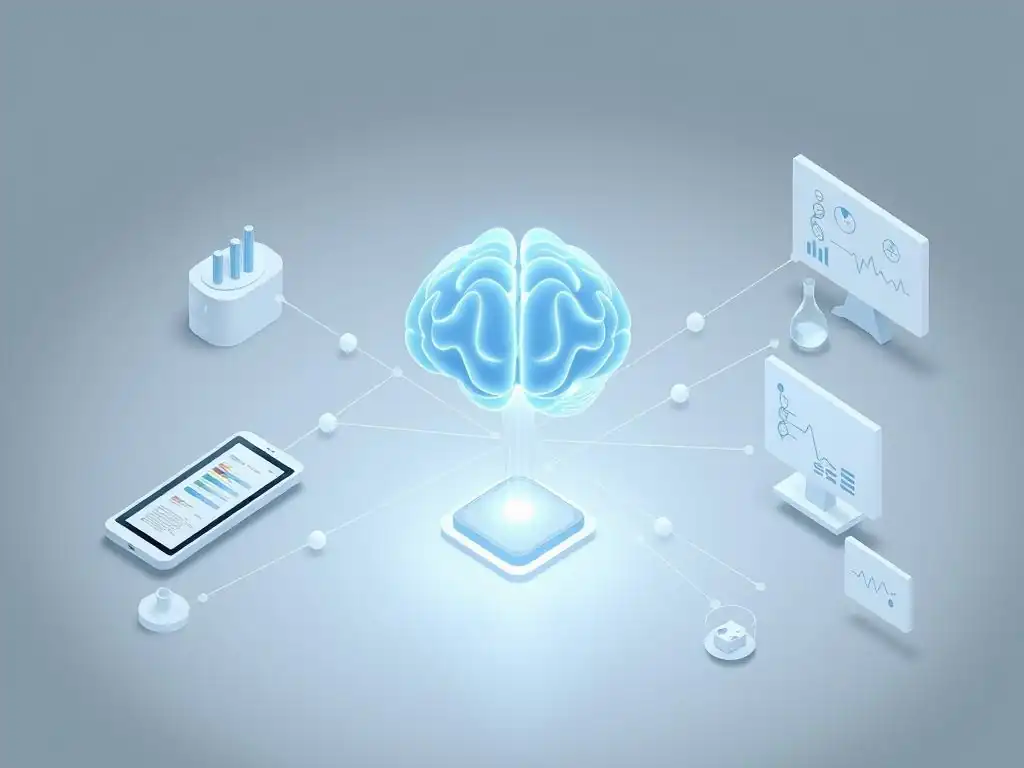
The Transformative Potential of Decentralized Data
The adoption of decentralized data platforms, powered by technologies like blockchain, represents a fundamental paradigm shift in how clinical research is conducted. Historically, clinical data has been fragmented across disparate systems within institutions, leading to significant challenges in aggregation, sharing, and validation. Decentralization fundamentally alters this landscape by creating secure, immutable, and transparent frameworks for data management.
This not only enhances the integrity of data collected but also empowers patients with greater control over their health information, fostering trust and encouraging participation in studies. The ability to verify data origin and integrity through blockchain ensures a higher degree of reliability, crucial for ensuring the validity of research findings and accelerating the translation of discoveries into clinical practice.
This shift towards decentralized models promises significant improvements in efficiency and reach for blockchain clinical data research. By breaking down data silos, researchers gain access to larger, more diverse datasets, potentially reducing the time and cost associated with patient recruitment and data collection. Estimates suggest that data-related issues can consume up to 70% of a researcher's time in traditional settings.
Decentralized platforms aim to drastically reduce this overhead by providing streamlined data access and management. Furthermore, the enhanced security and auditability offered by blockchain can significantly decrease the risk of data tampering or breaches, which remain major concerns in sensitive clinical trials. The potential for faster data analysis and more robust insights derived from interconnected data sources positions decentralized approaches as a critical enabler for future medical breakthroughs.
Call to Action: Fostering Collaboration and Innovation in Decentralized Research
Realizing the full promise of decentralized clinical data research requires concerted effort and collaboration across the healthcare ecosystem. Researchers, pharmaceutical companies, academic institutions, technology developers, and regulatory bodies must work together to establish common standards, interoperability protocols, and best practices. While the technology offers compelling advantages, challenges related to scalability, data format standardization, and navigating complex global data privacy regulations, such as GDPR and HIPAA, remain. Open dialogue and collaborative initiatives are essential to developing solutions that are both technologically robust and compliant with legal and ethical requirements, ensuring that patient privacy is paramount while facilitating valuable research.
Fostering innovation in blockchain clinical data research also necessitates investment in pilot projects and educational initiatives. Demonstrating the tangible benefits of decentralized platforms through real-world use cases is crucial for driving wider adoption. This includes exploring various architectural models, from fully decentralized networks to hybrid approaches that integrate with existing infrastructure.
Encouraging interdisciplinary collaboration between blockchain experts, clinical researchers, data scientists, and ethicists will accelerate the development of user-friendly, secure, and scalable platforms. By actively engaging in these efforts, the community can collectively shape the future of clinical research, leveraging the power of decentralized data to improve health outcomes globally and unlock new frontiers in medical discovery.
Frequently Asked Questions
What are the primary benefits of using blockchain for clinical data research?
Blockchain offers enhanced security and privacy for sensitive patient data, improves data interoperability between different research institutions, and creates a more transparent and auditable research process.
How does blockchain improve data security in clinical trials?
Blockchain's immutable ledger ensures that data cannot be altered or tampered with after it's recorded. Decentralized storage also reduces the risk of a single point of failure or attack, safeguarding patient information.
What role does blockchain play in fostering collaboration among researchers?
Blockchain facilitates secure and efficient data sharing between researchers, allowing them to access and analyze information from multiple sources. This enables faster discovery and accelerates the pace of medical advancements.
What are some of the regulatory challenges associated with using blockchain in clinical data research?
Current regulations may not fully address the unique aspects of blockchain, leading to uncertainties regarding data privacy and compliance. Establishing clear legal frameworks and guidelines is crucial for wider adoption.
Beyond data security, what other applications of blockchain are relevant to clinical data?
Blockchain can streamline supply chain management for pharmaceuticals, verify patient identity for clinical trials, and facilitate smart contracts for automated data sharing agreements, improving efficiency and trust.
Okay, here's a final reflection designed to close your article "The Rise of Decentralized Clinical Data: Blockchain for Research and Collaboration," optimized for the keyword "Blockchain clinical data research" and following the requested structure:
Final Reflection: Embracing the Decentralized Future of Healthcare
The exploration of blockchain's potential within clinical data research reveals a powerful shift in how we approach medical advancements. The promise of secure, transparent, and collaborative data sharing is no longer a distant dream but a tangible reality, poised to revolutionize the speed and efficiency of medical breakthroughs, ultimately impacting patient care on a global scale.
The impact of decentralized clinical data transcends mere technological innovation; it fosters a culture of trust and collaboration, breaking down traditional silos and empowering researchers worldwide. This paradigm shift is profoundly important, as it directly addresses the ethical and practical challenges of data accessibility and security that have long hindered progress in medical research. The power of blockchain is not just in its technology, but in its ability to build trust in a trustless environment.
- Andreas Antonopoulos
As we stand at the cusp of this decentralized revolution, I invite you to consider the role you can play in shaping its future. Embrace the potential of blockchain to unlock new frontiers in clinical data research, advocate for responsible implementation, and contribute to a world where medical knowledge is shared openly and securely, accelerating the path to a healthier tomorrow.
Uncover the Future of Healthcare Research!
Thank you for exploring the potential of blockchain in clinical data management. We hope you gained valuable insights into how this technology can transform research and collaboration. Now, it's time to take action!
Here are some ways you can get involved:
- Begin exploring open-source blockchain platforms designed for healthcare data sharing. Get hands-on and see what the technology can do.
- Share this article with your colleagues and healthcare professionals to spark discussions about the advantages of decentralized data.
- Contribute to the expanding knowledge base. Are there specific challenges in clinical data management that blockchain could help solve in your area?
What innovative uses of decentralized clinical data are you most excited to see develop? Share your thoughts in the comments below!
Leave a Reply