
The Metaverse and the Future of Work: Earning a Living Through Blockchain Games

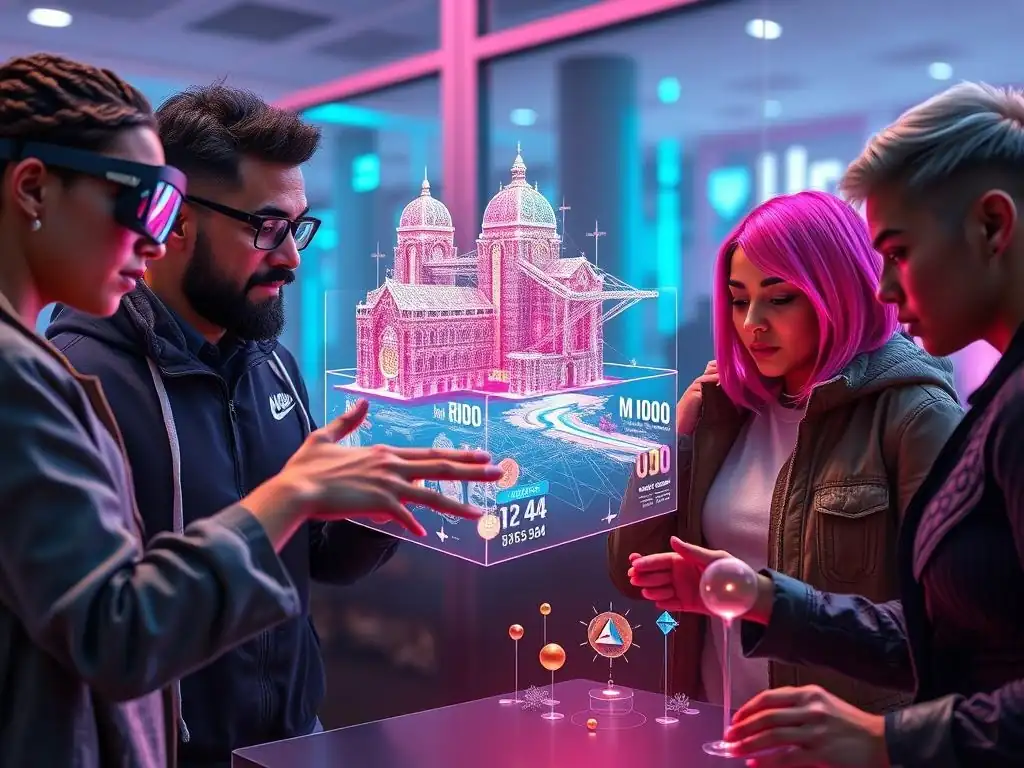
Welcome to Blockchain Trends, your compass in the rapidly evolving world of decentralized technology. Beyond the hype of cryptocurrencies, we delve into the real-world applications of blockchain, from revolutionizing finance to reshaping industries. Curious about how the metaverse intersects with the future of work? Dive into our exploration of blockchain games earning potential and discover how players are turning virtual skills into real-world income. Explore the possibilities and unlock the future with us.
The Metaverse and the Future of Work: Earning a Living Through Blockchain Games
- Introduction: The Convergence of Metaverse, Work, and Blockchain Games
- Understanding the Blockchain Games Earning Potential
- Top Blockchain Games Offering Earning Opportunities
- The Skills Required for Success in Metaverse-Based Work
- Challenges and Risks Associated with Earning Through Blockchain Games
- The Future of Work in the Metaverse: Beyond Gaming
- Optimizing Your Blockchain Games Earning Potential: Tips and Strategies
- How to Get Started: A Step-by-Step Guide to Earning in Blockchain Games
- Blockchain Games Earning Potential: A Sustainable Future?
- Conclusion: Embracing the Future of Work Through Blockchain Gaming
-
Frequently Asked Questions
- How can blockchain games offer a real earning potential?
- What are some of the most common ways to earn money in blockchain games?
- What are the risks associated with relying on blockchain games for income?
- How does the Metaverse factor into the earning potential of blockchain games?
- What skills are beneficial for maximizing the earning potential in blockchain games?
- Final Reflection: Embracing the Play-to-Earn Revolution
- Dive Deeper: Forge Your Metaverse Career!
Introduction: The Convergence of Metaverse, Work, and Blockchain Games
Exploring the Emerging Landscape of Metaverse Employment
The metaverse, once a concept confined to science fiction, is rapidly materializing into a tangible digital realm, blurring the lines between our physical and virtual lives. This evolution is not just about immersive entertainment; it's fundamentally reshaping how we perceive work and employment. Within these burgeoning digital worlds, new economies are taking root, driven by blockchain technology and the concept of digital ownership.
Individuals are no longer limited to traditional employment structures, as the metaverse is opening doors to novel forms of income generation, many of which revolve around engaging with and contributing to virtual ecosystems. This shift presents both exciting opportunities and uncharted territories for the future of work.
The intersection of the metaverse and employment is creating a paradigm shift, moving away from centralized, hierarchical work models towards more decentralized and participatory systems. Blockchain games are at the forefront of this transformation, demonstrating how individuals can earn a livelihood by participating in virtual economies.
These games leverage blockchain's inherent properties of transparency and immutability to create in-game assets with real-world value, enabling players to earn cryptocurrency or NFTs (Non-Fungible Tokens) that can be traded or sold. This nascent form of metaverse employment is not just a futuristic fantasy but a present-day reality for a growing number of individuals globally.
The Rise of Play-to-Earn: A New Economic Paradigm
The play-to-earn (P2E) model has emerged as a revolutionary concept, particularly within the blockchain gaming space, fundamentally altering the dynamics of gaming and work. Unlike traditional gaming models where players invest time and money without direct financial returns, P2E empowers players to earn tangible rewards through their gameplay. This economic paradigm is built upon the foundation of blockchain technology, allowing for the tokenization of in-game assets and the creation of player-driven economies. This shift is not merely about earning money while playing games; it represents a democratization of value creation within digital spaces.
The play-to-earn revolution signifies a move towards recognizing and rewarding the time, effort, and skills that players invest in virtual worlds. For many, especially in developing economies, P2E games are becoming more than just entertainment; they are a viable source of income. This new economic paradigm is challenging conventional notions of work and leisure, blurring the lines between them and fostering a future where individuals can potentially earn a living by engaging in activities they enjoy within the metaverse. The implications of this shift are far-reaching, potentially impacting global economies and redefining the future of work itself.
Understanding the Blockchain Games Earning Potential
Defining Play-to-Earn (P2E) in the Metaverse Context
Play-to-earn (P2E) in the metaverse context refers to a game model where players can earn cryptocurrency, NFTs, or other digital assets through gameplay, which can then be exchanged for real-world currency or traded within the game's economy. This is achieved through the integration of blockchain technology, which allows for the secure and transparent ownership of in-game items and currencies. Unlike traditional games where in-game assets are controlled by the game developers and have no value outside the game, P2E games empower players with true ownership and the ability to monetize their skills and efforts.
In essence, P2E games within the metaverse create micro-economies where players contribute to the game's ecosystem and are rewarded for their participation. This participation can take various forms, including winning battles, completing quests, crafting items, trading, or even contributing to the game's development. The blockchain games earning potential stems from the fact that these in-game rewards are not just virtual points; they are digital assets with real-world value, driven by supply and demand within the game's economy and broader cryptocurrency markets. This fundamental shift in game design is attracting millions worldwide, seeking new income opportunities in the digital realm.
Key Mechanisms for Earning in Blockchain-Based Games
Several key mechanisms underpin the blockchain games earning potential, enabling players to generate income through gameplay. One primary mechanism is through earning cryptocurrency tokens as rewards for completing in-game tasks, winning competitions, or progressing through the game's narrative. These tokens are often the native currency of the game's ecosystem and can be traded on cryptocurrency exchanges for other cryptocurrencies or fiat currencies. Another significant mechanism is through the acquisition and trading of NFTs. These unique digital assets can represent in-game items like characters, land, weapons, or cosmetic enhancements.
NFTs within blockchain games can be earned, purchased, or created by players. Their value is determined by factors such as scarcity, utility within the game, and aesthetic appeal, leading to potentially lucrative trading opportunities on NFT marketplaces. Furthermore, some P2E games offer staking or yield farming opportunities, allowing players to earn passive income by locking up their in-game tokens or NFTs. These diverse earning mechanisms contribute to the overall blockchain games earning potential, creating a multifaceted economy within these virtual worlds and attracting a wide range of players with different skill sets and investment strategies.
Assessing the Real-World Earning Potential of Blockchain Games: Case Studies
Assessing the real-world blockchain games earning potential requires examining concrete examples and case studies. Axie Infinity, a pioneer in the P2E space, demonstrated the potential for significant earnings, particularly in regions with lower average incomes. During its peak in 2021, some players in the Philippines reportedly earned more than the average monthly wage simply by playing Axie Infinity. While these earnings have fluctuated with the cryptocurrency market and game economy adjustments, Axie Infinity showcased the life-changing financial possibilities that P2E games could offer.
Another example is Splinterlands, a collectible card game on the blockchain. Players can earn DEC (Dark Energy Crystals) tokens through battles and tournaments, which can be sold or used to purchase more cards. While individual earnings vary greatly depending on skill, investment, and market conditions, some players have built substantial income streams through consistent gameplay and strategic asset management within Splinterlands.
These case studies, while not guaranteeing specific income levels, illustrate that the blockchain games earning potential is not merely theoretical; it is a tangible reality for individuals who actively participate in and understand the dynamics of these metaverse economies. It's crucial to note that earnings are not guaranteed and are subject to market risks and game-specific factors.
Top Blockchain Games Offering Earning Opportunities
Axie Infinity: A Pioneer in the P2E Revolution
Axie Infinity, developed by Sky Mavis, stands as a landmark example and a pioneer in the play-to-earn revolution. This Pokémon-inspired game, built on the Ronin blockchain, allows players to collect, breed, battle, and trade digital creatures called Axies. Players earn Smooth Love Potion (SLP) tokens by winning battles and completing daily quests, and AXS (Axie Infinity Shards) through staking and top leaderboard placements. At its peak, the blockchain games earning potential within Axie Infinity was substantial, with some players in developing countries earning enough SLP to significantly improve their livelihoods.
Axie Infinity's success can be attributed to its engaging gameplay, robust in-game economy, and strong community. The game introduced the concept of "Scholarships," where Axie owners could lend their Axies to other players ("Scholars") in exchange for a share of their SLP earnings, further democratizing access to the blockchain games earning potential. While the game's economy has faced challenges and adjustments, Axie Infinity remains a significant case study demonstrating the potential of P2E models and the transformative impact they can have on individuals and communities.
Decentraland: Virtual Land Ownership and Monetization
Decentraland represents a different facet of the blockchain games earning potential, focusing on virtual land ownership and monetization within a decentralized metaverse. Built on the Ethereum blockchain, Decentraland is a virtual world where users can buy, sell, and develop plots of virtual land represented as NFTs called LAND. This ownership empowers users to create and monetize experiences on their LAND, ranging from virtual shops and casinos to art galleries and social hubs. The blockchain games earning potential in Decentraland is tied to the value and utility of LAND parcels.
LAND owners can generate income through various means, including renting out their land, hosting events, creating and selling virtual items, or developing interactive experiences that attract users. The value of LAND parcels in Decentraland fluctuates based on location, proximity to popular districts, and overall demand within the metaverse. Decentraland demonstrates how blockchain technology can enable true digital ownership and empower users to build and monetize their own virtual real estate, creating new avenues for earning within the metaverse beyond traditional gaming mechanics.
The Sandbox: User-Generated Content and NFT Creation
The Sandbox is another prominent metaverse platform that leverages blockchain to empower user-generated content and unlock significant blockchain games earning potential. This virtual world allows users to create, own, and monetize their gaming experiences and digital assets using NFTs and its utility token, SAND. The Sandbox provides tools like VoxEdit and Game Maker, enabling users to create voxel-based assets (ASSETS) and build interactive games without coding knowledge. These ASSETS can then be sold on The Sandbox marketplace or integrated into user-created games.
The blockchain games earning potential in The Sandbox stems from the ability for creators to monetize their creativity and skills. Users can earn SAND by selling ASSETS, creating and selling games, participating in contests, or renting out their LAND. The Sandbox's focus on user-generated content fosters a creator economy within its metaverse, allowing individuals to build businesses, showcase their talents, and generate income through the creation and distribution of digital experiences. This model highlights the power of blockchain in enabling creator ownership and new forms of digital entrepreneurship.
Comparing Earning Models Across Different Blockchain Games
Comparing earning models across different blockchain games reveals a diverse landscape of opportunities and approaches to blockchain games earning potential. Axie Infinity's model primarily revolves around battling and earning SLP and AXS tokens, emphasizing skill-based gameplay and competitive strategies. Decentraland focuses on virtual land ownership and monetization, offering diverse income streams through land development and experience creation, appealing to entrepreneurs and virtual real estate investors. The Sandbox emphasizes user-generated content and NFT creation, empowering creators and developers to monetize their assets and games, catering to artists, designers, and game developers.
Other blockchain games, such as Illuvium and Star Atlas, introduce more complex economic models involving yield farming, resource management, and interstellar economies. The blockchain games earning potential varies significantly across these games, depending on factors like game complexity, initial investment requirements, skill level required, and the overall health of the game's economy. Understanding these diverse earning models is crucial for individuals looking to explore income opportunities in blockchain gaming and to choose games that align with their skills, interests, and risk tolerance.
The Skills Required for Success in Metaverse-Based Work
Mastering In-Game Mechanics and Strategies
Success in metaverse-based work, particularly within blockchain games, often hinges on mastering in-game mechanics and strategies. Just like traditional games, blockchain games require players to develop specific skills and knowledge to excel and maximize their blockchain games earning potential. This can involve understanding complex game rules, mastering combat systems, developing efficient resource management strategies, or becoming proficient in crafting and trading within the game's economy. The depth of skill required varies from game to game, but dedication and practice are generally key to becoming a high-performing player.
For example, in Axie Infinity, understanding Axie types, card combinations, and battle strategies is crucial for winning battles and earning SLP. In strategy-based blockchain games, players need to develop tactical thinking and long-term planning abilities to progress and accumulate valuable assets. Developing these in-game skills is not just about entertainment; it's a fundamental requirement for unlocking the blockchain games earning potential and treating gameplay as a serious income-generating activity. Players who invest time in learning game mechanics and honing their strategies are more likely to achieve consistent and substantial earnings.
Building a Strong Online Presence and Community
Beyond in-game skills, building a strong online presence and community is increasingly vital for success in metaverse-based work and maximizing blockchain games earning potential. The metaverse is inherently social, and building connections with other players, guilds, and communities can significantly enhance earning opportunities. A strong online presence can involve participating in game forums, social media groups, streaming gameplay, or creating content related to the game. This visibility can lead to valuable collaborations, networking opportunities, and access to exclusive information or resources.
Furthermore, being part of a strong community can provide support, guidance, and shared knowledge that can accelerate learning and improve gameplay. Guilds and teams often collaborate in blockchain games, pooling resources and sharing strategies to achieve common goals, such as participating in tournaments or acquiring rare assets. Building a reputable online presence and actively engaging with the community not only enhances the gaming experience but also significantly contributes to unlocking and amplifying the blockchain games earning potential in the metaverse.
Understanding Blockchain Technology and Cryptocurrency
A fundamental understanding of blockchain technology and cryptocurrency is crucial for anyone seeking to leverage the blockchain games earning potential. Blockchain games operate on decentralized networks, and earnings are typically in the form of cryptocurrencies or NFTs. Therefore, grasping the basics of blockchain, cryptocurrency wallets, transactions, and security is essential for navigating the P2E landscape effectively. Understanding concepts like gas fees, transaction speeds, and different blockchain networks is vital for managing earnings and avoiding potential pitfalls.
Furthermore, familiarity with cryptocurrency markets and trading is beneficial, as the value of in-game tokens and NFTs can fluctuate. Players who understand market dynamics can make informed decisions about when to buy, sell, or hold their assets to maximize their returns. While deep technical expertise isn't always necessary, a solid foundational understanding of blockchain and cryptocurrency empowers players to fully participate in the P2E economy, manage their blockchain games earning potential effectively, and mitigate risks associated with this emerging technology.
Developing Trading and Investment Skills for NFT Assets
Developing trading and investment skills specifically for NFT assets is becoming increasingly important for maximizing blockchain games earning potential. NFTs are unique digital assets that represent in-game items, virtual land, or other collectibles, and their value can be highly volatile and influenced by various factors, including scarcity, utility, and market trends. Players who develop skills in analyzing NFT markets, identifying undervalued assets, and understanding trading strategies can potentially generate significant profits through buying, selling, and trading NFTs within blockchain games and on NFT marketplaces.
This involves learning to assess the rarity and desirability of NFTs, understanding market trends and community sentiment, and developing risk management strategies. Just like traditional financial markets, the NFT market requires careful analysis and informed decision-making. Players who hone their trading and investment skills in the NFT space can unlock a significant additional layer of blockchain games earning potential, turning their in-game assets into valuable investment portfolios and navigating the dynamic world of digital collectibles.
Challenges and Risks Associated with Earning Through Blockchain Games
Market Volatility and Cryptocurrency Fluctuations
One of the most significant challenges and risks associated with blockchain games earning potential is market volatility and cryptocurrency fluctuations. The value of in-game tokens and NFTs earned in P2E games is often tied to the price of cryptocurrencies, which are known for their price swings. Sudden drops in cryptocurrency prices can significantly impact the real-world value of in-game earnings, potentially diminishing or even eliminating profits. This volatility introduces a level of financial risk that traditional gaming does not possess.
For example, if a player earns 100 units of an in-game token, and the value of that token drops by 50% due to market fluctuations, the real-world value of their earnings is also halved. This volatility can make it difficult to predict and rely on blockchain games earning potential as a stable source of income. Players need to be aware of these market risks and develop strategies to mitigate them, such as diversifying their earnings across different games or converting earnings to stablecoins or fiat currency regularly.
Regulatory Uncertainty Surrounding Blockchain Gaming
Regulatory uncertainty surrounding blockchain gaming and cryptocurrencies poses another significant challenge to the long-term sustainability and blockchain games earning potential. Governments and regulatory bodies worldwide are still grappling with how to classify and regulate cryptocurrencies and NFTs, leading to a patchwork of regulations that vary across jurisdictions. This regulatory ambiguity can create uncertainty for blockchain game developers and players, potentially impacting the legality and accessibility of P2E games in certain regions.
Changes in regulations could lead to increased compliance costs for game developers, restrictions on cryptocurrency transactions, or even outright bans on certain types of blockchain games in specific countries. This regulatory uncertainty can create risks for players who are relying on blockchain games earning potential, as sudden regulatory changes could disrupt game economies or limit their ability to cash out their earnings. The evolving regulatory landscape is a critical factor to monitor for anyone involved in or considering entering the P2E gaming space.
The Potential for Scams and Fraudulent Activities
The nascent and rapidly evolving nature of blockchain gaming also creates opportunities for scams and fraudulent activities, posing a risk to individuals seeking blockchain games earning potential. The lack of established regulations and the anonymity afforded by blockchain technology can make it easier for malicious actors to create fake P2E games, launch rug pulls (where developers abandon a project after raising funds), or engage in other forms of fraud. Players can be lured into investing time and money into seemingly legitimate games that turn out to be scams, leading to financial losses and wasted effort.
Examples of scams in the blockchain gaming space include fake NFT projects, phishing attempts targeting cryptocurrency wallets, and Ponzi schemes disguised as P2E games. It is crucial for players to exercise caution, conduct thorough research before investing in any blockchain game, and be wary of projects that promise unrealistically high returns or lack transparency. Protecting oneself from scams is a vital aspect of navigating the risks associated with blockchain games earning potential.
Addressing Concerns About Sustainability and Ethical Considerations
Concerns about sustainability and ethical considerations are increasingly being raised regarding the long-term viability and societal impact of blockchain games earning potential. Some P2E game economies have been criticized for being unsustainable, relying on a constant influx of new players to maintain token values and reward early adopters. If player growth slows or declines, these economies can collapse, leading to a loss of value for in-game assets and reduced blockchain games earning potential. This raises questions about the long-term sustainability of certain P2E models and the potential for economic instability.
Ethical considerations also arise, particularly concerning the potential for exploitation of players in developing countries who may be attracted to P2E games as a primary source of income. Concerns exist about the potential for "digital sweatshops" where players are incentivized to grind for long hours with minimal returns, and the social and economic implications of relying heavily on P2E earnings in vulnerable communities. Addressing these sustainability and ethical concerns is crucial for ensuring the responsible and equitable development of the blockchain games earning potential and the metaverse economy as a whole.
The Future of Work in the Metaverse: Beyond Gaming

Exploring Other Metaverse-Based Job Opportunities
While blockchain games are currently at the forefront of metaverse-based work, the future of work in the metaverse extends far beyond gaming, presenting a diverse range of job opportunities. As metaverses evolve into more immersive and interactive digital spaces, new roles and professions are emerging. These include virtual event organizers, metaverse architects and designers, digital fashion designers, avatar creators, virtual real estate agents, and metaverse customer service representatives. These roles leverage the unique capabilities of the metaverse to create new forms of value and employment.
For instance, metaverse architects and designers are building virtual spaces for businesses and individuals, while digital fashion designers are creating clothing and accessories for avatars. Virtual event organizers are hosting concerts, conferences, and social gatherings in the metaverse, and metaverse customer service representatives are providing support within these digital environments. These emerging metaverse-based job opportunities, alongside the blockchain games earning potential, indicate a broader shift towards digital economies and new forms of work that transcend traditional physical boundaries.
The Role of NFTs in Defining Digital Ownership and Value
NFTs play a pivotal role in defining digital ownership and value within the metaverse, extending their impact beyond just blockchain games earning potential. NFTs provide a mechanism for establishing verifiable ownership of digital assets, whether they are in-game items, virtual land, digital art, music, or virtual fashion. This digital scarcity and ownership are fundamental to creating robust metaverse economies and enabling new forms of digital commerce and creativity. NFTs empower creators and users with true ownership and control over their digital assets, fostering innovation and new business models within the metaverse.
Beyond gaming, NFTs are being used to represent ownership of virtual real estate, digital identities, and even virtual experiences. This broader application of NFTs is creating new markets and economies within the metaverse, allowing individuals to buy, sell, and trade digital assets with confidence in their ownership. The role of NFTs in establishing digital ownership and value is crucial for the long-term growth and development of the metaverse and the expansion of metaverse-based work opportunities beyond just blockchain games earning potential.
Decentralized Autonomous Organizations (DAOs) and the Future of Governance
Decentralized Autonomous Organizations (DAOs) are emerging as a potentially transformative model for governance and organization within the metaverse, impacting the future of work and the evolution of blockchain games earning potential. DAOs are community-led entities governed by rules encoded on a blockchain, often using tokens to grant voting rights to members. This decentralized governance model can be applied to metaverse platforms, blockchain games, and other digital communities, enabling more democratic and transparent decision-making processes.
In the context of blockchain games, DAOs can be used to govern game economies, make decisions about game development, and distribute rewards to community members. In broader metaverse applications, DAOs can govern virtual land ownership, manage community resources, and oversee the development of virtual worlds. DAOs represent a shift towards more participatory and decentralized governance models, potentially fostering greater community ownership and control over metaverse platforms and economies, which could influence the future of blockchain games earning potential and other forms of metaverse-based work.
Optimizing Your Blockchain Games Earning Potential: Tips and Strategies
Selecting the Right Games Based on Your Skills and Interests
Optimizing your blockchain games earning potential starts with selecting the right games based on your skills and interests. Not all P2E games are created equal, and different games require different skill sets and appeal to different player preferences. Before investing time and resources in a particular game, it's crucial to research and identify games that align with your strengths and interests. If you enjoy strategy games, games like Splinterlands or Gods Unchained might be a good fit. If you prefer action-oriented gameplay, games like Illuvium or Big Time could be more appealing.
Choosing games that you genuinely enjoy playing is essential for long-term engagement and motivation. Maximizing blockchain games earning potential requires consistent effort and dedication, and it's easier to stay motivated and improve your skills in a game that you find enjoyable. Consider factors like game mechanics, community, earning potential, and initial investment requirements when selecting blockchain games to pursue for income generation.
Managing Your Risk and Diversifying Your Income Streams
Effective risk management is crucial for sustained blockchain games earning potential. As highlighted earlier, cryptocurrency markets and P2E game economies can be volatile. To mitigate risks, it's advisable to diversify your income streams across multiple blockchain games rather than relying on a single game. Diversification reduces your exposure to the risks associated with any individual game's economy or market fluctuations.
Furthermore, manage your investment in each game wisely. Avoid investing more than you can afford to lose, and consider gradually withdrawing profits to secure your earnings. Continuously monitor market trends and game developments to adapt your strategies and manage your risk effectively. Diversification and prudent risk management are key strategies for building a more stable and sustainable blockchain games earning potential.
Staying Informed About Industry Trends and Developments
Staying informed about industry trends and developments is paramount for maximizing blockchain games earning potential in the rapidly evolving metaverse landscape. The blockchain gaming and metaverse space is constantly changing, with new games emerging, existing games evolving, and market trends shifting. Staying updated on these trends allows you to identify new opportunities, adapt to changes, and make informed decisions about game selection and investment strategies.
Follow industry news sources, participate in online communities, and monitor social media channels to stay abreast of the latest developments in blockchain gaming and the metaverse. Understanding emerging trends, such as new game genres, blockchain technologies, and economic models, can give you a competitive edge and enhance your ability to capitalize on blockchain games earning potential. Continuous learning and adaptation are essential for success in this dynamic space.
Building a Network of Fellow Gamers and Investors
Building a network of fellow gamers and investors is an often-overlooked yet highly valuable strategy for optimizing blockchain games earning potential. Networking with other players, guild members, and investors can provide access to valuable information, insights, and opportunities that you might not otherwise encounter. Sharing strategies, collaborating on projects, and learning from the experiences of others can significantly accelerate your learning curve and improve your earning potential.
Participate in game communities, join online forums, attend virtual events, and connect with other players on social media. Building relationships with experienced gamers and investors can open doors to mentorship, partnerships, and access to exclusive opportunities within the blockchain gaming space. A strong network can be a powerful asset in maximizing your blockchain games earning potential and navigating the complexities of the metaverse economy.
How to Get Started: A Step-by-Step Guide to Earning in Blockchain Games
Setting Up a Cryptocurrency Wallet and Exchange Account
Getting started with earning in blockchain games requires setting up the necessary infrastructure, beginning with a cryptocurrency wallet and exchange account. A cryptocurrency wallet is essential for storing and managing your cryptocurrency earnings and NFTs. Choose a reputable wallet that supports the cryptocurrencies and blockchain networks used by the games you intend to play. Popular wallet options include MetaMask, Trust Wallet, and Ledger (for hardware wallets).
Next, you'll need to create an account on a cryptocurrency exchange. Exchanges allow you to buy, sell, and trade cryptocurrencies, enabling you to convert your in-game earnings into fiat currency or other cryptocurrencies. Choose a reputable exchange that operates in your region and offers the cryptocurrencies you need. Popular exchanges include Coinbase, Binance, and Kraken. Setting up these accounts is the foundational first step towards realizing blockchain games earning potential.
Choosing a Blockchain Game and Creating an Account
The next step is choosing a blockchain game that aligns with your interests and skills, as discussed earlier. Research different P2E games, consider their earning models, gameplay mechanics, community, and initial investment requirements. Once you've selected a game, visit the game's official website and create an account. The account creation process typically involves connecting your cryptocurrency wallet to the game platform.
Be sure to use strong passwords and enable two-factor authentication for your game account and cryptocurrency wallet to enhance security. Some blockchain games may require an initial investment to get started, such as purchasing NFTs or in-game tokens. Carefully consider the investment requirements and your risk tolerance before committing to a particular game. Choosing the right game and setting up your account are crucial steps towards accessing blockchain games earning potential.
Learning the Game Mechanics and Earning Strategies
Before diving into earning, invest time in learning the game mechanics and earning strategies of your chosen blockchain game. Most P2E games have tutorials, guides, and community resources that can help you understand the gameplay, earning mechanisms, and best practices. Explore these resources thoroughly to gain a solid understanding of how to play the game effectively and maximize your blockchain games earning potential.
Practice the game, experiment with different strategies, and learn from experienced players. Many blockchain game communities offer guides, tips, and mentorship programs to help new players get started and improve their gameplay. Dedicate time to mastering the game mechanics and developing effective earning strategies; this investment will significantly impact your success and blockchain games earning potential.
Participating in the Community and Building Your Network
Finally, actively participate in the game community and build your network. Join the game's official Discord server, Telegram group, or online forums. Engage with other players, ask questions, share your experiences, and learn from the community's collective knowledge. Building relationships with other players can provide valuable insights, support, and potential collaborations that can enhance your blockchain games earning potential.
Participate in community events, contests, and tournaments to network with other players and showcase your skills. Building a strong network within the game community can not only improve your gaming experience but also unlock new opportunities and accelerate your progress towards achieving your blockchain games earning potential goals.
Blockchain Games Earning Potential: A Sustainable Future?
Analyzing the Long-Term Viability of P2E Models
Analyzing the long-term viability of play-to-earn (P2E) models is crucial for assessing the sustainability of blockchain games earning potential. While P2E has shown immense promise, questions remain about the long-term economic sustainability of many current models. Many early P2E games relied heavily on new player influx to maintain token values and reward existing players. This Ponzi-like structure is inherently unsustainable in the long run, as player growth cannot continue indefinitely.
For P2E models to be truly sustainable, they need to evolve beyond reliance on new player growth and develop robust in-game economies driven by intrinsic value creation and consumption. This may involve focusing on creating engaging gameplay loops, developing diverse earning mechanisms, and fostering player-driven economies that are less dependent on speculative tokenomics. The long-term viability of blockchain games earning potential hinges on the industry's ability to innovate and create sustainable P2E models that can withstand market fluctuations and evolving player expectations.
The Evolution of Blockchain Games and the Metaverse Economy
The evolution of blockchain games and the broader metaverse economy is intertwined with the future of blockchain games earning potential. As blockchain technology matures and metaverse platforms become more sophisticated, we can expect to see more diverse and robust P2E models emerge. Future blockchain games may integrate more complex economic systems, incorporate elements of DeFi (Decentralized Finance), and offer a wider range of earning opportunities beyond just gameplay rewards.
The metaverse economy itself is also expanding beyond gaming, encompassing virtual commerce, social interactions, and various forms of digital work. This broader metaverse economy will likely create new synergies and opportunities for blockchain games earning potential, as in-game assets and skills become increasingly valuable and transferable across different metaverse platforms and applications. The ongoing evolution of both blockchain games and the metaverse economy will shape the future landscape of digital work and income generation.
The Impact on Traditional Employment and the Gig Economy
The rise of blockchain games earning potential and metaverse-based work has the potential to significantly impact traditional employment and the gig economy. As more individuals explore and embrace earning opportunities within the metaverse, we may see a shift away from traditional 9-to-5 jobs and towards more flexible and decentralized forms of work. Blockchain games and metaverse platforms could become significant contributors to the gig economy, providing alternative income streams for individuals worldwide.
This shift could have both positive and negative implications. On the positive side, it could offer greater financial empowerment, economic inclusion, and flexibility for workers. On the negative side, it could exacerbate existing inequalities, create new forms of digital labor exploitation, and challenge traditional social safety nets. The long-term impact of blockchain games earning potential on traditional employment and the gig economy will depend on how these trends evolve and how societies adapt to the changing nature of work in the digital age.
Conclusion: Embracing the Future of Work Through Blockchain Gaming
The Transformative Power of Blockchain Technology
Blockchain technology is undeniably the driving force behind the transformative power of blockchain gaming and the emergence of blockchain games earning potential. Blockchain's decentralized, transparent, and secure nature enables the creation of true digital ownership, verifiable scarcity, and player-driven economies within virtual worlds. This technology empowers players to earn tangible value for their time, effort, and skills invested in gameplay, fundamentally changing the dynamics of gaming and work.
Blockchain technology is not just about cryptocurrencies; it's about creating new paradigms for digital interaction, value exchange, and ownership in the metaverse. The blockchain games earning potential is just one manifestation of this transformative power, showcasing the potential of blockchain to reshape industries, economies, and the future of work itself.
The Potential for Financial Empowerment and Economic Inclusion
The blockchain games earning potential holds significant potential for financial empowerment and economic inclusion, particularly for individuals in developing economies or those seeking alternative income streams. P2E games can provide access to earning opportunities that were previously unavailable, breaking down geographical barriers and democratizing access to digital economies. For many, blockchain games are becoming more than just entertainment; they are a viable pathway to financial independence and improved livelihoods.
However, it's crucial to acknowledge that the blockchain games earning potential is not a guaranteed path to wealth and that risks and challenges exist. Responsible participation, informed decision-making, and a realistic understanding of the dynamics of P2E economies are essential for individuals seeking to leverage these opportunities for financial empowerment and economic inclusion.
Navigating the risks and maximizing the rewards of blockchain games earning potential requires a balanced and informed approach. Players need to be aware of the inherent risks associated with cryptocurrency volatility, regulatory uncertainty, and potential scams. Due diligence, risk management, and continuous learning are crucial for mitigating these risks and protecting your earnings.
At the same time, maximizing the rewards requires strategic game selection, skill development, community engagement, and a proactive approach to staying informed about industry trends. By embracing a responsible and informed approach, individuals can navigate the evolving landscape of blockchain gaming, unlock the potential for blockchain games earning potential, and contribute to shaping the future of work in the metaverse.
Frequently Asked Questions
How can blockchain games offer a real earning potential?
Blockchain games often utilize play-to-earn (P2E) models, allowing players to earn cryptocurrency or NFTs by participating in the game. These digital assets can then be traded on external marketplaces for real-world value, creating a tangible income stream.
What are some of the most common ways to earn money in blockchain games?
Earning methods include completing quests, winning battles, trading in-game items, and staking tokens. Some games also offer governance tokens, allowing players to earn by participating in the game's decision-making process.
What are the risks associated with relying on blockchain games for income?
The value of in-game assets can be highly volatile, and the long-term sustainability of many P2E games is uncertain. Additionally, regulatory changes could impact the legality and profitability of blockchain gaming.
How does the Metaverse factor into the earning potential of blockchain games?
The Metaverse provides a shared virtual space where blockchain games can thrive, offering new avenues for earning such as virtual real estate ownership, in-game advertising, and immersive experiences that attract a larger player base.
What skills are beneficial for maximizing the earning potential in blockchain games?
Beyond gaming skills, understanding cryptocurrency markets, NFT trading strategies, and blockchain technology itself is crucial. Also, community engagement and networking within the game's ecosystem can be highly beneficial.
Final Reflection: Embracing the Play-to-Earn Revolution
The exploration of blockchain games and their earning potential reveals a landscape ripe with opportunity, yet also fraught with nascent challenges. The convergence of gaming, blockchain technology, and decentralized finance is no longer a futuristic fantasy, but a tangible reality reshaping the very definition of work. This shift demands a re-evaluation of traditional employment models and an embrace of innovative avenues for income generation.
The rise of play-to-earn games has profoundly impacted the cultural perception of work, blurring the lines between leisure and labor. This paradigm shift, where digital assets hold real-world value, necessitates a deeper understanding of the underlying technologies and economic principles. The future of work is here, and it's being built on the blockchain. It's about empowering individuals to own their data, their creations, and their economic destiny.
- Naval Ravikant
As we stand at the cusp of this digital revolution, let us not merely observe, but actively participate in shaping its trajectory. Consider the skills you possess, the passions you harbor, and the potential for contributing to this burgeoning ecosystem. The metaverse offers a canvas for creativity, innovation, and economic empowerment. What role will you play in the play-to-earn revolution? The future of work is not something that happens to us, but something we build together.
Dive Deeper: Forge Your Metaverse Career!
Thank you for exploring the exciting possibilities of blockchain gaming and the Metaverse! You've now seen how virtual worlds are evolving into genuine earning opportunities. Let's put that knowledge into action.
Here's how to get started on your Metaverse career path:
- Begin playing at least one play-to-earn blockchain game this week. Choose a game that aligns with your interests and skills. This is the most important step – learning by doing!
- Explore forums dedicated to blockchain trends. Share your experiences and learn from other players. Helping others also solidifies your own knowledge.
- Consider creating a simple guide or video tutorial on a specific aspect of a blockchain game. This is a great way to build your reputation and attract potential collaborators.
Ready to take the plunge and start earning in the Metaverse? What's the first blockchain game you're going to try and why? Share your choice in the comments below!
Leave a Reply