
Hyperledger Fabric Architecture: A Deep Dive into EnterpriseGrade Blockchains


Welcome to Blockchain Trends, your go-to source for understanding the revolutionary impact of blockchain beyond the hype. Are you ready to unlock the power of blockchain for your business? Dive in as we explore the intricacies of enterprise-grade solutions, starting with a detailed look at the Hyperledger Fabric enterprise blockchain architecture. Discover how this powerful framework is reshaping industries and paving the way for a truly decentralized future – and how it can benefit you.
- Introduction to Hyperledger Fabric for Enterprise Blockchain Solutions
-
Frequently Asked Questions
- What is Hyperledger Fabric and why is it considered an enterprise-grade blockchain architecture?
- How does Hyperledger Fabric differ from public blockchains like Bitcoin or Ethereum?
- What are the key components of the Hyperledger Fabric architecture?
- How does Hyperledger Fabric handle data privacy and confidentiality?
- What are some real-world enterprise applications of Hyperledger Fabric?
- Final Reflection: Building Trust, Brick by Blockchain
- Unlock the Power of Enterprise Blockchain!
Introduction to Hyperledger Fabric for Enterprise Blockchain Solutions
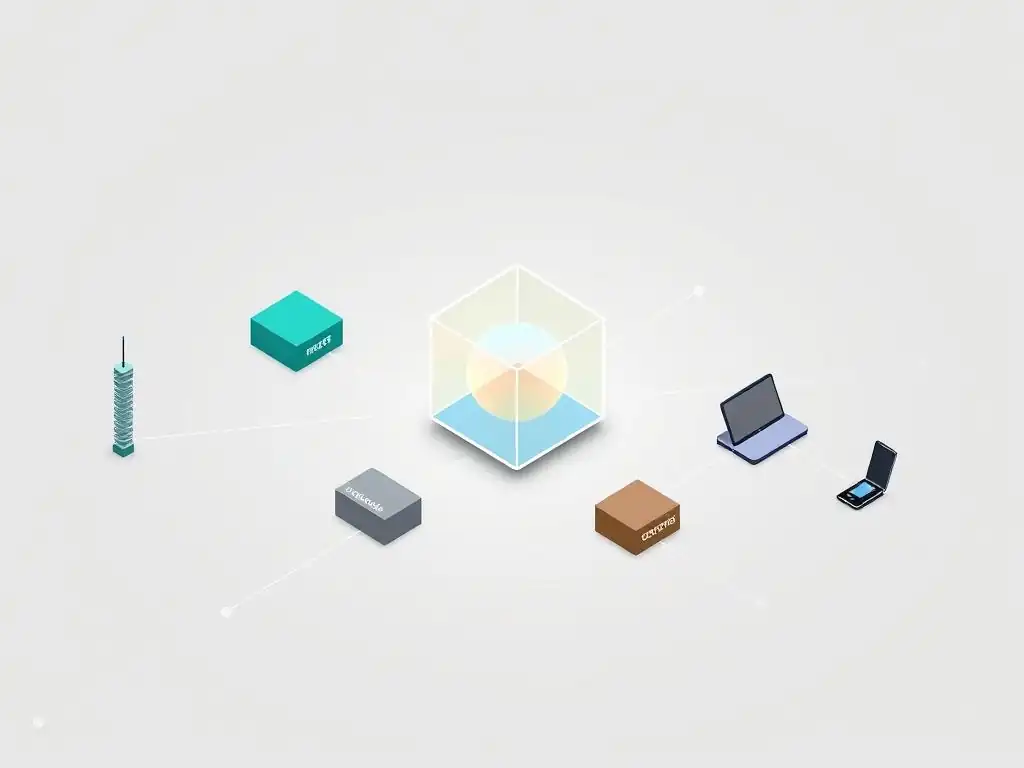
Understanding the Need for Permissioned Blockchains in Enterprise Environments
In the burgeoning landscape of blockchain technology, the distinction between permissionless and permissioned networks is crucial, particularly when considering enterprise adoption. Permissionless blockchains, like Bitcoin and Ethereum, are designed for open participation, offering transparency and decentralization at the cost of control over who can access and transact on the network. This open nature, while beneficial for certain applications, presents significant challenges for businesses operating within regulated industries.
Enterprises often require stringent control over data access, participant identity, and transaction privacy to meet compliance mandates and protect sensitive business information. For example, financial institutions handling customer data or healthcare providers managing patient records are legally obligated to ensure data confidentiality and adhere to regulations like GDPR or HIPAA. Public blockchains, by their very design, struggle to meet these stringent requirements.
Permissioned blockchains, also known as private or consortium blockchains, emerge as the tailored solution for these enterprise needs. Unlike their public counterparts, permissioned blockchains restrict network participation to a pre-selected group of known and trusted entities. This controlled environment enables businesses to leverage the benefits of blockchain technology – such as immutability, transparency among participants, and enhanced security – while maintaining the necessary levels of privacy, security, and regulatory compliance.
Consider a supply chain scenario where a consortium of manufacturers, distributors, and retailers wants to track goods efficiently. A permissioned blockchain allows them to share shipment information securely and transparently amongst themselves without exposing sensitive data like pricing or sourcing details to the general public. This controlled access and visibility are paramount for enterprises seeking to implement blockchain solutions within their existing operational and regulatory frameworks, making permissioned blockchains like Hyperledger Fabric a compelling choice for enterprise-grade applications.
Frequently Asked Questions
What is Hyperledger Fabric and why is it considered an enterprise-grade blockchain architecture?
Hyperledger Fabric is a permissioned blockchain framework designed for enterprise use cases. Its modular architecture, access control features, and performance capabilities make it suitable for business applications.
How does Hyperledger Fabric differ from public blockchains like Bitcoin or Ethereum?
Unlike public blockchains, Hyperledger Fabric is permissioned, meaning participants require authorization to join the network. This provides enhanced privacy and control crucial for enterprise deployments.
What are the key components of the Hyperledger Fabric architecture?
The Hyperledger Fabric architecture includes ordering services, peer nodes, channels, and smart contracts (chaincode). These components work together to ensure transaction validation, ledger consistency, and secure data sharing.
How does Hyperledger Fabric handle data privacy and confidentiality?
Hyperledger Fabric supports private data collections (PDCs) and channel-based access control, allowing organizations to share data on a need-to-know basis. This ensures data privacy and confidentiality within the network.
What are some real-world enterprise applications of Hyperledger Fabric?
Hyperledger Fabric is used in various enterprise applications, including supply chain management, identity management, and asset tracking. Its flexibility and security features make it a valuable tool for improving efficiency and transparency in these industries.
Final Reflection: Building Trust, Brick by Blockchain
The journey through Hyperledger Fabric's architecture reveals more than just technical intricacies; it unveils a powerful framework for redefining trust in enterprise ecosystems. In a world increasingly reliant on data integrity and secure collaboration, Fabric's modular design and permissioned nature offer a compelling alternative to traditional centralized systems, promising enhanced transparency and efficiency.
The impact of Hyperledger Fabric extends far beyond the technical realm, shaping how businesses interact and share information. Its potential to revolutionize supply chains, healthcare records, and financial transactions is undeniable, offering a glimpse into a future where trust is not just assumed, but architecturally enforced. The blockchain does one thing: It creates trust in a trustless environment.
- Naval Ravikant. This quote encapsulates the transformative power of Fabric, enabling secure and verifiable interactions between parties who may not inherently trust each other.
As we conclude this exploration of Hyperledger Fabric, I invite you to consider its implications for your own organization and the broader world. How can this technology be leveraged to foster greater transparency, security, and collaboration in your industry? The future of enterprise blockchain is being written now, and your understanding and engagement will be crucial in shaping its trajectory. Let's build a more trustworthy future, one block at a time.
Okay, I'm ready to craft a Call to Action (CTA) for a web article titled "Hyperledger Fabric Architecture: A Deep Dive into EnterpriseGrade Blockchains" on Blockchain Trends (blockchaintrends.org). Here it is:
Unlock the Power of Enterprise Blockchain!
Thank you for diving deep into the world of Hyperledger Fabric architecture! You've now got a solid understanding of how enterprise-grade blockchains are built. Let's put that knowledge into action!
- Begin building your own Hyperledger Fabric network using our exclusive starter guide available for download now!
- Explore the Blockchain Trends forum to share your insights and learn from fellow Hyperledger enthusiasts.
- Challenge yourself: identify one area where Hyperledger Fabric could revolutionize an industry you're passionate about.
What's one innovative use case for Hyperledger Fabric that you're excited to explore further?
Leave a Reply