
The Evolution of InGame Economies with Blockchain Solutions

Welcome to Blockchain Trends, your premier source for understanding the real-world applications of blockchain technology.
Ever wondered how blockchain is revolutionizing the gaming world? This article delves into the blockchain gaming economy development strategies, exploring how decentralized technologies are reshaping in-game economies and creating entirely new possibilities for players and developers alike. Discover the innovative approaches that are driving this transformation and learn what the future holds for blockchain-powered gaming. Keep reading to unlock the secrets!
The Evolution of In-Game Economies with Blockchain Solutions
- Introduction: Understanding the Need for Blockchain in Gaming Economies
-
Frequently Asked Questions
- What are the primary benefits of using blockchain technology in in-game economies?
- How does blockchain facilitate the development of a decentralized in-game economy?
- What are some key "Blockchain gaming economy development strategies" that game developers should consider?
- How can blockchain address the issue of fraud and manipulation in traditional in-game economies?
- What are the potential regulatory challenges and considerations for blockchain-based in-game economies?
- Final Reflection: Embracing the Decentralized Future of Play
- Unlock the Future: Integrate Blockchain into Your Gaming World!
Introduction: Understanding the Need for Blockchain in Gaming Economies
The Limitations of Traditional In-Game Economies
Traditional in-game economies, prevalent in most mainstream games today, operate under a centralized model. Game developers hold absolute control over the creation, distribution, and regulation of in-game assets and currencies. This centralized control often leads to several limitations that hinder player empowerment and economic freedom within the game world.
Players invest significant time and sometimes real money to acquire virtual items, currencies, or characters, yet they do not truly own these digital assets. The game company can modify, remove, or even shut down the game, effectively erasing the value players have accumulated. This lack of true ownership and control is a fundamental flaw in traditional gaming economies.
Furthermore, traditional in-game economies are often plagued by issues such as inflation, fraud, and restricted trading. Game developers may introduce new items or currencies that devalue existing assets, leading to player dissatisfaction. The centralized nature also makes these economies vulnerable to exploits and illicit activities like item duplication or account hacking, requiring constant moderation and intervention from the game company.
Trading of in-game assets outside the game's official marketplace is typically prohibited and carries significant risks, as players lack secure and legitimate platforms for peer-to-peer transactions. These limitations restrict the potential for truly player-driven economies and diminish the long-term value and engagement within the game.
The Promise of Decentralized Gaming Economies
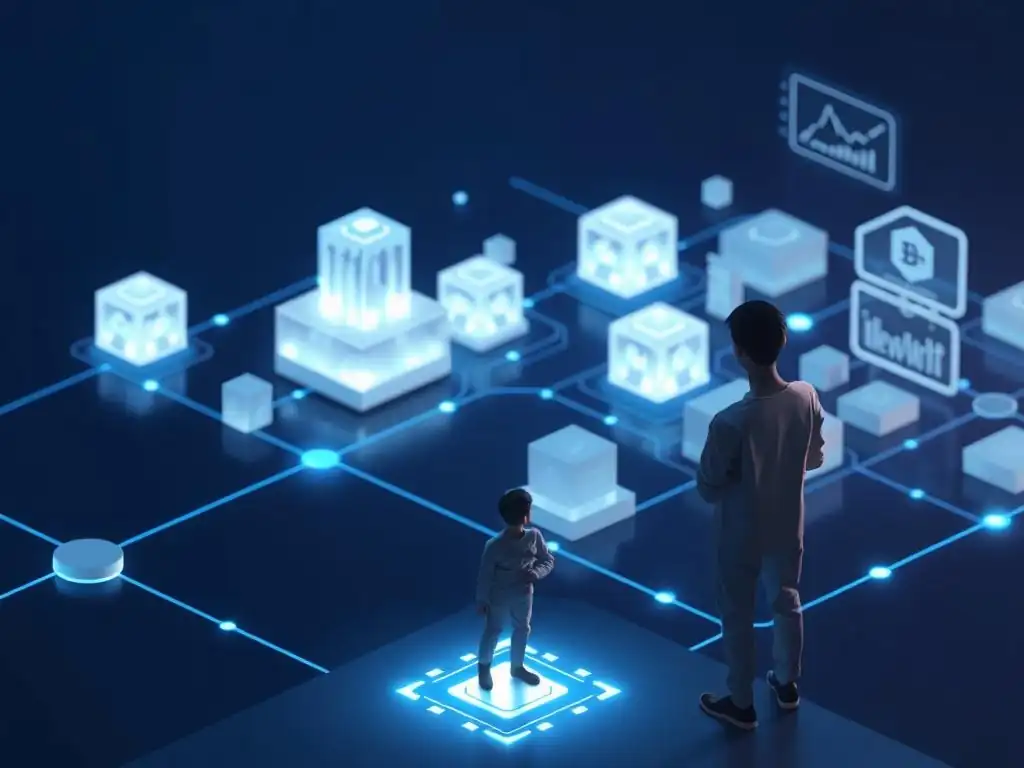
Decentralized gaming economies, powered by blockchain technology, offer a paradigm shift from the limitations of their traditional counterparts. Blockchain introduces transparency, security, and, most importantly, true ownership of digital assets. By leveraging Non-Fungible Tokens (NFTs), blockchain games allow players to possess unique in-game items as verifiable assets on a public ledger.
This ownership extends beyond the confines of a single game, potentially enabling cross-game asset utilization and fostering a more robust and interconnected gaming ecosystem. The promise of decentralized economies lies in empowering players with greater control over their in-game wealth and participation in the economic dynamics of the virtual world.
The integration of blockchain also unlocks new possibilities for player-driven economies and play-to-earn models. Decentralized marketplaces facilitate secure and transparent peer-to-peer trading of in-game assets, eliminating the risks associated with unauthorized third-party platforms. Smart contracts can automate transactions, reward distribution, and governance mechanisms, fostering trust and fairness within the game economy.
Moreover, blockchain enables the creation of play-to-earn systems where players can earn cryptocurrency or valuable NFTs through gameplay, incentivizing participation and potentially transforming gaming from a purely recreational activity into a source of income. This shift towards decentralized and player-centric economies represents a significant evolution in the gaming landscape, driven by innovative blockchain gaming economy development strategies.
Frequently Asked Questions
What are the primary benefits of using blockchain technology in in-game economies?
Blockchain offers enhanced security and transparency, enabling a more trustworthy and verifiable in-game environment. It also allows for true digital ownership of in-game assets.
How does blockchain facilitate the development of a decentralized in-game economy?
Blockchain utilizes decentralized ledgers to record transactions, eliminating the need for a centralized authority to manage in-game assets. This fosters a more player-driven economy.
What are some key "Blockchain gaming economy development strategies" that game developers should consider?
Developers should prioritize clear tokenomics, integrate seamless user experiences, and focus on building a strong community engagement model within the game.
How can blockchain address the issue of fraud and manipulation in traditional in-game economies?
Blockchain's immutable and transparent nature makes it difficult to alter transaction history, significantly reducing the potential for fraudulent activities and market manipulation.
What are the potential regulatory challenges and considerations for blockchain-based in-game economies?
Regulations surrounding digital assets and virtual economies are still evolving, presenting challenges regarding compliance and legal frameworks. Developers need to stay informed about the latest regulatory developments.
Final Reflection: Embracing the Decentralized Future of Play
The journey through the evolution of in-game economies, culminating in the integration of blockchain solutions, reveals a profound shift in how we perceive and interact with virtual assets. The convergence of gaming and blockchain is not merely a technological advancement, but a fundamental reimagining of ownership and value within digital worlds. This transformation is already impacting the gaming landscape, offering players unprecedented control and economic opportunities.
This evolution has deeply impacted the cultural perception of virtual assets, moving them from fleeting digital trinkets to potentially valuable and transferable commodities. The ability to truly own and trade in-game items, powered by blockchain, fosters a sense of investment and engagement that traditional gaming models often lack. The best way to predict the future is to create it.
- Peter Drucker. This quote resonates deeply as we witness the active creation of new economic paradigms within the gaming sphere, driven by the innovative application of blockchain technology.
As we stand at the cusp of this decentralized future, let us not only marvel at the technological prowess but also consider the ethical implications and the potential for positive social impact. Reflect on how you can contribute to a more equitable and empowering gaming ecosystem, one where players are not just consumers but active participants in the creation and distribution of value. Embrace the possibilities, explore the challenges, and help shape the future of the blockchain gaming economy.
Unlock the Future: Integrate Blockchain into Your Gaming World!
Thank you for exploring how blockchain technology can revolutionize in-game economies. Now, it’s time to take the next step and become part of this exciting evolution.
Here are some ways to get started:
- Get Hands-On: Consider incorporating a small-scale blockchain-based reward system into your favorite indie game as a mod or side project. Gain experience through practical application!
- Join the Conversation: Follow and engage with blockchain gaming thought leaders on platforms like X and LinkedIn. Share your insights using the hashtag #BlockchainGaming.
- Level Up: Research and experiment with available blockchain gaming SDKs, which are accessible across most programming languages.
Are you ready to shape the future of gaming by harnessing blockchain technology? What innovative possibilities do you see for blockchain-enhanced in-game economies? Share your ideas in the comments below!
Leave a Reply