
The Ethical Imperative: How Blockchain Can Clean Up Global Supply Chains

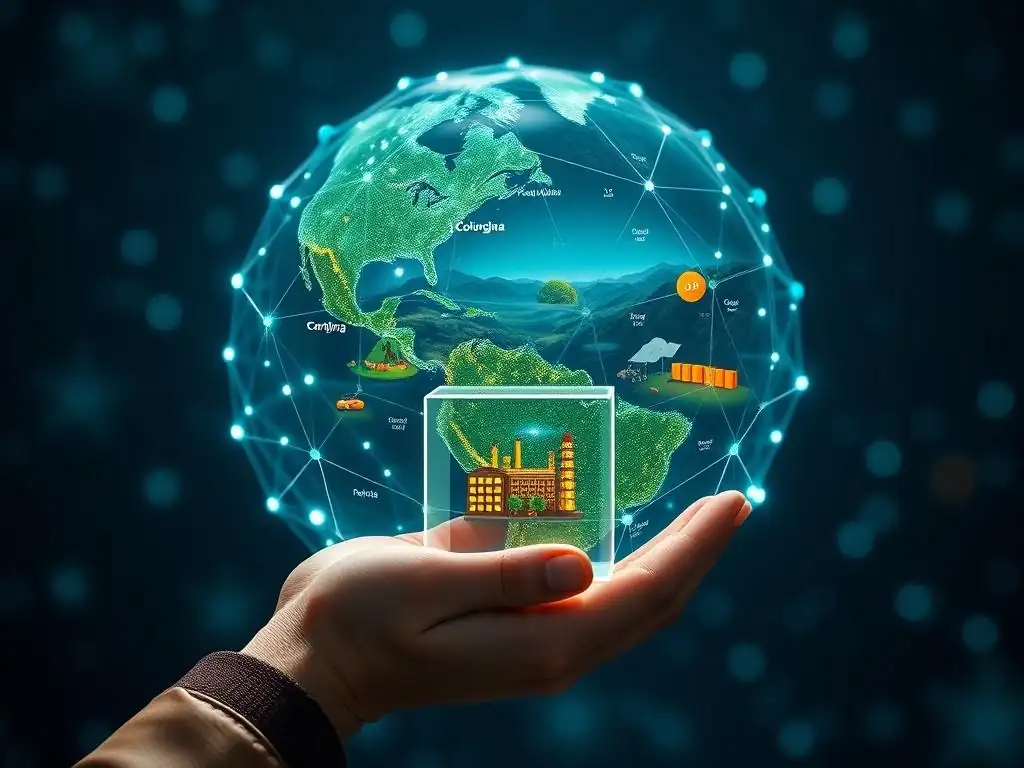
Welcome to Blockchain Trends, your go-to source for understanding the revolutionary impact of blockchain technology beyond the hype.
Ever wondered how we can ensure ethical practices in global supply chains? Dive into our latest article, " The Ethical Imperative: How Blockchain Can Clean Up Global Supply Chains," where we explore groundbreaking blockchain supply chain ethics solutions and their potential to create a more transparent and responsible world. Discover how this powerful technology is being leveraged to tackle issues like forced labor, environmental degradation, and product authenticity. Ready to unravel the future of ethical sourcing?
- Real-World Examples: Blockchain Improving Supply Chain Ethics
-
Frequently Asked Questions
- What are the primary ethical concerns currently plaguing global supply chains that blockchain supply chain ethics solutions aim to address?
- How does blockchain technology specifically contribute to improving blockchain supply chain ethics solutions compared to traditional methods?
- In what ways can blockchain supply chain ethics solutions help consumers make more informed and ethical purchasing decisions?
- What are some of the major challenges hindering the widespread adoption of blockchain supply chain ethics solutions across different industries?
- What role do regulations and industry standards play in promoting and ensuring the effectiveness of blockchain supply chain ethics solutions?
- Final Reflection: Embracing Transparency Through Blockchain
- Ignite Change: Champion Ethical Supply Chains!
Real-World Examples: Blockchain Improving Supply Chain Ethics
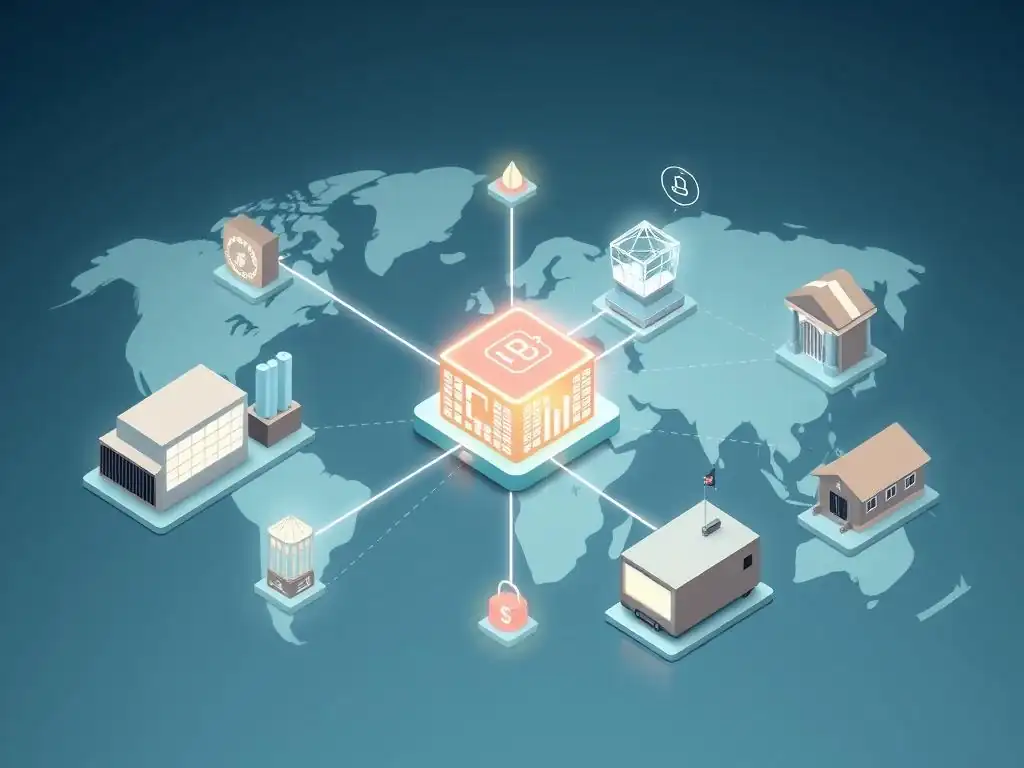
De Beers' Tracr Platform: Tracking Diamonds from Mine to Retail
The diamond industry has historically faced scrutiny regarding the provenance of stones, with concerns ranging from conflict diamonds funding illicit activities to ethical issues in mining and labor practices. Ensuring that a diamond is sourced responsibly and ethically handled throughout its journey from the earth to a jewelry store is paramount for consumer trust and industry integrity. Traditional paper-based tracking systems often lacked the necessary transparency and security to provide definitive proof of origin and ethical handling, leaving room for doubt and potential misconduct.
De Beers, a leading diamond company, developed the Tracr platform as a response to these challenges, leveraging blockchain technology to create an immutable digital record for each diamond. This platform assigns a unique digital ID to rough diamonds at the point of extraction and tracks key attributes such as carat weight, color, clarity, and cut, along with ownership and location changes as the stone moves through the cutting, polishing, wholesale, and retail stages.
This creates a tamper-proof history, providing verifiable assurance of the diamond's journey and reinforcing ethical sourcing claims, serving as a robust blockchain supply chain ethics solution for a complex value chain. Tracr currently tracks a significant portion of De Beers' rough diamond production, representing billions of dollars in value annually, demonstrating the practical application of blockchain in enhancing ethical oversight at scale.
Provenance.org: Enhancing Seafood Traceability and Combating Illegal Fishing
The global seafood industry grapples with significant challenges, including illegal, unreported, and unregulated (IUU) fishing, overfishing, and widespread mislabeling, where cheaper fish species are often substituted for more expensive ones. These issues not only harm marine ecosystems and sustainable fishing efforts but also mislead consumers and impact the livelihoods of ethical fishermen. The complex and often opaque nature of seafood supply chains, involving multiple intermediaries from catch to plate, makes it difficult to verify the origin, species, and ethical sourcing practices of the fish being sold.
Provenance.org utilizes blockchain technology to bring much-needed transparency and traceability to the seafood supply chain. By enabling fishermen, processors, and distributors to record data about the fish – such as catch location, vessel ID, species, and date – onto a secure, shared ledger, Provenance creates a verifiable chain of custody. This digital trail follows the product through every step, allowing businesses and consumers to access information about its origin and journey, often via a QR code on packaging.
This enhanced visibility helps combat fraud, verify sustainability claims, and support ethical fishing practices, positioning Provenance's solution as a vital blockchain supply chain ethics solution in the fight against illicit seafood trade. Through projects tracking thousands of seafood products and working with dozens of businesses, Provenance has demonstrated the potential to improve transparency and build consumer trust in the ethical sourcing of seafood.
Farmer Connect: Connecting Coffee Farmers Directly to Consumers
Smallholder farmers, who produce a large percentage of the world's coffee, often face challenges related to price volatility, limited market access, and a lack of transparency in how much of the final consumer price actually reaches them. The traditional coffee supply chain involves numerous intermediaries, making it difficult for farmers to demonstrate their sustainable and ethical growing practices and for consumers to understand the origin and impact of their purchase. This opacity can hinder fair compensation for farmers and obscure unethical labor or environmental practices.
Farmer Connect, developed in collaboration with IBM and other partners, employs blockchain technology to create a more transparent and equitable connection between coffee farmers and consumers. The platform uses a mobile application that allows farmers to record information about their harvest, such as yield and quality.
This data, combined with information added by various intermediaries along the supply chain, creates a detailed, immutable record of the coffee's journey from the farm to the final product. Consumers can scan a QR code on participating coffee brands' packaging to trace their coffee back to its origin, learning about the farmers and communities that produced it.
This transparency not only builds consumer awareness but can also facilitate direct payments or premiums to farmers for specific quality or sustainability attributes, acting as a practical blockchain supply chain ethics solution that empowers producers. In initial projects, Farmer Connect has tracked millions of coffee beans and involved hundreds of farmers, showcasing the potential for blockchain to foster fairer trade practices and greater accountability throughout the coffee value chain.
Frequently Asked Questions
What are the primary ethical concerns currently plaguing global supply chains that blockchain supply chain ethics solutions aim to address?
The primary ethical concerns revolve around lack of transparency, exploitation of labor, and environmental damage. Blockchain supply chain ethics solutions offer a way to track and verify ethical sourcing and production practices. This increased visibility can deter unethical behavior.
How does blockchain technology specifically contribute to improving blockchain supply chain ethics solutions compared to traditional methods?
Blockchain provides an immutable and transparent ledger for tracking goods and materials. This allows for verifiable proof of origin, ethical practices, and compliance with standards. Traditional methods often lack this level of accountability.
In what ways can blockchain supply chain ethics solutions help consumers make more informed and ethical purchasing decisions?
Blockchain enables consumers to trace the journey of a product from origin to shelf. By accessing this information, consumers can verify that the product aligns with their ethical values, supporting responsible consumption.
What are some of the major challenges hindering the widespread adoption of blockchain supply chain ethics solutions across different industries?
Challenges include lack of standardization, high implementation costs, and resistance from established players who may benefit from the current opaque system. Overcoming these hurdles is crucial for widespread adoption.
What role do regulations and industry standards play in promoting and ensuring the effectiveness of blockchain supply chain ethics solutions?
Regulations and standards provide a framework for interoperability and ensure that blockchain supply chain ethics solutions meet specific requirements. This helps to build trust and credibility in the technology's ability to address ethical concerns.
Final Reflection: Embracing Transparency Through Blockchain
The journey through the ethical landscape of global supply chains, illuminated by the potential of blockchain, culminates in a profound realization: true progress demands unwavering transparency. The intricate web of production, distribution, and consumption, often shrouded in opacity, can be untangled and ethically fortified through the immutable and decentralized nature of blockchain technology. This isn't just about efficiency; it's about accountability, fairness, and ultimately, a more just world.
The promise of blockchain in supply chain management extends far beyond mere traceability; it fosters a culture of responsibility. Witnessing the potential for verifiable origins, fair labor practices, and environmentally conscious sourcing has deeply reinforced my belief in the power of technology to drive positive social change. The future of supply chains is not just about moving goods; it's about moving values.
This quote encapsulates the transformative potential of blockchain to embed ethical considerations at every stage, ensuring that our consumption habits contribute to a more sustainable and equitable future.
Now, as we stand at the precipice of this technological revolution, the onus is on each of us to champion its ethical implementation. Let us not merely adopt blockchain for its efficiency gains, but rather, let us embrace it as a tool for building a more transparent, accountable, and ultimately, ethical global supply chain. Consider the products you consume, the companies you support, and the impact your choices have on the world. Demand transparency. Advocate for ethical sourcing. Be the change you wish to see in the global supply chain.
Ignite Change: Champion Ethical Supply Chains!
Thank you for exploring how blockchain technology can revolutionize global supply chains for the better. Your understanding is the first step toward building a more transparent and ethical world. Now, let's turn that knowledge into action:
- Demand transparency! Reach out to your favorite brands and inquire about their blockchain initiatives for supply chain management. Let them know you value ethical sourcing. This is one of the most impactful actions you can take.
- Explore organizations and NGOs dedicated to promoting ethical supply chains and consider offering your skills or time to support their efforts. Even small contributions can make a significant difference.
- Share this article and other resources from Blockchain Trends on your social media to spark conversations and raise awareness about the potential of blockchain for ethical sourcing.
What immediate step will you take today to advocate for more ethical and transparent supply chains through blockchain technology? Share your ideas in the comments below!
Leave a Reply