
The Potential of PlaytoEarn Games in Education and Skill Development

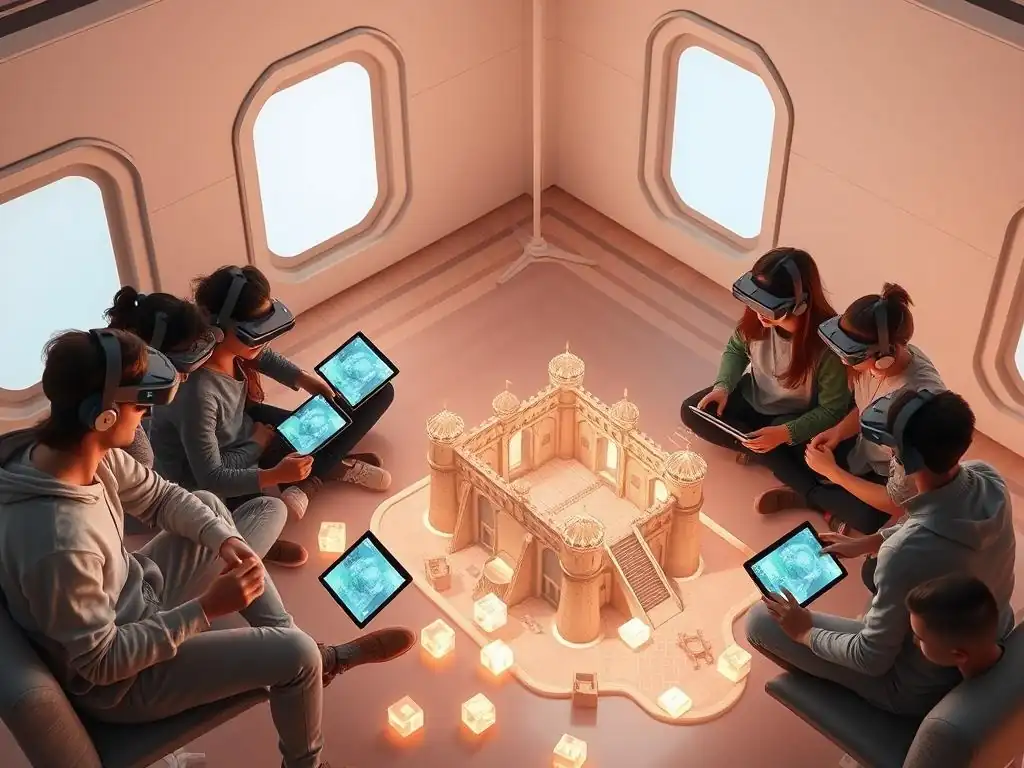
Welcome to Blockchain Trends, your compass in the ever-evolving world of decentralized technology. Are you ready to discover how blockchain is revolutionizing industries beyond just cryptocurrencies? Dive into our latest exploration of Playtoearn games education skills and uncover the surprising potential these innovative platforms hold for shaping the future of learning and skill development. Intrigued? Read on to unlock the keys to this exciting new frontier.
Play-to-Earn Games in Education: Fostering Skills for the Future
- Introduction: P2E - A Novel Approach to Learning
- Understanding P2E Mechanics and Educational Applications
- Key Skills Developed Through P2E Gaming
- P2E Games for Specific Subjects
- Benefits of P2E Games in Education
- Challenges and Considerations for P2E Implementation
- Case Studies: P2E in Action
- The Future of P2E Games in Education
- Conclusion: Embracing the Potential of P2E
-
Frequently Asked Questions
- How can PlaytoEarn (P2E) games contribute to education?
- What types of skills can individuals develop through PlaytoEarn games?
- How can blockchain technology enhance the educational aspects of PlaytoEarn games?
- Are there any potential drawbacks or challenges to using PlaytoEarn games in education?
- How is the regulation of PlaytoEarn games impacting their use in educational settings?
- Final Reflection: Unlocking Potential Through Play
- Reimagine Your Learning: Level Up Your Skills Today!
Introduction: P2E - A Novel Approach to Learning
Exploring the Convergence of Blockchain Gaming, Education, and Skill Development
The intersection of blockchain gaming, education, and skill development is rapidly gaining traction, presenting a novel approach to learning through Play-to-Earn (P2E) games. This convergence leverages the inherent engagement of gaming with the incentivization of blockchain-based rewards, creating a dynamic environment where learners are not only entertained but also actively developing valuable skills. The traditional educational landscape is constantly seeking innovative methods to enhance student engagement and knowledge retention. P2E games offer a compelling solution by gamifying the learning process and providing tangible rewards for educational achievements, potentially revolutionizing how we approach skill development in the digital age.
The integration of blockchain technology into gaming introduces a paradigm shift, moving beyond mere entertainment to create economies within games. Players can earn cryptocurrency or Non-Fungible Tokens (NFTs) through gameplay, which can then be traded or used within the game ecosystem. This economic aspect is key to understanding the potential of P2E in education.
By aligning educational objectives with in-game rewards, P2E games can motivate learners to actively participate, acquire knowledge, and develop skills that are increasingly relevant in today's digital economy. The transparent and secure nature of blockchain further adds a layer of trust and verifiability to educational achievements within these platforms.
P2E Games: Why They Attract Attention in Educational Settings
Play-to-Earn games are capturing the attention of educators and institutions due to their potential to address key challenges in modern education. Traditional educational models often struggle with student engagement, particularly in subjects perceived as less immediately relevant or enjoyable. P2E games, with their interactive nature and reward systems, offer a compelling alternative by making learning more intrinsically motivating. The immediate feedback loop and tangible rewards associated with P2E can significantly increase student interest and participation in educational activities.
Furthermore, P2E games offer a unique opportunity to develop skills that are highly sought after in the 21st-century workforce. These skills range from critical thinking and problem-solving to digital literacy and financial management. In a world increasingly driven by technology and decentralized systems, understanding blockchain, cryptocurrencies, and digital assets is becoming crucial. P2E games can provide a practical and engaging way for learners to acquire these skills, bridging the gap between theoretical knowledge and real-world application. The inherent economic model within P2E games also introduces learners to basic economic principles and financial literacy in a safe and interactive environment.
Understanding P2E Mechanics and Educational Applications
How P2E Games Promote Engagement and Motivation
P2E games are designed to be inherently engaging, leveraging game mechanics that naturally captivate players. Game elements such as challenges, progression systems, and social interaction are strategically incorporated to maintain player interest and motivation. In an educational context, these mechanics can be adapted to create learning experiences that are far more compelling than traditional methods. For example, instead of passively reading a textbook chapter, students might engage in a P2E game where they need to solve problems or complete tasks related to the chapter's content to earn rewards and progress.
The motivation in P2E games is further amplified by the reward system. Players are not just earning points or virtual badges; they are earning digital assets that have real-world value. This tangible incentive can be a powerful motivator, especially for learners who may not be intrinsically motivated by traditional academic rewards like grades.
The prospect of earning cryptocurrency or NFTs by mastering educational content can transform learning from a chore into a rewarding and even potentially lucrative activity. This shift in motivation can lead to increased time spent learning, deeper engagement with the subject matter, and ultimately, better learning outcomes.
Blockchain and NFTs: Rewarding Educational Achievement
Blockchain technology and Non-Fungible Tokens (NFTs) are fundamental to the P2E model and offer innovative ways to recognize and reward educational achievements. Blockchain provides a transparent and secure ledger for tracking in-game progress and managing digital assets. This ensures that earned rewards are verifiable and cannot be easily duplicated or counterfeited, adding credibility and value to in-game achievements. NFTs, in particular, are revolutionizing the concept of ownership in the digital realm.
In an educational context, NFTs can represent various forms of educational achievements, such as completion of courses, mastery of specific skills, or even participation in learning activities. These NFTs can serve as verifiable digital credentials that learners can showcase, potentially even beyond the game environment. Imagine earning an NFT certificate upon completing a module on blockchain technology within a P2E game.
This NFT could then be displayed on a professional portfolio or used as proof of skill acquisition in a job application. The use of blockchain and NFTs in P2E games for education provides a secure, verifiable, and potentially valuable way to recognize and reward learning, moving beyond traditional paper-based certificates to embrace the digital future of credentials.
Key Skills Developed Through P2E Gaming
Cognitive Skills Enhancement
Problem-Solving and Critical Thinking
P2E games, by their very nature, often present players with challenges that require problem-solving and critical thinking skills. Whether it's strategizing to overcome opponents, optimizing resource allocation, or deciphering complex game mechanics, players are constantly engaging their cognitive abilities. Many P2E games incorporate puzzles, strategic scenarios, and decision-making elements that demand players to analyze situations, evaluate options, and devise effective solutions. This active engagement in problem-solving within a game environment can translate to improved critical thinking skills in real-world situations.
For example, consider a P2E game where players manage a virtual farm and must optimize crop yields while dealing with unpredictable weather events and market fluctuations. To succeed, players must analyze data, predict trends, and adapt their strategies accordingly. This type of gameplay directly fosters critical thinking skills by requiring players to assess complex systems, identify problems, and implement solutions under pressure. The iterative nature of gaming, where players can experiment, learn from failures, and refine their approaches, further enhances these cognitive skills in a dynamic and engaging manner.
Strategic Planning and Decision-Making
Success in many P2E games hinges on effective strategic planning and sound decision-making. Players are frequently required to develop long-term strategies, anticipate future challenges, and make calculated decisions to achieve their in-game goals. This might involve resource management, economic forecasting within the game's ecosystem, or anticipating the actions of other players or the game's AI. The need to plan ahead and make informed choices under uncertainty is a core element of many P2E game experiences.
Consider a P2E strategy game where players build and manage a virtual kingdom. They must make strategic decisions about resource allocation, infrastructure development, military expansion, and diplomacy. Each decision has consequences, and poor planning can lead to setbacks or even failure. Through this type of gameplay, learners develop essential strategic thinking skills, learning to weigh risks and rewards, prioritize objectives, and adapt their plans as circumstances change. The dynamic and interactive nature of P2E games provides a practical and engaging environment for honing these crucial decision-making abilities.
Teamwork and Communication
Many P2E games, particularly those in the Metaverse or MMORPG genres, emphasize teamwork and communication as essential components of success. Players often need to collaborate with others to complete quests, overcome challenges, or participate in group activities. Effective communication, coordination, and cooperation are crucial for achieving shared goals in these collaborative game environments. This focus on teamwork within P2E games can foster valuable social skills that are transferable to real-world team settings.
For instance, in a P2E role-playing game, players might need to form guilds or teams to tackle challenging dungeons or raids. Success in these scenarios relies heavily on clear communication, coordinated strategies, and the ability to work effectively as a team. Players learn to communicate their ideas, listen to others, delegate tasks, and resolve conflicts within a team context. These experiences provide valuable practice in teamwork and communication, skills that are highly valued in both academic and professional settings.
Leadership and Resource Management
Certain P2E games provide opportunities for players to develop leadership and resource management skills. Games that involve managing virtual economies, leading guilds or teams, or controlling in-game organizations often require players to take on leadership roles and make decisions that impact a group or community. Effectively managing resources, motivating team members, and guiding collective efforts towards shared objectives are key aspects of leadership that can be practiced and honed within these P2E game environments.
Imagine a P2E game where players manage a virtual city or colony. To succeed, they must effectively allocate resources, manage populations, oversee production, and make strategic decisions that impact the entire community. Players might need to delegate tasks, resolve conflicts between citizens, and inspire others to contribute to the collective good. These experiences can foster leadership skills by providing a safe and engaging space to practice decision-making, resource allocation, and team management in a leadership context.
Technical Skills Acquisition
Understanding Blockchain and Cryptocurrencies
P2E games inherently introduce players to the concepts of blockchain and cryptocurrencies. To participate in these games and benefit from the P2E mechanics, players often need to understand how blockchain technology works, how cryptocurrencies are used, and how to manage digital wallets. This direct exposure to blockchain and crypto within a gaming context can be a far more engaging and accessible way to learn about these technologies than traditional educational methods.
Many P2E games require players to interact with blockchain wallets, trade cryptocurrencies, and understand the concept of NFTs. Through these practical experiences, players develop a functional understanding of these technologies, learning by doing in a low-stakes environment. For example, a player might learn about gas fees while transacting on a blockchain within a game or understand the concept of tokenomics by participating in the game's economy. This hands-on approach to learning about blockchain and cryptocurrencies can significantly enhance digital literacy and prepare learners for the future of decentralized technologies.
Digital Literacy and Cybersecurity Awareness
Beyond blockchain and crypto, P2E games contribute to broader digital literacy and cybersecurity awareness. Navigating the digital world of P2E games requires players to develop essential digital skills, such as managing digital identities, understanding online security risks, and protecting their digital assets. Players learn to use digital wallets, interact with online marketplaces, and be aware of potential scams and phishing attempts within the digital gaming ecosystem.
For instance, players in P2E games need to learn how to secure their cryptocurrency wallets, understand the risks of sharing private keys, and identify fraudulent websites or offers. These experiences build digital literacy and cybersecurity awareness in a practical and relevant context. By navigating the digital landscape of P2E games, learners develop crucial skills for staying safe and secure in an increasingly digital world, going beyond just gaming to encompass broader online safety and responsible digital citizenship.
P2E Games for Specific Subjects
STEM Education Through P2E
Applying P2E to Mathematics and Science
P2E games offer exciting possibilities for enhancing STEM education, particularly in mathematics and science. Game mechanics can be designed to directly incorporate mathematical concepts and scientific principles, making learning these subjects more interactive and engaging. For example, a P2E game focused on physics could require players to apply principles of motion, gravity, and energy to solve puzzles or complete challenges, earning rewards for correctly applying scientific knowledge.
Imagine a P2E game where players build and manage a virtual city, applying mathematical principles to optimize resource allocation, infrastructure planning, and population growth. Or a game where players explore a virtual ecosystem, learning about ecological balance, biodiversity, and the impact of environmental changes through gameplay. By embedding mathematical and scientific concepts within engaging game scenarios, P2E games can make STEM subjects more accessible, relatable, and enjoyable for learners, fostering a deeper understanding and appreciation for these critical fields.
Language Learning with P2E
Immersive Language Acquisition
P2E games can be powerful tools for language learning, offering immersive environments that promote language acquisition through interaction and engagement. Multiplayer P2E games, in particular, can connect learners with players from around the world, creating opportunities for real-time communication and language practice in authentic contexts. Game scenarios can be designed to encourage learners to use the target language to communicate with other players, complete quests, and navigate the game world.
Consider a P2E game set in a historical or fantasy world where players from different language backgrounds interact. To collaborate and succeed in the game, players must communicate effectively, using the target language to understand instructions, negotiate trades, and coordinate strategies. This immersive language environment, combined with the motivation of P2E rewards, can significantly accelerate language acquisition by providing practical application and real-world context for language learning.
Experiential Learning and Cultural Understanding
P2E games can transform the way history and social studies are taught by offering experiential learning opportunities through simulations and interactive narratives. Games can recreate historical events, simulate social systems, or place learners in different cultural contexts, allowing them to experience history and social studies in a more engaging and immersive way. This experiential approach can lead to a deeper understanding of historical events, social dynamics, and cultural perspectives.
Imagine a P2E game that simulates ancient civilizations, where players manage resources, build societies, and interact with other civilizations. Or a game that recreates historical events, allowing players to experience key moments in history from different perspectives. By actively participating in these simulations and narratives, learners can develop a more nuanced understanding of history and social studies, moving beyond rote memorization of facts to engage with the complexities and intricacies of the past and present. P2E games can foster cultural understanding by exposing learners to diverse cultures and perspectives within the game world, promoting empathy and global awareness.
Benefits of P2E Games in Education
Increased Student Engagement and Motivation
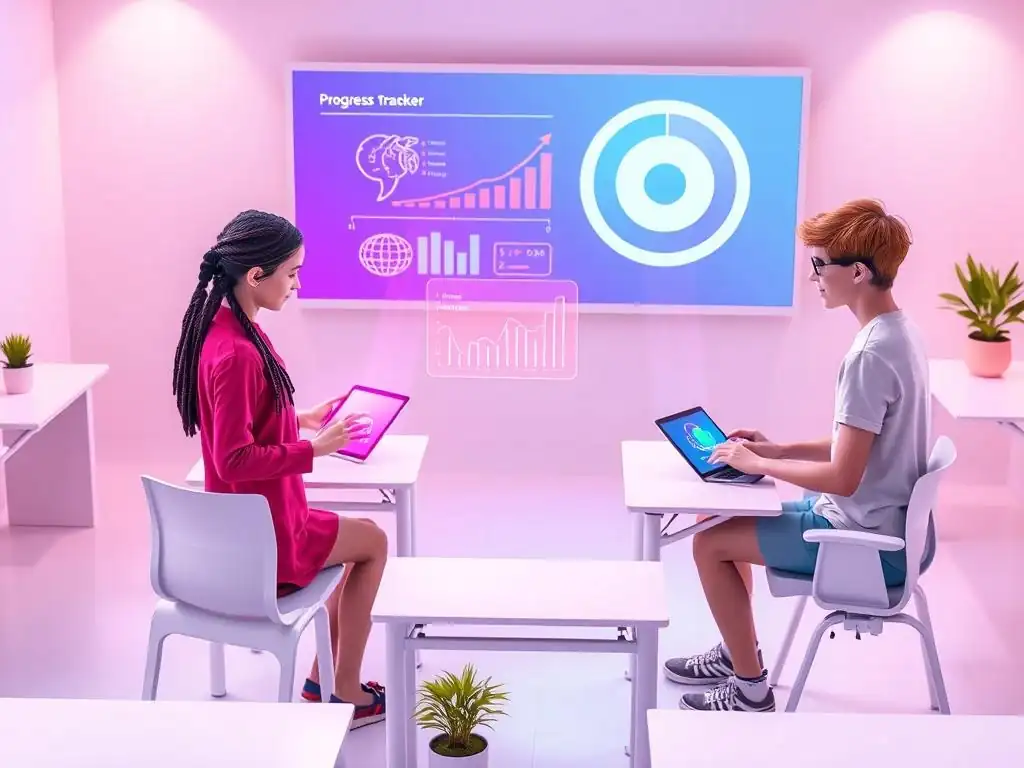
One of the most significant benefits of P2E games in education is their ability to dramatically increase student engagement and motivation. Traditional educational methods often struggle to capture and maintain student attention, particularly in subjects that students perceive as dry or irrelevant. P2E games, with their interactive nature, game mechanics, and reward systems, offer a compelling alternative by making learning fun, engaging, and intrinsically motivating. The promise of earning rewards, combined with the inherent enjoyment of gaming, can transform learning from a chore into a desirable activity.
Studies have shown that gamified learning environments can significantly improve student engagement and knowledge retention. By incorporating game elements like challenges, progress bars, and rewards, P2E games tap into students' natural desire for play and achievement. This increased engagement translates to more time spent learning, deeper focus on the subject matter, and a more positive attitude towards education. The immediate feedback and sense of accomplishment within P2E games can also boost student confidence and self-efficacy, further enhancing motivation and persistence in learning.
Personalized Learning Experiences
P2E games have the potential to deliver personalized learning experiences tailored to individual student needs and learning styles. Adaptive game mechanics can adjust the difficulty level, content, and pace of learning based on student performance and progress. This personalized approach ensures that students are challenged appropriately, receiving support where needed and progressing at their own pace. P2E games can track student performance in real-time, providing valuable data for educators to understand individual learning needs and tailor instruction accordingly.
For example, a P2E math game could adapt its difficulty based on a student's performance on previous levels. If a student is struggling with a particular concept, the game could provide additional practice problems or hints. Conversely, if a student is mastering concepts quickly, the game could increase the challenge level to keep them engaged and progressing. This personalized approach can optimize learning outcomes by ensuring that each student receives the right level of support and challenge, maximizing their learning potential.
Enhanced Skill Development and Real-World Application
P2E games are uniquely positioned to enhance skill development and bridge the gap between theoretical knowledge and real-world application. The skills developed through P2E gaming, such as problem-solving, critical thinking, strategic planning, and digital literacy, are highly relevant and valuable in today's rapidly evolving job market. P2E games provide a practical and engaging environment to practice these skills in context, preparing learners for future success in a digital world.
Unlike traditional educational methods that often focus on rote memorization and abstract concepts, P2E games encourage active learning and the application of knowledge to solve real-world problems within the game environment. The economic aspects of P2E games also introduce learners to financial literacy, digital asset management, and the principles of blockchain technology, skills that are increasingly important in the modern economy. By fostering both cognitive and technical skills, P2E games equip learners with a valuable skillset that is directly applicable to real-world challenges and opportunities.
Accessibility and Affordability
In many cases, P2E games can offer greater accessibility and affordability compared to traditional educational resources. Many P2E games are designed to be accessible on a variety of devices, including smartphones and tablets, making them available to learners who may not have access to expensive computers or educational software. The P2E model itself can also contribute to affordability by allowing learners to potentially earn rewards that can offset the cost of education or provide supplemental income.
While some P2E games may require an initial investment to acquire in-game assets, many are designed to be free-to-play or offer low-cost entry points. The potential to earn cryptocurrency or NFTs through gameplay can make P2E games a more financially viable option for learners in underserved communities or those facing economic constraints. Furthermore, the digital nature of P2E games can reduce the costs associated with traditional educational materials like textbooks and physical resources, making education more accessible and equitable.
Challenges and Considerations for P2E Implementation
Addressing Screen Time and Addiction
One of the key challenges in implementing P2E games in education is addressing concerns about excessive screen time and potential addiction. Games, by their very nature, are designed to be engaging, and there is a risk that students could spend excessive amounts of time playing P2E games, potentially to the detriment of other important activities like physical exercise, social interaction, and offline learning. It is crucial to implement P2E games in a balanced and responsible way, with clear guidelines and monitoring to prevent overuse.
Educators and parents need to work together to establish healthy screen time limits and ensure that P2E gaming is integrated into a broader educational approach that includes offline activities and real-world experiences. Game design itself can also play a role in mitigating addiction risks by incorporating features that encourage breaks, promote balanced gameplay, and discourage excessive engagement. Furthermore, educational P2E games should prioritize learning outcomes over pure entertainment, ensuring that gameplay is purposeful and contributes to meaningful skill development.
Ensuring Equitable Access
While P2E games can potentially increase accessibility, it is crucial to ensure equitable access for all learners, regardless of their socioeconomic background or digital literacy levels. The digital divide remains a significant challenge, and not all students have equal access to the technology and internet connectivity required to participate in P2E games. Efforts must be made to bridge this digital divide and ensure that P2E games are accessible to all students, including those from disadvantaged backgrounds.
Schools and educational institutions may need to provide devices, internet access, and digital literacy training to students who lack these resources at home. Game design should also consider accessibility for learners with disabilities, ensuring that P2E games are inclusive and adaptable to diverse needs. Furthermore, the cost of entry into P2E games, even if minimal, should be carefully considered to avoid creating financial barriers that exclude certain groups of learners. Equity must be a central consideration in the design and implementation of P2E games in education.
Effective Educational P2E Game Design
The effectiveness of P2E games in education hinges on effective game design that aligns educational objectives with engaging gameplay. Simply adding P2E mechanics to existing games is unlikely to be successful if the gameplay is not designed to promote learning and skill development. Educational P2E games require careful pedagogical design, ensuring that game mechanics, challenges, and rewards are directly linked to learning outcomes and curriculum goals.
Game designers and educators need to collaborate closely to create P2E games that are both fun and educational. Learning objectives should be clearly defined and integrated into the game mechanics in a seamless and engaging way. Game design should prioritize meaningful learning experiences over superficial entertainment, ensuring that gameplay activities contribute to genuine skill development and knowledge acquisition. Effective educational P2E game design requires a deep understanding of both game mechanics and pedagogical principles.
Regulatory and Ethical Considerations
The integration of P2E games into education raises regulatory and ethical considerations that need to be addressed. The use of cryptocurrencies and NFTs in educational settings requires careful consideration of legal and regulatory frameworks, particularly concerning financial transactions, data privacy, and child protection. Ethical concerns related to the potential for financial speculation, gambling-like mechanics, and the exploitation of players also need to be carefully examined.
Educational institutions and P2E game developers must adhere to relevant regulations and ethical guidelines to ensure responsible and ethical implementation of P2E in education. Transparency, data security, and player protection should be paramount considerations. Clear guidelines and policies need to be established to address issues such as age appropriateness, responsible gaming practices, and the ethical use of blockchain and cryptocurrency in educational contexts. Open dialogue and collaboration between educators, regulators, and game developers are essential to navigate these regulatory and ethical challenges effectively.
Case Studies: P2E in Action
Axie Infinity: Promoting Strategic Thinking and Digital Economy Skills
Axie Infinity, a popular P2E game, provides a compelling case study of how P2E mechanics can promote strategic thinking and digital economy skills. In Axie Infinity, players breed, battle, and trade digital creatures called Axies, earning Smooth Love Potion (SLP) tokens and AXS tokens through gameplay. The game requires strategic team composition, tactical battle planning, and an understanding of the in-game economy to succeed. Axie Infinity has demonstrated the potential of P2E to engage players in complex strategic gameplay while introducing them to the principles of a digital economy.
In countries like the Philippines, Axie Infinity has become a significant source of income for some players, highlighting the economic potential of P2E. Players have learned to manage their in-game assets, understand market dynamics, and participate in a digital economy, developing valuable skills in financial literacy and digital entrepreneurship. While Axie Infinity is primarily designed for entertainment, its mechanics and economic model offer valuable lessons in strategic thinking, resource management, and digital economy participation, demonstrating its potential for educational applications.
Splinterlands: Fostering Resource Management and Community Engagement
Splinterlands, a collectible card game on the blockchain, exemplifies how P2E games can foster resource management skills and community engagement. Players collect, trade, and battle with digital cards, earning Dark Energy Crystals (DEC) and SPS tokens through gameplay and participation in the game's ecosystem. Success in Splinterlands requires strategic deck building, resource management, and active participation in the game's community. Splinterlands demonstrates the potential of P2E to incentivize strategic resource management and community involvement.
The game's economy is driven by player activity, with players earning rewards for winning battles, completing quests, and participating in tournaments. Players learn to manage their card collections, trade assets strategically, and engage with the community to optimize their gameplay and earnings. Splinterlands fosters resource management skills by requiring players to make strategic decisions about card acquisition, upgrades, and deployment in battles. The game's vibrant community also encourages social interaction, collaboration, and knowledge sharing among players, highlighting the potential of P2E to build strong online communities around shared learning experiences.
The Sandbox: Encouraging Creativity and Blockchain Understanding
The Sandbox, a metaverse-based P2E game, showcases the potential of P2E to encourage creativity and enhance blockchain understanding. The Sandbox allows players to create, own, and monetize virtual experiences and assets using NFTs and SAND tokens. Players can build virtual worlds, design games, and create digital art within The Sandbox, earning rewards for their creations and participation in the metaverse ecosystem. The Sandbox provides a creative sandbox environment where players can explore blockchain technology and express their creativity.
Within The Sandbox, players learn about NFTs by creating and trading their own digital assets, understand the concept of virtual land ownership, and participate in a decentralized digital economy. The game encourages creativity by providing tools and platforms for players to build and share their own virtual experiences. The Sandbox demonstrates how P2E games can be used to foster creativity, digital entrepreneurship, and a deeper understanding of blockchain technology in a fun and engaging metaverse environment.
The Future of P2E Games in Education
Integration with Traditional Systems
The future of P2E games in education likely involves greater integration with traditional educational systems. Instead of being seen as a separate or alternative approach, P2E games could be incorporated into existing curricula and learning environments as supplementary tools and resources. Schools and educational institutions could integrate P2E games into lesson plans, use them for homework assignments, or incorporate them into extracurricular activities to enhance student engagement and skill development.
This integration could involve adapting existing P2E games for educational purposes or developing new P2E games specifically designed to align with curriculum standards and learning objectives. P2E games could be used to reinforce concepts taught in traditional classrooms, provide personalized learning experiences, or offer practical application of theoretical knowledge. The integration of P2E games into traditional systems would require collaboration between educators, game developers, and policymakers to ensure effective and responsible implementation.
Metaverse-Based Learning Environments
The rise of the metaverse opens up exciting possibilities for metaverse-based learning environments powered by P2E mechanics. Metaverse platforms offer immersive and interactive virtual worlds where learners can interact with each other, explore virtual environments, and participate in gamified learning activities. P2E mechanics can be integrated into metaverse learning environments to incentivize engagement, reward achievements, and create virtual economies that support learning and skill development.
Imagine a metaverse classroom where students can earn cryptocurrency or NFTs for completing assignments, participating in discussions, or mastering new skills. Virtual field trips to historical sites or scientific simulations could be gamified with P2E rewards to enhance engagement and knowledge retention. Metaverse-based P2E learning environments could offer a more immersive, interactive, and engaging learning experience, preparing learners for the future of work and digital interaction in the metaverse.
Evolution of P2E Game Design
The design of P2E games for education is expected to evolve significantly in the coming years. As educators and game developers gain more experience with P2E in educational contexts, game design will become more sophisticated and pedagogically sound. Future P2E games will likely prioritize learning outcomes more explicitly, with game mechanics and rewards carefully aligned with educational objectives.
Game design may incorporate more personalized learning features, adaptive difficulty levels, and robust assessment tools to track student progress and provide feedback. P2E games may also become more interdisciplinary, integrating content from multiple subjects and fostering a broader range of skills. The evolution of P2E game design will be driven by research, best practices, and ongoing collaboration between educators, game developers, and learners, leading to more effective and engaging educational P2E experiences.
Conclusion: Embracing the Potential of P2E
P2E Games: A Transformative Force
Play-to-Earn games represent a transformative force in the realm of education and skill development. By leveraging the engaging nature of gaming with the incentivization of blockchain-based rewards, P2E games offer a novel approach to learning that can address key challenges in modern education. From increasing student engagement and motivation to enhancing skill development and providing personalized learning experiences, the potential benefits of P2E games in education are significant and far-reaching.
As technology continues to evolve and the digital economy expands, the skills developed through P2E gaming, such as problem-solving, critical thinking, digital literacy, and financial management, will become increasingly valuable. P2E games have the potential to democratize access to education, make learning more engaging and relevant, and prepare learners for success in a rapidly changing world. Embracing the potential of P2E games in education requires a forward-thinking approach, collaboration between stakeholders, and a commitment to responsible and ethical implementation.
Empowering Learners with Blockchain and Gamification
Ultimately, the integration of P2E games into education is about empowering learners with the tools and skills they need to thrive in the 21st century. By combining the power of blockchain technology with the engaging mechanics of gamification, P2E games can create learning experiences that are both effective and enjoyable. These experiences can foster a lifelong love of learning, equip learners with valuable skills, and prepare them to be active and engaged participants in the digital economy and beyond.
As we move towards a more decentralized and digital future, understanding blockchain, cryptocurrencies, and digital assets will become increasingly crucial. P2E games offer a practical and engaging way for learners to acquire this knowledge and develop these skills, empowering them to navigate and contribute to the evolving technological landscape. By embracing the potential of P2E, we can unlock new possibilities for education, empower learners, and build a future where learning is both rewarding and transformative.
Frequently Asked Questions
How can PlaytoEarn (P2E) games contribute to education?
P2E games can offer engaging and interactive learning environments, making education more appealing and effective. They can also incentivize learning through real-world rewards.
What types of skills can individuals develop through PlaytoEarn games?
P2E games can foster a range of skills, including problem-solving, strategic thinking, and financial literacy. Some games also promote collaboration and teamwork.
How can blockchain technology enhance the educational aspects of PlaytoEarn games?
Blockchain ensures transparency and verifiability of achievements within P2E games, creating immutable records of skills and qualifications earned.
Are there any potential drawbacks or challenges to using PlaytoEarn games in education?
Concerns include accessibility (cost and internet access), potential for addiction, and the need for carefully designed game mechanics that align with educational goals.
How is the regulation of PlaytoEarn games impacting their use in educational settings?
Regulatory uncertainty surrounding cryptocurrency and NFTs can create legal and compliance challenges for integrating P2E games into formal educational systems. Clearer regulations are needed to foster responsible adoption.
Final Reflection: Unlocking Potential Through Play
The exploration of PlaytoEarn games as tools for education and skill development reveals a landscape ripe with opportunity, yet demanding careful navigation. The convergence of gaming, education, and economic empowerment presents a powerful paradigm shift, one that challenges traditional learning models and offers a glimpse into a future where education is not only accessible but also intrinsically motivating.
The impact of PlaytoEarn games extends beyond mere entertainment; it fosters critical thinking, problem-solving, and collaborative skills, all while providing tangible rewards. This intersection of learning and earning has the potential to democratize education, particularly in underserved communities, offering pathways to economic mobility and personal growth. Play is the highest form of research.
- Albert Einstein. This quote encapsulates the essence of PlaytoEarn's potential, highlighting the inherent value of exploration and experimentation in the learning process.
As we stand at the cusp of this transformative era, let us embrace the potential of PlaytoEarn games to revolutionize education and skill development. Consider how you can leverage these innovative platforms, not just for entertainment, but as tools for personal and professional growth. The future of learning is here, and it's time to play our part in shaping it.
Reimagine Your Learning: Level Up Your Skills Today!
Thank you for exploring the exciting intersection of Play-to-Earn games and education! We hope this article has highlighted the transformative potential of these innovative platforms for skill development. Now, it's time to take action.
Here are some steps to deepen your engagement with this emerging field:
- Start playing! Try out a Play-to-Earn game that focuses on a skill you're interested in developing. Hands-on experience is the best way to grasp the practical benefits and applications.
- Join the conversation: Share this article with educators, gamers, or blockchain enthusiasts who might find it valuable. Let’s work together to unlock new possibilities.
- Research emerging platforms: Look into lesser-known Play-to-Earn games that target niche skills. You might discover the next breakthrough educational tool!
Which skill are you most excited to develop through Play-to-Earn games, and which platform are you eager to explore first? Share your thoughts below!
Leave a Reply