
The Mobile Web and Web3: Accessing Decentralization on the Go

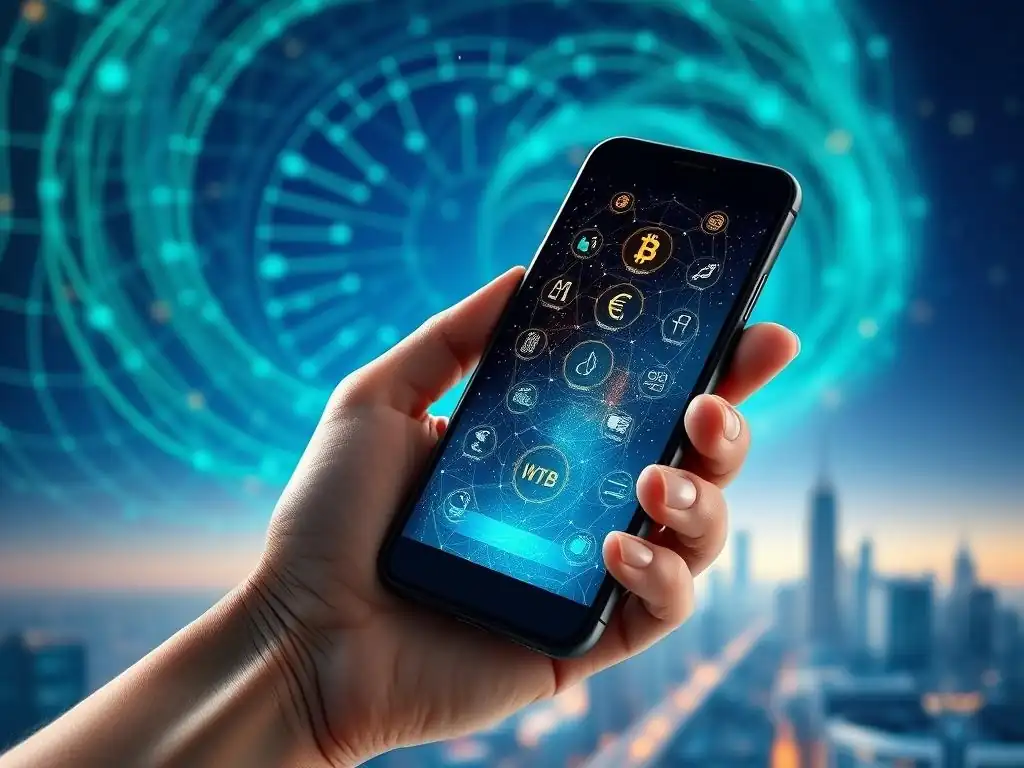
Welcome to Blockchain Trends, your guide to navigating the ever-evolving world of decentralized technologies. Beyond the hype of cryptocurrencies, blockchain is reshaping industries and creating entirely new possibilities.
But how will we actually access this decentralized future? Our latest article delves into the crucial role of Mobile Web3 Decentralization Access, exploring how our smartphones are becoming the key to unlocking the full potential of Web3. Discover the challenges, the innovations, and what it all means for you. Intrigued? Let's explore the future, one block at a time.
The Mobile Web and Web3: Accessing Decentralization on the Go
- Introduction: Mobile Web3 - Decentralized Access in Your Pocket
- Understanding the Mobile Web and its Evolution
- Web3 Fundamentals: Decentralization, Blockchain, and Cryptocurrencies
- The Intersection of Mobile and Web3: Mobile Web3 Decentralization Access
- Benefits of Mobile Web3 Access
- Challenges and Limitations of Mobile Web3
- Solutions and Innovations for Mobile Web3
- Use Cases of Mobile Web3 Decentralized Access
- The Future of Mobile Web3: Trends and Predictions
- Case Study: Argent Wallet - Simplifying Ethereum Access on Mobile
- Conclusion: Embracing Mobile Web3 for a Decentralized Future
-
Frequently Asked Questions
- What are the main benefits of accessing Web3 on mobile devices?
- How does mobile Web3 access contribute to decentralization?
- What are some key challenges in developing mobile Web3 applications?
- How does regulation impact the adoption of mobile Web3 applications?
- What is the future of mobile Web3 decentralization access?
- Final Reflection: Embracing Decentralized Mobility
- Unleash Web3 Power in Your Pocket!
Introduction: Mobile Web3 - Decentralized Access in Your Pocket
The rise of Web3, characterized by decentralization, blockchain technology, and user ownership, represents a significant paradigm shift from the traditional centralized internet (Web2). As this new digital frontier expands, the question of how billions of global smartphone users can seamlessly interact with decentralized applications (dApps) and protocols becomes paramount. The concept of Mobile Web3 Decentralization Access is not just a technical challenge but a crucial element for achieving widespread adoption and realizing the full potential of a decentralized future. It's about bringing the power of blockchain and decentralized networks directly into the hands of users, wherever they are.
This section explores the critical intersection of the mobile web and Web3, highlighting the necessity and challenges of enabling decentralized access on mobile devices. We will delve into why mobile accessibility is not merely an option but a core requirement for Web3 to move beyond early adopters and integrate into everyday digital life. Understanding the evolution of the mobile web provides context for the technical hurdles and opportunities presented by this convergence. Ultimately, effective Mobile Web3 Decentralization Access is key to unlocking mass participation in decentralized economies and communities.
Bridging the Gap: Web3's Mobile Accessibility Challenge
Despite the rapid growth of the Web3 ecosystem, enabling smooth and secure access for the vast majority of internet users who primarily rely on mobile devices presents significant technical and user experience challenges. Mobile environments differ substantially from desktop settings in terms of screen size, processing power, network connectivity variability, and input methods. Developing dApps that perform efficiently and offer an intuitive interface on a smartphone is inherently more complex than building for a desktop browser with stable broadband access.
Furthermore, integrating core Web3 functionalities like blockchain interactions, transaction signing, and secure key management into a mobile environment requires specialized solutions. Traditional browser extensions used on desktops for wallet interaction are not directly applicable. Mobile operating systems (iOS and Android) have stricter security protocols and sandboxing, necessitating dedicated mobile applications, often referred to as mobile wallets, to serve as the primary gateway for Mobile Web3 Decentralization Access. Ensuring these mobile experiences are both secure and user-friendly is a major hurdle that the industry is actively working to overcome.
Why Mobile Web3 Matters for Blockchain Adoption
The global reach of mobile devices is staggering, with billions of people owning smartphones. According to various reports, well over half of the world's population now uses a smartphone, and for many, particularly in developing regions, the mobile phone is their primary, if not sole, means of accessing the internet. This sheer scale highlights why Mobile Web3 Decentralization Access is indispensable for achieving mass adoption of blockchain technology. Without a robust mobile presence, Web3 risks remaining a niche technology primarily accessible to desktop users in well-connected areas.
Moreover, user behavior has shifted dramatically towards mobile-first interaction. People manage finances, communicate, entertain themselves, and access information predominantly through their phones. To become truly mainstream, Web3 applications and services must align with these established user habits. Enabling seamless Mobile Web3 Decentralization Access allows users to engage with decentralized finance (DeFi), non-fungible tokens (NFTs), decentralized autonomous organizations (DAOs), and other Web3 experiences anytime, anywhere, integrating these technologies into the flow of daily life. This accessibility is crucial for onboarding the next wave of Web3 users and fostering a truly global, decentralized ecosystem.
Understanding the Mobile Web and its Evolution
The mobile web, as we know it today, is the result of decades of technological evolution, moving from rudimentary text-based interfaces to rich, interactive experiences capable of rivaling desktop applications. This journey provides essential context for understanding the technical landscape into which Web3 is attempting to integrate. Early mobile internet access was limited, expensive, and often frustrating, setting a low bar for user expectations.
However, with advancements in mobile hardware, network infrastructure (from 3G to 5G), and browser technology, the capabilities of the mobile web have exploded. Modern smartphones are powerful computing devices, and mobile browsers like Chrome, Safari, and Firefox offer sophisticated rendering engines and support for complex web standards. This evolution has paved the way for the development of sophisticated web applications accessible directly through a mobile browser, laying some groundwork for future Mobile Web3 Decentralization Access.
From WAP to Modern Mobile Browsers: A Brief History
The early days of the mobile internet were largely defined by the Wireless Application Protocol (WAP). Introduced in the late 1990s, WAP aimed to bring internet-like content to mobile phones using a simplified markup language (WML) and optimized protocols for low bandwidth and limited device capabilities. While a groundbreaking step at the time, WAP offered a significantly constrained experience compared to the desktop web, primarily supporting text and simple graphics. Adoption was relatively slow due to usability issues, carrier fees, and limited content.
The true transformation began with the advent of smartphones and mobile operating systems like iOS and Android in the late 2000s. These platforms enabled the development of full-featured mobile browsers capable of rendering standard HTML, CSS, and JavaScript, much like their desktop counterparts. This shift marked the transition from a 'lite' mobile internet to a mobile web that could deliver complex web pages and applications. This evolution in mobile browser technology is critical, as many early forms of Mobile Web3 Decentralization Access relied on integrating Web3 functionality directly into these increasingly capable mobile browsers or companion apps.
The Rise of Mobile-First Design and Development
As smartphone usage soared, design and development philosophies adapted to prioritize the mobile experience. The concept of "mobile-first" emerged, advocating for designing and building websites and applications with the constraints and opportunities of mobile devices in mind from the outset. This approach involves starting with the smallest screen size and adding complexity for larger screens, rather than scaling down a desktop design. Responsive web design became standard practice, allowing websites to automatically adjust their layout and content based on the user's screen size.
This emphasis on mobile-first design is highly relevant for achieving effective Mobile Web3 Decentralization Access. dApp developers must consider the mobile user experience from the ground up, optimizing interfaces for touch interactions, smaller screens, and potentially less stable connectivity. Ignoring mobile-first principles leads to dApps that are difficult to use on phones, hindering adoption. Successful Mobile Web3 Decentralization Access relies on interfaces that are not just functional but intuitively designed for the mobile context, minimizing friction for users interacting with decentralized protocols.
Web3 Fundamentals: Decentralization, Blockchain, and Cryptocurrencies
At its core, Web3 is about shifting power and control from centralized entities to users and decentralized networks. This paradigm relies on foundational technologies like blockchain, smart contracts, and decentralized autonomous organizations (DAOs) to enable peer-to-peer interactions, verifiable ownership, and transparent governance without relying on intermediaries. Understanding these fundamentals is essential to grasping how Mobile Web3 Decentralization Access functions and its implications.
Unlike Web2 platforms where user data and interactions are typically stored and managed by a single company (e.g., social media giants, cloud providers), Web3 distributes these functions across a network of participants. This decentralization aims to increase censorship resistance, improve security, and empower users with greater control over their digital identity and assets. Accessing this decentralized world requires different tools and methods than those used for centralized Web2 services, particularly when doing so from a mobile device.
Key Concepts: Blockchain, Smart Contracts, and DAOs Explained
Blockchain is a distributed ledger technology that records transactions across many computers. It is designed to be transparent, immutable, and secure. Once data is added to a block and that block is added to the chain, it is extremely difficult to alter or remove. This forms the backbone of trust in a decentralized system without a central authority. Ethereum, for example, is a prominent blockchain network that supports smart contracts.
Smart contracts are self-executing contracts with the terms of the agreement directly written into code. They automatically execute actions when predefined conditions are met, running on the blockchain. This enables automated, trustless transactions and agreements. Decentralized Autonomous Organizations (DAOs) are organizations represented by rules encoded as a transparent computer program, controlled by the organization members, and not influenced by a central government. DAOs operate via smart contracts, allowing for collective decision-making and governance by token holders. Interacting with blockchains, executing smart contracts, and participating in DAOs all require specific tools for Mobile Web3 Decentralization Access.
Decentralized Applications (dApps): The Building Blocks of Web3
Decentralized applications (dApps) are applications that run on a decentralized network, typically a blockchain, rather than on a single server. Similar to traditional web applications, dApps have a frontend user interface, but their backend logic and data storage interact directly with a blockchain's smart contracts. Examples include decentralized exchanges (DEXs), lending protocols, NFT marketplaces, and blockchain-based games.
The user experience for dApps often involves interacting with the blockchain through a digital wallet, which manages the user's private keys and facilitates transactions. For Mobile Web3 Decentralization Access, dApps need to be designed or adapted to function smoothly within a mobile browser or as dedicated mobile applications that integrate with mobile wallets. The success of dApps on mobile is critical for bringing the utility of Web3 to a broader audience beyond early desktop users, making Mobile Web3 Decentralization Access a vital area of focus for developers.
The Intersection of Mobile and Web3: Mobile Web3 Decentralization Access
The convergence of the ubiquitous mobile web and the emerging Web3 ecosystem defines the landscape of Mobile Web3 Decentralization Access. This intersection is where the theoretical benefits of decentralization meet the practical reality of how most people access the internet today. It's about creating the necessary infrastructure, tools, and user experiences that allow individuals to participate fully in decentralized networks using their smartphones.
Achieving effective Mobile Web3 Decentralization Access involves overcoming technical hurdles related to performance, security, and usability on mobile devices while leveraging the inherent advantages of mobility, such as constant connectivity and location awareness. This requires innovation in both the Web3 protocol layer and the application layer, specifically tailored for the mobile environment.
How Mobile Devices Enable Decentralized Access
Mobile devices, despite their limitations compared to desktops, possess capabilities that are advantageous for decentralized access. They are personal, typically carried by the user at all times, making them ideal for identity management and secure authentication. Modern smartphones have robust security features, including hardware-based secure enclaves (like Apple's Secure Enclave or Android's TrustZone) that can be used to protect cryptographic keys essential for securing decentralized access.
Furthermore, mobile devices offer multiple authentication methods like biometrics (fingerprint or facial recognition), which can provide a more convenient and potentially more secure way to authorize Web3 transactions than typing complex passwords. The ability to receive push notifications is also crucial for alerting users to transaction requests or updates within decentralized applications, improving the responsiveness of Mobile Web3 Decentralization Access. While processing power and screen size remain challenges, the personal and secure nature of smartphones makes them a fitting vessel for managing decentralized identities and assets.
Mobile Wallets: Your Gateway to Web3 on the Go
Mobile wallets are arguably the most critical component enabling Mobile Web3 Decentralization Access. These applications serve as the user's primary interface with blockchain networks. They securely store private keys, allow users to manage their cryptocurrencies and NFTs, interact with smart contracts, and sign transactions for dApps. Popular examples include MetaMask Mobile, Coinbase Wallet, Trust Wallet, and Argent.
Unlike custodial wallets where a third party holds your private keys, most mobile Web3 wallets are non-custodial, meaning the user retains full control over their assets. This aligns with the decentralized ethos of Web3. A mobile wallet typically includes a built-in dApp browser or integrates with external mobile browsers via deep linking, allowing users to connect to decentralized applications directly from their phone. Mastering the secure use of a mobile wallet is the fundamental step for anyone seeking Mobile Web3 Decentralization Access.
Benefits of Mobile Web3 Access
The ability to access Web3 via mobile devices unlocks significant benefits that are crucial for expanding the reach and impact of decentralized technologies. These advantages extend beyond mere convenience, touching upon global financial inclusion, enhanced user experience, and seamless integration into the existing mobile ecosystem.
Enabling robust Mobile Web3 Decentralization Access transforms Web3 from a desktop-centric niche into a technology that can be integrated into the daily digital lives of billions. It leverages the existing infrastructure of mobile connectivity and smartphone penetration to bring the benefits of decentralization to a far wider audience than would otherwise be possible.
Enhanced Accessibility and User Experience for Web3
One of the most immediate benefits of Mobile Web3 Decentralization Access is significantly enhanced accessibility. Users are no longer tethered to a desktop computer to interact with decentralized applications. They can manage their digital assets, participate in DeFi protocols, trade NFTs, or play blockchain games while commuting, traveling, or simply away from their desk. This on-the-go access removes a major barrier to entry and participation.
Furthermore, mobile-optimized dApps and dedicated mobile wallets are designed to simplify complex blockchain interactions. Features like simplified transaction signing, clear asset displays, and integrated dApp browsers within the wallet app streamline the user journey. While still evolving, the user experience for Mobile Web3 Decentralization Access is steadily improving, making decentralized technologies more approachable for non-technical users who are already comfortable navigating mobile applications.
Empowering Global Inclusion Through Mobile Decentralization
Perhaps the most profound benefit of Mobile Web3 Decentralization Access is its potential to empower global inclusion. In many parts of the world, particularly in emerging economies, smartphone penetration is high, while access to traditional banking services or even reliable desktop internet is limited. Mobile Web3 provides a pathway for individuals in these regions to access financial services (DeFi), participate in global digital economies (NFTs, play-to-earn), and own their digital identity without needing traditional intermediaries.
By leveraging the ubiquity of mobile phones, Web3 can offer banking alternatives, investment opportunities, and ownership models to populations that have historically been underserved by centralized systems. This form of Mobile Web3 Decentralization Access is not just about convenience; it's about providing economic opportunity and autonomy to billions, fostering a more equitable global digital landscape.
Seamless Integration with Mobile Applications and Services
As Mobile Web3 Decentralization Access matures, we are seeing increased integration with existing mobile applications and services. Mobile wallets can often be integrated with popular social platforms or messaging apps (though direct links within the article are prohibited). Future developments could see closer ties with mobile operating system features, push notification services, and potentially even mobile payment systems.
This integration allows users to transition smoothly between Web2 and Web3 services on their device. For instance, a user might receive a notification on their phone about an event in a decentralized game, tap it, and be taken directly to the dApp within their mobile wallet browser, ready to interact. This seamless experience is crucial for making Mobile Web3 Decentralization Access feel like a natural extension of the mobile user's existing digital life, rather than a separate, clunky environment.
Challenges and Limitations of Mobile Web3
Despite the significant progress, achieving truly seamless, secure, and widespread Mobile Web3 Decentralization Access still faces considerable challenges. These hurdles stem from the inherent limitations of mobile devices, the complexities of blockchain technology, and the nascent state of Web3 development. Addressing these issues is crucial for unlocking the full potential of mobile decentralization.
Understanding these limitations is important for both developers and users. Developers must innovate to mitigate these problems, while users should be aware of the potential risks and performance variations when engaging with Web3 on their mobile devices. Overcoming these challenges is an ongoing process requiring continuous effort from the entire Web3 ecosystem.
Security Concerns: Protecting Mobile Web3 Wallets and Data
Security is a paramount concern for Mobile Web3 Decentralization Access. Mobile devices are susceptible to various threats, including malware, phishing attacks, and physical theft. While smartphones offer hardware-level security features, the software layer where mobile wallets and dApps reside can still be vulnerable if not developed and used correctly. A compromised mobile wallet can result in the complete loss of a user's digital assets, as decentralized systems often lack the recovery mechanisms found in centralized services.
Educating users on best practices, such as using strong passwords, enabling two-factor authentication (where available), backing up seed phrases securely offline, and being wary of suspicious links or apps, is vital. Wallet developers must implement robust security measures, including secure storage of private keys, transaction signing confirmation prompts, and clear risk warnings. Ensuring the security of Mobile Web3 Decentralization Access requires a layered approach involving secure technology, vigilant users, and responsible developers.
Performance Issues: Optimizing dApps for Mobile Devices
Performance remains a notable challenge for Mobile Web3 Decentralization Access. Blockchain interactions, such as fetching data from the chain or broadcasting transactions, can be slow and consume significant bandwidth and processing power. While mobile networks and devices have improved, they may not always provide the stable, high-speed connection or processing capabilities available on a desktop. This can lead to dApps that are sluggish, unresponsive, or drain battery life on mobile phones.
Optimizing dApps for the mobile environment requires careful consideration of resource usage. Developers must minimize the amount of data fetched from the blockchain, optimize smart contract interactions, and design efficient user interfaces. The reliance on remote nodes or third-party services to interact with the blockchain (which is common for mobile wallets) can also introduce latency and potential points of failure, impacting the perceived speed and reliability of Mobile Web3 Decentralization Access.
Usability Challenges: Designing Intuitive Mobile Web3 Interfaces
Despite efforts towards mobile-first design, the user experience for Mobile Web3 Decentralization Access can still be complex, especially for newcomers. Concepts like gas fees, transaction confirmations, network congestion, and seed phrases are inherently technical and can be confusing when presented on a small screen. Designing interfaces that clearly explain these concepts and guide users through processes like sending transactions or connecting to dApps is difficult.
Furthermore, the fragmented nature of the mobile Web3 ecosystem, with different wallets and dApps using varying integration methods, can lead to inconsistent experiences. Users might encounter difficulties connecting their wallet to a specific dApp or understanding transaction details presented in a technical format. Improving the usability of Mobile Web3 Decentralization Access requires standardized protocols, intuitive design patterns, and effective educational resources tailored for the mobile user.
Solutions and Innovations for Mobile Web3
Addressing the challenges of Mobile Web3 Decentralization Access is a major focus for developers and innovators within the ecosystem. Significant progress is being made through the development of mobile-optimized tools, enhanced security practices, and scaling solutions that reduce the burden on mobile devices and networks.
These ongoing innovations are crucial for making Web3 more accessible, performant, and secure on smartphones. They represent the path forward for transitioning Mobile Web3 Decentralization Access from a niche capability to a mainstream reality, enabling billions more users to participate in the decentralized web.
Mobile-Optimized dApp Development Frameworks
To facilitate the creation of dApps that perform well on mobile, developers are increasingly leveraging frameworks and libraries specifically designed for the mobile web or cross-platform mobile development (like React Native or Flutter) alongside Web3 libraries (like Ethers.js or Web3.js). These tools help streamline the development process and enable the creation of responsive and efficient user interfaces.
Furthermore, specific patterns for interacting with wallets from mobile browsers or dedicated apps are being refined. Standards like WalletConnect allow dApps running in a mobile browser or as a standalone app to securely connect and interact with a mobile wallet installed on the same device or another device. These frameworks and protocols are essential for building the infrastructure that supports seamless Mobile Web3 Decentralization Access.
Secure Mobile Wallet Technologies and Practices
Mobile wallet technology is continuously evolving to enhance security and usability. Many wallets now utilize hardware-level security features on smartphones to protect private keys. Advanced encryption techniques and secure backup options (like iCloud or Google Drive encrypted backups, though users are often advised to use offline backups for maximum security) are becoming standard. Some wallets are exploring multi-party computation (MPC) or social recovery mechanisms to offer alternatives to traditional seed phrases, which can be easily lost or compromised.
Developers are also implementing stricter security checks and clearer prompts for users when signing transactions, providing more context about what they are approving. User education remains a critical part of secure practices for Mobile Web3 Decentralization Access, emphasizing the importance of keeping wallet software updated and being vigilant against phishing attempts targeting mobile users.
Layer-2 Scaling Solutions for Mobile Web3
Scalability issues on mainnet blockchains (like Ethereum Layer 1) can lead to high transaction fees (gas costs) and slow confirmation times, which are particularly problematic for mobile users who might have limited data plans or less patience for delays. Layer-2 scaling solutions, such as rollups (Optimistic and Zero-Knowledge), sidechains, and state channels, process transactions off the main chain before settling them back on Layer 1.
These solutions drastically reduce transaction costs and increase transaction speed, making interactions with dApps more affordable and responsive on mobile devices. By reducing the amount of data that needs to be processed and confirmed on the main chain for each user action, Layer-2s significantly improve the performance and viability of Mobile Web3 Decentralization Access, making micro-transactions and frequent interactions within dApps economically feasible.
Use Cases of Mobile Web3 Decentralized Access
The practical applications of Mobile Web3 Decentralization Access span a wide range of activities, demonstrating how decentralized technologies can be integrated into various aspects of daily life through the convenience of a smartphone. These use cases are driving user adoption and showcasing the tangible benefits of accessing decentralization on the go.
From managing finances and collecting digital art to playing games and controlling personal data, mobile Web3 is enabling new forms of interaction and ownership. These examples illustrate the potential for Mobile Web3 Decentralization Access to disrupt traditional industries and create entirely new digital economies accessible from anywhere.
Mobile DeFi: Decentralized Finance on the Go
Decentralized Finance (DeFi) protocols allow users to lend, borrow, trade, and earn interest on their digital assets without relying on traditional banks or financial institutions. Mobile Web3 Decentralization Access is transforming DeFi by enabling users to access these services directly from their smartphones. Users can check their portfolio balances, swap tokens on a decentralized exchange (DEX) like Uniswap or SushiSwap via a mobile wallet browser, or manage their positions in lending protocols like Aave or Compound while on the move.
This mobile accessibility is crucial for making DeFi more convenient and responsive. Users can react quickly to market changes or manage collateral ratios from anywhere, bringing financial autonomy to their fingertips. While navigating complex DeFi interfaces on a small screen can still be challenging, dedicated mobile dApps and improved wallet integrations are making mobile DeFi increasingly viable and popular.
Mobile NFTs: Collecting and Trading Digital Assets on Mobile
Non-Fungible Tokens (NFTs) represent ownership of unique digital or physical assets on the blockchain. The booming NFT market has seen significant activity shift towards mobile platforms. Mobile Web3 Decentralization Access allows users to browse NFT marketplaces like OpenSea or Rarible, view their digital collectibles, and buy or sell NFTs directly from their mobile wallets.
Mobile-friendly galleries and integrated marketplace browsers within wallets make it easy to showcase and trade digital art, collectibles, and in-game items. The ability to manage and interact with NFTs on a smartphone makes digital ownership more tangible and accessible, fostering a mobile-first culture around digital collectibles and creative expression powered by Mobile Web3 Decentralization Access.
Mobile Gaming: Play-to-Earn Games on Your Smartphone
Blockchain-based gaming, particularly the play-to-earn (P2E) model, is finding a natural home on mobile devices. P2E games integrate NFTs and cryptocurrencies, allowing players to earn valuable assets through gameplay. Mobile Web3 Decentralization Access enables users to play these games directly on their phones, manage their in-game assets (often NFTs), and trade or sell them using their mobile wallet.
Games like Axie Infinity, while starting on other platforms, saw significant mobile adoption, demonstrating the demand for P2E on smartphones. The convenience of playing on mobile expands the potential player base dramatically, particularly in regions where mobile gaming is dominant. This sector highlights how Mobile Web3 Decentralization Access can merge entertainment with economic opportunity.
Mobile Identity: Decentralized Identity Management on Mobile Devices
Decentralized Identity (DID) aims to give individuals more control over their personal data and digital identity, moving away from centralized identity providers. Mobile devices are well-suited to serve as secure anchors for DIDs, utilizing hardware security modules and biometric authentication. Mobile Web3 Decentralization Access allows users to manage their decentralized identifiers, verifiable credentials, and reputation data securely stored on the blockchain or decentralized storage systems via a mobile wallet or dedicated identity app.
Users could potentially use their mobile device to cryptographically prove aspects of their identity (like age or qualifications) without revealing unnecessary personal information to third parties. While still an emerging use case, Mobile Web3 Decentralization Access for identity management has the potential to revolutionize online privacy and security, providing users with greater autonomy over their digital selves.
The Future of Mobile Web3: Trends and Predictions
The trajectory of Mobile Web3 Decentralization Access points towards increasing integration, improved performance, and broader user adoption. Several key trends are expected to shape the future of accessing decentralized technologies on mobile devices, making the experience more seamless, intuitive, and powerful.
These predictions highlight the areas where significant development and investment are occurring, driven by the clear necessity of bringing Web3 to the mobile-first world. The future of Web3's mass adoption is inextricably linked to its success on mobile platforms.
Increased Adoption of Mobile Web3 Wallets
The number of users relying on mobile wallets as their primary gateway to Web3 is expected to grow exponentially. As more people enter the Web3 space, the convenience and accessibility offered by mobile wallets will make them the default choice for managing assets and interacting with dApps. Enhanced security features, improved user interfaces, and wider compatibility with different blockchains and Layer-2 solutions will drive this adoption.
Wallet providers will likely continue to add features beyond basic asset management, integrating identity solutions, social features, and direct access to a wider array of decentralized services. This increased adoption of mobile wallets is a fundamental prerequisite for widespread Mobile Web3 Decentralization Access.
Enhanced Mobile dApp Performance and Usability
Ongoing developments in Layer-2 scaling, mobile-optimized development tools, and better integration methods (like WalletConnect v2 and beyond) will lead to significant improvements in the performance and usability of dApps on mobile. Transactions will become faster and cheaper, and dApp interfaces will become more responsive and intuitive, specifically designed for touchscreens and mobile usage patterns.
We can anticipate more dApps launching with a mobile-first or mobile-only strategy, leveraging the unique capabilities of smartphones. This focus on optimizing the mobile experience is crucial for reducing friction and making Mobile Web3 Decentralization Access as smooth and reliable as using traditional mobile applications.
The Convergence of Mobile Web3 and Metaverse Experiences
As the concept of the metaverse evolves, the integration of Web3 elements (digital ownership via NFTs, decentralized identity, virtual economies) accessed via mobile devices will become increasingly important. Mobile phones are likely to be a primary interface for interacting with aspects of the metaverse, whether through dedicated apps or augmented reality (AR) experiences.
Mobile Web3 Decentralization Access will enable users to carry their digital assets, avatars, and identity seamlessly between different virtual worlds and experiences, all managed through their smartphone. This convergence could see mobile wallets evolve into comprehensive digital identity and asset hubs for both the physical and virtual worlds, further solidifying the role of mobile devices in accessing decentralized futures.
Case Study: Argent Wallet - Simplifying Ethereum Access on Mobile
Argent is a mobile-only Ethereum wallet that provides a compelling example of how innovation in wallet design can significantly improve Mobile Web3 Decentralization Access, particularly for users new to the space. Launched with a focus on security and ease of use, Argent aimed to abstract away some of the complexities typically associated with managing private keys and interacting with decentralized applications on Ethereum.
By prioritizing the mobile experience and integrating features designed for security and recovery without traditional seed phrases, Argent demonstrates a successful approach to onboarding users into Web3 directly through their smartphones. Its design choices offer valuable lessons for improving Mobile Web3 Decentralization Access more broadly.
Analyzing the Application's Features and Functionality
Argent distinguishes itself with several key features tailored for mobile users. It utilizes smart contract-based security, allowing for "Guardians" (trusted friends, hardware wallets, or other devices) who can help recover the wallet if the user loses their phone or access, without needing a seed phrase. This social recovery mechanism addresses a major pain point for newcomers to Web3.
The wallet also integrates direct access to popular DeFi protocols and dApps within the app itself, creating a curated and simplified entry point into decentralized finance and other Web3 services. Users can swap tokens, earn interest, and manage assets from protocols like Aave or Compound directly within the Argent interface, significantly streamlining the process of Mobile Web3 Decentralization Access on Ethereum and some Layer-2s like zkSync Era and StarkNet.
Examining the Impact on User Engagement and Decentralization
Argent's focus on simplifying security and integrating dApp access has positively impacted user engagement, particularly for those seeking an easier way into the Ethereum ecosystem via mobile. By removing the fear of losing a seed phrase and providing a clean interface for interacting with complex DeFi protocols, Argent lowers the barrier to entry for Mobile Web3 Decentralization Access.
While providing a simplified user experience, Argent maintains the core principle of decentralization by being non-custodial – users retain control of their assets via the smart contract wallet and Guardians. This case study highlights that effective Mobile Web3 Decentralization Access requires not just technical bridges but also thoughtful design that prioritizes user needs and simplifies underlying complexities while preserving the decentralized nature of the technology.
Conclusion: Embracing Mobile Web3 for a Decentralized Future
The future of Web3 is mobile. The ability to provide seamless, secure, and intuitive Mobile Web3 Decentralization Access is not merely a technical challenge to be overcome but a fundamental requirement for achieving mass adoption and realizing the full potential of decentralized technologies. As the world becomes increasingly mobile-centric, the success of decentralized finance, NFTs, decentralized gaming, and other Web3 applications hinges on their accessibility via smartphones.
Innovations in mobile wallet technology, dApp development frameworks, Layer-2 scaling solutions, and user experience design are steadily improving the landscape of Mobile Web3 Decentralization Access. While challenges related to security, performance, and usability persist, the industry is actively working to mitigate them, paving the way for a more inclusive and decentralized digital future accessible from the palm of your hand.
Mobile Web3 as a Catalyst for Wider Blockchain Adoption
Mobile Web3 Decentralization Access serves as a powerful catalyst for wider blockchain adoption. By leveraging the existing global infrastructure of smartphones and mobile internet, it brings the benefits of decentralization to billions of potential users who may not have access to or preference for desktop computing. It enables financial inclusion in underserved regions, empowers individuals with ownership over their digital assets, and integrates decentralized applications into the fabric of everyday mobile usage.
The ongoing improvement of the mobile Web3 experience is crucial for onboarding the next wave of users, moving beyond early adopters to the mainstream. As mobile dApps become more performant, secure, and user-friendly, the value proposition of decentralized technologies becomes accessible to a significantly larger audience, accelerating the transition towards a decentralized web.
Call to Action: Explore the Possibilities of Mobile Decentralization
The world of Web3 on mobile is rapidly expanding. If you're curious about decentralized finance, digital ownership, or the future of the internet, your smartphone is now a powerful tool for exploration. Dive into the possibilities by exploring the various mobile Web3 wallets available and connecting to decentralized applications designed for mobile use.
Begin your journey into Mobile Web3 Decentralization Access. Experience firsthand how you can interact with blockchain networks, manage your digital assets, and participate in decentralized communities, all from the convenience and portability of your mobile device. The decentralized future is arriving, and it's increasingly accessible on the go.
Frequently Asked Questions
What are the main benefits of accessing Web3 on mobile devices?
Mobile access to Web3 provides greater accessibility and convenience for users. It allows for decentralized applications and services to be used anywhere, anytime. This empowers users with more control over their data and digital assets.
How does mobile Web3 access contribute to decentralization?
Mobile Web3 decentralization access promotes wider participation in decentralized networks. By removing the need for desktop computers, it enables more individuals to engage with Web3 applications and services, leading to a more distributed and inclusive ecosystem.
What are some key challenges in developing mobile Web3 applications?
Challenges include limited device resources, such as processing power and battery life. Ensuring security and privacy on mobile devices is also crucial. Additionally, user experience (UX) needs to be optimized for smaller screens and mobile interactions.
How does regulation impact the adoption of mobile Web3 applications?
Regulatory uncertainty surrounding cryptocurrencies and decentralized finance (DeFi) can hinder the development and adoption of mobile Web3 apps. Clear and supportive regulations are needed to foster innovation and user trust.
What is the future of mobile Web3 decentralization access?
The future likely involves improved user interfaces, enhanced security features, and increased integration with mobile operating systems. This will make Web3 applications more accessible and user-friendly for a broader audience, driving further adoption of decentralized technologies.
Okay, here's a final reflection crafted to close your article "The Mobile Web and Web3: Accessing Decentralization on the Go," optimized for the keyword "Mobile Web3 Decentralization Access" and following the structure you provided:
Final Reflection: Embracing Decentralized Mobility
The journey we've explored through the mobile web and its burgeoning integration with Web3 underscores a pivotal shift: decentralization is no longer tethered to desktops. The promise of a user-owned internet, accessible anytime, anywhere, is rapidly becoming a tangible reality, reshaping how we interact with technology and each other.
This evolution profoundly impacts the cultural and social landscape. The ability to access decentralized applications and services directly from our mobile devices empowers individuals in unprecedented ways, fostering greater autonomy and control over their digital lives. The future is already here – it's just not evenly distributed.
- William Gibson. This quote resonates deeply as we witness the mobile web bridging the gap and democratizing access to the transformative potential of Web3.
As we stand on the cusp of this decentralized future, I encourage you to reflect on your own role in shaping it. How can you leverage the power of Mobile Web3 Decentralization Access to build a more equitable, transparent, and user-centric digital world? The future of the internet is in our hands – let's build it together, one mobile device at a time.
Unleash Web3 Power in Your Pocket!
Thanks for exploring the exciting intersection of the mobile web and Web3 with us! We hope you now have a clearer understanding of how decentralization is becoming more accessible on the go. Ready to take the next step?
Here's how you can further explore the mobile Web3 revolution:
- Download a Web3-enabled mobile browser like Brave or MetaMask and start exploring decentralized applications directly from your smartphone—this is your primary gateway to the future!
- Join the conversation! Share this article on your favorite social media platform using the hashtag #MobileWeb3 and discuss the challenges and opportunities with your network.
- Delve deeper: Research a specific decentralized application or mobile Web3 project that interests you and share your findings in the comments below.
What innovative mobile Web3 application will you be exploring this week? Let's discuss!
Leave a Reply