
How Blockchain is Changing the Landscape of Film Production and Distribution


Welcome to Blockchain Trends, your go-to source for unraveling the real-world applications of blockchain technology!
Ever wondered how blockchain is moving beyond cryptocurrency and revolutionizing industries? Dive into our latest article to discover how blockchain film production distribution is reshaping the movie-making landscape. Explore its potential to enhance transparency, security, and artist autonomy, and unlock a new era for independent cinema. Read on to see how this groundbreaking technology is changing the game!
How Blockchain is Changing the Landscape of Film Production and Distribution
- Blockchain Technology: Revolutionizing the Film Industry
- Enhancing Film Production with Blockchain Solutions
- Transforming Film Distribution through Decentralization
- Benefits of Blockchain in Film: A New Era for Filmmakers and Audiences
- Real-World Examples of Blockchain in Film Production and Distribution
- Challenges and Considerations for Blockchain Adoption in the Film Industry
- The Future of Film with Blockchain: Predictions and Possibilities
- Conclusion: Blockchain – A Game Changer for Film's Future
-
Frequently Asked Questions
- How can blockchain technology improve transparency in film financing?
- What role can NFTs play in film distribution?
- How does blockchain address piracy issues in the film industry?
- What are the potential benefits of using blockchain for film production logistics?
- How might blockchain impact the relationship between filmmakers and audiences?
- Final Reflection: Decentralizing the Silver Screen
- Unveil the Future: Become a Blockchain Film Pioneer!
Blockchain Technology: Revolutionizing the Film Industry
Understanding the Fundamentals of Blockchain for Media
Blockchain technology, at its core, is a decentralized, distributed, and immutable ledger. Imagine a digital record book that is duplicated across many computers in a network. Each record, known as a "block," is linked and secured using cryptography, making it incredibly difficult to alter or tamper with past entries.
This foundational principle of transparency and security is what makes blockchain so compelling for various industries, including the film industry. In essence, blockchain offers a way to establish trust and verifiable records in a digital environment where these qualities are often lacking, especially in complex and multi-party processes like film production and distribution.
For the media industry, understanding blockchain means grasping its potential to create new systems for ownership, rights management, and content delivery. Unlike traditional centralized databases, blockchain's distributed nature eliminates single points of failure and control. This decentralization is particularly attractive for filmmakers seeking more autonomy and control over their work. The technology's inherent transparency also allows for greater accountability in financial transactions and rights tracking, addressing long-standing issues within the film ecosystem. By leveraging cryptography and distributed consensus mechanisms, blockchain creates a secure and verifiable environment for media transactions and data management.
The Current State of Film Production and Distribution: Key Challenges
The film industry, despite its artistic and cultural significance, faces numerous challenges in its current production and distribution models. Financing, particularly for independent filmmakers, remains a significant hurdle. Traditional funding routes often involve complex processes, gatekeepers, and a lack of transparency in how funds are allocated and managed.
Furthermore, rights management and intellectual property protection are constant concerns. Piracy, copyright infringement, and disputes over ownership plague the industry, leading to significant revenue losses and legal battles. The current distribution system is often criticized for its reliance on intermediaries, which can reduce the profits for creators and limit their direct connection with audiences.
Another critical challenge is the lack of transparency and efficiency in production workflows. Managing multiple stakeholders, tracking budgets, and ensuring secure communication across different production stages can be cumbersome and prone to errors. These inefficiencies can lead to cost overruns, delays, and disputes. The existing system often lacks a unified and transparent platform for managing the complex web of contracts, payments, and rights associated with a film project. These pain points highlight the need for innovative solutions that can streamline processes, enhance security, and empower filmmakers in a more equitable and efficient ecosystem.
Enhancing Film Production with Blockchain Solutions
Blockchain-Based Film Financing: Democratizing Investment Opportunities
Blockchain is paving the way for more democratic and transparent film financing models. Through Initial Coin Offerings (ICOs) or Security Token Offerings (STOs), filmmakers can directly raise capital from a global pool of investors, bypassing traditional gatekeepers like studios or venture capitalists. These blockchain-based fundraising methods offer increased transparency as all transactions are recorded on the immutable ledger, allowing investors to track the flow of funds and the progress of the project. This approach not only democratizes investment opportunities but also empowers filmmakers to retain greater creative control and ownership.
Platforms utilizing blockchain for film financing are emerging, connecting filmmakers directly with potential investors. For example, projects can issue tokens representing equity or future revenue share in a film. Investors can purchase these tokens, effectively investing in the film's success. Smart contracts, self-executing contracts with the terms of the agreement directly written into code, can automate the distribution of profits to token holders based on pre-defined conditions, ensuring transparency and trust. This innovative approach to film financing has the potential to empower independent filmmakers and diversify funding sources within the industry.
Streamlining Film Rights Management and Intellectual Property Protection with Blockchain
Managing film rights and protecting intellectual property is a complex and often opaque process. Blockchain offers a robust solution by providing a secure and transparent system for tracking and managing film rights. Digital rights management (DRM) systems built on blockchain can create an immutable record of ownership, licensing agreements, and usage rights for films and related assets. This can significantly reduce copyright infringement and simplify the process of licensing content.
By registering film rights on a blockchain, creators can establish irrefutable proof of ownership and provenance. Smart contracts can automate the process of licensing rights, ensuring that creators are automatically compensated when their work is used. This technology can also facilitate easier and more efficient rights trading and transfers. For instance, if a filmmaker wants to license their film to a distributor in a specific territory, the agreement can be encoded in a smart contract, automatically executing royalty payments and tracking usage, thus minimizing disputes and enhancing transparency in rights management.
Secure and Transparent Film Production Workflow Management Using Blockchain
Blockchain can revolutionize film production workflow management by providing a secure and transparent platform for collaboration and communication. Imagine a production process where all key data – from scripts and budgets to schedules and contracts – is securely stored and accessible to authorized personnel on a blockchain. This shared, immutable ledger can streamline communication, reduce errors, and enhance accountability throughout the production lifecycle.
Smart contracts can automate various aspects of production workflows, such as payments to cast and crew upon completion of milestones, or the release of funds based on pre-agreed conditions. This automation reduces administrative overhead, minimizes disputes over payments, and ensures that all stakeholders are working with the same verified information. Furthermore, blockchain can enhance security by encrypting sensitive production data and providing audit trails of all actions, protecting against unauthorized access and tampering, leading to more efficient and secure film production processes.
Transforming Film Distribution through Decentralization
Blockchain-Powered Film Distribution Platforms: Cutting Out the Middleman
Traditional film distribution often involves multiple intermediaries – distributors, exhibitors, and streaming platforms – each taking a cut of the revenue. Blockchain technology enables the creation of decentralized film distribution platforms that can directly connect filmmakers with their audiences, cutting out these intermediaries. These platforms leverage blockchain's transparency and security to offer a more direct and equitable distribution model.
Decentralized platforms can operate on a peer-to-peer basis, allowing filmmakers to upload their films directly and set their own pricing and distribution terms. Smart contracts can automate revenue sharing, ensuring that filmmakers receive a larger percentage of the earnings compared to traditional models. This disintermediation empowers filmmakers to have greater control over their distribution and fosters a more direct relationship with their audience, potentially leading to higher profits and greater creative freedom.
Direct-to-Consumer Film Distribution Models Enabled by Blockchain
Blockchain facilitates direct-to-consumer (D2C) film distribution models, giving filmmakers the ability to interact directly with their audience and build communities around their work. Using blockchain-based platforms, filmmakers can sell or rent their films directly to viewers, bypassing traditional streaming services and theatrical releases. This D2C approach fosters a more personal connection between creators and consumers.
Furthermore, blockchain can enable innovative monetization strategies within D2C models. For example, filmmakers can offer exclusive content, behind-the-scenes footage, or director's cuts to token holders or community members. Microtransactions, facilitated by blockchain, can allow viewers to pay for content on a pay-per-view basis or through other flexible payment models. This direct engagement and flexible monetization can create new revenue streams for filmmakers and provide audiences with more personalized viewing experiences.
Securing Film Content Against Piracy with Blockchain Technology
Film piracy remains a significant threat to the industry, costing billions in lost revenue annually. Blockchain offers innovative solutions to combat piracy by enhancing content security and tracking. Digital watermarks embedded on a blockchain can be used to trace the origin and distribution path of film content, making it easier to identify and track down pirated copies.
Furthermore, blockchain-based DRM systems can control access to film content and prevent unauthorized duplication or distribution. Smart contracts can be used to enforce licensing agreements and automatically revoke access to content if terms are violated. By creating a more secure and transparent system for content distribution and rights management, blockchain can significantly reduce film piracy and protect the revenue streams of filmmakers and rights holders.
Benefits of Blockchain in Film: A New Era for Filmmakers and Audiences
Increased Transparency and Accountability in Film Funding
Blockchain's inherent transparency brings a new level of accountability to film funding. All transactions related to film financing, from initial investments to profit distribution, can be recorded on the immutable blockchain ledger. This transparency allows investors and filmmakers to track the flow of funds and verify that resources are being used as intended.
This increased transparency can build trust between filmmakers and investors, attracting more funding to the film industry, particularly for independent projects that often struggle to secure financing through traditional routes. By providing a verifiable and auditable record of financial transactions, blockchain fosters a more accountable and trustworthy film financing ecosystem.
Enhanced Security and Protection of Film Intellectual Property
Blockchain's cryptographic security and decentralized nature significantly enhance the protection of film intellectual property. By registering rights and ownership on a blockchain, filmmakers create an immutable and verifiable record that is extremely difficult to tamper with. This secure system helps to prevent copyright infringement, piracy, and disputes over ownership.
Smart contracts can automate the process of rights management and enforce licensing agreements, ensuring that creators are properly compensated for the use of their work. This enhanced security and protection of intellectual property empowers filmmakers to safeguard their creations and build sustainable careers in the industry.
Greater Control and Revenue for Filmmakers
Blockchain empowers filmmakers with greater control over their work and revenue streams. By bypassing traditional intermediaries in financing and distribution, filmmakers can retain a larger share of the profits from their films. Decentralized platforms and direct-to-consumer models enable filmmakers to set their own terms, engage directly with their audience, and build independent careers.
Smart contracts automate revenue sharing and payment processes, ensuring that filmmakers are promptly and transparently compensated for their work. This increased control and revenue potential can incentivize creativity and innovation within the film industry, fostering a more vibrant and diverse cinematic landscape.
Improved Viewing Experience for Audiences: Microtransactions for Content
Blockchain can enhance the viewing experience for audiences by enabling new models of content consumption and interaction. Microtransactions, facilitated by blockchain, allow viewers to pay for content on a granular, pay-per-view basis, offering greater flexibility and choice. Audiences can support filmmakers directly by paying for individual films, episodes, or even scenes.
Furthermore, blockchain can enable new forms of audience engagement, such as voting on film endings, participating in virtual screenings, or accessing exclusive content through tokenized communities. These interactive and personalized experiences can create a more immersive and rewarding viewing experience for audiences, fostering a stronger connection with filmmakers and their work.
Real-World Examples of Blockchain in Film Production and Distribution
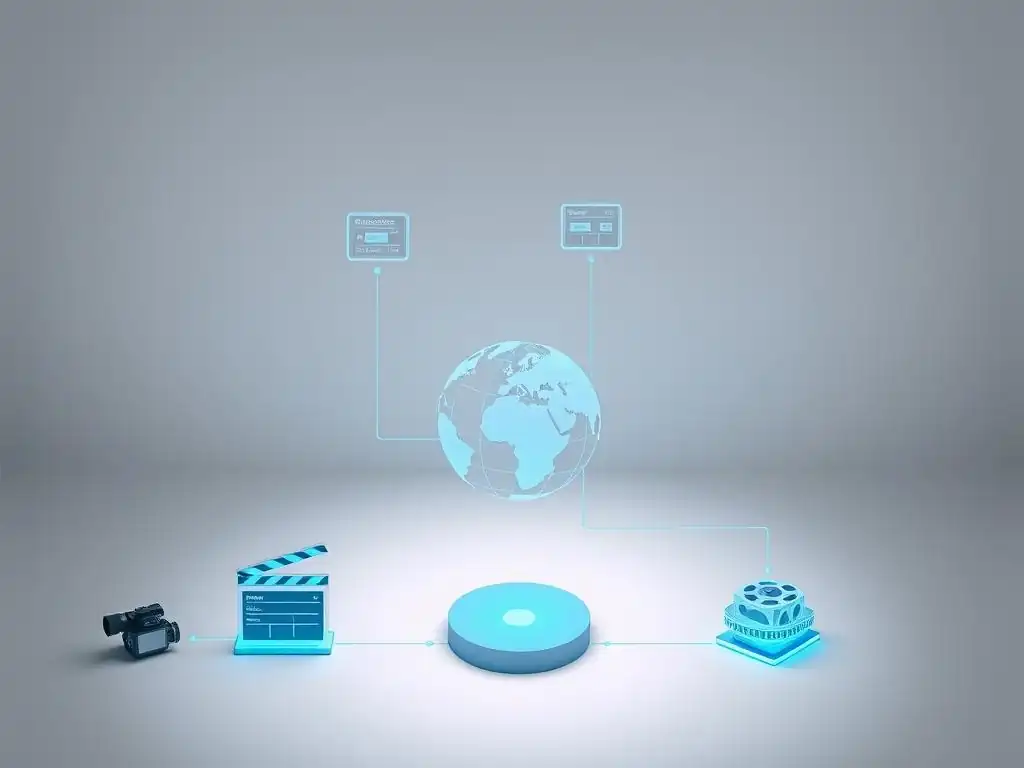
Case Study 1: SingularDTV - Empowering Independent Filmmakers
SingularDTV, now known as Breaker, was one of the early pioneers in using blockchain to empower independent filmmakers. They built a platform that allowed filmmakers to finance, distribute, and manage rights for their films using blockchain technology. SingularDTV facilitated the release of films like "What We Do in the Shadows" spin-off series, "Wellington Paranormal," showcasing the potential of blockchain for independent film distribution.
By using blockchain, SingularDTV aimed to provide filmmakers with greater transparency and control over their projects. They utilized smart contracts for revenue sharing and rights management, ensuring that filmmakers received a fair share of profits directly and transparently. While SingularDTV evolved into Breaker and shifted focus, their initial efforts demonstrated the feasibility and potential of blockchain in disrupting traditional film distribution models and empowering independent creators.
Case Study 2: Breaker - Revolutionizing Content Monetization
Breaker, evolving from SingularDTV, continues to explore blockchain's potential to revolutionize content monetization for creators, including filmmakers. Breaker focuses on providing tools and platforms for creators to build direct relationships with their audiences and monetize their work through various blockchain-based mechanisms. They offer solutions for tokenized communities, NFT-based content sales, and decentralized distribution channels.
Breaker emphasizes creator ownership and control, aiming to move away from centralized platforms that often take a significant portion of creator revenue. By providing creators with the infrastructure to directly engage with their fans and monetize their content using blockchain, Breaker is contributing to a more equitable and creator-centric media ecosystem. Their ongoing development and platform offerings illustrate the evolving landscape of blockchain applications in film and media.
Emerging Trends: NFTs for Film Collectibles and Funding
Non-Fungible Tokens (NFTs) are emerging as a significant trend in the film industry, offering new avenues for film collectibles and funding. Filmmakers are exploring NFTs to create and sell unique digital collectibles related to their films, such as digital posters, behind-the-scenes footage, or even virtual props. These NFTs can provide new revenue streams for filmmakers and engage fans in novel ways.
Beyond collectibles, NFTs are also being explored as a mechanism for film funding. Filmmakers can issue NFTs representing ownership or rights in a film project, allowing fans and investors to directly support the project and potentially share in its success. This NFT-based funding model further democratizes film financing and allows for greater community involvement in the creation and distribution of films. The use of NFTs in film is still in its early stages, but its potential for both revenue generation and audience engagement is undeniable.
Challenges and Considerations for Blockchain Adoption in the Film Industry
Scalability and Performance Issues
One of the key challenges for widespread blockchain adoption in the film industry is scalability. Processing a large volume of transactions, such as microtransactions for content or rights management updates for millions of users, can strain the capacity of some blockchain networks. Scalability limitations can lead to slow transaction speeds and increased transaction fees, hindering the user experience and practicality of blockchain-based film platforms.
Ongoing research and development are focused on improving blockchain scalability through solutions like layer-2 scaling solutions and sharding. As blockchain technology matures and scalability challenges are addressed, its viability for large-scale film industry applications will increase. Overcoming these performance limitations is crucial for realizing the full potential of blockchain in transforming film production and distribution.
Regulatory Uncertainty and Legal Frameworks
Regulatory uncertainty and the lack of clear legal frameworks surrounding blockchain technology pose a significant challenge to its adoption in the film industry. The legal status of cryptocurrencies and blockchain-based assets varies across jurisdictions, creating complexity for film projects seeking to utilize blockchain for financing, rights management, or distribution.
Furthermore, issues related to data privacy, intellectual property rights in a decentralized environment, and cross-border transactions require clear legal guidelines and regulations. Collaboration between industry stakeholders, legal experts, and regulators is essential to establish a clear and supportive legal framework that fosters innovation and mitigates risks associated with blockchain adoption in the film industry.
Overcoming Resistance to Change within the Film Industry
The film industry, like many established sectors, can be resistant to change and new technologies. Entrenched interests, established business models, and a lack of awareness about blockchain's benefits can create inertia and hinder adoption. Overcoming this resistance requires education, demonstration of successful use cases, and collaboration across different segments of the film industry.
Highlighting the tangible benefits of blockchain – such as increased transparency, enhanced security, greater control for filmmakers, and new revenue opportunities – is crucial to persuade industry stakeholders to embrace this transformative technology. Pilot projects, industry partnerships, and educational initiatives can play a vital role in demonstrating the value proposition of blockchain and fostering wider adoption within the film industry.
The Future of Film with Blockchain: Predictions and Possibilities
Decentralized Autonomous Organizations (DAOs) for Film Production
Decentralized Autonomous Organizations (DAOs) represent a potentially transformative model for film production in the future. DAOs are community-led organizations governed by rules encoded on a blockchain, operating transparently and autonomously. Imagine film projects being funded, managed, and even creatively directed by DAOs, empowering communities to participate directly in filmmaking.
DAOs can democratize decision-making in film production, allowing token holders or community members to vote on key aspects of a project, from script selection to casting and distribution strategies. This model could foster greater collaboration, transparency, and community ownership in filmmaking, potentially leading to more diverse and innovative film productions.
Blockchain and the Metaverse: New Opportunities for Film Engagement
The metaverse, a persistent, shared virtual world, presents exciting new opportunities for film engagement powered by blockchain. Blockchain can underpin the digital economies within metaverses, enabling new forms of film distribution, virtual screenings, and interactive audience experiences. Imagine attending a virtual film premiere in the metaverse, purchasing NFT-based film tickets, and interacting with other attendees in a shared virtual space.
Blockchain can also facilitate the creation of virtual film assets and collectibles within metaverses, allowing filmmakers to extend their storytelling and brand engagement into these immersive environments. The intersection of blockchain and the metaverse holds immense potential for redefining how audiences experience and interact with film content in the future.
The Long-Term Impact of Blockchain on the Film Ecosystem: Increased Independent Film Production
The long-term impact of blockchain on the film ecosystem is likely to be a significant increase in independent film production. By democratizing film financing, streamlining distribution, and empowering filmmakers with greater control and revenue, blockchain can lower the barriers to entry for independent creators. This could lead to a more diverse and vibrant cinematic landscape, with a wider range of voices and stories being told.
Blockchain's potential to foster a more equitable and creator-centric film industry could incentivize more individuals to pursue filmmaking careers and contribute to the art form. This surge in independent film production could enrich the film ecosystem, providing audiences with a greater variety of content and perspectives.
Conclusion: Blockchain – A Game Changer for Film's Future
Embracing Blockchain for a More Transparent, Secure, and Equitable Film Industry
Blockchain technology has the potential to be a game changer for the film industry, offering solutions to long-standing challenges in financing, production, distribution, and rights management. By embracing blockchain, the film industry can move towards a more transparent, secure, and equitable ecosystem that benefits both filmmakers and audiences. The technology's inherent characteristics of decentralization, immutability, and transparency are uniquely suited to address the pain points and inefficiencies of the current film industry model.
The shift towards blockchain-based solutions requires a collaborative effort from all stakeholders – filmmakers, investors, distributors, and technology providers – to navigate the challenges and unlock the transformative potential of this technology. Embracing blockchain is not merely about adopting a new technology, but about reimagining the future of film in a more decentralized, creator-centric, and audience-engaged manner.
Blockchain's potential to foster a more democratized and creator-centric film industry.
Ultimately, blockchain's most profound impact on the film industry may be its potential to foster a more democratized and creator-centric environment. By empowering filmmakers with greater control over their work, revenue streams, and audience relationships, blockchain can shift the balance of power away from traditional gatekeepers and towards creators.
This democratization can unlock new creative possibilities, foster innovation, and lead to a more vibrant and diverse film ecosystem where independent voices can thrive and connect directly with audiences worldwide. The future of film, powered by blockchain, holds the promise of a more equitable, transparent, and creatively fulfilling industry for all.
Frequently Asked Questions
How can blockchain technology improve transparency in film financing?
Blockchain provides a transparent and immutable ledger for tracking investments, ensuring all stakeholders have access to real-time financial data. This reduces fraud and increases investor confidence.
What role can NFTs play in film distribution?
NFTs can be used to create unique, limited-edition digital copies of films, offering collectors exclusive content and experiences. This creates new revenue streams for filmmakers and distributors by directly selling digital assets.
How does blockchain address piracy issues in the film industry?
Blockchain-based digital rights management (DRM) systems can securely track and control access to films, making it harder for unauthorized copies to be distributed. This helps protect intellectual property and revenue.
What are the potential benefits of using blockchain for film production logistics?
Blockchain can streamline supply chain management, tracking everything from equipment rentals to location permits on an immutable ledger. This helps improve efficiency and reduce costs associated with production.
How might blockchain impact the relationship between filmmakers and audiences?
Blockchain facilitates direct funding models, such as crowdfunding via token sales, allowing filmmakers to bypass traditional studios and connect directly with their audience. It also provides greater control and ownership for creators.
Final Reflection: Decentralizing the Silver Screen
The transformative potential of blockchain technology, as explored throughout this article, is no longer a futuristic fantasy but a burgeoning reality. Blockchain's impact on film production and distribution is poised to revolutionize the industry, offering unprecedented transparency, security, and control to creators and consumers alike, fundamentally reshaping how films are made, funded, and experienced.
The shift towards decentralized filmmaking is not just a technological upgrade; it's a cultural evolution. It represents a democratization of the creative process, empowering independent filmmakers and fostering a more equitable and sustainable ecosystem. The future of film is not in the hands of a few gatekeepers, but in the hands of the many creators and audiences who believe in the power of storytelling.
This sentiment underscores the profound shift in power dynamics that blockchain facilitates, moving away from centralized control and towards a more collaborative and community-driven model.
As we stand on the cusp of this new era, let us embrace the possibilities that blockchain offers to the film industry. Consider how you, as a filmmaker, investor, or film enthusiast, can contribute to this revolution. Explore the potential of decentralized funding models, transparent rights management, and direct-to-audience distribution. The future of cinema is being written now, and your participation can help shape a more vibrant, inclusive, and artistically rich landscape for generations to come.
Unveil the Future: Become a Blockchain Film Pioneer!
Thanks for exploring how blockchain is revolutionizing the film industry! You've now got a glimpse into the exciting potential of decentralized filmmaking, cutting out the middleman and empowering creators. Now, let's put that knowledge to work and shape the future of film, together!
Here are a few ways you can get involved right now:
- Dive in and launch your own film project using blockchain-based funding! See how other filmmakers are doing it for inspiration.
- Join the Blockchain Trends community forum and share your ideas for using blockchain in filmmaking. Your insights could spark the next big innovation!
- Attend a blockchain film festival (yes, they exist!) and discover independent films already embracing this technology. You might just find your new favorite director.
Ready to contribute to the next generation of cinema? What groundbreaking film project will you help bring to life with blockchain technology?
Leave a Reply