
Decentralized Identity and the Fight Against Counterfeit Goods


Welcome to Blockchain Trends, your trusted source for dissecting the revolutionary potential of blockchain technology.
Are you ready to explore how blockchain is moving beyond cryptocurrencies? Dive into our latest article, "Decentralized Identity and the Fight Against Counterfeit Goods," and discover how blockchain identity solutions are poised to combat counterfeits and reshape industries. What if authenticating products could be as simple as scanning a code? Let's unravel the innovative applications in DeFi, enterprise solutions, and the evolving regulatory landscape, starting with this crucial exploration of blockchain's role in digital identity.
- Understanding Decentralized Identity and Its Role in Blockchain Identity Combat Counterfeits
- The Challenge of Counterfeit Goods in Global Markets
- How Blockchain Technology Enhances Identity Verification to Combat Counterfeits
- Implementing Decentralized Identity Solutions to Fight Counterfeit Goods
- Benefits of Using Blockchain-Based Identity Systems Against Counterfeiting
- Challenges and Future Directions in Blockchain Identity for Counterfeit Prevention
- Conclusion: The Transformative Potential of Decentralized Identity in Eradicating Counterfeit Goods
-
Frequently Asked Questions
- How can decentralized identity (DID) help combat counterfeit goods?
- What role does blockchain technology play in creating and managing decentralized identities for this purpose?
- What are the key benefits of using decentralized identity over traditional methods of authentication in combating counterfeit goods?
- Are there any existing real-world examples of companies using DID to fight counterfeit goods?
- What are the main challenges to widespread adoption of DID for tackling the issue of counterfeit goods?
- Final Reflection: Empowering Authenticity with Blockchain Identity
- Unmask Authenticity: Secure Your Trust!
Understanding Decentralized Identity and Its Role in Blockchain Identity Combat Counterfeits
What Is Decentralized Identity in Blockchain Systems?
Decentralized identity (DID) represents a fundamental shift from traditional, centralized identity management systems. Instead of relying on a single authority like a government, corporation, or service provider to store and control user identity data, DID empowers individuals and entities to own and manage their digital identities. In a blockchain context, this means anchoring identity information, or verifiable proofs related to identity, onto a distributed ledger. This ledger provides an immutable and transparent record of transactions and claims, without necessarily storing sensitive personal data directly on the chain.
The core components of a decentralized identity system typically include Decentralized Identifiers (DIDs) and Verifiable Credentials (VCs). A DID is a globally unique identifier that does not require a centralized registration authority. It is cryptographically secured and linked to a DID document, which contains public keys and service endpoints necessary to interact with the identity subject.
Verifiable Credentials are tamper-evident digital certificates that represent claims made by an issuer about a subject (e.g., "This product is authentic," "This person has a degree"). These VCs are signed by the issuer and can be presented by the subject (holder) to a verifier, all without requiring a centralized intermediary to confirm the claim's validity, thanks to the blockchain's integrity and cryptographic proofs. This approach to blockchain identity combat counterfeits by providing a trustworthy, user-controlled method for verifying authenticity.
The Importance of Decentralized Identity Management for Authenticity Verification
The proliferation of counterfeit goods is a significant global challenge, impacting everything from luxury items and pharmaceuticals to electronics and automotive parts. Traditional methods of authenticity verification often rely on physical markers (holograms, serial numbers) or centralized databases, which can be vulnerable to replication, hacking, or single points of failure. Decentralized identity management, powered by blockchain technology, offers a robust alternative by creating a secure, transparent, and immutable record of a product's journey and origin.
By assigning a unique decentralized identifier (DID) to a product or batch of products at the point of manufacture and recording key events (like ownership transfer, quality checks, or shipping milestones) as verifiable credentials on a blockchain, companies can create a digital twin of the physical product's lifecycle. Consumers or intermediaries can then use this blockchain identity to verify the product's authenticity directly from the source, without trusting a third-party authority.
This system leverages the inherent security and transparency of blockchain to ensure that the identity and provenance data are trustworthy, making it a powerful tool in the blockchain identity combat counterfeits effort.
The Challenge of Counterfeit Goods in Global Markets
How Counterfeiting Affects Industries and Consumers
Counterfeiting is a multi-billion dollar global problem with far-reaching consequences. Estimates vary, but the OECD and the European Union Intellectual Property Office (EUIPO) estimated that trade in counterfeit and pirated goods reached $509 billion in 2016, representing 3.3% of world trade. More recent estimates suggest the figure could be significantly higher, potentially exceeding $1 trillion annually across all forms of counterfeiting and piracy. Industries severely affected include luxury goods, pharmaceuticals, electronics, automotive, apparel, and toys. For instance, the pharmaceutical sector faces life-threatening risks from fake medicines, while the automotive industry deals with potentially dangerous counterfeit parts.
The impact extends beyond financial losses for businesses. It undermines innovation, erodes brand value, and leads to job losses in legitimate industries. For consumers, the risks are substantial, ranging from poor quality and lack of warranty to serious health and safety hazards, particularly with counterfeit pharmaceuticals, food, or electronics. Trust in supply chains is diminished, and the complexity of global trade makes it challenging to track goods effectively. Addressing this requires advanced solutions, and blockchain identity combat counterfeits offers a promising path by providing verifiable provenance.
Limitations of Traditional Anti-Counterfeit Measures
Traditional methods employed to combat counterfeiting, while useful to some extent, often have inherent limitations. Physical security features like holograms, special inks, and security threads can be replicated by sophisticated counterfeiters. Serial numbers or QR codes linked to centralized databases are susceptible to hacking or data manipulation at a single point. Relying on paper documentation for provenance is inefficient and easily falsified. Furthermore, these methods often lack interoperability across different stages of a complex supply chain involving multiple parties.
Authentication processes are frequently manual, time-consuming, and require specialized knowledge, making it difficult for average consumers to verify authenticity at the point of purchase. The lack of a universally accessible, immutable, and transparent record of a product's history means that even if a product is authenticated at one point, its journey thereafter is difficult to reliably track. These limitations highlight the need for a more secure and verifiable system, which is precisely where decentralized identity and blockchain identity combat counterfeits initiatives come into play.
How Blockchain Technology Enhances Identity Verification to Combat Counterfeits
Immutable Ledger and Its Impact on Product Provenance
The core strength of blockchain technology lies in its distributed and immutable ledger. Once data is recorded on a blockchain, it is incredibly difficult, if not impossible, to alter or delete it without the consensus of the network participants. This characteristic is revolutionary for establishing trustworthy product provenance. By creating a unique digital identity (a DID) for each product or batch and logging key events such as manufacturing date, location, ownership transfers, inspection results, and shipping details as transactions on the blockchain, a permanent and verifiable history is created.
This immutable record means that every step in the supply chain, from raw material to end consumer, can be transparently tracked and verified. If a product's history is recorded on a blockchain, any attempt to introduce a counterfeit item into the supply chain would either fail to have a corresponding blockchain record or would show a discrepancy in the recorded history. This provides a powerful mechanism for verifying a product's legitimacy by tracing its digital identity back to its origin, significantly enhancing the blockchain identity combat counterfeits capability.
Smart Contracts for Automated Authentication and Verification
Smart contracts are self-executing contracts with the terms of the agreement directly written into code. They run on the blockchain and automatically execute predefined actions when specific conditions are met. In the context of anti-counterfeiting, smart contracts can automate the authentication and verification process based on the product's decentralized identity and associated verifiable credentials.
For example, a smart contract could be programmed to automatically verify if a product's recorded journey aligns with expected parameters (e.g., transit time, location). If a consumer scans a product's QR code (which links to its DID on the blockchain), a smart contract could trigger a check of the associated verifiable credentials.
If the credentials indicate the product was manufactured by a legitimate entity and has followed a valid supply chain path, the smart contract confirms its authenticity. Conversely, if the data is missing, inconsistent, or shows signs of tampering, the smart contract could flag it as potentially counterfeit, providing an automated layer in the blockchain identity combat counterfeits strategy.
The Role of Cryptographic Proofs in Securing Identity Data
Cryptographic proofs are fundamental to the security and trustworthiness of blockchain-based decentralized identity systems. Techniques like hashing, digital signatures, and public-key cryptography ensure the integrity and authenticity of the data recorded on the ledger and the verifiable credentials associated with a decentralized identity.
When a verifiable credential (like a certificate of authenticity) is issued, the issuer cryptographically signs it using their private key. This signature creates a unique digital proof that can be verified by anyone using the issuer's corresponding public key.
The integrity of the credential's data is also protected by hashing; any alteration to the data would result in a different hash, immediately invalidating the credential. This cryptographic security ensures that the identity information and associated claims recorded on the blockchain are tamper-evident and verifiable by any party with the necessary public keys, building a foundation of trust essential for blockchain identity combat counterfeits efforts.
Implementing Decentralized Identity Solutions to Fight Counterfeit Goods
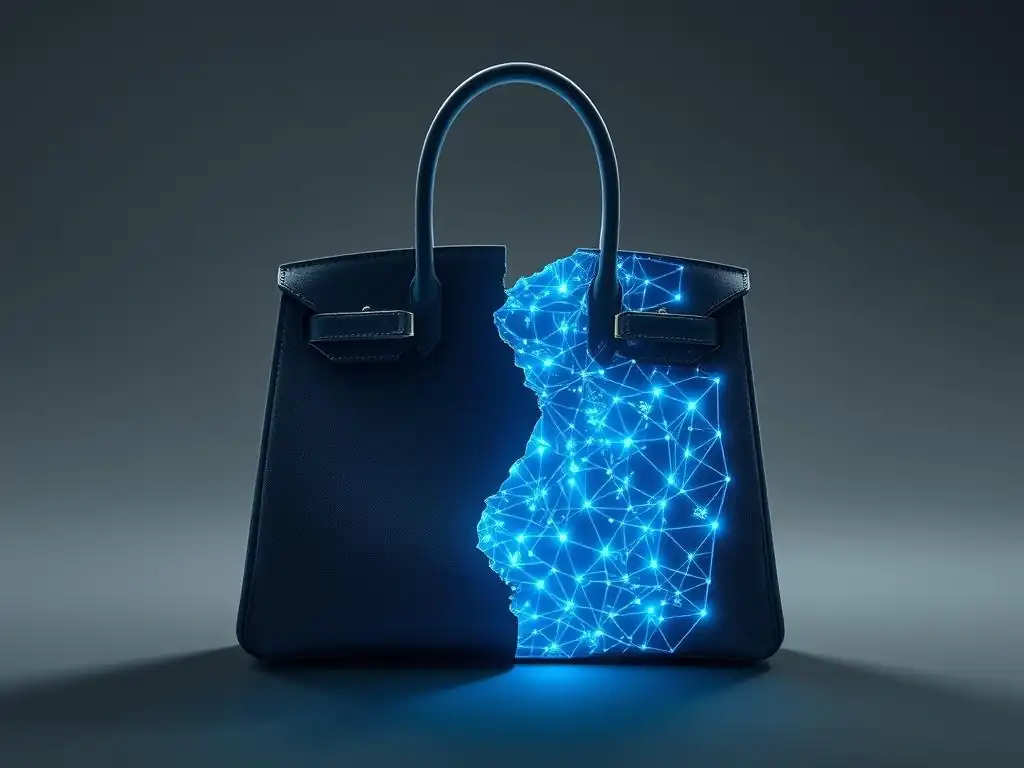
Integration of Decentralized Identifiers (DIDs) in Supply Chains
Integrating Decentralized Identifiers (DIDs) into existing or new supply chain management systems is a crucial step in leveraging blockchain identity combat counterfeits. Each product or batch of products is assigned a unique DID at its point of origin (e.g., manufacturing). This DID acts as the product's digital identity throughout its lifecycle. Physical products can be linked to their DIDs through various methods, such as secure QR codes, NFC tags, or RFID chips embedded in packaging or on the product itself.
As the product moves through the supply chain – from manufacturer to distributor, retailer, and finally to the consumer – key events and attributes can be recorded on the blockchain and associated with the product's DID. This data could include manufacturing details, quality control results, shipping logs, customs clearance, and even temperature or humidity data from IoT sensors. This creates a comprehensive, tamper-proof digital history linked to the product's unique decentralized identity, enabling unprecedented transparency and traceability.
Verifiable Credentials for Authenticity and Ownership Tracking
Verifiable Credentials (VCs) are the mechanism for recording specific claims about a product's identity and journey. An issuer (e.g., the manufacturer) can issue a VC stating, "Product X, with DID [product's DID], was manufactured on [date] at [location] and passed quality inspection." This VC is signed by the issuer and stored, often off-chain for privacy and scalability, with a cryptographic proof (like a hash) recorded on the blockchain linked to the product's DID.
As the product changes hands, new VCs can be issued by different parties (e.g., "Ownership of Product X transferred from Distributor A to Retailer B on [date]"). Consumers can then use a decentralized identity wallet application to scan the product's identifier, retrieve the associated DIDs and VCs (often via service endpoints listed in the DID document), and verify the authenticity and history of the product by checking the cryptographic signatures against the issuer's public key and the on-chain proof.
This system uses verifiable credentials via blockchain identity combat counterfeits by providing cryptographically verifiable claims about the product's legitimacy and history.
Real-World Examples of Blockchain Identity Combat Counterfeits in Action
While specific, detailed data from individual company implementations is often proprietary, the principles of blockchain identity combat counterfeits are being applied in various sectors. For instance, several consortia in the luxury goods sector have explored using blockchain to create digital passports for high-value items like handbags and jewelry. These passports, linked to a decentralized identity for the item, record provenance and ownership transfers, allowing buyers to verify authenticity and legitimate ownership history.
In the pharmaceutical industry, blockchain-based track-and-trace systems are being piloted or implemented to secure the supply chain and combat counterfeit drugs. By assigning unique identifiers (often DIDs or similar blockchain IDs) to drug packages and recording movements on an immutable ledger, regulators, pharmacies, and consumers can verify a drug's legitimacy and ensure it hasn't been tampered with.
Though exact adoption percentages vary by region and specific initiatives, the push towards serialization and verifiable tracking aligns directly with the capabilities offered by decentralized identity on a blockchain. These examples demonstrate the practical application of blockchain identity combat counterfeits across critical industries.
Benefits of Using Blockchain-Based Identity Systems Against Counterfeiting
Increased Transparency and Traceability of Products
One of the most significant benefits of using blockchain-based identity systems is the dramatic increase in transparency and traceability throughout the supply chain. Every step a product takes, from its creation to its final destination, can be recorded on an immutable ledger linked to its unique decentralized identity. This creates an end-to-end visible history that is accessible to authorized parties.
Unlike traditional systems where information might be siloed within individual companies or easily altered, blockchain provides a single, shared, and trustworthy source of truth about a product's journey. This transparency makes it incredibly difficult for counterfeit goods to be introduced undetected, as they would lack the verifiable digital identity and the corresponding chain of legitimate transactions. Enhanced traceability allows companies to quickly identify points of diversion or suspicious activity, strengthening the overall blockchain identity combat counterfeits strategy.
Enhanced Consumer Trust Through Verified Digital Identities
Counterfeiting erodes consumer trust. When consumers purchase goods, especially high-value or safety-critical items, they want assurance of authenticity. Blockchain identity systems provide consumers with a powerful tool to independently verify the legitimacy of their purchases. By simply scanning a product's unique identifier, consumers can access its verifiable history recorded on the blockchain, confirming its origin and journey.
This direct access to verifiable provenance data, secured by cryptography and the immutable nature of the blockchain, builds confidence. Consumers no longer have to solely rely on brand reputation or potentially forgeable physical markers. They can use the product's digital identity to receive cryptographic proof of authenticity from the original manufacturer or other legitimate parties in the supply chain. This empowers consumers and strengthens the bond between brands and their customers, making blockchain identity combat counterfeits a consumer-facing benefit as well.
Reduction of Fraud and Illicit Trade via Decentralized Authentication
The combination of immutable records, decentralized identifiers, verifiable credentials, and smart contracts significantly raises the barrier for fraudulent activities and illicit trade. Counterfeiters rely on opacity and the ability to forge documents or replicate identifiers. A system where every legitimate product has a unique, verifiable digital identity on a transparent, immutable ledger makes these activities far more challenging.
Decentralized authentication means that verification doesn't rely on a single, hackable database but on cryptographic proofs distributed across the network. This reduces single points of failure. Furthermore, the ability to track ownership and transfer of verifiable credentials associated with a product's identity makes it harder to sell stolen or diverted goods without leaving a trace on the ledger. By providing a robust framework for verifiable provenance and decentralized authentication, blockchain identity combat counterfeits by directly undermining the methods used by perpetrators.
Challenges and Future Directions in Blockchain Identity for Counterfeit Prevention
Scalability and Interoperability Issues in Decentralized Identity Networks
While the potential is vast, implementing blockchain identity combat counterfeits solutions at a global scale faces significant technical challenges, particularly regarding scalability and interoperability. Public blockchains, while offering high decentralization, can sometimes have limitations in transaction speed and throughput compared to traditional databases, which can be a bottleneck for tracking billions of individual items in real-time. Private or consortium blockchains can offer higher performance but may sacrifice some degree of decentralization.
Interoperability is another major hurdle. Different industries, companies, or even regions might adopt different blockchain platforms or decentralized identity standards (like various DID methods). Ensuring that a product's identity and verifiable credentials can be seamlessly verified across different networks and systems is essential for a truly global anti-counterfeiting solution. Efforts are underway to develop universal standards and protocols (like those from the W3C DID and Verifiable Credentials working groups), but widespread adoption and bridging between diverse systems remain ongoing challenges.
Regulatory Considerations and Compliance in Identity Management
Navigating the complex landscape of global regulations is critical for the successful deployment of blockchain identity combat counterfeits systems. Identity management, even decentralized identity related to objects, touches upon data privacy laws (like GDPR), supply chain regulations, and industry-specific compliance requirements (e.g., for pharmaceuticals or food).
Questions arise regarding data ownership, the right to be forgotten (which can conflict with blockchain immutability, although storing hashes on-chain and data off-chain linked to DIDs helps mitigate this), and the legal standing of verifiable credentials as proof of authenticity or ownership in different jurisdictions. Companies implementing these solutions must ensure compliance with diverse legal frameworks, which often vary significantly between countries. Collaboration between technology providers, businesses, and regulatory bodies is essential to establish clear guidelines and foster an environment where blockchain identity solutions can thrive legally and effectively.
Emerging Trends: AI Integration and IoT in Blockchain Identity Combat Counterfeits
The future of blockchain identity combat counterfeits is likely to involve the integration of other cutting-edge technologies, particularly Artificial Intelligence (AI) and the Internet of Things (IoT). IoT devices, such as sensors embedded in packaging or transport containers, can collect real-time data about a product's environment (temperature, humidity, shock) or location. This data can be automatically fed into the blockchain and associated with the product's decentralized identity as verifiable credentials, providing richer, dynamic provenance information.
AI can analyze the vast amounts of data generated by these systems – including product identity histories, sensor data, and transaction patterns – to identify anomalies that might indicate counterfeit activity or tampering. For instance, AI could detect unusual routes, unexpected delays, or patterns of verification requests that suggest fraudulent activity. Combining AI-driven analytics with the secure, verifiable data provided by blockchain identity systems creates a powerful, proactive defense mechanism against counterfeiting.
Conclusion: The Transformative Potential of Decentralized Identity in Eradicating Counterfeit Goods
Summary of Blockchain Identity Combat Counterfeits Advantages
The integration of decentralized identity with blockchain technology offers a powerful and potentially transformative approach to combating the global issue of counterfeit goods. By assigning unique, verifiable decentralized identities (DIDs) to products and recording their lifecycle events as cryptographically secured verifiable credentials on an immutable ledger, this technology provides unparalleled transparency and traceability throughout the supply chain.
Key advantages include creating a trustworthy, tamper-proof record of product provenance, enabling automated authentication through smart contracts, and empowering consumers with the ability to independently verify authenticity using verifiable digital identities. This multifaceted approach significantly increases the difficulty and risk for counterfeiters, reduces fraud and illicit trade, and ultimately enhances trust between businesses and consumers. The blockchain identity combat counterfeits framework moves beyond traditional, easily compromised methods to offer a robust, digital solution.
The Path Forward for Enterprises and Regulators in Adopting Decentralized Identity Systems
Realizing the full potential of blockchain identity combat counterfeits requires concerted effort from both enterprises and regulators. For businesses, the path involves piloting and implementing decentralized identity solutions within their supply chains, integrating DIDs and VCs with existing systems, and educating stakeholders, including consumers, on how to use these new verification methods. This requires investment in technology and a willingness to collaborate across industry lines.
For regulators, the challenge lies in developing clear legal frameworks that support the use of decentralized identity and verifiable credentials, ensuring compliance with data protection laws, and fostering interoperability between different systems and jurisdictions. Establishing standards and providing legal clarity will be crucial for widespread adoption. As technology continues to evolve, particularly with the integration of AI and IoT, the capabilities of blockchain identity combat counterfeits will only become more sophisticated, offering a strong defense in the ongoing battle against fake goods.
Frequently Asked Questions
How can decentralized identity (DID) help combat counterfeit goods?
DID offers a secure and verifiable way to establish the provenance of products. Each item can be linked to a unique digital identity, making it harder for counterfeiters to falsify origins and authenticity.
What role does blockchain technology play in creating and managing decentralized identities for this purpose?
Blockchain provides an immutable and transparent ledger for recording and verifying DID information. This ensures the integrity of the data related to product origins and ownership, crucial for fighting counterfeits.
What are the key benefits of using decentralized identity over traditional methods of authentication in combating counterfeit goods?
DID offers enhanced security and privacy compared to traditional methods. It eliminates the need for centralized authorities, reducing the risk of data breaches and providing greater control to users and manufacturers.
Are there any existing real-world examples of companies using DID to fight counterfeit goods?
Yes, several companies are exploring DID to track and verify the authenticity of products, especially in industries like pharmaceuticals and luxury goods. Pilot programs are showing promise in reducing counterfeiting rates.
What are the main challenges to widespread adoption of DID for tackling the issue of counterfeit goods?
Challenges include scalability, interoperability, and the need for industry-wide standards. Educating consumers and businesses about the benefits of DID is also crucial for broader acceptance.
Final Reflection: Empowering Authenticity with Blockchain Identity
The journey through decentralized identity and its potential to combat counterfeit goods reveals a powerful truth: authenticity is not just a desirable attribute, but a fundamental right in a globalized world. The ability to verify the provenance of products, from luxury items to life-saving medications, using blockchain technology represents a paradigm shift in consumer protection and brand integrity. This is no longer a futuristic concept; it's a present-day necessity, addressing the escalating crisis of counterfeit goods that undermines economies and endangers lives.
The impact of decentralized identity extends far beyond simply identifying fake products. It's about restoring trust in the marketplace and empowering consumers to make informed choices. This pursuit of verifiable truth resonates deeply, reminding us that transparency and accountability are the cornerstones of a just and equitable society. Trust is the glue of life. It's the most essential ingredient in effective communication. It's the foundational principle that holds all relationships.
- Stephen Covey. This quote underscores the critical role trust plays, and blockchain identity provides the tools to rebuild that trust in a world increasingly plagued by deception.
Now, consider the implications of this technology in your own life. How can you, as a consumer, a creator, or a business owner, champion the adoption of decentralized identity solutions? The fight against counterfeits is a collective effort, and each of us has a role to play in fostering a future where authenticity prevails. Embrace the power of verifiable truth, demand transparency, and support initiatives that leverage blockchain technology to build a more trustworthy and secure world for all.
Unmask Authenticity: Secure Your Trust!
Thank you for exploring how Decentralized Identity can revolutionize the fight against counterfeit goods. Now that you're equipped with this knowledge, here are some ways to take action:
- Research a product you frequently purchase that is often counterfeited and check if any manufacturers are implementing Decentralized Identity solutions.
- Share this article with your network to raise awareness about how blockchain and Decentralized Identity can verify authenticity.
- Think of a creative way to apply Decentralized Identity to combat counterfeiting in a specific market or industry.
What innovative applications of Decentralized Identity do you see to better protect consumers from counterfeit products? Share your ideas in the comments!
Leave a Reply