
Security Tokens Unveiled: Fractional Ownership and Traditional Finance on Blockchain


Welcome to Blockchain Trends, your compass in the ever-evolving landscape of decentralized innovation. Are you ready to witness how blockchain is reshaping industries far beyond the realm of cryptocurrencies?
Delve into the world of fractional ownership and discover how security tokens are revolutionizing traditional finance. This article unveils the potential of fractional ownership blockchain security tokens, exploring their impact on accessibility, liquidity, and the very fabric of investment. Prepare to have your understanding of asset ownership fundamentally challenged.
- Introduction: Tokenization of Real-World Assets
-
Frequently Asked Questions
- How does fractional ownership work with security tokens on a blockchain?
- What are the key advantages of using blockchain for security tokens representing fractional ownership?
- How do security tokens differ from traditional securities in the context of fractional ownership?
- What are the main regulatory challenges facing fractional ownership blockchain security tokens?
- What is the potential impact of fractional ownership blockchain security tokens on the future of finance?
- Final Reflection: Embracing the Future of Fractional Ownership
- Empower Your Portfolio: Embrace the Security Token Revolution!
Introduction: Tokenization of Real-World Assets
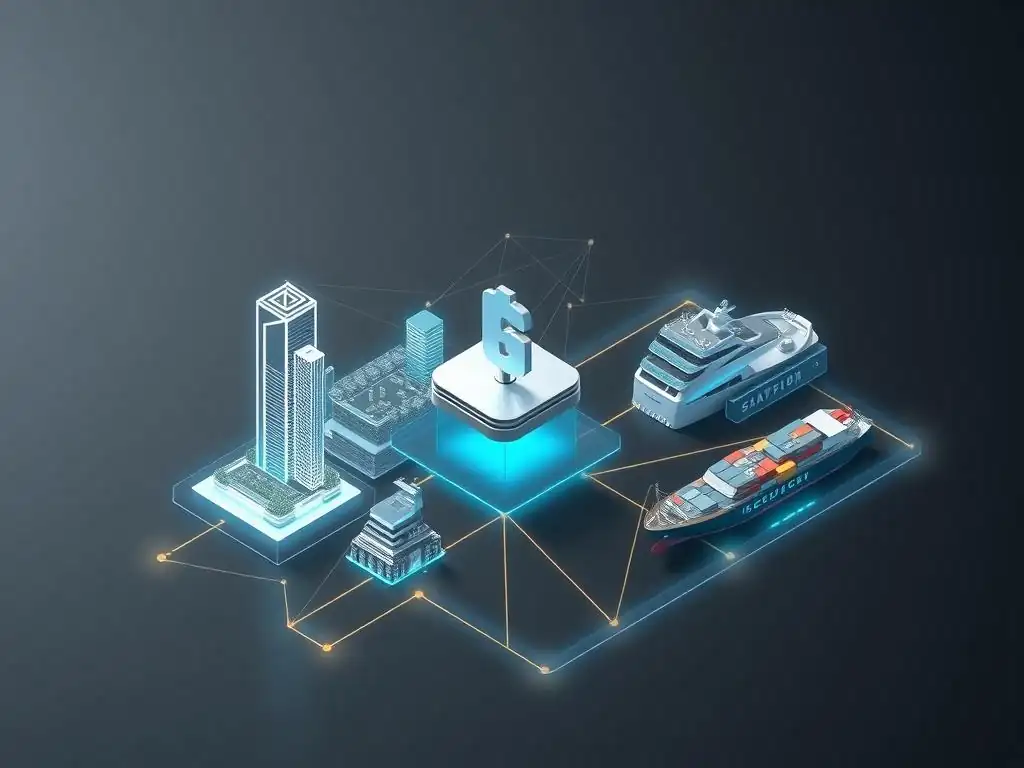
The world of finance is undergoing a significant transformation, driven largely by technological innovation. One of the most impactful forces in this evolution is the tokenization of real-world assets. This process involves representing ownership or rights to physical or intangible assets as digital tokens on a blockchain. Beyond the realm of cryptocurrencies, this application of blockchain technology is opening up new possibilities for investment and asset management, particularly through the concept of fractional ownership blockchain security tokens. This approach aims to democratize access to previously illiquid and exclusive asset classes, making them accessible to a broader range of investors.
Historically, investing in high-value assets like prime real estate, fine art, or private equity funds has been restricted to wealthy individuals and large institutions. Barriers included high minimum investment amounts, complex legal processes, limited liquidity, and lack of transparency. Tokenization, powered by blockchain, offers a promising solution to these challenges. By converting ownership into divisible digital tokens, it allows assets to be bought, sold, and managed more efficiently and transparently, fundamentally changing how value is exchanged and owned in the digital age.
The Convergence of Fractional Ownership and Blockchain
Fractional ownership, the division of ownership rights into smaller, manageable units, has existed in various forms for centuries, from shared property deeds to stock certificates. However, applying this concept to diverse, often illiquid assets like a commercial building or a piece of rare art has traditionally been cumbersome, expensive, and legally complex. Maintaining a clear, immutable record of these fragmented ownership stakes across numerous parties presented significant logistical hurdles.
Blockchain technology provides the ideal infrastructure to overcome these challenges. Its distributed and immutable ledger offers a transparent and secure way to record and track ownership of digital assets. When applied to real-world assets, blockchain enables the creation of security tokens, which are digital representations of ownership rights. These tokens can be easily divided into smaller fractions, allowing multiple investors to collectively own a piece of a high-value asset. This fusion of fractional ownership and blockchain is precisely what gives rise to fractional ownership blockchain security tokens, making previously unattainable investments accessible and manageable for a wider audience.
Growth of Security Tokens in Asset Tokenization
The concept of tokenizing assets is gaining significant traction, moving beyond the speculative phase of initial coin offerings (ICOs) towards regulated and compliant financial instruments. Security tokens are at the forefront of this movement. Unlike utility tokens, which grant access to a service or product, security tokens represent actual ownership or economic rights in an underlying asset, such as equity in a company, debt, or real estate. This inherent link to tangible value, coupled with regulatory compliance, makes security tokens particularly attractive to institutional investors and traditional financial players.
Projections for the growth of the tokenized asset market are substantial. Some estimates suggest that the market for tokenized assets could reach trillions of dollars in the coming years. For instance, a report from the World Economic Forum in 2015 famously suggested that tokenization could represent 10% of global GDP by 2027, a figure that, while ambitious, highlights the perceived scale of this opportunity.
This growth is fueled by the potential for increased liquidity, reduced transaction costs, and enhanced transparency offered by fractional ownership via blockchain. As regulatory clarity improves and infrastructure develops, more diverse asset classes, from infrastructure projects to intellectual property, are expected to be tokenized, further driving the adoption of fractional ownership blockchain security tokens and reshaping investment landscapes.
Frequently Asked Questions
How does fractional ownership work with security tokens on a blockchain?
Fractional ownership via blockchain security tokens allows investors to own a portion of an asset, like real estate or art, that would otherwise be inaccessible due to high cost. These tokens are digital representations of ownership rights recorded on a blockchain.
What are the key advantages of using blockchain for security tokens representing fractional ownership?
Blockchain offers enhanced transparency and security for fractional ownership. It streamlines the trading process and reduces administrative overhead compared to traditional methods, opening up investments to a wider range of participants.
How do security tokens differ from traditional securities in the context of fractional ownership?
Security tokens, unlike traditional securities, are issued and traded on a blockchain, providing increased liquidity and efficiency. They also facilitate automated compliance through smart contracts, simplifying regulatory requirements.
What are the main regulatory challenges facing fractional ownership blockchain security tokens?
The regulatory landscape is still evolving, creating uncertainty around compliance requirements and investor protection. Different jurisdictions have varying approaches, posing challenges for cross-border trading and investment.
What is the potential impact of fractional ownership blockchain security tokens on the future of finance?
Fractional ownership security tokens could democratize access to investment opportunities, disrupting traditional finance by making assets more accessible. This can lead to a more inclusive and efficient financial ecosystem.
Final Reflection: Embracing the Future of Fractional Ownership
The exploration of fractional ownership blockchain security tokens reveals a transformative shift in how we perceive and interact with traditional finance. No longer confined to the elite, ownership opportunities are becoming democratized, fostering a more inclusive and accessible investment landscape. This is not merely a technological advancement; it's a fundamental reshaping of financial power structures.
This paradigm shift is already influencing the cultural and social landscape, empowering individuals to participate in markets previously out of reach. The potential for increased financial literacy and wealth creation across diverse communities is immense, and the ongoing evolution of blockchain technology promises even greater accessibility. The future of finance is decentralized, and security tokens are the key to unlocking that potential.
This quote encapsulates the profound impact these technologies will have on shaping a more equitable financial future.
As we stand on the cusp of this new era, I invite you to reflect on the implications of fractional ownership and blockchain security tokens. Consider how these innovations can empower you, your community, and the world at large. Embrace the opportunity to learn, adapt, and contribute to a future where financial inclusion is not just an ideal, but a tangible reality.
Empower Your Portfolio: Embrace the Security Token Revolution!
Thank you for exploring the world of security tokens with us! We hope you've gained valuable insights into how this innovative technology is transforming traditional finance and creating new opportunities for fractional ownership. Now, it's time to take action and experience the potential of security tokens firsthand.
Here's how you can get started:
- Research available security token offerings on regulated platforms to identify investment opportunities that match your financial goals. This is your chance to put your knowledge into practice.
- Learn about the regulatory environment for security tokens in your region. Understanding compliance is essential for responsible investing.
- Share this article with your network and start a conversation about the future of finance on blockchain. Let’s build a community of informed investors!
Are there any security token projects that have caught your interest? What steps are you taking to evaluate their potential? Share your thoughts in the comments below!
Leave a Reply