
Blockchain for Property Managers: Essential Tools and Strategies for the Digital Age


Welcome to Blockchain Trends, your guide to understanding the revolutionary impact of blockchain technology!
Are you ready to unlock the hidden potential of blockchain property management strategies? Discover how this cutting-edge technology is reshaping the real estate landscape, offering unparalleled benefits in efficiency, transparency, and security. Explore our in-depth analysis to uncover the tools and strategies that will empower you to thrive in the digital age of property management. Intrigued? Let's dive in and explore the transformative possibilities!
Blockchain for Property Managers: Essential Tools and Strategies for the Digital Age
- Introduction: Revolutionizing Property Management with Blockchain Technology
- Key Blockchain Applications in Property Management
- Essential Blockchain Tools for Property Managers
- Implementing Blockchain Property Management Strategies: A Step-by-Step Guide
- Benefits of Blockchain Property Management Strategies: A Detailed Analysis
- Overcoming Challenges in Blockchain Adoption for Property Management
- The Future of Blockchain in Property Management
- Conclusion: Embracing Blockchain for a More Efficient and Transparent Property Management Future.
-
Frequently Asked Questions
- What are the primary benefits of using blockchain in property management?
- How can blockchain improve the management of rental agreements?
- What role does blockchain play in securing property ownership records?
- What are some practical blockchain property management strategies for the digital age?
- What are some potential regulatory hurdles when implementing blockchain in property management?
- Final Reflection: Embracing Transparency in Property Management
- Revolutionize Your Property Management: Step into the Future!
Introduction: Revolutionizing Property Management with Blockchain Technology
The Growing Need for Digital Transformation in Property Management
The property management industry, traditionally reliant on manual processes, paper trails, and fragmented systems, faces increasing pressure to modernize. Owners and tenants alike demand greater transparency, efficiency, and security in how properties are managed, transactions are conducted, and data is handled. This digital imperative is driven by the complexity of managing diverse portfolios, the need for real-time access to information, and the desire to reduce operational costs and mitigate risks associated with fraud or errors. Embracing digital transformation is no longer optional but a strategic necessity for property managers aiming to stay competitive and meet evolving market expectations.
Furthermore, the sheer volume of data generated in property management—from lease agreements and payment histories to maintenance records and vendor contracts—requires robust, secure, and accessible management solutions. Traditional databases can be vulnerable to breaches or single points of failure, while manual record-keeping is prone to human error and inefficiency. The move towards digital platforms offers the promise of streamlined workflows, enhanced communication, and better data utilization, paving the way for innovative blockchain property management strategies benefits that address these critical needs.
Understanding Blockchain Basics for Property Professionals
At its core, blockchain is a distributed, immutable ledger technology that records transactions across many computers. Unlike traditional databases, which are typically centralized, a blockchain's data is spread across a network, making it incredibly difficult to alter or tamper with once recorded. Each new transaction is added as a "block" to a chain of previous transactions, secured by cryptographic principles. This creates a transparent and verifiable history of all activities on the network.
For property professionals, understanding blockchain means recognizing its potential to create trust and transparency in processes that have historically suffered from opacity and reliance on intermediaries. The key features relevant to property management include its immutability (records cannot be changed), transparency (transactions are visible to authorized participants), security (cryptography protects data), and decentralization (no single point of control or failure). These characteristics form the foundation upon which effective blockchain property management strategies benefits can be built, offering novel solutions for everything from title management to tenant interactions.
Exploring the Benefits of Blockchain Property Management Strategies
Implementing blockchain property management strategies offers a multitude of benefits that can fundamentally change how properties are managed. One of the most significant advantages is the increase in transparency and security across all operations. By recording transactions and data on an immutable ledger, disputes over records become less frequent, and the risk of fraud or unauthorized changes is drastically reduced. This builds trust among all parties involved—owners, tenants, managers, and vendors.
Another major benefit is the potential for significant cost reduction and improved efficiency. Blockchain can automate processes through smart contracts, reduce reliance on expensive intermediaries, and streamline administrative tasks like record-keeping and payment processing. These efficiency gains free up resources, allowing property managers to focus on strategic growth and tenant satisfaction. Exploring blockchain property management strategies benefits reveals a path toward a more streamlined, secure, and cost-effective future for the industry.
Key Blockchain Applications in Property Management
Streamlining Property Transactions with Blockchain
Blockchain technology holds immense potential to simplify and accelerate the often complex process of buying and selling real estate. By tokenizing property assets, ownership can be represented by digital tokens on a blockchain, allowing for fractional ownership and easier transfer. This process can reduce the time it takes to close a property deal from weeks or months down to days, or even hours, in some cases, by automating verification and transfer steps that currently require significant manual effort and coordination among multiple parties.
Moreover, smart contracts can automate key stages of the transaction process, such as escrow payments or title transfers, based on predefined conditions being met. This not only speeds up the process but also reduces the risk of human error and ensures that all parties adhere to the agreed-upon terms without the need for constant oversight. The application of blockchain property management strategies benefits property transactions by creating a more liquid, transparent, and efficient market.
Secure and Transparent Property Title Management
Managing property titles traditionally involves complex, paper-based systems and centralized registries that can be prone to errors, loss, or fraud. Blockchain offers a revolutionary alternative by creating a secure, decentralized, and immutable digital record of property ownership. Once a title is registered on a blockchain, its history and current ownership are transparently recorded and accessible to authorized parties on the network.
This digital approach drastically reduces the possibility of title fraud or disputes arising from conflicting ownership claims. Every change in ownership or lien is timestamped and recorded on the ledger, providing an unalterable audit trail. Estimates suggest that blockchain-based title management could reduce the time and cost associated with title searches and insurance by up to 30%, while significantly increasing the security and reliability of property records. Implementing blockchain property management strategies benefits title management through enhanced integrity and accessibility.
Facilitating Faster and More Efficient Real Estate Deals
The traditional real estate transaction process is notorious for its delays, involving multiple intermediaries such as banks, lawyers, title companies, and escrow agents. Each step, from offer acceptance to closing, adds time and cost. Blockchain can streamline this by enabling peer-to-peer transfers of property tokens and automating conditional steps via smart contracts. For instance, a smart contract can be programmed to release funds from escrow automatically once the digital title token has been successfully transferred to the buyer's wallet.
Early pilot projects and platforms exploring blockchain in real estate have demonstrated the potential to cut transaction times by 50% or more. For example, a property sale that might typically take 45-60 days could potentially be completed in less than two weeks using a well-implemented blockchain system. This efficiency gain is a significant benefit of adopting blockchain property management strategies, making real estate transactions faster, less cumbersome, and potentially less expensive for all parties involved.
Enhancing Rental Agreements and Tenant Management with Blockchain
Managing rental properties involves numerous interactions between managers, landlords, and tenants, from lease signing and rent collection to maintenance requests and communication. Blockchain technology, particularly through the use of smart contracts, can automate and secure many of these processes, leading to improved efficiency and clearer communication. Smart contracts ensure that the terms of the lease are automatically enforced based on predefined conditions, reducing the need for manual intervention and potential disputes.
Beyond automation, blockchain can enhance tenant management by providing a secure platform for identity verification and background checks, potentially reducing the risk of renting to unqualified individuals. It can also create a transparent record of tenant interactions, payment history, and maintenance requests, accessible to authorized parties. These applications demonstrate how blockchain property management strategies benefits extend directly to improving the rental experience for both managers and tenants.
Smart Contracts for Automated Rent Collection and Lease Enforcement
Smart contracts offer a powerful tool for automating key aspects of the rental agreement. A lease agreement can be coded into a smart contract on a blockchain, specifying terms such as rent amount, due date, lease duration, and conditions for late fees or lease termination. The contract can be linked to digital wallets, allowing for automated rent payments on scheduled dates. If a payment is missed, the smart contract can automatically trigger predetermined actions, such as sending late payment notifications or calculating late fees, without manual input from the property manager.
This automation significantly reduces the administrative burden of tracking payments and enforcing lease terms. It also increases predictability and transparency for tenants, as the rules are explicitly coded and executed automatically. While full adoption is still nascent, platforms are exploring these capabilities, with some reporting potential reductions in late payments by automating reminders and collection processes. Implementing smart contracts is a core component of effective blockchain property management strategies, driving efficiency in financial operations.
Improved Tenant Screening and Verification Processes
Tenant screening is a critical step in minimizing risk for property managers and owners. Traditional screening involves manual checks of credit reports, background checks, and rental history, often requiring tenants to provide sensitive personal information to multiple potential landlords or managers. Blockchain can improve this process by creating a secure, consent-based system for verifying tenant information. Tenants could potentially control their verified identity and history data on a blockchain, granting temporary, read-only access to prospective property managers.
This approach enhances data privacy for tenants while providing property managers with reliable, verified information directly from trusted sources (like credit bureaus or previous landlords who have registered on the network). A decentralized identity system on a blockchain could reduce the time spent on manual verification and decrease the likelihood of fraudulent applications. While still in early development, integrating blockchain into tenant screening is a promising aspect of future blockchain property management strategies benefits, enhancing security and efficiency.
Optimizing Property Maintenance and Operations Through Blockchain
Managing property maintenance involves coordinating requests from tenants, scheduling repairs, managing vendors, and processing payments. These processes can be inefficient and lack transparency, leading to delays, disputes, and dissatisfied tenants. Blockchain technology can optimize property maintenance and operations by providing a transparent and immutable ledger for tracking maintenance activities and securing related payments and contracts.
By recording maintenance requests, work orders, completion confirmations, and payment details on a blockchain, all parties involved—tenant, property manager, and vendor—have access to a single, verifiable source of truth. This reduces confusion, ensures accountability, and streamlines communication. Optimizing these operational aspects is a key benefit derived from adopting blockchain property management strategies.
Tracking Maintenance Requests and Repairs on a Decentralized Ledger
When a tenant submits a maintenance request, it can be logged onto a blockchain ledger. The property manager can then assign the request to a specific vendor, and the progress of the repair (e.g., vendor accepted job, work started, work completed) can be updated on the ledger. Tenants and managers can potentially verify completion via a simple digital confirmation recorded on the chain. This creates a transparent history of all maintenance activities for a property, easily auditable and accessible.
This system eliminates the need for paper work orders or relying solely on emails and phone calls, which can be lost or disputed. It provides clear timestamps and records of who did what and when, improving accountability for vendors and providing tenants with visibility into the status of their requests. Such a system enhances efficiency and trust, showcasing the practical benefits of blockchain property management strategies in daily operations.
Managing Vendor Payments and Contracts Securely
Blockchain and smart contracts can also revolutionize how property managers interact with vendors for maintenance and other services. Vendor contracts can be encoded as smart contracts, specifying terms of service, payment schedules, and conditions for payment release (e.g., confirmation of work completion logged on the blockchain). Payments to vendors can then be automated through the smart contract once the specified conditions are met.
This automation reduces the administrative overhead associated with processing invoices and making manual payments. It also provides vendors with greater certainty regarding payment terms and timeliness, as the process is governed by the immutable rules of the smart contract. Using blockchain for vendor management adds a layer of security and transparency to financial transactions, further highlighting the comprehensive blockchain property management strategies benefits.
Essential Blockchain Tools for Property Managers
Blockchain-Based Property Management Platforms
Several platforms are emerging that leverage blockchain technology to offer more secure, transparent, and efficient property management services. These platforms often combine traditional property management functionalities (like tenant communication, rent tracking, and maintenance requests) with blockchain-specific features such as smart contracts for leases, tokenized property ownership, or secure data storage. Adopting such a platform is a key step in implementing comprehensive blockchain property management strategies.
Examples of platforms exploring or integrating blockchain concepts include ManageGo and Rentberry, among others. While the level of true decentralization and blockchain integration varies, they represent the industry's move towards leveraging distributed ledger technology to solve long-standing problems in property management. Evaluating and choosing the right platform is crucial for property managers looking to harness blockchain property management strategies benefits effectively.
ManageGo: Features and Functionality
ManageGo is a property management platform that has explored the integration of blockchain technology, particularly focusing on streamlining payments and improving security. While primarily known for its robust online payment system, maintenance tracking, and communication tools, ManageGo has publicly discussed leveraging blockchain for enhanced payment security, transparency, and potentially for tracking maintenance records immutably.
The platform's core functionality includes online rent payments (often integrating various payment methods, including potentially cryptocurrency in the future), digital lease signing, tenant screening, and a system for managing maintenance requests and vendor payments. By incorporating blockchain principles, ManageGo aims to offer a higher level of trust and efficiency, making it easier for property managers to handle financial transactions and critical data with greater confidence. It represents an example of a platform moving towards incorporating blockchain property management strategies benefits into existing workflows.
Rentberry: Features and Functionality
Rentberry is another platform in the rental space that has explored the use of blockchain technology, particularly in the context of long-term rentals and the application process. Rentberry aims to simplify the rental process for both tenants and landlords through online applications, tenant screening, and digital lease agreements. Their vision involves using blockchain to enhance transparency and security in rental applications and potentially manage rental payments through smart contracts.
The platform's features typically include tools for creating property listings, managing inquiries, collecting rental applications and screening information, and facilitating the lease signing process digitally. By considering blockchain integration, Rentberry seeks to provide a more verifiable and secure way to handle sensitive applicant data and automate rental agreements, aligning with the broader goals of implementing blockchain property management strategies for increased efficiency and trust.
Decentralized Property Listing Services
Traditional property listing services are often centralized platforms controlled by specific companies, sometimes involving significant fees for agents or brokers. Decentralized property listing services, built on blockchain, aim to disrupt this model by creating peer-to-peer marketplaces where property owners can list their properties directly and potential buyers or renters can find them without relying on traditional intermediaries.
These platforms leverage the transparency and immutability of blockchain to ensure that listing information is accurate and cannot be easily manipulated. They can also facilitate direct communication and negotiation between parties, potentially reducing transaction costs and increasing efficiency in the initial stages of real estate deals. Exploring decentralized listing services is part of the evolving landscape of blockchain property management strategies.
Connecting Buyers and Sellers Directly
Decentralized listing platforms empower property owners to list their properties directly onto a blockchain network, accessible to potential buyers or renters worldwide. This cuts out traditional gatekeepers and can facilitate direct communication and negotiation. Smart contracts can potentially be used to handle initial agreements or earnest money deposits transparently.
This direct connection streamlines the search and initial engagement process, reducing reliance on third-party portals that may charge high fees or control the flow of information. While still in relatively early stages compared to established platforms, these decentralized services offer a glimpse into a future where property transactions begin on a transparent, peer-to-peer network, showcasing a key aspect of blockchain property management strategies benefits.
Reducing Reliance on Traditional Real Estate Agents
By enabling direct connections and providing tools for managing listings and initial inquiries, decentralized platforms can potentially reduce the need for traditional real estate agents or brokers, particularly for straightforward transactions. While agents provide valuable services like market expertise and negotiation skills, the high commission rates (often 5-6% of the property value) are a significant cost in real estate transactions.
Blockchain-based platforms aim to lower these costs by providing the infrastructure for direct deals. This doesn't necessarily mean the elimination of agents, but rather the potential for their roles to evolve or for consumers to have more options for lower-cost transactions for certain types of properties. The potential for cost savings through reduced intermediary fees is a significant benefit of adopting blockchain property management strategies.
Smart Contract Development Tools for Property Management
Implementing smart contracts for leases, maintenance agreements, or property transactions requires specialized tools for development, testing, and deployment. These tools allow developers (or increasingly, platforms with user-friendly interfaces) to write the code for smart contracts, define their conditions and actions, and deploy them onto a chosen blockchain network (like Ethereum, Binance Smart Chain, or others optimized for smart contracts).
Access to reliable smart contract development tools is essential for property managers or technology partners looking to build custom blockchain solutions tailored to their specific needs. These tools often include integrated development environments (IDEs), testing frameworks, and deployment managers to ensure the smart contracts are secure, functional, and interact correctly with the blockchain ledger. Mastering these tools is vital for unlocking the full potential of blockchain property management strategies benefits.
Creating Custom Smart Contracts for Specific Property Needs
While some platforms offer pre-built smart contract templates for common use cases like lease agreements or rent payments, property managers may have unique requirements that necessitate custom smart contract development. For example, a manager might need a smart contract to handle complex revenue sharing arrangements for a commercial property, automate specific maintenance workflows, or manage fractional ownership shares for a portfolio of properties.
Custom development allows for greater flexibility and tailoring blockchain solutions precisely to business needs. This requires working with developers proficient in smart contract languages (like Solidity for Ethereum) and understanding the specific logic and conditions required for the property management context. The ability to create bespoke solutions is a powerful advantage offered by blockchain property management strategies.
Ensuring Security and Compliance in Smart Contract Development
Smart contracts, once deployed on a blockchain, are immutable, meaning they cannot be changed. This makes security paramount. Any bug or vulnerability in the code could potentially lead to significant financial losses or unintended consequences. Therefore, rigorous testing, auditing by security experts, and following best practices in smart contract development are absolutely crucial.
Furthermore, smart contracts must be designed with legal and regulatory compliance in mind. While blockchain technology offers new capabilities, it must operate within existing legal frameworks regarding property law, tenant rights, and financial regulations. Ensuring that smart contracts accurately reflect legal agreements and comply with local laws is a complex but necessary step to safely implement blockchain property management strategies.
Implementing Blockchain Property Management Strategies: A Step-by-Step Guide
Implementing blockchain property management strategies requires careful planning and execution. It's not a technology that can simply be plugged in; it often involves rethinking existing processes and integrating new systems. A phased approach typically yields the best results, starting with an assessment of current operations and identifying specific areas where blockchain can deliver the most impactful benefits.
The process involves choosing the right technology partners or platforms, integrating the blockchain solution with existing property management software, and crucially, training staff on how to use the new systems. Successfully navigating these steps is key to unlocking the promised efficiency, transparency, and security benefits of blockchain property management strategies.
Assessing Your Current Property Management Processes
Before adopting any new technology, it's essential to have a clear understanding of your current property management workflows, pain points, and inefficiencies. This involves mapping out processes for everything from tenant onboarding and rent collection to maintenance management and financial reporting. Identify areas where manual effort is high, transparency is lacking, disputes are common, or data security is a concern.
For example, you might discover that reconciling rent payments across multiple properties takes hours each week, or that tracking the status of maintenance requests across different vendors is chaotic. Pinpointing these specific issues will help determine where blockchain solutions can provide the most value and justify the investment. A thorough assessment provides the necessary foundation for developing effective blockchain property management strategies.
Identifying Areas Where Blockchain Can Provide the Most Value
Based on your assessment, identify the specific functions within your property management operations that are best suited for blockchain implementation. High-value areas often include processes requiring significant trust, transparency, or automation, such as rent collection, security deposit management, lease agreements, maintenance tracking, or secure document storage.
Consider starting with a pilot program in a specific area, like automating rent collection for a small portfolio of properties using smart contracts, or implementing a blockchain-based system for tracking maintenance requests for a single building. Focusing on areas with clear pain points and measurable outcomes will help demonstrate the value of blockchain technology and build confidence before scaling adoption across your entire operation. This targeted approach maximizes the potential blockchain property management strategies benefits.
Choosing the Right Blockchain Solutions for Your Business
Selecting the appropriate blockchain platform or service provider is a critical decision. Options range from using existing blockchain-based property management platforms (like those discussed earlier) to building custom solutions on public or private blockchain networks. The choice depends on your specific needs, technical capabilities, budget, and desired level of customization.
Evaluate potential solutions based on factors such as their features relevant to property management, ease of integration with existing systems, security track record, scalability, cost-effectiveness, and the vendor's expertise and support. Researching case studies and consulting with technology experts familiar with blockchain in real estate can help inform your decision and ensure you select solutions aligned with your blockchain property management strategies.
Integrating Blockchain Technology into Existing Systems
Most property management companies use existing software systems (e.g., for accounting, tenant portals, maintenance scheduling). Integrating a new blockchain layer or platform with these legacy systems is a key technical challenge. This often requires developing APIs (Application Programming Interfaces) to allow data to flow securely and accurately between the traditional systems and the blockchain network.
Smooth integration is essential to avoid disrupting existing workflows and to ensure that data remains consistent across all platforms. This step may require significant technical expertise and potentially involve working closely with your current software vendors and the blockchain solution provider. Successful integration is vital for realizing the seamless blockchain property management strategies benefits.
Training Your Staff on Blockchain Property Management Principles
Technology adoption is only successful if the people using it are properly trained and understand its value. Property managers, administrative staff, and even maintenance personnel may need training on how the new blockchain-based systems work, why the technology is being implemented, and how it changes their daily tasks.
Training should cover the basics of blockchain relevant to their roles, how to use the new platform or tools, and the benefits it brings to their work and the overall business. Addressing potential concerns and highlighting how blockchain simplifies processes or improves security can help gain staff buy-in and ensure a smooth transition. Effective training is a cornerstone of successfully implementing blockchain property management strategies.
Benefits of Blockchain Property Management Strategies: A Detailed Analysis
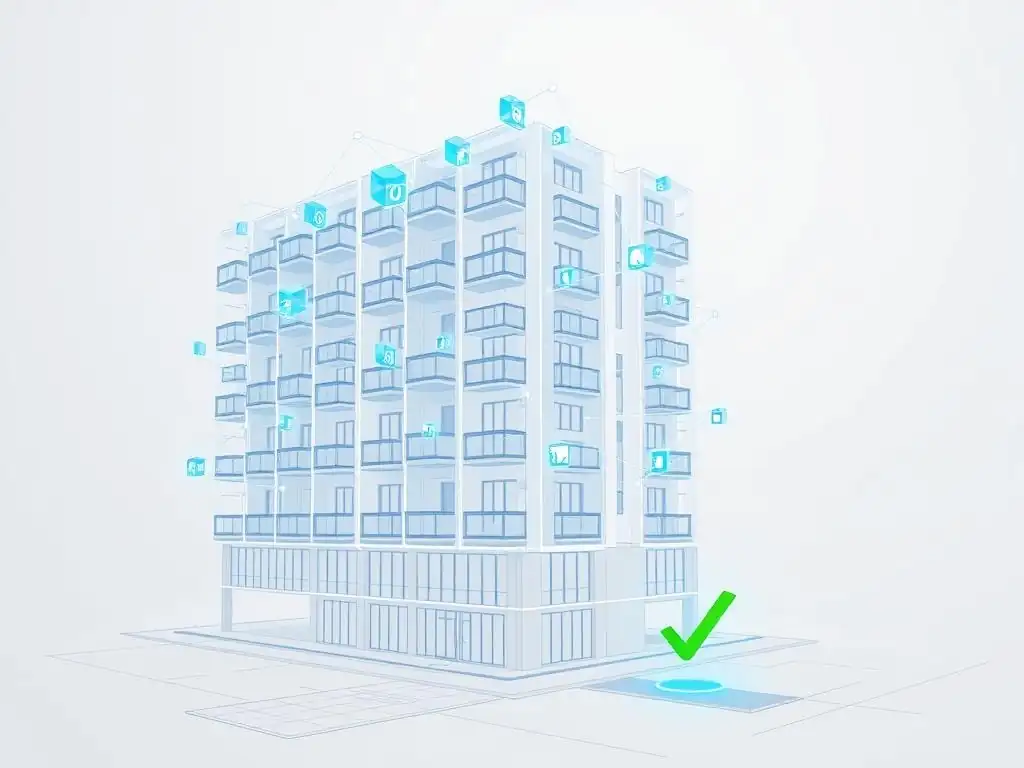
Adopting blockchain property management strategies unlocks significant advantages for property managers, owners, and tenants. These benefits span increased operational efficiency, enhanced security, greater transparency, and improved relationships among stakeholders. Analyzing these benefits provides a clear picture of the transformative potential of this technology in the real estate sector.
From automating routine tasks with smart contracts to securing sensitive data on an immutable ledger, the benefits of blockchain property management strategies are tangible and impactful. They position early adopters to gain a competitive edge in a market increasingly demanding digital solutions and higher standards of service.
Increased Transparency and Security in Property Transactions
One of the most compelling benefits of blockchain property management strategies is the significant boost in transparency and security, particularly in property transactions. By recording every step of a transaction—from listing to offer, acceptance, financing, and title transfer—on a distributed, immutable ledger, a comprehensive and verifiable history is created. This means all authorized parties can see the status of the transaction in near real-time, reducing information asymmetry and building trust.
The cryptographic security of blockchain makes it extremely difficult for unauthorized parties to alter records, drastically reducing the risk of fraud, forged documents, or title disputes. Unlike traditional systems where records might be siloed or susceptible to manipulation, blockchain provides a single source of truth that is resistant to tampering. This enhanced security protects against significant financial risks associated with fraudulent activities, estimated to cause billions in losses annually in the real estate market globally.
Reduced Costs and Improved Efficiency in Property Operations
Implementing blockchain property management strategies can lead to substantial cost reductions and efficiency gains across various operational areas. Automating tasks like rent collection, late fee application, and security deposit releases through smart contracts minimizes manual administrative work, freeing up staff time. This automation can reduce processing times for payments and administrative tasks by 20-40% in some cases.
Furthermore, blockchain can reduce reliance on intermediaries whose services come at a cost. For instance, streamlining transactions may reduce fees paid to escrow agents or title companies. Secure, transparent record-keeping on the blockchain can also reduce the administrative overhead associated with auditing, reconciliation, and dispute resolution. Overall, the operational efficiencies gained contribute directly to the bottom line, making blockchain property management strategies benefits clear from a financial perspective.
Enhanced Tenant and Landlord Relationships Through Smart Contracts
Smart contracts powered by blockchain can significantly improve the relationship between tenants and landlords or property managers by establishing clear, automated, and transparent terms for rental agreements. When the rules for rent payments, late fees, maintenance requests, and security deposit returns are coded into a smart contract, there is less room for misunderstanding or disputes over the terms.
For example, a smart contract can automatically release a security deposit back to a tenant upon lease termination, provided predefined conditions (like property inspection confirmation logged on the blockchain) are met. This removes ambiguity and potential for disputes often associated with deposit returns. Automated, timely rent collection and clear records of interactions foster trust and professionalism, enhancing overall tenant satisfaction and landlord-manager relationships – a crucial benefit of blockchain property management strategies.
Improved Data Management and Record Keeping
Property management involves managing vast amounts of sensitive data, including tenant personal information, financial records, lease documents, and maintenance histories. Traditional data management systems can be fragmented, difficult to audit, and vulnerable to breaches. Blockchain offers a superior method for secure, organized, and verifiable record keeping.
By storing hashes (digital fingerprints) of important documents and transaction details on an immutable ledger, blockchain ensures the integrity and authenticity of records. This makes audits simpler, reduces the risk of data loss or manipulation, and provides a single, reliable source of truth for all property-related information. Improved data management through blockchain property management strategies leads to better decision-making, enhanced compliance, and reduced administrative burden.
Gaining a Competitive Edge in the Digital Real Estate Market
As the real estate market increasingly shifts towards digital solutions, adopting blockchain property management strategies provides early movers with a significant competitive advantage. Offering services that are more transparent, secure, and efficient than competitors using traditional methods can attract tech-savvy owners and tenants.
Highlighting the use of blockchain can serve as a powerful differentiator, signaling innovation and a commitment to leveraging cutting-edge technology for better service delivery. This can lead to increased market share, stronger client relationships, and a reputation as a forward-thinking leader in the property management space. The strategic benefits of blockchain property management strategies extend beyond operations to market positioning and growth.
Overcoming Challenges in Blockchain Adoption for Property Management
While the benefits of blockchain property management strategies are compelling, the path to widespread adoption is not without its challenges. These challenges span technical hurdles, regulatory uncertainties, the need for industry-wide collaboration, and the inherent complexities of integrating a new technology into an established sector. Addressing these obstacles is crucial for successful implementation.
Overcoming these challenges requires careful planning, investment in technology and education, and potentially collaboration with industry bodies and regulators. Recognizing and actively working to mitigate these issues is essential for property managers looking to successfully leverage blockchain technology.
Addressing Regulatory Uncertainty Surrounding Blockchain Technology
Regulatory frameworks around blockchain technology, cryptocurrencies, and smart contracts are still evolving in many jurisdictions worldwide. This uncertainty can create legal ambiguities regarding the enforceability of smart contracts as legal agreements, the classification of tokenized real estate assets, and compliance with existing property laws, financial regulations (like KYC/AML), and data privacy rules (like GDPR).
Property managers adopting blockchain must navigate this complex and changing legal landscape. This may involve consulting with legal experts familiar with both real estate and blockchain law, participating in industry discussions with regulators, and ensuring that blockchain solutions are designed with compliance in mind. The lack of clear, harmonized regulations remains a significant hurdle that requires careful consideration when developing blockchain property management strategies.
Ensuring Data Privacy and Security in a Decentralized Environment
While blockchain offers enhanced security through cryptography and immutability, ensuring data privacy within a transparent, decentralized system presents unique challenges, particularly when dealing with sensitive personal information of tenants and owners. Public blockchains are inherently transparent, which can conflict with privacy requirements. Private or permissioned blockchains offer more control over data visibility but require careful management.
Property managers must design blockchain solutions that comply with data privacy regulations (like GDPR in Europe or CCPA in California), which often require the ability to delete or modify personal data – something difficult to achieve on an immutable ledger. Strategies include storing sensitive data off-chain while using the blockchain to store verifiable hashes or references, and implementing strong access controls. Balancing transparency with privacy is a key technical and legal challenge for blockchain property management strategies.
Integrating Blockchain with Legacy Systems
As mentioned earlier, integrating new blockchain platforms with existing property management software (such as accounting systems, CRM databases, or maintenance management tools) is a significant technical challenge. Many legacy systems are not designed for easy interoperability with distributed ledger technology, requiring custom development of APIs and data connectors.
This integration process can be complex, time-consuming, and expensive, requiring significant technical expertise. Ensuring seamless data flow and consistency between systems is vital to avoid operational disruptions and maintain data integrity. The difficulty of integrating with entrenched legacy infrastructure is a practical barrier to widespread adoption of blockchain property management strategies.
Educating Stakeholders About the Benefits of Blockchain
One of the biggest non-technical challenges is educating and gaining buy-in from all stakeholders, including property owners, tenants, staff, and vendors. Many people are unfamiliar with blockchain or associate it solely with volatile cryptocurrencies, leading to skepticism or mistrust. Explaining the technology's value proposition in clear, non-technical terms is essential.
Property managers need to communicate how blockchain enhances security, transparency, and efficiency, and how it directly benefits each group (e.g., faster transactions for owners, easier rent payments for tenants, streamlined workflows for staff). Providing training and demonstrations can help build confidence and encourage adoption. Overcoming this knowledge gap is crucial for the successful implementation of blockchain property management strategies.
Scalability and Transaction Costs Considerations
While blockchain technology is advancing rapidly, some networks can face challenges with scalability, meaning their ability to handle a high volume of transactions quickly and cost-effectively. This is particularly true for some public blockchains which can experience network congestion and high transaction fees (gas costs) during peak times.
For property management operations that involve frequent, small transactions (like daily rent payments or maintenance requests), scalability and transaction costs are important considerations. Choosing a blockchain network or platform that offers high throughput and low transaction fees is crucial for practical implementation. Evaluating the scalability and cost-effectiveness of different blockchain options is a necessary step in developing viable blockchain property management strategies.
The Future of Blockchain in Property Management
The integration of blockchain technology into property management is still in its early stages, but its potential to transform the industry is vast. Looking ahead, we can anticipate further evolution in how properties are managed, transacted, and experienced, driven by continued innovation in decentralized technologies. The future promises more integrated platforms, novel ownership models, and potentially more equitable housing solutions leveraging blockchain.
The ongoing development of more user-friendly tools, clearer regulatory guidance, and increasing industry adoption will likely accelerate the pace of change. Exploring the emerging trends and possibilities provides insight into the long-term impact of blockchain property management strategies.
Emerging Trends in Blockchain Real Estate
Several key trends are shaping the future of blockchain in real estate and property management. One major trend is the increasing tokenization of real estate assets, allowing for fractional ownership and greater liquidity. This could make real estate investment more accessible to a wider range of investors and simplify portfolio management for large owners. Another trend is the development of more sophisticated smart contracts that can handle complex lease terms, property financing arrangements, and even automated property management tasks.
We are also seeing the rise of decentralized autonomous organizations (DAOs) exploring property investment and management, where decisions are made collectively by token holders. Furthermore, the integration of blockchain with other technologies like IoT (Internet of Things) for smart building management and AI for data analysis is on the horizon, promising even greater efficiency and automation in property operations. These emerging trends highlight the dynamic future of blockchain property management strategies.
The Potential for Decentralized Autonomous Organizations (DAOs) in Property Management
Decentralized Autonomous Organizations (DAOs) represent a fascinating potential future model for property ownership and management. In a property DAO, ownership of a real estate asset or portfolio is tokenized, and decisions regarding the property (e.g., setting rental rates, approving maintenance projects, selling the asset) are made through a voting process by the token holders according to rules encoded in smart contracts.
This model could decentralize property ownership and management, offering greater transparency and direct participation for investors. While still largely experimental, property DAOs could potentially reduce the need for traditional management structures by automating governance and decision-making processes on the blockchain. This is a cutting-edge area exploring the full decentralized potential of blockchain property management strategies.
The Role of Blockchain in Creating More Sustainable and Equitable Housing Markets
Blockchain technology could also play a role in addressing challenges related to housing affordability and equity. By reducing transaction costs and increasing transparency, blockchain could potentially lower the barriers to entry for both property ownership and investment. Tokenization could enable community ownership models or facilitate impact investing in affordable housing projects.
Furthermore, blockchain's ability to create immutable records of property conditions, energy usage (when combined with IoT), and maintenance history could support green building initiatives and provide transparency around sustainability efforts. While not a standalone solution, blockchain technology offers tools and frameworks that could contribute to building more sustainable, transparent, and equitable housing markets as part of broader blockchain property management strategies.
Predictions for the Evolution of Blockchain Property Management
Looking ahead, it's likely that blockchain technology will become increasingly integrated into mainstream property management software over the next 5-10 years. We can expect to see more user-friendly platforms that abstract away the technical complexities of blockchain, making it accessible to a wider range of property managers. Smart contracts for leases and payments will likely become more common, driven by the need for efficiency and transparency.
Tokenization of real estate assets is also poised for significant growth, potentially creating new investment opportunities and liquidity in the market. Regulatory clarity is expected to improve, providing a more stable environment for innovation. While a complete overhaul of the industry won't happen overnight, the foundational benefits of security, transparency, and efficiency offered by blockchain property management strategies will likely drive its steady evolution and adoption.
Conclusion: Embracing Blockchain for a More Efficient and Transparent Property Management Future.
Frequently Asked Questions
What are the primary benefits of using blockchain in property management?
Blockchain offers enhanced transparency in property transactions, improved security against fraud, and streamlined efficiency in processes like rent collection and lease agreements.
How can blockchain improve the management of rental agreements?
Smart contracts on the blockchain can automate the terms and conditions of rental agreements, ensuring automatic rent payments and reducing the need for intermediaries. This creates a trusted and immutable record.
What role does blockchain play in securing property ownership records?
Blockchain creates a decentralized and tamper-proof ledger for property titles, making it difficult to forge or alter ownership records, thus reducing fraud and disputes.
What are some practical blockchain property management strategies for the digital age?
Implementing tokenized real estate for fractional ownership, utilizing blockchain for secure tenant screening, and using smart contracts for automated maintenance requests are key strategies.
What are some potential regulatory hurdles when implementing blockchain in property management?
Existing property laws and regulations may need adjustments to accommodate blockchain-based systems. Data privacy concerns and the lack of standardization across jurisdictions also pose challenges.
Final Reflection: Embracing Transparency in Property Management
The exploration of blockchain technology within property management reveals more than just innovative tools; it unveils a fundamental shift towards enhanced transparency and efficiency in an industry ripe for disruption. The potential to streamline processes, reduce fraud, and foster trust between landlords and tenants is not merely a futuristic concept, but a tangible reality unfolding today.
The transformative power of blockchain is already subtly reshaping the cultural landscape of property ownership and management. Witnessing this evolution firsthand underscores the critical need for adaptability and forward-thinking strategies. The future belongs to those who believe in the beauty of their dreams.
- Eleanor Roosevelt. This quote resonates deeply, reminding us that embracing innovation, even when challenging, is essential for progress and creating a more equitable and efficient system for all stakeholders.
As we stand at the cusp of this technological revolution, I invite you to reflect on how you can integrate these blockchain property management strategies into your own practices. Consider the benefits of increased security, reduced costs, and enhanced transparency. The future of property management is being written now, and your active participation will shape its narrative. Embrace the change, explore the possibilities, and contribute to a more efficient and trustworthy future for the industry.
Revolutionize Your Property Management: Step into the Future!
Thank you for exploring how blockchain is transforming property management. We hope you've gained valuable insights into leveraging this innovative technology to streamline your operations and enhance efficiency. Now, it's time to put that knowledge into action.
Here are some steps to get started:
- Implement a pilot program: Begin by applying blockchain technology to a specific property or process, such as digital lease agreements or secure rent payments. This approach allows you to understand the technology better and showcase its benefits before expanding further.
- Join the conversation: Share your experiences and ideas with other property managers in online forums or industry groups to learn from peers and discover new strategies.
- Explore potential partnerships: Research providers that offer blockchain solutions tailored for real estate and property management to see how they can assist in integrating blockchain into your existing systems.
Are you ready to take the first step and see how blockchain can transform your property management business? Let us know which blockchain application excites you the most in the comments below!
Leave a Reply