
Decentralizing Green Energy: How Blockchain Transforms Renewable Energy Markets

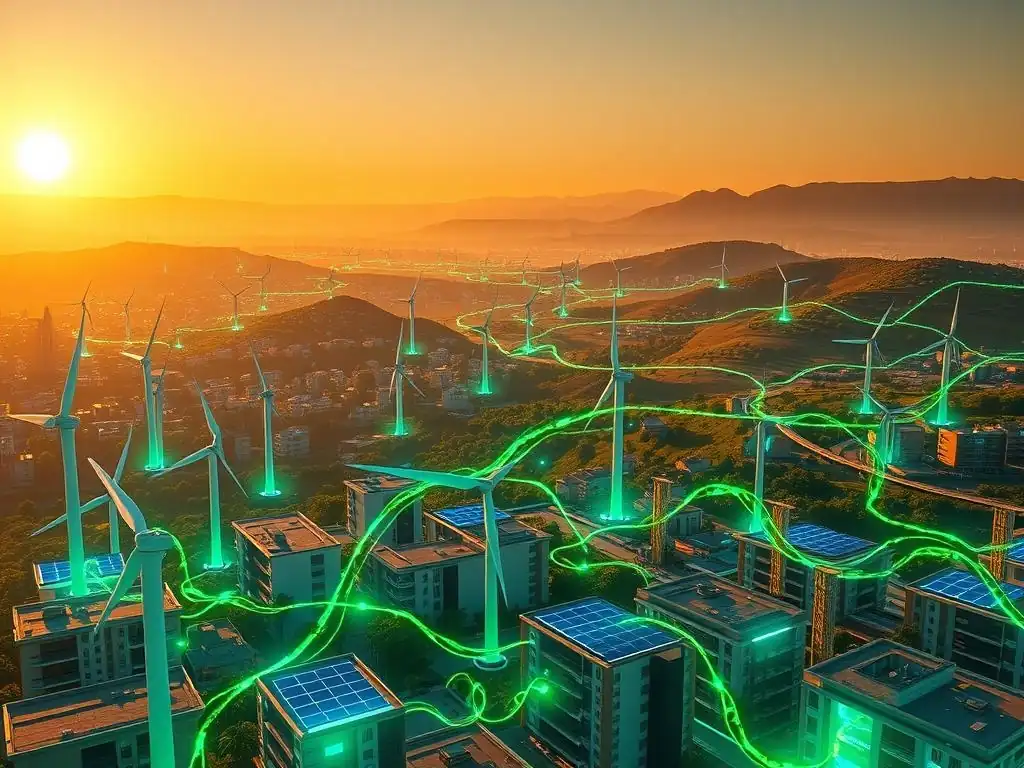
Welcome to Blockchain Trends, your compass in navigating the rapidly evolving world of decentralized technologies. Are you ready to witness the transformative power of blockchain extending far beyond digital currencies? This week, we delve into a groundbreaking application you might not have considered: Blockchain green energy markets. Discover how this innovative technology is revolutionizing the renewable energy sector, fostering transparency, and driving a more sustainable future. Curious to learn how blockchain can power a greener tomorrow? Read on to explore the exciting possibilities and challenges ahead.
- Decentralizing Green Energy: How Blockchain Transforms Renewable Energy Markets
- The Challenges of Traditional Green Energy Markets
- Blockchain's Potential in Green Energy: A Decentralized Solution
- Key Applications of Blockchain in Green Energy Markets
- Benefits of Blockchain for Renewable Energy Adoption
- Case Studies: Blockchain Projects in Renewable Energy
- Overcoming Barriers to Blockchain Adoption in Green Energy
- The Future of Blockchain Green Energy Markets: Trends and Predictions
- Conclusion: Embracing Blockchain for a Greener Future
-
Frequently Asked Questions
- How does blockchain technology facilitate the creation of green energy markets?
- What are the benefits of using blockchain for Renewable Energy Certificates (RECs)?
- How can blockchain improve the traceability of renewable energy sources?
- What role does DeFi play in the development of Blockchain green energy markets?
- What are some potential regulatory challenges for blockchain-based green energy markets?
- Final Reflection: Empowering a Sustainable Future
- Ignite the Green Revolution: Your Blockchain Energy Journey Starts Now!
Decentralizing Green Energy: How Blockchain Transforms Renewable Energy Markets
Introduction: Blockchain's Role in Revolutionizing Renewable Energy
The global push towards sustainable energy sources faces inherent challenges within existing market structures. Centralized grids and traditional energy trading mechanisms often struggle with transparency, efficiency, and accessibility, particularly for decentralized renewable generation like rooftop solar. This is where blockchain technology emerges as a potentially transformative force, offering a decentralized, transparent, and secure framework to address these limitations and accelerate the transition to a greener future. By providing an immutable ledger for transactions and data, blockchain can fundamentally alter how renewable energy is produced, traded, and consumed, paving the way for more dynamic and equitable blockchain green energy markets.
Blockchain's core attributes – decentralization, transparency, and immutability – are uniquely suited to the needs of modern energy systems evolving towards distributed generation. Instead of relying on intermediaries for verification and settlement, blockchain enables direct, peer-to-peer interactions. This capability is particularly relevant for managing the complex flow of energy and associated credits from numerous small-scale producers. The integration of blockchain into green energy markets promises not only to streamline operations but also to create new economic opportunities and empower consumers and producers alike, fundamentally reshaping the landscape of sustainable energy.
The Challenges of Traditional Green Energy Markets
Inefficiencies in Renewable Energy Certificates (RECs)
Traditional systems for tracking and trading Renewable Energy Certificates (RECs) are often plagued by inefficiencies and a lack of standardization. These certificates, which represent the environmental attributes of renewable electricity generation, are typically managed through centralized databases or manual processes. This can lead to delays, increased administrative costs, and the potential for double-counting or fraudulent claims, undermining the credibility and effectiveness of RECs as a mechanism to incentivize clean energy production.
The manual nature of traditional REC tracking requires significant human oversight and data entry, contributing to high transaction costs. Estimates vary, but the administrative overhead associated with managing RECs through legacy systems can add a notable percentage to the cost of compliance or voluntary green energy procurement. Furthermore, the lack of real-time verification makes it challenging for buyers to have absolute certainty about the origin and uniqueness of the RECs they purchase, diluting confidence in the system and hindering the growth of robust blockchain green energy markets.
Lack of Transparency in Energy Trading
Energy trading, especially in wholesale markets, has historically been characterized by a degree of opacity, making it difficult for participants to gain full visibility into transactions and pricing mechanisms. This lack of transparency can disadvantage smaller players, create barriers to entry, and potentially lead to market manipulation. The complex web of intermediaries involved in traditional energy exchanges further obscures the flow of power and associated data, limiting the ability to verify the source and attributes of energy being traded.
The opaque nature of traditional energy trading platforms also hinders the development of more dynamic and responsive markets. Without real-time, verifiable data on energy generation, consumption, and trading, optimizing grid management and facilitating the integration of variable renewable sources becomes more challenging. This lack of clear visibility throughout the energy supply chain contrasts sharply with the potential for radical transparency offered by blockchain technology in future blockchain green energy markets.
Barriers to Entry for Small-Scale Renewable Energy Producers
Small-scale renewable energy producers, such as homeowners with rooftop solar panels or small community energy projects, often face significant barriers to participating effectively in traditional energy markets. Grid connection costs, complex regulatory requirements, and the difficulty of selling excess energy back to the grid or directly to consumers at fair prices can be prohibitive. Existing market structures are typically designed for large, centralized power plants, making it cumbersome for distributed generators to monetize their clean energy production efficiently.
These barriers limit the potential for widespread adoption of decentralized renewable energy systems, despite their significant collective capacity. The administrative burden and lack of accessible trading platforms mean that many small producers either receive minimal compensation for their surplus energy or simply cannot participate in energy markets at all. This highlights a clear need for innovative solutions that can lower these barriers and empower small producers within evolving blockchain green energy markets.
Complex Verification Processes for Renewable Energy Origin
Verifying the true origin and environmental attributes of renewable energy can be a complex and labor-intensive process in traditional systems. Ensuring that energy claimed as "green" was indeed generated from renewable sources and that its attributes are not double-counted requires robust tracking and auditing mechanisms. These processes often involve multiple parties, manual data checks, and can be subject to errors or manipulation, leading to uncertainty about the authenticity of green energy claims.
The difficulty in establishing an irrefutable chain of custody for renewable energy from generation point to consumption point undermines consumer and investor confidence in green energy products. This complexity adds costs and administrative overhead for both energy providers and consumers seeking to verify the origin of their energy. A more streamlined, transparent, and tamper-proof method for verifying renewable energy origin is crucial for building trust and accelerating the transition to sustainable energy, a role blockchain is poised to fulfill in blockchain green energy markets.
Blockchain's Potential in Green Energy: A Decentralized Solution
Enhancing Transparency with Blockchain Technology
Blockchain technology inherently provides a high degree of transparency by recording all transactions on a distributed, immutable ledger accessible to all participants. In the context of green energy, this means every unit of renewable energy generated, traded, and consumed, along with its associated attributes, can be recorded and tracked with unparalleled clarity. This eliminates the need for trust in a single intermediary and allows anyone on the network to verify the details of a transaction, from the source of the energy to its final destination.
This enhanced transparency is crucial for building confidence in green energy markets. Consumers can verify that the energy they purchase truly comes from renewable sources, and investors can track the deployment and performance of renewable assets with greater certainty. For instance, a blockchain-based system could record the exact time and location of energy generation from a solar panel or wind turbine, linking it directly to a transaction where its green attributes are sold. This level of verifiable data significantly improves the integrity of blockchain green energy markets.
Improving Traceability of Renewable Energy Sources
One of the key benefits of applying blockchain to the energy sector is its ability to create a secure and verifiable chain of custody for renewable energy. By assigning a unique digital identity or token to each unit of renewable energy generated (e.g., per kilowatt-hour) and recording its journey on the blockchain, it becomes possible to track its origin, transfer, and consumption with high precision. This process, often referred to as 'tokenizing' energy or its attributes, ensures that the same unit or attribute cannot be sold or claimed multiple times.
Improved traceability directly addresses the issues of double-counting and fraudulent claims that plague traditional REC markets. A blockchain ledger provides an immutable record that proves when and where renewable energy was generated and tracks its ownership and retirement. This level of granular traceability is essential for credible green energy claims and facilitates mechanisms like peer-to-peer energy trading, where the source of energy needs to be clearly identifiable within blockchain green energy markets.
Reducing Transaction Costs in Green Energy Markets
Blockchain can significantly reduce transaction costs in green energy markets by eliminating the need for multiple intermediaries and automating processes through smart contracts. Traditional energy trading and REC management involve various fees for brokers, exchanges, verification bodies, and administrative overhead. By enabling direct peer-to-peer transactions and using automated agreements, blockchain streamlines these processes, cutting down on associated costs.
Smart contracts, self-executing contracts with the terms of the agreement directly written into code, can automate the buying, selling, and settlement of energy transactions or REC transfers based on predefined conditions. This reduces the need for manual intervention and reduces the risk of errors, further lowering operational costs. By reducing these overheads, blockchain makes participation in green energy markets more affordable and accessible, encouraging broader engagement and accelerating the development of cost-efficient blockchain green energy markets.
Key Applications of Blockchain in Green Energy Markets
Decentralized Energy Trading Platforms
Blockchain technology is enabling the creation of decentralized platforms where energy can be traded directly between participants without a central operator. These platforms allow producers, from large solar farms to individual rooftop solar owners, to sell excess energy directly to consumers or other entities on the network. Transactions are recorded on the blockchain, ensuring transparency and security.
These platforms can operate within local microgrids or connect distributed energy resources across a wider area. They facilitate more dynamic pricing based on local supply and demand and enable faster settlement compared to traditional wholesale markets. The emergence of such platforms is a significant step towards creating more efficient and responsive blockchain green energy markets.
Peer-to-Peer (P2P) Energy Sharing with Blockchain
One of the most promising applications of blockchain in green energy is facilitating peer-to-peer (P2P) energy sharing. This model allows individuals or businesses with renewable energy installations to sell their surplus power directly to their neighbors or other consumers on the same local grid. Blockchain provides the secure and transparent infrastructure needed to manage these transactions.
Using blockchain, energy generated by a rooftop solar panel can be measured, recorded as a digital token, and automatically sold to a nearby consumer through a smart contract. This creates local energy markets, optimizes the use of locally generated renewable power, and empowers consumers to become both producers and buyers of clean energy within their community, fostering truly decentralized blockchain green energy markets.
Smart Contracts for Automated Green Energy Agreements
Smart contracts are automated, self-executing agreements where the terms are written directly into lines of code on the blockchain. In green energy markets, smart contracts can automate a wide range of processes, from energy trading and billing to the issuance and transfer of renewable energy certificates.
For example, a smart contract could automatically trigger payment from a consumer to a producer when a certain amount of renewable energy is delivered and verified on the blockchain. Another smart contract could automatically issue and retire a REC once a certain amount of renewable energy generation is recorded. This automation reduces administrative burdens, minimizes the need for intermediaries, and ensures that agreements are executed reliably and transparently within blockchain green energy markets.
Tokenization of Renewable Energy Assets
Blockchain allows for the tokenization of real-world assets, including renewable energy generation facilities or their output. This means that ownership or the right to specific benefits from a renewable asset can be represented by digital tokens on a blockchain. Tokenization can make investing in renewable energy projects more accessible and liquid.
Fractional ownership of a large solar farm, for instance, could be represented by tokens, allowing smaller investors to participate. Similarly, the energy generated or the RECs produced by an asset can be tokenized, enabling granular trading and tracking. Tokenization lowers the barriers to investment and participation, potentially unlocking new sources of funding for renewable energy development and adding a new dimension to blockchain green energy markets.
Blockchain-Based Carbon Credit Tracking
Blockchain can revolutionize the tracking and trading of carbon credits and other environmental commodities. Traditional carbon markets often suffer from issues of double-counting, lack of transparency, and complex verification processes. A blockchain-based system can provide a secure, immutable, and transparent ledger for issuing, transferring, and retiring carbon credits.
Each carbon credit can be represented as a unique token on the blockchain, ensuring that it cannot be duplicated or used multiple times. Transactions are recorded publicly, allowing for easy verification and auditing. This increased integrity and transparency can boost confidence in carbon markets, attract more participants, and more effectively incentivize emissions reductions, contributing to the broader ecosystem of blockchain green energy markets and environmental sustainability.
Benefits of Blockchain for Renewable Energy Adoption
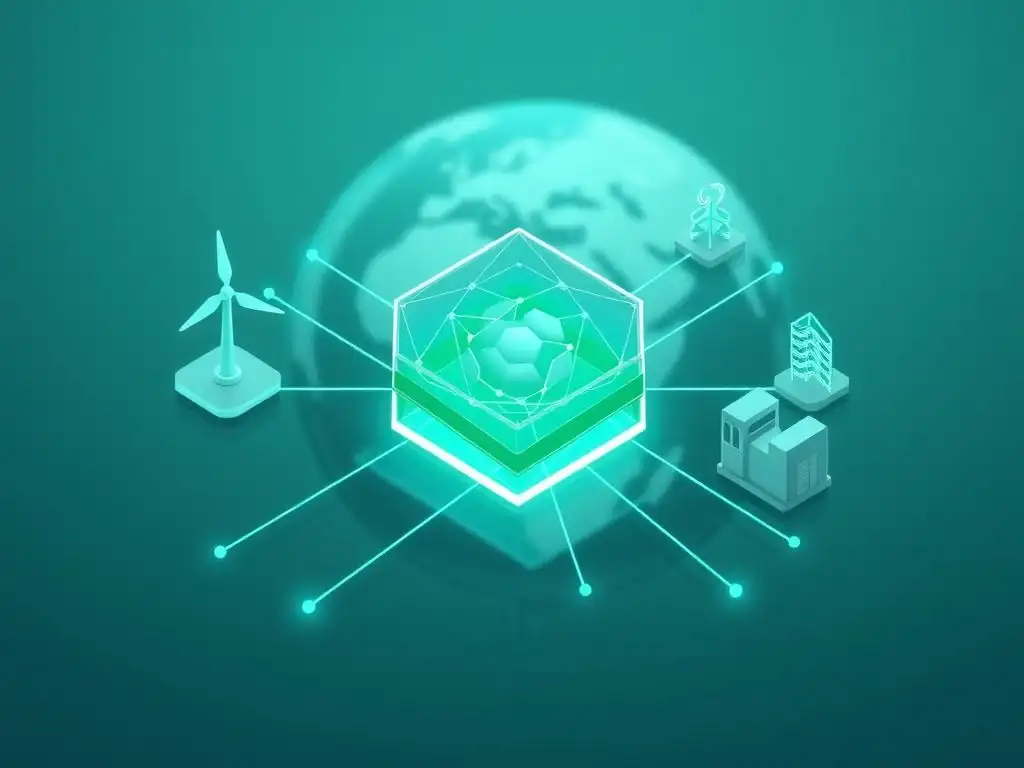
Increased Access to Green Energy for Consumers
Blockchain technology can make green energy more accessible to a wider range of consumers. By facilitating peer-to-peer trading and enabling participation in local energy markets, consumers can directly purchase renewable energy from local producers, potentially at more competitive prices than through traditional utility channels. This empowers consumers with choice and allows them to directly support local renewable energy generation.
Furthermore, tokenization of renewable energy assets or the creation of community energy DAOs (Decentralized Autonomous Organizations) can allow consumers to invest in or collectively own renewable energy infrastructure, giving them a direct stake in green energy production. This increased engagement and financial participation lowers barriers and encourages greater adoption of renewable energy solutions within blockchain green energy markets.
Empowering Small-Scale Renewable Energy Producers
As previously discussed, blockchain significantly lowers the barriers to entry for small-scale renewable energy producers. By providing platforms for direct energy sales and transparent tracking of generation and credits, blockchain enables homeowners, small businesses, and community groups to monetize their renewable energy production more effectively. They can sell surplus energy directly to consumers or participate in local energy markets without needing to navigate complex traditional systems designed for large utilities.
This empowerment encourages more individuals and communities to invest in and deploy distributed renewable energy systems, such as rooftop solar or small wind turbines. By creating viable economic opportunities for small producers, blockchain accelerates the decentralization of the energy grid and boosts the overall capacity of renewable energy generation in blockchain green energy markets.
Fostering Innovation in the Renewable Energy Sector
The application of blockchain technology in the energy sector is still relatively nascent, but it is already fostering significant innovation. The decentralized and programmable nature of blockchain encourages the development of new business models, market structures, and applications that were not feasible with traditional centralized systems. From automated energy trading to novel financing mechanisms, blockchain is a catalyst for creativity.
Startups and established energy companies are exploring various use cases, leading to pilot projects and deployments that test the limits of decentralized energy management. This wave of innovation is driving efficiency improvements, cost reductions, and the creation of more dynamic and resilient energy systems, pushing the boundaries of what is possible in blockchain green energy markets.
Attracting Investment in Sustainable Energy Projects
Blockchain can enhance the attractiveness of sustainable energy projects for investors by increasing transparency, reducing risk, and creating new investment opportunities. Tokenization, in particular, can fractionalize ownership of large-scale renewable energy assets, making them accessible to a broader base of investors, including individuals who might not have the capital to invest in traditional large-scale projects.
Furthermore, the transparent and immutable record provided by blockchain can give investors greater confidence in the performance and revenue streams of renewable energy projects. This reduced risk and increased accessibility can unlock new sources of capital and accelerate the financing and deployment of renewable energy infrastructure globally, fueling growth in blockchain green energy markets.
Case Studies: Blockchain Projects in Renewable Energy
Power Ledger - Decentralized Energy Trading in Australia
Project Overview and Goals
Power Ledger is an Australian technology company focused on developing blockchain-based solutions for the energy industry. Their primary goal is to create platforms that enable peer-to-peer (P2P) energy trading, allowing individuals and businesses to buy and sell surplus renewable energy directly with each other. They aim to increase the utilization of distributed renewable energy assets, reduce energy costs, and empower consumers by giving them more control over their energy supply.
The project has conducted numerous trials in various locations globally, including Australia, New Zealand, Thailand, and the US. These trials aimed to demonstrate the feasibility and benefits of P2P energy trading, testing different market designs and regulatory environments. A key focus has been on integrating with existing grid infrastructure and metering systems to facilitate seamless energy transfers and billing.
Blockchain Technology Used
Power Ledger initially built its platform on a private, permissioned version of the Ethereum blockchain but later transitioned to leveraging the energy-focused Energy Web Chain (EW Chain), an enterprise-grade blockchain designed specifically for the energy sector. They utilize a dual-token system: the Sparkz token, pegged to local fiat currency for real-time energy trading transactions, and the POWR token, a utility token providing access rights to the platform and incentivizing participation.
The blockchain is used to record energy generation data from smart meters, track the flow of energy between participants, manage P2P trading transactions, and settle payments automatically via smart contracts. This distributed ledger ensures that all transactions are transparent, secure, and immutable, providing a verifiable record of energy exchange within the P2P network.
Results and Impact on the Local Energy Market
Power Ledger's trials have demonstrated the technical feasibility of blockchain-based P2P energy trading and shown potential benefits for participants. In a trial in Fremantle, Western Australia, involving approximately 10 households, participants were able to trade solar energy directly, resulting in reported savings on electricity bills for some consumers and increased revenue for producers selling excess power. A trial involving social housing in Perth reportedly showed that participants could sell excess solar energy at a price higher than the traditional feed-in tariff while buyers paid less than the standard retail rate.
While widespread commercial deployment is still ongoing and subject to regulatory frameworks, these trials indicate that blockchain can enable more efficient local energy markets, potentially shifting value from traditional intermediaries to consumers and small producers. The impact includes increased engagement with renewable energy, optimized local grid use, and the potential to lower energy costs for participants, illustrating a tangible impact on local blockchain green energy markets.
Energy Web - Tracking Renewable Energy Certificates with Blockchain
Project Overview and Goals
Energy Web is a global non-profit organization focused on accelerating the clean energy transition by building digital infrastructure, primarily using blockchain technology, for the energy sector. One of their key initiatives is providing solutions for tracking and tokenizing renewable energy attributes, such as Renewable Energy Certificates (RECs) or Guarantees of Origin (GOs). Their goal is to create a more transparent, reliable, and efficient system for verifying and trading these attributes globally.
Energy Web collaborates with numerous utility companies, grid operators, and renewable energy developers worldwide. Their platform aims to digitize the process of issuing, managing, and retiring energy attribute certificates, addressing the inefficiencies and lack of transparency in traditional systems. They seek to enable corporate buyers and individuals to confidently purchase verifiable green energy, thereby driving demand for renewables.
Blockchain Technology Used
Energy Web developed and operates the Energy Web Chain (EW Chain), a public, enterprise-grade blockchain specifically designed for the energy sector. The EW Chain is based on a Proof-of-Authority (PoA) consensus mechanism, involving reputable energy sector organizations as validators, which is intended to provide high transaction throughput and enterprise-level reliability.
Their solutions, such as the Energy Web Zero platform, leverage the EW Chain to create unique digital identities for energy assets (like solar farms or wind turbines) and tokenized representations of their renewable energy output or attributes. Smart contracts on the EW Chain automate the issuance, transfer, and retirement of these tokens, creating an immutable and transparent record accessible to all relevant parties.
Results and Impact on REC Transparency
Energy Web's platform has been adopted or piloted by several major energy companies and corporations for tracking renewable energy. For instance, utilities have used the EW Chain to issue tokenized renewable energy attributes, making their origin and ownership transparent. Companies like PTT in Thailand have utilized Energy Web's technology to track and verify green energy purchases, enhancing the credibility of their sustainability claims.
The impact on REC transparency is significant. By providing an immutable, publicly verifiable ledger for energy attribute certificates, the EW Chain drastically reduces the risk of double-counting and fraud compared to traditional registries. This increased transparency and reliability build trust among market participants, encouraging more widespread adoption of renewable energy and strengthening the integrity of global blockchain green energy markets. While specific global transaction volume data is constantly evolving, the platform facilitates the tracking of potentially millions of MWh of renewable energy attributes annually for its diverse set of participants.
LO3 Energy - Peer-to-Peer Energy Sharing using Blockchain in Brooklyn, NY
Project Overview and Goals
LO3 Energy is a company that pioneered blockchain-based microgrid solutions, most notably with the Brooklyn Microgrid project in New York. The project aimed to demonstrate the feasibility of localized, peer-to-peer energy trading within a defined community. The goal was to allow residents with rooftop solar panels to sell their excess energy directly to their neighbors using a blockchain platform, bypassing the traditional utility as the sole buyer and seller.
The Brooklyn Microgrid project sought to create a more resilient, localized energy system that empowers prosumers (producers and consumers) and optimizes the use of distributed renewable resources. It focused on building a community-based energy marketplace that could operate even if the main grid went down, while also providing economic benefits to participants by enabling them to trade energy at mutually agreed-upon prices.
Blockchain Technology Used
LO3 Energy developed and utilized a custom blockchain solution for the Brooklyn Microgrid, initially based on a permissioned version of the Ethereum blockchain. This private blockchain was designed to handle the specific requirements of localized energy trading, focusing on transaction speed and privacy for participants within the microgrid.
The system integrated with smart meters installed at participating homes to measure energy generation and consumption in near real-time. This data was then recorded on the blockchain, enabling automated peer-to-peer energy trades executed via smart contracts. These contracts facilitated the direct exchange of value for energy between neighbors, with the blockchain providing the secure and transparent ledger for all transactions within the microgrid.
Results and Impact on Energy Distribution
The Brooklyn Microgrid project successfully demonstrated the technical viability of blockchain-based P2P energy trading in an urban environment. While the scale was initially limited, involving dozens of participants in select locations within Brooklyn, it proved that individuals could directly trade energy with their neighbors using a decentralized platform. The project highlighted the potential for increased local energy resilience and community engagement.
The impact on energy distribution was primarily localized, showcasing a model where energy flow could be managed and monetized at a granular level, potentially reducing reliance on transporting energy over long distances. Although scaling faced regulatory and technical hurdles inherent in integrating with existing utility infrastructure, the project provided valuable insights into the potential for decentralized energy markets to optimize local resource use and empower communities within the future of blockchain green energy markets. It illustrated that a blockchain could manage thousands of micro-transactions among participants in a real-world setting.
Overcoming Barriers to Blockchain Adoption in Green Energy
Regulatory Hurdles for Decentralized Energy Systems
One of the most significant barriers to widespread blockchain adoption in green energy markets is the existing regulatory framework, which is largely designed for centralized, utility-scale energy systems. Current regulations often do not easily accommodate decentralized energy trading, peer-to-peer transactions, or the tokenization of energy assets. Rules around metering, billing, grid access, and market participation need to be adapted.
Navigating this complex and often slow-to-change regulatory landscape poses a challenge for blockchain energy projects. Energy markets are highly regulated for reliability and safety, and integrating novel decentralized technologies requires careful consideration of existing rules and potential new frameworks. Overcoming these hurdles requires close collaboration between blockchain developers, energy companies, regulators, and policymakers to create an environment conducive to innovation in blockchain green energy markets.
Scalability Challenges of Blockchain Networks
While blockchain technology offers many benefits, some public blockchain networks, particularly those based on Proof-of-Work consensus, can face scalability limitations. Processing a high volume of transactions per second (TPS) efficiently and at a low cost is crucial for managing the vast number of energy transactions that occur on a grid, from wholesale trading to millions of individual consumption points.
Enterprise-grade or permissioned blockchains, and newer Layer 2 scaling solutions, are being developed and utilized to address these scalability concerns for energy applications. Projects like Energy Web Chain have been designed with higher throughput in mind, aiming to handle the transaction volume required by utilities and energy markets. Continued advancements in blockchain technology are necessary to ensure that platforms can scale to meet the demands of large-scale blockchain green energy markets.
Interoperability Issues between Different Blockchain Platforms
As various blockchain platforms and solutions emerge for different aspects of the energy sector (e.g., one for P2P trading, another for REC tracking, another for carbon markets), interoperability becomes a challenge. Different blockchains may not be able to easily communicate or exchange data with each other, creating silos and limiting the potential for seamless integration across the energy value chain.
Ensuring that different blockchain systems and legacy energy infrastructure can interact effectively is crucial for building a cohesive and efficient decentralized energy ecosystem. Efforts are underway to develop standards and protocols for cross-chain communication and integration layers that can bridge blockchain networks with existing energy IT systems. Achieving greater interoperability is key to unlocking the full potential of blockchain green energy markets.
Addressing Security Concerns in Green Energy Blockchain Applications
Security is paramount in the energy sector, given its critical infrastructure status. While blockchain technology is inherently secure due to its cryptographic nature and distributed ledger, the implementation of blockchain solutions in green energy markets introduces new potential vulnerabilities. Smart contract bugs, key management issues, and potential attacks on connected IoT devices could pose risks to grid stability or data integrity.
Ensuring the robustness and security of blockchain platforms and their integration points with physical energy infrastructure and metering systems is essential. Rigorous testing, auditing of smart contracts, and implementing best practices for cybersecurity are crucial steps. Building trust in the security of blockchain-based energy systems is vital for their widespread adoption and the reliable operation of blockchain green energy markets.
The Future of Blockchain Green Energy Markets: Trends and Predictions
Growth of Decentralized Autonomous Organizations (DAOs) in Renewable Energy
Decentralized Autonomous Organizations (DAOs), governed by code and community consensus on a blockchain, are poised to play a significant role in the future of blockchain green energy markets. DAOs can enable collective ownership and management of renewable energy assets, such as community solar farms or wind cooperatives. Participants could pool resources to fund projects and make decisions on operations and revenue distribution transparently on the blockchain.
This model offers a democratic and transparent way for communities to invest in and benefit from renewable energy, bypassing traditional corporate structures. DAOs could manage local energy markets, coordinate energy sharing, and even govern microgrids. As the concept matures, expect to see more community-led green energy initiatives leveraging DAO structures for funding, governance, and operation.
Integration of Blockchain with the Internet of Things (IoT) for Smart Grids
The integration of blockchain with the Internet of Things (IoT) is a powerful trend shaping the future of smart grids and blockchain green energy markets. IoT devices, such as smart meters, sensors on solar panels, and controllable loads, generate vast amounts of data about energy generation, consumption, and grid conditions. Blockchain can provide a secure, transparent, and immutable ledger for recording and verifying this data.
This combination enables automated, data-driven energy management. Smart meters can record energy production and consumption directly onto the blockchain, triggering automated P2P trades or grid balancing actions via smart contracts. IoT devices managing energy storage or demand response could interact autonomously based on verifiable data recorded on a blockchain. This synergy is essential for building truly decentralized, efficient, and resilient smart grids capable of handling a high penetration of variable renewable energy.
Increased Collaboration between Blockchain Companies and Energy Providers
The future will likely see increased collaboration between specialized blockchain technology companies and traditional energy providers, including utilities, grid operators, and energy retailers. While disruptive blockchain startups have often driven initial innovation, large energy companies possess the necessary infrastructure, market knowledge, and regulatory relationships to scale these solutions.
Partnerships are forming to pilot and deploy blockchain applications for various use cases, from wholesale energy trading and grid management to customer-facing green energy services. Utilities are exploring how blockchain can improve efficiency, enhance grid stability with distributed energy resources, and offer new services to customers in evolving blockchain green energy markets. This collaboration is crucial for bridging the gap between innovative technology and real-world energy infrastructure.
The Role of Blockchain in Achieving Global Sustainability Goals
Blockchain technology has the potential to significantly contribute to achieving global sustainability goals, particularly those related to clean energy and climate action. By enabling more efficient, transparent, and accessible green energy markets, blockchain can accelerate the deployment and adoption of renewable energy sources worldwide.
Improved tracking of carbon emissions and environmental attributes through blockchain can enhance the integrity of carbon markets and corporate sustainability reporting, providing a more accurate picture of progress towards emissions reduction targets. Furthermore, by empowering individuals and communities and attracting investment, blockchain can help democratize the clean energy transition, making it more inclusive and effective in combating climate change through robust blockchain green energy markets.
Conclusion: Embracing Blockchain for a Greener Future
Blockchain as a Catalyst for Renewable Energy Transformation
Blockchain technology is emerging not merely as an incremental improvement but as a potential catalyst for fundamental transformation within the renewable energy sector. By providing a decentralized, transparent, and secure infrastructure, it directly addresses many of the inefficiencies and limitations inherent in traditional energy markets. From streamlining the complex world of RECs to enabling direct peer-to-peer energy trading, blockchain offers tools to create more efficient, equitable, and dynamic blockchain green energy markets.
The ability of blockchain to create immutable records, automate transactions via smart contracts, and enable the tokenization of assets is unlocking new possibilities for how renewable energy is generated, distributed, and consumed. This technology is fostering innovation, empowering participants at the edge of the grid, and attracting investment in sustainable projects, accelerating the shift away from fossil fuels towards cleaner energy sources.
The Potential of Decentralized Systems to Combat Climate Change
The fight against climate change requires a rapid and large-scale transition to renewable energy. Decentralized energy systems, facilitated by blockchain, offer a powerful model for achieving this. By enabling distributed generation, optimizing local energy use, and increasing participation from individuals and communities, blockchain-based solutions can accelerate the deployment of renewables and reduce reliance on centralized, carbon-intensive power generation.
The transparency and verifiability offered by blockchain also enhance the credibility of green energy claims and carbon reduction efforts, building trust and encouraging further action. As decentralized energy resources become more prevalent, blockchain provides the necessary digital infrastructure to manage their complexity and harness their collective potential effectively, making a tangible contribution to global climate goals through the expansion of blockchain green energy markets.
Call to Action: Supporting the Development of Blockchain Green Energy Solutions
The potential benefits of blockchain for green energy are clear, but realizing this potential requires concerted effort. It necessitates continued technological development to address scalability and interoperability, proactive engagement with regulators to adapt frameworks for decentralized systems, and collaboration between technology developers, energy companies, and policymakers.
Supporting pilot projects, investing in research and development, and advocating for regulatory environments that foster innovation are crucial steps. As consumers, understanding the potential of blockchain in energy can also drive demand for more transparent and decentralized green energy options. Embracing and actively supporting the development and deployment of blockchain green energy markets is vital for building a more sustainable, resilient, and equitable energy future for all.
Frequently Asked Questions
How does blockchain technology facilitate the creation of green energy markets?
Blockchain enables transparent and traceable energy transactions, allowing for peer-to-peer energy trading and the creation of decentralized green energy marketplaces. This ensures the origin and authenticity of renewable energy certificates (RECs).
What are the benefits of using blockchain for Renewable Energy Certificates (RECs)?
Blockchain provides an immutable record of REC ownership, preventing double-counting and fraud. This increases trust and efficiency in the REC market, encouraging investment in renewable energy.
How can blockchain improve the traceability of renewable energy sources?
By recording energy production and distribution data on a blockchain, consumers can verify the origin of their electricity. This promotes accountability and allows for better tracking of carbon emissions reductions.
What role does DeFi play in the development of Blockchain green energy markets?
DeFi (Decentralized Finance) protocols can be used to create new financial instruments that support renewable energy projects. This could involve fractionalized ownership of solar farms or incentivizing green energy consumption through token rewards.
What are some potential regulatory challenges for blockchain-based green energy markets?
Regulatory frameworks need to be developed to address issues such as data privacy, smart contract security, and cross-border energy trading. Clear guidelines are crucial for widespread adoption and preventing market manipulation.
Final Reflection: Empowering a Sustainable Future
The journey of decentralizing green energy, as explored throughout this article, is not just a technological advancement; it's a fundamental shift in how we perceive and interact with our planet's resources. The convergence of blockchain and renewable energy markets represents a powerful opportunity to democratize access, enhance transparency, and accelerate the transition to a sustainable future. This is not a distant dream, but a tangible reality being built today, brick by digital brick.
The impact of this transformation extends far beyond mere efficiency gains. It's about empowering individuals and communities to become active participants in the green energy revolution, fostering a sense of ownership and responsibility. Witnessing the potential of blockchain to unlock new avenues for sustainable development fills me with hope, reminding me that innovation, when guided by ethical principles, can truly change the world. We are at an inflection point where technology can empower individuals and communities to take control of their energy future, fostering a more sustainable and equitable world for all.
As we conclude this exploration, I urge you to consider your role in this unfolding narrative. How can you leverage the principles of decentralization and transparency to support the growth of blockchain green energy markets? What steps can you take, however small, to contribute to a future powered by clean, accessible, and democratically controlled energy sources? The power to shape this future lies within each of us; let us embrace it with courage and conviction, building a brighter tomorrow, one block at a time.
Ignite the Green Revolution: Your Blockchain Energy Journey Starts Now!
Thank you for exploring the exciting potential of blockchain in transforming renewable energy! Now that you understand how this technology can democratize access and accelerate the adoption of green solutions, it's time to put that knowledge into action and become part of the solution. Here are a few ways you can contribute:
- Dive into the Blockchain-Based Energy Market: Explore decentralized energy platforms like Power Ledger or SunContract to understand how they function and consider participating in a local project if available.
- Research local initiatives:Find a local renewable energy project powered by blockchain and learn how you can contribute, either through investment or participation.
- Share Your Insights: Spark a discussion! Share this article on social media and tag three friends who are passionate about sustainability and blockchain, inviting them to explore the potential of decentralized green energy.
What steps will you take this week to explore or contribute to blockchain-powered renewable energy solutions?
Leave a Reply