
Decentralized Economies: How Blockchain is Rewriting the Rules of Global Trade

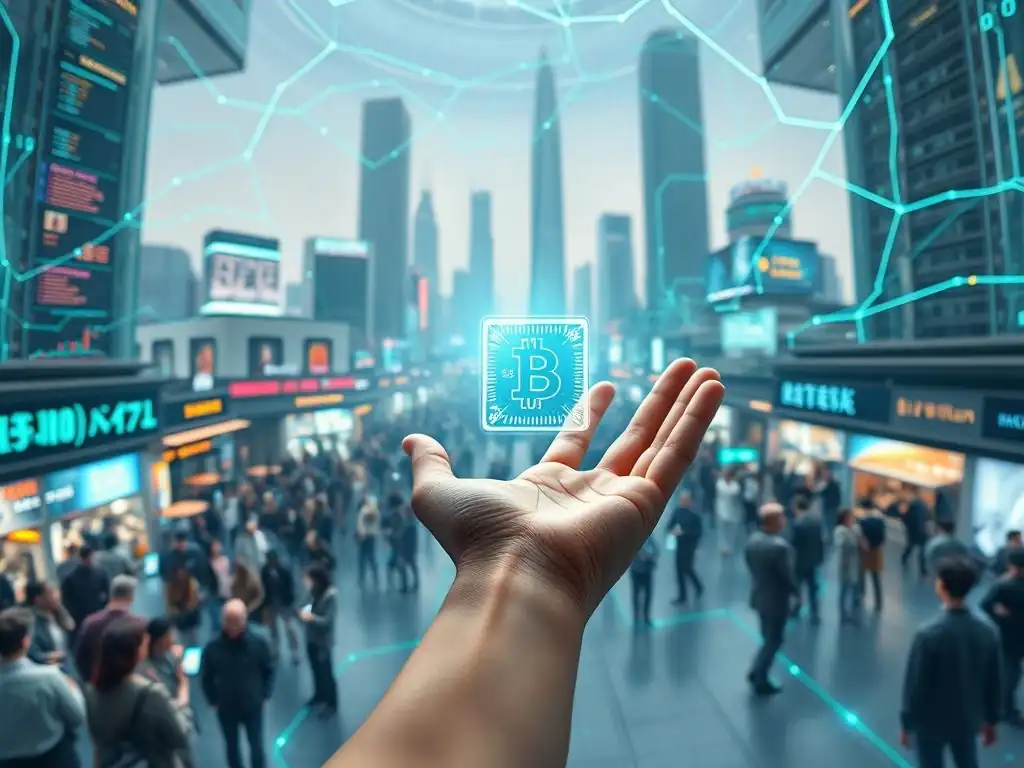
Welcome to Blockchain Trends, your compass in the rapidly evolving world of decentralized technologies. Delve into the myriad ways blockchain is reshaping industries, far beyond the realm of digital currencies. Intrigued by the potential? Let's explore how blockchain is transforming global trade, unlocking unprecedented efficiency and transparency in international commerce. Discover the innovative solutions that are revolutionizing supply chains, streamlining payments, and paving the way for a more interconnected and secure future.
-
Decentralized Economies: Blockchain Transforming Global Trade
- Introduction: The Rise of Blockchain in Global Commerce
- Understanding Blockchain and Decentralization for Global Trade
- The Benefits of Blockchain Transforming Global Trade
- Blockchain Use Cases in Global Trade: Real-World Examples
- Challenges and Obstacles to Blockchain Adoption in Global Trade
- The Future of Blockchain in Global Trade: Predictions and Trends
- Conclusion: Blockchain – A Catalyst for a More Efficient and Equitable Global Trade System.
-
Frequently Asked Questions
- How is blockchain technology impacting traditional global trade processes?
- What are the key benefits of using blockchain for supply chain management in global trade?
- How does blockchain facilitate cross-border payments and reduce transaction costs in international trade?
- What role does Decentralized Finance (DeFi) play in reshaping the financial aspects of global trade through blockchain?
- What regulatory challenges and opportunities exist for blockchain technology in the context of global trade?
- Final Reflection: Embracing the Decentralized Future
- Unleash the Power of Decentralization!
Decentralized Economies: Blockchain Transforming Global Trade
Introduction: The Rise of Blockchain in Global Commerce
Global trade, the intricate web of transactions that connects economies worldwide, has historically relied on complex, often opaque, and costly systems involving numerous intermediaries. From logistics and supply chain management to finance and customs, traditional processes can be slow, prone to errors, and vulnerable to fraud. Documents are often paper-based, requiring manual verification at multiple points, leading to significant delays and expenses. The lack of a single, trusted source of truth across all parties exacerbates these inefficiencies, hindering the seamless flow of goods and capital across borders.
Against this backdrop, blockchain technology has emerged not merely as the foundation for cryptocurrencies but as a powerful paradigm shift capable of fundamentally altering how global commerce operates. Its inherent characteristics – decentralization, immutability, transparency, and cryptographic security – offer compelling solutions to many of the long-standing challenges plaguing international trade. Experts and organizations like the World Economic Forum have highlighted blockchain's potential to unlock billions in value by streamlining processes and reducing friction, positioning it as a key technology for Blockchain transforming global trade.
Understanding Blockchain and Decentralization for Global Trade
At its core, blockchain is a distributed ledger technology (DLT) that records transactions across many computers simultaneously. Instead of a single central database controlled by one entity, the ledger is shared and synchronized among network participants. Once a transaction is added to a block and verified by the network, it becomes part of a chain of blocks, secured by cryptography, making it extremely difficult and practically impossible to alter retroactively without the consensus of the majority of the network. This creates an immutable and transparent record of all activities, accessible to authorized parties.
Decentralization is the key principle that distinguishes blockchain from traditional centralized systems. In global trade, this means moving away from reliance on single points of control, such as individual banks, freight forwarders, or customs agencies holding proprietary data.
A decentralized ledger allows all participants in a trade transaction – exporter, importer, banks, carriers, customs, insurers – to access the same real-time, verified information about a shipment, its status, and its associated documents. This shared truth eliminates the need for multiple reconciliations, reduces disputes, and builds a higher level of trust among parties who may not know each other directly, paving the way for Blockchain transforming global trade.
The Benefits of Blockchain Transforming Global Trade
One of the most significant benefits blockchain brings to global trade is the potential for substantial cost reduction. Traditional trade finance and supply chain processes involve extensive paperwork, manual data entry, and fees for numerous intermediaries. By automating these processes through smart contracts and providing a single shared ledger, blockchain can drastically cut administrative overhead.
Estimates vary, but reports from organizations like the World Economic Forum suggest blockchain could reduce trade transaction costs by up to 15-20%, potentially saving the global trade industry billions annually by increasing efficiency and transparency. This is a tangible impact of Blockchain transforming global trade.
Furthermore, blockchain significantly enhances speed and security in trade operations. The real-time nature of the distributed ledger means that information flow is instantaneous across the network, accelerating processes like customs clearance and payment settlements that can currently take days or even weeks. Cryptographic security ensures the integrity and authenticity of data, drastically reducing the risk of fraud or errors associated with manual data handling and paper documents. This enhanced security and speed build greater confidence among trading partners and regulatory bodies alike, accelerating the adoption of Blockchain transforming global trade solutions.
Blockchain Use Cases in Global Trade: Real-World Examples
A prominent real-world example of Blockchain transforming global trade is its application in supply chain management. Companies like Walmart have piloted blockchain technology to track food products, specifically leafy greens. By using a blockchain-based system, they were able to trace the origin of food items from farm to store in seconds, compared to the days or weeks it previously took. This drastically improves recall efficiency and food safety. This specific implementation highlights how blockchain provides end-to-end visibility and traceability, crucial for complex global supply chains involving multiple handoffs and geographical locations.
Another impactful use case is in trade finance platforms. Initiatives like Contour (formerly Voltron) and TradeFlow have developed blockchain-based networks to digitize and streamline the issuance and processing of Letters of Credit (LCs) and other trade finance instruments. Traditionally, LCs involve a paper-heavy process requiring physical document exchange between multiple banks and parties, taking up to 5-10 days or more.
Blockchain platforms allow for the digital representation and transfer of these instruments in near real-time, reducing processing times to hours and lowering associated costs by an estimated 30% or more. These examples demonstrate tangible progress in Blockchain transforming global trade finance.
Challenges and Obstacles to Blockchain Adoption in Global Trade
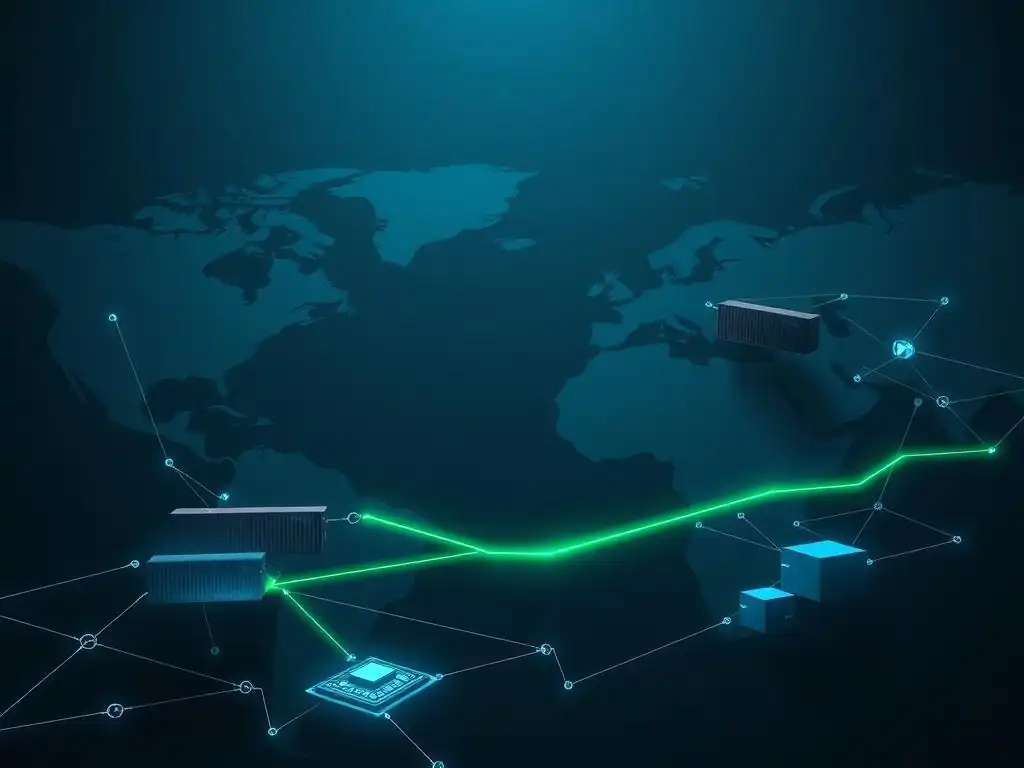
Despite the clear benefits and promising use cases, the widespread adoption of Blockchain transforming global trade faces several significant challenges. Regulatory uncertainty remains a major hurdle. Different countries and jurisdictions have varying legal frameworks regarding digital assets, smart contracts, and data privacy (like GDPR), creating a complex patchwork that can hinder seamless cross-border implementation. Harmonizing regulations or establishing international standards is crucial but a slow process, requiring collaboration between governments, industry bodies, and legal experts globally.
Interoperability is another key obstacle. Numerous blockchain platforms exist (e.g., Hyperledger Fabric, R3 Corda, Ethereum private networks), and many companies are developing their own proprietary or consortium-based solutions. Ensuring these disparate systems can communicate and exchange data effectively is essential for creating truly integrated global trade ecosystems. Without established standards for data formats, protocols, and network interactions, the potential for siloes remains, limiting the network effect and the full realization of Blockchain transforming global trade benefits. Overcoming these technical and regulatory hurdles requires significant investment, standardization efforts, and widespread industry buy-in.
The Future of Blockchain in Global Trade: Predictions and Trends
Looking ahead, the future of Blockchain transforming global trade appears promising, with several key trends shaping its evolution. We are likely to see increased integration of blockchain with other emerging technologies, such as the Internet of Things (IoT) and Artificial Intelligence (AI). IoT devices can automatically record real-time data about a shipment's location, temperature, or condition directly onto the blockchain, ensuring data integrity and automating triggers for smart contracts. AI can then analyze this blockchain data to optimize logistics routes, predict potential delays, or identify fraudulent activities with greater accuracy than traditional methods.
Furthermore, the trend towards consortium blockchains and industry-specific networks is expected to continue. Rather than a single, monolithic global trade blockchain, we will likely see interconnected networks focusing on specific sectors (e.g., agriculture, shipping, finance) or regions. As these networks mature and interoperability standards improve, they will form a distributed global network for trade. Regulatory clarity is also anticipated to improve gradually as governments gain a deeper understanding of the technology, potentially leading to more supportive legal frameworks that facilitate the broader implementation of Blockchain transforming global trade solutions across diverse markets.
Conclusion: Blockchain – A Catalyst for a More Efficient and Equitable Global Trade System.
Blockchain technology offers a compelling vision for the future of global trade, one characterized by increased efficiency, transparency, and security. By providing a decentralized, immutable ledger shared among participants, it addresses fundamental inefficiencies inherent in traditional paper-based, intermediary-heavy processes. From streamlining supply chains and accelerating trade finance to enhancing traceability and reducing costs, the potential for Blockchain transforming global trade is immense and increasingly being realized through real-world pilot projects and operational platforms.
While significant challenges remain, including regulatory complexity and interoperability issues, the momentum behind blockchain adoption in global commerce is growing. Continued collaboration among industry players, governments, and technology providers is essential to overcome these hurdles and build the necessary infrastructure and standards.
As the technology matures and integration with other digital tools expands, blockchain is poised to act as a powerful catalyst, not only making global trade more efficient and less costly but also fostering a more equitable system by democratizing access to trade finance and creating a level playing field for businesses of all sizes on the global stage.
Frequently Asked Questions
How is blockchain technology impacting traditional global trade processes?
Blockchain streamlines global trade by providing immutable records and enhanced transparency. This reduces fraud and delays associated with traditional paper-based systems.
What are the key benefits of using blockchain for supply chain management in global trade?
Blockchain offers improved traceability and authentication of goods, allowing for better supply chain visibility. This leads to more efficient logistics and reduced counterfeit products.
How does blockchain facilitate cross-border payments and reduce transaction costs in international trade?
Blockchain enables faster and cheaper cross-border payments by removing intermediaries. This results in lower transaction fees and increased efficiency for businesses engaging in global trade.
What role does Decentralized Finance (DeFi) play in reshaping the financial aspects of global trade through blockchain?
DeFi offers alternative financing options and smart contract-based trade finance. This empowers small and medium-sized enterprises (SMEs) with greater access to capital and streamlines trade operations.
What regulatory challenges and opportunities exist for blockchain technology in the context of global trade?
Regulations are still evolving, but blockchain can promote compliance and transparency. Clear regulatory frameworks can foster wider adoption and trust in blockchain-based global trade solutions.
Final Reflection: Embracing the Decentralized Future
The exploration of decentralized economies and blockchain's transformative power over global trade reveals a profound shift in how we perceive and conduct commerce. The potential for increased transparency, efficiency, and accessibility in international transactions is no longer a distant dream, but a rapidly approaching reality. This article has highlighted the key mechanisms and benefits, demonstrating how blockchain is poised to reshape the very foundations of global trade.
The impact of this technological revolution extends far beyond mere financial transactions. It promises to empower marginalized communities, reduce corruption, and foster a more equitable global marketplace. The ability to trace goods from origin to consumer, verify authenticity, and streamline supply chains offers unprecedented opportunities for growth and development. The blockchain is to trust as the internet is to information.
- Don Tapscott, highlighting the fundamental shift in how trust is established in a digital world.
As we stand on the cusp of this decentralized future, it is crucial to embrace the potential of blockchain and actively participate in shaping its development. Consider how you can leverage these technologies to support ethical sourcing, promote fair trade practices, and contribute to a more inclusive global economy. The power to rewrite the rules of global trade lies within each of us. Let us strive to build a future where commerce is not just efficient, but also equitable and sustainable.
Unleash the Power of Decentralization!
Thanks for diving deep into the transformative world of decentralized economies! You've now unlocked a new understanding of how blockchain is reshaping global trade. Now, let's put that knowledge into action and become a part of the revolution.
- Embark on your decentralized journey: Explore one specific blockchain project in your local community.: Attend a meet-up, join an online forum, and discover real-world applications near you. This is your chance to witness decentralization in action!
- Share this article with three colleagues or friends who would benefit from understanding decentralized economics. Spread the knowledge and ignite conversations!
- Surprise yourself: Research a blockchain application outside of your current field. Venture into an unfamiliar area like decentralized energy or supply chain management to expand your perspective.
What's one decentralized solution you believe will have the biggest impact on global trade in the next year, and why? Let's discuss in the comments!
Leave a Reply