
Aid Distribution Revolutionized: Blockchain for Transparent and Efficient Humanitarian Finance

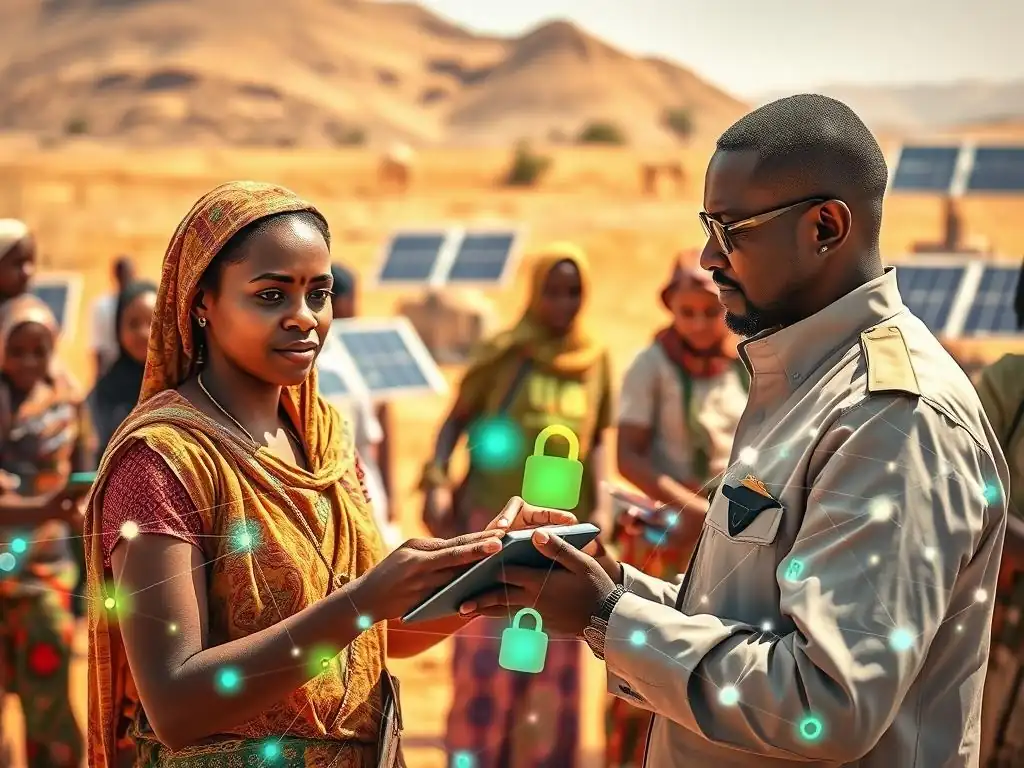
Welcome to Blockchain Trends, your guide to understanding the revolutionary power of blockchain beyond the hype. Delve into a world where trust and efficiency are redefined, and explore how this technology is reshaping industries and impacting lives. Curious about how blockchain can revolutionize humanitarian efforts? Discover how blockchain aid distribution transparency is transforming the landscape of charitable giving, ensuring accountability and reaching those in need more effectively than ever before. Keep reading to uncover the power of decentralized solutions for a more equitable world.
Aid Distribution Revolutionized: Blockchain for Transparent and Efficient Humanitarian Finance
- The Urgent Need for Transparency in Humanitarian Aid
- Blockchain Technology: A Solution for Enhanced Aid Transparency
- Blockchain Aid Distribution Transparency: Key Benefits
- Real-World Applications of Blockchain in Humanitarian Finance
- Overcoming the Challenges of Blockchain Adoption in Aid
- The Future of Blockchain for Transparent Aid Delivery
- Blockchain Aid Distribution Transparency: A Transformative Tool for Humanitarian Finance
-
Frequently Asked Questions
- What are the primary benefits of using blockchain for aid distribution?
- How does blockchain improve transparency in aid distribution compared to traditional methods?
- What are some potential challenges in implementing blockchain for aid distribution in developing countries?
- Beyond transparency, how does blockchain contribute to efficient aid distribution?
- What role do smart contracts play in ensuring accountability in blockchain-based aid distribution systems?
- Final Reflection: Embracing Transparency in Humanitarian Aid
- Empower Change: Become a Humanitarian Blockchain Pioneer!
The Urgent Need for Transparency in Humanitarian Aid
Challenges in Traditional Aid Distribution Systems
Traditional humanitarian aid distribution systems, while critical for providing support to vulnerable populations, often face significant challenges related to transparency and efficiency. These systems typically rely on complex networks of intermediaries, including international organizations, national governments, local NGOs, and financial institutions. Each layer in this chain can introduce potential points of failure, delay, or leakage. For instance, administrative overheads can consume a substantial portion of donated funds, with estimates sometimes placing them between 10% and 30% depending on the context and organization.
Furthermore, the reliance on physical cash distribution in many areas poses security risks for both aid workers and recipients. Navigating diverse regulatory environments, currency conversions, and bureaucratic processes in multiple countries adds layers of complexity and cost. These factors contribute to delays in aid reaching those who need it most and make it difficult for donors to trace exactly how their contributions are being utilized, fostering an environment where opacity can thrive.
The Impact of Opacity on Aid Effectiveness
Opacity within aid distribution channels has a direct and detrimental impact on the effectiveness of humanitarian efforts. When funds are not fully traceable, it becomes challenging to verify that aid is reaching the intended beneficiaries and being used for its designated purpose. This lack of visibility can lead to significant leakage through corruption, mismanagement, or diversion of resources. While exact figures are difficult to quantify globally, anecdotal evidence and studies in specific regions highlight instances where aid funds have been siphoned off, reducing the amount reaching crisis-affected communities.
Beyond financial loss, opacity erodes trust among all stakeholders – donors, aid organizations, local governments, and recipients. Donors may become hesitant to contribute if they lack confidence that their money is being used effectively. Aid organizations struggle to demonstrate impact and accountability. Most importantly, recipients may not receive the full, timely support they desperately need, perpetuating cycles of vulnerability. Improving Blockchain aid distribution transparency is therefore not just about financial integrity; it's about maximizing the positive impact of aid and rebuilding confidence in humanitarian action.
Blockchain Technology: A Solution for Enhanced Aid Transparency
Understanding Blockchain's Role in Financial Inclusion
Blockchain technology offers a promising avenue for enhancing financial inclusion, which is crucial for effective aid distribution. For many vulnerable populations, particularly those displaced by conflict or disaster, access to traditional banking services is non-existent. Blockchain can provide a secure, digital identity and a decentralized ledger for recording transactions, enabling individuals to receive, store, and use funds without needing a conventional bank account. This is typically facilitated through digital wallets accessible via mobile phones, which are increasingly common even in remote areas.
This capability directly addresses a major bottleneck in aid delivery: getting funds directly into the hands of recipients. By providing a digital financial identity and transaction history, blockchain empowers individuals who were previously excluded from formal financial systems. This not only simplifies aid delivery but also opens pathways for future economic participation, allowing recipients to manage their funds, save, or engage in local commerce recorded on an immutable ledger. The integration of financial inclusion principles is fundamental to achieving true Blockchain aid distribution transparency.
How Blockchain Improves Accountability in Aid Programs
The core features of blockchain technology inherently lend themselves to improving accountability in humanitarian aid programs. At its heart, a blockchain is a distributed, immutable ledger that records every transaction. Once a transaction is added to the chain, it cannot be altered or deleted without the consensus of the network participants, creating a permanent and verifiable audit trail. This means that every step of the aid finance flow – from the initial donation to the final disbursement to a recipient – can potentially be recorded and tracked.
By leveraging blockchain, aid organizations can create a transparent record of fund flows that is accessible (depending on the specific blockchain's design and permissions) to relevant stakeholders, including donors, auditors, and potentially even recipients. This level of granular tracking allows for real-time monitoring of where funds are, how quickly they are moving, and who is ultimately receiving them. This enhanced visibility significantly reduces opportunities for funds to be lost, diverted, or misused, thereby fostering a culture of greater accountability throughout the aid ecosystem.
Blockchain Aid Distribution Transparency: Key Benefits
Enhanced Tracking and Traceability of Funds
One of the most significant benefits of implementing Blockchain aid distribution transparency is the unparalleled ability to track and trace funds throughout the entire aid supply chain. Unlike traditional systems where money passes through multiple opaque accounts, a blockchain records each transfer as a distinct, time-stamped transaction. This creates a clear, verifiable trail from the source of the donation (e.g., a donor organization's wallet) to the final point of disbursement (e.g., an individual recipient's digital wallet).
This enhanced traceability allows aid organizations and donors to monitor the flow of resources in near real-time. They can see how much money has been sent, when it arrived at different points in the distribution network, and confirm its final arrival at the intended recipient. This level of visibility provides a powerful tool for auditing and oversight, ensuring that funds are moving efficiently and reaching their destination as planned, thereby drastically reducing the 'black box' effect often associated with traditional aid flows.
Reduced Corruption and Leakage in Aid Delivery
The inherent transparency and immutability of blockchain technology are powerful deterrents against corruption and leakage in aid delivery. By making transactions visible on a shared ledger, it becomes exceedingly difficult for intermediaries to divert funds without leaving a clear, permanent record. Any attempt to alter transaction details or inflate costs would be evident on the blockchain, which is validated by multiple parties rather than a single central authority.
Moreover, by enabling direct transfers to recipients, blockchain can bypass layers of bureaucracy and potential points of corruption within the traditional system. This direct channel reduces the number of hands the money passes through, significantly lowering the opportunities for illicit activities. While not a complete panacea, the verifiable audit trail and reduced reliance on intermediaries provided by Blockchain aid distribution transparency represent a major step forward in safeguarding aid funds against misuse.
Increased Efficiency and Reduced Administrative Costs
Implementing blockchain for aid distribution can lead to significant increases in efficiency and reductions in administrative costs. Traditional methods often involve complex financial processes, including banking fees, currency exchange costs, and extensive paperwork for tracking and reconciliation. These processes are time-consuming and expensive, diverting resources that could otherwise be used for direct aid.
Blockchain transactions can often be processed faster and at a lower cost compared to traditional wire transfers or physical cash distribution. By streamlining the payment process and automating reconciliation through the shared ledger, organizations can reduce the administrative burden associated with managing complex financial flows. The World Food Programme, for example, reported saving millions of dollars in transaction fees by using blockchain for cash transfers to Syrian refugees, demonstrating the tangible cost-efficiency benefits of Blockchain aid distribution transparency.
Empowerment of Aid Recipients Through Direct Access
Perhaps one of the most transformative benefits of blockchain in aid is the empowerment it offers to aid recipients. By providing individuals with digital wallets linked to their identity on the blockchain, aid organizations can send funds directly to them, bypassing traditional intermediaries like banks or money transfer agents that may be inaccessible or costly. This direct access gives recipients greater control over their aid.
Recipients can access their funds securely using a mobile phone or other digital device, providing flexibility in how and when they use the assistance. This shifts power dynamics, moving away from paternalistic models where aid might be delivered in-kind or through restrictive vouchers, towards a system where recipients have agency over their financial resources. This direct financial connection, facilitated by Blockchain aid distribution transparency, respects the dignity of individuals and allows them to make choices based on their most pressing needs.
Real-World Applications of Blockchain in Humanitarian Finance
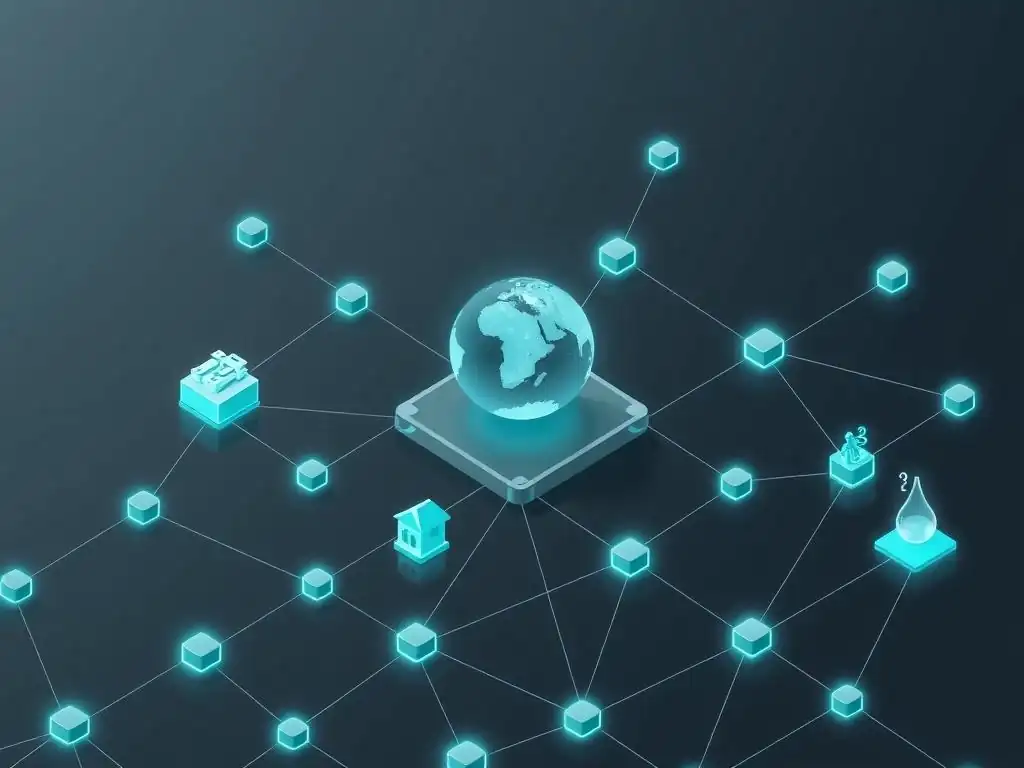
Case Study 1: World Food Programme's Building Blocks for Syrian Refugees
The World Food Programme (WFP) has been a pioneer in leveraging blockchain technology for humanitarian aid, most notably through its "Building Blocks" program launched in Jordan in 2017. This initiative used a private, permissioned blockchain network to manage cash transfers to Syrian refugees living in camps. Instead of receiving physical cash or paper vouchers, beneficiaries' identities were linked to their blockchain account, allowing them to redeem assistance at participating local shops using iris scans for verification.
The program scaled significantly, reaching over 100,000 refugees by 2018 and processing transactions worth millions of dollars monthly. A key outcome was the dramatic reduction in transaction fees, with WFP reporting savings of up to 98% compared to traditional financial service providers. This saved money was then redirected towards providing more aid. The immutable ledger also provided WFP and donors with a clear, verifiable record of every transaction, significantly enhancing Blockchain aid distribution transparency and accountability in a large-scale operation.
Case Study 2: Oxfam's Unblocked Cash Assistance Program in Vanuatu
Oxfam piloted its "Unblocked Cash" project in Vanuatu, an island nation frequently affected by natural disasters. The program aimed to provide rapid, resilient cash assistance to communities following emergencies. Working with local partners and a blockchain technology provider (Sempo), Oxfam distributed digital tokens to recipients via mobile phones. These tokens could then be exchanged for goods and services at local vendors equipped with simple mobile apps.
The Vanuatu pilot demonstrated the speed and efficiency of blockchain-based aid in a challenging environment with limited traditional infrastructure. It allowed for swift disbursement of funds immediately after a disaster simulation, bypassing damaged banking systems. The use of a blockchain provided a transparent and auditable record of all transactions between recipients and vendors, enhancing trust and accountability throughout the local aid flow. This case study highlighted the potential of Blockchain aid distribution transparency for emergency response and building more resilient aid systems.
Emerging Blockchain-Based Aid Platforms and Initiatives
Beyond these prominent examples, a growing number of organizations and startups are exploring or implementing blockchain solutions for various aspects of humanitarian aid and development finance. UNICEF, for instance, established a CryptoFund in 2019 to receive, hold, and disburse donations in cryptocurrencies, supporting open-source technology projects benefiting children. Other initiatives focus on specific areas like supply chain tracking for in-kind donations, ensuring medical supplies or essential goods reach their intended destinations without diversion.
Platforms are also emerging that aim to connect donors directly with recipients or specific projects via blockchain, allowing for micro-donations and providing donors with unprecedented visibility into the use of their funds. While many of these are still in pilot phases or early development, they signify a broader trend towards leveraging decentralized technologies to improve the efficiency, accountability, and Blockchain aid distribution transparency across the entire humanitarian sector, moving beyond just financial transfers.
Overcoming the Challenges of Blockchain Adoption in Aid
Addressing Technical Barriers and Infrastructure Limitations
Adopting blockchain technology in humanitarian settings is not without its challenges, particularly concerning technical barriers and infrastructure limitations in the very regions that often require the most aid. Many crisis-affected areas lack reliable internet connectivity, consistent electricity, or widespread access to compatible mobile devices. Implementing solutions that rely heavily on online access can exclude the most vulnerable populations.
Addressing these issues requires innovative approaches, such as developing solutions that can function offline or with intermittent connectivity, leveraging low-cost devices, and investing in local digital infrastructure where feasible. Furthermore, ensuring technical support and maintenance in remote or unstable environments presents logistical hurdles. Overcoming these practical barriers is crucial for scaling up Blockchain aid distribution transparency solutions effectively and ensuring equitable access for all intended beneficiaries.
Ensuring Data Privacy and Security in Blockchain Aid Systems
While blockchain offers transparency for transactions, ensuring the privacy and security of sensitive recipient data is paramount. Humanitarian aid recipients are often in vulnerable situations, and linking their identity or location to public transaction data on a blockchain could pose significant risks, including potential surveillance or targeting. Public blockchains, like Bitcoin or Ethereum, where all transactions are visible, are often unsuitable for this reason.
Permissioned or private blockchains, where access and visibility are restricted to authorized parties, offer a potential solution. However, robust data governance frameworks are still needed to determine who has access to what data, how it is stored off-chain (if necessary), and how recipient consent is managed. Implementing strong cryptographic security measures and adhering to international data protection standards (like GDPR, where applicable) are essential steps to build trust and ensure that Blockchain aid distribution transparency does not come at the expense of recipient safety and privacy.
Promoting Collaboration and Interoperability Among Stakeholders
Successful implementation of blockchain for aid requires significant collaboration and interoperability among a diverse set of stakeholders. This includes international NGOs, local implementing partners, host governments, financial institutions, technology providers, and donors. Each group may have different priorities, technical capacities, and existing systems that need to be integrated or replaced.
Establishing common standards, protocols, and governance models for blockchain-based aid platforms is critical to avoid fragmentation and ensure that different systems can communicate and work together. Building trust and fostering a shared understanding of the technology's potential and limitations among all parties takes time and effort. Promoting collaboration through working groups, pilot programs, and shared learning initiatives is essential to navigate the complex landscape and collectively advance the goal of Blockchain aid distribution transparency across the sector.
The Future of Blockchain for Transparent Aid Delivery
Potential for Scalable and Sustainable Aid Solutions
The inherent design of blockchain technology holds significant potential for creating more scalable and sustainable humanitarian aid solutions. Once a blockchain network is established, it can handle a large volume of transactions and beneficiaries without a proportional increase in administrative overhead, unlike traditional systems that become increasingly complex and costly as they scale. This scalability is crucial for responding to large-scale crises affecting millions of people.
Furthermore, by reducing transaction costs and improving efficiency, blockchain can free up more resources for direct programming, making aid budgets stretch further. The transparency and accountability offered by Blockchain aid distribution transparency can also help build long-term trust with donors, potentially leading to more consistent and sustainable funding streams. As the technology matures and infrastructure improves in developing regions, blockchain-based systems are poised to become a more integral and resilient part of the global aid architecture.
Integrating Blockchain with Other Emerging Technologies
The future of blockchain in aid delivery is likely to involve integration with other emerging technologies to create more comprehensive and effective solutions. For example, combining blockchain's immutable ledger with Internet of Things (IoT) sensors can enable real-time tracking of in-kind donations, such as food or medical supplies, verifying their journey from origin to destination and ensuring their quality and integrity upon arrival.
Artificial intelligence (AI) could be used to analyze blockchain transaction data to identify patterns, detect anomalies indicative of fraud, or optimize resource allocation based on real-time spending patterns of recipients. Biometric authentication (like iris or fingerprint scans), already used in some WFP programs, can be seamlessly integrated with blockchain identities to ensure secure access to funds. These technological synergies can further enhance the efficiency, accountability, and Blockchain aid distribution transparency of humanitarian operations.
The Role of Regulation and Governance in Blockchain-Based Aid
As blockchain adoption grows in the aid sector, the role of regulation and governance will become increasingly important. Clear legal and regulatory frameworks are needed to address issues such as the legal status of cryptocurrency or digital tokens used for aid, compliance with anti-money laundering (AML) and counter-terrorist financing (CTF) regulations, and data protection laws. Uncertainty in these areas can hinder the widespread adoption of blockchain solutions by risk-averse organizations.
Establishing robust governance models for blockchain networks used in aid is also critical. This includes defining who controls the network, how decisions are made regarding upgrades or changes, and mechanisms for resolving disputes. International cooperation among governments, regulators, and humanitarian organizations will be necessary to create an enabling environment that supports the responsible and effective use of blockchain technology for achieving Blockchain aid distribution transparency on a global scale.
Blockchain Aid Distribution Transparency: A Transformative Tool for Humanitarian Finance
The Path Towards a More Accountable and Effective Aid Ecosystem
The journey towards a more accountable and effective humanitarian aid ecosystem is being significantly influenced by the potential of blockchain technology. By addressing the systemic challenges of opacity, inefficiency, and corruption that plague traditional systems, blockchain offers a viable path to enhancing transparency and trust. The ability to create an immutable, shared record of every transaction from donor to recipient fundamentally changes the landscape of financial flows in humanitarian contexts.
Implementing Blockchain aid distribution transparency requires overcoming technical, regulatory, and collaborative hurdles, but the real-world case studies demonstrate that it is achievable and delivers tangible benefits. The cost savings, increased speed, and reduced leakage mean that more aid money can reach those who need it most, maximizing the impact of every donation. This technological shift is not just about process improvement; it's about building a more robust and trustworthy system for delivering life-saving assistance.
Empowering Communities and Building Trust Through Blockchain Solutions
Ultimately, the most profound impact of Blockchain aid distribution transparency lies in its potential to empower aid recipients and build trust within communities affected by crises. By providing individuals with direct access to financial aid via secure digital wallets, blockchain respects their autonomy and allows them to make decisions about their own recovery and well-being. This direct connection fosters a sense of dignity and control that is often lost in traditional aid models.
Furthermore, the transparency offered by blockchain helps to rebuild trust between aid organizations and the communities they serve. When recipients know that aid is being tracked and delivered directly to them, and when donors can verify the impact of their contributions, the entire aid ecosystem benefits from increased confidence and legitimacy. As blockchain technology continues to evolve, its role in creating a more transparent, efficient, and empowering future for humanitarian finance will only grow.
Frequently Asked Questions
What are the primary benefits of using blockchain for aid distribution?
Blockchain offers enhanced transparency and traceability in aid distribution. This ensures that funds and resources reach their intended recipients efficiently and reduces the risk of corruption and fraud.
How does blockchain improve transparency in aid distribution compared to traditional methods?
Traditional aid systems often lack real-time tracking and are prone to opaque processes. Blockchain provides an immutable ledger, recording every transaction and making it publicly auditable, enhancing trust.
What are some potential challenges in implementing blockchain for aid distribution in developing countries?
Challenges include limited digital infrastructure, low levels of digital literacy, and potential regulatory hurdles. Overcoming these barriers is crucial for successful implementation.
Beyond transparency, how does blockchain contribute to efficient aid distribution?
Blockchain can automate processes like payment disbursement and identity verification, reducing administrative overhead and delays. This leads to faster and more efficient aid delivery.
What role do smart contracts play in ensuring accountability in blockchain-based aid distribution systems?
Smart contracts automate the execution of agreements, ensuring that aid is disbursed according to pre-defined conditions. This enforces accountability and reduces human error in the process.
Final Reflection: Embracing Transparency in Humanitarian Aid
The promise of Blockchain aid distribution transparency is no longer a futuristic ideal, but a tangible solution poised to reshape the landscape of humanitarian finance. As we've explored, the technology's inherent immutability and traceability offer a powerful antidote to the inefficiencies and opacity that have long plagued aid delivery, ensuring resources reach those who need them most, effectively and accountably. This shift towards verifiable impact is not just a technological upgrade; it's a fundamental reimagining of trust and responsibility within the humanitarian sector.
The ongoing influence of blockchain on aid distribution is undeniable, fostering a culture of greater accountability and empowering beneficiaries with more control over their own recovery. This transformation resonates deeply, reminding us that aid is not merely a transaction, but a lifeline. Transparency and accountability are not luxuries, they are critical for effective aid delivery and building trust with the communities we serve.
This quote underscores the vital role blockchain plays in fostering that trust and ensuring that aid truly reaches its intended recipients.
Now, we invite you to reflect on the potential of this technology to transform not only aid distribution, but also other areas of our lives. How can we embrace the principles of transparency and accountability in our own communities and organizations? Consider the ways you can advocate for greater openness and efficiency in systems that impact the lives of others. The future of humanitarian aid, and indeed, a more equitable world, depends on our collective commitment to embracing innovative solutions and demanding greater transparency from those in positions of power.
Empower Change: Become a Humanitarian Blockchain Pioneer!
Thank you for exploring how blockchain is transforming aid distribution. You now understand the potential for greater transparency and efficiency in humanitarian finance. Are you ready to be part of the revolution?
Here's how you can make a difference:
- Explore blockchain-based donation platforms and try micro-donations to see transparency in action. (Primary Action)
- Share this article with your network to raise awareness about the potential of blockchain in humanitarian efforts.
- Identify and report successful implementations or areas for improvement in blockchain applications within similar contexts through industry forums.
What real-world impact do you envision blockchain having on global aid in the coming years, and what specific skills can you contribute to turn that vision into reality?
Leave a Reply