
Smart Contracts for Social Impact: How Blockchain Automates Financial Inclusion Programs


Welcome to Blockchain Trends, your source for understanding the revolutionary power of blockchain beyond the headlines.
Are you ready to discover how blockchain is reshaping the world, one smart contract at a time? Dive into our latest exploration of blockchain social impact contracts and uncover how this innovative technology is automating financial inclusion programs, creating unprecedented transparency and efficiency. Intrigued by the potential? Let's explore how this technology can truly change lives.
Smart Contracts for Social Impact: Automating Financial Inclusion Programs
- Introduction: Blockchain's Role in Social Impact and Financial Inclusion
- Social Impact Smart Contracts: Definition and Core Principles
- Use Cases: Smart Contracts Driving Financial Inclusion
- Benefits of Using Smart Contracts for Social Impact
- Challenges and Considerations for Implementing Social Impact Smart Contracts
- The Future of Blockchain and Financial Inclusion: Smart Contract Innovations
- Case Study: Blockchain-Based Aid Distribution in Refugee Camps
- Conclusion: Smart Contracts as a Catalyst for Social Change
-
Frequently Asked Questions
- How can blockchain technology enhance social impact contracts?
- What are the key benefits of using smart contracts in financial inclusion programs?
- What role does Decentralized Finance (DeFi) play in blockchain social impact contracts?
- What are the main regulatory challenges surrounding the implementation of blockchain social impact contracts?
- How does the use of blockchain promote transparency and trust in social impact programs?
- Final Reflection: Empowering Futures Through Code
- Ignite Change: Build a Future of Inclusive Finance!
The Need for Transparent and Efficient Financial Inclusion Programs
Access to basic financial services remains a significant challenge for billions worldwide, particularly in developing economies. Traditional systems often suffer from high transaction costs, lack of transparency, and bureaucratic inefficiencies, making it difficult for vulnerable populations to access credit, savings, insurance, or government aid. This exclusion perpetuates cycles of poverty and limits economic opportunity. The complexity and cost of administering traditional financial inclusion programs, such as microloans or conditional cash transfers, often consume a large portion of the budget, reducing the actual funds reaching the beneficiaries.
Furthermore, the lack of verifiable identity and credit history for many unbanked individuals makes risk assessment challenging for traditional financial institutions, hindering their willingness to provide services. This creates a dependency on informal, often exploitative, financial channels. The need for innovative solutions that can lower costs, increase transparency, and build trust is paramount to effectively scale financial inclusion efforts and ensure that funds intended for social good reach their intended recipients without diversion or delay. This is where the potential of blockchain social impact contracts becomes particularly relevant.
Smart contracts are self-executing contracts with the terms of the agreement directly written into lines of code. This code resides on a blockchain network, making the contract immutable, transparent, and resistant to tampering. Unlike traditional contracts that rely on intermediaries for enforcement, smart contracts automatically execute predetermined actions when specified conditions are met. This automation eliminates the need for manual processing, reduces the potential for human error or bias, and significantly speeds up transactions.
For social good initiatives, these blockchain social impact contracts offer a powerful tool. They can encode the rules for distributing aid, managing microloans, verifying eligibility, or tracking fund usage directly onto a decentralized ledger. This ensures that once the conditions for payment or service delivery are met (e.g., a child attends school for a certain number of days, a small business repays a portion of a loan), the corresponding action (releasing funds, updating a credit score) happens automatically and immutably. This foundational technology provides the basis for creating highly efficient and trustworthy financial inclusion programs.
Blockchain-based social impact programs leverage decentralized ledger technology, primarily smart contracts, to improve the delivery, transparency, and efficiency of initiatives aimed at achieving social good. These programs often focus on areas like financial inclusion, humanitarian aid distribution, supply chain traceability for ethical sourcing, and impact investing. By moving the execution and record-keeping onto a blockchain, these initiatives can bypass traditional, often opaque, intermediaries, ensuring greater accountability and direct interaction with beneficiaries.
The core idea is to encode the rules and logic of a social program into smart contracts, creating automated systems that respond directly to verifiable data. For example, a program providing stipends for education might use a smart contract that automatically releases funds to a family's digital wallet upon verification of a child's school attendance records being uploaded to the blockchain. These blockchain social impact contracts are designed to be outcome-oriented, automating payments or services based on the achievement of specific, predefined social goals, rather than simply disbursing funds based on bureaucratic processes.
Transparency and Auditability
One of the most significant advantages of using smart contracts for social impact is the inherent transparency of blockchain technology. The code governing the contract's execution is publicly visible on the distributed ledger, and every transaction processed by the smart contract is recorded immutably. This allows anyone with the necessary permissions to verify exactly how funds are being disbursed, who is receiving them, and under what conditions. This level of auditability is far superior to traditional paper-based or centralized digital systems, which can be prone to opaque processes and difficult to audit effectively.
For social impact programs, this means stakeholders – including donors, implementing organizations, and even beneficiaries – can gain unprecedented insight into the flow of resources. This enhanced transparency helps build trust, reduces the potential for corruption or misuse of funds, and provides a clear, verifiable record of the program's operations. It transforms the accountability landscape, making it easier to track impact and ensure funds are used as intended by these blockchain social impact contracts.
Automation of Outcome-Based Actions
Smart contracts excel at automating actions based on predefined conditions. In the context of social impact, this means linking payments or services directly to the achievement of specific outcomes. For instance, a program providing health incentives might use a smart contract to automatically release funds to a community upon verified evidence of a certain vaccination rate being reached, or to individuals upon completion of preventative health check-ups.
This outcome-based automation shifts the focus from simply disbursing funds to rewarding verifiable progress towards social goals. It reduces the administrative burden associated with manual verification and payment processes, ensuring timely delivery of resources. By encoding program logic into the blockchain, these smart contracts for social impact guarantee that actions are executed consistently and without discretion once the specified conditions are met, increasing both efficiency and fairness in program delivery.
Enhanced Security and Trust
Blockchain technology provides a robust security framework for smart contracts. The decentralized nature of the ledger makes it highly resistant to tampering and single points of failure. Once a smart contract is deployed, its code and the data it processes are secured cryptographically across a distributed network of computers. This makes it extremely difficult for unauthorized parties to alter the terms of the contract or manipulate transaction records.
This enhanced security builds a foundation of trust, which is crucial for social impact initiatives often operating in environments with limited institutional trust. Donors can trust that their contributions will be managed and distributed according to the program's rules encoded in the smart contract. Beneficiaries can trust that they will receive promised aid or services automatically upon meeting eligibility criteria, without needing to navigate complex bureaucratic hurdles or fear arbitrary decisions. This inherent trust mechanism is a core benefit of utilizing blockchain social impact contracts.
Use Cases: Smart Contracts Driving Financial Inclusion
Microfinance and Small Business Lending on the Blockchain
Automating Loan Disbursement and Repayment
Smart contracts can revolutionize microfinance by automating key parts of the lending lifecycle. Traditionally, microloans involve significant manual processes for application review, disbursement, and repayment tracking, leading to high administrative costs that are often passed on to borrowers through high interest rates. With smart contracts, the terms of a microloan – including disbursement amount, repayment schedule, interest rate, and conditions for penalty or reward – can be embedded directly into the code.
When a loan is approved, the smart contract can automatically disburse the funds to the borrower's digital wallet. Repayments can also be automated; if the borrower links their income stream (like mobile money receipts) to the smart contract through secure oracles, the contract can automatically deduct scheduled payments. This reduces the need for manual collection efforts and provides a clear, immutable record of all transactions, improving transparency for both lender and borrower. Projects like Moeda Seed offer examples of how blockchain and smart contracts can facilitate peer-to-peer microcredit, enabling automated loan agreements and transparent fund usage tracking.
Reducing Operational Costs for Microfinance Institutions
The automation provided by smart contracts directly translates into reduced operational costs for microfinance institutions (MFIs). Manual processing of applications, disbursements, collections, and record-keeping requires significant staff time and resources. By automating these tasks, MFIs can dramatically lower their overhead. This efficiency gain is critical in the microfinance sector, where serving low-income populations requires keeping costs minimal to offer affordable financial products.
Beyond automation, the transparency and immutability of blockchain records reduce the need for extensive manual auditing and reconciliation. The decentralized nature can also allow for peer-to-peer lending models facilitated by smart contracts, potentially bypassing the need for traditional MFI infrastructure entirely in some cases. Estimates vary, but reports suggest that blockchain adoption could potentially reduce transaction costs in financial services by up to 30% or more, a significant saving for MFIs operating on thin margins. These cost reductions enable MFIs to serve more clients or offer more favorable terms, expanding financial inclusion.
Streamlining Government Aid and Welfare Programs
Improving Efficiency and Reducing Fraud in Government Payments
Government aid and welfare programs often face significant challenges related to inefficiency, administrative overhead, and fraud. Distributing funds to millions of beneficiaries through traditional banking or cash distribution methods is complex, slow, and vulnerable to diversion. Smart contracts offer a powerful solution by automating the process of verifying eligibility and disbursing funds directly to beneficiaries based on predefined rules and verifiable data.
For example, a smart contract could be programmed to release monthly welfare payments to eligible citizens whose identity and income status are verified through secure digital identity systems linked to the blockchain. The contract automatically checks eligibility criteria and executes the payment, eliminating manual approvals and reducing delays.
Furthermore, the transparency of the blockchain ledger makes it easier to detect fraudulent claims or diversions of funds. Pilot programs, such as those exploring blockchain for conditional cash transfers in developing countries, have shown potential for reducing administrative costs by double-digit percentages and significantly lowering the risk of fraud, ensuring that aid reaches the intended recipients more effectively.
Identity Management and Secure Data Storage for Beneficiaries
A fundamental challenge in government aid programs is securely managing beneficiary identities and sensitive personal data. Traditional centralized databases are vulnerable to breaches and identity theft. Blockchain, combined with smart contracts, can facilitate more secure and privacy-preserving identity management systems. Beneficiaries can control their digital identity credentials, granting permission to specific smart contracts or government agencies to access only the necessary information for eligibility verification.
Smart contracts can interact with these decentralized identity systems to verify that a person meets program criteria without requiring the full disclosure or storage of sensitive data on a centralized server. For instance, a smart contract might only need a cryptographic proof that a person resides in a specific region and falls within a certain income bracket, rather than needing to store their full address, date of birth, and financial details.
This approach enhances data security, protects beneficiary privacy, and builds trust in the system, enabling more secure and dignified access to essential services facilitated by blockchain social impact contracts.
Empowering Remittances and Cross-Border Payments
Lowering Transaction Fees for International Money Transfers
Remittances are a lifeline for millions of families globally, with migrants sending billions back home each year. However, traditional remittance services often charge exorbitant fees, sometimes exceeding 7-10% of the transaction amount, significantly reducing the money received by families. These high costs are often due to multiple intermediaries, currency exchange fees, and operational overhead. Smart contracts on blockchain networks can drastically reduce these costs by enabling peer-to-peer or near-peer transfers with fewer intermediaries.
Using stablecoins or cryptocurrencies facilitated by smart contracts, funds can be sent directly from sender to receiver across borders quickly and with minimal fees. A smart contract can handle the currency conversion and transfer logic automatically upon initiation, often for a fraction of a percentage point in network transaction fees, plus a small service fee if using a specific platform. This can result in savings of 5% or more per transaction compared to traditional methods, putting billions of extra dollars annually directly into the hands of families who need it most, thereby enhancing financial inclusion.
Increasing Speed and Transparency of Remittance Processes
Beyond cost reduction, smart contracts on blockchain networks significantly increase the speed and transparency of international money transfers. Traditional remittance processes can take hours or even days, especially for transfers to remote areas or during weekends and holidays, causing hardship for recipients who need timely access to funds. Blockchain transactions, governed by smart contracts, can settle in minutes, regardless of geographical location or time of day, once the network confirms the transaction.
Furthermore, every step of the transaction is recorded on the immutable blockchain ledger, providing complete transparency. Both the sender and receiver can track the status of the transfer in real-time, eliminating uncertainty and building trust. The smart contract ensures that the agreed-upon amount, minus minimal fees, is delivered directly to the recipient's digital wallet without delays or unexpected deductions. This combination of speed, transparency, and reduced cost makes blockchain and smart contracts a powerful tool for improving the efficiency and accessibility of remittances, a critical component of global financial inclusion.
Increased Transparency and Accountability
As highlighted earlier, the inherent transparency of blockchain technology, leveraged by smart contracts, fundamentally changes the landscape of social impact program management. Every transaction and rule execution is recorded on a public or permissioned ledger, providing an indisputable audit trail. This makes it significantly harder for funds to be misdirected or for processes to be manipulated without detection.
For donors, this means greater assurance that their contributions are reaching the intended beneficiaries and being used for the stated purpose. For beneficiaries, it means clarity on how programs are run and confidence that they will receive what they are entitled to. This pervasive transparency fosters accountability across all stakeholders, from large international organizations to local implementing partners and individual recipients, strengthening the integrity of financial inclusion initiatives powered by blockchain social impact contracts.
Reduced Administrative Costs and Improved Efficiency
One of the most tangible benefits of deploying smart contracts in social impact programs is the significant reduction in administrative overhead. Automating processes like eligibility verification, fund disbursement, and impact tracking minimizes the need for manual labor, paperwork, and complex bureaucratic procedures. This leads to substantial cost savings that can be redirected towards the program's core mission or serve a larger number of beneficiaries.
Improved efficiency also means faster delivery of aid and services. In emergency situations or for time-sensitive support like livelihood stipends, getting funds to people quickly is critical. Smart contracts can process and execute payments much faster than traditional systems that may involve multiple layers of approval and manual reconciliation. This operational efficiency allows organizations to maximize the impact of their resources and respond more agilely to the needs of vulnerable populations.
Enhanced Trust and Security
Building trust is paramount in social impact work, especially when dealing with sensitive populations and valuable resources. Smart contracts, running on secure blockchain networks, provide a level of trust that is not dependent on any single authority or intermediary. The code is open for inspection (in public blockchains), and the execution is guaranteed by the network consensus mechanisms. This eliminates the need for beneficiaries, donors, or partners to place blind faith in a centralized entity.
The cryptographic security of blockchain transactions ensures that data is protected and records are immutable, preventing fraud and manipulation. This enhanced security framework minimizes the risk of funds being stolen or diverted and protects the integrity of beneficiary data. By providing a secure, transparent, and automated platform, smart contracts build confidence among all participants, encouraging greater participation and investment in financial inclusion and other social good initiatives.
Data-Driven Decision Making
Smart contracts generate verifiable, real-time data on program performance and fund flow. Every transaction, every condition met, and every outcome triggered is recorded on the blockchain. This creates a rich dataset that can be analyzed to gain deep insights into the effectiveness of the program, identify bottlenecks, and understand how beneficiaries are utilizing the resources.
This data allows program managers to move beyond anecdotal evidence and make informed, data-driven decisions. They can track which interventions are most effective, identify areas where delivery is slow, and measure the actual impact of funds disbursed. This continuous feedback loop enables agile program adjustments and optimization, ensuring that resources are allocated effectively and that the program is achieving its intended social outcomes based on verifiable metrics recorded by the blockchain social impact contracts.
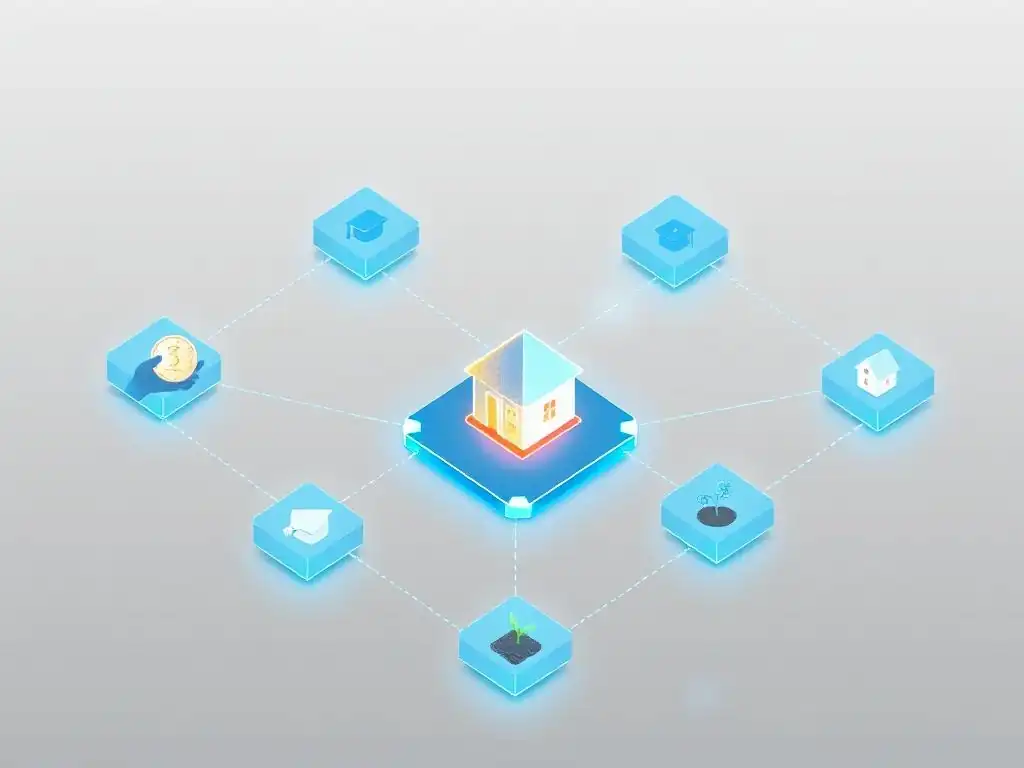
Regulatory Hurdles and Legal Frameworks
Implementing blockchain social impact contracts often navigates complex and evolving regulatory landscapes. Many jurisdictions lack clear legal frameworks specifically addressing smart contracts, their enforceability, and the status of digital assets used in programs. Questions around liability if a smart contract malfunctions, consumer protection for beneficiaries interacting with blockchain systems, and compliance with anti-money laundering (AML) and know-your-customer (KYC) regulations pose significant challenges.
Organizations must carefully consider the legal implications of using smart contracts, potentially seeking legal counsel to ensure compliance with local and international laws. The lack of regulatory clarity can create uncertainty and hesitation among potential adopters and partners. Advocacy for clear, supportive regulations is often necessary to facilitate the widespread adoption of blockchain technology for social good initiatives.
Scalability and Interoperability
While some blockchain networks can handle a large volume of transactions, scaling to serve millions of beneficiaries in large-scale social programs can still be a challenge for certain blockchain architectures. High transaction fees or slow processing times on some networks could limit their suitability for frequent, small-value payments typical in financial inclusion programs. Finding a blockchain solution that is both cost-effective and scalable for the specific needs of a program is crucial.
Interoperability is another significant consideration. Social impact programs rarely operate in isolation; they need to interact with existing financial systems, government databases, and other digital platforms. Ensuring that blockchain-based smart contracts can seamlessly communicate and exchange data with these diverse external systems is essential for practical implementation. Developing standards and protocols for interoperability is an ongoing effort in the blockchain space.
Data Privacy and Security Concerns
While blockchain offers enhanced security and transparency, implementing smart contracts for social impact also raises specific data privacy concerns. Storing sensitive beneficiary data directly on a public blockchain is generally not advisable due to its immutable and public nature. Solutions involve using privacy-preserving techniques, such as storing data off-chain and using the blockchain only for hashes or verifiable credentials, or utilizing permissioned blockchains where access is restricted.
Ensuring the security of the smart contract code itself is paramount. Bugs or vulnerabilities in the code can lead to significant losses or unintended consequences. Rigorous auditing and testing of smart contracts by experienced developers are critical before deployment. Protecting the private keys of beneficiaries' digital wallets is also a major security concern, as loss or theft of keys can result in permanent loss of funds.
Digital Literacy and Access to Technology
For smart contracts and blockchain-based financial inclusion programs to be effective, beneficiaries need to have access to the necessary technology (smartphones, internet connectivity) and possess a certain level of digital literacy to manage digital wallets and interact with blockchain applications. In many regions targeted by financial inclusion efforts, these prerequisites are not universally met.
Significant investment in digital infrastructure and education is often required alongside the deployment of blockchain solutions. Programs need to consider user-friendly interfaces and provide adequate training and support to ensure that vulnerable populations can actually access and benefit from the technology. Without addressing the digital divide, the potential of blockchain social impact contracts may remain unrealized for those who need it most.
The Future of Blockchain and Financial Inclusion: Smart Contract Innovations
The field of blockchain for social impact is rapidly evolving, driven by innovation in smart contract capabilities. One key trend is the development of more complex, multi-party smart contracts that can coordinate actions and resource flows among several stakeholders – such as donors, NGOs, local partners, and beneficiaries – within a single automated framework. Another trend is the integration of smart contracts with decentralized identity solutions, enabling more secure and privacy-preserving verification of beneficiary eligibility.
We are also seeing a move towards 'programmable money' facilitated by smart contracts, where conditions for spending are embedded within the digital currency itself. For instance, aid distributed via a smart contract could be restricted for use only on specific goods (like food or medicine) at approved vendors. Furthermore, the use of zero-knowledge proofs and other cryptographic techniques is enhancing the ability of smart contracts to verify information without revealing the underlying data, addressing privacy concerns in sensitive social programs. These innovations are making blockchain social impact contracts more versatile and powerful.
The Role of Decentralized Autonomous Organizations (DAOs)
Decentralized Autonomous Organizations (DAOs) represent a significant future direction for social impact initiatives. A DAO is an organization whose rules and governance are encoded in smart contracts on a blockchain, operating autonomously without central management. In the context of social impact, DAOs could govern the allocation of charitable funds, manage community development projects, or even administer universal basic income programs.
For financial inclusion, DAOs could manage decentralized lending pools, where community members contribute funds and smart contracts automate the lending and repayment processes based on predefined rules agreed upon by the DAO members. This removes the need for traditional organizational structures and can empower communities to manage their own financial resources transparently and collectively. The governance of such initiatives would be determined by token holders or participants, adding a layer of democratic control to blockchain social impact contracts.
Potential for Integration with Other Technologies
The future of blockchain social impact contracts will likely involve deeper integration with other emerging technologies. Internet of Things (IoT) devices could provide verifiable real-world data that triggers smart contract execution – for instance, sensors confirming delivery of goods before payment is released, or tracking school attendance. Artificial intelligence (AI) could be used to analyze the data generated by smart contracts to optimize program design, identify potential fraud patterns, or predict beneficiary needs.
Furthermore, integration with decentralized finance (DeFi) protocols could allow social impact funds to be managed or even invested on-chain, potentially generating returns that can be reinvested into the program. The combination of blockchain's trust and transparency with the data capabilities of AI and IoT, all orchestrated by smart contracts, holds immense potential for creating highly efficient, impactful, and innovative financial inclusion programs.
Case Study: Blockchain-Based Aid Distribution in Refugee Camps
Project Overview and Objectives
A notable area where blockchain and smart contracts are being piloted is in humanitarian aid distribution to refugees and displaced populations. Traditional aid delivery often involves complex logistics, multiple intermediaries, and the risk of aid diversion or corruption. A specific initiative, like the World Food Programme's Building Blocks project, has explored using blockchain to improve this process in refugee camps.
While not exclusively smart contract-driven initially, it lays the groundwork for more automated systems. A hypothetical, but representative, smart contract-based project might aim to provide cash assistance directly to refugees in a camp, bypassing local banks or cash handlers, reducing fees, and increasing transparency.
The objectives of such a project would include ensuring that aid reaches the intended beneficiaries securely and efficiently, reducing administrative costs associated with cash handling and reconciliation, and providing accountability to donors by creating a verifiable record of all transactions. The target population, for instance, might be 10,000 refugees in a specific camp, receiving a monthly stipend equivalent to $30-$50 per person for essential needs, distributed via a blockchain wallet accessible via a simple mobile interface.
Smart Contract Design and Implementation
In a smart contract-based aid distribution system, the core logic would be encoded in several interconnected smart contracts. One contract might manage beneficiary registration and identity verification, linking digital identities (perhaps verified biometrically or via trusted NGOs) to unique blockchain addresses. Another smart contract would hold the aid funds (potentially in stablecoins) and be programmed to automatically disburse the monthly stipend amount to each verified beneficiary address on a specific date, provided eligibility criteria (e.g., still residing in the camp, identity valid) are met.
Implementation involves issuing digital wallets to beneficiaries, which could be app-based or even hardware-based for offline access in low-connectivity areas. Local merchants within or near the camp would be onboarded to accept the digital currency via a simple point-of-sale app or QR code system, with another smart contract potentially automating settlements or reconciliation with merchants. The system relies on secure oracles to feed in external data, such as exchange rates or verification of beneficiary status from trusted sources, triggering the smart contract execution. These specific blockchain social impact contracts streamline the entire process from donor to beneficiary.
Results and Impact on Aid Delivery
While specific public data for a fully smart contract-automated refugee aid project might be limited as many are pilots, results from related blockchain initiatives like Building Blocks demonstrated significant improvements. For example, the WFP project reported processing millions of transactions for hundreds of thousands of refugees, reducing bank fees and transfer costs significantly compared to traditional methods. Estimates suggested savings of 98% on bank fees in one instance.
The impact on aid delivery is profound: funds reach beneficiaries faster and more directly, increasing their ability to purchase necessities when they need them. The transparency of the blockchain ledger provides unprecedented accountability; donors can track fund flow from source to beneficiary address, building greater trust in the aid process. Furthermore, reducing the reliance on physical cash minimizes security risks for both aid workers and beneficiaries in potentially volatile environments. The immutable record also simplifies auditing and reporting for aid organizations.
Harnessing the Power of Blockchain for a More Equitable Future
The exploration of smart contracts for social impact reveals their transformative potential, particularly in the realm of financial inclusion. By automating processes, enhancing transparency, reducing costs, and building trust, blockchain social impact contracts can significantly improve the delivery and effectiveness of programs aimed at supporting vulnerable populations. From streamlining microfinance and government aid to revolutionizing remittances, smart contracts offer a pathway towards more efficient, accountable, and equitable access to essential financial services.
While challenges related to regulation, scalability, and digital literacy remain, ongoing innovation and pilot projects demonstrate the tangible benefits already being realized. As the technology matures and becomes more accessible, the potential for smart contracts to serve as a powerful catalyst for positive social change will only grow. Harnessing this technology responsibly and inclusively is key to unlocking its full promise for building a more financially inclusive world.
Organizations, governments, and individuals committed to social good should actively explore the opportunities presented by blockchain and smart contracts. This involves understanding the technology, identifying specific use cases where automation and transparency can drive significant improvements, and potentially piloting blockchain social impact contracts in targeted programs. Collaboration between technologists, social sector experts, and policymakers is essential to navigate challenges and develop solutions tailored to the specific needs of underserved communities.
Investing in digital literacy and infrastructure in target regions is also crucial to ensure that blockchain-based solutions are accessible and usable by intended beneficiaries. By embracing this innovative technology, we can create more efficient, transparent, and trustworthy systems that empower individuals, reduce poverty, and accelerate progress towards global financial inclusion goals. The time to explore and leverage the power of blockchain social impact contracts is now.
Frequently Asked Questions
Blockchain allows for transparent and immutable tracking of progress against social impact goals. This increased transparency fosters greater accountability and trust among stakeholders. It also automates payments upon verification.
What are the key benefits of using smart contracts in financial inclusion programs?
Smart contracts automate payment disbursement, reducing administrative overhead and the risk of corruption. They also ensure fair and equitable distribution of funds based on pre-defined conditions. This increases efficiency and reach.
DeFi provides alternative funding mechanisms for social impact projects, potentially reducing reliance on traditional institutions. These mechanisms can also offer lower transaction costs and greater accessibility for marginalized communities. It opens access to new capital.
Regulatory frameworks are still evolving, creating uncertainty around legal compliance and liability. Data privacy and security concerns also need to be addressed to protect beneficiaries' information. Clear guidelines are needed for adoption.
Blockchain's immutable ledger provides a verifiable record of all transactions and outcomes. This enhanced transparency builds trust among donors, beneficiaries, and implementing organizations. All interactions are auditable.
Final Reflection: Empowering Futures Through Code
The exploration of blockchain's potential to revolutionize financial inclusion, as detailed in this article, underscores a crucial point: technology, when ethically applied, can be a powerful catalyst for social good. The promise of smart contracts to automate and streamline financial inclusion programs isn't just a theoretical possibility; it's a tangible solution already beginning to reshape lives and communities, offering transparency and efficiency previously unimaginable.
The impact of blockchain on social impact initiatives extends far beyond mere automation. It fosters trust, reduces corruption, and empowers individuals with greater control over their financial destinies. This resonates deeply because it speaks to the fundamental human desire for fairness and opportunity. Technology is nothing. What's important is that you have a faith in people, that they're basically good and smart, and if you give them tools, they'll do wonderful things with them.
- Steve Jobs. This quote perfectly encapsulates the spirit of leveraging blockchain for social good – providing the tools for individuals to build better futures.
As we conclude this exploration of blockchain social impact contracts, I invite you to consider your own role in shaping this technological revolution. How can you contribute to ensuring that these powerful tools are used responsibly and equitably? Let us all strive to be architects of a future where technology serves humanity, bridging the gaps of inequality and empowering individuals to thrive.
Okay, I'm ready to craft a compelling Call to Action for the end of an article titled "Smart Contracts for Social Impact: How Blockchain Automates Financial Inclusion Programs," hosted on the website "Blockchain Trends" with the domain "blockchaintrends.org." Here it is:
Ignite Change: Build a Future of Inclusive Finance!
Thanks for exploring how smart contracts are revolutionizing financial inclusion. You've gained valuable insights into the potential of blockchain to create more equitable systems and empower underserved communities. Now it's time to translate that knowledge into action!
Here's how you can contribute:
- Dive Deeper: Start building a basic smart contract using a platform like Remix IDE. Even a simple "hello world" contract will help you understand the mechanics.:
- Explore local organizations using blockchain for social good and identify potential collaboration opportunities.
- Share this article with your network to spark conversations and raise awareness about the power of blockchain for social impact.
What innovative application of smart contracts for financial inclusion excites you most, and how can we collectively bring it to life?
Leave a Reply