
Land Registry Revolution: Blockchain for Transparent and Secure Property Records

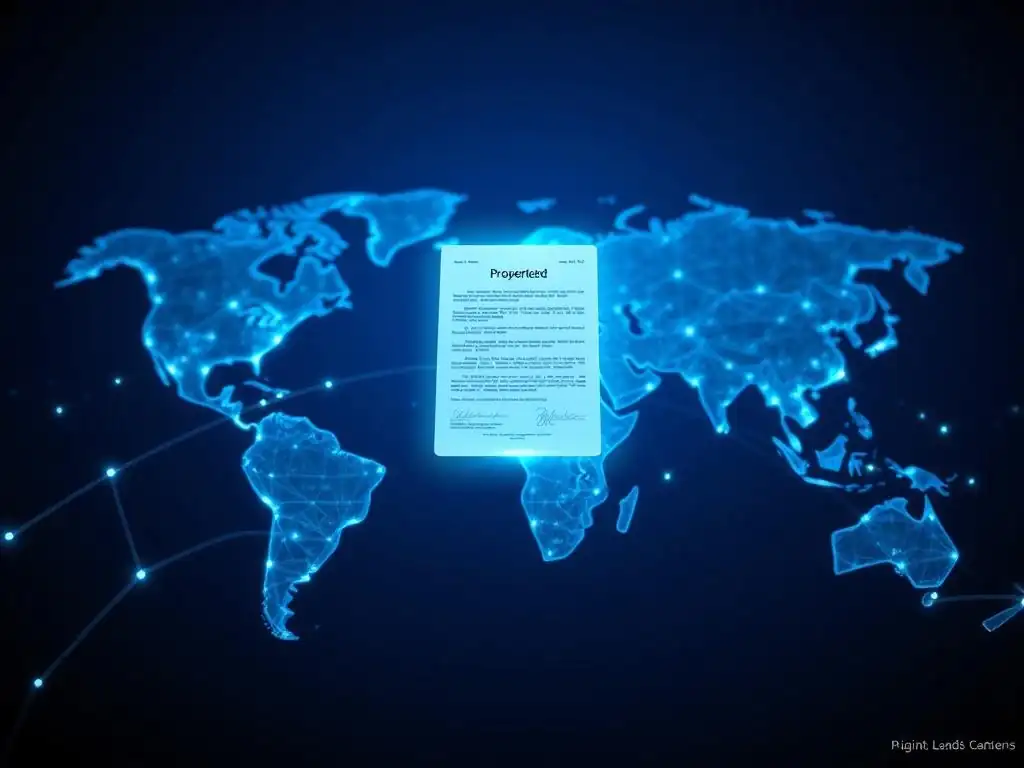
Welcome to Blockchain Trends, your guide to understanding the real-world impact of blockchain technology. Ever wondered how blockchain could solve one of the oldest challenges in property ownership? Dive into our exploration of Blockchain land registry security and discover how this innovation is revolutionizing transparency and trust in land records. Unlock the future of secure property ownership – the journey starts here!
Land Registry Revolution: Blockchain for Transparent and Secure Property Records
- Introduction: The Need for Modernizing Land Records with Blockchain
- Understanding Blockchain Land Registry Security
- Benefits of Implementing Blockchain for Land Records
- Use Cases: Blockchain Land Registry Implementations Around the World
- Addressing Challenges and Considerations for Blockchain Land Registry Adoption
- The Future of Blockchain in Land Administration: Beyond Land Titles
- Conclusion: Blockchain's Transformative Impact on Land Registry Security and Beyond
-
Frequently Asked Questions
- How does blockchain enhance security in land registries?
- What are the key benefits of using blockchain for land registries?
- What role does decentralization play in a blockchain-based land registry?
- What are some potential challenges in implementing blockchain for land registries?
- How can smart contracts automate processes within a blockchain land registry?
- Final Reflection: Embracing Transparency in Land Ownership
- Unleash the Future: Secure Your Property's Digital Legacy!
Introduction: The Need for Modernizing Land Records with Blockchain
Current Challenges in Traditional Land Registry Systems
Traditional land registry systems across the globe face numerous challenges that undermine their efficiency, security, and accessibility. Many land registries, particularly in developing nations, still rely on paper-based systems. These systems are prone to errors, loss, damage, and fraud.
For instance, a World Bank study estimates that over 70% of the world’s population lacks access to adequately registered land titles, often due to inefficient and corrupt traditional systems. The manual nature of these registries also leads to slow transaction times, with property transfers sometimes taking months or even years to finalize. This protracted process can hinder economic development and investment, as secure and efficient property transactions are fundamental for a thriving market economy.
Furthermore, traditional land registry systems are often centralized, making them vulnerable to manipulation and corruption. Centralized databases are single points of failure, susceptible to cyberattacks, data breaches, and internal fraud. Instances of land grabbing and fraudulent property claims are rampant in regions with weak or outdated land administration systems.
In some countries, it is not uncommon for individuals to hold multiple conflicting titles to the same piece of land, creating legal disputes and uncertainty. The lack of transparency in these systems also makes it difficult to verify property ownership and track historical land transactions, further exacerbating the problem of insecure land tenure and hindering the development of robust property markets.
Blockchain's Potential to Revolutionize Property Ownership and Transparency
Blockchain technology offers a compelling solution to address the inherent weaknesses of traditional land registry systems. Its decentralized and immutable nature provides a foundation for creating more secure, transparent, and efficient property record-keeping. By utilizing a distributed ledger, blockchain eliminates the single point of failure associated with centralized databases, making the system more resilient to attacks and fraud. Every transaction recorded on a blockchain is cryptographically secured and timestamped, creating an auditable and tamper-proof history of land ownership. This immutability is crucial for establishing trust and confidence in the accuracy and reliability of land records.
The application of blockchain in land registries can significantly enhance transparency by making land information more accessible to authorized stakeholders. While maintaining necessary privacy controls, blockchain can facilitate easier verification of land titles and transaction history. This increased transparency can help reduce corruption and disputes related to property ownership.
Moreover, the use of blockchain can streamline land administration processes, automating tasks like title transfers and record updates through smart contracts. This automation not only reduces processing times and administrative costs but also minimizes the potential for human error and bureaucratic delays, paving the way for a more efficient and reliable system of land registry security.
Understanding Blockchain Land Registry Security
What is a Blockchain Land Registry?
A blockchain land registry is a system that utilizes blockchain technology to record and manage land ownership and property transactions. Instead of relying on a centralized database managed by a government agency, a blockchain land registry distributes the land records across a network of computers. Each record, representing a land title or a property transaction, is stored as a "block" in the blockchain. These blocks are linked together chronologically and cryptographically, forming a chain of immutable records. This distributed and immutable ledger ensures that the land ownership information is secure, transparent, and resistant to tampering.
In essence, a blockchain land registry creates a shared, verifiable, and permanent record of land ownership. Participants in the network, such as government agencies, landowners, and financial institutions, can access and verify the information stored on the blockchain. Any changes or updates to land records, such as property transfers or mortgages, are recorded as new blocks added to the chain, with consensus from the network participants.
This consensus mechanism is a key feature of blockchain land registry security, as it prevents unauthorized modifications or fraudulent entries. The technology aims to replace or augment traditional paper-based or centralized digital land registries with a more robust and trustworthy system.
How Blockchain Enhances Land Title Security and Accuracy
Blockchain technology inherently enhances land title security and accuracy through several key mechanisms. Immutability is a cornerstone of blockchain security; once a land title or transaction is recorded on the blockchain, it cannot be altered or deleted. This eliminates the risk of data manipulation or backdating of records, which are potential vulnerabilities in traditional centralized systems. The cryptographic hashing and distributed nature of blockchain ensure data integrity and prevent unauthorized modifications, significantly boosting blockchain land registry security.
Furthermore, the transparency of blockchain contributes to increased accuracy. All transactions are recorded on a public ledger (or a permissioned ledger with controlled access), allowing authorized parties to verify the history of land ownership and transactions. This transparency reduces the likelihood of errors and fraud, as any discrepancies or inconsistencies can be easily identified and investigated.
The use of consensus mechanisms, where multiple nodes in the network validate each transaction before it is added to the blockchain, further ensures data accuracy and prevents the recording of fraudulent or invalid transactions. By combining immutability, transparency, and consensus, blockchain creates a highly secure and accurate system for managing land titles, minimizing disputes and enhancing trust in property ownership.
The Role of Smart Contracts in Automating Property Transactions
Smart contracts are self-executing contracts with the terms of the agreement directly written into code. In the context of blockchain land registry, smart contracts can automate various aspects of property transactions, making them more efficient, secure, and transparent. For example, a smart contract can be programmed to automatically transfer land title upon the fulfillment of pre-defined conditions, such as payment completion or document verification. This eliminates the need for intermediaries and manual processes, reducing transaction times and costs.
Smart contracts enhance blockchain land registry security by automating and enforcing the rules of property transactions. They can ensure that all necessary conditions are met before a transaction is finalized, reducing the risk of fraud and errors.
For instance, a smart contract can automatically verify the identity of the parties involved in a transaction, check for encumbrances or liens on the property, and ensure that all required documentation is in place. This automation not only streamlines the transaction process but also adds an additional layer of security and trust to the system, minimizing human intervention and potential for manipulation in property transfers.
Benefits of Implementing Blockchain for Land Records
Enhanced Transparency and Reduced Fraud in Property Transactions
Implementing blockchain for land records significantly enhances transparency in property transactions. Traditional land registries, often opaque and bureaucratic, can obscure information and create opportunities for corruption. Blockchain, with its inherent transparency, allows authorized stakeholders to access and verify land ownership information and transaction histories.
This open access, while respecting privacy regulations, makes it more difficult to conceal fraudulent activities or manipulate records. For example, in countries with high levels of corruption in land administration, such as some regions in Latin America and Africa, a transparent blockchain system can act as a powerful deterrent against land grabbing and illicit property transfers.
The immutability and cryptographic security of blockchain drastically reduce the incidence of fraud in property transactions. Once a land title is recorded on the blockchain, it becomes virtually impossible to alter or forge. This contrasts sharply with paper-based systems or even centralized digital databases, which are susceptible to tampering and data manipulation.
By creating an auditable and tamper-proof record of land ownership, blockchain builds trust and confidence in the integrity of the land registry, significantly mitigating risks associated with fraudulent claims and disputes over property rights. This enhanced blockchain land registry security is a major advantage for both individuals and businesses.
Increased Efficiency and Reduced Costs in Land Administration
Blockchain technology streamlines land administration processes, leading to increased efficiency and reduced costs. Traditional land registries often involve cumbersome manual processes, multiple intermediaries, and lengthy delays. Digitizing land records on a blockchain eliminates much of the paperwork and manual handling, automating tasks such as title searches, transfers, and record updates. Smart contracts can further automate these processes, executing transactions automatically upon the fulfillment of pre-defined conditions. This automation reduces processing times, minimizes administrative overhead, and lowers transaction costs for both government agencies and property owners.
The decentralized nature of blockchain can also contribute to cost savings by reducing the need for centralized infrastructure and intermediaries. By distributing the land registry across a network, blockchain eliminates the need for expensive centralized databases and servers. The reduced reliance on intermediaries, such as notaries and brokers in certain processes, can also lower transaction costs.
For instance, in Sweden's pilot project, they explored how blockchain could potentially reduce the costs and time associated with land registration by streamlining processes and reducing manual intervention. These efficiency gains and cost reductions make blockchain a compelling solution for modernizing land administration and improving access to land services.
Improved Accessibility to Land Records for Citizens and Businesses
Blockchain-based land registries can significantly improve accessibility to land records for citizens and businesses. Traditional land registries, particularly in developing countries, are often geographically inaccessible, requiring individuals to travel long distances and navigate bureaucratic hurdles to access information about land ownership. A digital blockchain registry can be accessed online, making land information readily available to authorized users from anywhere with an internet connection. This improved accessibility is especially beneficial for remote communities and businesses operating across different regions.
For businesses, improved access to land records facilitates due diligence processes and reduces transaction risks. Companies seeking to invest in land or real estate require accurate and easily accessible information about property ownership and encumbrances. Blockchain land registries provide a transparent and reliable source of this information, simplifying due diligence and fostering greater investment confidence. For citizens, easier access to land records empowers them to verify their property rights, resolve disputes more efficiently, and participate more effectively in land markets. This enhanced accessibility promotes transparency and inclusivity in land administration, benefiting both individuals and the broader economy.
Strengthening Property Rights and Promoting Economic Growth
By enhancing security, transparency, and efficiency, blockchain land registries play a crucial role in strengthening property rights. Secure property rights are fundamental for economic development, as they provide individuals and businesses with the confidence to invest, innovate, and engage in economic activities. When land ownership is clearly defined and securely recorded, it reduces uncertainty and disputes, fostering a more stable and predictable environment for economic growth. Blockchain's immutable and transparent record-keeping strengthens the legal basis for property rights, making them more enforceable and less susceptible to challenges or manipulation.
Strengthened property rights, facilitated by blockchain land registry security, directly contribute to economic growth in several ways. They encourage investment in land and property development, as owners are assured of their long-term security and can use their land as collateral for loans. Secure land tenure also promotes agricultural productivity, as farmers are more likely to invest in improving their land when their ownership is secure.
Furthermore, a well-functioning land market, underpinned by a reliable land registry, facilitates efficient land allocation and utilization, driving economic efficiency and productivity. By fostering a more secure and efficient land administration system, blockchain contributes to a more robust and inclusive economy.
Use Cases: Blockchain Land Registry Implementations Around the World

Georgia: Blockchain Land Registry Project Overview
Georgia was one of the first countries to explore and implement blockchain technology for its land registry. In 2016, in partnership with blockchain technology company Bitfury, the Georgian government launched a pilot project to register land titles on a private blockchain. The motivation behind this initiative was to improve the efficiency and transparency of the land registry system, which, like many post-Soviet countries, faced challenges related to corruption and outdated processes. The project aimed to reduce fraud, streamline registration procedures, and enhance blockchain land registry security.
The Georgian project has progressed beyond the pilot phase and has been integrated into the national land registry system. As of recent reports, over 1.7 million land titles have been registered on the blockchain in Georgia. This represents a significant portion of the country's land registry, demonstrating the scalability and viability of blockchain for large-scale land administration.
The Georgian experience serves as a pioneering example of how blockchain can be successfully implemented to modernize land registries and enhance blockchain land registry security in a real-world setting. The project highlights the potential for other nations to adopt similar solutions to address their land administration challenges.
Sweden: Case Study of Blockchain-Based Land Titling
Sweden, known for its advanced digital infrastructure, has also been exploring the use of blockchain for land titling. Lantmäteriet, the Swedish land registry authority, initiated a pilot project in 2016 to investigate the feasibility of using blockchain to streamline and secure land transactions. The Swedish project focused on automating the process of property transfer, aiming to reduce the time, cost, and complexity associated with traditional land titling procedures. The emphasis was on improving efficiency and exploring the potential of blockchain to enhance blockchain land registry security and transparency.
While Sweden's project was primarily a pilot and proof-of-concept, it yielded valuable insights into the potential benefits and challenges of blockchain in land administration. The Swedish case study demonstrated that blockchain could potentially significantly reduce the time and paperwork involved in property transactions. It also highlighted the importance of regulatory considerations and interoperability with existing systems. Although Sweden has not yet fully implemented a nationwide blockchain land registry, its pilot project has contributed to the global understanding of blockchain's application in this domain and provided valuable lessons learned for future implementations of blockchain land registry security.
Lessons Learned from Early Blockchain Land Registry Adopters
The early adopters of blockchain land registry, such as Georgia and Sweden, have provided valuable lessons for other countries considering implementing this technology. One key takeaway is the importance of strong government leadership and commitment. Successful implementation requires proactive engagement from land registry authorities and political will to drive change and overcome bureaucratic inertia. The Georgian example demonstrates that government partnership with technology providers is crucial for successful project execution and integration.
Another important lesson is the need for careful planning and pilot testing. Blockchain implementation in land registry is a complex undertaking that requires thorough assessment of existing systems, legal frameworks, and stakeholder needs. Pilot projects, like the one in Sweden, allow for experimentation, identification of challenges, and refinement of solutions before large-scale deployment.
Furthermore, addressing concerns related to scalability, data privacy, and regulatory compliance is essential for ensuring the long-term sustainability and success of blockchain land registry initiatives and to ensure robust blockchain land registry security. These early experiences highlight the need for a phased and iterative approach to blockchain adoption in land administration.
Addressing Challenges and Considerations for Blockchain Land Registry Adoption
Scalability and Performance of Blockchain Networks for Land Records
Scalability and performance are critical considerations for blockchain networks intended for land records. Land registries typically involve a vast number of records and frequent transactions. Public blockchains, while offering decentralization and transparency, may face limitations in transaction throughput and processing speed, which could become bottlenecks in a large-scale land registry system. Private or permissioned blockchains, on the other hand, can offer higher transaction speeds and better scalability, but they may compromise on the level of decentralization and transparency compared to public blockchains.
Choosing the appropriate blockchain architecture is crucial for addressing scalability concerns. Solutions like layer-2 scaling solutions on public blockchains or the use of permissioned blockchains with optimized consensus mechanisms can enhance performance. Furthermore, efficient data management and storage strategies are necessary to handle the large volumes of land record data. Careful consideration of network infrastructure, transaction processing capacity, and data storage requirements is essential to ensure that a blockchain land registry can handle the demands of a national or regional land administration system and maintain robust blockchain land registry security without performance degradation.
Regulatory Frameworks and Legal Considerations for Blockchain Land Registry
The legal and regulatory frameworks surrounding blockchain land registry are still evolving. Existing land laws and regulations may not be fully compatible with blockchain technology, and new legislation may be required to recognize and legitimize blockchain-based land titles. Legal frameworks need to address issues such as the legal validity of digital land titles, the enforceability of smart contracts in property transactions, and the admissibility of blockchain records as legal evidence in court. Clear and supportive legal frameworks are essential for fostering trust and adoption of blockchain land registry systems.
Regulatory considerations also extend to data privacy, consumer protection, and cybersecurity. Regulations need to be in place to ensure compliance with data protection laws, such as GDPR, and to safeguard the privacy of land ownership information stored on the blockchain. Consumer protection measures are needed to protect property owners from fraud and ensure fair and transparent property transactions in the blockchain environment.
Cybersecurity regulations are crucial to address potential risks of cyberattacks and data breaches in blockchain land registry systems and to maintain robust blockchain land registry security. Collaboration between legal experts, policymakers, and technology developers is essential to create enabling regulatory environments for blockchain land registry adoption.
Data Privacy and Security Concerns in Blockchain Land Registry Systems
While blockchain offers enhanced security features, data privacy and security concerns still need careful consideration in blockchain land registry systems. The transparency of blockchain, while beneficial for accountability, can also raise privacy concerns if sensitive land ownership information is publicly accessible. Permissioned blockchains can address some of these privacy concerns by controlling access to data and limiting visibility to authorized participants. However, even in permissioned blockchains, robust data encryption and access control mechanisms are necessary to protect sensitive information.
Security concerns in blockchain land registry extend beyond data privacy to include the overall security of the blockchain network and the smart contracts used in the system. Vulnerabilities in smart contract code or weaknesses in the blockchain network infrastructure could be exploited by malicious actors. Rigorous security audits, penetration testing, and ongoing monitoring are essential to identify and mitigate potential security risks. Furthermore, robust key management practices and secure storage of cryptographic keys are crucial for maintaining blockchain land registry security and preventing unauthorized access to or manipulation of land records.
Overcoming Resistance to Change and Promoting User Adoption
Resistance to change can be a significant barrier to the adoption of blockchain land registry, particularly in jurisdictions with established traditional systems. Stakeholders, including government officials, land administrators, legal professionals, and property owners, may be hesitant to embrace new technologies and processes. Overcoming this resistance requires effective communication, education, and stakeholder engagement. Demonstrating the benefits of blockchain, addressing concerns, and providing training and support are crucial for promoting user adoption.
Building trust in the new system is essential for user acceptance. Transparency, reliability, and user-friendliness are key factors in building trust. User-friendly interfaces and accessible support systems are necessary to make the blockchain land registry easy to use for all stakeholders, regardless of their technical expertise. Furthermore, showcasing successful use cases and demonstrating the tangible benefits of blockchain, such as reduced transaction times and enhanced blockchain land registry security, can help overcome resistance and encourage wider adoption of blockchain-based land administration systems.
The Future of Blockchain in Land Administration: Beyond Land Titles
Integrating Blockchain with Other Technologies for Smart Cities and Land Management
The future of blockchain in land administration extends beyond just land titles to encompass broader applications in smart cities and land management. Integrating blockchain with other emerging technologies, such as IoT (Internet of Things), AI (Artificial Intelligence), and geospatial technologies, can create more comprehensive and intelligent land management systems. For example, IoT sensors can be used to collect real-time data on land use and environmental conditions, which can be recorded and analyzed on a blockchain platform. AI can be applied to analyze land data, identify patterns, and improve decision-making in land administration and urban planning.
Combining blockchain with geospatial technologies, such as GIS (Geographic Information Systems) and satellite imagery, can create more accurate and dynamic land information systems. Geospatial data can be linked to blockchain-based land records, providing a visual and contextual understanding of land ownership and land use. This integration can enhance land management, urban planning, and environmental monitoring. The convergence of blockchain with these technologies can pave the way for smarter, more efficient, and sustainable land management practices, enhancing blockchain land registry security in a broader ecosystem.
The Potential of NFTs for Representing Property Ownership
Non-Fungible Tokens (NFTs) offer a novel approach to representing property ownership on the blockchain. While traditional blockchain land registries typically record land titles as entries in a database, NFTs can represent individual properties as unique digital assets. Each NFT is unique and indivisible, making it suitable for representing ownership of a specific piece of land or property. NFTs can simplify property transactions, as ownership can be transferred by simply transferring the NFT to a new owner.
The use of NFTs for property ownership can enhance transparency and security in property transactions. The ownership history of an NFT is recorded on the blockchain, providing a transparent and auditable record of property ownership. Smart contracts associated with NFTs can automate property transactions and enforce conditions of ownership. While the legal and regulatory framework for NFTs in property ownership is still developing, the potential of NFTs to streamline property transactions and enhance blockchain land registry security is being increasingly explored.
The Role of Blockchain in Creating a More Equitable and Transparent Land Market
Blockchain technology has the potential to contribute to a more equitable and transparent land market, particularly in developing countries where land tenure insecurity and corruption are prevalent. By enhancing blockchain land registry security and transparency, blockchain can empower marginalized communities and individuals who lack secure land rights. Transparent and accessible land records can reduce land disputes and protect vulnerable populations from land grabbing and displacement.
Blockchain can also facilitate more inclusive land governance and participation. By making land information publicly accessible (while respecting privacy), blockchain can empower citizens to participate in land-related decision-making and hold government agencies accountable. Furthermore, blockchain can enable more efficient and transparent land administration, reducing opportunities for corruption and promoting fairer land allocation and utilization. By fostering a more equitable and transparent land market, blockchain can contribute to social and economic development, especially in regions where land tenure security is a major challenge.
Conclusion: Blockchain's Transformative Impact on Land Registry Security and Beyond
Key Takeaways: The Advantages of Blockchain for Secure Land Records
Blockchain technology offers significant advantages for creating secure land records. Its decentralized and immutable nature enhances blockchain land registry security by making land titles tamper-proof and resistant to fraud. Transparency is improved through accessible and auditable records, reducing corruption and disputes. Efficiency is increased through streamlined processes and automated transactions via smart contracts. Accessibility to land records is enhanced, benefiting citizens and businesses. Ultimately, blockchain strengthens property rights and promotes economic growth by fostering a more secure, transparent, and efficient land administration system.
The successful implementations and pilot projects around the world, such as in Georgia and Sweden, demonstrate the practical viability of blockchain land registry. These early experiences provide valuable lessons and pave the way for wider adoption. While challenges related to scalability, regulation, and user adoption need to be addressed, the potential benefits of blockchain for transforming land administration are undeniable. Blockchain land registry security represents a significant step forward in modernizing land governance and creating more trustworthy and equitable land markets.
The Future Outlook for Blockchain-Based Land Administration
The future outlook for blockchain-based land administration is promising. As blockchain technology matures and regulatory frameworks evolve, wider adoption of blockchain land registry systems is expected globally. Further integration of blockchain with other technologies, such as IoT, AI, and geospatial tools, will lead to more sophisticated and intelligent land management solutions. The use of NFTs for property ownership and the application of blockchain in creating more equitable land markets represent exciting future directions.
Blockchain has the potential to fundamentally transform land administration, moving from outdated and inefficient systems to modern, secure, and transparent platforms. This transformation will not only enhance blockchain land registry security but also contribute to broader societal benefits, including stronger property rights, reduced corruption, increased economic growth, and more equitable land governance. As the technology continues to develop and adoption barriers are overcome, blockchain is poised to play an increasingly important role in shaping the future of land administration worldwide.
Frequently Asked Questions
How does blockchain enhance security in land registries?
Blockchain provides immutable records, making it significantly harder to tamper with property ownership information. The decentralized nature also reduces the risk of a single point of failure, improving security.
What are the key benefits of using blockchain for land registries?
Blockchain offers increased transparency and efficiency in property transactions. It also drastically reduces the potential for fraud and corruption, resulting in a more trustworthy system.
What role does decentralization play in a blockchain-based land registry?
Decentralization distributes the land registry data across multiple nodes, eliminating a centralized point of failure. This makes the system more resilient to attacks and censorship.
What are some potential challenges in implementing blockchain for land registries?
Challenges include regulatory hurdles, scalability concerns, and the need for widespread adoption by stakeholders like governments and property owners. Interoperability with existing systems is also crucial.
How can smart contracts automate processes within a blockchain land registry?
Smart contracts can automate the transfer of property ownership and the enforcement of agreements based on pre-defined conditions. This leads to faster and more efficient transactions, reducing the need for intermediaries.
Final Reflection: Embracing Transparency in Land Ownership
The exploration of blockchain technology's potential to revolutionize land registries underscores a critical need for enhanced security and transparency in property records. In an era defined by digital vulnerabilities and the persistent threat of fraud, the promise of an immutable and decentralized ledger offers a compelling solution to safeguard land ownership rights and foster greater trust in the system.
The impact of a blockchain land registry extends far beyond mere technological advancement. It represents a fundamental shift in how we perceive and interact with property ownership, potentially empowering marginalized communities and reducing opportunities for corruption. The ability to verify land titles with unprecedented certainty and accessibility is not just a technical feat; it's a step towards a more equitable and just society. Land is the basis of all security and well-being.
- Kofi Annan. This quote encapsulates the profound importance of secure land ownership and the transformative potential of blockchain in achieving this goal.
As we look to the future, let us not underestimate the power of innovation to reshape our world. Consider how you can champion the adoption of technologies like blockchain to promote transparency and accountability in areas that impact your community. The future of secure and equitable land ownership lies in our collective willingness to embrace change and demand a system that serves the interests of all.
Unleash the Future: Secure Your Property's Digital Legacy!
Thank you for exploring how blockchain can transform land registries. You've seen how this innovative technology can enhance transparency and security in property records. Are you ready to take the next step and be part of this revolutionary change?
Here's how you can get involved:
- Become a Blockchain Advocate: Share this article with your network and start a conversation about the importance of transparent and secure land registries. Highlight the current challenges and the potential benefits of adopting blockchain solutions.
- Explore Blockchain-Based Land Registry Projects: Research ongoing initiatives and pilot programs around the world that utilize blockchain for land registration. Learning about real-world applications will enable you to advocate effectively for change.
- Connect with Local Government Officials: Reach out to your local representatives and express your support for exploring blockchain technology in land management. Suggest hosting a workshop or information session to discuss its advantages.
What is one immediate action you can take today to promote blockchain in land registry within your community? Share your ideas in the comments!
Leave a Reply