
Beyond Centralized Control: Social Impact DAOs as a Viable Alternative Structure


Welcome to Blockchain Trends, your guide to navigating the ever-evolving world of decentralized technologies.
Ever wondered how blockchain can truly revolutionize society, beyond just digital currencies? Dive in as we explore the rise of decentralized autonomous organizations (DAOs) and their potential for creating real-world social impact. Discover how DAOs are challenging traditional hierarchical structures and paving the way for a more transparent and equitable future, and why their impact is only just beginning to be understood.
- Understanding Social Impact DAOs: Decentralized Autonomous Organizations for Good
- Key Benefits of Social Impact DAOs: Advantages Over Traditional Structures
- Challenges and Limitations of Social Impact DAOs: Addressing Potential Drawbacks
- Real-World Examples: Social Impact DAOs in Action
- Building a Successful Social Impact DAO: Essential Considerations
- The Future of Social Impact DAOs: Scaling Decentralized Solutions for Global Challenges
- Conclusion: Embracing Social Impact DAOs for a Better Future
-
Frequently Asked Questions
- What exactly is a Decentralized Autonomous Organization (DAO), and how does it differ from a traditional organization?
- How can a DAO be used to create social impact, as highlighted in the "Beyond Centralized Control" article?
- What are some potential benefits of using a DAO structure for social impact projects compared to traditional non-profits?
- What are some of the challenges and risks associated with implementing social impact DAOs?
- How might the rise of social impact DAOs affect the future of decentralized systems and their impact on society?
- Final Reflection: Embracing Decentralized Impact
- Ignite Change: Build Your Social Impact DAO Today!
Social Impact Decentralized Autonomous Organizations (DAOs) represent a novel approach to tackling societal challenges by leveraging blockchain technology's inherent transparency and decentralization. Unlike traditional charities or non-profits that operate under hierarchical structures, a Social Impact DAO is governed by its community members through a set of rules encoded on a blockchain. This code dictates how the organization operates, manages funds, and makes decisions, all without the need for centralized intermediaries.
The core purpose of a Social Impact DAO is to create positive social change, aligning incentives between stakeholders and beneficiaries in a transparent and accountable manner. This model seeks to democratize philanthropy and social initiatives, empowering communities to directly participate in shaping and benefiting from projects designed to address their needs.
At its heart, a Social Impact DAO is a collective of individuals united by a shared mission to address a specific social or environmental issue. This could range from funding renewable energy projects in developing nations to supporting educational programs for underserved communities, or even coordinating disaster relief efforts. The defining characteristic is the use of blockchain technology to ensure transparent governance and verifiable impact.
Decisions within the DAO are typically made through token-based voting, where members holding governance tokens can propose and vote on initiatives, resource allocation, and strategic direction. This democratic structure fosters a sense of ownership and accountability among members, potentially leading to more effective and sustainable social impact.
The Rise of DAOs: A Shift from Centralized Organizations
The emergence of Decentralized Autonomous Organizations (DAOs) can be seen as a direct response to perceived limitations and inefficiencies within traditional centralized organizations, particularly in the context of social impact. Historically, philanthropic efforts have been channeled through institutions with hierarchical structures, often leading to concerns about transparency, overhead costs, and a lack of direct community involvement.
The rise of DAOs offers a compelling alternative by shifting power away from centralized authorities and distributing it among stakeholders. This paradigm shift is fueled by the increasing accessibility and maturity of blockchain technology, making it feasible to create and manage decentralized organizations with complex operational frameworks.
The appeal of DAOs extends beyond just technological innovation; it taps into a growing desire for more democratic and participatory systems across various sectors. In the realm of social impact, this translates to a yearning for solutions that are not only effective but also ethically grounded and community-driven. The DAO model promises to address issues of trust and accountability that have sometimes plagued traditional charities and non-profits.
By encoding organizational rules and financial transactions on a public ledger, DAOs offer an unprecedented level of transparency, allowing stakeholders to track funds and monitor progress in real-time. This inherent transparency, combined with community-driven governance, positions DAOs as a potentially transformative force in the social impact landscape, moving away from top-down approaches towards more inclusive and collaborative models.
Social Impact DAOs and traditional charities, while both aiming to address societal needs, operate under fundamentally different structures and principles. Traditional charities are typically hierarchical organizations, with a board of directors or trustees making key decisions and managing operations. Funding often comes from donations, grants, and fundraising efforts, and while transparency is expected, it can vary widely.
In contrast, Social Impact DAOs are decentralized and community-governed. Decisions are made collectively by token holders through voting mechanisms, and operations are often automated through smart contracts on a blockchain. This inherent decentralization is a core differentiator, impacting everything from governance to resource allocation and accountability.
Another key distinction lies in their operational transparency. Traditional charities, while often publishing annual reports, may not always provide granular, real-time visibility into their financial transactions and project progress. Social Impact DAOs, by leveraging blockchain, offer radical transparency. All transactions and governance decisions are recorded on a public ledger, accessible to anyone.
This level of transparency builds trust and accountability, allowing stakeholders to verify how funds are being used and whether the DAO is achieving its stated impact. Furthermore, DAOs can streamline operations and reduce overhead costs through automation, potentially directing more resources directly to beneficiaries compared to traditional charities with larger administrative structures. This operational efficiency and enhanced transparency are compelling advantages that set Social Impact DAOs apart in the pursuit of positive social change.
One of the most significant advantages of Social Impact DAOs is the unparalleled level of transparency they offer. Built upon blockchain technology, DAOs inherently record all transactions and governance decisions on a public, immutable ledger. This means that every donation, expenditure, and vote is permanently documented and auditable by anyone at any time.
This radical transparency contrasts sharply with traditional charitable organizations where financial information and operational details may not always be readily accessible or easily verifiable by the public. The open nature of blockchain fosters trust and accountability, ensuring that stakeholders can confidently track how funds are being utilized and whether the DAO is operating according to its stated mission and principles.
This enhanced transparency directly translates to increased accountability. In a Social Impact DAO, there is no central authority that can unilaterally make decisions or control funds without scrutiny. Every proposal and action is subject to community review and voting, and the results are publicly recorded.
This distributed governance model reduces the risk of mismanagement or corruption, as any deviations from the DAO's agreed-upon rules and procedures would be transparent and readily identifiable by the community. For donors and beneficiaries alike, this accountability provides a greater sense of confidence and assurance that resources are being used effectively and ethically to achieve the intended social impact. The decentralized and transparent nature of DAOs creates a system of checks and balances that is inherently more accountable than many traditional organizational structures.
Increased Community Engagement and Participation
Social Impact DAOs are designed to foster a strong sense of community and encourage active participation from their members. Unlike traditional charities where engagement might be limited to occasional donations or volunteer work, DAOs empower individuals to become active participants in governance and decision-making. Through token-based voting systems, community members can propose initiatives, vote on resource allocation, and shape the strategic direction of the DAO.
This participatory approach democratizes social impact efforts, giving stakeholders a direct voice in the projects and initiatives that affect them or align with their values. This increased sense of ownership and agency can lead to more engaged and committed communities.
Furthermore, DAOs can leverage online platforms and decentralized communication tools to facilitate global collaboration and participation. Individuals from anywhere in the world can contribute their skills, resources, and ideas to a Social Impact DAO, breaking down geographical barriers and fostering a diverse and inclusive community. This global reach is particularly valuable for addressing complex social challenges that transcend national borders.
The open and collaborative nature of DAOs encourages collective problem-solving and innovation, drawing upon the diverse perspectives and expertise of a global community to create more impactful and sustainable solutions. This participatory model not only enhances the effectiveness of social initiatives but also strengthens the sense of collective responsibility and shared purpose among participants.
Efficient Resource Allocation and Impact Measurement
Social Impact DAOs have the potential to significantly improve the efficiency of resource allocation and impact measurement in social initiatives. Traditional charities often face challenges in optimizing resource allocation due to bureaucratic processes and information asymmetries. DAOs, leveraging smart contracts and transparent financial systems, can automate and streamline the distribution of funds, ensuring that resources reach their intended recipients quickly and efficiently. For example, smart contracts can be programmed to automatically release funds upon the achievement of predefined milestones or the verification of specific outcomes, reducing delays and administrative overhead.
Moreover, blockchain technology provides tools for more robust and verifiable impact measurement. Data related to project activities, outcomes, and beneficiaries can be recorded on the blockchain, creating an immutable and transparent record of impact. This allows for more rigorous monitoring and evaluation of social initiatives, enabling DAOs to track progress, identify areas for improvement, and demonstrate their effectiveness to stakeholders.
For instance, a DAO focused on environmental conservation could use blockchain to track the impact of reforestation efforts, providing verifiable data on the number of trees planted, the area reforested, and the carbon sequestration achieved. This data-driven approach to impact measurement enhances accountability and allows DAOs to optimize their strategies and resource allocation for maximum social benefit.
Reduced Overhead and Operational Costs
Compared to traditional charities and non-profits, Social Impact DAOs have the potential to operate with significantly reduced overhead and operational costs. Traditional organizations often incur substantial expenses on administrative staff, office space, fundraising campaigns, and compliance requirements. DAOs, by leveraging automation and decentralized technologies, can minimize many of these costs. Smart contracts can automate administrative tasks such as fund distribution, governance processes, and reporting, reducing the need for large administrative teams. Furthermore, DAOs can operate globally and virtually, minimizing the need for physical offices and infrastructure.
The decentralized and community-driven nature of DAOs can also reduce reliance on expensive fundraising campaigns. Instead of relying solely on external donations, DAOs can explore alternative funding models, such as token sales or decentralized crowdfunding, to raise capital in a more efficient and community-aligned manner.
Lower operational costs mean that a larger proportion of resources can be directed towards the core mission of the Social Impact DAO, maximizing the funds available for direct social impact. This efficiency advantage is particularly crucial for smaller initiatives or projects operating with limited resources, enabling them to achieve greater impact with fewer overhead expenses.
Governance Complexity and Decision-Making Processes
While decentralized governance is a core strength of Social Impact DAOs, it also presents significant challenges in terms of complexity and decision-making processes. Establishing effective governance mechanisms within a DAO requires careful consideration of factors such as voting rights, quorum requirements, and conflict resolution mechanisms. Decentralized decision-making can be slower and more complex than in traditional hierarchical organizations, especially when dealing with contentious issues or time-sensitive matters. Reaching consensus among a diverse community of token holders can be challenging, and poorly designed governance structures can lead to inefficiencies or even gridlock.
Furthermore, ensuring fair and equitable representation within the DAO's governance system is crucial. Token-based voting, while common, can be susceptible to "whale" dominance, where individuals or entities with large token holdings exert disproportionate influence over decisions. Mechanisms to mitigate this, such as quadratic voting or delegation protocols, need to be carefully considered and implemented. Designing robust and adaptable governance frameworks that balance decentralization with efficiency and inclusivity is a critical challenge for Social Impact DAOs. Finding the right balance between community participation and effective leadership is essential for navigating the complexities of decentralized decision-making.
Regulatory Uncertainty and Legal Frameworks
Social Impact DAOs operate in a relatively nascent and evolving regulatory landscape, creating significant uncertainty and challenges regarding legal frameworks. Traditional legal structures for organizations, such as corporations or non-profits, are not readily applicable to DAOs, which are inherently decentralized and lack a central legal entity. This legal ambiguity can create difficulties in areas such as taxation, liability, and contractual agreements. The lack of clear regulatory guidelines can also deter potential donors, partners, and beneficiaries who may be hesitant to engage with organizations operating outside of established legal frameworks.
Different jurisdictions are taking varying approaches to regulating DAOs, and a globally consistent legal framework is still lacking. Some jurisdictions may view DAOs as partnerships or unincorporated associations, while others may attempt to create new legal classifications specifically for decentralized organizations. Navigating this complex and fragmented regulatory landscape requires Social Impact DAOs to carefully consider their legal structure, jurisdiction of operation, and compliance requirements.
Engaging with legal experts and proactively addressing regulatory uncertainties is crucial for ensuring the long-term sustainability and legitimacy of Social Impact DAOs. The evolving legal environment presents a significant challenge that needs to be carefully monitored and addressed as the DAO ecosystem matures.
Security Risks and Vulnerabilities
Social Impact DAOs, being built on blockchain technology, are susceptible to various security risks and vulnerabilities inherent in the digital space. Smart contracts, which automate DAO operations, are code and can contain bugs or vulnerabilities that could be exploited by malicious actors. Security breaches, such as smart contract exploits or governance attacks, can lead to loss of funds, disruption of operations, and damage to the DAO's reputation. The decentralized nature of DAOs, while offering resilience in some respects, also means there is no central authority to quickly respond to and mitigate security threats.
Furthermore, DAOs can be vulnerable to governance attacks, where malicious actors attempt to manipulate voting systems or gain control of the DAO for their own benefit. This could involve acquiring a majority of governance tokens or exploiting vulnerabilities in voting mechanisms. Ensuring the security and integrity of Social Impact DAOs requires robust security audits of smart contracts, implementation of best practices for security protocols, and ongoing monitoring for potential threats.
Community education and awareness about security risks are also crucial for preventing social engineering attacks and phishing scams. Addressing security vulnerabilities is paramount for building trust and ensuring the long-term viability of Social Impact DAOs.
Ensuring Inclusivity and Diversity
While Social Impact DAOs aim to be more inclusive and participatory than traditional organizations, ensuring genuine inclusivity and diversity remains a significant challenge. Access to technology, digital literacy, and financial resources can create barriers to participation for certain communities and demographics. Individuals without reliable internet access or the necessary technical skills may be excluded from participating in DAO governance and decision-making processes. Furthermore, token-based governance models can inadvertently favor wealthier individuals or groups who can afford to acquire more governance tokens, potentially undermining the goal of equitable representation.
Addressing these inclusivity challenges requires proactive efforts to bridge the digital divide and promote accessibility. This could involve providing educational resources and training programs to enhance digital literacy within underserved communities. DAOs can also explore alternative governance models that are less reliant on token ownership, such as reputation-based systems or delegated voting mechanisms that empower community members with valuable expertise or contributions, regardless of their token holdings.
Actively fostering diversity in membership and leadership is crucial for ensuring that Social Impact DAOs truly represent and serve the needs of the communities they aim to impact. Creating inclusive and accessible platforms is essential for realizing the full potential of DAOs to drive positive social change.
Case Study 1: KlimaDAO - Impact and Lessons Learned
KlimaDAO is a prominent Social Impact DAO focused on addressing climate change by increasing the price of carbon assets and driving demand for carbon offsetting. Launched in 2021, KlimaDAO aims to create a decentralized carbon market by accumulating tokenized carbon credits and making them more accessible. The DAO utilizes its treasury to purchase carbon offsets from various registries, effectively removing them from circulation and reducing the overall supply, theoretically driving up the price of remaining carbon credits.
This mechanism is intended to incentivize carbon reduction and support projects that generate carbon offsets. KlimaDAO quickly amassed a significant treasury of carbon assets, becoming a major player in the voluntary carbon market.
Impact and Lessons Learned: KlimaDAO has demonstrated the potential of DAOs to mobilize significant capital and influence markets in the climate space. By focusing on tokenized carbon credits, it has brought increased attention and liquidity to the voluntary carbon market. However, KlimaDAO has also faced challenges, including criticism regarding the quality and additionality of some of the carbon offsets it acquired.
Concerns have been raised about the environmental integrity of certain carbon registries and the potential for "double counting" of offsets. Lessons learned from KlimaDAO highlight the importance of rigorous due diligence in selecting carbon offset projects, the need for transparent and verifiable impact measurement, and the complexities of creating a truly effective and impactful decentralized carbon market. The case of KlimaDAO underscores that while DAOs can be powerful tools for environmental action, careful consideration of the underlying mechanisms and potential unintended consequences is crucial.
Case Study 2: Gitcoin Grants - Impact and Lessons Learned
Gitcoin Grants is a long-standing and highly successful example of a Social Impact DAO utilizing quadratic funding to support open-source software development and public goods projects. Gitcoin Grants operates a platform where individuals and projects in the open-source ecosystem can apply for funding. The core innovation of Gitcoin Grants is its use of quadratic funding, a mechanism that amplifies the impact of small individual donations.
In quadratic funding, the matching funds allocated to a project are determined not just by the total amount of donations received, but also by the number of unique donors. This mechanism prioritizes projects that receive broad community support, even if individual donations are small. Gitcoin Grants has distributed millions of dollars in funding to thousands of open-source projects across multiple rounds.
Impact and Lessons Learned: Gitcoin Grants has had a profound impact on the open-source software ecosystem, providing crucial funding and support to projects that are often under-resourced. Quadratic funding has proven to be a highly effective mechanism for democratizing grant distribution and prioritizing community-driven initiatives. Gitcoin Grants has demonstrated the power of DAOs to create transparent and efficient funding mechanisms for public goods.
Lessons learned from Gitcoin Grants include the importance of community involvement in grant allocation, the effectiveness of quadratic funding for promoting decentralized philanthropy, and the scalability of DAO-based funding platforms. Gitcoin Grants serves as a compelling example of how DAOs can be used to address funding gaps and foster innovation in critical sectors, particularly in the realm of digital public goods.
Case Study 3: UkraineDAO - Impact and Lessons Learned
UkraineDAO emerged rapidly in the wake of the Russian invasion of Ukraine in February 2022 as a decentralized initiative to raise funds for humanitarian aid and support for the Ukrainian people. Created by members of the crypto community, UkraineDAO quickly gained traction and raised millions of dollars through the sale of NFTs and cryptocurrency donations. The funds were channeled to various organizations providing on-the-ground support in Ukraine, including humanitarian aid groups and organizations providing medical supplies and assistance to refugees. UkraineDAO demonstrated the speed and efficiency with which DAOs can mobilize resources in response to urgent crises.
Impact and Lessons Learned: UkraineDAO showcased the remarkable ability of DAOs to rapidly mobilize global communities and raise significant funds for emergency relief efforts. The speed and scale of fundraising achieved by UkraineDAO highlighted the potential of decentralized organizations to respond quickly to humanitarian crises, bypassing traditional bureaucratic channels. Lessons learned from UkraineDAO include the power of community-driven initiatives in times of crisis, the effectiveness of crypto and NFTs for rapid fundraising, and the importance of transparency and accountability even in emergency situations.
UkraineDAO demonstrated that DAOs can be powerful instruments for humanitarian action, particularly in situations requiring rapid response and decentralized coordination. However, it also highlighted the need for careful vetting of recipient organizations and ensuring funds are distributed effectively and transparently in crisis situations.
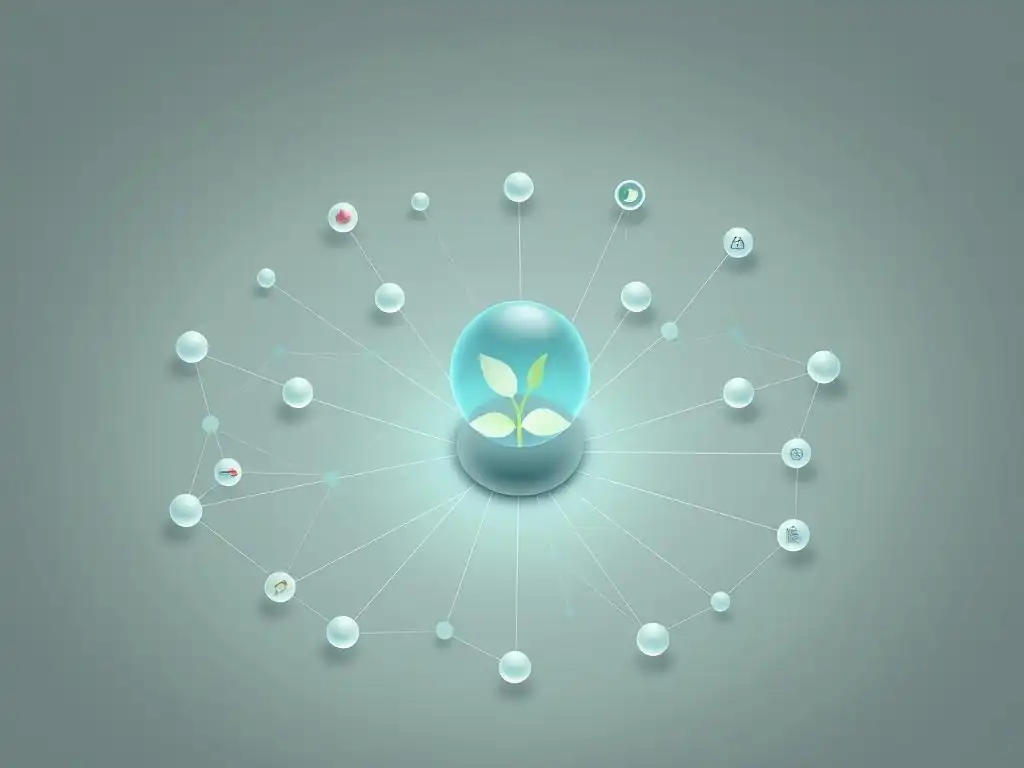
Defining a Clear Mission and Impact Goals
The foundation of any successful Social Impact DAO is a clearly defined mission and well-articulated impact goals. Without a precise understanding of the problem the DAO aims to solve and the desired outcomes, it becomes difficult to attract community members, allocate resources effectively, and measure progress. The mission statement should concisely articulate the DAO's purpose and the social or environmental issue it seeks to address. Impact goals should be specific, measurable, achievable, relevant, and time-bound (SMART), providing a roadmap for the DAO's activities and enabling objective assessment of its effectiveness.
Defining the target beneficiaries and the intended social change is crucial in this stage. For example, a DAO focused on education might aim to increase literacy rates among underserved youth in a specific region by a certain percentage within a defined timeframe. Clearly defined impact goals not only provide direction for the DAO's operations but also serve as a powerful communication tool to attract community members, donors, and partners who are aligned with the DAO's mission. A well-defined mission and impact goals are essential for creating a focused, impactful, and sustainable Social Impact DAO.
Establishing Transparent Governance and Decision-Making Processes
Transparent governance and well-defined decision-making processes are paramount for building trust and ensuring the long-term success of a Social Impact DAO. The governance structure should clearly outline how decisions are made, who has voting rights, and how conflicts are resolved. This includes defining the mechanisms for proposing and voting on initiatives, allocating resources, and making strategic changes to the DAO's operations. Transparency in governance means making all relevant information, including voting records, financial transactions, and operational updates, publicly accessible to the community.
Implementing robust decision-making processes is equally important. This could involve token-based voting, quadratic voting, or other mechanisms that promote fair and equitable participation. Clear procedures should be established for handling disputes, resolving disagreements, and ensuring accountability for governance decisions. A well-defined and transparent governance framework fosters trust within the community, encourages active participation, and minimizes the risk of internal conflicts or mismanagement. Prioritizing transparency and establishing clear decision-making processes are crucial for building a resilient and trustworthy Social Impact DAO.
Leveraging Blockchain Technology for Secure and Efficient Operations
Effectively leveraging blockchain technology is essential for realizing the full potential of Social Impact DAOs. Blockchain provides the underlying infrastructure for secure, transparent, and efficient operations. Smart contracts should be used to automate key processes, such as fund distribution, governance mechanisms, and impact measurement. Choosing the appropriate blockchain platform is crucial, considering factors such as scalability, transaction costs, and security features. Ensuring the security of smart contracts through rigorous audits and best practices is paramount to prevent vulnerabilities and protect DAO assets.
Beyond smart contracts, DAOs can leverage other blockchain-based tools for identity management, data storage, and communication. Decentralized identity solutions can enhance privacy and security, while decentralized storage can ensure data integrity and resilience. Utilizing blockchain-based communication platforms can facilitate transparent and secure communication within the DAO community. Strategic and informed use of blockchain technology is not just about adopting trendy tools; it's about building a robust, efficient, and trustworthy operational framework that underpins the DAO's social impact mission.
Cultivating a Strong and Engaged Community
A thriving Social Impact DAO is fundamentally reliant on a strong and engaged community. Community members are not just users or beneficiaries; they are active participants in governance, decision-making, and the overall mission of the DAO. Cultivating a strong community requires proactive efforts to engage members, foster a sense of belonging, and empower participation. This includes creating clear communication channels, facilitating discussions, and providing opportunities for community members to contribute their skills and ideas.
Incentivizing participation is also crucial. This could involve rewarding active contributors with governance tokens, recognition, or other forms of incentives that align with the DAO's mission. Building a welcoming and inclusive community culture is essential for attracting and retaining diverse members. Addressing community feedback, resolving conflicts constructively, and fostering a shared sense of purpose are all vital aspects of community building. A strong and engaged community is the driving force behind a successful Social Impact DAO, providing the collective intelligence, resources, and commitment needed to achieve its social impact goals.
Demonstrating tangible social impact is crucial for the credibility and sustainability of a Social Impact DAO. Measuring and reporting impact effectively requires establishing clear metrics, collecting relevant data, and communicating results transparently to stakeholders. Impact metrics should be aligned with the DAO's mission and impact goals, focusing on quantifiable outcomes and indicators of social change. Leveraging blockchain technology for data collection and verification can enhance the credibility and transparency of impact reporting.
Reporting impact regularly and transparently to the community, donors, and the wider public is essential for building trust and accountability. Impact reports should clearly articulate the DAO's achievements, challenges, and lessons learned. Visualizing impact data through dashboards and interactive reports can make the information more accessible and engaging. Continuous monitoring and evaluation of impact are crucial for adaptive management and improving the DAO's effectiveness over time. Robust impact measurement and transparent reporting are not just about demonstrating accountability; they are essential for learning, adapting, and maximizing the social impact of the DAO.
Social Impact DAOs hold immense potential for widespread adoption within the social sector, offering a compelling alternative to traditional organizational models. As blockchain technology matures and becomes more accessible, the barriers to entry for creating and participating in DAOs are decreasing. The inherent transparency, accountability, and community-driven nature of DAOs align with the growing demand for more ethical and participatory approaches to social impact. We can anticipate seeing DAOs increasingly utilized across various social sectors, including environmental conservation, education, healthcare, poverty alleviation, and disaster relief.
The potential for DAOs to streamline operations, reduce overhead costs, and enhance resource allocation efficiency makes them particularly attractive for organizations operating with limited resources or in challenging environments. Furthermore, the global reach and collaborative nature of DAOs can facilitate cross-border initiatives and address complex global challenges that require collective action.
As awareness and understanding of DAOs grow within the social sector, we can expect to see increasing experimentation, adoption, and innovation in the application of decentralized autonomous organization impact models to a wide range of social and environmental issues. The future points towards a significant expansion of DAOs as a viable and impactful organizational structure within the social sector.
The Role of Technology in Enhancing Functionality and Impact
Technology will play a crucial role in enhancing the functionality and impact of Social Impact DAOs in the future. Advancements in blockchain technology, including Layer-2 scaling solutions and interoperability protocols, will improve the scalability and efficiency of DAO operations, making them more suitable for large-scale social initiatives. Developments in decentralized identity and privacy-preserving technologies will enhance security and user experience within DAOs. The integration of Artificial Intelligence (AI) and Machine Learning (ML) into DAO platforms could automate decision-making processes, improve data analysis for impact measurement, and personalize community engagement.
Furthermore, the rise of the Metaverse and Web3 technologies will create new opportunities for Social Impact DAOs to engage with communities and deliver impact in virtual and augmented reality environments. Imagine DAOs creating immersive educational experiences, virtual fundraising events, or decentralized platforms for social service delivery within the Metaverse. Technological innovation will continue to drive the evolution of Social Impact DAOs, expanding their capabilities, enhancing their efficiency, and unlocking new avenues for creating positive social change. The future of DAOs is inextricably linked to the ongoing advancements in blockchain and related technologies.
Addressing the Ethical Considerations
As Social Impact DAOs gain prominence, addressing the ethical considerations associated with decentralized governance and blockchain-based social initiatives becomes increasingly important. Ensuring fairness, equity, and inclusivity within DAO governance structures is paramount. Mechanisms to prevent "whale" dominance, mitigate bias in algorithms, and ensure representation of diverse communities need to be carefully considered and implemented. Addressing potential unintended consequences of DAO operations and establishing ethical guidelines for DAO development and deployment are crucial.
Data privacy and security are also significant ethical considerations. DAOs need to ensure responsible data handling practices and protect user privacy in decentralized environments. The environmental impact of blockchain technology, particularly energy-intensive Proof-of-Work blockchains, needs to be addressed. DAOs should prioritize using energy-efficient blockchains or exploring sustainable alternatives. Proactive ethical reflection and the development of ethical frameworks for Social Impact DAOs are essential for ensuring that these organizations operate responsibly and contribute to a more just and equitable future. Ethical considerations must be integrated into the design, development, and operation of DAOs from the outset.
Overcoming Barriers to Entry and Promoting Accessibility
Overcoming barriers to entry and promoting accessibility are crucial for realizing the full potential of Social Impact DAOs and ensuring their widespread adoption. The technical complexity of creating and participating in DAOs can be a significant barrier for individuals and organizations lacking technical expertise. Simplifying DAO creation tools, providing user-friendly interfaces, and offering educational resources are essential for making DAOs more accessible to non-technical users. Addressing the digital divide and ensuring access to technology and internet connectivity for underserved communities is paramount for promoting inclusivity.
Financial barriers to entry, such as high gas fees on certain blockchains or the cost of acquiring governance tokens, need to be addressed. Exploring lower-cost blockchain platforms and alternative governance models that reduce reliance on token ownership can improve accessibility. Furthermore, fostering collaboration and knowledge sharing within the DAO ecosystem can help lower the learning curve and provide support for newcomers. Promoting accessibility and lowering barriers to entry are not just about technical improvements; they are about creating a more inclusive and equitable ecosystem where everyone can participate in and benefit from the transformative potential of Social Impact DAOs.
Social Impact DAOs represent a paradigm shift in how we approach social and environmental challenges. By leveraging the power of decentralization, transparency, and community governance, DAOs offer a compelling alternative to traditional centralized organizations. While challenges and limitations exist, the potential benefits of enhanced transparency, increased community engagement, efficient resource allocation, and reduced overhead are undeniable. Real-world examples like KlimaDAO, Gitcoin Grants, and UkraineDAO demonstrate the diverse applications and tangible impact of Social Impact DAOs across various sectors.
As blockchain technology continues to evolve and mature, and as we collectively address the ethical considerations and accessibility barriers, Social Impact DAOs are poised to play an increasingly significant role in shaping a more just, equitable, and sustainable future. Embracing this innovative organizational model requires a willingness to experiment, collaborate, and learn from both successes and failures. By fostering a strong and engaged community, prioritizing transparency and accountability, and strategically leveraging technology, we can unlock the full potential of Social Impact DAOs to drive meaningful and lasting Decentralized autonomous organization impact and create a better world for all.
Frequently Asked Questions
What exactly is a Decentralized Autonomous Organization (DAO), and how does it differ from a traditional organization?
A DAO is essentially an internet-native organization governed by rules encoded in a smart contract on a blockchain. Unlike traditional companies, DAOs operate without a central authority, relying on community voting for decision-making.
Social impact DAOs can leverage blockchain's transparency and distributed governance to address issues like climate change, poverty, and education. This allows for more accountable and community-driven solutions.
DAOs offer increased transparency in funding and decision-making, enabling greater community participation and trust. This can lead to more effective resource allocation and project outcomes.
Challenges include regulatory uncertainty, the potential for governance attacks, and the need for robust smart contract security. Furthermore, ensuring broad community participation can be difficult.
The success of social impact DAOs could pave the way for broader adoption of decentralized governance models across various sectors. This could lead to more equitable and sustainable solutions to global challenges.
Final Reflection: Embracing Decentralized Impact
The exploration of Social Impact DAOs reveals a potent alternative to traditional hierarchical structures, and its relevance today is undeniable. The promise of democratized decision-making and transparent resource allocation offers a compelling vision for addressing pressing social challenges. As centralized institutions grapple with issues of trust and accountability, the potential of DAOs to empower communities and drive meaningful change becomes increasingly significant.
The rise of Social Impact DAOs marks a shift in how we perceive and participate in social good. This movement, driven by a desire for greater agency and transparency, is reshaping the cultural landscape of philanthropy and activism. It encourages us to question established norms and explore innovative approaches to collective action. Never doubt that a small group of thoughtful, committed citizens can change the world; indeed, it's the only thing that ever has.
- Margaret Mead. This quote perfectly encapsulates the spirit of DAOs, where even small contributions can have a significant impact.
As you consider the potential of Decentralized Autonomous Organizations, I invite you to reflect on your own role in shaping a more equitable and sustainable future. How can you leverage the principles of decentralization and community governance to address the challenges you see around you? Embrace the opportunity to participate in this evolving landscape, contribute your skills and insights, and help build a world where impact is truly decentralized and accessible to all.
Thank you for exploring the potential of Social Impact DAOs with us! We hope this article has inspired you to see DAOs as a powerful tool for creating positive change in the world. Now, let's turn that inspiration into action.
Ready to contribute to a more decentralized and impactful future? Here’s how:
- Research existing Social Impact DAOs and identify areas where you can contribute your skills and passion. Discover organizations that are already making a difference and explore how you can get involved.
- Start small: Propose a micro-project within an existing DAO or outline a potential initiative for a new one. Even a modest contribution can lead to meaningful change.
- Share and discuss: Forward this article to friends or colleagues interested in blockchain and social impact. Let’s start the conversation and grow the movement!
What social issue are you most passionate about addressing through a DAO? What’s the first step you will take to make it happen? Share your thoughts in the comments below!
Leave a Reply