
Hardware Wallets vs. Software Wallets: Which is More Secure for Blockchain?

Welcome to Blockchain Trends, your guide to navigating the ever-evolving world of decentralized technology. Beyond the buzz of cryptocurrencies, blockchain is revolutionizing industries. Intrigued by the secure hardware wallets benefits everyone's talking about? Dive into our analysis of Hardware Wallets vs. Software Wallets to discover which offers superior protection for your digital assets and why the choice matters more than ever in today's blockchain landscape. Explore the article below and unlock the secrets to safeguarding your future.
Introduction to Cryptocurrency Wallets and Blockchain Security
In the burgeoning world of blockchain technology, cryptocurrencies have emerged as a revolutionary form of digital asset. However, owning cryptocurrency necessitates understanding how to securely store and manage these digital assets. This is where cryptocurrency wallets come into play, acting as essential tools for interacting with blockchain networks.
These wallets do not actually hold your cryptocurrencies; instead, they store the private keys that grant you control over your digital assets on the blockchain. The security of these private keys is paramount, as their compromise can lead to the irreversible loss of your cryptocurrency holdings. Therefore, choosing the right type of wallet with robust security features is a critical decision for anyone venturing into the crypto space.
The concept of blockchain security extends far beyond just the resilience of the blockchain itself. User-level security, particularly concerning wallet management, is equally crucial. The decentralized and immutable nature of blockchain means that transactions are irreversible.
If your private keys are compromised, and your funds are transferred to a malicious actor, there is no central authority to recover them. This inherent characteristic of blockchain underscores the importance of proactive security measures in managing your cryptocurrency wallets. Understanding the different types of wallets available and their respective security profiles is the first step towards safeguarding your digital assets in this decentralized ecosystem.
Defining Hardware Wallets: Secure Offline Storage for Crypto Assets
Hardware wallets represent a pinnacle in cryptocurrency security, distinguished by their primary function: offline storage of private keys. These devices are essentially specialized physical devices, resembling USB drives, meticulously designed to keep your private keys isolated from internet-connected devices like computers or smartphones. This offline nature, often referred to as "cold storage," significantly reduces the attack surface vulnerable to online threats. By generating and storing private keys within the secure confines of the hardware device, they minimize the risk of exposure to malware, phishing attacks, and hacking attempts that are prevalent in the online environment.
The core principle behind hardware wallets is to perform all critical operations, such as private key generation and transaction signing, within the device's secure environment. When you initiate a cryptocurrency transaction using a hardware wallet, the transaction details are sent to the device.
The hardware wallet then signs the transaction offline using your private keys, and only the signed transaction, not your private keys, is transmitted back to your computer and subsequently broadcasted to the blockchain network. This process ensures that your private keys never leave the secure hardware environment, providing a robust layer of protection against digital theft and unauthorized access to your crypto assets.
Defining Software Wallets: Convenient Online Crypto Management
Software wallets, in contrast to their hardware counterparts, are digital applications that reside on internet-connected devices such as computers, smartphones, or web browsers. These wallets offer a convenient and accessible way to manage cryptocurrencies, enabling users to send, receive, and store digital assets directly from their everyday devices. Software wallets come in various forms, including desktop applications, mobile apps, and browser extensions, each designed to provide user-friendly interfaces for interacting with blockchain networks. Their online nature, while offering unparalleled ease of use, also introduces a different set of security considerations compared to hardware wallets.
The primary advantage of software wallets lies in their accessibility and convenience. They are typically free to use and readily available for download across multiple platforms. This ease of access makes them ideal for users who frequently transact with cryptocurrencies or require quick and convenient access to their digital assets. However, because software wallets operate on devices that are connected to the internet, they are inherently more vulnerable to online threats. The security of software wallets relies heavily on the security of the device they are installed on and the user's adherence to security best practices.
- Introduction to Cryptocurrency Wallets and Blockchain Security
- Defining Hardware Wallets: Secure Offline Storage for Crypto Assets
- Defining Software Wallets: Convenient Online Crypto Management
- Secure Hardware Wallets Benefits: Why Choose a Hardware Wallet?
- Offline Storage: Mitigating Online Threats to Crypto Security
- Private Key Protection: How Hardware Wallets Safeguard Your Keys
- Hardware Wallet Security Features: Pin Codes, Seed Phrases, and Device Security
- Best Use Cases for Hardware Wallets: Long-Term Storage and High-Value Transactions
- Software Wallet Types: Desktop, Mobile, and Web Wallets Explained
- Ease of Use: The User-Friendly Interface of Software Wallets
- Accessibility: Managing Your Crypto Anywhere, Anytime
- Software Wallet Security Risks: Online Vulnerabilities and Mitigation Strategies
- Best Use Cases for Software Wallets: Frequent Transactions and Smaller Crypto Holdings
- What are the primary differences between hardware and software wallets for blockchain assets?
- What secure hardware wallets benefits are most significant in protecting against hacking?
- How do software wallets compare to hardware wallets in terms of ease of use?
- What are some common vulnerabilities associated with using software wallets?
- Should I use a hardware wallet even if I only have a small amount of cryptocurrency?
Hardware Wallets: Enhanced Security for Your Crypto Assets
Secure Hardware Wallets Benefits: Why Choose a Hardware Wallet?
Secure hardware wallets benefits are primarily rooted in their ability to provide an unparalleled level of security for cryptocurrency assets. For individuals holding significant amounts of cryptocurrency or prioritizing long-term security over immediate accessibility, hardware wallets are often considered the gold standard. The fundamental advantage stems from their offline operation, which effectively shields private keys from the pervasive threats of the online world. This isolation significantly reduces the risk of cyberattacks, malware infections, and phishing scams that can compromise software-based wallets.
Beyond offline storage, secure hardware wallets benefits extend to specialized security features meticulously engineered to protect against both digital and physical threats. These devices incorporate tamper-proof designs, secure elements, and robust firmware, all working in concert to safeguard private keys.
The very architecture of a hardware wallet is built around the principle of minimizing exposure to vulnerabilities, making them a compelling choice for users seeking the highest level of protection for their digital wealth. The peace of mind that comes with knowing your private keys are securely stored offline and protected by dedicated hardware is a key benefit for many cryptocurrency holders.
Offline Storage: Mitigating Online Threats to Crypto Security
Offline storage is the cornerstone of hardware wallet security, acting as a powerful shield against a vast array of online threats. In today's digital landscape, internet-connected devices are constantly bombarded with potential security risks, ranging from sophisticated malware and spyware to targeted phishing attempts and remote access exploits. By keeping private keys completely offline, hardware wallets effectively remove them from this threat landscape. This "air gap" between your private keys and the internet is a crucial security advantage that software wallets, by their very nature, cannot replicate.
Consider the prevalence of keyloggers, screen-recording malware, and clipboard hijackers, all designed to steal sensitive information from online devices. These threats pose a direct danger to software wallets, as private keys could potentially be exposed during transaction signing or wallet access. However, with hardware wallets, these online threats become largely irrelevant.
Since transaction signing and private key operations occur within the isolated hardware environment, malware running on your computer or smartphone has no access to this critical information. This inherent resistance to online attacks is a primary reason why offline storage is considered a paramount security feature for cryptocurrency assets, and a core component of secure hardware wallets benefits.
Private Key Protection: How Hardware Wallets Safeguard Your Keys
Hardware wallets are specifically engineered to provide robust private key protection, going beyond simple storage to actively manage and secure these critical credentials. The process of private key generation within a hardware wallet is typically deterministic and occurs entirely offline, often using a true random number generator within the device. This ensures that private keys are created in a highly secure environment, minimizing the risk of predictability or compromise during generation itself. Furthermore, these private keys are encrypted and stored within a secure element or memory of the hardware wallet, specifically designed to resist physical tampering and unauthorized extraction.
Once private keys are securely stored, hardware wallets employ a secure transaction signing process that further enhances protection. When a transaction is initiated, the details are displayed on the hardware wallet's screen for user verification. The user must physically confirm the transaction on the device itself, typically by pressing buttons.
Only after this physical confirmation does the hardware wallet use the stored private key to sign the transaction. This multi-step process ensures that even if a user's computer is compromised, an attacker cannot autonomously initiate or approve transactions without physical access to the hardware wallet and knowledge of the PIN or passphrase protecting it. This intricate system of private key management and transaction signing is central to the security offered by hardware wallets.
Hardware Wallet Security Features: Pin Codes, Seed Phrases, and Device Security
Beyond offline storage and private key protection, hardware wallets incorporate a suite of security features designed to fortify their defenses against various threats. A crucial element is the PIN code, which acts as the primary access control mechanism for the device. Users must set a strong PIN to unlock their hardware wallet and authorize any operations, including transaction signing. This PIN protection prevents unauthorized access if the physical device is lost or stolen. Many hardware wallets also implement brute-force protection, locking the device or wiping its memory after a certain number of incorrect PIN attempts, further deterring attackers.
The seed phrase, typically a 12 to 24-word recovery phrase, is another critical security feature. Generated during the initial setup of the hardware wallet, the seed phrase serves as a backup of your private keys. It allows you to recover your cryptocurrency holdings if the hardware wallet is lost, damaged, or malfunctions.
However, the seed phrase itself must be stored with extreme care, ideally offline and in a secure location, as its compromise would grant full access to your funds. Furthermore, hardware wallets often undergo rigorous security audits and certifications to validate their security claims and ensure they meet industry best practices for device security. These multi-layered security features contribute to the robust protection offered by hardware wallets.
Best Use Cases for Hardware Wallets: Long-Term Storage and High-Value Transactions
Hardware wallets are particularly well-suited for specific use cases where security and long-term storage are paramount. For individuals who are HODLing, or holding onto cryptocurrency for the long term as an investment, hardware wallets provide the ideal solution for secure storage. The offline nature and robust security features minimize the risk of losing funds due to online vulnerabilities over extended periods. This makes hardware wallets the preferred choice for safeguarding significant cryptocurrency holdings intended for long-term investment strategies.
Another prime use case for hardware wallets is for high-value transactions. When dealing with substantial amounts of cryptocurrency, the potential consequences of a security breach are magnified. Hardware wallets offer the highest level of security for these critical transactions, ensuring that large sums are transferred and stored with maximum protection.
Businesses holding cryptocurrency reserves or individuals conducting large crypto transactions often rely on hardware wallets to mitigate the inherent risks associated with handling significant digital assets. While software wallets might suffice for small, frequent transactions, hardware wallets become increasingly essential as the value and importance of the cryptocurrency holdings increase.
Software Wallets: Convenience and Accessibility in Blockchain Management
Software Wallet Types: Desktop, Mobile, and Web Wallets Explained
Software wallets offer a spectrum of options, each tailored to different user needs and access preferences. Desktop wallets are installed directly onto a personal computer, providing a local interface for managing cryptocurrencies. They offer a balance of security and convenience, typically storing private keys on the user's computer. However, the security of a desktop wallet is contingent upon the security of the computer itself, making it vulnerable if the system is compromised by malware or unauthorized access.
Mobile wallets are designed as smartphone applications, offering unparalleled portability and ease of use. They are ideal for everyday cryptocurrency transactions, allowing users to send and receive crypto on the go. Like desktop wallets, mobile wallets store private keys on the device, making them susceptible to mobile-specific threats such as app vulnerabilities and physical device compromise.
Web wallets, accessed through web browsers, represent the most convenient but often least secure type of software wallet. They can be custodial, where a third party manages your private keys, or non-custodial, where you retain control. Custodial web wallets introduce counterparty risk, while non-custodial web wallets still rely on browser security and are vulnerable to phishing and browser-based attacks.
Ease of Use: The User-Friendly Interface of Software Wallets
One of the primary appeals of software wallets is their user-friendly interface and intuitive design. Compared to the dedicated hardware and sometimes more complex setup of hardware wallets, software wallets are generally easier to set up and use, particularly for beginners. Mobile wallets, in particular, often boast streamlined interfaces, making sending and receiving cryptocurrency as simple as using any other mobile application. Desktop and web wallets also prioritize user experience, offering visually appealing dashboards and straightforward transaction processes.
The ease of use extends to features like QR code scanning for quick address input, address book functionalities for saving frequently used addresses, and often seamless integration with cryptocurrency exchanges and other blockchain services. This focus on user experience makes software wallets accessible to a wider range of users, including those less technically inclined. The simplicity and intuitiveness of software wallets contribute significantly to their popularity, especially for users who prioritize convenience and ease of access in their daily cryptocurrency interactions.
Accessibility: Managing Your Crypto Anywhere, Anytime
Software wallets excel in providing unparalleled accessibility to your cryptocurrency holdings. Being digital applications, they can be accessed from virtually anywhere with an internet connection, depending on the wallet type. Mobile wallets, in particular, embody this accessibility, allowing users to manage their crypto from their smartphones while on the move, making transactions possible at any time and location. Desktop wallets offer accessibility from your personal computer, while web wallets can be accessed from any computer with a web browser, albeit with varying levels of security depending on the wallet type.
This constant accessibility is a significant advantage for users who need to frequently transact with cryptocurrency, monitor market movements, or manage their portfolio on the go. Whether you are making online purchases, sending crypto to friends, or actively trading, software wallets provide the immediate and readily available access needed for dynamic cryptocurrency management. This "anywhere, anytime" access is a key differentiator and a major reason why software wallets are favored for daily use and frequent cryptocurrency interactions.
Software Wallet Security Risks: Online Vulnerabilities and Mitigation Strategies
Despite their convenience, software wallets inherently carry greater security risks compared to hardware wallets due to their online nature. Being connected to the internet exposes them to a wide range of cyber threats, including malware infections, phishing attacks, and hacking attempts. If the device hosting a software wallet is compromised, the private keys stored within could be stolen, leading to the loss of cryptocurrency holdings. Desktop and mobile wallets are vulnerable to device-specific malware, while web wallets face risks associated with browser vulnerabilities and phishing scams targeting website credentials.
Mitigating these risks requires proactive security measures. Users should ensure their devices are protected with strong passwords, up-to-date antivirus software, and firewalls. Enabling two-factor authentication (2FA) whenever available adds an extra layer of security. Being vigilant against phishing attempts and only downloading software wallets from official sources is crucial. For web wallets, choosing reputable providers and using strong, unique passwords is essential. While software wallets offer convenience, users must be aware of and actively manage the inherent security risks through diligent security practices.
Best Use Cases for Software Wallets: Frequent Transactions and Smaller Crypto Holdings
Software wallets are ideally suited for scenarios where convenience and frequent transactions are prioritized over maximum security, particularly for smaller cryptocurrency holdings. For users who regularly use cryptocurrency for online purchases, peer-to-peer transactions, or trading on exchanges, software wallets provide the necessary accessibility and ease of use. The ability to quickly send and receive crypto from a smartphone or computer makes them practical for everyday cryptocurrency interactions.
Software wallets are also often preferred for managing smaller amounts of cryptocurrency that are intended for regular use or trading. While hardware wallets are recommended for large, long-term holdings, software wallets can be a convenient option for smaller, more actively used portions of a cryptocurrency portfolio.
For beginners exploring the crypto space, software wallets offer an accessible entry point, allowing them to learn and experiment with cryptocurrency transactions without the initial investment and setup complexity of hardware wallets. However, as holdings grow or security concerns increase, transitioning to a hardware wallet for at least a portion of the portfolio becomes a prudent step.
Hardware vs. Software Wallets: A Detailed Security Comparison
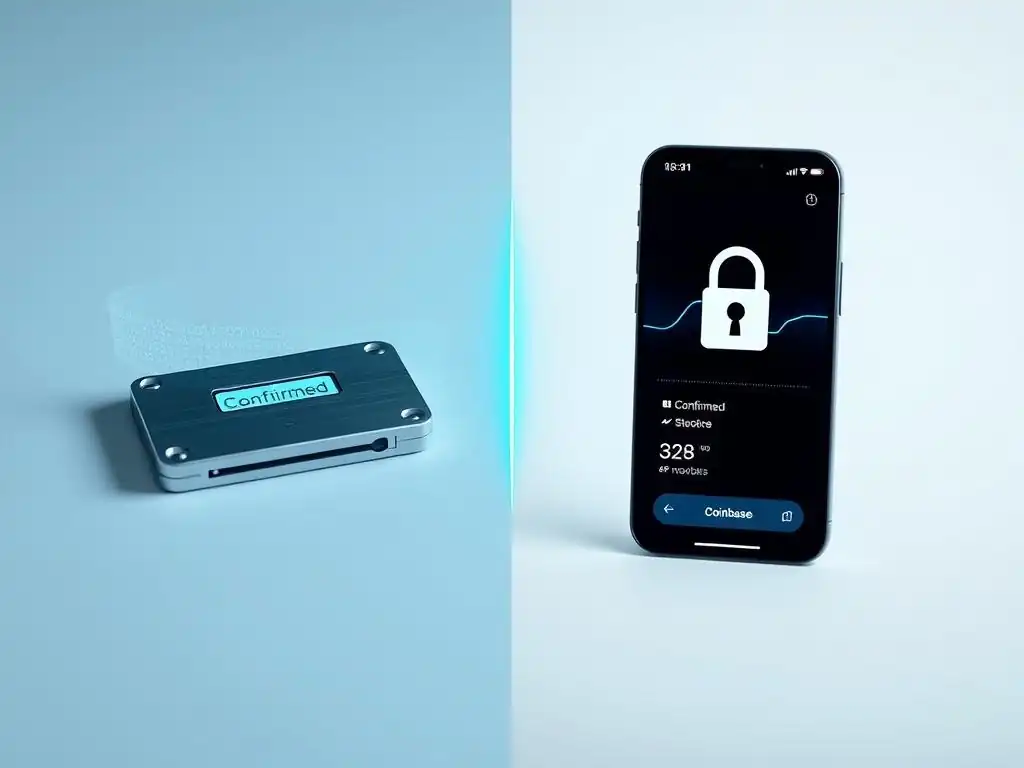
Key Security Differences: Hardware Isolation vs. Software Vulnerabilities
The fundamental security difference between hardware and software wallets lies in their approach to private key management and their exposure to online vulnerabilities. Hardware wallets prioritize security through hardware isolation, keeping private keys offline and within a dedicated secure device. This isolation drastically reduces the attack surface, making them resistant to a wide range of online threats that target software and operating systems. The secure element within many hardware wallets further enhances security by providing tamper-proof storage and cryptographic processing.
Software wallets, conversely, operate in online environments, making them inherently more vulnerable to cyberattacks. Private keys are stored on internet-connected devices, exposing them to malware, phishing, and remote access exploits. While software wallets employ security measures like encryption and password protection, they ultimately rely on the security of the underlying device and operating system, which can be compromised. The key distinction is the level of isolation: hardware wallets achieve near-complete isolation from online threats, while software wallets remain within the online threat landscape, necessitating robust security practices to mitigate vulnerabilities.
Risk Assessment: Understanding the Threats to Your Cryptocurrency
Understanding the specific threats to cryptocurrency is crucial for choosing the appropriate wallet security. For software wallets, the primary risks stem from online vulnerabilities. Malware infections, such as keyloggers and remote access Trojans, can compromise private keys stored on computers or smartphones. Phishing attacks can trick users into revealing their wallet credentials or seed phrases. Exchange hacks and web wallet compromises can also lead to fund losses if private keys are managed by a third party or stored insecurely online.
Hardware wallets mitigate many of these online threats, but they are not entirely immune to risks. Physical theft or loss of the hardware wallet is a concern, although PIN protection and seed phrase recovery mechanisms offer safeguards. Sophisticated physical attacks targeting the hardware device itself are theoretically possible but require significant expertise and resources, making them less likely for typical users.
Seed phrase compromise remains a critical risk for both wallet types; if the seed phrase is exposed or lost, the associated cryptocurrency is at risk. A comprehensive risk assessment should consider both online and offline threats to determine the most appropriate wallet security solution.
Mitigation Strategies: Enhancing Security for Both Hardware and Software Wallets
Regardless of the wallet type chosen, proactive security measures are essential for protecting cryptocurrency assets. For hardware wallets, the primary mitigation strategy is to protect the seed phrase. Storing it offline, in a secure and fireproof location, is paramount. Using a strong PIN and enabling passphrase protection adds further layers of security. Regularly updating the hardware wallet firmware is also crucial to patch vulnerabilities and maintain device security.
For software wallets, a multi-layered security approach is necessary. Using strong, unique passwords and enabling two-factor authentication (2FA) whenever possible are fundamental. Keeping devices free from malware by using antivirus software and being cautious about downloads and links is crucial. Regularly updating the operating system and software wallet application patches known vulnerabilities. Considering using a VPN on public Wi-Fi networks can also enhance security. For both wallet types, staying informed about the latest security threats and best practices is an ongoing responsibility for cryptocurrency holders.
Secure Hardware Wallets Benefits: Deep Dive into Security Advantages
Tamper-Proof Design: Protecting Against Physical Attacks
Secure hardware wallets benefits extend to their physical design, which incorporates tamper-proof features to protect against physical attacks. Many hardware wallets are engineered with tamper-evident seals or enclosures, making it obvious if the device has been physically opened or altered. This visual indication can alert users to potential tampering attempts and prevent the use of a compromised device. Furthermore, some hardware wallets incorporate secure elements, specialized microchips designed to resist physical intrusion and protect sensitive data like private keys.
Beyond tamper-evident designs, hardware wallets often implement secure boot processes and firmware verification mechanisms. These features ensure that the device boots up with authentic, untampered firmware and prevent the execution of malicious firmware that could compromise security. Some advanced hardware wallets even incorporate self-destruct mechanisms or data wiping capabilities in response to physical tampering attempts, further safeguarding private keys. These physical security measures, combined with robust software security, contribute to the overall resilience of hardware wallets against both digital and physical threats, highlighting another facet of secure hardware wallets benefits.
Firmware Updates: Keeping Your Hardware Wallet Secure and Up-to-Date
Firmware updates are a critical aspect of maintaining the security of hardware wallets and are a key component of secure hardware wallets benefits. Like any software, hardware wallet firmware can contain vulnerabilities that could be exploited by attackers. Manufacturers regularly release firmware updates to patch these vulnerabilities, enhance security features, and improve device functionality. Applying these updates promptly is essential to ensure that your hardware wallet remains protected against the latest threats.
Reputable hardware wallet providers have established secure firmware update processes, often involving cryptographic signatures to verify the authenticity and integrity of updates. Users should only download firmware updates from official sources, such as the manufacturer's website or companion application, to avoid installing malicious firmware. Ignoring firmware updates can leave your hardware wallet vulnerable to known exploits, negating many of the secure hardware wallets benefits. Regular firmware updates are an ongoing responsibility for hardware wallet users, ensuring their devices remain secure and benefit from the latest security enhancements.
Cold Storage: The Ultimate Security Measure for Crypto Assets
Cold storage, the practice of keeping private keys offline, is considered the ultimate security measure for cryptocurrency assets, and hardware wallets are the most practical and secure way to achieve cold storage. By generating and storing private keys offline, hardware wallets completely isolate them from the online attack surface. This eliminates the risk of online hacking, malware infections, and phishing attacks that are prevalent threats to software wallets and online cryptocurrency exchanges.
Cold storage with hardware wallets is particularly beneficial for long-term cryptocurrency holdings and large amounts of digital assets. For funds that are not actively being traded or used for frequent transactions, cold storage provides the highest level of security and peace of mind. While software wallets can offer some level of security, they cannot replicate the fundamental security advantage of true cold storage provided by hardware wallets. For users prioritizing maximum security and long-term asset protection, cold storage via hardware wallets is the recommended and often essential approach.
Protecting Your Blockchain Assets: Best Practices for Both Wallet Types
Two-Factor Authentication (2FA): Adding an Extra Layer of Security
Two-factor authentication (2FA) is a crucial security measure that adds an extra layer of protection to both hardware and software wallets, although its implementation and effectiveness differ between the two. For software wallets, enabling 2FA, typically through authenticator apps or SMS codes, is highly recommended. 2FA requires a second verification factor, in addition to your password, to access your wallet or authorize transactions. This significantly reduces the risk of unauthorized access even if your password is compromised.
While hardware wallets inherently provide strong security, some also offer optional 2FA features for added protection, particularly for accessing companion applications or web interfaces associated with the hardware wallet. However, the primary security benefit of hardware wallets stems from their offline nature, which already provides a strong form of "two-factor" security – physical possession of the device and knowledge of the PIN. Regardless of the wallet type, understanding and implementing 2FA, where applicable, is a vital step in enhancing the security of your blockchain assets.
Strong Passwords and Seed Phrase Management: Essential Security Measures
Strong passwords and meticulous seed phrase management are foundational security practices that apply to both hardware and software wallets. For software wallets, using strong, unique passwords for wallet access and any associated accounts is paramount. Avoid using easily guessable passwords or reusing passwords across multiple services. Employing a password manager can help generate and securely store complex passwords.
For both wallet types, the seed phrase is the ultimate key to your cryptocurrency holdings and must be managed with extreme care. Never store your seed phrase digitally on computers, smartphones, or in the cloud, as this exposes it to online threats. Write down your seed phrase on paper and store it in a secure, offline location, preferably multiple locations for redundancy. Consider using metal seed phrase backups for enhanced durability and protection against fire and water damage. Protecting your seed phrase is arguably the most critical security measure for any cryptocurrency wallet user.
Staying Informed: Keeping Up with the Latest Security Threats and Best Practices
The landscape of blockchain security is constantly evolving, with new threats and vulnerabilities emerging regularly. Staying informed about the latest security threats and best practices is an ongoing responsibility for all cryptocurrency holders, regardless of their chosen wallet type. Following reputable blockchain security news sources, participating in relevant online communities, and staying updated on wallet provider security advisories are essential steps.
Understanding common phishing scams, malware threats, and social engineering tactics can help you avoid falling victim to attacks. Learning about new security features and best practices for wallet management empowers you to make informed decisions and proactively protect your assets. The cryptocurrency space is dynamic, and continuous learning and adaptation are crucial for maintaining robust security in the long term.
Choosing the Right Wallet for Your Needs: Balancing Security and Convenience
Assessing Your Risk Tolerance: How Much Security Do You Need?
Choosing the right cryptocurrency wallet involves carefully assessing your individual risk tolerance and security needs. If you are highly risk-averse and prioritize maximum security, especially for substantial cryptocurrency holdings, hardware wallets are the clear choice. The enhanced security features and offline storage significantly mitigate the risks associated with online vulnerabilities. For users with a lower risk tolerance, investing in a hardware wallet is a prudent step towards safeguarding their digital assets.
However, if you are comfortable with a slightly higher level of risk in exchange for greater convenience and accessibility, and you are diligent about implementing software wallet security best practices, software wallets might be sufficient, particularly for smaller holdings. Assessing your risk tolerance is a personal decision based on your comfort level with potential loss and the value of your cryptocurrency portfolio. Understanding your risk tolerance is the first step in determining the appropriate balance between security and convenience in your wallet selection.
Considering Your Transaction Frequency: How Often Do You Use Your Crypto?
Transaction frequency is another crucial factor in choosing between hardware and software wallets. If you frequently transact with cryptocurrency, making daily purchases or actively trading, software wallets offer greater convenience and speed. Mobile wallets, in particular, are designed for on-the-go transactions, making them ideal for frequent use. The ease of access and user-friendly interfaces of software wallets streamline the process of sending and receiving cryptocurrency for regular transactions.
However, if you primarily hold cryptocurrency for long-term investment and rarely transact, hardware wallets become the more practical and secure option. The emphasis shifts from transaction speed and convenience to long-term security and offline storage. While hardware wallets can be used for transactions, the process is slightly less streamlined than with software wallets, making them less ideal for very frequent trading. Consider how often you intend to use your cryptocurrency when deciding between the convenience of software wallets and the enhanced security of hardware wallets.
Evaluating Your Crypto Holdings: Choosing the Right Wallet for Your Portfolio Size
The size of your cryptocurrency portfolio should significantly influence your wallet choice. For small cryptocurrency holdings, the convenience of software wallets might outweigh the added security of hardware wallets for some users. If you are just starting out with cryptocurrency or only hold a small amount for experimentation, a well-secured software wallet might be a reasonable starting point.
However, as your cryptocurrency holdings grow, the importance of robust security increases exponentially. For substantial cryptocurrency portfolios, hardware wallets become increasingly essential. The potential financial loss from a security breach of a large portfolio far outweighs the cost and slightly reduced convenience of using a hardware wallet. As your digital asset portfolio grows, prioritizing security becomes paramount, and hardware wallets offer the necessary protection to safeguard significant cryptocurrency investments.
Conclusion: Secure Hardware Wallets Benefits and the Future of Blockchain Security
The Evolving Landscape of Blockchain Security
Blockchain security is a constantly evolving field, adapting to new threats and technological advancements. As the cryptocurrency space matures, security becomes increasingly critical for mainstream adoption and user trust. The ongoing development of more sophisticated hacking techniques necessitates continuous innovation in wallet security solutions. Hardware wallet manufacturers are constantly enhancing their devices with new security features, tamper-proof designs, and improved firmware.
Software wallet developers are also focusing on bolstering security through multi-factor authentication, enhanced encryption, and user education initiatives. The blockchain community as a whole is actively engaged in research and development to improve the overall security of cryptocurrency ecosystems, from protocol-level enhancements to user-level security best practices. The evolving landscape of blockchain security demands vigilance, adaptability, and a commitment to continuous improvement from both users and developers alike.
Future Trends in Cryptocurrency Wallet Technology
The future of cryptocurrency wallet technology is likely to see a convergence of security and user experience. Hardware wallets are becoming more user-friendly, with improved interfaces and seamless integration with mobile devices and applications. Software wallets are incorporating more advanced security features, blurring the lines between the two categories in terms of security levels. Multi-signature wallets, which require multiple private keys to authorize transactions, are gaining traction for enhanced security, particularly for institutional and enterprise use.
Decentralized wallets and self-custodial solutions are also becoming increasingly popular, empowering users with greater control over their private keys and reducing reliance on third-party custodians. Biometric authentication, such as fingerprint and facial recognition, is being integrated into wallets for enhanced security and user convenience. The trend is towards more secure, user-friendly, and versatile cryptocurrency wallets that cater to a wide range of user needs and security preferences.
Final Recommendations for Secure Crypto Storage
Choosing between hardware and software wallets ultimately depends on individual needs, risk tolerance, and cryptocurrency holdings. For maximum security, especially for long-term storage and significant amounts of cryptocurrency, hardware wallets are strongly recommended. Secure hardware wallets benefits are undeniable for users prioritizing the safety of their digital assets. For those opting for software wallets, prioritizing reputable providers, implementing robust security practices, and regularly updating software are crucial.
Regardless of the wallet type chosen, diligent seed phrase management, strong passwords, and staying informed about security threats are essential for all cryptocurrency users. Consider using a combination of wallet types – hardware wallets for long-term storage and software wallets for smaller, more frequent transactions. The key to secure crypto storage is to understand the risks, choose the appropriate wallet solution for your needs, and consistently practice security best practices to protect your valuable blockchain assets.
Frequently Asked Questions
What are the primary differences between hardware and software wallets for blockchain assets?
Hardware wallets are physical devices that store your private keys offline, while software wallets are applications installed on your computer or phone that store your keys online or locally. This difference significantly impacts security.
What secure hardware wallets benefits are most significant in protecting against hacking?
The most significant secure hardware wallets benefits include offline storage of private keys, making them immune to online attacks, and physical confirmation of transactions on the device itself, preventing unauthorized transactions.
How do software wallets compare to hardware wallets in terms of ease of use?
Software wallets generally offer greater convenience and easier accessibility compared to hardware wallets. However, this convenience often comes at the cost of reduced security.
What are some common vulnerabilities associated with using software wallets?
Common vulnerabilities include malware attacks, keyloggers, and phishing scams. These attacks can compromise the security of your private keys stored on your computer or phone.
Should I use a hardware wallet even if I only have a small amount of cryptocurrency?
While hardware wallets require an initial investment, their secure hardware wallets benefits are crucial for protecting any amount of cryptocurrency. Consider it an insurance policy against potential loss.
Final Reflection: Securing Your Digital Future
The exploration of hardware and software wallets reveals a crucial truth: security in the blockchain world is paramount, and the choice of wallet profoundly impacts your digital sovereignty. As cryptocurrencies become increasingly integrated into our financial systems, understanding the nuances of secure storage solutions is no longer optional, but essential for protecting your assets and participating confidently in the decentralized revolution.
The ongoing debate between hardware and software wallets highlights a fundamental tension: convenience versus control. This tension mirrors broader societal discussions about privacy and security in the digital age, forcing us to confront our own risk tolerance and prioritize our values. Security is always excessive until it's not enough.
This quote underscores the importance of proactive measures and informed decision-making when it comes to safeguarding our digital wealth.
As you navigate the evolving landscape of blockchain technology, remember that the most secure wallet is the one that aligns with your individual needs and understanding. Take the time to research, experiment, and educate yourself. The future of finance is being built today, and by prioritizing security and embracing the benefits of secure hardware wallets, you can actively shape that future and protect your digital future.
Fortify Your Crypto: Claim Your Peace of Mind!
Thanks for exploring the world of crypto wallet security with us! You've gained the knowledge to make informed decisions about protecting your digital assets. Ready to take control?
Here's how to enhance your crypto security today:
- Choose and set up a hardware wallet. Securing your crypto with a hardware wallet is one of the most effective steps you can take to prevent vulnerabilities.
- Explore advanced security options like multi-signature wallets or seed phrase cold storage to strengthen your protection even further.
- Share this article with fellow crypto enthusiasts to help them understand the crucial differences and keep their assets safe!
Now that you understand the security trade-offs, which type of wallet do you feel most confident using to secure your crypto assets, and why? Let's discuss in the comments!
Leave a Reply