
Overcoming Supply Chain Inefficiencies with Blockchain: Streamlining Processes and Reducing Bottlenecks


Welcome to Blockchain Trends, your compass in the rapidly evolving world of decentralized technologies!
Are you ready to unravel the secrets to a more efficient and transparent future? Discover how blockchain is revolutionizing industries beyond just cryptocurrencies. Dive into our latest deep-dive exploring blockchain supply chain optimization strategies, uncovering how businesses are leveraging this groundbreaking technology to streamline processes, reduce bottlenecks, and build unprecedented levels of trust. Intrigued? Keep reading to unlock the potential of a blockchain-powered supply chain!
Overcoming Supply Chain Inefficiencies with Blockchain: Streamlining Processes and Reducing Bottlenecks
- Introduction: The Urgent Need for Blockchain Supply Chain Optimization
- Understanding Supply Chain Inefficiencies: A Critical Analysis
- Blockchain Supply Chain Optimization Strategies: A Deep Dive
- Case Studies: Real-World Examples of Blockchain in Supply Chain
- Addressing the Challenges of Blockchain Adoption in Supply Chains
- The Future of Blockchain Supply Chain Optimization Strategies
- Conclusion: Embracing Blockchain for a More Efficient and Transparent Supply Chain
-
Frequently Asked Questions
- How can blockchain technology improve supply chain visibility?
- What role does blockchain play in combating counterfeit goods within the supply chain?
- What are the primary benefits of using blockchain for supply chain finance?
- How does blockchain contribute to supply chain resilience against disruptions?
- What are some key challenges to implementing blockchain in supply chain optimization?
- Final Reflection: Embracing Transparency in the Supply Chain
- Ignite Your Supply Chain Revolution!
Introduction: The Urgent Need for Blockchain Supply Chain Optimization
The Growing Challenges of Traditional Supply Chains
Modern supply chains are complex, global networks involving numerous participants, from raw material suppliers and manufacturers to logistics providers, distributors, and end consumers. This inherent complexity often leads to significant inefficiencies, including lack of visibility, delayed information flow, manual processes prone to errors, and difficulties in tracing products from origin to destination. As supply chains expand and become more interconnected, these challenges are amplified, resulting in increased operational costs, longer lead times, and reduced agility in responding to disruptions or changing market demands.
Furthermore, traditional systems often rely on disparate databases and paper-based documentation, creating data silos and making it difficult for stakeholders to share information securely and in real-time. This fragmentation impedes effective collaboration and makes it challenging to build trust across the network. The absence of a single, reliable source of truth for transactions and product data exacerbates issues like disputes over shipments, payment delays, and the inability to quickly identify the source of contaminated or counterfeit goods, highlighting the critical need for advanced blockchain supply chain optimization strategies.
How Blockchain Technology Addresses Supply Chain Weaknesses
Blockchain technology offers a transformative approach to supply chain management by providing a decentralized, immutable, and transparent ledger that can record every transaction and movement of goods. This shared, tamper-proof record is accessible to authorized participants across the network, creating a single source of truth that eliminates data silos and improves trust among stakeholders. By replacing fragmented systems with a unified, distributed ledger, blockchain facilitates seamless information flow and enhances visibility throughout the entire supply chain lifecycle.
Implementing blockchain supply chain optimization strategies directly tackles core weaknesses by enabling features like enhanced traceability and automated processes. The immutability of the ledger ensures that transaction history cannot be altered, providing a reliable audit trail for every product. Smart contracts, self-executing agreements coded onto the blockchain, can automate tasks such as payments upon delivery confirmation or triggering insurance claims based on predefined conditions, significantly reducing manual effort and potential for error. These capabilities collectively pave the way for more efficient, secure, and resilient supply chain operations.
Understanding Supply Chain Inefficiencies: A Critical Analysis
Common Bottlenecks in Modern Supply Chains
Supply chains are frequently plagued by bottlenecks that impede the smooth flow of goods and information. One of the most prevalent issues is poor visibility, where companies lack real-time information about the location, status, and condition of goods as they move through the chain. This blind spot makes it difficult to manage inventory effectively, predict delivery times accurately, and respond swiftly to unexpected delays or disruptions. Manual data entry and reconciliation processes across different systems further slow down operations and introduce errors, creating significant friction points.
Another major bottleneck stems from a lack of trust and collaboration among supply chain partners. Participants often operate in isolation, hesitant to share sensitive data due to competitive concerns or fear of misuse. This leads to information asymmetry, duplicated efforts, and difficulties in resolving disputes. The reliance on intermediaries for verification and transaction processing adds layers of complexity and cost. Furthermore, the prevalence of paper-based documentation for customs, shipping manifests, and quality certifications creates delays and increases the risk of loss or fraud, all contributing to a need for effective blockchain supply chain optimization strategies.
The Impact of Inefficiencies on Cost, Time, and Transparency
The cumulative effect of supply chain inefficiencies is substantial, directly impacting operational costs, delivery times, and overall transparency. Studies indicate that inefficiencies can add between 10% to 25% to the cost of goods sold. Delays caused by manual processes, poor communication, and lack of visibility lead to increased holding costs, expedited shipping fees, and potential penalties for late deliveries. For example, resolving a trade dispute using traditional methods can take weeks or even months, tying up capital and resources.
Beyond financial costs, inefficiencies translate into significant time losses. Lack of real-time tracking means companies cannot proactively address issues, leading to longer lead times and potentially missed market opportunities. The opaque nature of traditional supply chains also hinders transparency, making it difficult for consumers to verify product authenticity or sustainability claims, and for businesses to ensure ethical sourcing or regulatory compliance. Implementing blockchain supply chain optimization strategies is seen as a key method to mitigate these impacts by improving data accuracy, automating processes, and providing end-to-end visibility.
Identifying Key Areas for Supply Chain Enhancement
To effectively implement blockchain supply chain optimization strategies, it is crucial to identify the specific areas within the supply chain that stand to benefit most from the technology. High-priority areas typically include enhancing traceability and provenance, particularly for high-value goods, pharmaceuticals, food, or luxury items where counterfeiting or safety is a concern. Improving the efficiency of trade finance and payments is another critical area, as traditional methods are often slow and costly, involving multiple intermediaries.
Visibility and collaboration across the network are also prime targets for enhancement. Providing all authorized parties with access to a shared, real-time view of inventory levels, shipment status, and transaction history can dramatically improve coordination and decision-making. Automating contractual agreements and compliance checks through smart contracts can streamline complex processes like customs declarations, quality inspections, and payment releases. Focusing blockchain initiatives on these key areas promises the most significant returns in terms of cost reduction, speed, and reliability.
Blockchain Supply Chain Optimization Strategies: A Deep Dive
Blockchain's Core Capabilities for Supply Chain Management
Blockchain technology offers several core capabilities that are fundamental to its application in supply chain management and form the basis of effective blockchain supply chain optimization strategies. These include immutability, which ensures that once data is recorded on the blockchain, it cannot be altered or deleted, creating a permanent and trustworthy record; decentralization, distributing control and data across the network rather than relying on a single point of authority; and transparency, allowing authorized participants to view transaction data in real-time.
Furthermore, blockchain supports the use of cryptography to secure transactions and verify identities, enhancing the security and integrity of the data. The distributed nature of the ledger means it is highly resilient to single points of failure. Combined with the ability to execute smart contracts, these capabilities enable entirely new ways of managing supply chain processes, moving away from inefficient, siloed systems towards a more interconnected, transparent, and automated ecosystem.
Immutability and Traceability: Enhancing Product Provenance
The immutability of data recorded on a blockchain ledger is a cornerstone for enhancing product traceability and provenance. Every step a product takes – from sourcing raw materials, through manufacturing, assembly, shipping, and distribution – can be recorded as a transaction on the blockchain. Once a transaction is added to a block and validated by the network, it becomes a permanent part of the chain, virtually impossible to tamper with. This creates an unbroken, verifiable history for each item.
This level of granular, immutable traceability allows stakeholders to instantly determine the origin, movement history, and handling of a product. For instance, in the event of a product recall, companies can pinpoint the exact batch, location, and potentially even the specific journey of affected items within seconds, drastically reducing the time and cost associated with traditional recall processes which can take days or weeks. This enhanced provenance builds consumer trust and helps combat issues like counterfeiting and gray market goods, proving the product's legitimate journey.
Smart Contracts: Automating Processes and Ensuring Compliance
Smart contracts are self-executing contracts with the terms of the agreement directly written into lines of code. Stored on the blockchain, they automatically execute predefined actions when specific conditions are met and verified by the network. In supply chain management, smart contracts can automate a wide range of processes, from triggering payments upon proof of delivery or successful quality inspection to managing inventory levels and automating insurance payouts based on sensor data.
This automation reduces the need for manual intervention, minimizes the risk of human error, and speeds up transaction processing significantly. For example, a smart contract could automatically release payment to a supplier once a blockchain record confirms that goods have arrived at a warehouse and IoT sensors verify their temperature and condition meet contractual requirements. Smart contracts also inherently enforce compliance with agreed-upon terms, providing a high degree of certainty and reducing the potential for disputes among supply chain partners, thereby streamlining operations as part of blockchain supply chain optimization strategies.
Decentralization: Improving Collaboration and Reducing Reliance on Centralized Authorities
Blockchain's decentralized architecture means that the supply chain data is not stored in a single central database controlled by one entity, but is distributed across a network of participants. This eliminates reliance on a single point of authority or a central intermediary to manage transactions and maintain records, which are common bottlenecks in traditional systems. Instead, the ledger is collectively maintained and validated by the network participants (or designated nodes in a private or consortium blockchain).
This decentralized model fosters improved collaboration and trust among supply chain partners. Since all authorized parties have access to the same shared, transparent, and tamper-proof ledger, information asymmetry is reduced, leading to better coordination and decision-making. Disputes are easier to resolve as there is a single, verifiable record of all transactions. By removing the dependence on intermediaries and central gatekeepers, decentralization streamlines interactions, reduces costs, and makes the supply chain more resilient to the failure or manipulation of any single entity, contributing significantly to blockchain supply chain optimization strategies.
Implementing Blockchain for Enhanced Supply Chain Visibility
Real-Time Tracking and Monitoring with Blockchain
Implementing blockchain technology allows for unprecedented real-time tracking and monitoring of goods as they move through the supply chain. As products change hands, move between locations, or undergo processing, each event can be recorded as a transaction on the blockchain. By integrating with IoT devices such as GPS trackers, temperature sensors, or RFID tags, this data can be automatically fed into the ledger, providing continuous, automated updates on the product's status, location, and environmental conditions.
This capability provides all authorized stakeholders with a near real-time, shared view of the supply chain, eliminating the blind spots inherent in traditional systems. A logistics manager can see exactly where a shipment is, a quality control manager can verify that sensitive goods maintained the correct temperature throughout transit, and a retailer can predict arrival times with greater accuracy. This enhanced visibility is a core component of successful blockchain supply chain optimization strategies, enabling better inventory management, proactive problem-solving, and improved customer service.
Reducing Counterfeiting and Fraud Through Secure Authentication
Counterfeiting and fraud are significant issues in many supply chains, costing industries billions annually and posing risks to consumer safety, particularly in sectors like pharmaceuticals and luxury goods. Blockchain's capabilities for secure authentication and immutable record-keeping offer a powerful defense against these threats. Each legitimate product can be assigned a unique digital identity recorded on the blockchain at its point of origin.
As the product moves through the supply chain, its journey is logged on the ledger, creating a verifiable history. Consumers or downstream partners can scan a QR code or input a unique identifier to access this blockchain record, verifying the product's authenticity and provenance directly from the source. This transparent and tamper-proof history makes it exceedingly difficult for counterfeit goods to enter the legitimate supply chain undetected, as they would lack the corresponding blockchain record or have a fraudulent one that can be easily identified by the network, significantly enhancing security through blockchain supply chain optimization strategies.
Improved Data Sharing and Collaboration Across the Supply Chain
Effective data sharing and collaboration are essential for an efficient supply chain, yet they are often hindered by trust issues, incompatible systems, and data silos. Blockchain provides a secure, shared platform where permissioned participants can access relevant data without compromising sensitive information. The distributed ledger acts as a single source of truth, ensuring that everyone is working with the same accurate and up-to-date information.
By providing a trusted environment for data exchange, blockchain encourages greater collaboration among supply chain partners who might otherwise be reluctant to share information. This improved data flow enables better coordination of activities, such as synchronizing production schedules with logistics, optimizing inventory levels based on real-time demand signals, and streamlining administrative processes like invoicing and reconciliation. This collaborative environment, underpinned by secure and transparent data sharing, is a key outcome of implementing blockchain supply chain optimization strategies.
Case Studies: Real-World Examples of Blockchain in Supply Chain
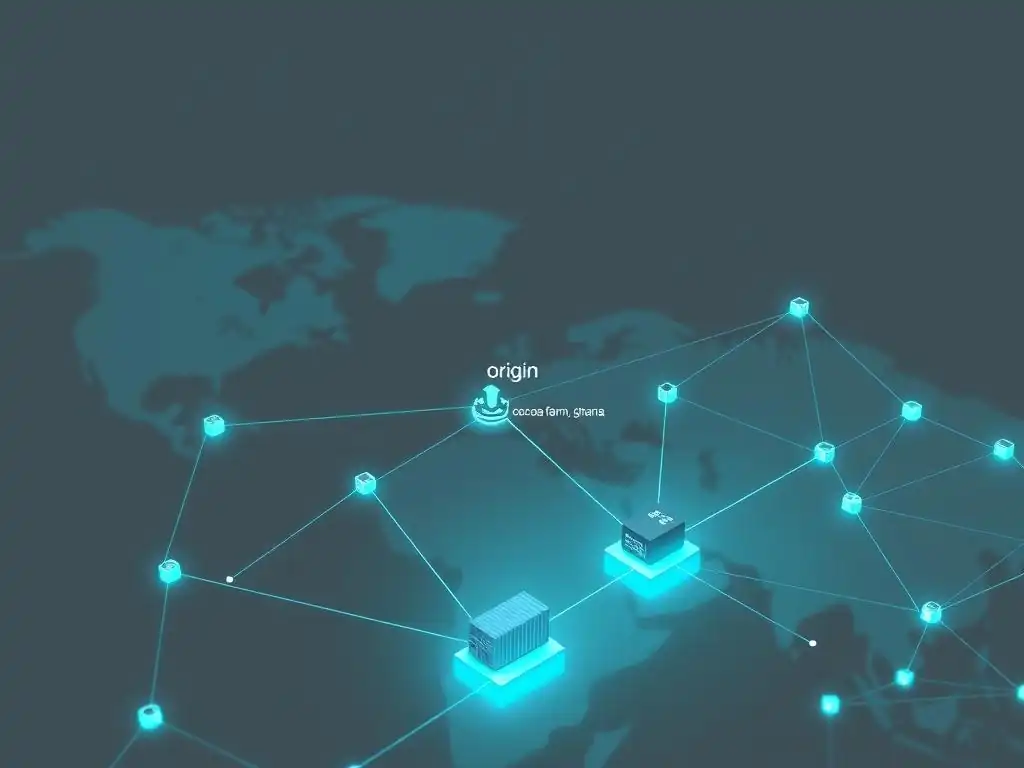
Walmart: Achieving Traceability and Transparency in Food Supply
Walmart has been a pioneer in leveraging blockchain technology to enhance the traceability and transparency of its food supply chain, particularly for leafy greens and other fresh produce. Before implementing blockchain, tracing the origin of produce in the event of an outbreak could take up to seven days or more, involving sifting through countless paper records and disparate databases across multiple suppliers and distributors. This delay significantly hampered recall efforts and public health responses.
By implementing a blockchain solution, Walmart dramatically reduced the time required to trace the origin of produce. In pilot tests, tracing a package of mangoes back to its farm of origin went from an average of 6-7 days down to just 2.2 seconds. This level of near-instantaneous traceability allows Walmart and its suppliers to respond to food safety issues with unprecedented speed and accuracy, minimizing the scope of recalls, reducing waste, and most importantly, protecting public health. This initiative is a prime example of successful blockchain supply chain optimization strategies in action.
Maersk: Streamlining Logistics and Reducing Costs with Blockchain
Maersk, one of the world's largest container shipping companies, partnered with IBM to develop TradeLens, a blockchain-based platform aimed at streamlining the global trade and logistics ecosystem. The shipping industry traditionally relies on complex, paper-heavy processes involving numerous parties, leading to significant delays and costs. Estimates suggest that documentation costs alone can represent up to one-fifth of the total transport cost.
TradeLens connects carriers, ports, customs authorities, banks, and logistics providers on a shared, immutable ledger. This platform provides all permissioned participants with real-time visibility into the status of goods as they move across borders and oceans. By digitizing and automating documentation processes through smart contracts and providing a single shared record of shipments, the platform aims to reduce transit times, decrease the incidence of errors and fraud, and lower overall operational costs for all participants. While adoption is ongoing, the potential for efficiency gains through this blockchain supply chain optimization strategy is immense.
Pfizer: Enhancing Pharmaceutical Supply Chain Security Using Distributed Ledger Technology
The pharmaceutical supply chain is particularly vulnerable to counterfeiting, which poses a serious threat to patient safety and undermines trust in legitimate medications. Pfizer, a leading pharmaceutical company, has explored and piloted blockchain solutions to enhance the security and integrity of its drug distribution network, focusing on preventing counterfeit drugs from entering the supply chain.
By using distributed ledger technology, Pfizer can create an immutable record of each drug's journey from manufacturing through distribution to dispensing. This enables secure verification of product authenticity at various points along the chain. The technology can track ownership changes, monitor handling conditions, and verify compliance with regulatory requirements. This enhanced security and traceability provided by blockchain technology helps ensure that patients receive authentic, safe medications, demonstrating the critical role of blockchain supply chain optimization strategies in safeguarding public health.
Addressing the Challenges of Blockchain Adoption in Supply Chains
Overcoming Scalability Issues in Blockchain Implementations
One significant challenge in implementing blockchain supply chain optimization strategies is ensuring the technology can scale to handle the massive volume of transactions that occur in large, global supply chains. Public blockchains like Bitcoin or Ethereum, while decentralized and transparent, can process a relatively limited number of transactions per second compared to traditional payment networks or enterprise databases. This limitation can become a bottleneck when tracking millions of individual items or managing complex logistics flows.
Enterprise-focused blockchain platforms and Layer 2 scaling solutions are being developed to address this. Private or consortium blockchains, which restrict participation to known entities, can often achieve much higher transaction throughput by using different consensus mechanisms. Furthermore, technologies like sharding, state channels, and sidechains are being explored and implemented to increase the transaction capacity of blockchain networks, making them more suitable for the high-volume demands of modern supply chain operations. Selecting the right blockchain architecture is crucial for scalability.
Ensuring Interoperability Between Different Blockchain Platforms
As different industries and companies adopt various blockchain platforms (e.g., Hyperledger Fabric, R3 Corda, Ethereum-based solutions), ensuring interoperability between these disparate networks becomes a critical challenge for seamless end-to-end supply chain visibility. Goods often move across supply chains that might utilize different blockchain solutions or interact with legacy systems that are not blockchain-enabled. The inability for these different systems to communicate and share data effectively can recreate data silos, albeit on a different technological layer.
Efforts are underway to develop standards, protocols, and middleware solutions that facilitate communication and data exchange between different blockchain networks and traditional systems. Initiatives focused on cross-chain communication and atomic swaps aim to enable assets or data to move securely between different ledgers. APIs and integration layers are also essential for connecting blockchain platforms with existing enterprise resource planning (ERP) systems, warehouse management systems (WMS), and IoT devices, ensuring that blockchain complements rather than replaces existing infrastructure as part of comprehensive blockchain supply chain optimization strategies.
Regulatory Considerations and Compliance Requirements for Blockchain in Supply Chain
Navigating the complex and evolving regulatory landscape is another key challenge for blockchain adoption in supply chains. Different countries and jurisdictions have varying regulations regarding data privacy (e.g., GDPR), data residency, digital signatures, and the legal status of smart contracts. Ensuring that a blockchain solution complies with all relevant laws across the multiple regions a supply chain operates in requires careful planning and legal expertise.
Furthermore, specific industries, such as pharmaceuticals or food, have stringent regulatory requirements for record-keeping, traceability, and data integrity. Blockchain's immutability can be a benefit here, providing a reliable audit trail, but it also raises questions about the "right to be forgotten" in data privacy regulations. Companies must design their blockchain supply chain optimization strategies to meet these specific industry compliance needs and be prepared to adapt as regulations around distributed ledger technology continue to mature globally.
The Future of Blockchain Supply Chain Optimization Strategies
Emerging Trends in Blockchain-Based Supply Chain Solutions
The field of blockchain for supply chain is rapidly evolving, with several key trends shaping its future. One significant trend is the move towards more sophisticated, industry-specific blockchain consortiums and platforms designed to meet the unique needs and regulatory requirements of sectors like healthcare, agriculture, and manufacturing. These platforms often focus on permissioned networks to balance transparency with data privacy.
Another emerging trend is the development of more user-friendly interfaces and low-code/no-code platforms that make it easier for businesses without deep technical expertise to implement and manage blockchain solutions. We are also seeing increased focus on tokenization of assets within the supply chain – representing physical goods or documents as digital tokens on the blockchain – to facilitate easier transfer of ownership and financing. These advancements are making blockchain supply chain optimization strategies more accessible and powerful.
The Role of AI and IoT in Further Enhancing Blockchain Supply Chains
The convergence of blockchain with Artificial Intelligence (AI) and the Internet of Things (IoT) holds immense potential for creating hyper-efficient and intelligent supply chains. IoT devices can collect vast amounts of real-time data on product location, condition, and environment (e.g., temperature, humidity, shock). This data can be fed directly into the blockchain ledger, providing verifiable, automated inputs for tracking and triggering smart contracts.
AI can then analyze the rich dataset stored on the blockchain, identifying patterns, predicting potential disruptions, optimizing routes, and automating decision-making based on real-time conditions recorded on the ledger. For example, AI could analyze blockchain data from IoT sensors to predict when a perishable shipment is at risk and automatically trigger a smart contract to reroute it or initiate an insurance claim. This integration of AI, IoT, and blockchain creates a powerful synergy for advanced blockchain supply chain optimization strategies, enabling greater automation, prediction, and resilience.
Predictions for the Future of Supply Chain Management with Blockchain Technology
Looking ahead, blockchain is poised to become a foundational technology for supply chain management, moving from pilot projects to widespread adoption across various industries. Experts predict that within the next five to ten years, a significant portion of global trade documentation and tracking will leverage blockchain or similar distributed ledger technologies. This will lead to dramatically reduced transaction costs, faster settlement times, and increased transparency across international borders.
The future will likely see interconnected blockchain networks forming a global "network of networks" for supply chains, allowing for seamless flow of goods and information across different platforms and participants. We can also expect to see more sophisticated smart contracts automating complex multi-party agreements and regulatory compliance checks. Ultimately, blockchain supply chain optimization strategies will transform traditional linear supply chains into dynamic, transparent, and highly efficient digital ecosystems, fundamentally changing how goods are sourced, moved, and tracked worldwide.
Conclusion: Embracing Blockchain for a More Efficient and Transparent Supply Chain
Key Takeaways: The Benefits of Blockchain for Supply Chain Optimization
Implementing blockchain supply chain optimization strategies offers a multitude of benefits that address the core inefficiencies of traditional supply chains. Foremost among these is enhanced transparency and traceability, providing an immutable record of a product's journey from origin to destination, which is critical for verifying authenticity, ensuring safety, and complying with regulations. This increased visibility builds trust among supply chain partners and with consumers.
Furthermore, blockchain enables significant efficiency gains through process automation via smart contracts, reducing manual effort, minimizing errors, and speeding up transactions like payments and customs clearances. The decentralized nature of the technology improves collaboration and reduces reliance on intermediaries, lowering costs and increasing resilience. Collectively, these benefits lead to reduced operational expenses, shorter lead times, improved inventory management, and a stronger defense against fraud and counterfeiting, making blockchain a powerful tool for modern supply chain management.
The Path Forward: Implementing Blockchain for a Competitive Advantage
Embracing blockchain supply chain optimization strategies is no longer just an option for forward-thinking companies; it is increasingly becoming a necessity to maintain a competitive edge in the global market. While challenges related to scalability, interoperability, and regulation exist, ongoing technological advancements and collaborative industry efforts are actively addressing these hurdles.
Companies looking to leverage blockchain should start by identifying the most critical pain points in their existing supply chains where transparency, traceability, or automation can yield the greatest impact. Piloting solutions in specific areas, such as high-value goods tracking or automating a particular contractual process, can provide valuable insights before scaling up. By strategically implementing blockchain, businesses can unlock significant efficiencies, build stronger relationships with partners, and create a more resilient, transparent, and ultimately more profitable supply chain for the future.
Frequently Asked Questions
How can blockchain technology improve supply chain visibility?
Blockchain provides immutable and transparent records of each transaction in the supply chain. This enhanced visibility allows for real-time tracking and verification of goods and their movement.
What role does blockchain play in combating counterfeit goods within the supply chain?
By creating a tamper-proof record of a product's origin and journey, blockchain makes it harder to introduce counterfeit goods. This traceability feature helps consumers and businesses verify authenticity.
What are the primary benefits of using blockchain for supply chain finance?
Blockchain can streamline payment processes and reduce delays, improving cash flow for all parties involved. It can also facilitate smart contracts for automated payments based on pre-defined conditions.
How does blockchain contribute to supply chain resilience against disruptions?
The decentralized nature of blockchain provides greater redundancy and reduces reliance on single points of failure. This helps to mitigate the impact of disruptions like natural disasters or geopolitical events.
What are some key challenges to implementing blockchain in supply chain optimization?
Scalability, interoperability, and the lack of standardized regulations are significant hurdles. Overcoming these challenges is crucial for widespread adoption.
Final Reflection: Embracing Transparency in the Supply Chain
The journey through the possibilities of blockchain in supply chain management reveals a powerful truth: transparency and efficiency are no longer luxuries, but necessities for survival in today's interconnected world. The strategies outlined in this article, from enhanced traceability to automated contract execution, offer a glimpse into a future where supply chains are not just faster, but also more resilient and trustworthy.
The impact of blockchain on the supply chain extends far beyond mere cost savings. It's about fostering a new era of accountability and ethical sourcing. Witnessing the potential for consumers to trace the origin of their products, ensuring fair labor practices and environmentally sustainable production, is truly inspiring. The supply chain is the only thing that connects everything.
- Michael Green
As we look ahead, let us not merely see blockchain as a technology, but as a catalyst for positive change. Consider how you can advocate for greater transparency in the products you consume and the businesses you support. Embrace the power of informed choices and demand a future where supply chains are not shrouded in mystery, but illuminated by trust and efficiency. The future of supply chain optimization is not just about technology; it's about building a more ethical and sustainable world, one block at a time.
Ignite Your Supply Chain Revolution!
Thank you for exploring how blockchain can transform your supply chain operations. We hope this article has inspired you to consider innovative solutions for improving efficiency and reducing delays. Now, it’s time to take the next step.
Start by identifying a key bottleneck in your current supply chain and think about how blockchain technology could help address it directly. This can serve as a practical starting point for implementation. Consider joining industry forums or communities to share your ideas and gain insights from peers. Additionally, many blockchain platforms offer trial periods, allowing you to test their features and capabilities before committing.
What is the biggest challenge you face in your supply chain, and how do you think blockchain could help overcome it? Share your thoughts in the comments below!
Leave a Reply