
Beyond Entertainment: The RealWorld Applications Emerging from Blockchain Metaverse Games

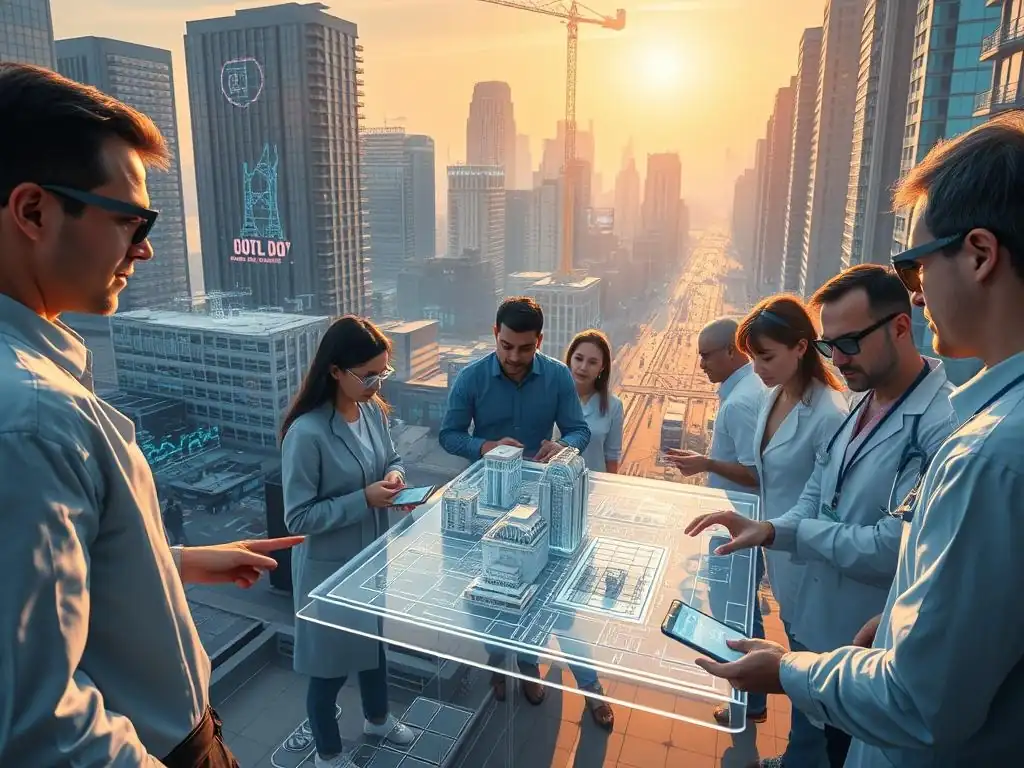
Welcome to Blockchain Trends, your guide to understanding the real-world impact of blockchain technology. Forget just cryptocurrencies; we're diving deep into the transformative potential shaping industries worldwide.
Intrigued by the convergence of gaming and blockchain? Our latest deep dive explores blockchain metaverse game applications and uncovers the surprising ways they're paving the way for innovations far beyond entertainment. Discover how these virtual worlds are impacting real-world solutions – and why you should be paying attention. Read on to unlock the future.
Beyond Entertainment: The Real-World Applications Emerging from Blockchain Metaverse Games
- Introduction: The Evolution of Blockchain Gaming and the Metaverse
- Blockchain Metaverse Game Applications: Redefining Industries
- Supply Chain Management and Blockchain Metaverse Games
- Education and Training in Virtual Worlds Powered by Blockchain
- Real Estate and Virtual Land Ownership in the Metaverse
- Healthcare Applications: Utilizing Blockchain in Metaverse Games
- Financial Services and Decentralized Finance (DeFi) Integration
- Intellectual Property (IP) Management and Digital Ownership
- Government and Public Services in Blockchain Metaverses
- Addressing Challenges and Concerns in Blockchain Metaverse Game Applications
- The Future of Blockchain Metaverse Game Applications: A Glimpse into Tomorrow
- Conclusion: Unlocking the Transformative Power of Blockchain Metaverse Games
-
Frequently Asked Questions
- What are some real-world applications emerging from blockchain metaverse games?
- How is blockchain technology enabling these real-world applications within metaverse games?
- What role does DeFi (Decentralized Finance) play in the blockchain metaverse game applications ecosystem?
- What are the potential regulatory challenges associated with blockchain metaverse game applications?
- How might blockchain metaverse game applications evolve in the future?
- Final Reflection: Embracing the Metaverse's Untapped Potential
- Ignite Your Metaverse Journey!
Introduction: The Evolution of Blockchain Gaming and the Metaverse
From Simple Games to Complex Metaverse Ecosystems
The journey of gaming has been marked by constant evolution, from rudimentary pixelated screens to immersive, high-fidelity virtual worlds. Initially, games were primarily designed for entertainment, offering escapism and challenges within closed ecosystems. Think of early arcade games like Pac-Man or Pong, where the interaction was limited to pre-defined parameters and player actions within a singular game instance.
As technology advanced, so did the complexity and scope of games. The advent of the internet and online gaming brought about multiplayer experiences, transforming gaming into a more social and interconnected activity.
Massively Multiplayer Online Role-Playing Games (MMORPGs) like World of Warcraft demonstrated the potential for persistent virtual worlds, where players could interact, build communities, and engage in complex economies, albeit still largely confined to entertainment purposes. These early virtual worlds laid the groundwork for the metaverse concept we are beginning to explore today, hinting at the potential for virtual spaces to transcend mere entertainment.
This progression has naturally led to the integration of blockchain technology, which is now pushing the boundaries of what's possible within virtual environments. Blockchain's decentralized nature and capabilities for digital ownership are pivotal in transforming simple games into intricate metaverse ecosystems. The introduction of blockchain enables true digital ownership of in-game assets, moving away from centralized game servers where game developers hold ultimate control.
Non-Fungible Tokens (NFTs) are at the forefront of this shift, allowing players to own unique digital items, from virtual land to in-game characters and items, with provable scarcity and ownership recorded on a public ledger. This fundamental change in ownership models is the cornerstone upon which blockchain metaverse games are being built, paving the way for applications that extend far beyond traditional gaming entertainment.
The Rise of Blockchain Metaverse Games: A New Frontier
Blockchain metaverse games represent a significant departure from conventional gaming paradigms. They are not just about playing games; they are about participating in persistent, interconnected virtual worlds where users have genuine ownership and control over their digital assets and experiences. These platforms are leveraging blockchain to create decentralized economies, where in-game currencies and assets have real-world value, blurring the lines between the virtual and physical realms.
Consider games like Decentraland or The Sandbox, where users can purchase virtual land as NFTs, build experiences on it, and even monetize their creations. This level of user empowerment and economic participation is a hallmark of blockchain metaverse games and distinguishes them from previous generations of online games and virtual worlds.
The rise of blockchain metaverse games also signifies a shift towards user-generated content and decentralized governance. Many blockchain-based metaverse platforms are designed to be community-driven, allowing users to contribute to the platform's development and evolution. Decentralized Autonomous Organizations (DAOs) are increasingly being integrated into these ecosystems, giving users a say in the platform's rules, policies, and future direction.
This participatory and democratic approach fosters a sense of ownership and investment among users, creating more robust and sustainable virtual economies. Furthermore, the open and interoperable nature of blockchain technology promises to break down the silos between different virtual worlds, potentially leading to a more interconnected and expansive metaverse experience in the future.
Blockchain Metaverse Game Applications: Redefining Industries
Transforming Traditional Industries with Blockchain Gaming Technology
The convergence of blockchain technology, metaverse environments, and game mechanics is not limited to the entertainment sector; it holds immense potential to revolutionize traditional industries. The core principles of blockchain metaverse games – decentralization, digital ownership, and immersive experiences – are surprisingly applicable to a wide range of real-world scenarios. By leveraging these principles, industries can enhance efficiency, transparency, engagement, and create entirely new business models. The "gamification" aspect, borrowed from game design, can make complex processes more engaging and accessible, while the underlying blockchain infrastructure provides security, transparency, and trust.
For example, consider the application of metaverse environments for training and simulations in industries like aviation or healthcare. Instead of costly and potentially risky real-world training exercises, professionals can practice in realistic virtual environments powered by blockchain for secure data management and verifiable certifications.
Similarly, supply chain management can benefit from the transparency and traceability offered by blockchain, with metaverse interfaces providing intuitive ways to visualize and interact with complex supply chain data. The potential applications are vast, ranging from transforming education and real estate to revolutionizing healthcare and financial services, demonstrating that blockchain metaverse game applications extend far beyond mere entertainment, offering tangible solutions to real-world challenges.
Supply Chain Management and Blockchain Metaverse Games
Enhancing Transparency and Traceability in Supply Chains
Supply chains are intricate networks involving numerous stakeholders, from raw material suppliers to manufacturers, distributors, and retailers. Ensuring transparency and traceability across these complex networks is crucial for efficiency, accountability, and building consumer trust. Blockchain technology, with its immutable ledger and ability to track assets across their lifecycle, offers a powerful solution for enhancing supply chain visibility. When integrated with metaverse environments, blockchain-based supply chain management can become even more intuitive and accessible. Imagine visualizing the journey of a product from origin to consumer within a 3D metaverse representation of the supply chain network.
Blockchain metaverse game applications can revolutionize supply chain management by creating interactive and transparent digital twins of physical supply chains. Each product or component can be represented as an NFT, with its journey and provenance immutably recorded on the blockchain.
Stakeholders can interact with this metaverse representation to track products in real-time, verify authenticity, and identify potential bottlenecks or inefficiencies. For instance, a consumer could scan a QR code on a product to enter a metaverse environment and trace its entire journey, from raw material sourcing to manufacturing and distribution, fostering greater trust and transparency in the origin and quality of goods.
Pharmaceutical Supply Chain: Tracking Medication Authenticity and Origin
The pharmaceutical industry faces significant challenges in combating counterfeit drugs and ensuring the integrity of the medication supply chain. Counterfeit medications pose serious health risks and undermine public trust in healthcare systems. Blockchain technology offers a robust solution for tracking pharmaceuticals from manufacturing to dispensing, ensuring authenticity and preventing the entry of counterfeit products into the supply chain. Integrating this blockchain-based tracking system with a metaverse interface can provide an accessible and user-friendly way for stakeholders, including pharmacists and patients, to verify medication authenticity.
In a blockchain metaverse game application for pharmaceutical supply chains, each batch of medication can be assigned a unique NFT representing its digital identity. This NFT records crucial information, such as manufacturing date, batch number, origin of ingredients, and storage conditions, all immutably stored on the blockchain. Pharmacists, using a metaverse application, could scan the medication packaging and instantly access this information, verifying its authenticity and origin.
Patients, too, could potentially interact with this system, enhancing their confidence in the medication they are receiving. This level of transparency and traceability, facilitated by blockchain and visualized through a metaverse interface, is critical in safeguarding the pharmaceutical supply chain and protecting public health.
Education and Training in Virtual Worlds Powered by Blockchain
Immersive Learning Experiences Through Metaverse Games
Traditional education often relies on passive learning methods, such as lectures and textbooks, which may not fully engage students or cater to diverse learning styles. Metaverse environments offer the potential to create immersive and interactive learning experiences that can significantly enhance student engagement and knowledge retention. By leveraging game mechanics within these virtual worlds, education can become more enjoyable, personalized, and effective. Blockchain technology adds a layer of security and verifiability to educational achievements and credentials earned within metaverse learning platforms.
Blockchain metaverse game applications are transforming education by creating virtual learning spaces that simulate real-world scenarios and allow for hands-on practice in a safe and engaging environment. Imagine medical students practicing surgical procedures in a realistic metaverse operating room, or engineering students collaborating on virtual construction projects. These immersive experiences can significantly improve practical skills and problem-solving abilities.
Furthermore, metaverse learning environments can be personalized to cater to individual student needs and learning paces, offering adaptive learning paths and customized feedback. This shift towards immersive and personalized education, powered by metaverse and blockchain technologies, has the potential to revolutionize the way we learn and acquire new skills.
Blockchain-Based Credentials and Skill Verification
In today's rapidly evolving job market, verifiable credentials and skills are increasingly important for career advancement. However, traditional paper-based diplomas and certificates are often susceptible to fraud and can be difficult to verify. Blockchain technology offers a secure and tamper-proof solution for issuing and verifying digital credentials. Integrating blockchain-based credentials within metaverse learning platforms creates a seamless and verifiable record of educational achievements and skills acquired in virtual environments.
Blockchain metaverse game applications can revolutionize credentialing by issuing NFTs as digital diplomas and certifications upon completion of courses or training programs within the metaverse. These NFTs serve as verifiable and tamper-proof records of educational achievements, securely stored on the blockchain. Potential employers or institutions can easily verify the authenticity of these credentials, eliminating the need for time-consuming and costly background checks.
Moreover, blockchain-based credentials can be portable and universally recognized, empowering learners to showcase their skills and achievements across different platforms and institutions. This system enhances trust and transparency in the education and employment landscape, facilitating seamless skill verification and recognition.
Real Estate and Virtual Land Ownership in the Metaverse
Tokenized Real Estate: Investing in Virtual Properties
Real estate has long been considered a tangible asset, rooted in physical locations and subject to geographical limitations. However, the emergence of metaverse environments is challenging this traditional notion, introducing the concept of virtual real estate. Virtual land within metaverse platforms is represented as NFTs, allowing for provable ownership, trading, and investment in digital properties. Blockchain technology underpins this virtual real estate market, providing the infrastructure for secure and transparent transactions and ownership records.
Blockchain metaverse game applications are creating new avenues for real estate investment by enabling the tokenization of virtual land. Users can purchase, sell, and lease virtual land NFTs within metaverse platforms, just as they would with physical real estate. The value of virtual land is determined by factors such as location within the metaverse, foot traffic, and development potential.
Some virtual land parcels have already sold for millions of dollars, demonstrating the growing demand and investment potential in this nascent market. This tokenization of real estate in the metaverse opens up new investment opportunities and democratizes access to real estate ownership, albeit in a virtual context.
The Future of Virtual Land Development and Management
Virtual land is not merely a static digital asset; it is a dynamic space with immense potential for development and monetization within metaverse environments. Just as physical land can be developed for various purposes, virtual land can be used to create virtual businesses, entertainment venues, social hubs, and interactive experiences. The future of virtual land development and management is closely intertwined with the growth and evolution of metaverse platforms and the increasing demand for virtual spaces. Blockchain technology facilitates the transparent and efficient management of virtual land ownership and transactions.
Blockchain metaverse game applications are empowering users to become virtual land developers and managers. Owners of virtual land NFTs can build on their land, create interactive experiences, and monetize their creations through various means, such as virtual storefronts, event hosting, or advertising. Decentralized platforms and tools are emerging to facilitate virtual land development, allowing users to create and manage their virtual properties without relying on centralized intermediaries. The future of virtual land management may also involve DAOs, where communities of virtual landowners collectively govern and develop virtual districts or cities within the metaverse, fostering decentralized and user-driven virtual economies.
Healthcare Applications: Utilizing Blockchain in Metaverse Games
Gamified Healthcare Solutions for Patient Engagement
Patient engagement is crucial for successful healthcare outcomes, yet many patients struggle with adherence to treatment plans and proactive health management. Gamification, the application of game design elements in non-game contexts, can be a powerful tool to enhance patient engagement and motivation. Metaverse environments provide ideal platforms for developing gamified healthcare solutions that are immersive, interactive, and personalized. Blockchain technology can ensure the security and privacy of patient data within these gamified healthcare applications.
Blockchain metaverse game applications are transforming healthcare by creating engaging and interactive platforms for patient education, therapy, and rehabilitation. Imagine patients undergoing physical therapy in a metaverse environment that gamifies exercises and provides real-time feedback and progress tracking. Or consider mental health applications within the metaverse that offer interactive simulations for managing anxiety or stress. These gamified healthcare solutions can make treatment more enjoyable, motivating, and effective. Furthermore, blockchain can be used to reward patients for adherence to treatment plans, incentivizing proactive health management and fostering a greater sense of ownership over their health journey.
Secure Data Management and Interoperability in Healthcare
Healthcare data is highly sensitive and requires robust security and privacy measures. Traditional healthcare data systems are often siloed and lack interoperability, hindering efficient data sharing and care coordination. Blockchain technology offers a secure and decentralized solution for managing healthcare data, enhancing data security, privacy, and interoperability. Integrating blockchain-based data management with metaverse healthcare applications can create a more seamless and patient-centric healthcare experience.
Blockchain metaverse game applications can address critical healthcare data management challenges by creating secure and interoperable platforms for patient data. Patient data can be securely stored and accessed on a blockchain, with patients having control over who can access their information. This enhances patient privacy and data security.
Furthermore, blockchain can facilitate interoperability between different healthcare systems, enabling seamless data sharing between providers and improving care coordination. Within a metaverse healthcare environment, patients could have a unified view of their health records, interact with healthcare providers, and manage their health information in a secure and user-friendly manner, all powered by blockchain technology.
Financial Services and Decentralized Finance (DeFi) Integration

Play-to-Earn (P2E) and the Future of Work
The traditional concept of work is evolving, and blockchain metaverse games are at the forefront of this transformation with the emergence of Play-to-Earn (P2E) models. P2E games reward players with cryptocurrency or NFTs for their in-game activities, blurring the lines between entertainment and income generation. This model has the potential to create new economic opportunities and redefine the future of work, particularly in regions where traditional employment options are limited. Blockchain technology is the foundation of P2E economies, enabling secure and transparent in-game transactions and asset ownership.
Blockchain metaverse game applications are pioneering new forms of work and economic participation through P2E models. Players can earn income by participating in game activities, such as completing quests, trading in-game assets, or contributing to the game ecosystem. For some individuals, P2E gaming has become a significant source of income, demonstrating the potential for blockchain metaverse games to create new economic opportunities.
The P2E model is also fostering a more engaged and participatory gaming community, as players are incentivized to contribute to the game's economy and ecosystem. This paradigm shift towards P2E is challenging traditional notions of work and entertainment, suggesting a future where virtual worlds and game mechanics play a more significant role in economic activity.
DeFi Integration within Blockchain Metaverse Games: Opportunities and Challenges
Decentralized Finance (DeFi) is revolutionizing traditional financial systems by offering decentralized and transparent alternatives to traditional financial services. Integrating DeFi protocols within blockchain metaverse games can further enhance in-game economies and create new financial opportunities for players. However, DeFi integration also presents challenges related to regulatory compliance, security risks, and user accessibility. Careful consideration and responsible implementation are crucial for successfully integrating DeFi into blockchain metaverse game applications.
Blockchain metaverse game applications are exploring the integration of DeFi protocols to offer players access to decentralized financial services within virtual worlds. This could include features like decentralized exchanges (DEXs) for trading in-game assets, lending and borrowing platforms for virtual loans, and yield farming opportunities for earning passive income on in-game holdings. DeFi integration can create more sophisticated and robust in-game economies and empower players with greater financial control over their virtual assets.
However, challenges remain in ensuring the security and regulatory compliance of DeFi integrations within metaverse games. Educating users about the risks and complexities of DeFi is also essential for responsible adoption and mitigating potential financial risks.
Intellectual Property (IP) Management and Digital Ownership
Securing Digital Assets and Creations in the Metaverse
The metaverse is a space where digital assets and creations are paramount, ranging from virtual avatars and in-game items to virtual art and experiences. Protecting intellectual property (IP) rights in this digital realm is crucial for creators and businesses. Blockchain technology, particularly NFTs, offers a powerful mechanism for securing digital assets and establishing provable ownership in the metaverse. NFTs provide a unique and immutable record of ownership for digital creations, enabling creators to control and monetize their IP in virtual environments.
Blockchain metaverse game applications are leveraging NFTs to revolutionize IP management and digital ownership. Creators can mint NFTs to represent their digital assets and creations, establishing clear and verifiable ownership on the blockchain. This allows creators to control the distribution, use, and monetization of their IP within the metaverse. NFTs can also be used to track the provenance and authenticity of digital assets, combating counterfeiting and ensuring the integrity of virtual marketplaces. This shift towards NFT-based IP management empowers creators and fosters a more robust and trustworthy digital economy within metaverse environments.
The Role of NFTs in Protecting Intellectual Property Rights
NFTs are playing a pivotal role in protecting intellectual property rights in the metaverse by providing a decentralized and transparent system for digital ownership. Unlike traditional IP systems that rely on centralized authorities and complex legal processes, NFTs offer a self-executing and globally accessible mechanism for establishing and enforcing digital ownership rights. The unique and immutable nature of NFTs makes them ideal for representing digital assets and creations, providing creators with greater control and protection over their IP in the metaverse.
Blockchain metaverse game applications are utilizing NFTs to empower creators with greater IP control and monetization opportunities. NFTs can be used to represent various forms of digital IP, including virtual art, music, virtual fashion, and in-game assets. Creators can sell, license, or rent out their NFT-represented IP, generating revenue and retaining ownership rights. The transparent and verifiable nature of NFTs also simplifies IP rights management and reduces the risk of infringement. This shift towards NFT-based IP protection is fostering a more creator-centric and equitable digital economy within metaverse environments, encouraging innovation and creativity.
Government and Public Services in Blockchain Metaverses
Virtual City Planning and Citizen Engagement
Urban planning and citizen engagement are crucial for creating livable and sustainable cities. However, traditional urban planning processes can be complex, time-consuming, and often lack effective citizen participation. Metaverse environments offer the potential to create virtual city models and platforms for citizen engagement in urban planning processes. Blockchain technology can enhance transparency and security in these virtual city planning applications, ensuring data integrity and citizen trust.
Blockchain metaverse game applications are exploring the use of virtual worlds for city planning and citizen engagement. Virtual city models can be created within metaverse environments, allowing urban planners and citizens to visualize proposed developments, explore different scenarios, and provide feedback in an interactive and immersive manner. Citizens can participate in virtual town hall meetings, provide input on urban planning proposals, and contribute to the design of their virtual and physical communities. Blockchain can be used to securely record citizen feedback and ensure transparency in the decision-making process, fostering greater trust and collaboration between government and citizens.
Public Consultation for Urban Development using Metaverse Simulations
Public consultation is a vital component of democratic urban development, ensuring that citizens have a voice in shaping their cities. However, traditional public consultation methods, such as town hall meetings and written submissions, can be limited in reach and engagement. Metaverse simulations offer a more accessible and engaging platform for public consultation, allowing citizens to experience proposed urban developments virtually and provide informed feedback. Blockchain technology can enhance the transparency and accountability of public consultation processes within metaverse environments.
Blockchain metaverse game applications can revolutionize public consultation by creating interactive metaverse simulations of urban development projects. Citizens can explore virtual representations of proposed buildings, infrastructure, and public spaces, experiencing the potential impact of these developments firsthand. They can then provide feedback within the metaverse environment, which can be securely recorded on the blockchain for transparency and accountability.
This immersive and interactive approach to public consultation can increase citizen engagement, improve the quality of feedback, and lead to more inclusive and citizen-centric urban development processes. Blockchain ensures that citizen voices are heard and considered in a transparent and verifiable manner.
Addressing Challenges and Concerns in Blockchain Metaverse Game Applications
Scalability and Performance Issues
Blockchain technology, while transformative, currently faces scalability challenges. Processing a large volume of transactions and supporting a massive number of users simultaneously can strain blockchain networks, leading to slow transaction speeds and high gas fees. Metaverse environments, particularly those with complex graphics and real-time interactions, require significant computational resources and high network bandwidth. Scaling blockchain metaverse game applications to accommodate widespread adoption and ensure smooth performance is a critical challenge.
Blockchain metaverse game applications need to address scalability and performance issues to achieve mainstream adoption. Layer-2 scaling solutions, such as sidechains and rollups, are being explored to improve transaction throughput and reduce gas fees on blockchain networks. Optimizing metaverse environments for performance, such as efficient asset loading and network optimization, is also crucial. Furthermore, exploring alternative blockchain architectures and consensus mechanisms that are more scalable and performant is essential for the long-term success of blockchain metaverse game applications. Addressing these technical challenges is paramount for ensuring a seamless and user-friendly metaverse experience.
Security and Privacy Considerations
Security and privacy are paramount concerns in any digital environment, and blockchain metaverse game applications are no exception. Smart contract vulnerabilities, phishing attacks, and data breaches pose significant risks to users and their digital assets within metaverse platforms. Protecting user privacy and ensuring the security of sensitive data within metaverse environments is critical for building trust and fostering widespread adoption. Robust security measures and privacy-preserving technologies are essential for mitigating these risks.
Blockchain metaverse game applications must prioritize security and privacy to protect users and their assets. Rigorous security audits of smart contracts and metaverse platforms are crucial to identify and mitigate potential vulnerabilities. Implementing strong authentication and authorization mechanisms, as well as data encryption techniques, is essential for protecting user data and preventing unauthorized access. Educating users about security best practices and potential risks is also vital. Furthermore, exploring privacy-enhancing technologies, such as zero-knowledge proofs and homomorphic encryption, can help protect user privacy within blockchain metaverse environments while still enabling functionality and interoperability.
Regulatory Landscape and Legal Frameworks
The regulatory landscape for blockchain technology and metaverse environments is still evolving and often unclear. Governments and regulatory bodies worldwide are grappling with how to regulate these emerging technologies, and the lack of clear legal frameworks can create uncertainty and hinder innovation. Blockchain metaverse game applications operate in a complex regulatory environment, facing potential challenges related to cryptocurrency regulations, data privacy laws, and intellectual property rights. Navigating this evolving regulatory landscape and ensuring compliance is crucial for the long-term sustainability of blockchain metaverse game applications.
Blockchain metaverse game applications need to proactively engage with regulators and policymakers to help shape a clear and supportive regulatory environment. Understanding and complying with existing regulations related to cryptocurrencies, data privacy, and intellectual property is essential. Furthermore, advocating for clear and balanced regulations that foster innovation while protecting users is crucial. Collaboration between industry stakeholders, regulators, and legal experts is necessary to establish legal frameworks that address the unique challenges and opportunities presented by blockchain metaverse game applications and ensure responsible and sustainable development of this emerging technology.
The Future of Blockchain Metaverse Game Applications: A Glimpse into Tomorrow
Emerging Trends and Innovations
The field of blockchain metaverse game applications is rapidly evolving, with numerous emerging trends and innovations shaping its future. Interoperability between different metaverse platforms is gaining momentum, aiming to create a more interconnected and seamless metaverse experience. The integration of Artificial Intelligence (AI) and Virtual Reality (VR) technologies with blockchain metaverse games is enhancing immersion and interactivity. The development of more sophisticated and user-friendly metaverse platforms and tools is also driving wider adoption. These emerging trends point towards a future where blockchain metaverse game applications become even more immersive, interconnected, and accessible.
Blockchain metaverse game applications are poised for continued innovation and growth, driven by emerging trends such as cross-metaverse interoperability, AI-powered virtual experiences, and advancements in VR/AR technologies. Interoperability initiatives aim to break down silos between different metaverse platforms, allowing users to seamlessly move their avatars and assets between virtual worlds. AI is being integrated to create more intelligent and responsive virtual environments and personalize metaverse experiences.
VR and Augmented Reality (AR) technologies are enhancing immersion and blurring the lines between the physical and digital realms. These advancements are paving the way for a richer, more interconnected, and user-centric metaverse future.
The Potential for Widespread Adoption
The potential for widespread adoption of blockchain metaverse game applications is significant, driven by their diverse applications and transformative potential across various industries. As metaverse technologies mature and become more accessible, and as blockchain scalability and security improve, the barriers to entry will decrease, paving the way for broader adoption. The increasing recognition of the metaverse as a new frontier for social interaction, commerce, and entertainment is also fueling interest and adoption. Blockchain metaverse game applications have the potential to become integral parts of our digital lives, transforming how we work, learn, play, and interact with each other.
Blockchain metaverse game applications have the potential to revolutionize numerous industries and become a ubiquitous part of our digital lives. From transforming education and healthcare to redefining financial services and urban planning, the real-world applications are vast and impactful.
As metaverse platforms become more user-friendly and accessible, and as the benefits of blockchain technology become more widely understood, adoption is expected to accelerate. The metaverse is evolving into a new digital frontier, and blockchain metaverse game applications are at the forefront of this revolution, poised to unlock transformative potential and reshape the future of how we interact with technology and the world around us.
Conclusion: Unlocking the Transformative Power of Blockchain Metaverse Games
Blockchain metaverse games, initially perceived as mere entertainment platforms, are rapidly evolving into powerful tools with real-world applications across diverse industries. From enhancing supply chain transparency and revolutionizing education to transforming healthcare and financial services, the potential of blockchain metaverse game applications is immense.
While challenges related to scalability, security, and regulation remain, ongoing innovation and proactive engagement with these challenges promise a future where blockchain metaverse games unlock transformative power, shaping a more decentralized, transparent, and engaging digital world. The journey beyond entertainment has just begun, and the real-world impact of blockchain metaverse game applications is only starting to be realized.
Frequently Asked Questions
What are some real-world applications emerging from blockchain metaverse games?
Blockchain metaverse games are starting to extend beyond simple entertainment. Examples include virtual real estate used for marketing, digital asset ownership being applied to supply chains, and immersive training simulations for various industries.
How is blockchain technology enabling these real-world applications within metaverse games?
Blockchain provides the secure and transparent infrastructure needed. It allows for verified digital asset ownership and the creation of decentralized autonomous organizations (DAOs) to govern virtual economies.
What role does DeFi (Decentralized Finance) play in the blockchain metaverse game applications ecosystem?
DeFi protocols enable players to earn yield on their in-game assets, participate in decentralized lending and borrowing, and facilitate seamless cross-game transactions, blurring the lines between virtual and real-world economies.
What are the potential regulatory challenges associated with blockchain metaverse game applications?
Regulatory concerns revolve around data privacy, intellectual property rights, and the potential for money laundering within these virtual environments. Clarity is needed to foster responsible innovation.
How might blockchain metaverse game applications evolve in the future?
Future development could see increased interoperability between metaverses, more sophisticated AI integration to enhance gameplay, and wider adoption of blockchain-based identity solutions for secure and personalized experiences.
Final Reflection: Embracing the Metaverse's Untapped Potential
The exploration of blockchain metaverse game applications reveals a landscape far exceeding mere entertainment. What began as a digital playground is rapidly evolving into a powerful tool with tangible real-world implications, impacting industries from education and healthcare to commerce and social interaction. This transformation underscores the profound potential of these platforms to reshape how we learn, work, and connect.
The influence of blockchain metaverse games extends beyond the digital realm, weaving itself into the fabric of our cultural and social landscape. Witnessing this evolution firsthand, I'm struck by the potential for these immersive environments to foster creativity, collaboration, and innovation on an unprecedented scale. The best way to predict the future is to create it.
- Peter Drucker. This quote resonates deeply as we actively shape the future of the metaverse and its impact on our lives.
As we stand at the cusp of this technological revolution, let us not only marvel at the possibilities but also actively participate in shaping a future where blockchain metaverse game applications serve as a force for good. Consider how you can leverage these emerging technologies to enhance your own life, contribute to your community, and build a more connected and equitable world. The metaverse is not just a game; it's a canvas waiting for your contribution.
Ignite Your Metaverse Journey!
Thank you for exploring the fascinating world of blockchain metaverse games and their potential to revolutionize real-world applications. We hope you've gained valuable insights into this exciting intersection of technology and innovation. Now, it's time to take action and become part of this evolution!
Here's how you can dive deeper:
- Start building your own metaverse experience! Explore platforms like Decentraland or The Sandbox to understand the creation process firsthand. Experiment with building, trading, and interacting within these virtual worlds.
- Explore the specific real-world applications discussed, such as digital identity solutions or decentralized finance (DeFi) integration, and identify how you can leverage these advancements in your own projects or career.
- Share this article with your network and spark a conversation! Let's collectively explore the boundless possibilities of blockchain metaverse games and their impact on our future.
What innovative real-world application of blockchain metaverse games excites you the most, and how do you envision contributing to its development? Share your thoughts in the comments below!
Leave a Reply