
From Concept to Reality: A StepbyStep Guide to Successfully Tokenize an Asset


Welcome to Blockchain Trends, your compass in the rapidly evolving world of decentralized technology. Beyond the headlines of cryptocurrencies lies a universe of innovation, from DeFi to enterprise solutions. Are you ready to unlock the untapped potential of blockchain for your business? This week, we delve into tokenizing assets for business growth, offering a step-by-step guide to transform concepts into tangible realities. Discover how tokenization can revolutionize your approach, and begin your journey into the future of finance and asset management. Read on to learn more!
From Concept to Reality: A Step-by-Step Guide to Successfully Tokenize an Asset
- Introduction: Unlocking Business Growth by Tokenizing Assets
- Step 1: Defining Your Tokenization Strategy and Objectives
- Step 2: Navigating the Legal and Regulatory Landscape of Asset Tokenization
- Step 3: Choosing the Right Blockchain Platform for Asset Tokenization
- Step 4: Designing Your Token and Tokenomics Model
- Step 5: Developing and Deploying Your Smart Contract
- Step 6: Preparing for the Token Offering and Listing
- Step 7: Managing and Maintaining Your Tokenized Asset
- Conclusion: The Future of Tokenizing Assets for Business Growth
-
Frequently Asked Questions
- What exactly does it mean to tokenize an asset, and why is it relevant for business growth?
- What types of assets are most suitable for tokenization, and what are the initial considerations before starting the process?
- What are the key technical steps involved in the tokenization process, and what expertise is required?
- How does tokenizing assets help businesses access new sources of funding and improve liquidity?
- What are the regulatory considerations and potential challenges businesses face when tokenizing assets, and how can they be addressed?
- Final Reflection: Embracing the Tokenized Future
- Unleash Your Asset's Potential: Take the Next Step!
Introduction: Unlocking Business Growth by Tokenizing Assets
Tokenization is revolutionizing how we perceive and manage value. By representing real-world or digital assets as tokens on a blockchain, businesses can unlock unprecedented opportunities for liquidity, transparency, and efficiency. This guide walks you through the essential steps required to successfully tokenize an asset, transforming potential into tangible business growth.
Understanding the Power of Tokenization in the Blockchain Era
Asset tokenization leverages distributed ledger technology to create digital representations of ownership or rights to an asset. This process breaks down traditional barriers associated with asset management, such as illiquidity, high transaction costs, and lack of transparency. Unlike simple digital records, tokens on a blockchain are typically immutable, verifiable, and can be programmed with specific rights and rules via smart contracts.
This inherent programmability allows for automated execution of agreements, such as dividend distribution or royalty payments, directly tied to the token. Tokenizing assets for business growth is becoming a significant trend, enabling new business models and investment opportunities across various sectors.
The impact of this technology is profound. Consider the real estate market, historically illiquid and exclusive. Tokenization allows property ownership to be divided into thousands or millions of tokens, each representing a fractional stake. This drastically lowers the entry barrier for investors and provides existing owners with a mechanism to sell portions of their asset without needing to find a single buyer for the entire property. Early examples include platforms tokenizing portions of commercial buildings or luxury properties, attracting global investors with smaller capital. This demonstrates how tokenizing assets can lead to broader investor participation and increased market efficiency.
Why Tokenize Assets? Exploring the Benefits for Your Business
The benefits of tokenizing assets for businesses are numerous and compelling. Firstly, it significantly enhances liquidity. Assets like real estate, fine art, or private company equity are traditionally difficult to sell quickly and efficiently. By converting them into easily transferable tokens, businesses can access a wider pool of potential buyers on secondary markets, drastically reducing transaction times from months to minutes or hours. This improved liquidity is a primary driver for businesses considering tokenization.
Secondly, tokenization enables fractional ownership. High-value assets can be divided into smaller, more affordable units, opening investment to a broader demographic. This not only expands the investor base but also makes portfolio diversification easier for individuals. For businesses, this means accessing capital from a larger number of smaller investors who might otherwise be excluded.
Furthermore, the transparency inherent in blockchain transactions reduces fraud and increases trust among participants. Transaction histories are publicly verifiable on the ledger (depending on the blockchain), providing an immutable record of ownership and transfers. Tokenizing assets for business growth, therefore, provides a pathway to more democratic and efficient capital formation.
Step 1: Defining Your Tokenization Strategy and Objectives
Before embarking on the technical process, a clear strategic foundation is paramount. This initial phase involves critical decisions about what to tokenize and why, ensuring the effort aligns with overarching business goals.
Identifying the Right Asset for Tokenization: Real Estate, Fine Art, Intellectual Property
Selecting the appropriate asset is the cornerstone of a successful tokenization project. Assets with characteristics like high value, illiquidity, or potential for fractionalization are often prime candidates for tokenizing assets for business growth. Real estate is a frequently cited example; tokenizing a commercial building valued at $50 million could allow investors to buy tokens representing, say, $100 each, dramatically increasing the pool of potential investors beyond institutional players. Similarly, fine art or collectibles, which often trade hands infrequently and at high costs, benefit immensely from the increased accessibility and reduced transaction friction offered by tokenization.
Beyond physical assets, intellectual property (IP) and future revenue streams are also strong contenders. Royalties from music, patents, or even projected earnings from a new product launch can be tokenized. For instance, an artist could tokenize future streaming royalties, selling tokens to fans for upfront capital. A tech company might tokenize a portion of future patent licensing revenue to fund R&D. The key is to identify assets where tokenization can genuinely solve a problem, whether it's unlocking trapped value, enabling new forms of investment, or creating a more efficient market for ownership transfer.
Setting Clear Goals: What Do You Hope to Achieve by Tokenizing? (e.g., Increased Liquidity, Fractional Ownership)
Defining specific, measurable objectives is crucial for guiding the tokenization process and evaluating its eventual success. Is the primary goal to achieve greater liquidity for an otherwise illiquid asset? Perhaps the aim is to enable fractional ownership, making a high-value asset accessible to a wider range of investors. Other objectives could include reducing administrative costs associated with asset transfer and management, accessing new pools of global capital, improving transparency for stakeholders, or creating a unique community around the asset.
For example, a real estate developer might aim to raise $10 million through tokenization to fund a new project, specifically targeting fractional investors unable to purchase entire units. A startup might tokenize company equity to conduct a Security Token Offering (STO), aiming to raise $5 million from accredited investors more efficiently than a traditional IPO. Clearly articulating these goals upfront helps shape the entire strategy, from platform selection to tokenomics design, ensuring that tokenizing assets for business growth is executed with purpose and direction.
Tokenization Feasibility Assessment: Evaluating Legal and Regulatory Considerations
A thorough feasibility assessment is non-negotiable. This involves a deep dive into the legal and regulatory landscape specific to the asset type and the planned jurisdiction(s) of issuance and sale. Regulations surrounding securities, property rights, and financial instruments vary significantly globally. What might be permissible in one country could be strictly prohibited or require extensive licensing in another. Understanding whether the token will be classified as a security, utility token, or other category is paramount, as this dictates compliance requirements, including registration, disclosure obligations, and investor accreditation rules.
This assessment also involves evaluating the technical feasibility – does a suitable blockchain platform exist? Can smart contracts accurately represent the asset's rights and rules? Furthermore, the market feasibility must be considered: Is there sufficient investor demand for a tokenized version of this asset? What are the projected costs for legal counsel, technical development, auditing, and marketing? A realistic budget and timeline must be established. Tokenizing assets for business growth requires navigating these complexities diligently to avoid legal pitfalls and ensure a viable project.
The regulatory environment for tokenized assets is still evolving globally, presenting a significant challenge. Strict adherence to applicable laws is not optional; it is foundational to a legitimate and successful tokenization project.
Understanding Securities Laws and Compliance Requirements in the United States
In the United States, the most critical legal consideration is whether the token constitutes a "security" under federal law, primarily governed by the Securities and Exchange Commission (SEC). The Howey Test is commonly applied to determine if an investment contract exists, which would classify the token as a security.
If a token is deemed a security, its issuance and sale must comply with stringent regulations, typically requiring registration with the SEC unless an exemption applies (such as Regulation D for accredited investors or Regulation A for smaller offerings). Failure to comply can result in significant penalties, fines, and legal challenges.
Compliance involves detailed disclosures to potential investors (often through an offering memorandum), adherence to rules regarding marketing and solicitation, and ongoing reporting requirements post-offering. The legal costs associated with ensuring SEC compliance for a security token offering (STO) can be substantial, often ranging from $50,000 to over $200,000 for legal fees alone, depending on the complexity and chosen exemption. Navigating these requirements correctly is vital for any U.S.-based entity or entity targeting U.S. investors when tokenizing assets for business growth.
Working with Legal Counsel: Ensuring Regulatory Adherence Throughout the Tokenization Process
Given the complexity and dynamic nature of regulations, engaging experienced legal counsel is indispensable. Legal experts specializing in securities law, blockchain technology, and relevant asset classes (e.g., real estate law, IP law) can provide guidance from the initial structuring of the token offering through deployment and ongoing management. They help determine the token's classification, identify applicable regulations in target jurisdictions, draft necessary legal documentation (like the whitepaper, offering memorandum, and token purchase agreement), and advise on compliance procedures.
Legal counsel also plays a critical role in liaising with regulatory bodies if necessary and structuring the offering to fit within available exemptions, potentially saving significant time and cost compared to full registration. Their expertise ensures that the token structure, sale process, and secondary trading mechanisms are legally sound. Investing in quality legal advice upfront is a critical step in mitigating risk and building a foundation of trust and legitimacy when tokenizing assets for business growth.
KYC/AML Compliance: Implementing Necessary Identity Verification Procedures
Know Your Customer (KYC) and Anti-Money Laundering (AML) procedures are mandatory requirements for most token offerings, particularly those involving securities or targeting a broad investor base. These procedures are designed to prevent financial crime by verifying the identity of investors and monitoring transactions for suspicious activity. Businesses must implement robust systems to collect and verify identity documents (like passports or driver's licenses) and screen investors against sanctions lists and databases of politically exposed persons.
Implementing KYC/AML processes typically involves integrating with third-party service providers who specialize in identity verification. The cost per verification can range from a few dollars to upwards of $20, depending on the level of verification required and the provider. For large offerings with thousands of investors, this can represent a significant operational expense. Maintaining ongoing AML monitoring is also crucial. Proper KYC/AML compliance is not just a legal necessity but also builds confidence among legitimate investors and regulators, essential for the long-term success of tokenizing assets for business growth.
Step 3: Choosing the Right Blockchain Platform for Asset Tokenization
The choice of blockchain platform is a fundamental technical decision that impacts everything from token standards and transaction costs to security and scalability. The platform must align with the project's specific requirements and the nature of the asset being tokenized.
Evaluating Blockchain Options: Ethereum, Polygon, and Their Suitability
Several blockchain platforms support asset tokenization, each with its own strengths and weaknesses. Ethereum is currently the most popular platform for tokenization, leveraging established standards like ERC-20 for fungible tokens (like currency or shares) and ERC-721 or ERC-1155 for non-fungible tokens (NFTs, representing unique assets like a specific piece of art or real estate parcel).
Its large developer community and battle-tested infrastructure are significant advantages. However, Ethereum's mainnet can suffer from high transaction costs (gas fees), sometimes exceeding tens or even hundreds of dollars during peak network congestion, and can process a limited number of transactions per second (~15-30 tps).
Polygon (formerly Matic Network) is a prominent Layer 2 scaling solution for Ethereum. It offers significantly lower transaction costs, often fractions of a cent per transaction, and higher transaction throughput, aiming for thousands of transactions per second. This makes it an attractive option for projects requiring frequent transfers or micro-transactions, such as tokenizing assets with high trading volume potential.
Other platforms like Binance Smart Chain (now BNB Chain), Solana, and Algorand also offer tokenization capabilities with varying degrees of decentralization, speed, and cost. The suitability depends on factors like the required security level, transaction volume, cost sensitivity, and desired ecosystem compatibility when tokenizing assets for business growth.
Assessing Smart Contract Functionality and Security
Smart contracts are the backbone of asset tokenization. These self-executing contracts, with the terms of the agreement directly written into code, define the rules governing the token – its issuance, transferability, rights attached, and any automated functions (like dividend payouts). The chosen blockchain platform must support robust smart contract development capabilities, ideally using widely adopted and audited programming languages like Solidity for Ethereum-compatible chains. The complexity of the smart contract will depend on the complexity of the rights and rules associated with the tokenized asset.
Security of the smart contract is paramount. A single vulnerability can lead to loss of funds, unauthorized token minting, or freezing of assets. Therefore, the platform's smart contract environment must be secure, and the developed contracts must follow best practices for coding and undergo rigorous testing. Platforms with established token standards and development frameworks often provide a more secure starting point. The functionality must also align perfectly with the defined tokenomics and legal structure.
Considering Scalability and Transaction Costs on Different Blockchains
Scalability and transaction costs are critical practical considerations, especially for projects anticipating high transaction volumes or frequent token transfers. A blockchain that cannot handle the required throughput will lead to network congestion, delays, and potentially prohibitive costs for token holders. As mentioned, Ethereum's base layer can be expensive and slow, making it less suitable for micro-tokenization or high-frequency trading unless utilizing Layer 2 solutions like Polygon or Optimism.
Platforms like Solana or Binance Smart Chain offer higher throughput and lower costs compared to Ethereum mainnet, but might trade off some degree of decentralization or have different security profiles. Evaluating the projected transaction volume, the typical value of transactions, and the willingness of token holders to pay fees is essential. Choosing a platform that offers a sustainable balance between cost, speed, security, and scalability is key to ensuring the long-term viability and usability of the tokenized asset, contributing directly to the success of tokenizing assets for business growth.
Step 4: Designing Your Token and Tokenomics Model
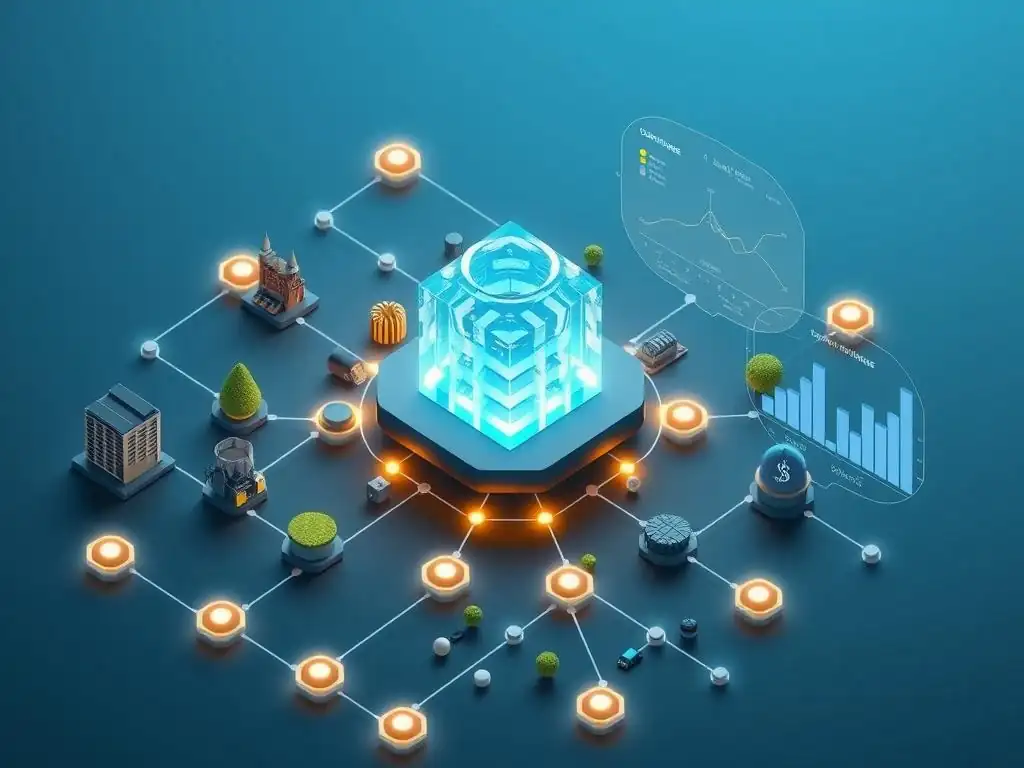
The design of the token itself and its underlying economic model (tokenomics) is crucial for its functionality, value proposition, and overall success. This involves defining the token's purpose, how it will be created and distributed, and the incentives that will drive participation.
Defining Token Utility: What Functionality Will Your Token Provide?
The utility of a token defines its purpose and the rights or benefits it grants to its holders. For asset tokenization, the utility is typically tied directly to the underlying asset. A token representing a share of real estate might grant proportional rights to rental income or appreciation. A token representing fine art might grant fractional ownership and potentially voting rights on matters concerning the artwork (e.g., where it's displayed). A tokenized royalty stream grants the right to receive a portion of future revenue.
Beyond the direct asset link, tokens can have additional utility. They might grant access to exclusive events related to the asset, provide discounts on related services, or confer governance rights over aspects of the tokenized ecosystem. Clearly defining this utility is essential as it forms the core value proposition for potential investors or users.
The utility must be clearly communicated in all offering documents. The functionality must also be programmable within the smart contract, ensuring that the promised utility is automatically enforceable on the blockchain. This clarity is vital for attracting the right participants when tokenizing assets for business growth.
Determining Token Supply and Distribution Mechanisms
Deciding on the total supply of tokens and how they will be distributed is a critical aspect of tokenomics. The total supply is often directly linked to the value or size of the underlying asset. For example, if a $10 million asset is tokenized into tokens worth $10 each, the total supply would be 1 million tokens. The distribution plan outlines how these tokens will be allocated among founders, the team, advisors, investors (private sale, public sale), ecosystem development funds, etc.
Common distribution mechanisms include:
- Private Sale: Tokens sold to a select group of investors (often accredited investors) before a public offering.
- Public Sale (STO/ICO): Tokens offered to the general public, subject to regulatory compliance.
- Airdrops: Free distribution to existing token holders or community members.
- Incentive Programs: Tokens distributed for specific actions that benefit the ecosystem.
- Reserved Funds: Tokens held by the issuer for future development, partnerships, or liquidity provision.
The distribution strategy should be transparent and designed to align the incentives of different stakeholders with the long-term success of the tokenized asset.
Implementing Token Vesting Schedules and Lock-up Periods
To ensure long-term commitment from founders, team members, and early investors, vesting schedules and lock-up periods are commonly implemented. A vesting schedule dictates that tokens allocated to certain parties (like the team) are not immediately available but are released over time, often with a "cliff" period (e.g., no tokens released for the first year) followed by linear release (e.g., released monthly over the next 3 years). This prevents key individuals from selling all their tokens immediately after launch.
Lock-up periods temporarily restrict the transferability of tokens held by specific parties (e.g., private sale investors) for a defined period after the public offering or listing. This helps prevent a large sell-off immediately after the token becomes tradable, which could negatively impact the token's price and stability. Typical lock-up periods might range from 6 to 18 months. Implementing well-structured vesting and lock-up periods is essential for demonstrating commitment and fostering a stable market environment when tokenizing assets for business growth.
Tokenomics and Incentives: Designing a Model That Drives Adoption and Value
Effective tokenomics design goes beyond supply and distribution; it's about creating an economic model that encourages desired behaviors and drives value for the token and the underlying asset. This involves designing incentives for token holders to participate actively in the ecosystem. For instance, rewarding token holders who stake their tokens (temporarily lock them up) with a percentage of transaction fees or newly minted tokens. Or, providing governance rights that allow token holders to vote on key decisions related to the asset or the tokenized platform.
Consider an example where tokens represent ownership in a tokenized vineyard. Token holders might receive a share of wine sales revenue (utility), but the tokenomics could also incentivize participation in vineyard management decisions (governance) or offer discounts on purchasing the wine (additional utility). The economic model should create a virtuous cycle where holding and using the token provides benefits, encouraging demand and contributing to the token's value, thereby supporting the overarching goal of tokenizing assets for business growth.
Step 5: Developing and Deploying Your Smart Contract
The smart contract is the technical engine that powers your tokenized asset. Its correct development and secure deployment are paramount to the integrity and functionality of the entire project.
Smart Contract Development: Best Practices for Security and Efficiency
Developing smart contracts requires specialized expertise in blockchain programming languages (like Solidity for Ethereum) and a deep understanding of security vulnerabilities common in decentralized applications. Following best practices is critical to avoid costly errors or exploits. This includes:
- Writing clean, modular code: Breaking down complex logic into smaller, testable functions.
- Using established and audited libraries: Leveraging battle-tested code components where possible.
- Minimizing complexity: Simpler contracts are generally easier to audit and less prone to errors.
- Handling arithmetic operations carefully: Preventing overflow and underflow issues.
- Implementing access control: Ensuring only authorized parties can perform sensitive operations.
Efficiency is also important, particularly on blockchains with variable transaction costs like Ethereum. Writing gas-efficient code can significantly reduce the cost for users interacting with the token. Given that smart contracts are immutable once deployed, thorough development and testing are crucial before moving to production.
Auditing Your Smart Contract: Preventing Vulnerabilities and Exploits
Due to the immutable nature of deployed smart contracts and the potential for significant financial loss from exploits, a comprehensive security audit by an independent third party is not merely a best practice but an essential step. Security auditors specialize in identifying vulnerabilities such as reentrancy attacks, integer overflows, unchecked external calls, and access control issues.
An audit typically involves static analysis of the code, manual code review by expert auditors, and extensive testing. The cost of a smart contract audit can vary widely, from $5,000 for simple contracts to over $50,000 for complex protocols or platforms, depending on the code's size, complexity, and the auditor's reputation. While an audit cannot guarantee absolute security, it significantly reduces the risk of critical flaws and demonstrates a commitment to security for potential investors and users. This step is non-negotiable when tokenizing assets, especially those involving substantial value.
Deploying Your Smart Contract to the Chosen Blockchain Network
Once the smart contract has been developed, thoroughly tested, and audited, the final technical step is deploying it to the chosen blockchain network. This process involves broadcasting the compiled contract code to the network. On platforms like Ethereum, this requires paying a transaction fee (gas) proportional to the complexity and size of the contract. The deployment transaction must be confirmed by the network's validators or miners before the smart contract becomes active and the token can be minted and managed.
The deployment process must be handled carefully, ensuring the correct parameters are set during initialization (e.g., total supply, initial distribution). Once deployed, the contract address becomes the unique identifier for your token on the blockchain. It is crucial to verify the deployed code against the audited code to ensure no last-minute changes were introduced. Successful deployment marks the point where your tokenized asset officially exists on the decentralized ledger, ready for the offering phase.
Step 6: Preparing for the Token Offering and Listing
With the token and smart contract ready, the focus shifts to bringing the tokenized asset to market. This involves strategic marketing, choosing the right offering method, and planning for secondary market access.
Marketing and Community Building: Reaching Your Target Audience
Effective marketing and community building are vital for attracting investors and users to your tokenized asset. This involves clearly communicating the project's vision, the value of the underlying asset, the token's utility, and the benefits of participating. A compelling whitepaper or offering memorandum detailing the project, team, legal structure, and tokenomics is essential. Marketing efforts might include:
- Developing a professional website and social media presence.
- Engaging with potential investors through webinars, conferences, and online forums.
- Producing explainer videos and content marketing.
- Building a community on platforms like Telegram, Discord, or Twitter to foster engagement and provide support.
Targeting the right audience is key. For security tokens, this means reaching accredited investors or those who meet specific jurisdictional requirements. For tokens with utility tied to a specific industry (e.g., real estate), marketing should target individuals and entities interested in that sector. A robust marketing strategy can significantly impact the success of the token offering by generating awareness and demand for tokenizing assets for business growth.
Choosing the Right Token Offering Method: STO, Private Sale, or Public Sale
The method used to sell the initial tokens depends heavily on the token's classification (security vs. utility), regulatory requirements, and target investor base.
- Security Token Offering (STO): If the token is classified as a security, an STO is the appropriate method. STOs are conducted in compliance with securities laws (e.g., Regulation D, A, S in the U.S.) and often involve selling tokens to accredited investors, although some regulations permit broader participation under certain conditions. STOs prioritize regulatory compliance and investor protection.
- Private Sale: This involves selling tokens directly to a small group of investors, typically venture capital firms, institutional investors, or high-net-worth individuals, often before any public offering. Private sales help raise initial capital and establish a base of significant token holders.
- Public Sale (ICO/IEO - often for utility tokens): While less common for asset tokenization due to regulatory hurdles, some projects might conduct a public sale if the token structure and underlying asset allow it without triggering securities regulations. This involves offering tokens to the general public. Initial Exchange Offerings (IEOs) are public sales conducted directly on a cryptocurrency exchange platform.
The choice of method impacts fundraising potential, investor type, and regulatory burden. Most asset tokenization projects, particularly those involving revenue-generating assets or equity, opt for STOs or private sales to ensure compliance.
Listing on Cryptocurrency Exchanges: Enhancing Liquidity and Accessibility
Once the token offering is complete, listing the token on secondary cryptocurrency exchanges is crucial for providing liquidity to token holders. This allows investors to buy and sell tokens after the initial offering, enhancing market efficiency and attracting new investors. Exchanges can range from decentralized exchanges (DEXs) like Uniswap or SushiSwap to centralized exchanges (CEXs) like Coinbase, Kraken, or more specialized security token exchanges.
Listing on reputable exchanges increases visibility and provides access to a wider pool of potential buyers and sellers. However, listing fees on major centralized exchanges can be substantial, potentially ranging from $50,000 to several million dollars, depending on the exchange's size and reputation. DEXs typically have lower barriers to entry and fees but may offer less liquidity initially. Choosing the right exchanges depends on the token's nature, target market, and available budget. Providing a clear pathway for secondary trading is a key component of successfully tokenizing assets for business growth.
Step 7: Managing and Maintaining Your Tokenized Asset
Launching a tokenized asset is not the end; it's the beginning of an ongoing process of management, compliance, and community engagement.
Ongoing Compliance: Staying Up-to-Date with Regulatory Changes
The regulatory landscape for tokenized assets is dynamic and subject to change. Businesses that have tokenized assets must stay informed about new laws, regulations, and guidance from relevant authorities (like the SEC, FINRA, or international equivalents). This involves continuous monitoring of regulatory developments and potentially adapting operational procedures or legal structures as required.
Ongoing compliance obligations may include periodic reporting to regulators, maintaining investor records, adhering to rules regarding secondary trading, and ensuring continued KYC/AML compliance for any subsequent transactions or platform activities. Engaging legal counsel on an ongoing basis is often necessary to navigate these evolving requirements. Proactive compliance management is essential for the long-term legitimacy and stability of the tokenized asset and crucial for sustainable tokenizing assets for business growth.
Community Engagement and Communication
Maintaining a strong relationship with token holders and the broader community is vital. This involves transparent and regular communication about the performance of the underlying asset, any relevant developments, and the overall project progress. Communication channels established during the marketing phase (website, social media, forums) should be actively managed.
Providing clear updates on revenue generated by the asset, distribution of any income streams (like dividends or royalties), and news related to the asset's value or market conditions helps build trust and keeps token holders informed. A responsive support system to address holder queries is also important. A well-informed and engaged community is more likely to be supportive and contribute positively to the ecosystem.
Monitoring Token Performance and Market Trends
Tracking the performance of your token on secondary markets is important, although market price is influenced by many factors beyond the underlying asset's performance. Monitoring trading volume, price fluctuations, and liquidity on exchanges provides insights into market perception and demand.
It's also crucial to monitor broader market trends in the blockchain space, the specific asset class, and the regulatory environment. Understanding these trends can help inform decisions about potential future token utility enhancements, listing on additional exchanges, or adapting the strategy in response to market shifts. Data analytics tools can provide valuable insights into token holder behavior and market dynamics.
Security Best Practices: Protecting Your Tokenized Asset from Cyber Threats
Ongoing security is paramount. This involves not only the security of the underlying smart contract (which should have been audited) but also the security of platforms used to manage the tokenized asset, investor data, and operational wallets. Implementing robust cybersecurity measures is essential.
This includes securing private keys used for managing token operations, using multi-signature wallets for critical transactions, regularly updating software, and training personnel on security protocols. Protecting investor data collected during KYC/AML processes is also a significant responsibility requiring compliance with data protection regulations. Maintaining vigilance against phishing attempts, hacks, and other cyber threats is crucial to protect the integrity of the tokenized asset and the trust of its holders.
Conclusion: The Future of Tokenizing Assets for Business Growth
Tokenization is more than a fleeting trend; it represents a fundamental shift in how assets can be owned, managed, and traded. By breaking down traditional barriers of illiquidity and inaccessibility, it unlocks significant potential for innovation and economic growth across various sectors.
Embracing Tokenization: A Paradigm Shift in Asset Management
The ability to represent fractional ownership of high-value assets on an immutable, transparent, and programmable ledger is fundamentally changing asset management. It allows for greater efficiency in transactions, reduces reliance on intermediaries, and creates new avenues for capital formation. While challenges remain, particularly in navigating the evolving regulatory landscape, the benefits offered by tokenizing assets for business growth are compelling. Early adopters are already demonstrating successful use cases, paving the way for broader adoption.
This paradigm shift is set to democratize investment, making previously exclusive asset classes accessible to a wider range of investors globally. It also provides businesses with powerful new tools for fundraising and managing asset ownership. The future promises increased standardization, clearer regulations, and more sophisticated platforms, further accelerating the adoption of tokenization.
The Impact of Tokenization on the Real Estate Industry
The real estate sector is poised for massive transformation through tokenization. Historically illiquid, with high transaction costs and long settlement periods, real estate is an ideal candidate for fractionalization and easier transfer of ownership interests via tokens. Estimates suggest that tokenizing a significant portion of the global real estate market, valued in the hundreds of trillions of dollars, could unlock immense value and liquidity.
Tokenization allows investors to buy into specific properties or portfolios with much smaller capital outlays, potentially as low as $100-$1000 per token, compared to traditional minimums often in the tens or hundreds of thousands. This increased accessibility benefits both investors and developers seeking more diverse funding sources. Projects tokenizing commercial buildings, residential complexes, and development projects are already underway globally, demonstrating the tangible impact of tokenizing assets for business growth in this sector.
Key Takeaways for Successfully Tokenizing Assets
Successfully tokenizing assets for business growth requires meticulous planning and execution across multiple domains. Key takeaways include:
- Strategic Clarity: Define clear objectives and identify the right asset where tokenization adds significant value.
- Legal Diligence: Navigate the complex regulatory environment with expert legal counsel, ensuring strict compliance, especially with securities laws and KYC/AML requirements.
- Platform Choice: Select a blockchain platform that meets the project's technical needs regarding security, scalability, and cost.
- Tokenomics Design: Create a token model with clear utility and incentives that align stakeholder interests.
- Technical Rigor: Develop secure, audited smart contracts.
- Market Preparation: Plan a robust marketing strategy and choose an appropriate offering method and listing venue.
- Ongoing Management: Commit to continuous compliance, community engagement, and security.
By addressing these areas comprehensively, businesses can effectively leverage tokenization to unlock liquidity, access new capital pools, and achieve significant business growth in the digital age.
Frequently Asked Questions
What exactly does it mean to tokenize an asset, and why is it relevant for business growth?
Tokenizing an asset means representing ownership rights to a tangible or intangible asset with a digital token on a blockchain. This can lead to greater liquidity, fractional ownership, and increased accessibility for investors, fueling business growth.
What types of assets are most suitable for tokenization, and what are the initial considerations before starting the process?
Assets ranging from real estate and art to intellectual property and commodities can be tokenized. Initial considerations include legal compliance, determining the token's structure, and selecting the appropriate blockchain platform.
What are the key technical steps involved in the tokenization process, and what expertise is required?
The technical steps involve creating the smart contract that governs the token, deploying it on a blockchain, and integrating it with trading platforms. This requires expertise in blockchain development, smart contract auditing, and cybersecurity.
How does tokenizing assets help businesses access new sources of funding and improve liquidity?
Tokenization enables fractional ownership, allowing a wider range of investors to participate. This can unlock new capital and improve asset liquidity by creating a more accessible and efficient market.
What are the regulatory considerations and potential challenges businesses face when tokenizing assets, and how can they be addressed?
Regulatory frameworks for tokenized assets are still evolving and vary by jurisdiction. Businesses must ensure compliance with securities laws and KYC/AML regulations. Addressing these challenges requires legal counsel and a robust compliance program.
Final Reflection: Embracing the Tokenized Future
The journey from conceptualizing asset tokenization to its practical implementation, as we've explored, is not just a technological shift, but a fundamental reimagining of ownership and value. The democratization of investment and the unlocking of previously illiquid assets are no longer futuristic fantasies, but tangible opportunities for business growth happening right now. The potential to revolutionize industries, from real estate to art, through fractional ownership and enhanced accessibility is immense, and the steps outlined in this guide provide a roadmap for businesses ready to embrace this transformative technology.
This shift towards tokenization is profoundly impacting the cultural and social landscape, fostering a new era of financial inclusion and transparency. Witnessing the rise of decentralized finance and the increasing adoption of blockchain technology underscores the enduring power of innovation to reshape our world. The future of finance is decentralized, and tokenization is the key to unlocking its full potential.
This quote encapsulates the spirit of this movement, highlighting the profound impact tokenization will have on how we interact with assets and build wealth in the years to come.
Now, as you stand at the precipice of this exciting new frontier, consider the possibilities. How can you leverage the power of tokenization to unlock new value for your business and your community? How can you contribute to a more equitable and accessible financial future? The time for reflection and action is now. Embrace the challenge, explore the opportunities, and become a pioneer in the tokenized world of tomorrow.
Unleash Your Asset's Potential: Take the Next Step!
Thank you for exploring asset tokenization! Now that you understand how to convert your assets into digital tokens, it's time to take action. Together, we can shape the future of asset management.
Here are some practical steps to get started:
- Begin with a Small Project: Choose a manageable asset to tokenize as a proof of concept. This approach allows you to gain hands-on experience with minimal risk.
- Research Tokenization Platforms: Compare different platforms based on fees, security features, and user interface to find the best solution for your needs.
- Share Your Tokenization Goals: What innovative asset do you aspire to tokenize? Share your ideas in the comments, and let's explore the possibilities together!
Which real-world asset are you most excited to tokenize, and how do you think it could transform its industry?
Leave a Reply