
Data Integrity 2.0: The Synergistic Power of Blockchain and Artificial Intelligence


Welcome to Blockchain Trends, your compass in the rapidly evolving world of decentralized technologies. Are you ready to unlock the next level of data security and reliability? Dive in to explore the groundbreaking synergy of blockchain and artificial intelligence, as we delve into Blockchain AI data integrity and its potential to revolutionize industries. Discover how this powerful combination is forging a new era of trust and transparency – and why it matters to you.
Data Integrity: Synergistic Power of Blockchain and AI
- Introduction: Enhancing Data Integrity with Blockchain and AI
- Challenges of Traditional Data Integrity Systems
- Blockchain Technology: A Foundation for Immutable Data
- Artificial Intelligence: Enhancing Data Integrity Through Analysis
- Blockchain and AI: A Synergistic Approach
- Real-World Applications
- Addressing Implementation Challenges
- Future Trends
- Conclusion: Embracing the Future of Data Integrity
-
Frequently Asked Questions
- How can blockchain improve data integrity in AI systems?
- What role does AI play in enhancing the security of blockchain networks?
- How can the combination of blockchain and AI address data privacy concerns?
- What are some real-world applications where blockchain and AI are being used together to improve data integrity?
- What are the regulatory considerations for implementing blockchain and AI solutions for data integrity?
- Final Reflection: Forging Trust in the Age of Intelligent Data
- Unlock the Future: Implement Blockchain & AI for Unbreakable Data!
Introduction: Enhancing Data Integrity with Blockchain and AI
Understanding Data Integrity in Modern Systems
Data integrity, at its core, is the assurance that data remains accurate, consistent, and reliable throughout its lifecycle. In modern systems, this concept extends far beyond simple accuracy; it encompasses the entire spectrum of data management, from creation and storage to processing and retrieval. Consider the sheer volume of data generated daily – estimated to be around 2.5 quintillion bytes – and the intricate networks through which it flows.
Ensuring integrity in such a complex environment is paramount for informed decision-making, operational efficiency, and maintaining trust in digital systems. Businesses and organizations rely heavily on data to drive strategy, understand customer behavior, and automate critical processes. Compromised data integrity can lead to flawed analyses, incorrect conclusions, and ultimately, significant financial and reputational damage.
The importance of data integrity is further amplified by the increasing reliance on interconnected systems and cloud-based infrastructure. Data frequently traverses multiple platforms and stakeholders, increasing its exposure to potential threats and errors. From e-commerce transactions to healthcare records, the reliance on accurate and trustworthy data is non-negotiable.
For example, in the financial sector, data integrity is critical for regulatory compliance, preventing fraud, and maintaining the stability of markets. A minor data breach or alteration in a banking system could have cascading effects, impacting millions of users and the overall economic landscape. Therefore, robust data integrity mechanisms are not merely a technical requirement but a fundamental pillar of modern, data-driven societies.
The Potential of Blockchain and AI for Data Security
The confluence of blockchain and artificial intelligence (AI) presents a transformative opportunity to redefine data security and integrity. Individually, both technologies offer powerful capabilities. Blockchain, with its inherent characteristics of decentralization and immutability, provides a robust foundation for secure data storage and verification. AI, on the other hand, excels in analyzing vast datasets, detecting anomalies, and predicting potential threats. When synergistically combined, blockchain and AI create a formidable defense against data corruption, manipulation, and unauthorized access, significantly enhancing overall data integrity.
The potential of this synergy lies in leveraging each technology's strengths to overcome the limitations of traditional data security approaches. Traditional systems often rely on centralized authorities and perimeter-based security, which can be single points of failure and are increasingly vulnerable to sophisticated cyberattacks. Blockchain's distributed ledger technology eliminates the single point of failure, while AI's predictive capabilities can proactively identify and mitigate threats before they materialize.
For instance, AI algorithms can monitor blockchain networks for suspicious activities, such as unusual transaction patterns or attempts to tamper with data, providing an additional layer of security and ensuring the ongoing integrity of the data stored on the blockchain. This powerful combination promises a new era of data integrity, capable of addressing the evolving challenges of the digital age.
Challenges of Traditional Data Integrity Systems
Limitations of Centralized Databases
Centralized databases, while widely used, inherently present limitations when it comes to ensuring robust data integrity. The very architecture of a centralized system, where data is stored and managed in a single location, creates a bottleneck and a single point of failure. All data access and modifications are funneled through a central authority, making the system vulnerable to both internal and external threats. Consider a large corporation relying on a single database to manage customer information. If this database is compromised, all sensitive customer data becomes accessible, leading to potential data breaches and regulatory non-compliance.
Furthermore, centralized databases often struggle with scalability and transparency. As data volumes grow exponentially, maintaining performance and ensuring data consistency across the entire system becomes increasingly complex.
Auditing data changes and tracing the history of modifications can also be challenging in centralized systems, hindering accountability and making it difficult to detect and rectify data integrity violations. The lack of transparency in centralized systems can also erode trust, especially in sensitive sectors like healthcare or finance, where users need assurance that their data is handled with utmost integrity and security, something that centralized systems often find difficult to fully guarantee in today's threat landscape.
Vulnerabilities to Cyberattacks and Data Tampering
Traditional data integrity systems are increasingly susceptible to sophisticated cyberattacks and data tampering attempts. Cybercriminals are constantly evolving their tactics, employing advanced techniques like ransomware, malware, and social engineering to penetrate security perimeters and compromise sensitive data. A report by Cybersecurity Ventures estimated that ransomware attacks alone caused damages worth \$20 billion globally in 2021, a figure projected to reach \$265 billion by 2031. These attacks often target vulnerabilities in centralized systems, aiming to encrypt, steal, or manipulate data for financial gain or malicious purposes.
Data tampering, whether intentional or accidental, poses another significant threat to data integrity. Internal threats, such as disgruntled employees or human error, can lead to unauthorized data modifications or deletions. Without robust audit trails and immutable records, detecting and reversing data tampering can be extremely difficult, potentially leading to long-term data corruption and inaccurate information.
For instance, in a study by IBM, it was found that insider threats are responsible for approximately 30% of data breaches, highlighting the vulnerability of traditional systems to internal data integrity violations. The increasing sophistication of cyber threats and the persistent risk of data tampering underscore the urgent need for more resilient and secure data integrity solutions.
The Need for Enhanced Data Integrity Solutions
The escalating challenges to data integrity in modern systems necessitate the adoption of enhanced solutions that go beyond traditional security measures. The sheer volume of data, the complexity of interconnected systems, and the ever-evolving landscape of cyber threats demand a paradigm shift in how we approach data integrity. Organizations are increasingly realizing that relying solely on firewalls, antivirus software, and access controls is no longer sufficient to guarantee data trustworthiness. The consequences of data breaches and integrity violations are becoming more severe, impacting not only financial bottom lines but also brand reputation, customer trust, and regulatory compliance.
The need for enhanced data integrity solutions is driven by several factors, including stricter data privacy regulations like GDPR and CCPA, which impose hefty penalties for data breaches and mandate robust data protection measures. Furthermore, the increasing reliance on data analytics and AI for critical decision-making underscores the importance of data accuracy and reliability. If the data underpinning these technologies is compromised, the resulting insights and decisions will be flawed, leading to potentially disastrous outcomes.
Therefore, investing in enhanced data integrity solutions is not merely a matter of risk mitigation but a strategic imperative for organizations seeking to thrive in the data-driven economy. This includes exploring innovative technologies like blockchain and AI, which offer promising avenues for strengthening data integrity and building more resilient and trustworthy systems.
Blockchain Technology: A Foundation for Immutable Data
Blockchain's Core Principles: Decentralization and Security
Blockchain technology's core strength in ensuring data integrity stems from its fundamental principles of decentralization and inherent security mechanisms. Decentralization, the distribution of data and control across a network of participants, eliminates the single point of failure inherent in centralized systems.
Instead of relying on a central authority, blockchain operates on a distributed ledger, where every participant holds a copy of the data. This distributed nature makes it extremely difficult for malicious actors to tamper with the data, as they would need to compromise a majority of the network nodes simultaneously, a computationally and practically infeasible task in most established blockchains.
Security in blockchain is further reinforced through cryptographic techniques, primarily hashing and digital signatures. Cryptographic hashing ensures data immutability by creating a unique fingerprint of each block of data. Any alteration to the data within a block would result in a different hash, immediately detectable by the network.
Digital signatures provide authentication and non-repudiation, verifying the origin and integrity of transactions and data entries. These cryptographic mechanisms, combined with the decentralized architecture, create a robust and tamper-proof environment for data storage and management. The inherent security and decentralization of blockchain technology provide a strong foundation for building data integrity solutions that are significantly more resilient than traditional systems.
How Blockchain Ensures Data Immutability
Data immutability, a cornerstone of blockchain technology, is crucial for maintaining data integrity over time. Once data is recorded on a blockchain, it becomes virtually impossible to alter or delete it retroactively. This immutability is achieved through a combination of cryptographic hashing and the chained structure of blocks.
Each block in the blockchain contains a hash of the previous block, creating a chronological and tamper-evident chain of records. Any attempt to modify a block would require recalculating the hash of that block and all subsequent blocks, as well as gaining consensus from the majority of the network to accept the changes, a computationally prohibitive and practically unrealistic scenario.
The concept of consensus mechanisms further strengthens blockchain's immutability. Different blockchain networks employ various consensus algorithms, such as Proof-of-Work (PoW) or Proof-of-Stake (PoS), to validate new blocks and ensure agreement among network participants. These mechanisms require significant computational power or economic stake to participate in the consensus process, making it extremely costly and difficult for malicious actors to manipulate the blockchain.
The combination of cryptographic chaining and robust consensus mechanisms guarantees that data recorded on a blockchain remains immutable and auditable, providing a high level of assurance for data integrity. This immutability is a key differentiator of blockchain and makes it particularly well-suited for applications requiring long-term data preservation and verifiable audit trails.
Use Cases: Supply Chain and Digital Identity
Blockchain's inherent data immutability and security make it highly applicable to various use cases requiring enhanced data integrity, particularly in supply chain management and digital identity verification. In supply chain, blockchain can provide an immutable record of product provenance, tracking goods from origin to consumer. This transparency and traceability are crucial for combating counterfeiting, ensuring product authenticity, and improving supply chain efficiency. For example, companies like Walmart are using blockchain to track food products, allowing them to quickly identify and remove contaminated items from shelves, enhancing food safety and consumer trust.
In the realm of digital identity, blockchain offers a secure and self-sovereign approach to managing personal information. Individuals can control their own digital identities stored on a blockchain, granting selective access to verified data to trusted parties. This reduces the risk of identity theft and data breaches associated with centralized identity management systems.
Projects like Civic and uPort are leveraging blockchain to create decentralized identity solutions, empowering individuals with greater control over their personal data and enhancing data integrity in identity verification processes. These use cases demonstrate the practical applications of blockchain in addressing real-world data integrity challenges across diverse industries.
Artificial Intelligence: Enhancing Data Integrity Through Analysis
AI-Powered Anomaly Detection for Real-Time Monitoring
Artificial intelligence, particularly machine learning, plays a crucial role in enhancing data integrity through its powerful analytical capabilities, especially in real-time monitoring and anomaly detection. AI algorithms can be trained to establish baselines for normal data behavior and identify deviations or anomalies that might indicate data corruption, security breaches, or system malfunctions.
These algorithms can analyze vast datasets and complex patterns far beyond human capacity, providing continuous and proactive monitoring of data integrity. For instance, in network security, AI-powered anomaly detection systems can identify unusual network traffic patterns that might signal a cyberattack or data exfiltration attempt, enabling rapid response and mitigation.
Real-time monitoring with AI allows for immediate detection and alerting of potential data integrity issues, minimizing the window of vulnerability and preventing further damage. Consider a financial institution using AI to monitor transaction data in real-time. The AI system can detect fraudulent transactions by identifying unusual patterns, such as large transfers to unfamiliar accounts or transactions originating from geographically anomalous locations.
This real-time detection capability allows the institution to flag suspicious transactions for further investigation and prevent financial losses. AI's ability to analyze data streams continuously and identify subtle anomalies is a significant enhancement to traditional data integrity monitoring approaches, which often rely on periodic audits and reactive measures.
AI for Predictive Maintenance of Data Systems
Beyond real-time monitoring, AI can also be leveraged for predictive maintenance of data systems, proactively preventing data corruption and integrity issues before they occur. By analyzing historical data and system performance metrics, AI algorithms can identify patterns and predict potential failures in hardware, software, or infrastructure that could compromise data integrity.
This predictive capability allows for proactive maintenance and intervention, minimizing downtime and preventing data loss or corruption. For example, in data centers, AI can monitor server performance, storage utilization, and environmental conditions to predict potential hardware failures, allowing for timely replacement or repair of components before they impact data integrity.
Predictive maintenance powered by AI can significantly reduce the risk of data corruption caused by system failures and human error. By anticipating potential issues, organizations can schedule maintenance activities during off-peak hours, minimizing disruption and ensuring the continuous availability and integrity of data.
Furthermore, AI can optimize resource allocation for maintenance, focusing efforts on areas with the highest risk of failure, improving efficiency and reducing costs. The proactive nature of AI-driven predictive maintenance provides a significant advantage in maintaining data system health and preventing data integrity violations compared to reactive maintenance approaches that address issues only after they have occurred.
Machine Learning for Data Corruption Prevention
Machine learning algorithms are increasingly being employed for data corruption prevention, proactively identifying and mitigating factors that can lead to data integrity issues. AI can analyze data storage patterns, identify potential bottlenecks, and optimize data management processes to minimize the risk of data corruption.
For example, in data storage systems, machine learning algorithms can monitor disk drive health, predict potential failures, and automatically migrate data to healthy drives, preventing data loss due to hardware malfunctions. Similarly, AI can analyze data access patterns and identify potential points of contention or data conflicts, optimizing data storage and retrieval mechanisms to minimize the risk of data corruption caused by concurrency issues.
Machine learning can also be used to improve data validation and error detection processes. AI algorithms can be trained to identify data inconsistencies, errors, and anomalies that might indicate data corruption or data entry mistakes. By automating data validation and error detection, AI can significantly improve data quality and prevent the propagation of errors throughout data systems.
For instance, in data migration projects, AI can be used to validate data integrity after migration, ensuring that data is transferred accurately and completely, minimizing the risk of data corruption during the migration process. The proactive and automated nature of machine learning-driven data corruption prevention significantly enhances data integrity and reduces the reliance on manual and reactive error detection methods.
Blockchain and AI: A Synergistic Approach
Combining Blockchain's Security with AI's Analytical Capabilities
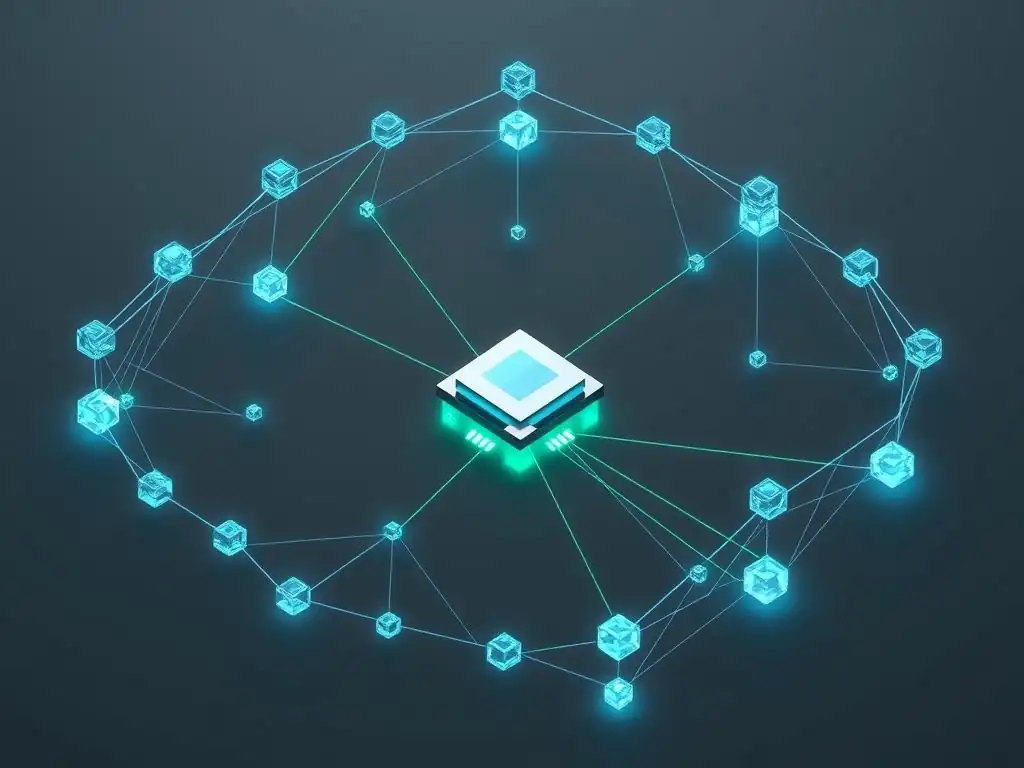
The true power of blockchain and AI in enhancing data integrity is unlocked when these technologies are combined synergistically. Blockchain provides a secure and immutable foundation for data storage and verification, while AI offers powerful analytical capabilities for real-time monitoring, anomaly detection, and predictive maintenance. By integrating AI with blockchain, organizations can create data integrity solutions that are not only secure and tamper-proof but also intelligent and proactive. This synergistic approach addresses the limitations of both technologies when used in isolation and creates a more comprehensive and robust data integrity framework.
For example, AI algorithms can be deployed to monitor blockchain networks for suspicious activities and potential security threats, leveraging AI's anomaly detection capabilities to enhance blockchain security. Conversely, blockchain can provide a secure and auditable platform for AI model development and deployment, ensuring the integrity and transparency of AI algorithms and preventing manipulation or bias.
The combination of blockchain's security and AI's analytical capabilities creates a powerful feedback loop, where each technology enhances the strengths of the other, resulting in a data integrity solution that is greater than the sum of its parts. This synergy is particularly valuable in applications requiring high levels of data security, transparency, and trust, such as supply chain management, healthcare, and financial services.
Decentralized AI for Improved Data Validation
Decentralized AI, leveraging blockchain technology, offers a novel approach to improving data validation and ensuring data integrity in collaborative environments. Traditional AI models often rely on centralized datasets, which can be vulnerable to manipulation and bias. By decentralizing AI model training and validation using blockchain, organizations can create more transparent and trustworthy AI systems that are less susceptible to data integrity issues. Blockchain can provide a secure and auditable platform for sharing data, training AI models collaboratively, and verifying the integrity of AI outputs, fostering greater trust and accountability in AI applications.
Decentralized AI can be particularly beneficial in scenarios where data is distributed across multiple organizations or stakeholders, such as in healthcare research or supply chain networks. Blockchain enables secure data sharing and collaborative AI model development without compromising data privacy or security. Furthermore, blockchain can be used to create decentralized autonomous organizations (DAOs) for managing and governing AI systems, ensuring transparency and fairness in AI decision-making processes. The decentralization of AI through blockchain not only enhances data integrity but also promotes greater collaboration, trust, and transparency in AI development and deployment.
Building Trust Through Transparent Data Management
The synergistic combination of blockchain and AI is instrumental in building trust through transparent data management practices. Blockchain's inherent transparency and immutability provide verifiable audit trails of data transactions and modifications, enhancing accountability and trust in data systems. AI can further enhance transparency by providing explainable AI (XAI) capabilities, allowing users to understand how AI algorithms arrive at their decisions and validate the integrity of AI outputs. The combination of blockchain's transparent data ledger and AI's explainable decision-making creates a powerful foundation for building trust in data management and fostering greater confidence in digital systems.
Transparent data management is increasingly crucial for regulatory compliance, particularly in industries dealing with sensitive personal data or financial transactions. Blockchain and AI can help organizations meet stringent data privacy regulations like GDPR and CCPA by providing verifiable proof of data integrity and compliance. Furthermore, transparent data management enhances stakeholder trust, including customers, partners, and regulators, by demonstrating a commitment to data security, privacy, and accountability. The synergistic power of blockchain and AI in enabling transparent data management is a key differentiator in building trustworthy and reliable digital ecosystems.
Real-World Applications
Healthcare: Securing Patient Records
In healthcare, the synergistic power of blockchain and AI offers transformative potential for securing patient records and enhancing data integrity. Blockchain can provide an immutable and auditable ledger for storing patient medical records, ensuring data security and preventing unauthorized access or modifications. AI can be used to analyze patient data, detect anomalies that might indicate data breaches or medical errors, and provide real-time monitoring of data integrity. For example, AI algorithms can identify inconsistencies in patient records, such as conflicting diagnoses or medication prescriptions, alerting healthcare providers to potential data integrity issues.
Blockchain-based electronic health record (EHR) systems can empower patients with greater control over their medical data, allowing them to grant selective access to healthcare providers and researchers. This patient-centric approach enhances data privacy and security while facilitating seamless data sharing and interoperability across healthcare organizations. Furthermore, AI can be used to personalize healthcare treatments based on patient data stored on the blockchain, improving patient outcomes and enhancing the efficiency of healthcare delivery. The combination of blockchain's security and AI's analytical capabilities is revolutionizing healthcare data management, enhancing data integrity, and improving patient care.
Supply Chain: Enhancing Product Traceability
The supply chain industry stands to gain significantly from the synergistic application of blockchain and AI for enhancing product traceability and ensuring data integrity. Blockchain can provide an immutable record of product journey, from origin to consumer, tracking every stage of the supply chain with timestamps and verifiable data. AI can be used to analyze supply chain data, detect anomalies that might indicate counterfeiting, fraud, or inefficiencies, and provide real-time monitoring of product provenance. For instance, AI algorithms can identify discrepancies between expected and actual product locations, alerting stakeholders to potential supply chain disruptions or product tampering.
Blockchain-based supply chain tracking systems can improve transparency and accountability across the entire supply chain network, enabling consumers to verify product authenticity and origin. This enhanced traceability is particularly valuable for industries dealing with high-value goods, pharmaceuticals, or food products, where counterfeiting and product safety are major concerns.
Furthermore, AI can be used to optimize supply chain logistics, predict demand fluctuations, and improve inventory management based on real-time data tracked on the blockchain, enhancing efficiency and reducing costs. The synergistic application of blockchain and AI is transforming supply chain management, enhancing product traceability, and ensuring data integrity throughout the supply chain ecosystem.
Finance: Preventing Fraud and Ensuring Data Accuracy
In the financial sector, the synergy of blockchain and AI is crucial for preventing fraud, ensuring data accuracy, and enhancing regulatory compliance. Blockchain can provide an immutable and auditable ledger for financial transactions, reducing the risk of fraud and providing verifiable proof of transaction history. AI can be used to analyze transaction data, detect fraudulent patterns, and provide real-time monitoring of financial activities. For example, AI algorithms can identify suspicious transaction patterns, such as money laundering attempts or unauthorized account access, alerting financial institutions to potential fraudulent activities.
Blockchain-based payment systems and digital currencies can enhance the security and efficiency of financial transactions, reducing reliance on intermediaries and lowering transaction costs. AI can be used to optimize trading strategies, manage risk, and improve customer service in the financial sector, leveraging the vast amounts of financial data available. Furthermore, the combination of blockchain and AI can streamline regulatory compliance processes, providing automated reporting and auditable records of financial activities, reducing the burden of regulatory oversight. The synergistic power of blockchain and AI is revolutionizing the financial industry, enhancing data integrity, preventing fraud, and improving efficiency and transparency.
Addressing Implementation Challenges
Scalability and Performance Considerations
Implementing blockchain and AI solutions for data integrity presents several challenges, particularly concerning scalability and performance. Blockchain networks, especially public blockchains, can face scalability limitations in terms of transaction throughput and data storage capacity. Processing large volumes of data and transactions on a blockchain can be computationally intensive and time-consuming, potentially impacting performance. Similarly, AI algorithms, particularly complex machine learning models, can require significant computational resources and processing power, especially for real-time data analysis and anomaly detection.
Addressing scalability and performance challenges requires careful consideration of blockchain architecture, consensus mechanisms, and AI model optimization techniques. Private or permissioned blockchains can offer better scalability compared to public blockchains for enterprise applications. Layer-2 scaling solutions, such as state channels or rollups, can improve transaction throughput on blockchain networks. Optimizing AI algorithms, using efficient data processing techniques, and leveraging cloud computing resources can enhance the performance of AI-powered data integrity solutions. Addressing scalability and performance considerations is crucial for the widespread adoption of blockchain and AI for data integrity in demanding real-world applications.
Data Privacy and Regulatory Compliance
Data privacy and regulatory compliance are paramount considerations when implementing blockchain and AI solutions for data integrity, especially when dealing with sensitive personal data. Blockchain's inherent transparency, while beneficial for data integrity, can raise privacy concerns if sensitive data is stored directly on the blockchain. AI algorithms trained on sensitive data must also comply with data privacy regulations like GDPR and CCPA, ensuring that data is processed ethically and securely. Balancing data integrity with data privacy and regulatory compliance requires careful design and implementation of blockchain and AI solutions.
Privacy-enhancing technologies (PETs), such as zero-knowledge proofs, homomorphic encryption, and secure multi-party computation, can be integrated with blockchain and AI to protect data privacy while maintaining data integrity. These technologies allow for data processing and analysis without revealing the underlying sensitive data, addressing privacy concerns. Furthermore, organizations must implement robust data governance policies and procedures to ensure compliance with relevant data privacy regulations and ethical AI principles. Addressing data privacy and regulatory compliance challenges is essential for building trustworthy and responsible blockchain and AI solutions for data integrity.
The Need for Skilled Professionals
The successful implementation of blockchain and AI for data integrity requires a workforce with specialized skills and expertise in both technologies. Developing, deploying, and managing blockchain and AI solutions requires professionals with knowledge of cryptography, distributed systems, machine learning, data science, and cybersecurity. The shortage of skilled professionals in these emerging fields poses a significant challenge for organizations seeking to adopt blockchain and AI for data integrity. Investing in training and education programs to develop a skilled workforce is crucial for accelerating the adoption of these technologies.
Organizations need to foster collaboration between blockchain and AI experts, as well as domain experts in specific industries, to effectively leverage the synergistic power of these technologies for data integrity. Building interdisciplinary teams with diverse skillsets is essential for addressing the complex challenges of implementing and managing blockchain and AI solutions. Furthermore, ongoing research and development in blockchain and AI are needed to advance the state-of-the-art and address emerging challenges in data integrity. Addressing the skills gap and fostering innovation are crucial for realizing the full potential of blockchain and AI in enhancing data integrity across various sectors.
Future Trends
Decentralized Identity and Data Ownership
Future trends in data integrity point towards a greater emphasis on decentralized identity and data ownership, leveraging blockchain and AI technologies. Decentralized identity solutions, built on blockchain, empower individuals with greater control over their personal data, enabling self-sovereign identity management. AI can enhance decentralized identity systems by providing secure and privacy-preserving authentication and authorization mechanisms, leveraging biometrics and behavioral analysis. The convergence of decentralized identity and AI will lead to a future where individuals have greater control over their digital identities and personal data, enhancing data privacy and security.
Data ownership is another emerging trend, with individuals and organizations seeking greater control over their data assets. Blockchain can enable data ownership through tokenization and decentralized data marketplaces, allowing data owners to monetize their data and control its usage. AI can be used to analyze data ownership patterns, track data provenance, and enforce data usage rights, ensuring fair and transparent data governance. The shift towards decentralized identity and data ownership will reshape the data landscape, fostering greater trust, transparency, and equity in data management.
AI-Driven Automation of Blockchain Governance
AI is poised to play an increasingly important role in automating blockchain governance and enhancing the efficiency and security of blockchain networks. Blockchain governance, the process of managing and evolving blockchain protocols and networks, can be complex and time-consuming. AI can automate various aspects of blockchain governance, such as proposal evaluation, voting, and conflict resolution, improving efficiency and reducing human bias. For example, AI algorithms can analyze blockchain proposals, assess their impact on network performance and security, and provide data-driven recommendations for governance decisions.
AI can also enhance blockchain security by automating threat detection and response mechanisms. AI-powered security systems can continuously monitor blockchain networks for vulnerabilities and anomalies, proactively identifying and mitigating potential security threats. Furthermore, AI can optimize blockchain network parameters, such as block size and transaction fees, based on real-time network conditions, improving performance and efficiency. AI-driven automation of blockchain governance will streamline blockchain operations, enhance security, and facilitate the scalability and adoption of blockchain technology.
Quantum-Resistant Blockchain for Long-Term Security
Looking ahead, quantum computing poses a potential threat to the security of current cryptographic algorithms used in blockchain technology. Quantum computers, when sufficiently advanced, could break widely used encryption methods, potentially compromising the security of blockchain networks. Quantum-resistant blockchain is an emerging trend focused on developing blockchain technologies that are resistant to attacks from quantum computers. This involves incorporating quantum-resistant cryptographic algorithms into blockchain protocols, ensuring long-term security and data integrity in the quantum computing era.
Research and development efforts are underway to create quantum-resistant cryptographic algorithms and integrate them into blockchain frameworks. Quantum-resistant blockchain solutions are crucial for ensuring the long-term viability and security of blockchain technology, particularly for applications requiring long-term data preservation and security, such as digital archives and critical infrastructure. The transition to quantum-resistant blockchain will be a gradual process, but it is essential for safeguarding data integrity and trust in blockchain technology in the face of advancing quantum computing capabilities.
Conclusion: Embracing the Future of Data Integrity
The Transformative Impact of Blockchain and AI on Data Management
The synergistic power of blockchain and AI is poised to have a transformative impact on data management practices across various industries. Blockchain provides a secure, immutable, and transparent foundation for data storage and verification, while AI offers powerful analytical capabilities for real-time monitoring, anomaly detection, and predictive maintenance. Together, these technologies create a new paradigm for data integrity, addressing the limitations of traditional data management systems and enhancing data security, reliability, and trustworthiness. The combination of blockchain and AI is not merely an incremental improvement but a fundamental shift in how organizations approach data integrity in the digital age.
The transformative impact of blockchain and AI extends beyond technical enhancements; it also encompasses organizational culture and business models. Adopting these technologies requires a shift towards more transparent, collaborative, and data-centric approaches to data management. Organizations that embrace the synergistic power of blockchain and AI will be better positioned to build trust with stakeholders, enhance operational efficiency, and unlock new opportunities in the data-driven economy. The future of data management is increasingly intertwined with the convergence of blockchain and AI, promising a more secure, reliable, and trustworthy data ecosystem.
Investing in Secure and Reliable Data Integrity Solutions
Investing in secure and reliable data integrity solutions, leveraging blockchain and AI technologies, is a strategic imperative for organizations seeking to thrive in the data-driven future. Data integrity is no longer just a technical concern but a fundamental business requirement. Data breaches, data corruption, and data manipulation can have severe financial, reputational, and legal consequences. Organizations that prioritize data integrity and invest in robust solutions will gain a competitive advantage, build customer trust, and ensure long-term sustainability.
Blockchain and AI offer a powerful combination for building next-generation data integrity solutions that are more secure, resilient, and intelligent than traditional approaches. While implementation challenges exist, the potential benefits of enhanced data integrity outweigh the costs. Organizations should proactively explore and adopt blockchain and AI technologies to strengthen their data integrity posture, mitigate risks, and unlock the full potential of their data assets. Embracing the future of data integrity requires a commitment to innovation, collaboration, and continuous improvement, ensuring that data remains a trusted and valuable asset in the evolving digital landscape.
Frequently Asked Questions
How can blockchain improve data integrity in AI systems?
Blockchain's immutable and transparent ledger creates an auditable trail of data modifications. This ensures that the data used by AI models is verifiable and tamper-proof, enhancing trust in AI outputs.
What role does AI play in enhancing the security of blockchain networks?
AI can be used for anomaly detection within blockchain networks, identifying suspicious transactions or patterns that might indicate a security breach. It helps in proactive threat mitigation and enhances the overall security posture.
How can the combination of blockchain and AI address data privacy concerns?
Techniques like federated learning on blockchain allow AI models to be trained on decentralized datasets without directly accessing the sensitive data. This balances the benefits of AI with enhanced data privacy and control.
What are some real-world applications where blockchain and AI are being used together to improve data integrity?
Supply chain management is a prime example, where blockchain tracks the provenance of goods and AI optimizes logistics, ensuring data integrity and efficiency throughout the process. Healthcare is another, with secure patient data management.
What are the regulatory considerations for implementing blockchain and AI solutions for data integrity?
Compliance with data privacy regulations like GDPR and CCPA is crucial. Establishing clear governance frameworks and ensuring transparency in data processing are essential for regulatory adherence.
Final Reflection: Forging Trust in the Age of Intelligent Data
The convergence of blockchain and artificial intelligence, as explored throughout this article, isn't just a technological trend; it's a fundamental shift in how we approach data integrity and trust. In a world increasingly reliant on data-driven decisions, the ability to verify and validate information with unwavering certainty is paramount. The synergistic power of these technologies offers a pathway to a future where data is not just abundant, but also inherently reliable and secure.
This exploration into Blockchain AI data integrity has highlighted the potential to reshape industries and redefine trust. Witnessing the evolution of data management from centralized systems to decentralized, AI-enhanced ecosystems underscores the profound impact these technologies will have on our lives. Data is the new oil, but only if it's refined with integrity.
This quote encapsulates the essence of our discussion: raw data alone is insufficient; it requires the refining power of blockchain and AI to unlock its true value and potential.
As we stand at the cusp of this technological revolution, I invite you to consider the role you can play in shaping its trajectory. Embrace the principles of transparency, security, and ethical data handling. Explore the potential of Blockchain AI data integrity within your own sphere of influence. Let us collectively strive to build a future where data empowers us all, fostering innovation, trust, and a more equitable world.
Unlock the Future: Implement Blockchain & AI for Unbreakable Data!
Thank you for exploring how Blockchain and AI can work together to revolutionize data integrity. We hope this article has highlighted the potential of these technologies to create a more secure and trustworthy digital environment. Now, it's time to turn this knowledge into action.
Here are some steps you can take today:
- Start exploring pilot projects within your organization that utilize both Blockchain and AI to enhance data security. This is a great opportunity for you to lead innovation in data integrity.
- Investigate the regulatory landscape surrounding AI-powered Blockchain solutions to ensure compliance and ethical implementation.
- Share this article with colleagues and your network to encourage a broader discussion about the future of data integrity.
Are you ready to become a pioneer in data integrity? What will be your first step in integrating Blockchain and AI into your data strategy?
Leave a Reply