
Volatility and Tokenized Assets: Managing Risk in a Nascent and Dynamic Market


Welcome to Blockchain Trends, your go-to source for understanding the revolutionary impact of blockchain beyond just cryptocurrencies. Are you ready to navigate the complexities of this rapidly evolving landscape? Dive in to explore how blockchain is reshaping industries, from decentralized finance (DeFi) to enterprise solutions.
This week, we delve into the heart of tokenized assets and the inherent volatility they bring. Discover crucial insights into blockchain risk management strategies – essential knowledge for anyone venturing into this dynamic market. Curious about how to protect your investments and navigate the future of decentralized systems? Read on to unlock the secrets of managing risk in this nascent and exciting space.
Volatility and Tokenized Assets: Managing Risk in a Nascent and Dynamic Market
- Introduction: Navigating Volatility in the Tokenized Asset Landscape
- The Nature of Volatility in Tokenized Assets
- Risk Management Strategies for Tokenized Assets
- Regulatory Landscape and its Impact on Risk Management
- Tools and Technologies for Managing Tokenized Asset Risk
- Case Studies: Risk Management in Tokenized Asset Projects
- The Future of Risk Management in the Tokenized Asset Market
- Conclusion: Embracing Risk Management for Sustainable Growth
-
Frequently Asked Questions
- How does the inherent volatility of the cryptocurrency market impact the value of tokenized assets?
- What are some specific Blockchain risk management strategies that can be employed to protect investments in tokenized assets?
- Beyond price volatility, what other risks are associated with investing in tokenized assets within the DeFi space?
- How is regulation currently impacting the development and adoption of tokenized assets, and what risks does this pose?
- What role does insurance play in mitigating the risks associated with holding and trading tokenized assets?
- Final Reflection: Navigating the Uncharted Waters of Tokenized Assets
- Uncover Your Strategy for Navigating Tokenized Asset Volatility!
Understanding the Growing Market of Tokenized Assets
The market for tokenized assets is rapidly expanding, transforming illiquid or traditionally hard-to-trade assets into digital tokens on a blockchain. This process, known as tokenization, applies to a diverse range of assets, including real estate, art, commodities, private equity, and even intellectual property. The appeal lies in the potential for increased liquidity, fractional ownership, transparency, and reduced transaction costs. Industry projections suggest significant growth; some estimates forecast the market size for tokenized assets to reach trillions of dollars within the next decade, representing a substantial shift in how value is stored and exchanged globally.
This burgeoning market is attracting a mix of institutional investors, sophisticated traders, and retail participants. While early adoption was driven by blockchain enthusiasts, increasingly, traditional financial institutions are exploring tokenization for efficiency gains and new revenue streams. The infrastructure supporting tokenized assets, from issuance platforms to secondary marketplaces, is maturing, albeit unevenly across different asset classes and jurisdictions. This evolution underscores the need for robust blockchain risk management strategies to navigate the inherent complexities of this novel financial landscape.
Why Volatility is a Key Consideration for Tokenized Assets
Volatility, defined as the degree of variation of a trading price series over time, is a prominent characteristic of many asset markets, and tokenized assets are no exception. In fact, due to the nascent nature of the market and the underlying technology, tokenized assets can exhibit significant price swings. This volatility arises from a confluence of factors, including market sentiment, liquidity dynamics, regulatory uncertainty, and the specific characteristics of the underlying asset itself.
For investors and issuers alike, understanding and managing volatility is paramount. High volatility can lead to rapid and substantial losses, impacting investment returns and potentially undermining the stability of tokenized asset projects. Effective blockchain risk management strategies are therefore not just advisable but essential for fostering investor confidence, attracting larger capital flows, and ensuring the sustainable growth of the tokenized asset ecosystem. Ignoring volatility risks in this dynamic market can have severe consequences for all participants.
The Nature of Volatility in Tokenized Assets
Factors Contributing to Tokenized Asset Price Swings
Several factors contribute to the price volatility observed in tokenized assets, often interacting in complex ways. One primary driver is market liquidity. Many tokenized assets, especially those representing less liquid underlying assets like real estate or private company equity, may trade on relatively thin markets.
Low trading volume means that even small buy or sell orders can have a disproportionate impact on price, leading to sharp movements. For example, a tokenized share of a commercial property valued at $50 million might only have a few million dollars worth of tokens actively trading, making it susceptible to large price swings if a significant holder decides to sell.
Another significant factor is market sentiment and speculation. As a relatively new asset class, tokenized assets can be heavily influenced by news, social media trends, and overall enthusiasm or fear surrounding blockchain technology and specific projects. Positive news about a partnership or platform development can cause prices to surge, while negative news, such as a security breach or regulatory crackdown, can trigger rapid declines.
Furthermore, the valuation of the underlying asset itself can be subjective or change based on external market conditions, directly impacting the token price. For instance, a tokenized artwork's value is tied to the art market, which can be highly illiquid and subject to changing tastes and economic conditions, amplifying the volatility of its tokenized representation.
Comparing Tokenized Asset Volatility to Traditional Assets
When comparing tokenized asset volatility to traditional asset classes, it's clear that the level of price fluctuation can vary significantly depending on the underlying asset. Tokenized representations of highly volatile assets, such as early-stage company equity or speculative collectibles, tend to exhibit volatility comparable to or even exceeding their traditional counterparts. For example, tokenized shares in a startup might experience volatility similar to or greater than investing directly in venture capital rounds, influenced by funding news, product milestones, and market perception.
However, even tokenized versions of traditionally less volatile assets, like real estate or investment-grade bonds, can experience additional volatility layers introduced by the tokenization process itself. These layers include platform risk (the risk of the tokenization platform failing or being hacked), smart contract risk (bugs in the code governing the token), and market-specific risks within the crypto ecosystem (e.g., changes in blockchain network fees, overall crypto market sentiment).
While a tokenized bond might aim to track the value of the underlying bond, its price on a secondary token market could still show higher short-term volatility than the traditional bond market due to lower liquidity or speculative trading on the token platform. Effective blockchain risk management strategies must account for both the volatility of the underlying asset and these unique, blockchain-specific volatility factors.
How Market Maturity Influences Tokenized Asset Volatility
The maturity of the tokenized asset market plays a crucial role in shaping its volatility profile. In its current relatively nascent stage, the market is characterized by lower overall liquidity compared to traditional financial markets, fewer established trading venues, and a smaller pool of experienced participants.
This lack of depth means that price discovery can be less efficient, and markets are more prone to manipulation or large swings driven by the actions of a few significant players. For instance, the total market capitalization of tokenized real estate remains a fraction of the global real estate market, leading to thinner trading books on token platforms compared to traditional property markets.
As the market matures, several factors are expected to contribute to potentially reduced, or at least more predictable, volatility. Increased institutional participation can bring larger trading volumes and more sophisticated trading strategies, enhancing liquidity and price efficiency. The development of more robust infrastructure, including regulated exchanges and clearer legal frameworks, can reduce platform and regulatory risks, which are current sources of volatility.
Furthermore, as more data becomes available and analytical tools improve, investors can make more informed decisions, potentially dampening speculative volatility. However, even in a mature market, certain types of tokenized assets, particularly those tied to highly speculative or illiquid underlying assets, will likely retain a degree of inherent volatility, necessitating ongoing application of sound blockchain risk management strategies.
Risk Management Strategies for Tokenized Assets
Due Diligence and Asset Valuation in Tokenization
Thorough due diligence is the cornerstone of effective blockchain risk management strategies for tokenized assets. Before investing in or issuing tokenized assets, it is critical to perform extensive research not only on the underlying asset but also on the tokenization platform and the legal structure surrounding the offering. For a tokenized real estate property, this involves scrutinizing the property's financials, title deeds, market value, and management team, just as one would for a traditional property investment. Simultaneously, the investor must evaluate the reliability, security history, and regulatory compliance of the platform facilitating the tokenization.
Accurate valuation of the underlying asset is often challenging but essential. Unlike publicly traded stocks with readily available market prices, many tokenized assets represent private equity, real estate, or collectibles, which require expert appraisal. The methodology used for valuation must be transparent and appropriate for the asset class. For example, a tokenized art piece might require valuation by certified art appraisers, with the process and criteria clearly disclosed to potential investors. A mismatch between the perceived value of the tokens and the actual, justifiable value of the underlying asset can be a significant source of risk and future volatility.
Implementing Diversification Strategies within Tokenized Portfolios
Diversification, a fundamental principle of traditional finance, is equally vital for managing risk in tokenized asset portfolios. By spreading investments across different tokenized asset classes, sectors, or even platforms, investors can reduce the impact of poor performance in any single holding. For instance, instead of investing solely in tokenized real estate, an investor might allocate capital to tokenized art, tokenized private equity, and potentially tokenized commodities. This approach hedges against downturns specific to one asset class, such as a slump in the property market.
Furthermore, diversification can extend to geographic regions for assets like real estate or infrastructure, and across different tokenization platforms to mitigate platform-specific risks. While achieving broad diversification in the tokenized asset space might still be challenging due to the market's relative size, the availability of fractional ownership through tokens makes it more accessible to build a diversified portfolio with smaller capital amounts than would be possible in traditional markets. Building a well-diversified portfolio is a key component of robust blockchain risk management strategies in this evolving landscape.
The Role of Stablecoins in Mitigating Volatility
Stablecoins are cryptocurrencies designed to minimize price volatility, typically by pegging their value to a stable asset like the US dollar, a basket of currencies, or commodities. They play a significant role in blockchain risk management strategies within the tokenized asset ecosystem. Investors can use stablecoins as a temporary store of value during periods of high market uncertainty or when exiting a volatile tokenized asset position without needing to convert back to traditional fiat currency, thus staying within the blockchain environment.
For example, if an investor anticipates a short-term downturn in the market for tokenized startup equity, they could sell their tokens for a stablecoin like USDC or USDT, holding the value relatively constant until market conditions improve. Stablecoins also facilitate easier entry and exit points for investors, reducing friction and potentially increasing overall market liquidity over time. However, it's important to note that stablecoins carry their own risks, including regulatory risk, counterparty risk (for centralized stablecoins), and the risk of losing their peg, which must also be considered as part of a comprehensive risk assessment.
Smart Contract Audits and Security Best Practices
Given that tokenized assets operate on blockchain platforms and rely on smart contracts, ensuring the security and integrity of this underlying technology is a critical blockchain risk management strategy. Smart contracts are self-executing contracts with the terms of the agreement directly written into code. Bugs or vulnerabilities in this code can lead to significant losses, as demonstrated by past incidents in the broader crypto space where millions of dollars were lost due to smart contract exploits.
Independent security audits by reputable firms are essential before deploying smart contracts for tokenized asset offerings. These audits identify potential vulnerabilities, logical errors, and security flaws. Projects should also adhere to best practices in smart contract development, such as using established and tested code libraries, implementing multi-signature controls where appropriate, and designing contracts with upgradeability features (if necessary) that are themselves secured. Regularly auditing contracts, especially after any updates or changes, is an ongoing process to maintain the security posture of the tokenized asset and protect investors from technical risks.
Regulatory Landscape and its Impact on Risk Management
The regulatory landscape for tokenized assets is complex, rapidly evolving, and varies significantly across different jurisdictions. This uncertainty is a major source of risk, as changing regulations can impact the legality of token offerings, trading platforms, and even the classification of the tokens themselves (e.g., as securities, commodities, or something new). Projects operating globally must navigate a patchwork of rules, which can be costly and time-consuming. In some regions, there is a lack of clear guidance, leaving projects and investors in a state of ambiguity regarding compliance requirements.
For instance, the regulatory approach in the European Union might differ significantly from that in the United States or Singapore. Some countries are developing specific frameworks for digital assets, while others are attempting to fit tokenized assets into existing financial regulations. Successfully navigating this environment requires proactive engagement with legal experts familiar with blockchain and securities law, as well as staying abreast of regulatory developments. A failure to comply with relevant laws can result in fines, legal challenges, or even the shutdown of a tokenization project, representing a significant risk to all stakeholders.
The Importance of Compliance in Tokenized Asset Offerings
Compliance is not merely a legal obligation but a fundamental blockchain risk management strategy that builds trust and legitimacy. For issuers of tokenized assets, adhering to relevant securities laws, anti-money laundering (AML), and know-your-customer (KYC) regulations is paramount. If a token is deemed a security, issuers must comply with registration requirements or qualify for exemptions, similar to traditional securities offerings. Failure to do so can lead to regulatory enforcement actions, which can severely damage a project's reputation and viability.
Implementing robust compliance procedures helps protect investors by ensuring that offerings are conducted transparently and that participants are properly vetted. For example, verifying the identity of investors (KYC) and monitoring transactions for suspicious activity (AML) are crucial steps in preventing illicit use of the tokenized asset platform and reducing regulatory scrutiny. Demonstrating a commitment to compliance signals seriousness and professionalism to investors and regulators alike, fostering a more stable and trustworthy market environment, which in turn helps mitigate risks associated with regulatory uncertainty.
How Regulatory Clarity Can Reduce Market Volatility
Increased regulatory clarity is widely seen as a key factor that could reduce market volatility for tokenized assets. When regulators provide clear guidelines on how tokenized assets are classified, how offerings should be conducted, and how trading platforms should operate, it removes a significant source of uncertainty for both issuers and investors. This clarity encourages greater participation from institutional investors and traditional financial firms that are often hesitant to enter markets with ambiguous legal standing.
For example, if a jurisdiction clearly defines the requirements for tokenizing real estate or private equity and establishes rules for secondary trading, it provides a predictable environment for businesses to operate and for investors to understand their rights and obligations. This predictability can lead to increased market depth, improved liquidity, and more efficient price discovery, all of which contribute to lower volatility compared to markets driven by speculation on potential regulatory outcomes.
While achieving global regulatory harmony is unlikely, progress towards clearer national or regional frameworks is a vital step in maturing the tokenized asset market and enhancing blockchain risk management strategies.
Tools and Technologies for Managing Tokenized Asset Risk
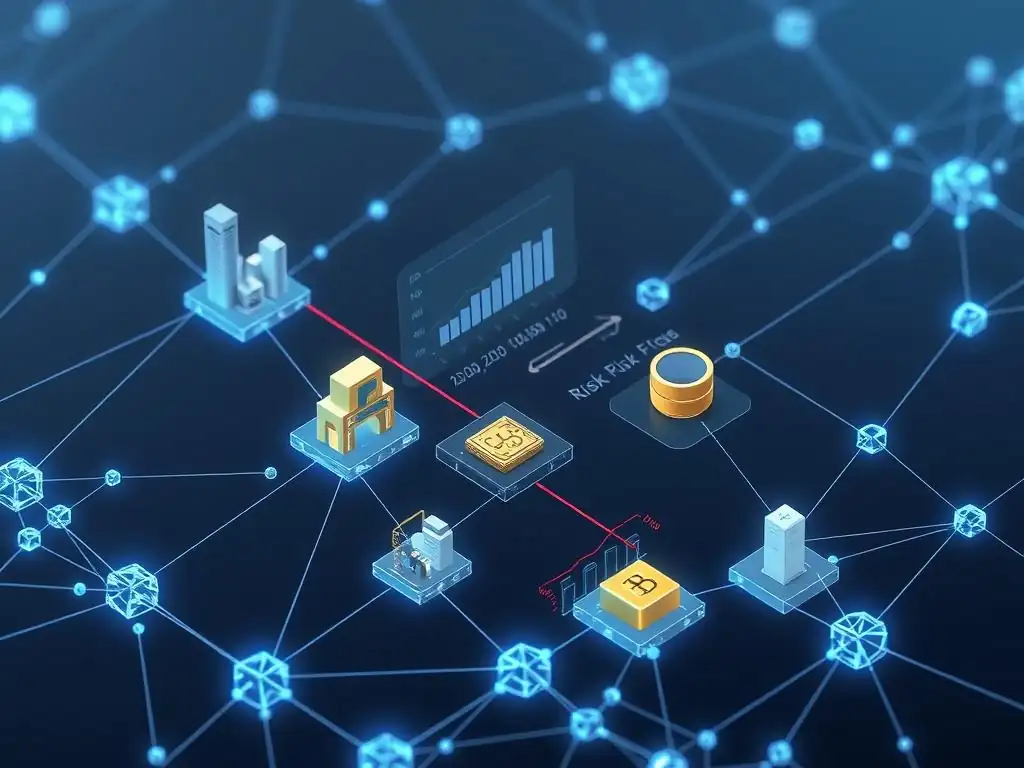
Utilizing Blockchain Analytics for Enhanced Risk Assessment
Blockchain analytics tools offer powerful capabilities for enhancing blockchain risk management strategies in the tokenized asset space. These tools analyze data recorded on the blockchain ledger, providing insights into transaction patterns, asset flows, wallet behavior, and network activity. For tokenized assets, analytics can help track the movement of tokens, identify concentrations of ownership, monitor trading volumes on decentralized exchanges, and detect potentially suspicious or fraudulent activities.
For instance, by analyzing on-chain data, one can assess the distribution of a tokenized asset among holders – whether it's highly concentrated in a few wallets (indicating potential manipulation risk) or widely distributed. Transaction history can reveal trading patterns that might suggest wash trading or other market manipulation tactics. Furthermore, analytics can trace the source of funds used to purchase tokens, assisting with AML compliance. While privacy features on some blockchains can complicate analysis, for many public blockchains, these tools provide an unprecedented level of transparency for risk assessment that is not always available in traditional markets.
Exploring Decentralized Insurance Options
Decentralized insurance protocols are emerging as innovative tools for managing specific types of risks associated with tokenized assets and the broader blockchain ecosystem. These protocols, often built on smart contracts themselves, can offer coverage against risks like smart contract vulnerabilities, exchange hacks, or even stablecoin de-pegging events. Unlike traditional insurance, decentralized insurance pools capital from participants in a peer-to-peer manner, with claims assessment and payouts often governed by decentralized autonomous organizations (DAOs) or prediction markets.
For investors in tokenized assets, obtaining coverage through a decentralized insurance protocol can provide a layer of protection against technical failures of the underlying smart contracts or the platforms where tokens are held or traded. For example, an investor holding a significant amount of a tokenized asset might purchase smart contract insurance to cover potential losses if a bug in the token contract or platform contract is exploited. While this market is still relatively new and coverage options may be limited or costly, it represents a promising area for developing more comprehensive blockchain risk management strategies.
Risk Modeling and Simulation for Tokenized Investments
Applying quantitative risk modeling and simulation techniques is another sophisticated approach to managing risk in tokenized assets. These methods, borrowed from traditional finance but adapted for the unique characteristics of blockchain assets, involve building mathematical models to assess potential outcomes under different market conditions. Simulations, such as Monte Carlo analysis, can be used to model the potential price movements of a tokenized asset based on historical data, market volatility, and correlations with other assets.
Risk modeling can help investors understand the potential downside risk of their tokenized asset holdings, calculate metrics like Value at Risk (VaR), and stress-test portfolios against various scenarios (e.g., a sharp decline in the underlying asset's market, a liquidity crisis on the trading platform). For issuers, modeling can help determine appropriate tokenomics, pricing strategies, and reserve requirements.
While the limited historical data available for many tokenized assets can be a challenge for accurate modeling, the increasing availability of on-chain data and the development of specialized risk modeling software for digital assets are making these techniques increasingly feasible and valuable for informed decision-making and robust blockchain risk management strategies.
Case Studies: Risk Management in Tokenized Asset Projects
Case Study: Tokenized Real Estate Project Risk Mitigation
Consider a hypothetical project tokenizing a luxury apartment building in a major city, aiming to fractionalize ownership for a broad investor base. A key risk for such a project is illiquidity – the difficulty for investors to sell their tokens quickly at a fair price, especially if the secondary market is underdeveloped. Another significant risk is the potential decline in the underlying property's value due to market downturns or unforeseen events. Effective blockchain risk management strategies were crucial here.
To mitigate illiquidity risk, the project could establish partnerships with multiple digital asset exchanges capable of listing security tokens, rather than relying on just one platform. They might also implement a mechanism for periodic buybacks or work with market makers to provide liquidity, albeit within regulatory constraints. To address property value risk, standard real estate risk assessments were performed, including detailed market analysis, independent appraisals (valued at, say, $20 million for the building), and stress testing scenarios based on historical real estate market corrections (e.g., modeling the impact of a 15-20% property value drop).
Furthermore, the smart contracts governing token ownership and dividend distribution were subjected to multiple independent security audits, costing tens of thousands of dollars, to minimize technical risk. Legal risk was managed by structuring the offering in compliance with securities regulations in the target jurisdictions, including detailed prospectus disclosures and KYC/AML procedures for investors.
Case Study: Managing Risk in a Tokenized Art Collection
Imagine a project tokenizing a collection of high-value digital art NFTs, allowing investors to own fractional shares. Risks here include the subjective and potentially volatile nature of art valuation, copyright and authenticity issues, and platform risk if the marketplace hosting the NFTs or tokens fails. Managing these risks requires tailored blockchain risk management strategies.
Valuation risk was addressed by using a panel of reputable digital art curators and appraisers to establish an initial value for the collection (e.g., valued collectively at $5 million), with a clear process for periodic re-valuation based on market trends and sales of comparable works. Authenticity and copyright were verified through legal review and leveraging the provenance tracking capabilities of the blockchain itself, alongside traditional legal agreements with the artists.
Platform risk was mitigated by using established, audited smart contracts for the tokenization process and ensuring the underlying NFTs were stored securely, perhaps in a multi-signature wallet or via a reputable custodian service.
Liquidity risk for the art tokens was a concern; the project planned to list the tokens on specialized NFT fractionalization platforms and potentially incentivize trading through yield farming or other mechanisms, aiming for a target daily trading volume of at least 1% of the total token supply to provide reasonable exit options for smaller holders.
Lessons Learned from Tokenized Asset Project Failures
Analysis of past failures in the tokenized asset space provides valuable insights for future blockchain risk management strategies. One common cause of failure is insufficient liquidity in the secondary market. Projects might successfully tokenize an asset but fail to attract enough buyers and sellers, leaving investors unable to trade their tokens. This was observed in some early real estate tokenization attempts where trading volumes remained negligible after issuance. The lesson is that focusing solely on issuance is insufficient; a robust strategy for secondary market development and liquidity provision is critical.
Another recurring issue is regulatory non-compliance. Projects launched without properly classifying their tokens or adhering to securities laws have faced enforcement actions, halting operations and causing investor losses. This underscores the absolute necessity of obtaining expert legal counsel and prioritizing compliance from the outset.
Technical risks, such as smart contract bugs or platform hacks, have also led to significant failures, highlighting the non-negotiable need for rigorous security audits and ongoing monitoring. Finally, poor communication and lack of transparency with token holders about the underlying asset's performance or project challenges have eroded trust and contributed to market instability. These lessons reinforce that effective blockchain risk management strategies must encompass legal, technical, market, and communication aspects.
The Future of Risk Management in the Tokenized Asset Market
Emerging Trends in Risk Management Strategies
As the tokenized asset market matures, blockchain risk management strategies are becoming more sophisticated. One emerging trend is the development of standardized risk assessment frameworks tailored specifically for tokenized assets, moving beyond applying traditional finance models directly. These frameworks account for unique blockchain-native risks like smart contract security, consensus mechanism vulnerabilities, and oracle dependency risks.
Another trend is the integration of on-chain and off-chain data for a more holistic risk view. Future risk management systems will likely combine blockchain analytics with data from traditional financial markets, regulatory databases, and real-world asset performance metrics. Furthermore, there is increasing focus on building resilience into the tokenization infrastructure itself, such as using multiple blockchain networks (cross-chain strategies) or incorporating decentralized identity solutions to enhance KYC/AML processes in a privacy-preserving manner. The goal is to move from reactive risk mitigation to proactive, integrated risk management systems.
The Role of Artificial Intelligence in Risk Assessment
Artificial intelligence (AI) is poised to play a significant role in enhancing blockchain risk management strategies. AI algorithms can process vast amounts of complex data, both on-chain and off-chain, to identify patterns and anomalies that human analysts might miss. Machine learning models can be trained to predict potential market manipulation attempts based on trading patterns, forecast volatility based on a multitude of factors, or even assess the security risk of smart contract code.
For example, AI could be used to continuously monitor the activity on a tokenized asset's blockchain, flagging unusual transaction volumes or suspicious wallet interactions in real-time. It could also analyze news sentiment and social media trends alongside market data to provide more nuanced volatility predictions. While AI in this domain is still developing, its potential for automating risk monitoring, improving predictive accuracy, and providing deeper insights into complex market dynamics makes it a powerful future tool for managing the inherent risks of tokenized assets.
Predicting and Adapting to Future Market Volatility
Predicting future market volatility with high accuracy remains challenging in any market, and the dynamic tokenized asset space is no exception. However, the focus of future blockchain risk management strategies will increasingly be on building adaptability and resilience rather than attempting perfect prediction. This involves developing systems that can quickly identify changes in market conditions, regulatory environments, or technical risks and automatically trigger predefined risk mitigation actions.
Adaptation might involve dynamic portfolio rebalancing based on real-time risk metrics, implementing automated circuit breakers on trading platforms during extreme volatility, or having predefined legal and operational responses to regulatory changes. Continuous learning and iteration based on market events will be crucial. As the tokenized asset market evolves, so too must the strategies for managing its volatility, requiring flexibility, technological innovation, and a deep understanding of both the underlying assets and the blockchain technology enabling their tokenization.
Conclusion: Embracing Risk Management for Sustainable Growth
Navigating the volatility inherent in the nascent tokenized asset market requires a multi-faceted and proactive approach to risk management. Key takeaways include the absolute necessity of rigorous due diligence on both the underlying asset and the tokenization technology, implementing robust diversification strategies across different assets and platforms, and leveraging stablecoins as tools for managing short-term price swings. Furthermore, ensuring the security of the underlying blockchain infrastructure through smart contract audits and best practices is non-negotiable.
Successfully managing volatility also depends heavily on understanding and complying with the complex and evolving regulatory landscape. Utilizing advanced tools like blockchain analytics, exploring decentralized insurance options, and applying quantitative risk modeling can provide deeper insights and enhanced protection. The lessons from past project failures underscore the importance of liquidity provision, regulatory compliance, technical security, and transparent communication as foundational elements of any blockchain risk management strategies.
The Importance of Proactive Risk Management
Ultimately, the sustainable growth of the tokenized asset market hinges on the widespread adoption of proactive blockchain risk management strategies. Rather than reacting to crises after they occur, market participants – including issuers, investors, and platform providers – must identify potential risks early, implement preventative measures, and establish clear procedures for addressing adverse events. This forward-looking approach builds confidence, attracts more sophisticated capital, and contributes to the overall stability and legitimacy of the ecosystem.
As tokenization moves from niche applications to mainstream finance, the stakes for effective risk management will only increase. Embracing comprehensive risk frameworks, fostering collaboration between traditional finance expertise and blockchain innovation, and committing to transparency and compliance are essential steps towards unlocking the full potential of tokenized assets while mitigating the significant risks posed by their dynamic and sometimes volatile nature. The future success of this transformative technology depends on our ability to manage its risks responsibly.
Frequently Asked Questions
How does the inherent volatility of the cryptocurrency market impact the value of tokenized assets?
The extreme price swings in cryptocurrencies can significantly affect the perceived value and stability of tokenized assets linked to them. Effective risk management strategies are crucial to mitigate these fluctuations.
What are some specific Blockchain risk management strategies that can be employed to protect investments in tokenized assets?
Strategies include diversifying portfolios across various tokenized assets, utilizing stablecoins as hedging tools, and implementing stop-loss orders to limit potential losses.
Beyond price volatility, what other risks are associated with investing in tokenized assets within the DeFi space?
Smart contract vulnerabilities, regulatory uncertainty, and the potential for rug pulls are significant risks that investors need to carefully consider. Thorough due diligence and auditing of smart contracts are essential.
How is regulation currently impacting the development and adoption of tokenized assets, and what risks does this pose?
Unclear or evolving regulations create legal uncertainty and can hinder institutional adoption. The lack of standardized frameworks increases the risk of non-compliance and potential legal challenges.
What role does insurance play in mitigating the risks associated with holding and trading tokenized assets?
Insurance products specifically designed for tokenized assets can provide financial protection against losses due to theft, hacking, or smart contract failures. However, availability and coverage are still limited in this nascent market.
The exploration of volatility within the tokenized asset market underscores a critical reality: blockchain risk management strategies are no longer optional, but essential for survival and growth. The inherent dynamism of this nascent space, coupled with its susceptibility to rapid price swings, demands a proactive and informed approach to safeguard investments and foster sustainable development. Ignoring these risks is akin to sailing uncharted waters without a compass, inevitably leading to turbulent outcomes.
This journey into the heart of tokenized asset volatility has profoundly shaped our understanding of the digital frontier. It's clear that the future of finance is inextricably linked to the responsible management of these emerging technologies. We must embrace innovation while simultaneously prioritizing security and stability. As Satoshi Nakamoto wisely stated, The root problem with conventional currency is all the trust that's required to make it work. The central bank must be trusted not to debase the currency, but the history of fiat currencies is full of breaches of that trust.
This sentiment resonates deeply within the tokenized asset space, highlighting the need for transparent and decentralized risk mitigation strategies.
Now, as you navigate the evolving landscape of tokenized assets, consider the insights shared within these pages. Reflect on the strategies discussed and how they can be adapted to your own unique circumstances. Embrace the challenge of building a more resilient and secure future for decentralized finance. The potential rewards are immense, but only those who prioritize diligent risk management will truly thrive in this dynamic and transformative market.
Thank you for delving into the complexities of volatility within the tokenized asset market. We hope you found valuable insights into managing risk in this evolving landscape. Now, let's translate that knowledge into action!
Here are a few steps you can take to further refine your approach:
- Begin by reassessing your current portfolio. Identify areas of potential overexposure to volatile tokenized assets and develop a diversification strategy.
- Dive deeper by exploring alternative risk management tools such as stablecoin integration or decentralized insurance options to mitigate potential losses.
- Join the conversation! Share your personal experiences and strategies for handling volatility in our "Blockchain Trends" community forum.
What specific risk management technique are you most excited to implement in your own tokenized asset portfolio? Let us know in the comments below!
Leave a Reply