
Democratizing Digital Ownership: The Role of NFTs in Virtual Worlds

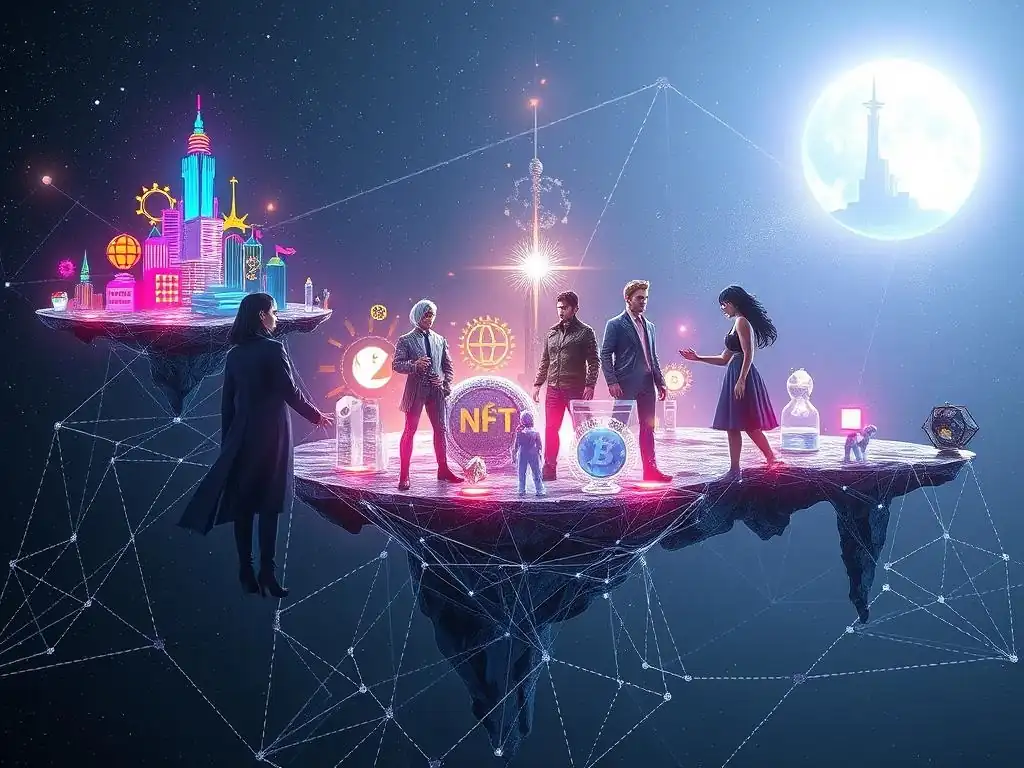
Welcome to Blockchain Trends, your guide to navigating the ever-evolving landscape of blockchain technology.
Imagine a world where true digital ownership empowers creators and users alike. Our latest exploration delves into the fascinating intersection of blockchain and the metaverse, uncovering how NFTs are revolutionizing virtual world ownership. Intrigued? Discover how these unique digital assets are shaping the future of decentralized ecosystems and democratizing the digital realm. Read on to unlock the potential!
Democratizing Digital Ownership: The Role of NFTs in Virtual Worlds
- Introduction: NFTs Revolutionizing Virtual World Ownership
- The Problem: Centralized Control and Lack of User Ownership in Virtual Worlds
- NFTs as the Solution: Empowering Users with Digital Ownership
- Use Cases: NFTs Virtual World Ownership in Action
- Benefits of NFT-Based Virtual World Ownership
- Challenges and Considerations for NFTs in Virtual Worlds
- The Future of NFTs and Virtual World Ownership
- Conclusion: NFTs Paving the Way for a More Decentralized and User-Centric Virtual Future
-
Frequently Asked Questions
- How are NFTs revolutionizing virtual world ownership?
- What are the benefits of using NFTs for virtual land ownership?
- Beyond gaming, how can NFTs be used in virtual worlds?
- What are some of the challenges associated with using NFTs in virtual worlds?
- How does the concept of "NFTs virtual world ownership" relate to the metaverse?
- Final Reflection: Embracing the Future of Virtual Ownership
- Unleash Your Virtual Empire: Start Building Now!
Introduction: NFTs Revolutionizing Virtual World Ownership
The Rise of NFTs and Their Impact on Digital Assets
Non-Fungible Tokens, or NFTs, have emerged as a groundbreaking innovation in the digital sphere, fundamentally altering how we perceive and interact with digital assets. Initially gaining traction in the art and collectibles markets, NFTs have quickly expanded their reach, demonstrating their potential to revolutionize various industries. Their core value proposition lies in providing verifiable digital scarcity and ownership, a concept that was previously elusive in the largely copy-paste digital world. This capability has unlocked new possibilities for creators, collectors, and users alike, paving the way for a more decentralized and user-centric internet.
The impact of NFTs extends far beyond mere digital collectibles. They represent a paradigm shift in digital ownership, moving away from centralized control and towards user empowerment. Consider the traditional digital landscape where ownership is often leased or controlled by platforms. NFTs, leveraging blockchain technology, offer a transparent and immutable record of ownership, verifiable by anyone. This fundamental shift is creating ripples across numerous sectors, and one of the most promising areas is the realm of virtual worlds, where NFTs are poised to redefine digital experiences.
Understanding Virtual Worlds and the Need for True Ownership
Virtual worlds, from immersive gaming environments to collaborative social spaces, have become increasingly sophisticated and integral to our digital lives. These digital realms offer users the opportunity to create, interact, and build communities, often investing significant time and resources in developing their virtual identities and acquiring digital assets within these spaces. However, the traditional model for virtual worlds often suffers from a critical flaw: the lack of true user ownership over their digital possessions.
In most existing virtual worlds, users essentially "rent" digital items and land from the platform. These assets are typically stored on centralized servers and are subject to the platform's terms of service. This means users have limited control over their digital investments, and their ownership is contingent on the platform's continued operation and policies.
The absence of true digital ownership creates significant limitations and risks, hindering the full potential of virtual worlds and user engagement within them. The desire for genuine ownership, mirroring the principles of ownership in the physical world, is a driving force behind the integration of NFTs into virtual environments.
The Problem: Centralized Control and Lack of User Ownership in Virtual Worlds
Current Limitations of Traditional Virtual World Assets
Traditional virtual worlds operate largely on centralized systems, where in-game assets are controlled and managed by the game developers or platform providers. Users acquire items, currency, and even virtual land within these ecosystems, but their ownership is fundamentally limited. These assets are typically bound to the platform's internal database, meaning they cannot be transferred outside of the specific virtual world, nor can their ownership be truly verified independently. This lack of portability and verifiable ownership creates a walled garden effect, restricting the potential value and utility of digital assets.
Furthermore, the value of these traditional virtual world assets is entirely dependent on the platform's continued existence and popularity. If a game shuts down or loses its user base, the digital assets acquired within that world often become worthless, representing a significant financial risk for users who have invested time and money. This centralized control also stifles innovation and user agency, as users are largely at the mercy of platform policies regarding asset management, trading, and monetization. The inherent limitations of traditional virtual world assets underscore the pressing need for a more decentralized and user-centric approach to digital ownership.
The Risks of Centralized Platforms: Account Bans and Asset Loss
Centralized control in virtual worlds exposes users to several significant risks, particularly concerning account bans and potential asset loss. Because platforms retain ultimate authority over user accounts and in-game assets, they have the power to suspend or terminate accounts, often resulting in the complete loss of all associated digital possessions. While platforms typically have terms of service outlining acceptable conduct, these terms can be broadly interpreted, and account bans can sometimes occur due to perceived violations or even errors in platform moderation.
The risk of asset loss is further compounded by potential platform vulnerabilities, such as hacks or data breaches. In centralized systems, a successful attack can compromise the entire platform's database, potentially leading to the loss of user accounts and their associated assets. For example, numerous instances of major gaming platforms experiencing security breaches have highlighted the inherent risks of centralized asset management.
Moreover, even without malicious attacks, platforms can face unforeseen circumstances, such as financial difficulties or changes in company strategy, which could lead to the shutdown of services and the loss of user investments. These risks associated with centralized platforms underscore the vulnerability of relying on platform-controlled ownership in virtual environments.
Why True Digital Ownership Matters in Virtual Environments
True digital ownership in virtual environments is not merely a technical upgrade; it is a fundamental shift that empowers users and unlocks the full potential of these digital spaces. When users genuinely own their digital assets, they gain control, agency, and the potential for economic participation in ways that are simply not possible in centralized systems. True ownership, enabled by technologies like NFTs, fosters a sense of investment and commitment within virtual worlds, encouraging users to contribute more actively and creatively.
Consider the psychological difference between renting and owning a home. Owners are more likely to invest in improvements, personalize their space, and feel a long-term connection to their property. Similarly, true digital ownership in virtual worlds can foster a stronger sense of belonging and investment, driving user engagement and community growth.
Furthermore, true ownership opens up new economic opportunities. Users can freely trade, sell, or lend their digital assets, creating vibrant virtual economies and enabling new forms of creator monetization. Ultimately, true digital ownership transforms virtual worlds from controlled environments into user-driven ecosystems, fostering innovation, creativity, and genuine digital economies.
NFTs as the Solution: Empowering Users with Digital Ownership
How NFTs Enable Verifiable Ownership in Virtual Worlds
NFTs offer a robust solution to the problem of centralized control and lack of user ownership in virtual worlds by leveraging the power of blockchain technology. Each NFT represents a unique digital asset, and its ownership is recorded on a public and immutable blockchain ledger. This record serves as verifiable proof of ownership, independent of any centralized platform. When an NFT is used to represent a virtual world asset, such as land, an item, or an avatar, users gain true and verifiable ownership of that digital property.
The blockchain's transparency allows anyone to easily verify the ownership history and authenticity of an NFT. This eliminates the need to rely on the platform's internal records, providing users with independent and irrefutable proof of their digital possessions. For instance, if a user owns an NFT representing a piece of virtual land in a metaverse, their ownership is secured on the blockchain, and they can prove this ownership regardless of the metaverse platform itself. This verifiable ownership is the cornerstone of empowering users and fostering a more decentralized and trustworthy virtual world ecosystem.
NFTs and Interoperability: Moving Assets Between Virtual Environments
One of the most compelling advantages of using NFTs for virtual world assets is the potential for interoperability. Because NFTs are not tied to a specific platform's internal database, they can, in theory, be moved and utilized across different virtual environments and applications. This interoperability breaks down the walled gardens of traditional virtual worlds, allowing users to carry their digital identities and possessions with them as they navigate the metaverse.
Imagine owning an avatar represented by an NFT that can be used across multiple virtual worlds, from gaming platforms to social spaces. This would create a truly persistent digital identity and unlock new possibilities for user expression and interaction. While full interoperability is still an evolving concept and requires standardization efforts across different platforms, the underlying technology of NFTs provides the foundation for achieving this vision. Projects are actively working on developing standards and protocols to facilitate the seamless transfer and utilization of NFTs across various virtual worlds, promising a more connected and open metaverse experience.
Security and Transparency: The Benefits of Blockchain-Based Ownership
Blockchain technology, the foundation of NFTs, inherently provides enhanced security and transparency to virtual world ownership. The decentralized and distributed nature of blockchain makes it extremely resistant to tampering and single points of failure. Transactions involving NFTs are recorded on the public ledger, ensuring transparency and auditability. This transparency builds trust and reduces the risk of fraud or manipulation within virtual world economies.
Furthermore, the cryptographic security of blockchain technology protects NFT ownership. Private keys associated with NFT wallets are required to authorize transactions, giving users exclusive control over their digital assets. This cryptographic security is significantly more robust than traditional username and password systems, minimizing the risk of unauthorized access and asset theft. The combination of decentralization, transparency, and cryptographic security offered by blockchain makes NFT-based ownership a significantly more secure and trustworthy model for virtual world assets compared to centralized systems.
Use Cases: NFTs Virtual World Ownership in Action
NFT Land Ownership: Virtual Real Estate and Decentralized Governance
NFTs are revolutionizing the concept of virtual real estate, enabling verifiable and tradable ownership of land parcels within virtual worlds. Platforms like Decentraland and The Sandbox exemplify this use case, allowing users to purchase virtual land represented by NFTs. Owning NFT land grants users control over their digital space, allowing them to build experiences, host events, and even monetize their virtual properties. This model mirrors real-world land ownership, fostering a sense of digital property rights and empowering users to participate in the virtual economy.
Moreover, NFT land ownership can facilitate decentralized governance within virtual worlds. Landowners can collectively participate in decision-making processes, influencing the development and direction of the virtual environment. For instance, in Decentraland, LAND holders have voting rights, allowing them to shape the policies and future of the platform. This decentralized governance model contrasts sharply with the centralized control of traditional virtual worlds, empowering users and fostering a more community-driven approach to virtual world development.
In-Game Assets as NFTs: Trading and Monetization Opportunities
NFTs are transforming in-game assets from intangible digital items into tradable and potentially valuable digital properties. Instead of being locked within a game's ecosystem, in-game items represented as NFTs can be bought, sold, and traded on open marketplaces, creating new monetization opportunities for players and game developers. Games like Axie Infinity have pioneered this model, where players earn NFTs representing in-game creatures and items, which can then be traded for cryptocurrency.
This NFT-based model empowers players to earn real-world value from their in-game efforts and investments. It also creates new revenue streams for game developers through secondary market royalties on NFT trades. Furthermore, the scarcity and verifiable ownership of NFT in-game assets can enhance their collectibility and desirability, creating more engaging and rewarding gaming experiences. The integration of NFTs into in-game assets is paving the way for play-to-earn gaming models and fundamentally changing the relationship between players and game economies.
Avatars and Identities as NFTs: Building Unique Digital Personas
NFTs are enabling users to create and own unique digital avatars and identities within virtual worlds. Avatars represented as NFTs provide users with verifiable ownership and control over their digital personas, allowing them to express their individuality and build a persistent digital identity across different platforms. Projects like CryptoPunks and Bored Ape Yacht Club, while initially focused on collectible art, have become iconic examples of NFT-based digital identities, with owners using these NFTs as avatars in various online spaces.
Owning an avatar as an NFT allows users to curate and control their digital representation in the metaverse. These NFT avatars can be customized, traded, and even evolve over time, becoming integral components of a user's digital identity. The scarcity and verifiable ownership of NFT avatars can also enhance their social signaling value, allowing users to express their status and affiliations within virtual communities. As the metaverse develops, NFT avatars are poised to become increasingly important for establishing digital identity and presence in virtual worlds.
Benefits of NFT-Based Virtual World Ownership
Enhanced User Empowerment and Control
The most significant benefit of NFT-based virtual world ownership is the enhanced user empowerment and control it provides. By granting users true ownership of their digital assets, NFTs shift the power dynamic away from centralized platforms and towards individual users. Users gain the freedom to manage, trade, and utilize their digital possessions as they see fit, without being subject to the arbitrary rules or policies of a single platform. This empowerment fosters a more user-centric and democratic virtual world ecosystem.
With NFTs, users are no longer merely renters in virtual spaces; they become digital property owners with agency over their assets. This increased control translates to greater autonomy and freedom within virtual worlds. Users can choose how to monetize their assets, where to use them, and even contribute to the governance of the virtual environments they participate in. This fundamental shift in control empowers users to become active participants and stakeholders in the development and evolution of virtual worlds.
New Revenue Streams for Creators and Players
NFTs unlock new and significant revenue streams for both creators and players within virtual worlds. For creators, NFTs enable new monetization models, such as selling unique digital items directly to users and earning royalties on secondary market sales. This bypasses traditional gatekeepers and intermediaries, allowing creators to directly benefit from the value of their creations. For players, NFTs introduce play-to-earn models, where they can earn valuable digital assets through gameplay and then trade or sell these assets for real-world value.
The combination of creator monetization and play-to-earn opportunities is transforming the economics of virtual worlds. NFTs create a more equitable distribution of value, allowing creators to capture the economic benefits of their work and players to earn rewards for their time and effort. This economic empowerment is attracting new creators and players to virtual worlds, fostering growth and innovation within the metaverse ecosystem.
Fostering Innovation and Collaboration in Virtual Worlds
NFT-based ownership fosters innovation and collaboration within virtual worlds by creating a more open, decentralized, and user-driven environment. The interoperability potential of NFTs encourages developers to build interconnected virtual experiences, where users can seamlessly move their assets and identities between different platforms. This interoperability fosters collaboration between different virtual world projects and promotes the growth of a more interconnected metaverse.
Furthermore, the decentralized nature of NFT-based ownership empowers users to become co-creators and contributors to virtual worlds. With verifiable ownership of digital assets, users are incentivized to invest time and resources in building and enhancing virtual environments. This user-driven innovation can lead to the emergence of new and unexpected use cases and experiences within virtual worlds. The open and collaborative nature of NFT-based virtual worlds is driving a wave of innovation and creativity, shaping the future of the metaverse.
Challenges and Considerations for NFTs in Virtual Worlds
Scalability Issues and High Transaction Fees
While NFTs offer numerous benefits for virtual world ownership, they also face challenges, particularly concerning scalability and transaction fees. Many existing blockchains, particularly Ethereum, which is widely used for NFTs, have faced scalability limitations, resulting in slow transaction speeds and high gas fees, especially during periods of high network activity. These high fees can make microtransactions and frequent trading of NFTs within virtual worlds prohibitively expensive for many users.
Layer-2 scaling solutions, such as sidechains and rollups, are emerging to address these scalability issues and reduce transaction costs. These solutions aim to increase transaction throughput and lower fees, making NFTs more accessible and practical for widespread adoption in virtual worlds. However, the widespread adoption and integration of these scaling solutions are still ongoing, and scalability remains a significant challenge for the NFT ecosystem in the short to medium term.
Regulatory Uncertainty and Legal Frameworks
The rapidly evolving nature of NFTs and virtual worlds has created regulatory uncertainty and a lack of clear legal frameworks. Governments and regulatory bodies worldwide are still grappling with how to classify and regulate NFTs and virtual assets. This regulatory uncertainty poses risks to the NFT market and virtual world ecosystems, as unclear legal boundaries can hinder adoption and create potential legal liabilities.
The lack of established legal frameworks for NFT ownership, intellectual property rights, and cross-border transactions creates complexities for both users and developers. Clarity on regulatory matters is crucial for fostering a stable and sustainable environment for NFTs and virtual worlds. Ongoing dialogues between industry stakeholders and regulatory bodies are necessary to establish clear and appropriate legal frameworks that balance innovation with consumer protection and legal compliance.
The Need for User Education and Accessibility
Widespread adoption of NFTs in virtual worlds requires significant user education and improved accessibility. The technical complexities of blockchain technology, cryptocurrency wallets, and NFT marketplaces can be daunting for mainstream users. Many potential users lack the technical knowledge and experience to easily participate in NFT-based virtual worlds. Simplified user interfaces, educational resources, and more user-friendly onboarding processes are crucial for making NFTs accessible to a wider audience.
Furthermore, concerns about the environmental impact of certain blockchains, particularly proof-of-work blockchains, need to be addressed to ensure broader acceptance of NFTs. Promoting energy-efficient blockchain technologies and educating users about the environmental considerations of different blockchain platforms are important steps towards making NFTs more sustainable and accessible to environmentally conscious users. Overcoming these barriers to user education and accessibility is essential for realizing the full potential of NFTs in virtual worlds.
The Future of NFTs and Virtual World Ownership
The Metaverse and the Role of NFTs in Creating Decentralized Experiences
NFTs are poised to play a pivotal role in shaping the future of the metaverse and creating truly decentralized digital experiences. As the metaverse evolves from fragmented virtual worlds into a more interconnected and interoperable ecosystem, NFTs will serve as the foundation for digital ownership, identity, and economies within this immersive digital realm. The ability of NFTs to provide verifiable ownership and interoperability is essential for building a user-centric and decentralized metaverse, rather than a collection of walled-garden platforms.
NFTs will empower users to own their digital identities, assets, and experiences within the metaverse, fostering a sense of digital sovereignty and agency. This decentralized ownership model is crucial for preventing the metaverse from becoming dominated by centralized corporations and for ensuring that users retain control over their digital lives. The future of the metaverse is inextricably linked to the widespread adoption and integration of NFTs, paving the way for a more open, decentralized, and user-owned digital future.
The Potential for Interoperable Virtual Economies
NFTs have the potential to unlock truly interoperable virtual economies, where digital assets can flow freely between different virtual worlds and platforms. Imagine a future where in-game items earned in one game can be traded or used in another game, or where virtual land owned in one metaverse can be rented out or utilized in another. This interoperability would create a more fluid and dynamic virtual economy, increasing the utility and value of digital assets and fostering greater economic opportunities for users.
Achieving full interoperability requires standardization efforts and collaboration across different virtual world projects. However, the underlying technology of NFTs provides the building blocks for creating these interconnected virtual economies. As interoperability standards evolve and more platforms adopt NFT-based asset ownership, the potential for seamless and interconnected virtual economies will become increasingly realized, transforming the way we interact with and participate in virtual worlds.
The Impact of Layer-2 Solutions on NFT Virtual World Adoption
Layer-2 scaling solutions are crucial for the widespread adoption of NFTs in virtual worlds by addressing scalability issues and high transaction fees. As these solutions mature and become more widely integrated, they will significantly reduce the barriers to entry for users and developers, making NFTs more accessible and practical for everyday use within virtual environments. Lower transaction fees will enable microtransactions, frequent trading, and more complex economic interactions within virtual worlds, fostering greater user engagement and economic activity.
The improved scalability provided by Layer-2 solutions will also enable the development of more complex and immersive virtual world experiences that rely on frequent NFT transactions. From large-scale virtual land ownership systems to dynamic in-game economies, Layer-2 solutions will unlock new possibilities for NFT-based virtual worlds. The continued development and adoption of these scaling solutions are essential for realizing the full potential of NFTs in democratizing digital ownership and shaping the future of virtual worlds.
Conclusion: NFTs Paving the Way for a More Decentralized and User-Centric Virtual Future
The Transformative Power of NFTs in Virtual Worlds
NFTs possess transformative power in virtual worlds, fundamentally shifting the paradigm from centralized control to decentralized ownership. By empowering users with verifiable ownership of their digital assets, NFTs are creating a more equitable, user-centric, and innovative virtual landscape. This transformation is not merely about technology; it is about redefining digital property rights and fostering a more democratic and open metaverse.
The impact of NFTs extends across various aspects of virtual worlds, from land ownership and in-game assets to avatars and digital identities. By providing verifiable ownership, interoperability potential, and enhanced security, NFTs are unlocking new economic opportunities, fostering user empowerment, and driving innovation within virtual environments. The transformative power of NFTs is reshaping the future of virtual worlds and paving the way for a more decentralized and user-owned digital future.
Embracing the Potential of Decentralized Digital Ownership
Embracing the potential of decentralized digital ownership through NFTs is crucial for building a more open, equitable, and user-centric metaverse. As virtual worlds become increasingly integral to our digital lives, ensuring user ownership and control over digital assets is paramount. NFTs offer a powerful tool for achieving this vision, empowering users, fostering innovation, and creating new economic opportunities within virtual environments.
The journey towards a fully decentralized and user-owned metaverse is ongoing and requires continued development, collaboration, and user education. However, the foundational technology of NFTs provides a clear path forward, promising a future where digital ownership is democratized, and users are empowered to shape their own virtual experiences. By embracing the potential of NFTs and decentralized digital ownership, we can build a more inclusive, innovative, and user-driven metaverse that benefits all participants.
Frequently Asked Questions
How are NFTs revolutionizing virtual world ownership?
NFTs provide verifiable and unique ownership of digital assets within virtual worlds. This allows users to truly own in-game items, land, and avatars, fostering a more decentralized and user-centric experience. They shift power away from centralized game developers.
What are the benefits of using NFTs for virtual land ownership?
NFTs enable transparent and secure transactions for virtual land. They facilitate true scarcity of digital real estate, potentially increasing its value and creating opportunities for development and monetization within virtual worlds.
Beyond gaming, how can NFTs be used in virtual worlds?
NFTs can represent various forms of digital identity, art, collectibles, and even membership passes within virtual environments. They create new economic models and opportunities for creators and users to engage in unique and personalized experiences.
What are some of the challenges associated with using NFTs in virtual worlds?
Challenges include scalability issues with current blockchain technology, concerns about the environmental impact of certain blockchains, and the need for clear regulatory frameworks to govern NFT ownership and transactions.
How does the concept of "NFTs virtual world ownership" relate to the metaverse?
NFTs are foundational to the metaverse, enabling interoperability and portability of digital assets across different virtual platforms. They allow users to build a persistent digital identity and own their digital experiences across various metaverse environments.
Final Reflection: Embracing the Future of Virtual Ownership
The journey through the evolving landscape of NFTs and virtual worlds reveals a profound shift in how we perceive and interact with digital assets. The promise of democratized digital ownership, once a futuristic concept, is rapidly becoming a tangible reality, empowering creators and users alike with unprecedented control and agency within these immersive environments. The potential for NFTs to redefine economies and social structures within virtual worlds is undeniable, marking a pivotal moment in the evolution of the internet.
This burgeoning ecosystem has not only reshaped the technological landscape but has also profoundly influenced the cultural narrative surrounding digital identity and value. Witnessing the rise of NFTs as tools for self-expression and community building underscores their transformative power. The metaverse is coming, and it will affect every product, company, and person it touches. The question is, will you be a builder or a bystander?
- Matthew Ball. This quote encapsulates the urgency and opportunity presented by this new frontier, urging us to actively participate in shaping its future.
As we stand on the cusp of this digital revolution, let us embrace the possibilities that NFTs offer for fostering creativity, collaboration, and genuine ownership within virtual worlds. Consider how you can leverage these tools to build, connect, and contribute to a more equitable and engaging digital future. The power to shape the metaverse lies within each of us; let us use it wisely and responsibly to create a world where digital ownership truly empowers everyone.
Unleash Your Virtual Empire: Start Building Now!
Thank you for exploring the world of NFTs and their potential to revolutionize digital ownership! We hope you've gained valuable insights into how these unique tokens are shaping virtual worlds. Now, it's time to turn your knowledge into action.
Here are a few steps you can take right now to get involved:
- Explore NFT marketplaces within your favorite virtual worlds. Find projects you believe in and consider purchasing an NFT to support creators and own a piece of the future.
- Dive deeper! Research upcoming NFT projects within the metaverse and analyze their potential impact on the community. Consider exploring lesser-known platforms for unique opportunities.
- Share this article with friends and fellow virtual world enthusiasts and start a discussion about the future of digital ownership. What are the most exciting applications of NFTs you've seen?
What innovative NFT project are you most excited about seeing come to life in the metaverse, and how will you contribute to its success? Let us know in the comments below!
Leave a Reply