
Smart Contracts in Supply Chain Management: Enhancing Transparency and Efficiency


Welcome to Blockchain Trends, your go-to source for navigating the ever-evolving world of blockchain technology. Beyond the hype of cryptocurrencies lies a revolution in decentralized systems, impacting industries from finance to supply chains. Intrigued by how blockchain can revolutionize operations? This week, we delve into the tangible blockchain supply chain transparency benefits that smart contracts are unlocking. Discover how these automated agreements are fostering unprecedented efficiency and trust. Curious to learn more? The journey towards a more transparent and efficient future starts here...
-
Smart Contracts in Supply Chain Management: Enhancing Transparency and Efficiency
- Introduction: The Need for Supply Chain Transparency
- Understanding Smart Contracts and Their Role in Blockchain
- The Current Challenges in Supply Chain Management
- Smart Contracts: A Solution for Supply Chain Optimization
- Key Benefits of Smart Contracts in Supply Chain Management
- Practical Applications of Smart Contracts in Supply Chain
- Implementing Smart Contracts: A Step-by-Step Guide
- Case Studies: Real-World Examples of Smart Contract Adoption
- Challenges and Considerations for Implementation
- The Future of Smart Contracts in Supply Chain Management
- Conclusion: Unlocking the Potential of Blockchain for Supply Chain Excellence
-
Frequently Asked Questions
- How do smart contracts improve supply chain transparency?
- What are the primary benefits of using blockchain for supply chain management?
- How does blockchain technology address the issue of counterfeiting in the supply chain?
- What role does DeFi (Decentralized Finance) play in the future of blockchain-based supply chains?
- What are the potential regulatory challenges associated with implementing blockchain in supply chains?
- Final Reflection: Embracing Blockchain's Transparent Future
- Unlock the Supply Chain Revolution!
Smart Contracts in Supply Chain Management: Enhancing Transparency and Efficiency
Introduction: The Need for Supply Chain Transparency
In today's globalized economy, supply chains have become increasingly complex and intricate networks, spanning numerous stakeholders, geographical locations, and processes. This complexity, while enabling global trade and efficiency, also introduces significant challenges, particularly concerning transparency. Consumers and businesses alike are demanding more information about the origins, journey, and ethical sourcing of products.
From food safety concerns to the provenance of luxury goods, the need for verifiable and readily accessible information across the supply chain is no longer a luxury but a necessity for building trust and ensuring accountability. The lack of transparency can lead to inefficiencies, delays, increased risks of fraud, and ultimately, a breakdown in trust between businesses and consumers.
The demand for greater transparency in supply chains is driven by various factors, including heightened consumer awareness, stricter regulatory requirements, and the increasing focus on corporate social responsibility. Consumers are more informed and are actively seeking products that align with their values, demanding to know about fair labor practices, environmental impact, and product authenticity.
Regulatory bodies are also imposing stricter requirements for traceability and accountability, especially in industries like food and pharmaceuticals, where safety and compliance are paramount. Furthermore, businesses are recognizing that enhanced transparency can lead to operational efficiencies, cost savings, and a stronger brand reputation, making it a strategic imperative rather than just a compliance issue.
Understanding Smart Contracts and Their Role in Blockchain
What are Smart Contracts?
Smart contracts are self-executing contracts with the terms of the agreement directly written into code. They are designed to automate the execution of an agreement when predefined conditions are met, eliminating the need for intermediaries and reducing the potential for disputes. Imagine a traditional contract, but instead of relying on legal documents and human interpretation, the terms are encoded in a program that automatically triggers actions when specific events occur. This programmatic nature of smart contracts makes them inherently transparent and auditable, as the code and execution logs are typically accessible to all participants in the network.
Smart contracts are not contracts in the legal sense, but rather computer programs that facilitate, verify, or enforce the negotiation or performance of a traditional contract. They operate on a blockchain, a distributed ledger technology, which ensures immutability and security. This means that once a smart contract is deployed on a blockchain, its code cannot be altered, and all transactions executed by the contract are permanently recorded and verifiable. This immutability and transparency are key features that make smart contracts particularly well-suited for applications requiring trust and accountability, such as supply chain management.
How Smart Contracts Function on a Blockchain
Smart contracts function on a blockchain through a network of computers that collectively validate and execute the code. When a smart contract is deployed to a blockchain, it is assigned a unique address, and its code is replicated across all nodes in the network. When a transaction is initiated that interacts with the smart contract, the network nodes execute the contract code based on the input parameters and the predefined conditions. This execution is deterministic, meaning that given the same input, the smart contract will always produce the same output, ensuring consistency and predictability.
The blockchain acts as a shared, immutable ledger, recording every transaction and state change triggered by the smart contract. This distributed and transparent nature of the blockchain ensures that all participants have a verifiable record of the contract's execution, fostering trust and accountability.
For instance, in a supply chain context, a smart contract could be programmed to automatically release payment to a supplier once a shipment of goods reaches a specific location and meets predefined quality standards. This process is automated, transparent, and eliminates the need for manual verification and reconciliation, streamlining operations and reducing the risk of errors or disputes.
The Current Challenges in Supply Chain Management
Lack of Transparency and Traceability
One of the most significant challenges in modern supply chain management is the lack of transparency and traceability. Many supply chains are opaque, making it difficult to track products from origin to consumer. This opacity arises from the involvement of numerous intermediaries, fragmented data systems, and a lack of standardized information sharing protocols. For example, tracing the origin of a specific batch of coffee beans through its journey from a farm in Colombia to a café in New York can be incredibly complex, involving multiple farmers, processors, distributors, and retailers, each with their own data silos and systems.
This lack of end-to-end visibility makes it challenging to verify product authenticity, ensure ethical sourcing, and quickly respond to disruptions or recalls. When a food safety issue arises, for example, tracing the contaminated batch back to its source can be time-consuming and inefficient, potentially leading to widespread health risks and significant economic losses. Similarly, verifying claims of fair trade or sustainable sourcing becomes difficult without robust traceability mechanisms, hindering efforts to promote ethical and responsible supply chains. This opacity undermines trust and limits the ability of businesses and consumers to make informed decisions.
Inefficiencies and Delays
Traditional supply chains are often riddled with inefficiencies and delays stemming from manual processes, paperwork, and a lack of real-time information sharing. Reliance on paper-based documentation leads to significant administrative overhead, increasing costs and the potential for errors. Communication bottlenecks between different stakeholders, such as suppliers, manufacturers, and logistics providers, can cause delays in information flow and decision-making, impacting lead times and overall supply chain responsiveness. For example, processing customs documents manually can take days, causing significant delays in the movement of goods across borders.
These inefficiencies translate into increased operational costs, longer delivery times, and reduced customer satisfaction. Delays in receiving raw materials can disrupt production schedules, while inefficiencies in logistics can lead to higher transportation costs and longer lead times for finished goods. Furthermore, the lack of real-time visibility into inventory levels and shipment status makes it difficult to optimize operations and respond proactively to changing market demands or unforeseen disruptions. These inefficiencies not only impact profitability but also hinder the agility and resilience of supply chains.
Counterfeit Goods and Fraud
The globalized nature of supply chains also makes them vulnerable to counterfeit goods and fraud. The lack of transparency and traceability creates opportunities for illicit actors to introduce fake products into the supply chain, deceiving consumers and damaging brand reputations. Counterfeit goods range from pharmaceuticals and electronics to luxury items and apparel, posing significant economic and health risks. According to a report by the Organisation for Economic Co-operation and Development (OECD), international trade in counterfeit and pirated goods amounted to as much as USD 464 billion in 2019, representing 2.5% of world trade.
The complexity of supply chains makes it difficult to detect and prevent counterfeiting. Fake products can be introduced at various points in the supply chain, often disguised as genuine goods. Consumers are often unable to distinguish between authentic and counterfeit products, leading to financial losses and potential health hazards, particularly in the case of counterfeit medicines or food products. Furthermore, fraud in supply chain finance, such as invoice fraud or double financing, can result in significant financial losses for businesses. Addressing these challenges requires robust mechanisms for product authentication and supply chain integrity, which traditional systems often lack.
Smart Contracts: A Solution for Supply Chain Optimization
How Blockchain Improves Supply Chain Visibility
Blockchain technology offers a transformative solution to improve supply chain visibility by providing a shared, immutable, and transparent ledger for recording and tracking information. Unlike traditional centralized databases, blockchain is decentralized, meaning that data is distributed across multiple participants, making it more secure and resistant to tampering. Each transaction or event in the supply chain is recorded as a "block" of data, which is cryptographically linked to the previous block, forming a "chain" of records that is virtually impossible to alter. This immutability ensures the integrity and authenticity of the data recorded on the blockchain.
By utilizing blockchain, all stakeholders in the supply chain, from suppliers and manufacturers to distributors and retailers, can have access to a shared, real-time view of product journey and status. Information such as product origin, manufacturing dates, shipment details, storage conditions, and ownership transfers can be recorded on the blockchain, creating a comprehensive and auditable history of each product.
This enhanced visibility empowers businesses to track products throughout the supply chain, verify their authenticity, and identify potential risks or inefficiencies. Consumers can also benefit from increased transparency by accessing product information directly through blockchain-based platforms, enabling them to make informed purchasing decisions.
Leveraging Smart Contracts for Automation
Smart contracts, built on top of blockchain technology, further enhance supply chain optimization by automating processes and enforcing agreements in a transparent and efficient manner. Smart contracts can be programmed to automatically execute actions when predefined conditions are met, eliminating the need for manual intervention and reducing the risk of human error. For instance, a smart contract can automatically trigger payment to a supplier upon confirmation of goods delivery and quality inspection, streamlining the payment process and reducing delays.
In supply chain management, smart contracts can automate a wide range of processes, including order processing, inventory management, logistics coordination, and payment settlements. By automating these processes, businesses can significantly reduce administrative overhead, improve efficiency, and minimize the potential for disputes. Smart contracts also ensure that agreements are executed fairly and transparently, as the terms are encoded in the contract code and enforced automatically by the blockchain network. This automation not only streamlines operations but also builds trust and accountability among supply chain partners, fostering stronger and more efficient collaborations.
Key Benefits of Smart Contracts in Supply Chain Management
Enhanced Transparency
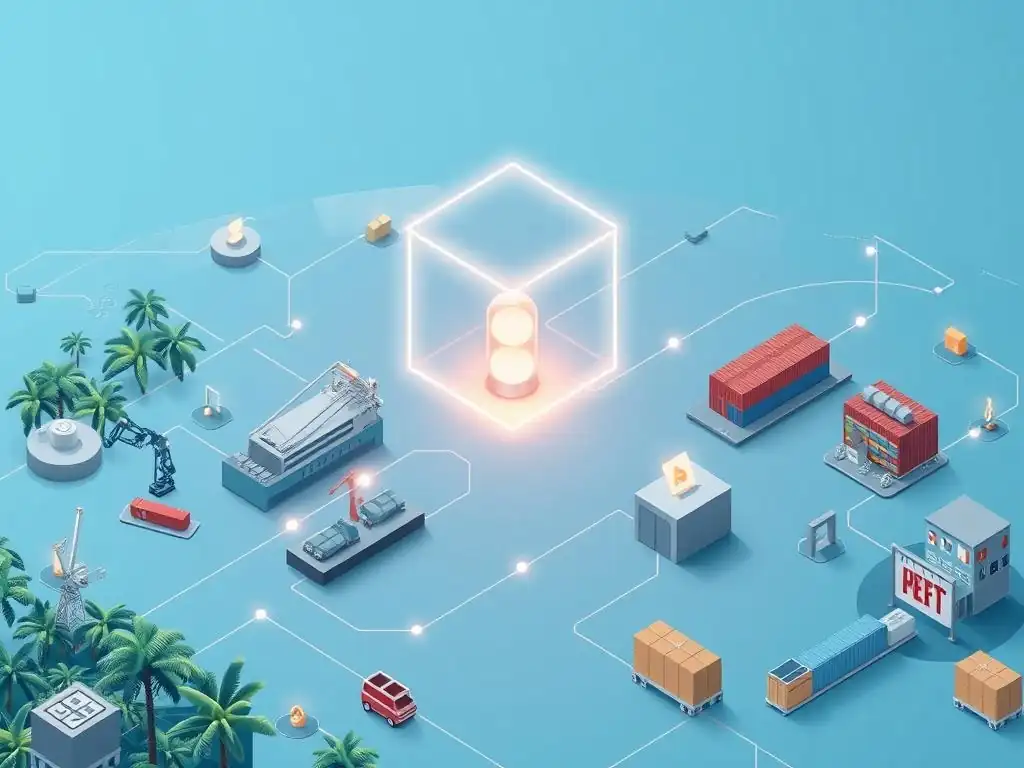
Smart contracts, operating on a blockchain, inherently enhance transparency within supply chains. All transactions and agreements executed through smart contracts are recorded on the immutable blockchain ledger, providing a verifiable and auditable trail of information. This transparency extends across the entire supply chain network, allowing all authorized participants to access and track critical data points, such as product origin, manufacturing process, shipment history, and custody transfers. This level of visibility was previously unattainable with traditional, fragmented systems, where information was often siloed and difficult to access.
The enhanced transparency fostered by smart contracts builds trust among stakeholders and empowers informed decision-making. Consumers gain confidence in product authenticity and ethical sourcing, while businesses can better manage risks, optimize operations, and ensure compliance with regulations. For example, in the food industry, consumers can scan a QR code on a product to access its journey from farm to shelf, verifying its origin and safety. This increased transparency addresses the growing consumer demand for information and accountability, strengthening brand reputation and customer loyalty.
Improved Traceability and Accountability
Smart contracts significantly improve traceability and accountability in supply chains by creating an immutable record of each product's journey. Every event, from raw material sourcing to final delivery, can be recorded on the blockchain through smart contracts, providing a detailed and verifiable history of the product's lifecycle. This granular level of traceability allows businesses to pinpoint the exact location and status of products at any given time, enabling faster response to disruptions, recalls, or quality issues.
Accountability is also enhanced as each transaction on the blockchain is linked to a specific participant, making it easier to identify responsible parties and enforce agreements. Smart contracts can automatically trigger alerts or penalties if predefined conditions are not met, ensuring that all stakeholders adhere to agreed-upon terms and standards. This improved traceability and accountability not only reduces risks but also fosters a culture of responsibility and trust within the supply chain, leading to more ethical and efficient operations.
Increased Efficiency and Reduced Costs
The automation capabilities of smart contracts lead to significant increases in efficiency and reductions in costs across supply chain operations. By automating manual processes such as order processing, payment settlements, and document verification, smart contracts eliminate paperwork, reduce administrative overhead, and minimize the potential for human error. Faster transaction processing and reduced delays contribute to shorter lead times and improved supply chain responsiveness.
Cost savings are realized through various mechanisms, including reduced transaction fees, minimized administrative costs, and optimized inventory management. Smart contracts can streamline complex processes, eliminate intermediaries, and automate repetitive tasks, freeing up resources for more strategic activities. Furthermore, improved visibility and traceability can help businesses identify and address inefficiencies in their supply chains, leading to further cost reductions and operational improvements. For instance, automating invoice processing and payment through smart contracts can significantly reduce processing time and costs compared to traditional manual methods.
Automation of Processes
One of the most compelling benefits of smart contracts is their ability to automate various processes within supply chain management. From triggering automatic payments upon delivery confirmation to automating inventory updates based on real-time data, smart contracts eliminate manual intervention and streamline workflows. This automation not only reduces administrative burden but also accelerates transaction speeds and improves operational efficiency.
Specific processes that can be automated include order fulfillment, shipment tracking, quality control checks, and customs clearance. For example, a smart contract can automatically initiate a shipment order when inventory levels fall below a certain threshold, or automatically trigger payment to a logistics provider upon successful delivery of goods. This level of automation frees up human resources to focus on higher-value tasks, such as strategic planning and relationship management, enhancing overall productivity and agility.
Minimizing Risks of Fraud and Counterfeiting
Smart contracts, combined with blockchain's inherent security features, play a crucial role in minimizing risks of fraud and counterfeiting in supply chains. The immutability of blockchain records makes it extremely difficult to tamper with data, ensuring the integrity and authenticity of product information. Smart contracts can be used to verify product provenance, track ownership transfers, and authenticate product identities, making it harder for counterfeit goods to infiltrate the supply chain.
Furthermore, smart contracts can incorporate mechanisms for verifying product quality and authenticity at different stages of the supply chain. For instance, sensors and IoT devices can be integrated with smart contracts to automatically record temperature, humidity, and other environmental conditions during transportation, ensuring product integrity and preventing tampering. By providing a transparent and verifiable record of product journey and attributes, smart contracts empower businesses and consumers to combat fraud and counterfeiting, protecting brand reputation and consumer safety.
Practical Applications of Smart Contracts in Supply Chain
Tracking Product Provenance and Authenticity
Smart contracts are ideally suited for tracking product provenance and authenticity, especially in industries where product origin and quality are paramount, such as food, pharmaceuticals, and luxury goods. By recording each step of a product's journey on a blockchain through smart contracts, businesses can create an immutable and transparent record of its origin, manufacturing process, and custody transfers. This allows consumers and businesses to verify the authenticity of products and ensure they are genuine and ethically sourced.
For example, in the coffee industry, smart contracts can track coffee beans from individual farms to consumers, recording details about farming practices, processing methods, and certifications. Consumers can scan a QR code on a coffee package to access this information, verifying the coffee's origin and supporting sustainable and ethical sourcing. Similarly, in the pharmaceutical industry, smart contracts can track drugs from manufacturing to dispensing, ensuring the authenticity and integrity of medications and preventing the distribution of counterfeit drugs. This application of smart contracts enhances trust, reduces fraud, and empowers consumers to make informed choices.
Automating Payments and Settlements
Smart contracts can revolutionize payment processes in supply chains by automating payments and settlements based on predefined conditions. Traditional payment systems in supply chains often involve manual invoicing, reconciliation, and lengthy processing times, leading to delays and inefficiencies. Smart contracts can automate these processes by triggering payments automatically when specific milestones are reached, such as delivery confirmation, quality inspection, or contract fulfillment.
For example, a smart contract can be programmed to automatically release payment to a supplier once a shipment of goods is confirmed as delivered and meets pre-agreed quality standards. This eliminates the need for manual invoice processing and reconciliation, accelerating payment cycles and reducing administrative costs. Automated payments through smart contracts also enhance transparency and reduce the risk of payment disputes, fostering stronger relationships between buyers and suppliers. This application is particularly beneficial in complex, multi-tiered supply chains with numerous transactions and stakeholders.
Managing Inventory and Logistics
Smart contracts can significantly improve inventory management and logistics operations by providing real-time visibility and automating key processes. By integrating smart contracts with IoT devices and sensors, businesses can track inventory levels, monitor shipment locations, and optimize logistics routes in real time. Smart contracts can automate inventory updates, trigger reorder points, and coordinate logistics providers based on predefined rules and conditions.
For instance, smart contracts can automatically update inventory levels in a warehouse management system when goods are received or dispatched, ensuring accurate and up-to-date inventory data. In logistics, smart contracts can automatically trigger shipment notifications, track delivery milestones, and manage freight documentation, streamlining the transportation process and improving delivery efficiency. This application of smart contracts enhances operational efficiency, reduces inventory holding costs, and improves supply chain responsiveness.
Streamlining Customs and Regulatory Compliance
Navigating customs and regulatory compliance is a complex and often time-consuming aspect of global supply chains. Smart contracts can streamline these processes by automating document verification, facilitating information sharing with regulatory authorities, and ensuring compliance with relevant regulations. By digitizing and automating compliance processes, smart contracts reduce paperwork, minimize delays, and improve accuracy.
For example, smart contracts can be used to automatically verify customs documents, such as certificates of origin and import permits, against regulatory databases, accelerating customs clearance processes. Smart contracts can also facilitate the secure sharing of compliance information with regulatory agencies, reducing the need for manual submissions and improving transparency. By automating and digitizing compliance processes, smart contracts reduce administrative burden, minimize risks of non-compliance, and facilitate smoother and faster movement of goods across borders.
Implementing Smart Contracts: A Step-by-Step Guide
Identifying Processes for Automation
The first step in implementing smart contracts in supply chain management is to identify specific processes that can benefit from automation. This involves analyzing current supply chain workflows, identifying pain points, and assessing the potential for smart contracts to improve efficiency, transparency, and security. Processes that are typically well-suited for smart contract automation include payment processing, inventory management, shipment tracking, and compliance verification.
To identify suitable processes, businesses should consider factors such as the complexity of the process, the level of manual intervention required, the potential for errors or delays, and the value of automation. Prioritizing processes that are critical to operational efficiency and have a high potential for return on investment is crucial for successful smart contract implementation. For example, a business might prioritize automating invoice processing and payment settlements to reduce administrative costs and improve supplier relationships.
Choosing the Right Blockchain Platform
Selecting the appropriate blockchain platform is a critical decision for implementing smart contracts in supply chain. Several blockchain platforms are available, each with its own characteristics, capabilities, and suitability for different applications. Considerations for choosing a platform include scalability, security, transaction speed, cost, and the availability of development tools and resources. Both public and private blockchain platforms can be used for supply chain applications, depending on specific requirements and use cases.
Public blockchains like Ethereum offer high levels of decentralization and transparency but may have limitations in terms of scalability and transaction costs for enterprise-level applications. Private or permissioned blockchains, such as Hyperledger Fabric or Corda, offer greater control over access and permissions, improved scalability, and lower transaction costs, making them more suitable for many enterprise supply chain use cases. The choice of platform should align with the specific needs and priorities of the business and the intended application of smart contracts.
Developing and Deploying Smart Contracts
Developing smart contracts requires expertise in smart contract programming languages, such as Solidity for Ethereum or Go for Hyperledger Fabric. The development process involves defining the contract logic, writing the code, testing the contract, and deploying it to the chosen blockchain platform. It is crucial to ensure that smart contracts are developed securely and efficiently, with thorough testing to identify and mitigate potential vulnerabilities.
Smart contract development often involves working with blockchain developers or specialized smart contract development platforms. Once developed and tested, smart contracts are deployed to the blockchain network, where they become immutable and ready to execute transactions. The deployment process typically involves paying transaction fees to the blockchain network, and the deployed contract is assigned a unique address that can be used to interact with it.
Integrating Smart Contracts with Existing Systems
Successful implementation of smart contracts in supply chain requires integration with existing enterprise systems, such as ERP (Enterprise Resource Planning), WMS (Warehouse Management System), and TMS (Transportation Management System). Integration ensures seamless data flow between smart contracts and existing systems, enabling automation of workflows and real-time data synchronization. APIs (Application Programming Interfaces) are commonly used to facilitate integration between blockchain platforms and traditional systems.
Integration may involve adapting existing systems to interact with blockchain networks and smart contracts, or developing middleware to bridge the gap between different systems. Data mapping and data transformation may be necessary to ensure data compatibility and consistency across systems. Careful planning and execution of integration are essential for realizing the full benefits of smart contracts and ensuring smooth operation within the existing IT infrastructure.
Case Studies: Real-World Examples of Smart Contract Adoption
Tracking Coffee Bean Provenance with Blockchain
Several initiatives are leveraging blockchain and smart contracts to track coffee bean provenance, enhancing transparency and sustainability in the coffee supply chain. For example, Farmer Connect is a platform that uses blockchain to connect coffee consumers directly with farmers, providing consumers with detailed information about the origin, journey, and impact of their coffee. Consumers can scan a QR code on coffee packaging to access information about the farmer who grew the beans, the cooperative they belong to, and the roasting process.
Smart contracts on the Farmer Connect platform automate payments to farmers and cooperatives, ensuring fair and timely compensation. The platform also tracks sustainability metrics, such as water usage and environmental impact, promoting responsible sourcing practices. This application of blockchain and smart contracts enhances transparency, empowers consumers, and supports ethical and sustainable coffee production, benefiting both farmers and consumers. Similar initiatives are being implemented by companies like Beyco and Starbucks, demonstrating the growing adoption of blockchain for coffee supply chain transparency.
Improving Seafood Supply Chain Traceability with Smart Contracts
The seafood industry faces significant challenges related to illegal fishing, fraud, and lack of traceability. Blockchain and smart contracts are being deployed to improve seafood supply chain traceability, combating illegal practices and ensuring the authenticity and sustainability of seafood products. For instance, Provenance, a supply chain transparency platform, has partnered with tuna fisheries to track tuna from catch to consumer using blockchain.
Smart contracts on the Provenance platform record data about fishing vessels, catch locations, processing facilities, and transportation details, creating an immutable record of the tuna's journey. Consumers can scan a QR code on seafood packaging to access this information, verifying the origin and sustainability of the fish they are purchasing. This enhanced traceability helps combat illegal fishing, reduces fraud, and promotes responsible seafood consumption. Other projects, such as those by IBM Food Trust and SAP, are also exploring the use of blockchain for seafood supply chain transparency, indicating the increasing recognition of its value in this sector.
Challenges and Considerations for Implementation
Scalability Issues
Scalability remains a key challenge for blockchain technology in general, and smart contract applications in supply chain are no exception. Public blockchains, while offering decentralization and transparency, often face limitations in transaction throughput and processing speed, which can be a bottleneck for high-volume supply chain operations. Private blockchains offer improved scalability but may compromise on decentralization.
Addressing scalability requires careful platform selection, optimized smart contract design, and potentially exploring layer-2 scaling solutions or hybrid blockchain architectures. Businesses need to assess their transaction volume requirements and choose a blockchain platform that can handle their current and future needs. Performance testing and optimization are crucial to ensure that smart contract applications can scale effectively as supply chain operations grow.
Data Privacy and Security Concerns
Data privacy and security are paramount considerations when implementing smart contracts in supply chain management, especially when dealing with sensitive business information or personal data. While blockchain offers inherent security features, such as immutability and cryptography, careful attention must be paid to data access controls, encryption, and compliance with data privacy regulations, such as GDPR (General Data Protection Regulation).
Smart contract design should incorporate mechanisms for data encryption and access control to protect sensitive information. Permissioned blockchains offer greater control over data access, allowing businesses to restrict access to authorized participants only. Compliance with data privacy regulations requires careful consideration of data storage, processing, and sharing practices within the blockchain ecosystem. Implementing robust security measures and adhering to data privacy best practices are essential for building trust and ensuring responsible use of blockchain in supply chain.
Interoperability
Interoperability between different blockchain platforms and legacy systems is a significant challenge for widespread adoption of smart contracts in supply chain. Supply chains often involve multiple stakeholders using diverse IT systems and potentially different blockchain platforms. Lack of interoperability can create data silos and hinder seamless information exchange between different parts of the supply chain.
Addressing interoperability requires developing standards and protocols for cross-chain communication and data exchange. Initiatives like the Interledger Protocol and cross-chain bridges are emerging to facilitate interoperability between different blockchain platforms. Adopting open standards and promoting collaboration among blockchain platforms and technology providers are crucial for overcoming interoperability challenges and enabling seamless integration of blockchain solutions across complex supply chains.
Regulatory Uncertainty and Compliance
Regulatory uncertainty surrounding blockchain and smart contracts poses a challenge for implementation, particularly in highly regulated industries. The legal and regulatory landscape for blockchain technology is still evolving, and businesses need to navigate uncertainty regarding legal enforceability of smart contracts, data privacy regulations, and industry-specific compliance requirements.
Engaging with regulatory bodies, seeking legal advice, and staying informed about evolving regulations are crucial for ensuring compliance and mitigating regulatory risks. Smart contract design should incorporate features that support regulatory compliance, such as audit trails, data governance mechanisms, and compliance reporting capabilities. Industry-specific regulations and standards need to be carefully considered when implementing smart contracts in supply chain to ensure legal and regulatory compliance.
The Future of Smart Contracts in Supply Chain Management
Emerging Trends
Several emerging trends are shaping the future of smart contracts in supply chain management. The integration of IoT (Internet of Things) devices with smart contracts is gaining momentum, enabling real-time data capture and automated execution of contracts based on sensor data. For example, temperature sensors in refrigerated containers can trigger smart contracts to automatically verify temperature compliance and release payments upon successful delivery of temperature-sensitive goods.
The convergence of blockchain with AI (Artificial Intelligence) is also creating new opportunities for supply chain optimization. AI algorithms can be used to analyze blockchain data, identify patterns, and optimize supply chain processes, while smart contracts can automate the execution of AI-driven decisions. Decentralized finance (DeFi) solutions are also being explored for supply chain finance, leveraging smart contracts to automate lending, trade finance, and insurance processes, enhancing efficiency and transparency in financial transactions within supply chains.
Potential for Innovation
Smart contracts have the potential to drive significant innovation across various aspects of supply chain management. Beyond automation and transparency, smart contracts can enable new business models, such as decentralized marketplaces and peer-to-peer supply chains, reducing reliance on intermediaries and empowering smaller businesses. Smart contracts can also facilitate the development of more resilient and agile supply chains, capable of responding quickly to disruptions and adapting to changing market conditions.
Innovation in smart contract design and development is continuously expanding the possibilities for supply chain applications. More sophisticated smart contracts with advanced features, such as multi-party agreements, conditional logic, and integration with external data sources, are being developed to address complex supply chain challenges. The ongoing evolution of blockchain technology and smart contract capabilities will unlock further potential for innovation and transformation in supply chain management.
The Role of IoT and AI
The integration of IoT and AI with smart contracts is poised to play a transformative role in the future of supply chain management. IoT devices provide real-time data streams from physical assets and processes, enabling smart contracts to react dynamically to changing conditions and trigger automated actions based on real-world events. AI algorithms can analyze the vast amounts of data generated by IoT devices and blockchain networks to optimize supply chain operations, predict demand, and mitigate risks.
The combination of IoT, AI, and smart contracts creates a powerful ecosystem for intelligent and autonomous supply chains. Imagine a supply chain where sensors monitor product conditions throughout the journey, AI algorithms predict potential disruptions, and smart contracts automatically reroute shipments or adjust production schedules based on real-time data. This level of automation and intelligence will lead to unprecedented levels of efficiency, resilience, and transparency in supply chain management, paving the way for truly optimized and responsive global networks.
Conclusion: Unlocking the Potential of Blockchain for Supply Chain Excellence
Smart contracts offer a compelling solution to address the critical challenges of transparency, efficiency, and security in modern supply chain management. By leveraging the power of blockchain technology, smart contracts automate processes, enhance visibility, and build trust among stakeholders, unlocking significant benefits for businesses and consumers alike. From tracking product provenance to automating payments and streamlining compliance, the practical applications of smart contracts in supply chain are vast and transformative.
While challenges such as scalability, interoperability, and regulatory uncertainty remain, ongoing advancements in blockchain technology and increasing real-world implementations demonstrate the immense potential of smart contracts to revolutionize supply chain operations. As businesses continue to explore and adopt blockchain-based solutions, the future of supply chain management will be increasingly characterized by transparency, efficiency, and resilience, driven by the innovative power of smart contracts and the transformative potential of blockchain. The benefits of blockchain supply chain transparency are becoming increasingly clear, paving the way for a new era of supply chain excellence.
Frequently Asked Questions
How do smart contracts improve supply chain transparency?
Smart contracts provide an immutable and transparent record of transactions. This allows all stakeholders to track the movement of goods and verify their authenticity, significantly enhancing supply chain visibility.
What are the primary benefits of using blockchain for supply chain management?
Blockchain offers several key benefits, including increased efficiency, reduced costs, and improved traceability. Ultimately, it fosters greater trust among all parties involved.
How does blockchain technology address the issue of counterfeiting in the supply chain?
Blockchain's immutable ledger makes it incredibly difficult to introduce counterfeit products. Each item's history is recorded, creating a verifiable chain of custody that helps identify and prevent fraud.
What role does DeFi (Decentralized Finance) play in the future of blockchain-based supply chains?
DeFi could streamline supply chain financing by offering decentralized lending and payment solutions. This allows for quicker and more cost-effective transactions, removing intermediaries.
What are the potential regulatory challenges associated with implementing blockchain in supply chains?
Regulatory uncertainty surrounding data privacy and cross-border transactions poses a challenge. Clearer legal frameworks are needed to ensure compliance and promote widespread adoption.
Final Reflection: Embracing Blockchain's Transparent Future
The journey through smart contracts and their application in supply chain management reveals a powerful truth: enhanced transparency and efficiency are no longer futuristic ideals, but achievable realities. The potential of blockchain technology to revolutionize how goods move across the globe, from origin to consumer, is undeniable, offering a level of accountability and trust previously unimaginable. This isn't just about technological advancement; it's about building a more ethical and sustainable global economy.
The impact of blockchain on supply chains extends far beyond mere cost reduction. It's about empowering consumers with knowledge, fostering fairer trade practices, and ultimately, building a more resilient and responsible world. The ability to trace a product's journey, verify its authenticity, and ensure ethical sourcing is a game-changer. As Henry Ford once said, Quality means doing it right when no one is looking.
Blockchain, in essence, ensures that someone is always looking, fostering a culture of accountability at every stage.
Now, as we stand at the cusp of this technological revolution, I invite you to consider your role in shaping this future. How can you, as a consumer, a business owner, or a supply chain professional, embrace the principles of transparency and efficiency that blockchain enables? Let us all strive to build supply chains that are not only smarter and faster but also more equitable and sustainable, leaving a legacy of trust and responsibility for generations to come.
Unlock the Supply Chain Revolution!
Thank you for exploring how smart contracts can transform supply chain management. We hope you now have a clearer understanding of how blockchain technology can enhance transparency and efficiency. Are you ready to take the next step?
Here’s how you can begin contributing to the future of supply chains:
- Develop a plan for implementing a smart contract solution to address a specific challenge in your current supply chain. Even a small pilot project can provide valuable insights.
- Explore various blockchain platforms and tools designed for supply chain applications. Consider researching platforms such as VeChain, OriginTrail, or Ambrosus.
- Join the discussion! Share this article with your network and engage others in conversations about the biggest challenges and opportunities for blockchain adoption in supply chains.
Which supply chain process would you choose to revolutionize with smart contracts first, and what obstacles do you anticipate? Share your thoughts below!
Leave a Reply