
Tokenization and the Creator Economy: Empowering Artists and Content Creators with New Tools


Welcome to Blockchain Trends, your go-to source for understanding the revolutionary power of blockchain! Beyond the hype of cryptocurrencies, discover how this groundbreaking technology is reshaping industries. Intrigued by how blockchain is empowering artists and creators? Dive into our featured article exploring Blockchain creator economy tokenization and unlock the secrets of how tokenization is revolutionizing the creator economy, creating new avenues for monetization and ownership. What if your favorite artist could directly share in the success of their work with you? Read on to find out!
Tokenization and the Creator Economy: Empowering Artists and Content Creators with New Tools
- Introduction: Blockchain Creator Economy Tokenization – A New Era for Artists
- Understanding Tokenization in the Creator Economy
- Empowering Creators: Blockchain Tokenization Use Cases
- Tokenization Tools and Platforms for Creators
- Overcoming Challenges in Blockchain Creator Economy Tokenization
- The Future of the Tokenized Creator Economy
- Conclusion: Blockchain Tokenization – A Sustainable Future for the Creator Economy
-
Frequently Asked Questions
- How does blockchain tokenization empower artists and content creators?
- What are the benefits of using blockchain for the creator economy compared to traditional platforms?
- What role does DeFi (Decentralized Finance) play in the blockchain creator economy?
- What are the regulatory challenges surrounding blockchain tokenization in the creator economy?
- What is the future outlook for blockchain tokenization and its impact on the creator economy?
- Final Reflection: Embracing the Decentralized Future of Creativity
- Unlock Your Creative Potential: Dive into the Tokenized Future!
Introduction: Blockchain Creator Economy Tokenization – A New Era for Artists
In recent years, the creator economy has grown exponentially, driven by digital platforms that empower artists and content creators. However, with this growth come challenges such as unfair revenue distribution, lack of transparent ownership, and limited monetization channels. Blockchain creator economy tokenization is emerging as a transformative solution, enabling artists to monetize their digital assets securely while retaining control over their work.
Blockchain technology brings decentralized systems into the traditional creative landscape, enabling equitable revenue sharing, improved transparency in transactions, and robust protection of intellectual property rights. This intersection between blockchain and the creator economy is revolutionizing the way creative professionals engage with their audience, allowing artists to leverage new models of ownership and value exchange.
The Rise of the Creator Economy and its Challenges
The creator economy has seen a significant boom with platforms like Patreon, YouTube, and Instagram, which allow artists to reach global audiences without traditional intermediaries. However, these platforms often take a large percentage of creators’ earnings, leaving many with limited financial benefits despite high engagement rates. Creators frequently express concerns about issues like revenue misallocation, copyright infringement, and limited long-term earning strategies.
Moreover, the rapid digital transformation has intensified competition, pushing creators to seek more innovative methods of monetizing content. The challenges extend to copyright management, transparency in transactions, and maintaining direct connections with fans. As traditional systems struggle to adapt, the need for a more secure, transparent, and equitable framework becomes paramount—a gap that blockchain creator economy tokenization is poised to fill.
How Blockchain Technology is Revolutionizing Content Creation
Blockchain technology fundamentally changes the landscape of content creation by offering decentralized solutions that eliminate the reliance on intermediaries. Artists and content creators now have the opportunity to directly connect with their audience while ensuring that each transaction remains secure and verifiable on an immutable ledger. The introduction of smart contracts automates revenue distribution according to predefined terms, thereby reducing disputes over payments and rights.
This paradigm shift not only empowers creators to claim direct ownership over their digital assets but also introduces a new layer of accountability within the creative economy. Blockchain creator economy tokenization promotes transparency, allowing both collectors and fans to track the provenance and authenticity of artistic works—a crucial advancement in mitigating fraudulent practices and ensuring the sustainability of creative endeavors.
Understanding Tokenization in the Creator Economy
Tokenization in the creator economy refers to the process of converting rights to a digital or physical asset into a blockchain-based token. This process utilizes smart contracts to securely represent ownership, allowing creators to sell, trade, or distribute fractions of their work. By tokenizing creative assets, artists can monetize their work in innovative ways while preserving authenticity and ownership rights on a distributed ledger.
The implications of tokenization extend beyond simple transactions. It creates opportunities for artists to access global markets without the overhead of traditional financial systems, and it fosters a new model wherein fans and collectors become direct stakeholders in the creative process. With blockchain creator economy tokenization, every transaction is transparent, traceable, and irreversibly recorded, promoting trust between creators and their audience.
What is Tokenization and How Does it Work?
Tokenization involves converting rights or ownership of tangible and intangible assets into digital tokens that are recorded on a blockchain. These tokens can be traded or utilized in a secure manner, effectively bridging the gap between digital creativity and financial empowerment. The underlying mechanism includes blockchain networks that use cryptographic proof to ensure each token's authenticity and integrity, making it nearly impossible to duplicate or forge.
In practical terms, when an artist tokenizes a work, a smart contract is created to define the terms of ownership, usage rights, and revenue distribution. This transparent process ensures that every sale or trade of the token is recorded on the blockchain, providing a clear and traceable history of the digital asset. Blockchain creator economy tokenization democratizes access by allowing both fractional and full ownership of creative works, making it accessible to a broader audience.
Benefits of Tokenizing Creative Assets for Artists
Tokenizing creative assets offers a myriad of benefits, foremost among them is direct monetization. Artists can sell tokens that represent ownership of their work, opening revenue streams that bypass traditional galleries, music labels, and other intermediaries. This democratization of income is particularly impactful in an age where digital content consumption is at an all-time high.
In addition, tokenization enhances transparency in the creative process. Fans and collectors can trace the authenticity and provenance of an asset, fostering trust in the transaction. With blockchain creator economy tokenization, collectors can invest confidently knowing that their purchase is verifiable and secure, which in turn bolsters the credibility of the artist and the overall creative market.
Empowering Creators: Blockchain Tokenization Use Cases
The tokenization of creative work has introduced various innovative use cases that directly benefit the creator community. From digital art to music, blockchain creator economy tokenization is reshaping how creative works are valued, distributed, and exchanged. Each use case harnesses the power of blockchain to transcend traditional creative industry limitations and open up new revenue models.
By leveraging blockchain technology, creators can move beyond the confines of conventional distribution channels. This creates a more dynamic environment where content can be easily monetized, shared, and experienced. Innovating with blockchain not only provides new tools to facilitate direct interactions with fans but also redefines long-standing models in the entertainment and cultural sectors.
Tokenized Content: Monetizing Digital Art and Music
Tokenized content offers artists an innovative way to monetize their work by converting digital art and music into tradable tokens. This process enables artists to secure royalties automatically every time their art or music is resold in secondary markets through embedded smart contracts. The profusion of digital art sales in recent years, including high-profile NFT sales that have reached millions of dollars, demonstrates the lucrative potential of this model.
Furthermore, tokenizing digital assets provides unparalleled ownership security and authenticity. Collectors purchasing tokenized creations enjoy verified proof of provenance and ownership via blockchain records. This not only enhances the value of the creative work but also builds a more robust relationship between artists and their avid base of supporters, ensuring sustained engagement and revenue over time.
Social tokens are an exciting development in the realm of blockchain creator economy tokenization. These tokens allow creators to build communities by offering special privileges, exclusive content, or voting rights on future projects. As a novel method of engagement, social tokens enable fans to invest in the success of their favorite creators, transforming passive followers into active participants in an artist’s journey.
The emergence of social tokens represents a significant shift in how value is attributed in the creative economy. Instead of merely favoring traditional profit-driven models, social tokens incentivize community participation and loyalty. This approach not only creates a sustained revenue stream through token appreciation but also helps in building a closer-knit community, enhancing both the creative output and its audience's long-term commitment.
Fractional Ownership: Democratizing Access to High-Value Creative Works
Tokenizing high-value creative works allows for fractional ownership, making expensive art, music rights, or other creative assets accessible to a broader pool of investors. Instead of a single buyer owning an entire piece, multiple stakeholders can invest in portions of a creative asset. This democratizes access to high-value works, opening up investment opportunities that were previously limited to wealthy collectors and institutions.
Fractional ownership also encourages greater community investment in the arts. When multiple collectors hold stakes in an artwork or a creative project, the shared ownership model can lead to enhanced visibility and market value. Blockchain creator economy tokenization thereby fosters a collaborative ecosystem where both creators and collectors benefit from a diversified pool of shared assets.
NFTs (Non-Fungible Tokens): Verifying Authenticity and Ownership in the Digital Realm
Non-Fungible Tokens, or NFTs, are one of the most revolutionary applications of blockchain technology in the creative space. These tokens are unique digital identifiers that certify the authenticity and exclusivity of an asset, making them an ideal solution for artists concerned with copyright protection and provenance. The NFT market has experienced explosive growth, with landmark sales that have redefined valuations within the arts and entertainment sectors.
Beyond art and music, NFTs provide an immutable record of ownership that both creators and collectors can rely on. Each NFT is stored on the blockchain, ensuring that the metadata related to the creation, sale, and transfer of ownership is transparent and permanent. This system fortifies the creative industry against fraud, thereby stabilizing and enhancing the value of digital art and other unique creative assets.
Tokenization Tools and Platforms for Creators
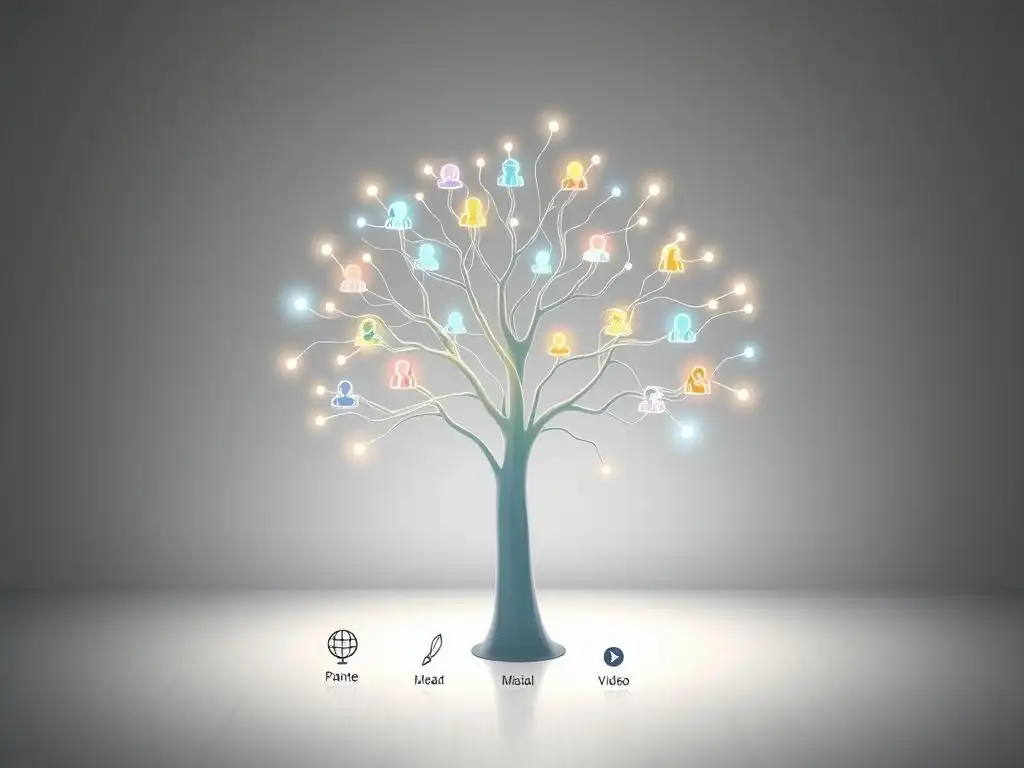
A burgeoning ecosystem of blockchain tools and platforms is emerging to support the creator economy. These platforms help artists navigate the technical and financial complexities of tokenizing their work. With solutions ranging from turnkey NFT marketplaces to specialized token issuance platforms, creators are better equipped to adopt blockchain creator economy tokenization without needing extensive technical expertise.
Each platform offers unique features tailored to different segments of the creative market. From specialized galleries for digital art to platforms focused on music rights and social tokens, the diversity of available tools highlights the versatile applications of blockchain in creative industries. As the technology evolves, these platforms continue to refine and enhance token functionalities to better serve the needs of innovators and artists alike.
Manifold: Features and Benefits for Tokenizing Art
Manifold is at the forefront of providing artists with a specialized platform to tokenize and manage artistic creations. This tool offers intuitive interfaces and customizable smart contracts, enabling creators to design personalized tokenization strategies that suit their unique style and market goals. The platform not only simplifies the technical aspects of token creation but also ensures that transactions are secure and verifiable on the blockchain.
The benefits extend beyond simple tokenization; Manifold includes analytics and reporting features that help artists monitor sales, track royalties, and understand audience engagement patterns. This data-driven approach allows creators to make more informed decisions about their future projects and marketing strategies, solidifying blockchain creator economy tokenization as a practical and forward-thinking solution for emerging artists.
Catalog: Empowering Musicians with Blockchain Solutions
Catalog is a blockchain-based platform designed specifically for musicians seeking to leverage tokenization. By converting music tracks, albums, and remix rights into tradable tokens, artists on Catalog can secure immediate revenue and long-term royalties through automated smart contracts. This system guarantees that every time a track is shared or resold, the musician receives a fair share of the revenue.
Moreover, Catalog supports community engagement by allowing fans to directly invest in the music they love, thereby forging stronger artist-listener relationships. This innovative integration creates a transparent ecosystem where revenue distribution is automated and verifiable on the blockchain. Such measures not only build trust but also encourage a more active role from the audience in nurturing and sustaining creative endeavors.
OpenSea: NFT Marketplace for Content Creators
OpenSea stands as one of the largest NFT marketplaces where artists and content creators can list, trade, and discover unique digital assets. Its robust infrastructure supports a wide range of tokenized assets, from digital art and collectibles to exclusive content and limited-edition releases. By offering a user-friendly interface, OpenSea facilitates smooth transactions that are securely recorded on the blockchain, reinforcing the legitimacy of each trade.
The platform's vast user base provides creators with increased exposure and access to a global community of collectors and enthusiasts. This exposure is critical in driving the value of tokenized assets and ensuring liquidity in the marketplace. OpenSea’s continuous development and integration of new features have made it an essential tool for leveraging blockchain creator economy tokenization, ultimately empowering creators to monetize their digital assets more effectively.
Overcoming Challenges in Blockchain Creator Economy Tokenization
While tokenization presents transformative benefits, its adoption in the creator economy does come with challenges. Issues such as regulatory compliance, security risks, and the need for comprehensive education about blockchain remain key concerns. Addressing these obstacles is vital to ensuring that tokenization can fulfill its promise of democratizing creative industries.
Proactive strategies, collaborative policymaking, and robust technical measures are essential to mitigate these challenges. Through targeted education initiatives and the development of advanced security protocols, the creative community can navigate potential pitfalls and establish a sustainable framework for blockchain creator economy tokenization.
Regulatory Considerations for Tokenized Assets
Regulatory frameworks around digital assets are evolving rapidly, and creators must keep abreast of the legal landscape to ensure compliance. Many jurisdictions are still defining their approaches to blockchain creator economy tokenization, leading to uncertainties in areas such as copyright, taxation, and cross-border transactions. Legal clarity is essential to foster confidence among artists and investors alike.
To navigate these challenges, both creators and platform developers are increasingly seeking guidance from legal experts specializing in digital and blockchain law. Ensuring that tokenized assets adhere to relevant regulations not only protects artists from inadvertent violations but also builds trust among collectors and fans. In this evolving legal context, transparent communication and adaptive legal frameworks are paramount for sustaining growth in the tokenization space.
Security Risks and Mitigation Strategies for Creators
The digital nature of blockchain creator economy tokenization comes with inherent security risks, including hacking, fraud, and loss of private keys. Such vulnerabilities can have significant financial and reputational repercussions for creators. To mitigate these dangers, robust security protocols—including multi-factor authentication, cold storage solutions, and regular audits of smart contracts—are essential.
Creators are advised to adopt best practices for wallet management and to collaborate with platforms that prioritize cybersecurity. Investment in technical security measures, such as bug bounty programs and third-party security certifications, is becoming increasingly common. By addressing these risks head-on, the blockchain ecosystem can build a more resilient framework that protects both creative assets and the interests of the creator community.
Educating Creators and Audiences on Blockchain Technology
A critical aspect of widespread adoption of blockchain creator economy tokenization is education. Many creators and their audiences remain unfamiliar with the technical underpinnings and benefits of blockchain. Comprehensive educational initiatives that explain key concepts, such as how tokenization works and its benefits, are essential to foster a deeper understanding of the technology.
Workshops, webinars, and detailed guides are among the tools being employed to demystify blockchain technology for non-technical users. By promoting awareness and understanding, the community can overcome skepticism and build confidence in the new systems. Educating both creators and audiences not only facilitates smoother adoption of blockchain solutions but also drives innovation and engagement across the creative landscape.
The Future of the Tokenized Creator Economy
Looking ahead, the intersection of blockchain and the creator economy is poised for robust growth. Trends suggest that tokenization will continue to expand its influence, reshaping how digital content is created, distributed, and monetized. With accelerated advancements in blockchain technology, the future promises enhanced tools and platforms that further empower artists to realize the full potential of their creative work.
The evolution of tokenization is expected to disrupt traditional media channels by offering decentralized models that democratize access and revenue streams. Industry experts predict that blockchain creator economy tokenization will drive a shift towards a more collaborative, transparent, and equitable creative ecosystem. Such predictions are fueled by the rapid adoption of NFT marketplaces, social tokens, and fractional ownership frameworks that are already gaining traction among leading artists.
Predictions for the Growth of Blockchain-Based Content Creation
Market analysts forecast that blockchain-based content creation will witness sustained growth driven by further developments in decentralized applications. As the adoption of blockchain creator economy tokenization becomes more mainstream, artists can expect increasing access to a global network of fans and investors who value transparency and security. The convergence of artificial intelligence, augmented reality, and blockchain technology is also expected to generate innovative platforms that further revolutionize content creation.
These shifts in technology and market dynamics support a positive outlook for the future of digital art and media. With an ever-growing demand for authentic and verified digital content, blockchain solutions will be at the forefront of this transformative movement. The predicted growth is not only a sign of increasing market validation but also a call to action for artists and creators to explore new revenue models powered by tokenization.
The Impact of Tokenization on Traditional Media and Entertainment
Tokenization is challenging traditional media and entertainment models by fostering a direct, transparent connection between creators and their audience. Established media institutions face growing competition from independent creators who can now bypass intermediaries using blockchain-based platforms. This paradigm shift has significant implications for revenue distribution, intellectual property management, and audience engagement, leading to a more competitive and dynamic industry landscape.
The disruption of traditional models is further evidenced by the migration of high-profile artists to blockchain platforms, where they experience better control over royalties and a more direct relationship with fans. This evolution is forcing traditional media companies to re-evaluate their roles and explore partnerships with innovative blockchain startups. In doing so, the entire industry benefits from a more decentralized, efficient, and transparent ecosystem.
Democratization of Content Creation and Distribution Through Blockchain
Blockchain creator economy tokenization is fundamentally democratizing content creation and distribution. By lowering entry barriers for new creators and enabling fractional ownership of creative assets, tokenization promotes a more diverse and inclusive creative environment. This democratization ensures that high-quality content is no longer confined to established players, opening up opportunities for emerging talents to gain recognition and share in the financial rewards of their work.
Moreover, decentralized distribution channels foster an ecosystem where artistic merit rather than market dominance drives success. This approach not only nurtures innovation but also encourages a broader spectrum of creative voices. The democratization enabled by blockchain creator economy tokenization is setting the stage for a future where creativity and financial sustainability are accessible to all, regardless of background or industry connections.
Conclusion: Blockchain Tokenization – A Sustainable Future for the Creator Economy
Blockchain technology is reimagining the way creative assets are valued, owned, and traded. The transformative impact of blockchain creator economy tokenization is evident in its ability to empower artists, open new revenue streams, and drive a more transparent, equitable creative ecosystem. These advances collectively herald a sustainable future where the power of art is matched by the strength of secure, decentralized technology.
Both emerging and established creators stand to benefit enormously from this paradigm shift, which promises to redefine the traditional media and creative industries. As tokenization becomes more accessible and integrated into everyday creative practices, the landscape of culture, art, and entertainment is set to evolve in exciting and unprecedented ways.
Key Takeaways: The Power of Tokenization for Artists and Content Creators
- Direct Monetization: Tokenization streamlines revenue distribution and minimizes intermediary fees, enabling creators to reap a larger share of their earnings.
- Enhanced Transparency: Blockchain ensures a verifiable record of transactions and ownership, which builds trust and reduces issues related to copyright and intellectual property.
- Innovative Models: Tools such as NFTs, social tokens, and fractional ownership open up new avenues for investment and community participation in creative works.
These key advantages highlight the transformative potential of blockchain creator economy tokenization in reshaping how artists and content creators can sustain and expand their creative pursuits.
The Role of Blockchain in Shaping the Future of Creative Industries
Blockchain is at the heart of a significant evolution in the creative sectors, offering unmatched security, transparency, and direct engagement between creators and their fans. As more artists adopt blockchain creator economy tokenization, we are witnessing a disruption of traditional paradigms—ushering in an era where decentralization drives innovation and profitability in the arts.
Looking forward, the continued integration of blockchain technology in creative processes will not only enhance the sustainability of creative ventures but also foster an inclusive, community-driven ecosystem. This ongoing shift promises to redefine cultural production and consumption, empowering creators globally and paving the way for a vibrant, tokenized future in the creator economy.
Frequently Asked Questions
How does blockchain tokenization empower artists and content creators?
Blockchain tokenization allows creators to tokenize their work, creating digital assets that can be sold directly to fans, bypassing traditional intermediaries and keeping a larger share of the revenue. This direct connection fosters greater financial independence.
What are the benefits of using blockchain for the creator economy compared to traditional platforms?
Blockchain offers transparency and immutability, ensuring fair compensation and ownership. It also allows for new revenue streams through fractional ownership and community engagement, unlike traditional platforms with centralized control.
What role does DeFi (Decentralized Finance) play in the blockchain creator economy?
DeFi provides creators with access to financial tools like lending and staking, enabling them to manage and grow their earnings in decentralized ecosystems, independent of traditional financial institutions.
What are the regulatory challenges surrounding blockchain tokenization in the creator economy?
The regulatory landscape is still evolving, with concerns around security token offerings (STOs), intellectual property rights, and consumer protection. Clarity is needed to ensure responsible innovation and prevent illicit activities.
What is the future outlook for blockchain tokenization and its impact on the creator economy?
The future looks promising, with increased adoption expected as blockchain infrastructure matures and regulations become clearer. This will lead to a more equitable and sustainable creator ecosystem, fostering innovation and creativity.
Final Reflection: Embracing the Decentralized Future of Creativity
The journey through tokenization and its impact on the creator economy reveals a powerful truth: artists and content creators are no longer solely reliant on traditional gatekeepers. This shift, fueled by blockchain technology, is not just a trend; it's a fundamental restructuring of how value is created, distributed, and ultimately, recognized in the digital age. The potential for artists to directly connect with their audience, monetize their work in innovative ways, and retain control over their intellectual property is now a tangible reality.
Witnessing the rise of blockchain-based platforms and the empowerment they offer creators has been truly inspiring. It underscores the importance of fostering a more equitable and sustainable ecosystem for artistic expression. The ability to bypass intermediaries and build direct relationships with fans is not just about financial gain; it's about fostering a deeper connection and a sense of community. The future of the creator economy is decentralized, transparent, and community-driven. Tokenization is the key to unlocking that future.
This quote encapsulates the transformative power of blockchain in reshaping the landscape for artists and content creators.
As we stand on the cusp of this decentralized revolution, I invite you to reflect on your own role in shaping the future of the creator economy. How can you, as an artist, a consumer, or a builder, contribute to a more equitable and empowering ecosystem? Embrace the potential of tokenization, explore the possibilities of blockchain-based platforms, and champion the voices of creators who are daring to forge their own paths. The future of creativity is in our hands, let's build it together.
Okay, I will craft a Call to Action for the end of a web article titled "Tokenization and the Creator Economy: Empowering Artists and Content Creators with New Tools" on the website "Blockchain Trends" with the domain "blockchaintrends.org", following all your instructions. Here's the result:
Unlock Your Creative Potential: Dive into the Tokenized Future!
Thank you for exploring how tokenization is revolutionizing the creator economy! You've now seen the potential of these new tools to empower artists and content creators like never before. Ready to take the leap?
Here's how you can get started:
- Immediately explore creating your own creator token on a platform like Rally or Ko-fi! This is your direct pathway to connecting with your audience and generating new revenue streams.
- Dive deeper:Research existing creator tokens and analyze their success strategies. What can you learn from others who are already innovating in this space?
- Share this article with a fellow creator and spark a discussion about the potential of tokenization for collaborative projects.
What unique and game-changing ways do YOU envision using tokenization to connect with your fans and build your creative business? Share your ideas in the comments below!
Leave a Reply