
Blockchain and GDPR: A Compliance Conundrum or a Revolutionary Solution?

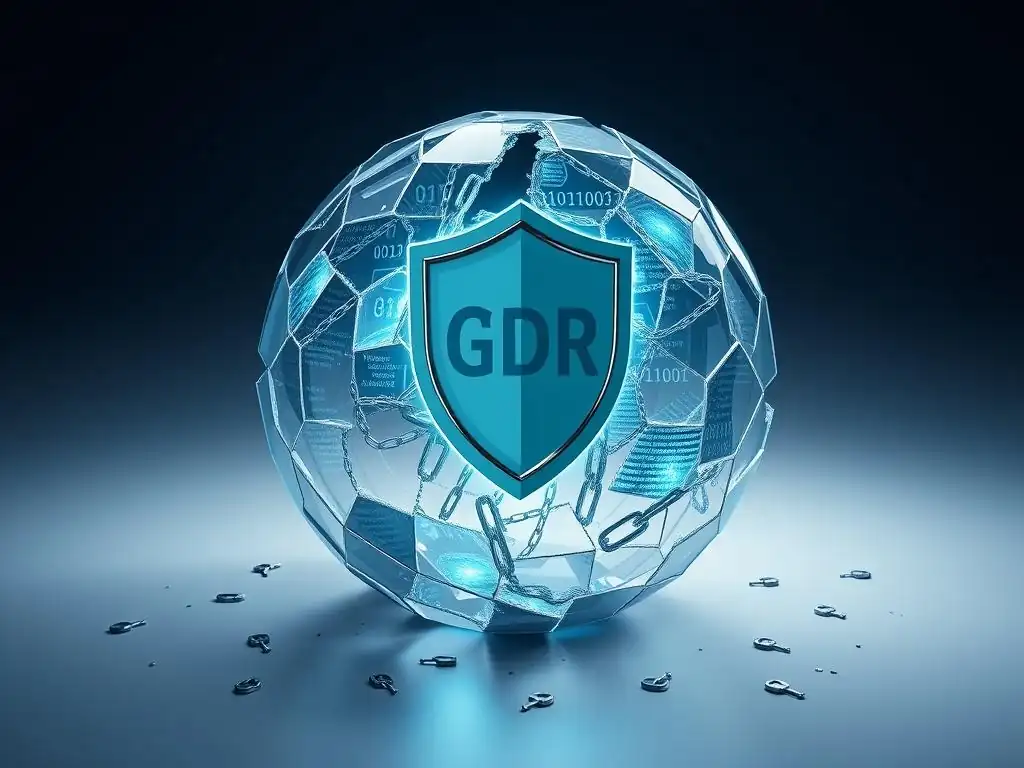
Welcome to Blockchain Trends, your go-to resource for understanding the evolving landscape of blockchain technology. Beyond the hype of cryptocurrencies, we delve into the real-world applications and future possibilities of decentralized systems. In this article, we tackle a critical question: Can blockchain truly coexist with GDPR? Discover the intriguing challenges and potential solutions surrounding Blockchain GDPR compliance challenges, and explore whether this seemingly incompatible pair can actually revolutionize data privacy. The answer may surprise you...
- Blockchain and GDPR: A Compliance Conundrum or a Revolutionary Solution?
- The Fundamental Challenges of Blockchain GDPR Compliance
- Potential Solutions and Mitigation Strategies for Blockchain GDPR Compliance
- Case Studies: Examining Blockchain Projects and GDPR Compliance Efforts
- The Future of Blockchain and GDPR: Balancing Innovation and Regulation
- Conclusion: Transforming the Blockchain GDPR Compliance Conundrum into an Opportunity
-
Frequently Asked Questions
- How does the inherent immutability of blockchain pose a challenge to GDPR's "right to be forgotten"?
- What are some potential solutions for achieving Blockchain GDPR compliance?
- Does the decentralized nature of blockchain networks complicate GDPR compliance efforts?
- How can organizations leverage blockchain to enhance GDPR compliance, rather than hinder it?
- What are the key regulatory considerations for businesses deploying blockchain solutions that process personal data under GDPR?
- Final Reflection: Navigating the Blockchain GDPR Compliance Maze
- Uncover Your Blockchain GDPR Strategy!
Blockchain and GDPR: A Compliance Conundrum or a Revolutionary Solution?
Understanding the Core Principles of Blockchain
Blockchain technology, at its heart, is a distributed ledger system designed to record transactions across many computers so that the record cannot be altered retroactively without the alteration of all subsequent blocks and the consensus of the network. Key principles include decentralization, where no single entity controls the network; immutability, meaning once data is added, it is extremely difficult to change or delete; transparency, as transactions are often visible to all participants (though identities may be pseudonymous); and cryptographic security, ensuring data integrity and authenticity.
These foundational characteristics offer benefits like enhanced security, trust, and efficiency, making blockchain appealing for various applications beyond cryptocurrencies, from supply chain management to digital identity.
However, these very principles create friction when juxtaposed with established data protection regulations like the General Data Protection Regulation (GDPR). For instance, the transparency and immutability designed to build trust in a decentralized system directly challenge a core tenet of GDPR: the individual's right to control their personal data, including the right to have it erased. This inherent conflict means that while blockchain holds immense promise, navigating the landscape of Blockchain GDPR compliance challenges requires careful consideration of its fundamental design in relation to legal requirements.
The Essence of GDPR: Protecting Personal Data
The GDPR, enacted in May 2018, is a comprehensive data protection law in the European Union and the European Economic Area. Its primary objective is to give individuals control over their personal data and to simplify the regulatory environment for international business by unifying the regulation within the EU.
Key principles of GDPR include lawfulness, fairness, and transparency of processing; purpose limitation; data minimization; accuracy; storage limitation; integrity and confidentiality; and accountability. It grants individuals significant rights, such as the right to access their data, the right to rectification, the right to erasure (the "right to be forgotten"), the right to restrict processing, the right to data portability, and the right to object to processing.
Compliance with GDPR is mandatory for any entity processing personal data of EU residents, regardless of where the entity is located. Non-compliance can lead to severe penalties, with potential fines reaching up to €20 million or 4% of the company's total worldwide annual turnover of the preceding financial year, whichever is higher. This places a significant burden on organizations, including those leveraging innovative technologies like blockchain, to ensure their data processing activities fully align with the regulation's stringent requirements. The potential for substantial fines underscores the critical need to address Blockchain GDPR compliance challenges proactively.
Why Blockchain GDPR Compliance is a Complex Issue
The complexity of achieving Blockchain GDPR compliance stems directly from the architectural mismatch between a decentralized, immutable ledger and a regulation centered on individual control over mutable personal data. For example, if personal data, defined broadly by GDPR to include anything that can identify an individual (like an IP address or transaction ID linked to a wallet), is written onto a public blockchain, its immutable nature makes exercising the right to erasure practically impossible in the traditional sense. Deleting data from every node on a distributed network is fundamentally different from deleting a record in a centralized database.
Furthermore, the decentralized nature of many blockchain networks makes it difficult to identify who constitutes the "data controller" or "data processor" under GDPR. Is it the developers of the protocol, the validators, the miners, the users, or a combination? Without clear identification of responsible parties, implementing GDPR's requirements for accountability, data protection officers, and data protection impact assessments becomes highly challenging. These inherent design features contribute significantly to the unique Blockchain GDPR compliance challenges faced by developers and businesses.
The Fundamental Challenges of Blockchain GDPR Compliance
Immutability vs. The Right to Erasure ("Right to be Forgotten")
The principle of immutability is a cornerstone of blockchain technology, designed to provide a tamper-proof record of transactions or data entries. Once a block is validated and added to the chain, altering or deleting the data within it is computationally infeasible without compromising the integrity of the entire network. This characteristic is highly desirable for applications requiring auditability and trust, such as supply chain tracking or digital notarization, where a permanent record is essential. For example, on the Bitcoin blockchain, every transaction ever made remains permanently recorded and viewable, though linked to pseudonymous addresses.
However, this conflicts directly with Article 17 of the GDPR, the "right to erasure" or "right to be forgotten." This right grants data subjects the power to request the deletion of their personal data under certain circumstances, such as when the data is no longer necessary for the purpose for which it was collected or when the data subject withdraws consent.
If personal data has been written onto a public blockchain, fulfilling such a request becomes technically problematic, if not impossible, due to the distributed and immutable nature of the ledger. This poses a significant hurdle when navigating Blockchain GDPR compliance challenges.
Addressing the Inherent Immutability of Blockchain Data
Addressing the immutability conflict requires innovative approaches that rethink how personal data interacts with the blockchain. One common strategy is to avoid storing personal data directly on the chain altogether. Instead, the blockchain can store hashes or pointers to data stored off-chain in centralized or decentralized databases that can be modified or deleted. If a deletion request is received, the personal data is removed from the off-chain storage, rendering the hash on the blockchain useless or pointing to non-existent data, effectively achieving a form of erasure without altering the chain itself.
Another method involves encrypting personal data before storing it on the blockchain. While the encrypted data remains immutable on the chain, the key used to decrypt it can be managed off-chain. If a data subject requests erasure, the decryption key can be deleted, making the data on the blockchain permanently unreadable and effectively "erased" from a practical standpoint.
While not true deletion from the ledger, this method aligns better with the spirit of the right to erasure by making the data inaccessible. These techniques highlight the need for careful architectural design to mitigate Blockchain GDPR compliance challenges related to immutability.
Exploring Techniques for Data Minimization on Blockchain
Data minimization, a key principle under GDPR (Article 5(1)(c)), requires that personal data collected be adequate, relevant, and limited to what is necessary in relation to the purposes for which they are processed. Applying this principle to blockchain means designing systems to store as little personal data on-chain as possible. This involves identifying what information truly needs the benefits of blockchain's immutability and transparency and what can be handled elsewhere.
For instance, in a supply chain application tracking goods, instead of storing customer names or delivery addresses on the blockchain, the system might only store a unique transaction ID, a product hash, and timestamps on-chain. Associated personal data like names and addresses would be kept in a separate, GDPR-compliant database linked by the transaction ID. This approach reduces the exposure of personal data to the immutable ledger and simplifies the process of handling data subject rights requests, directly addressing some of the core Blockchain GDPR compliance challenges by limiting the scope of personal data on-chain.
Decentralization and Data Controller Identification
Blockchain networks often operate without a single central authority. In a truly decentralized public blockchain like Ethereum, thousands of nodes across the globe validate transactions, and no single entity dictates the network's operation. This distributed control is a core strength, fostering resilience and censorship resistance.
However, GDPR mandates that there must be clearly identifiable data controllers and, where applicable, data processors who are responsible for the processing of personal data and accountable for compliance. A data controller is defined as the natural or legal person, public authority, agency or other body which, alone or jointly with others, determines the purposes and means of the processing of personal data.
Identifying who fits this definition in a decentralized blockchain environment is problematic. Is it the individual users who initiate transactions containing personal data? Is it the miners or validators who process and validate these transactions? Is it the developers who wrote the smart contracts that process data? Or is it the decentralized autonomous organization (DAO) governing the protocol? The lack of a clear, single, or easily identifiable entity responsible for data processing decisions complicates the application of GDPR's accountability framework and presents significant Blockchain GDPR compliance challenges regarding liability and data subject access requests.
Identifying Data Controllers in Decentralized Blockchain Networks
Determining the data controller in a blockchain network often depends on the specific architecture and use case. In a permissioned blockchain, where participants are known and have defined roles (e.g., a consortium of banks using a private chain), identifying data controllers (e.g., the consortium members) is more straightforward. However, in permissionless public blockchains, the lines are much blurrier.
Some interpretations suggest that individual users might be considered controllers for the data they choose to put on the chain. Others argue that entities providing services built on top of the blockchain (like a decentralized application, or dApp) are the controllers for the data processed by their service, even if the underlying ledger is decentralized.
Legal and regulatory guidance on this is still evolving. The European Data Protection Board (EDPB) has published guidance suggesting that miners/validators might be considered processors, but the concept of the controller remains complex. This ambiguity creates significant legal uncertainty for projects and businesses operating on or building with decentralized blockchain technology, making the identification of responsible parties one of the most pressing Blockchain GDPR compliance challenges.
The Challenge of Cross-Border Data Transfers with Blockchain
GDPR imposes strict rules on transferring personal data outside the European Economic Area (EEA) to countries that do not offer an adequate level of data protection. Such transfers are generally prohibited unless specific safeguards are in place, such as Standard Contractual Clauses (SCCs), Binding Corporate Rules (BCRs), or the use of approved certification mechanisms. Public, decentralized blockchains, by their nature, involve nodes distributed globally, meaning personal data (even if pseudonymous) written to the chain is instantly replicated across servers potentially located in numerous countries, many of which are outside the EEA and lack GDPR-equivalent protections.
This global distribution makes it exceedingly difficult, if not impossible, to control where the data resides and to ensure that data transfers comply with GDPR requirements. There is no single entity to sign SCCs with, and the decentralized nature prevents the implementation of BCRs or other traditional transfer mechanisms. This uncontrolled global replication of data is a major hurdle for any blockchain application handling personal data of EU residents, presenting one of the most complex cross-border data transfer aspects of Blockchain GDPR compliance challenges.
Transparency and Data Subject Rights
Blockchain's inherent transparency, particularly in public ledgers, means that transactions and data entries are often publicly viewable, though linked to pseudonymous addresses rather than real-world identities. This transparency is intended to build trust and allow for auditing of the ledger. Anyone can inspect the history of transactions associated with a particular address. While pseudonymous, it is often possible to link a pseudonymous address to a real-world identity through various means, such as associating it with an exchange account, linking multiple transactions, or through off-chain data breaches.
GDPR also emphasizes transparency, but in the context of informing data subjects about how their personal data is being processed. Articles 13 and 14 require controllers to provide clear, concise, and easily accessible information about processing activities, including the identity of the controller, the purposes of processing, the legal basis, recipients of data, and the data retention period. Furthermore, GDPR grants data subjects rights like the right to access their data (Article 15) and the right to rectification (Article 16).
Balancing Blockchain Transparency with GDPR's Data Subject Rights
The tension arises because while blockchain provides technical transparency of data on the ledger, it often lacks the contextual and identifiable transparency required by GDPR. How does a user exercise their right to access data about themselves when that data is linked to a pseudonymous address on a public chain, potentially mixed with data from many other users, and spread across a global network? Providing a comprehensive and easily understandable overview of all personal data processed, as required by Article 15, becomes technically challenging.
Moreover, the right to rectification (Article 16) allows data subjects to have inaccurate personal data corrected. Given the immutability of blockchain, correcting inaccurate personal data stored on-chain is impossible. This means that if personal data is ever written incorrectly onto the ledger, the data subject cannot exercise their right to have it rectified in place, creating a direct conflict with GDPR requirements and adding to the complexity of Blockchain GDPR compliance challenges.
Demonstrating Lawfulness, Fairness, and Transparency in Blockchain Applications
For any processing of personal data, GDPR requires a lawful basis (e.g., consent, contract, legal obligation, vital interests, public task, or legitimate interests - Article 6). For blockchain applications, establishing and demonstrating a lawful basis for processing personal data on a decentralized, immutable ledger is difficult. Consent, while a potential basis, can be withdrawn, which again clashes with immutability. Relying on legitimate interests requires a balancing test that might be hard to justify for public on-chain data storage.
Furthermore, demonstrating fairness and transparency in processing is crucial. This means providing clear privacy notices (Articles 13 & 14) that are easily accessible and understandable to data subjects. For decentralized applications (dApps) or protocols, determining who is responsible for providing these notices and ensuring they accurately reflect the complex, distributed data flows of the blockchain is a significant undertaking. This need for clear communication and a valid legal basis for processing personal data on-chain adds another layer to the inherent Blockchain GDPR compliance challenges.
Potential Solutions and Mitigation Strategies for Blockchain GDPR Compliance

Privacy-Enhancing Technologies (PETs) for Blockchain
Privacy-Enhancing Technologies (PETs) offer promising avenues for integrating data privacy into blockchain design, potentially mitigating some of the core Blockchain GDPR compliance challenges. These technologies focus on minimizing the amount of sensitive data revealed during transactions or processing while still allowing the necessary computational tasks to be performed and validated on the distributed ledger. Examples include Zero-Knowledge Proofs, Homomorphic Encryption, and Secure Multi-Party Computation.
Implementing PETs requires significant cryptographic expertise and computational resources, which can impact the performance and scalability of blockchain networks. However, ongoing research and development are continuously improving their efficiency. By allowing data to remain encrypted or processed in a way that doesn't reveal the underlying values, PETs enable blockchain applications to handle sensitive information more securely and in alignment with privacy principles, offering a technical pathway to address some of the most difficult aspects of Blockchain GDPR compliance challenges.
Zero-Knowledge Proofs (ZKPs) for Data Privacy
Zero-Knowledge Proofs (ZKPs) are cryptographic protocols that allow one party (the prover) to prove to another party (the verifier) that a statement is true, without revealing any information beyond the validity of the statement itself. For example, a prover could prove they meet an age requirement (e.g., over 18) without revealing their exact date of birth. In the context of blockchain, ZKPs can be used to validate transactions or verify data attributes without revealing the underlying sensitive data on the public ledger.
For instance, instead of putting a user's full identity or credit score on a blockchain for a loan application, a ZKP could prove that the user meets the required creditworthiness criteria without revealing the actual score or identity. The proof is verified on-chain, confirming the condition is met, while the sensitive data remains private off-chain.
Projects like zk-SNARKs and zk-STARKs are implementations of ZKPs being explored for enhancing privacy on blockchains like Ethereum (e.g., in scaling solutions like zk-Rollups) and in privacy-focused cryptocurrencies like Zcash. This approach directly supports data minimization and reduces the exposure of personal data to the immutable ledger, easing some Blockchain GDPR compliance challenges.
Homomorphic Encryption: Processing Encrypted Data on Blockchain
Homomorphic Encryption (HE) is a form of encryption that allows computations to be performed directly on encrypted data without decrypting it first. The result of the computation is also encrypted, and when decrypted, it matches the result of the same computation performed on the original unencrypted data. While computationally intensive, HE holds immense potential for privacy-preserving data processing.
Applied to blockchain, HE could allow smart contracts to perform operations on encrypted personal data stored on-chain or referenced off-chain. For example, a smart contract could calculate an average based on encrypted salary data from multiple users without ever seeing the individual salaries in plaintext.
Only the owner of the data or a designated party with the decryption key could ever view the decrypted results. While still largely in the research phase for practical blockchain implementation due to computational overhead, HE offers a path towards processing sensitive data on-chain while maintaining confidentiality, addressing specific data processing aspects of Blockchain GDPR compliance challenges.
Secure Multi-Party Computation (SMPC) for Collaborative Data Analysis
Secure Multi-Party Computation (SMPC) allows multiple parties to jointly compute a function over their inputs while keeping those inputs private. No single party learns anything about the other parties' inputs beyond what can be inferred from the output of the function. SMPC is particularly useful for scenarios where multiple entities need to collaborate on data analysis but are unwilling or unable to share their raw data with each other or a central authority.
In a blockchain context, SMPC could enable a group of organizations to collectively verify or process data without revealing their individual contributions on the public ledger. For example, several hospitals could use SMPC to collectively analyze patient data trends without sharing individual patient records with each other or storing them in plaintext on the blockchain.
The result of the computation could be verified on-chain. SMPC complements blockchain by enabling privacy-preserving collaborative processes, offering a tool to manage sensitive data sharing and processing in a way that aligns better with GDPR's privacy principles, thus helping to navigate certain Blockchain GDPR compliance challenges.
Permissioned Blockchains and GDPR Compliance
Unlike public, permissionless blockchains (like Bitcoin or Ethereum), permissioned blockchains restrict who can participate in the network, often requiring identity verification before joining. These networks are typically managed by a consortium of known entities (e.g., a group of banks, supply chain partners, or healthcare providers). While they sacrifice some degree of decentralization compared to public chains, they offer greater control, privacy, and predictability, which can be advantageous for enterprise use cases and significantly ease Blockchain GDPR compliance challenges.
In a permissioned environment, participants are known and identifiable, making it easier to assign roles and responsibilities, including identifying data controllers and processors. Access to data on the ledger can be restricted based on permissions, limiting transparency compared to public chains. Furthermore, the governing consortium can establish clear rules and governance frameworks for data handling, including procedures for data deletion or modification where necessary, within the defined parameters of the network.
Leveraging Permissioned Blockchains for Greater Control and Accountability
Permissioned blockchains allow for a more traditional model of data governance, which aligns better with GDPR's requirements for accountability and control. Since participants are vetted and identified, it is clearer who is responsible for the data they introduce onto the ledger and who is accountable for processing activities. Consortium members can collectively act as joint controllers or define specific roles (e.g., one member is the controller, others are processors).
This structure facilitates the implementation of GDPR requirements. For instance, if personal data needs to be deleted, the consortium can establish protocols for nodes to remove that data (or render it inaccessible) within the scope of the network's operation, potentially through off-chain data management linked to on-chain hashes or by marking data for logical deletion. This level of control over participation and data handling makes permissioned blockchains a more viable option for many enterprise applications dealing with personal data and facing Blockchain GDPR compliance challenges.
Implementing Access Control Mechanisms in Permissioned Blockchains
A key feature of permissioned blockchains is the ability to implement granular access control. Unlike public chains where data is often openly visible to all participants, permissioned networks can restrict who can view, write, or validate specific types of data. This can be achieved through various cryptographic techniques and network configurations.
For example, different participants in a healthcare consortium blockchain might have varying levels of access to patient data hashes or related metadata. A hospital might see all data for its patients, while a research institution might only see anonymized or aggregated data hashes.
This ability to limit the visibility of data on the ledger based on user roles or permissions helps in adhering to GDPR principles like data minimization and integrity by ensuring only authorized parties can access sensitive information. Implementing robust access control is a crucial strategy for mitigating privacy risks and addressing specific Blockchain GDPR compliance challenges in controlled environments.
Data Minimization and Pseudonymization Techniques
As discussed earlier, minimizing the amount of personal data stored on an immutable blockchain is a fundamental strategy for achieving GDPR compliance. The less personal data on-chain, the fewer conflicts arise with rights like erasure and rectification. This involves a conscious design choice during the architecture phase of any blockchain project.
Pseudonymization is another technique explicitly mentioned in GDPR (Article 4(5)) as a way to reduce the risks associated with data processing. It involves replacing direct identifiers (like names) with pseudonyms, making it impossible to identify the data subject without additional information kept separately and securely. While pseudonymized data is still considered personal data under GDPR because the link back to an individual exists, it offers a layer of protection.
Anonymization, on the other hand, involves processing data so that it can no longer be used to identify a data subject, and the link cannot be re-established. Anonymized data is not considered personal data under GDPR.
Strategies for Minimizing Personal Data on Blockchain
Effective data minimization on blockchain involves several strategies. One primary approach is to only store hashes or derivatives of data on-chain, with the actual personal data stored off-chain in a GDPR-compliant database. For example, instead of storing a medical record on a blockchain, store a cryptographic hash of the record. If the record is later modified or deleted off-chain, the hash on-chain would no longer match, providing an audit trail of modification without storing the sensitive data itself immutably.
Another strategy is to aggregate or anonymize data before it touches the blockchain. For instance, instead of recording individual transactions with personal details, record only aggregate statistics or anonymized event markers on the chain. This limits the granularity of personal data exposed to the immutable ledger. Designing smart contracts and applications to process data off-chain and only record necessary, non-personal outputs or proofs on-chain is critical for reducing the surface area of Blockchain GDPR compliance challenges.
Utilizing Pseudonymization and Anonymization to Protect Data Privacy
Implementing pseudonymization on blockchain involves linking on-chain activity (e.g., transactions from a wallet address) to pseudonyms rather than real-world identities. While public blockchains inherently use pseudonymous addresses, maintaining the separation between these addresses and real-world identities is crucial. This requires secure off-chain management of the mapping between pseudonyms and identities, accessible only to authorized parties under strict controls.
For anonymization, the goal is to remove the link to the individual entirely, making re-identification impossible. This is often achieved by aggregating data, removing unique identifiers, and introducing noise or using k-anonymity techniques. While truly anonymized data falls outside GDPR's scope, achieving robust anonymization in complex datasets, especially those potentially linked to on-chain activity, can be difficult. Pseudonymization offers a more practical approach for many blockchain applications dealing with personal data, providing a balance between utility and privacy, and serving as a key technique in addressing Blockchain GDPR compliance challenges.
Developing Governance Frameworks for Blockchain GDPR Compliance
Given the complexities introduced by decentralization and distributed control, establishing clear governance frameworks is essential for any blockchain project processing personal data. This involves defining roles, responsibilities, and procedures for data management, privacy rights fulfillment, and incident response within the context of the specific blockchain network or application.
A well-defined governance model helps in identifying who is accountable for different aspects of data processing and ensures that necessary data protection measures are implemented and maintained. This is particularly important for consortium or enterprise blockchains where multiple entities are involved. For public blockchain applications, while a single data controller might be hard to pinpoint for the underlying protocol, the entities building and operating dApps or services on top of the protocol are more likely to be considered data controllers and must establish their own internal GDPR governance frameworks that account for the interaction with the blockchain.
Establishing Clear Roles and Responsibilities within Blockchain Networks
Defining roles and responsibilities is paramount for navigating Blockchain GDPR compliance challenges. In a permissioned network, this means clearly assigning who is the data controller(s) and who are the data processors. The consortium agreement should explicitly outline responsibilities for data collection, processing, storage, security, handling data subject requests, and breach notification. For example, a member introducing patient data might be the controller for that data, while the network validators are processors.
In decentralized public network applications, the dApp developer or service provider is likely the data controller for the data they collect and process via their interface, even if the data ends up on a decentralized ledger. They must define their responsibility for informing users (data subjects) about data processing, obtaining consent where necessary, and facilitating data subject rights requests, even if fulfilling those requests on-chain is technically challenging. Clearly documented roles are vital for accountability under GDPR.
Implementing Data Protection Impact Assessments (DPIAs) for Blockchain Projects
GDPR Article 35 mandates Data Protection Impact Assessments (DPIAs) for processing activities likely to result in a high risk to the rights and freedoms of natural persons. Given the novelty, complexity, and potential privacy implications of blockchain technology, particularly concerning immutability and decentralization, processing personal data using blockchain is highly likely to trigger the requirement for a DPIA.
A DPIA for a blockchain project should systematically describe the processing operations, assess the necessity and proportionality of the processing, evaluate the risks to data subjects' rights and freedoms, and detail the measures envisaged to address those risks and demonstrate compliance with GDPR. This includes analyzing the chosen blockchain architecture (public vs. permissioned), how personal data is handled (on-chain vs. off-chain), the use of privacy-enhancing technologies, and the mechanisms for handling data subject requests. Conducting thorough DPIAs is a critical step in identifying and mitigating potential Blockchain GDPR compliance challenges before deployment.
Case Studies: Examining Blockchain Projects and GDPR Compliance Efforts
Real-world applications of blockchain technology illustrate the practical challenges and potential solutions for Blockchain GDPR compliance. While specific examples with detailed compliance audits are often proprietary, examining the types of data handled and the architectures used in different sectors provides insight into the compliance landscape.
These case studies highlight that the nature of the data being processed and the specific blockchain implementation (e.g., public vs. permissioned, on-chain vs. off-chain data storage) significantly impact the GDPR compliance strategy. They underscore that a one-size-fits-all approach is not feasible and that careful design is needed from the outset to navigate Blockchain GDPR compliance challenges effectively.
Healthcare Data Management on Blockchain
Blockchain holds promise for healthcare by enabling secure and transparent management of patient records, clinical trial data, and supply chains for pharmaceuticals. For example, projects explore using blockchain to give patients more control over who accesses their medical data, allowing them to grant or revoke access via a secure, auditable ledger. However, medical data is considered a "special category" of personal data under GDPR (Article 9), subject to even stricter processing conditions due to its sensitivity.
Storing actual patient records (containing names, diagnoses, treatments, etc.) directly on an immutable blockchain is highly problematic under GDPR due to the right to erasure and the sensitive nature of the data. Consequently, most privacy-conscious healthcare blockchain projects adopt architectures where the blockchain stores only metadata, hashes, or pointers, while the sensitive patient data remains off-chain in secure, compliant databases.
Access control mechanisms managed via the blockchain or associated smart contracts determine who can access the off-chain data. For instance, a project might use a permissioned blockchain where only authorized healthcare providers and patients are participants, and patient consent is recorded on-chain, referencing off-chain data. This hybrid approach attempts to leverage blockchain's benefits (auditability, transparency of access) while respecting GDPR's demands for control and mutability of sensitive data, tackling significant Blockchain GDPR compliance challenges in a highly regulated sector.
Supply Chain Transparency and Traceability on Blockchain
Blockchain is increasingly used in supply chain management to improve transparency, traceability, and efficiency. It can track goods from origin to destination, verify authenticity, and record ownership transfers. Data recorded might include product details, location stamps, sensor data (temperature, humidity), and parties involved in handling the goods. While much of this data might not be personal (e.g., product serial numbers), supply chain data often includes information about individuals or identifiable companies (e.g., driver IDs, employee signatures, business owner details).
For example, a food traceability blockchain might record the farm where produce was grown, the processing plant, the distributor, and the retailer. If this involves small farmers or businesses whose identity is personal data, or if individual employee performance metrics are recorded, GDPR applies. Projects like IBM Food Trust use permissioned networks where participants are known and can control access to their specific data.
Data minimization is key; instead of logging every employee who touched a product, the chain might only record the company responsible at each handover point. Hashes of shipping documents containing personal data might be stored on-chain, with the documents themselves kept off-chain. These efforts demonstrate attempts to balance the desire for end-to-end transparency with the need to protect personal data and manage the associated Blockchain GDPR compliance challenges.
Decentralized Finance (DeFi) Applications and GDPR
Decentralized Finance (DeFi) applications operate on public blockchains (primarily Ethereum) and aim to recreate traditional financial services (lending, borrowing, trading) using smart contracts without intermediaries. Users interact with DeFi protocols using pseudonymous wallet addresses. While the transactions themselves are on a public, immutable ledger, the users and their activities can sometimes involve personal data, especially when interacting with centralized exchanges (CEXs) that require Know Your Customer (KYC) checks or when linking on-chain activity to off-chain identity through analytics firms.
DeFi presents complex Blockchain GDPR compliance challenges because the underlying infrastructure is a public, permissionless blockchain where data is immutable and globally replicated, and identifying a single data controller for the protocol itself is difficult. While the protocol developers might argue they are not processing personal data, users interacting with dApps might input data (e.g., email for notifications, identity documents for verification if integrated) that falls under GDPR.
Furthermore, sophisticated on-chain analysis can sometimes de-anonymize users by linking wallet addresses to real-world activity or identities. For DeFi projects, compliance often focuses on the user interface layer (the dApp) and any off-chain interactions.
Developers building dApps must consider if their specific application collects or processes personal data (e.g., user analytics, integrated KYC) and ensure that specific processing is GDPR compliant, even if the underlying blockchain poses challenges. The difficulty lies in the inherent tension between the open, immutable nature of public DeFi infrastructure and the requirements of data protection law.
The Future of Blockchain and GDPR: Balancing Innovation and Regulation
The intersection of blockchain technology and GDPR is a rapidly evolving area. As blockchain adoption grows in various sectors, regulators and legal experts are grappling with applying existing data protection principles to this novel architecture. The future will likely involve a combination of technological advancements, clearer regulatory guidance, and the development of industry best practices to find a workable balance between fostering innovation and protecting individuals' data privacy rights.
Achieving this balance is crucial. Overly strict interpretations of GDPR that fail to account for blockchain's unique characteristics could stifle innovation, particularly in Europe. Conversely, ignoring GDPR requirements in blockchain development poses significant legal and ethical risks. The path forward requires ongoing dialogue between technologists, legal experts, businesses, and regulators to develop pragmatic solutions that allow blockchain to flourish while upholding fundamental data protection principles. Navigating these evolving dynamics is central to overcoming future Blockchain GDPR compliance challenges.
The Role of Regulators in Shaping Blockchain's Data Privacy Landscape
Regulators, particularly data protection authorities (DPAs) in the EU member states and the European Data Protection Board (EDPB), play a critical role in providing clarity on how GDPR applies to blockchain. Their guidance is essential for developers and businesses seeking to implement blockchain solutions compliantly. So far, guidance has been limited and often highlights the difficulties, particularly concerning public blockchains.
Future regulatory efforts may include issuing specific guidelines for different blockchain use cases (e.g., enterprise vs. public, specific industry applications), clarifying the roles of different participants (developers, miners, users) under the controller/processor framework, and potentially even considering whether specific blockchain architectures could be deemed compliant under certain conditions. Regulatory sandboxes could also provide a space for testing innovative blockchain applications under regulatory supervision. Clearer, more specific guidance from DPAs is arguably the most needed element to help businesses confidently address Blockchain GDPR compliance challenges.
Emerging Standards and Best Practices for Blockchain GDPR Compliance
In the absence of comprehensive regulatory clarity, the industry is beginning to develop its own standards and best practices for Blockchain GDPR compliance. These often revolve around the mitigation strategies discussed earlier: prioritizing data minimization, using off-chain storage for personal data with on-chain hashes, implementing robust access control in permissioned networks, and leveraging privacy-enhancing technologies.
Organizations like the International Organization for Standardization (ISO) are developing standards related to blockchain and distributed ledger technologies, which may eventually incorporate data protection considerations. Industry consortia and working groups are also sharing knowledge and developing frameworks for specific sectors (e.g., finance, supply chain). These emerging standards provide valuable blueprints for projects seeking to build blockchain applications responsibly and proactively manage Blockchain GDPR compliance challenges. Adopting a "privacy-by-design" and "security-by-design" approach from the initial stages of blockchain development is increasingly recognized as a fundamental best practice.
The Potential for Blockchain to Enhance Data Privacy and Security
Despite the challenges, blockchain technology also holds significant potential to enhance data privacy and security in certain contexts, aligning with GDPR's goals. Its cryptographic nature can provide strong data integrity guarantees, ensuring that data, once recorded (or its hash), has not been tampered with. Decentralization can reduce single points of failure, making data breaches potentially harder to execute compared to centralized databases.
Furthermore, blockchain can empower individuals by giving them greater control and transparency over access to their data, even if the data itself is stored off-chain. By using blockchain for identity management or consent management, individuals can have an immutable and auditable record of who accessed their data and when, and potentially revoke permissions via a smart contract.
While the immutability of data on the chain is a challenge, the immutability of consent records or access logs on the chain can be a privacy-enhancing feature. Leveraging these potential benefits while mitigating the challenges is key to transforming the Blockchain GDPR compliance conundrum into a solution.
Conclusion: Transforming the Blockchain GDPR Compliance Conundrum into an Opportunity
The intersection of blockchain technology and GDPR presents significant and unique challenges, primarily stemming from the conflict between blockchain's core principles of immutability and decentralization and GDPR's emphasis on data subject rights, controller accountability, and control over data location and processing. Issues like the right to erasure, identifying data controllers in decentralized networks, managing cross-border data flows, and balancing transparency with privacy are complex hurdles that require careful consideration and innovative solutions. Navigating these Blockchain GDPR compliance challenges is not trivial but is essential for legal and ethical deployment.
However, these challenges should not deter the exploration and adoption of blockchain technology. Instead, they should serve as a catalyst for designing more privacy-conscious and legally compliant blockchain applications. By understanding the fundamental conflicts and leveraging emerging mitigation strategies – such as off-chain data storage, data minimization, pseudonymization, privacy-enhancing technologies, permissioned networks with robust access control, and clear governance frameworks – developers and businesses can build blockchain solutions that respect data privacy principles. This proactive approach transforms the compliance conundrum into an opportunity to build more secure, trustworthy, and privacy-preserving systems from the ground up.
Key Takeaways for Businesses Implementing Blockchain Solutions
Businesses considering or implementing blockchain technology, particularly those processing personal data of EU residents, must prioritize GDPR compliance from the project's inception. Key takeaways include recognizing that personal data on immutable public blockchains poses significant legal risks and that off-chain storage of sensitive data linked by on-chain hashes is often a more compliant approach.
It is crucial to clearly define the roles of all parties involved (developers, users, validators, consortium members) and identify who acts as the data controller or processor. Conduct thorough Data Protection Impact Assessments (DPIAs) early in the development lifecycle to identify and mitigate risks. Leverage privacy-enhancing technologies and robust access controls where applicable, especially in permissioned environments. Finally, stay informed about evolving regulatory guidance and industry best practices, as the legal landscape is still developing. Addressing Blockchain GDPR compliance challenges requires diligence and a commitment to privacy-by-design.
Embracing a Privacy-by-Design Approach to Blockchain Development
The most effective strategy for achieving Blockchain GDPR compliance is to embrace a privacy-by-design and security-by-design approach. This means integrating data protection principles into the core architecture and development process of blockchain applications from the very beginning, rather than attempting to retrofit compliance measures later.
Privacy-by-design in blockchain involves making conscious decisions about what data is stored on-chain versus off-chain, how data is processed, how user identities are managed, and how consent and data subject rights will be handled within the system's capabilities. It means building in data minimization, pseudonymization, and security measures from the ground up. By making privacy a fundamental requirement alongside functionality and scalability, blockchain developers and businesses can proactively address the inherent Blockchain GDPR compliance challenges and build solutions that are not only innovative but also legally sound and respectful of individuals' fundamental right to data protection.
Frequently Asked Questions
How does the inherent immutability of blockchain pose a challenge to GDPR's "right to be forgotten"?
The right to be forgotten under GDPR clashes with blockchain's immutable nature. Once data is written to the blockchain, it's incredibly difficult, if not impossible, to completely erase or modify it, creating a compliance hurdle.
What are some potential solutions for achieving Blockchain GDPR compliance?
Solutions include using permissioned blockchains where access and control are limited. Other methods involve data encryption and off-chain storage of sensitive personal data.
Does the decentralized nature of blockchain networks complicate GDPR compliance efforts?
Yes, the distributed control of blockchain networks makes it difficult to pinpoint a single data controller responsible for ensuring GDPR compliance, leading to legal and technical complexities.
How can organizations leverage blockchain to enhance GDPR compliance, rather than hinder it?
Blockchain can enhance compliance by providing transparent audit trails of data processing activities. It can also facilitate secure and verifiable consent management, improving data governance.
What are the key regulatory considerations for businesses deploying blockchain solutions that process personal data under GDPR?
Businesses must consider data minimization principles, ensure data security throughout the blockchain lifecycle, and clearly define the roles and responsibilities of data controllers and processors within the blockchain network.
The complexities explored throughout this article highlight that Blockchain GDPR compliance challenges are not merely theoretical hurdles, but pressing concerns demanding immediate attention in our increasingly data-driven world. The tension between blockchain's immutable nature and GDPR's right to be forgotten presents a significant paradox, one that requires innovative solutions and a collaborative approach from developers, regulators, and legal experts alike. Ignoring this intersection risks stifling the potential of blockchain technology and jeopardizing individual data privacy.
The ongoing debate surrounding blockchain and GDPR compliance underscores the profound impact of technology on our fundamental rights. This exploration has reinforced my belief that ethical considerations must be at the forefront of technological advancements. We cannot afford to blindly embrace innovation without carefully considering its implications for privacy and autonomy. As the digital landscape continues to evolve, the principles of transparency, accountability, and user control must guide our path forward. Privacy is not an option, and it shouldn't come with a price tag; it's a fundamental right that must be protected.
- Tim Cook
As you navigate the ever-evolving world of blockchain and data privacy, I encourage you to reflect on the responsibility we all share in shaping a future where technology empowers, rather than infringes upon, individual rights. Consider how you can contribute to the development of blockchain solutions that prioritize GDPR compliance and promote a more equitable and secure digital ecosystem. The future of blockchain depends on our collective commitment to building a technology that respects the fundamental principles of data protection and empowers individuals to control their own information.
Okay, here's a CTA tailored for the end of a web article titled "Blockchain and GDPR: A Compliance Conundrum or a Revolutionary Solution?" on the website Blockchain Trends (blockchaintrends.org):
Uncover Your Blockchain GDPR Strategy!
Thank you for diving into the complex world of blockchain and GDPR! We hope this article has shed light on potential challenges and exciting solutions. Now, let's translate that knowledge into action.
Here's how you can start:
- Dive deeper: Schedule a meeting with your legal team to assess your current blockchain projects for GDPR compliance.: This is the crucial first step in ensuring you're on the right track.
- Explore: Check out the open-source tools listed on blockchaintrends.org that can help you with anonymization and data privacy.
- Share: Discuss this article with your colleagues and brainstorm ways to leverage blockchain for enhanced data privacy within your organization.
What's the single most innovative GDPR-compliant blockchain solution you're considering implementing, and how will it transform your data handling practices? Share your thoughts in the comments below!
Leave a Reply