
NFT Gaming and the Art World: Bridging the Gap Between Digital Art and Interactive Entertainment

Welcome to Blockchain Trends, your guide to the evolving landscape of decentralized technology.
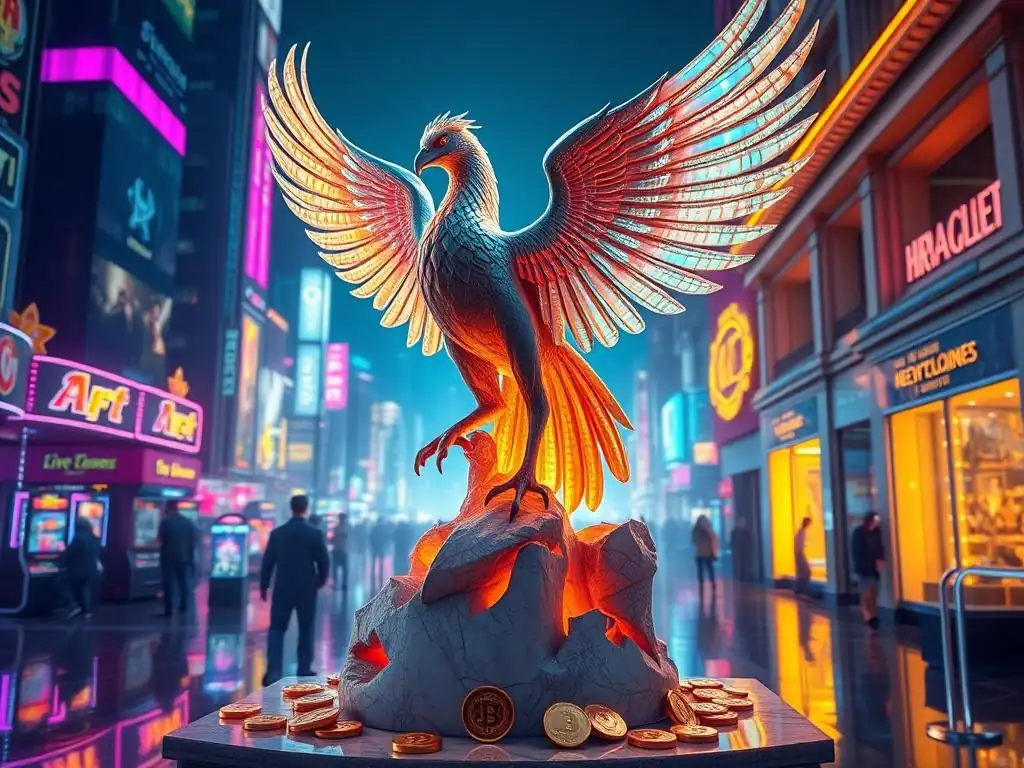
Dive into the captivating intersection of art and gaming as we explore NFT gaming art trends in our latest article. Discover how blockchain is revolutionizing the creation, ownership, and experience of digital art within interactive entertainment. What are the key drivers reshaping this space, and how will these trends impact the future of both industries? Let's unlock the potential together...
Blockchain Gaming and Digital Art: A Synergistic Ecosystem
- Introduction: The Intersection of Blockchain Gaming and Digital Art
- Understanding Digital Art in Blockchain Games: Key Attributes
- The Art World's Engagement with Blockchain Gaming: Opportunities and Challenges
- How Blockchain Gaming is Transforming the Art Landscape
- Notable Examples of In-Game Digital Art Integration
- The Economic Impact of In-Game Digital Art
- Overcoming Barriers to Widespread Adoption
- Future Predictions: The Evolution of Digital Art in Gaming
- Conclusion: The Future of Digital Art and Blockchain Gaming
-
Frequently Asked Questions
- What are some key NFT gaming art trends currently shaping the market?
- How is blockchain technology bridging the gap between digital art and interactive entertainment?
- What impact is NFT gaming having on traditional art markets?
- What are some regulatory concerns surrounding NFT gaming and digital art?
- What is the future potential for NFT gaming art trends in the metaverse?
- Final Reflection: The Enduring Canvas of Play
- Ignite Your Creative Spark: Dive Deeper into the NFT Art Revolution!
Introduction: The Intersection of Blockchain Gaming and Digital Art
Exploring the Synergy Between Blockchain Gaming and Digital Art Collectibles
The convergence of blockchain gaming and digital art is creating a fascinating new ecosystem where virtual worlds become canvases and in-game assets transform into valuable collectibles. This synergy arises from the shared principles of digital ownership and community engagement that underpin both blockchain gaming and the digital art world. NFT gaming, in particular, leverages the unique properties of Non-Fungible Tokens (NFTs) to represent in-game items – characters, weapons, land, and cosmetic items – as provably scarce and authentic digital assets.
This fundamental shift allows players to not just consume game content, but to actively participate in a player-owned economy, where digital art embedded within games can be traded, collected, and appreciated in ways previously unimaginable. The intersection is not merely about aesthetics; it's about fundamentally altering the relationship between players, artists, and game developers.
This burgeoning field of NFT gaming art trends is rapidly evolving, driven by both the increasing sophistication of blockchain technology and the growing acceptance of digital art as a legitimate art form. Early examples of blockchain games featured rudimentary graphics, but the current wave of development sees a significant emphasis on visual appeal and artistic design. Game developers are increasingly collaborating with digital artists to create visually stunning and highly collectible in-game NFTs.
This collaboration is not just enhancing the gaming experience but also opening up new avenues for artists to showcase their work and reach a global audience of gamers and collectors. The resulting ecosystem benefits both sectors, injecting artistic value into games and providing new interactive platforms for digital art.
The Rise of NFTs: Enabling Digital Ownership in Games and Art
The explosive growth of NFTs has been the catalyst for this intersection, providing the technological infrastructure to establish true digital ownership. Before NFTs, digital art and in-game items were often tethered to centralized platforms, lacking verifiable scarcity or ownership outside of the game's ecosystem. NFTs, built on blockchain technology, solve this problem by assigning a unique digital identity and ownership record to each digital asset.
This record is transparent, immutable, and verifiable on the blockchain, effectively transforming digital art and in-game items into tangible digital property. This shift is revolutionary, as it empowers both artists and gamers with unprecedented control and autonomy over their digital creations and assets.
For digital artists, NFTs offer a direct pathway to monetize their work without relying on traditional intermediaries like galleries or auction houses. They can mint their digital artworks as NFTs, set their own prices, and retain royalties on secondary market sales. In the gaming world, NFTs represent a paradigm shift from centralized game economies to player-owned economies.
Gamers can truly own their in-game assets, trade them freely on open marketplaces, and even potentially transfer them between different games or metaverse environments in the future. This sense of ownership is a powerful motivator for players and a key driver of the NFT gaming art trends, fostering a deeper engagement and investment in virtual worlds and the art they contain.
Understanding Digital Art in Blockchain Games: Key Attributes
Defining In-Game Digital Art: Unique NFT Assets in Play-to-Earn Games
In-game digital art within blockchain games refers to the array of NFT assets that players can acquire, use, and trade within these virtual environments. These assets are not merely decorative; they often possess intrinsic utility within the game, influencing gameplay, character progression, or earning potential, especially in play-to-earn models.
Examples of in-game digital art range from visually appealing avatars and character skins to intricately designed weapons, equipment, virtual land parcels, and even pieces of in-game lore represented as collectible cards or artifacts. The defining characteristic is that each item is a unique NFT, verifiably scarce and owned by the player, distinguishing it from traditional in-game items that are typically centrally controlled and non-transferable outside the game.
The integration of digital art as NFTs in games has given rise to new design paradigms. Game developers are increasingly focusing on creating visually compelling and artistically valuable in-game assets to enhance player experience and drive collectibility. For instance, games like Axie Infinity popularized the concept of NFT-based creatures, where each Axie is a unique digital artwork with distinct visual traits and battle stats.
Similarly, games like The Sandbox and Decentraland empower users to create and own virtual land NFTs, upon which they can build and showcase their own digital art creations, effectively turning the game world into a decentralized art gallery. This integration blurs the lines between gaming and art collection, creating a hybrid space where gameplay and art appreciation are intertwined.
Key Characteristics: Scarcity, Provenance, and In-Game Utility
Several key characteristics define digital art within blockchain games, distinguishing it from both traditional art and conventional in-game items. Scarcity is paramount. NFTs are inherently designed to be unique or limited in supply, ensuring that digital art assets within games retain their collectible value. Unlike traditional digital items that can be endlessly duplicated, NFT scarcity creates a sense of exclusivity and drives demand in the market.
Provenance, or the documented history of ownership, is another crucial attribute. Every NFT transaction is recorded on the blockchain, providing an immutable and transparent record of ownership and authenticity. This provenance is particularly appealing to art collectors, as it adds a layer of trust and verifiability to digital art ownership, mirroring the importance of provenance in the traditional art world.
Beyond scarcity and provenance, in-game utility is a defining feature of digital art in blockchain games. Unlike purely aesthetic digital art, in-game NFTs often have practical applications within the game environment. They can provide gameplay advantages, unlock exclusive features, or serve as entry passes to special events. This utility adds another layer of value beyond mere collectibility, making in-game digital art assets both visually appealing and functionally relevant.
For example, a rare NFT weapon might not only look visually impressive but also grant a player increased combat power. Similarly, a piece of virtual land NFT might allow a player to earn passive income or host interactive experiences. This blend of art, scarcity, provenance, and utility is what makes in-game digital art a unique and compelling asset class within the NFT gaming art trends.
The Art World's Engagement with Blockchain Gaming: Opportunities and Challenges
Artists Discovering New Revenue Streams Through In-Game NFT Integration
The integration of NFTs into gaming has opened up exciting new revenue streams for digital artists, surpassing the limitations of traditional art markets. Previously, digital artists often struggled to monetize their work effectively online, facing issues of copyright infringement and limited avenues for direct sales. NFT gaming provides a solution by allowing artists to directly embed their creations into game ecosystems as NFTs.
They can collaborate with game developers to design in-game assets, character skins, or even entire virtual environments, receiving compensation for their artistic contributions and potentially earning royalties on secondary market sales of these NFTs. This represents a significant shift towards empowering artists and giving them greater control over their creations and their economic value.
Furthermore, the global reach of blockchain gaming platforms expands the potential audience for digital artists exponentially. Unlike traditional art galleries that are geographically constrained, blockchain games are accessible to players worldwide. This global exposure allows artists to reach a diverse audience of gamers and collectors, potentially discovering new fans and buyers for their work.
The transparent and decentralized nature of NFT marketplaces also ensures fairer compensation for artists. Smart contracts embedded within NFTs can automatically distribute royalties to creators whenever their work is resold, ensuring that artists continue to benefit from the appreciation of their digital art over time. This model contrasts sharply with the traditional art world, where artists often see little or no benefit from secondary market sales.
Bridging the Gap: Showcasing Digital Art on Blockchain Gaming Platforms
Blockchain gaming platforms are increasingly becoming viable spaces for showcasing digital art, effectively bridging the gap between the art world and interactive entertainment. Virtual worlds within games like Decentraland and The Sandbox are designed to be user-generated content platforms, where individuals can create and display digital art in virtual galleries and spaces.
These platforms offer artists new avenues to exhibit their work in immersive and interactive environments, moving beyond the static displays of traditional online galleries. Artists can curate virtual exhibitions, host live events, and interact directly with audiences within these game worlds, fostering a more dynamic and engaging art experience.
Moreover, the inherent collectibility of NFTs within these gaming platforms adds another dimension to digital art appreciation. When art is presented as an NFT within a game, it gains not only aesthetic value but also potential in-game utility and investment value. This can attract a new segment of collectors who are drawn to both the artistic merit and the potential financial returns associated with NFT art.
Blockchain gaming platforms are, in essence, creating a new type of art market – one that is more accessible, interactive, and integrated with entertainment. This convergence is attracting attention from established artists and institutions within the traditional art world, who are beginning to explore the possibilities of showcasing and selling digital art within these innovative platforms.
Challenges for Traditional Artists Entering the Blockchain Gaming Space
While the opportunities are significant, traditional artists venturing into the blockchain gaming space also face certain challenges. One primary hurdle is the technical learning curve associated with blockchain technology and NFTs. Minting NFTs, understanding cryptocurrency wallets, and navigating decentralized marketplaces can be daunting for artists unfamiliar with these concepts. While user-friendly platforms are emerging, a degree of technical understanding is still required to effectively participate in the NFT gaming ecosystem. This technical barrier can deter some traditional artists who may be more comfortable with the established processes of the traditional art world.
Another challenge lies in adapting artistic styles and approaches to the aesthetics and requirements of game environments. Art for games often needs to be optimized for real-time rendering, interactivity, and integration with gameplay mechanics. Traditional artists accustomed to creating static artworks may need to adjust their workflows and artistic styles to suit the dynamic and interactive nature of games.
Furthermore, the culture and community within blockchain gaming can differ significantly from the traditional art world. Artists entering this space need to understand and engage with the gaming community, which often values utility and collectibility alongside artistic merit. Building a presence and gaining recognition within the NFT gaming art trends market requires artists to adapt their strategies and engage with a new audience and set of expectations.
How Blockchain Gaming is Transforming the Art Landscape
Democratizing Art Ownership: Expanding Access to Digital Art
Blockchain gaming is playing a crucial role in democratizing art ownership, making digital art more accessible to a wider audience beyond traditional art collectors. The lower entry barriers of NFT marketplaces compared to traditional art auctions and galleries open up opportunities for individuals with varying budgets to start collecting digital art. Fractional ownership of high-value NFTs, facilitated by blockchain technology, further reduces the financial barrier, allowing multiple individuals to co-own a single digital artwork. This democratized access is particularly significant for younger generations who are digitally native and more comfortable with online transactions and digital assets.
Furthermore, blockchain gaming platforms often integrate NFT marketplaces directly into their ecosystems, making it seamless for players to discover, purchase, and trade in-game digital art. This integration lowers the friction associated with art acquisition, making it more convenient and appealing to a broader audience. The play-to-earn models prevalent in many blockchain games also incentivize participation by rewarding players with NFT assets, effectively distributing digital art to a wider base of users.
This distribution mechanism contrasts with the traditional art world, where ownership is often concentrated among a smaller group of affluent collectors. By making digital art more accessible and integrated into everyday gaming experiences, blockchain gaming is fostering a new generation of art enthusiasts and collectors.
Fostering Community and Collaboration Between Artists and Players
Blockchain gaming environments are nurturing vibrant communities that bridge the gap between artists and players, fostering new forms of collaboration and engagement. Unlike the often-isolated experience of traditional art appreciation, blockchain games encourage interaction and community building around digital art. Players can directly interact with artists within game worlds, participate in virtual art events, and collectively appreciate and trade in-game NFT art assets. This direct interaction creates a stronger connection between creators and consumers, fostering a sense of shared ownership and participation in the art ecosystem.
Moreover, blockchain gaming platforms often empower players to become co-creators and curators of digital art experiences. User-generated content platforms within games like The Sandbox and Decentraland allow players to create their own digital art, build virtual galleries, and curate exhibitions. This collaborative environment blurs the lines between artist and audience, fostering a more participatory and dynamic art scene.
The decentralized nature of blockchain also enables new forms of artist-player collaboration, such as decentralized autonomous organizations (DAOs) that can collectively fund art projects, manage virtual galleries, or even commission in-game art from community members. This collaborative and community-driven approach is transforming the traditional art landscape, making it more inclusive, interactive, and participatory.
Creating New Forms of Artistic Expression Through Interactive Gaming
Blockchain gaming is not just a new platform for showcasing existing art forms; it is also inspiring entirely new forms of artistic expression uniquely suited to interactive and virtual environments. The interactive nature of games allows artists to create dynamic and evolving digital artworks that respond to player actions or in-game events. NFT art within games can be programmed to change its appearance, properties, or even functionality based on player interactions, creating a more personalized and engaging art experience. This interactivity opens up possibilities for artists to explore new dimensions of artistic expression beyond static images or sculptures.
Furthermore, the virtual worlds of blockchain games provide artists with a limitless canvas to create immersive and experiential art environments. Artists can design entire virtual landscapes, build interactive installations, and craft narrative-driven art experiences within game worlds.
These immersive art experiences move beyond passive observation, engaging players actively in the artwork and blurring the lines between art and entertainment. The combination of blockchain technology, NFTs, and interactive gaming is fostering a new wave of digital art that is dynamic, experiential, and deeply integrated with virtual environments, pushing the boundaries of artistic expression and NFT gaming art trends into uncharted territory.
Notable Examples of In-Game Digital Art Integration
Case Study 1: Axie Infinity - Digital Pets as Collectible Art
Axie Infinity, a play-to-earn blockchain game, provides a compelling case study of how digital pets can function as collectible art. Axies, the in-game creatures, are NFTs with unique visual appearances, battle stats, and breeding capabilities. Each Axie is procedurally generated with distinct combinations of body parts, classes, and abilities, making them visually diverse and strategically varied.
This inherent variability, combined with the scarcity of certain traits, has transformed Axies into sought-after digital collectibles, with some rare Axies fetching prices exceeding hundreds of thousands of dollars. In late 2021, a single "Angel" Axie was reportedly sold for 300 ETH, then equivalent to over $1.2 million, demonstrating the high value attributed to these digital pets as both game assets and digital art.
The artistic design of Axies is central to their appeal. The developers have invested in creating visually engaging and charming characters with distinct personalities conveyed through their artwork. The community actively participates in breeding and collecting Axies, driven not only by their in-game utility but also by their aesthetic appeal and collectibility. The success of Axie Infinity highlights how well-designed NFT game assets can transcend mere utility and become valuable digital art pieces, showcasing the potential of NFT gaming art trends to merge gameplay with art collection in a compelling and economically viable manner.
Case Study 2: Decentraland - User-Created Art in a Virtual World
Decentraland, a decentralized virtual world built on the Ethereum blockchain, exemplifies how users can create and showcase art within a metaverse environment. Decentraland is composed of LAND NFTs, which represent parcels of virtual real estate owned by users. Within their LAND, users can build anything from virtual homes and businesses to art galleries and interactive experiences.
This user-generated content ecosystem has fostered a vibrant digital art scene, where artists and collectors can create, display, and trade digital art within the metaverse. Numerous virtual art galleries have emerged in Decentraland, showcasing a diverse range of digital art forms, from 3D sculptures and interactive installations to NFT artworks imported from other platforms.
The freedom and ownership provided by Decentraland LAND NFTs empower users to become curators and patrons of digital art. Virtual galleries in Decentraland host exhibitions, events, and auctions, creating a dynamic and accessible art market within the metaverse. Artists can directly sell their NFT art to visitors, and collectors can build their virtual collections and display them in their own LAND parcels. Decentraland demonstrates how blockchain-based virtual worlds can serve as platforms for democratizing art creation and consumption, showcasing the potential of metaverse environments to become thriving hubs for digital art and NFT gaming art trends.
Analyzing the Impact of These Integrations
The case studies of Axie Infinity and Decentraland illustrate the diverse ways in which digital art is being integrated into blockchain gaming and virtual worlds. Axie Infinity demonstrates the power of well-designed in-game assets as collectible art, proving that utility and aesthetic appeal can coexist and drive significant market value.
Decentraland, on the other hand, showcases the potential of metaverse platforms to become decentralized art galleries and marketplaces, empowering users to create, curate, and trade digital art within immersive virtual environments. Both examples highlight the transformative impact of NFTs in enabling digital ownership and fostering new economies around digital art and gaming.
These integrations are not only changing the way art is created and consumed but also redefining the relationship between artists, players, and collectors. Blockchain gaming platforms are creating new revenue streams for artists, expanding access to art ownership for a broader audience, and fostering vibrant communities around digital art. The success of games like Axie Infinity and platforms like Decentraland is paving the way for further innovation and integration of digital art into the gaming and metaverse space, solidifying the role of NFT gaming art trends in shaping the future of both industries.
The Economic Impact of In-Game Digital Art
The Market for In-Game NFT Assets
The market for in-game NFT assets has experienced exponential growth, demonstrating the significant economic impact of digital art within blockchain gaming. In 2021, the NFT market as a whole surged to over $25 billion in sales volume, with a substantial portion attributed to in-game NFTs and metaverse assets.
Platforms like OpenSea and Rarible have become major marketplaces for trading in-game NFTs from various blockchain games, facilitating a vibrant secondary market where players can buy, sell, and trade their digital art assets. The trading volume of in-game NFTs fluctuates, but consistently demonstrates strong demand for well-designed and utility-rich digital art assets.
The economic value of in-game NFTs is driven by a combination of factors, including scarcity, aesthetic appeal, in-game utility, and community demand. Rare and visually striking NFT assets, especially those with significant in-game advantages or limited supply, often command premium prices. The play-to-earn mechanics of many blockchain games also contribute to the economic value of in-game NFTs, as players can earn cryptocurrency or additional NFTs by playing and participating in the game economy. This creates a self-sustaining ecosystem where the demand for in-game digital art is directly linked to its utility and earning potential within the game.
How Digital Art is Driving Blockchain Technology Adoption
The popularity of in-game digital art is playing a crucial role in driving broader adoption of blockchain technology beyond cryptocurrencies. The engaging and entertaining nature of gaming provides a more accessible and user-friendly entry point to blockchain for many individuals compared to complex financial applications. NFT gaming introduces users to concepts like cryptocurrency wallets, blockchain transactions, and digital ownership in a fun and interactive way. The visual appeal and collectibility of in-game digital art serve as a powerful incentive for users to learn about and engage with blockchain technology.
Furthermore, the economic success of NFT gaming and in-game digital art is attracting significant investment and development into the blockchain space. Venture capital firms and established gaming companies are increasingly investing in blockchain gaming projects and NFT platforms, recognizing the potential of this emerging market.
This influx of investment is fueling innovation in blockchain technology and infrastructure, leading to more scalable, user-friendly, and secure blockchain solutions. In this way, the appeal of in-game digital art is acting as a catalyst for the wider adoption and development of blockchain technology across various industries, beyond just the realm of gaming and art.
The Potential for Long-Term Investment in In-Game Digital Art
In-game digital art is increasingly being viewed as a legitimate asset class with potential for long-term investment, attracting both art collectors and investors seeking exposure to the digital economy. The scarcity and provenance guaranteed by NFTs, combined with the growing demand for digital assets, position in-game digital art as a potentially valuable store of value. While the NFT market is still relatively young and volatile, the underlying principles of digital ownership and scarcity suggest that well-selected in-game NFT assets could appreciate in value over time, especially as the metaverse and blockchain gaming ecosystems continue to expand.
However, like any investment, investing in in-game digital art carries risks. The value of NFTs can be influenced by factors such as game popularity, market trends, and technological advancements. Thorough research and due diligence are essential before investing in in-game NFT assets.
Investors should consider factors such as the game's development team, community support, in-game utility of the NFT, and the overall market trends for NFT gaming art trends. Despite the risks, the potential for long-term appreciation and the unique characteristics of in-game digital art as both collectibles and functional assets make it an increasingly interesting area for investment within the evolving digital asset landscape.
Overcoming Barriers to Widespread Adoption
Addressing Concerns About Environmental Impact
One significant barrier to the widespread adoption of NFT gaming and in-game digital art is the concern about the environmental impact of certain blockchain technologies. Early blockchain platforms, particularly those using Proof-of-Work (PoW) consensus mechanisms like the original Ethereum, have been criticized for their high energy consumption. The energy-intensive process of mining cryptocurrencies on PoW blockchains has raised environmental concerns, potentially hindering the mainstream acceptance of NFT gaming and digital art.
However, the blockchain space is actively evolving to address these concerns. Many newer blockchain platforms and Ethereum itself are transitioning to more energy-efficient consensus mechanisms like Proof-of-Stake (PoS), which significantly reduces energy consumption. Layer-2 scaling solutions built on top of existing blockchains also help to reduce transaction fees and energy usage.
Furthermore, there is growing awareness within the NFT gaming and art communities about choosing environmentally friendly blockchain platforms and exploring carbon offsetting initiatives. As blockchain technology continues to develop and prioritize sustainability, the environmental concerns associated with NFT gaming and digital art are being actively mitigated, paving the way for broader adoption.
Improving User Experience and Accessibility
Improving user experience (UX) and accessibility is crucial for mainstream adoption of NFT gaming and in-game digital art. The current user experience for interacting with blockchain technology can be complex and intimidating for non-technical users. Setting up cryptocurrency wallets, understanding gas fees, and navigating decentralized marketplaces can be confusing barriers for gamers and art enthusiasts unfamiliar with blockchain concepts. Simplifying these processes and making them more intuitive is essential to attract a wider audience.
Game developers and NFT platforms are actively working to improve UX and accessibility. User-friendly wallets, simplified onboarding processes, and integrated marketplace functionalities are being developed to streamline the user journey. Abstraction layers that hide the complexities of blockchain technology from the end-user are also becoming more prevalent. For example, some games are implementing "custodial wallets" that manage private keys on behalf of users, simplifying the wallet management process. As UX and accessibility continue to improve, the barriers to entry for NFT gaming and in-game digital art will lower, making them more appealing and accessible to a broader mainstream audience.
Ensuring Regulatory Compliance and Protecting Intellectual Property
Ensuring regulatory compliance and protecting intellectual property are essential for the long-term sustainability and widespread adoption of NFT gaming and in-game digital art. The regulatory landscape for NFTs and blockchain technology is still evolving globally, and uncertainty regarding legal frameworks and compliance requirements can create hesitation and hinder adoption. Clear and consistent regulations are needed to provide legal certainty and protect both creators and consumers within the NFT ecosystem.
Intellectual property (IP) protection is also a critical concern. While NFTs provide a mechanism for proving ownership of digital assets, challenges remain in enforcing IP rights in the decentralized and often anonymous environment of blockchain. Mechanisms for verifying the authenticity of NFT art and addressing copyright infringement are crucial for building trust and confidence in the NFT market. Collaborations between legal experts, blockchain developers, and industry stakeholders are necessary to establish robust regulatory frameworks and IP protection mechanisms that foster a secure and sustainable ecosystem for NFT gaming and in-game digital art.
Future Predictions: The Evolution of Digital Art in Gaming
The Potential for AI-Generated Art in Games
The integration of Artificial Intelligence (AI) into gaming is poised to revolutionize the creation and distribution of in-game digital art. AI algorithms can be used to generate unique and diverse in-game assets, character designs, and even entire virtual environments. AI-generated art can personalize the gaming experience, creating dynamic and evolving art that adapts to player preferences and actions. Imagine games where character appearances, weapon designs, or even the surrounding environment are procedurally generated and personalized by AI, resulting in truly unique and collectible in-game NFTs.
Furthermore, AI can democratize art creation within games, empowering players with limited artistic skills to generate their own personalized in-game art assets. AI-powered tools could allow players to customize characters, design virtual items, or even create their own in-game art galleries with ease.
This democratization of art creation could further blur the lines between artists and players, fostering a more participatory and user-generated content ecosystem within blockchain gaming. The convergence of AI and blockchain in gaming has the potential to unlock entirely new forms of artistic expression and NFT gaming art trends, making digital art creation and ownership more accessible and personalized than ever before.
The Rise of Metaverse Art Galleries
The metaverse is rapidly evolving into a vibrant space for digital art, and we can expect to see a significant rise in metaverse art galleries dedicated to showcasing and trading in-game digital art and other NFT artworks. Virtual worlds like Decentraland, The Sandbox, and others are already hosting thriving art scenes, with virtual galleries attracting artists, collectors, and visitors from around the globe. As the metaverse becomes more immersive and interconnected, these virtual art galleries will likely become increasingly sophisticated, offering richer and more engaging art experiences.
Future metaverse art galleries may incorporate advanced features like AI-powered art curation, personalized art recommendations, and interactive art installations. They could also host virtual art auctions, live artist talks, and social events, creating vibrant online communities around digital art. The accessibility and global reach of metaverse art galleries will continue to democratize art appreciation and collection, making digital art more readily available to a wider audience. The rise of metaverse art galleries will further solidify the position of in-game digital art and NFT gaming art trends within the broader art world, creating new opportunities for artists and collectors alike.
The Integration of AR/VR Technologies for Immersive Art Experiences
The integration of Augmented Reality (AR) and Virtual Reality (VR) technologies with blockchain gaming and digital art promises to create truly immersive and transformative art experiences. AR can bring in-game digital art into the real world, allowing users to view and interact with their NFT art collections in their physical surroundings. Imagine displaying your rare NFT art collection on your living room wall using AR, or interacting with virtual sculptures overlaid onto real-world environments.
VR technology will further enhance the immersive potential of metaverse art galleries and in-game art experiences. VR headsets can transport users into fully immersive virtual art spaces, allowing them to explore digital art in 360 degrees and interact with artworks in a more visceral and engaging way.
VR can also facilitate collaborative art experiences, allowing artists and collectors to interact within virtual art spaces regardless of their physical location. The integration of AR/VR technologies with blockchain gaming and digital art will push the boundaries of immersive art experiences, creating new and exciting possibilities for artistic expression and engagement with NFT gaming art trends.
Conclusion: The Future of Digital Art and Blockchain Gaming
Recap of Key Trends and Their Impact
The intersection of blockchain gaming and digital art represents a significant evolution in both industries, driven by the transformative power of NFTs. Key trends include the rise of in-game digital art as collectible assets, the democratization of art ownership and creation, the emergence of new revenue streams for artists, and the development of metaverse art galleries and immersive art experiences.
These trends are collectively reshaping the art landscape, making digital art more accessible, interactive, and integrated with entertainment. The impact is far-reaching, extending beyond the art and gaming worlds to influence broader adoption of blockchain technology and the development of the metaverse.
The economic impact of in-game digital art is undeniable, with a rapidly growing market for NFT assets and significant investment flowing into the blockchain gaming space. Challenges remain, including environmental concerns, UX improvements, and regulatory clarity, but the industry is actively addressing these barriers to widespread adoption. The future of digital art and blockchain gaming is bright, with ongoing innovation in AI-generated art, metaverse art galleries, and AR/VR integration promising to create even more immersive and transformative art experiences.
The Continued Evolution of Digital Art Ownership and Gaming
The evolution of digital art ownership and gaming is still in its early stages, and we can expect continued innovation and disruption in the years to come. NFT gaming art trends are likely to become increasingly sophisticated, with more complex and interactive forms of digital art emerging within game environments. The metaverse will continue to expand as a platform for digital art, with virtual galleries becoming more commonplace and integrated into our online lives. The concept of digital ownership, enabled by NFTs, will likely extend beyond art and gaming to encompass a wider range of digital assets and experiences.
The future of digital art ownership and gaming is intertwined, with each sector driving innovation and growth in the other. As blockchain technology matures and becomes more accessible, we can anticipate even greater integration of digital art into gaming and the metaverse, creating a synergistic ecosystem that benefits artists, players, and collectors alike. The continued evolution of NFT gaming art trends promises to unlock new forms of artistic expression, democratize art ownership, and redefine the relationship between art, technology, and entertainment in the digital age.
Frequently Asked Questions
What are some key NFT gaming art trends currently shaping the market?
Several trends are emerging, including interactive NFT art within games, generative NFT art used for in-game assets, and personalized NFT avatars that reflect player identity.
How is blockchain technology bridging the gap between digital art and interactive entertainment?
Blockchain enables true ownership of digital art within games, allowing players to buy, sell, and trade in-game assets as NFTs. This creates a new economic model where art becomes both collectible and functional.
What impact is NFT gaming having on traditional art markets?
NFT gaming is introducing a new audience to digital art, potentially driving demand and increasing the value of certain digital art pieces. It also fosters collaboration between traditional artists and game developers.
What are some regulatory concerns surrounding NFT gaming and digital art?
Regulatory concerns include the classification of NFTs as securities or commodities, anti-money laundering (AML) compliance, and the protection of intellectual property rights in the digital space.
What is the future potential for NFT gaming art trends in the metaverse?
The metaverse could provide a seamless environment for displaying and interacting with NFT art within virtual worlds. This could lead to increased demand and utility for NFT gaming art, blurring the lines between gaming, art, and social interaction.
Final Reflection: The Enduring Canvas of Play
The exploration of NFT gaming art trends reveals more than just a fleeting fad; it signifies a fundamental shift in how we perceive ownership, creation, and interaction within the digital realm. The convergence of art and gaming, fueled by blockchain technology, is not simply a technological advancement, but a cultural evolution reshaping the very definition of art itself.
This fusion continues to ripple through the art world, challenging traditional notions of scarcity and authenticity. It's fascinating to witness artists embracing this new medium, finding innovative ways to express themselves and connect with audiences in ways previously unimaginable. The purpose of art is washing the dust of daily life off our souls.
- Pablo Picasso. This quote resonates deeply as NFT gaming art offers a fresh perspective, a digital cleansing that revitalizes the creative spirit and invites us to engage with art in a dynamic and participatory manner.
Now, consider how you can embrace this evolving landscape. How can you, whether artist, gamer, or simply curious observer, contribute to the narrative of NFT gaming art? Explore the possibilities, support the creators, and most importantly, allow yourself to be inspired by the boundless potential of this digital frontier. The future of art is not just being observed; it's being played.
Ignite Your Creative Spark: Dive Deeper into the NFT Art Revolution!
Thank you for exploring the fascinating intersection of NFT gaming and the art world. We hope this article has shown how digital art is gaining new relevance through interactive entertainment. Now, it's time to deepen your understanding!
Ready to get involved?
- Start Collecting! Browse NFT marketplaces and discover unique in-game digital art pieces that resonate with you. Begin building your own collection and support the artists shaping this exciting new landscape. (Primary Action)
- Explore the Art of Play: Download and try out several NFT-based games to see firsthand how digital art is integrated and utilized.
- Share your Insights: Discuss your favorite NFT artists and games on social media using a designated hashtag and connect with other enthusiasts.
What innovative ways do you envision NFT gaming and art converging in the future? Share your thoughts in the comments below!
Leave a Reply