
Blockchain Demystified: Unlocking the Potential Beyond Cryptocurrencies for Beginners

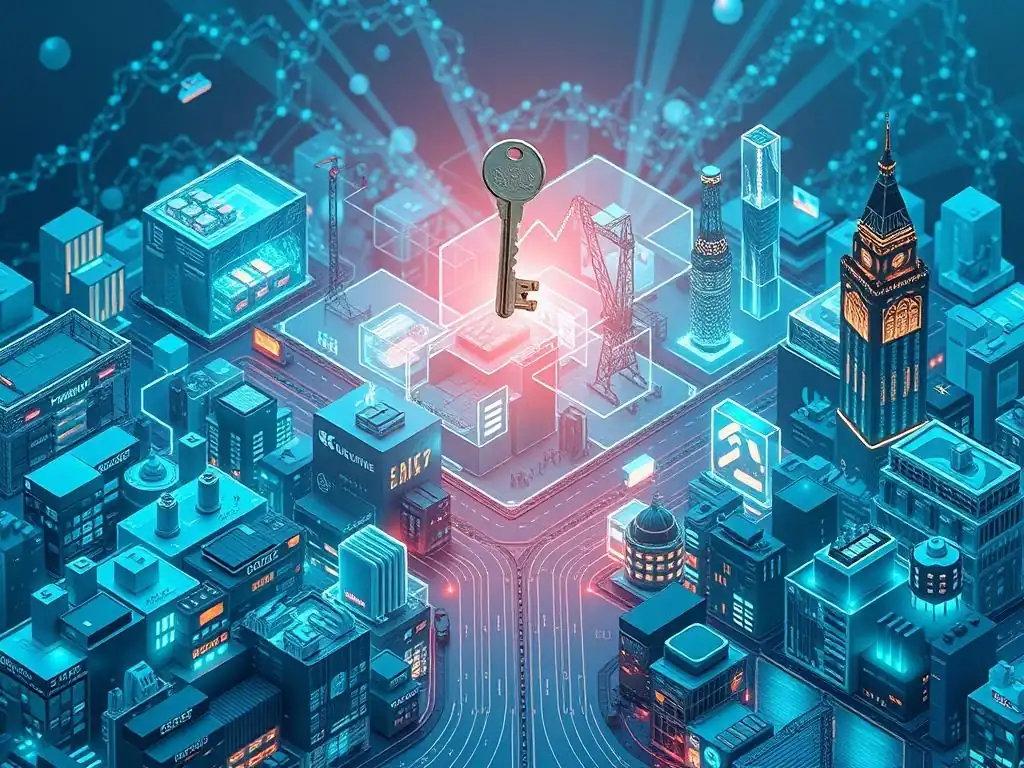
Welcome to Blockchain Trends, your compass in the rapidly evolving world of decentralized technologies. Are you ready to look beyond the hype surrounding cryptocurrencies and discover the real transformative power of blockchain? This week, we're diving deep into blockchain applications for businesses, exploring how this technology is reshaping industries and creating unprecedented opportunities. Curious to learn how blockchain can revolutionize your business model? Keep reading to unlock the potential!
Blockchain Demystified: Unlocking Potential Beyond Cryptocurrencies
- Introduction to Blockchain Technology and its Applications
- Understanding Blockchain Applications
- Real-World Examples
- Benefits of Blockchain Adoption
- Addressing Concerns and Misconceptions
- The Future of Blockchain
- Conclusion: Embracing the Potential
-
Frequently Asked Questions
- What are some practical blockchain applications for businesses besides cryptocurrency?
- How can blockchain improve the security of business data?
- What is DeFi, and how could it benefit businesses?
- What are the key regulatory considerations for businesses adopting blockchain technology?
- How might blockchain technology shape the future of decentralized systems and business operations?
- Final Reflection: Embracing the Blockchain Revolution
- Ignite Your Blockchain Journey!
Introduction to Blockchain Technology and its Applications
What is Blockchain and How Does it Work?
At its core, a blockchain is a revolutionary digital ledger system designed to record information in a way that makes it nearly impossible to alter, hack, or cheat the system. Imagine a shared, digital document that is duplicated across many computers in a network. This document, the blockchain, is made up of "blocks" of data that are chained together chronologically and secured using cryptography.
Each block contains a set of transactions, and once a block is added to the chain, it cannot be retroactively changed without altering all subsequent blocks, which requires the consensus of the network. This inherent security and immutability are what make blockchain technology so groundbreaking.
The process begins with a transaction or data entry. This data is then grouped together with other transactions to form a block. Before a block can be added to the chain, it must be validated by a network of computers, often through a process called "mining" or "consensus mechanism," which involves solving complex mathematical problems. Once validated, the block is added to the blockchain, becoming a permanent and unalterable record. This distributed, transparent, and secure nature of blockchain technology opens up a vast array of applications far beyond its initial association with cryptocurrencies.
Beyond Bitcoin: Exploring Diverse Uses
While Bitcoin, the first and most famous cryptocurrency, brought blockchain technology to the mainstream, its potential extends far beyond digital currencies. Bitcoin is just one application built upon a blockchain. The underlying technology, blockchain, is versatile and can be adapted for numerous other purposes. Think of blockchain as the internet of information, and Bitcoin as just one website on that internet. The true power lies in the infrastructure itself.
From supply chain management to healthcare, intellectual property protection to voting systems, the applications of blockchain are incredibly diverse. For instance, in supply chains, blockchain can track goods from origin to consumer, ensuring authenticity and transparency. In healthcare, it can securely store and manage patient records, improving data security and interoperability. The ability to create secure, transparent, and decentralized systems has sparked innovation across industries, making blockchain a technology with far-reaching implications beyond the realm of cryptocurrencies.
Why Businesses Should Pay Attention
Businesses today are operating in an increasingly complex and interconnected world. They face challenges related to data security, transparency, efficiency, and building trust with customers and partners. Blockchain technology offers solutions to many of these challenges, presenting a compelling reason for businesses across various sectors to pay close attention. Early adopters of blockchain applications are already seeing tangible benefits, from streamlined operations to enhanced customer trust.
Consider the increasing importance of data integrity in a data-driven economy. Blockchain's immutable nature ensures that data recorded on the chain is trustworthy and verifiable, reducing the risk of fraud and manipulation. Furthermore, the decentralized nature of blockchain can eliminate intermediaries, leading to cost savings and faster transaction times. For businesses looking to gain a competitive edge, improve operational efficiency, and build stronger trust relationships, understanding and exploring blockchain applications is no longer optional but increasingly becoming a strategic imperative.
Understanding Blockchain Applications
Supply Chain Management with Blockchain
Supply chains are often complex networks involving multiple stakeholders, geographical locations, and intricate processes. This complexity can lead to inefficiencies, lack of transparency, and difficulties in tracking goods. Blockchain technology offers a powerful solution by providing a shared, immutable ledger that all participants in the supply chain can access and contribute to. Imagine tracking a shipment of coffee beans from a farm in Colombia to a café in New York. With blockchain, every step of the journey – from harvesting and processing to shipping and delivery – can be recorded on the blockchain.
This enhanced visibility allows businesses to track the provenance of products, verify authenticity, and ensure ethical sourcing. For example, consumers can scan a QR code on a product to see its entire journey, building trust and confidence in the brand. Furthermore, blockchain can streamline processes by automating tasks like payments and documentation, reducing delays and costs.
According to a report by IBM, companies utilizing blockchain in their supply chains have seen a reduction in shipping costs by up to 10% and a decrease in transit times by as much as 15%. This improved efficiency and transparency are key drivers for blockchain adoption in supply chain management.
Enhancing Data Security and Transparency
Data breaches and cybersecurity threats are a growing concern for businesses of all sizes. Traditional centralized data storage systems are vulnerable to single points of failure, making them attractive targets for hackers. Blockchain, with its decentralized and cryptographic nature, offers a more secure and transparent alternative. Data stored on a blockchain is distributed across a network of computers, making it significantly harder for malicious actors to tamper with or compromise the information. Each transaction is encrypted and linked to the previous one, creating a tamper-proof record.
Transparency is another key benefit. While data on a blockchain is secure, it can also be made transparent to authorized parties. This transparency can foster trust and accountability, particularly in industries where data integrity is paramount. For instance, in voting systems, blockchain can ensure that votes are securely recorded and auditable, enhancing the integrity of the electoral process. Similarly, in pharmaceutical supply chains, blockchain can track drugs to combat counterfeiting and ensure patient safety. The combination of enhanced security and transparency makes blockchain an invaluable tool for businesses seeking to protect sensitive data and build trust with stakeholders.
Blockchain Solutions for Financial Services
The financial services industry, traditionally reliant on intermediaries and complex systems, is ripe for disruption by blockchain technology. Blockchain offers the potential to streamline operations, reduce costs, enhance security, and create new financial products and services. From payments and remittances to lending and trading, blockchain applications are transforming various aspects of the financial landscape. The inherent security and efficiency of blockchain make it particularly well-suited for addressing many of the challenges faced by traditional financial institutions.
Decentralized Finance (DeFi)
Decentralized Finance, or DeFi, represents a paradigm shift in financial services. DeFi aims to recreate traditional financial instruments in a decentralized manner, without the need for intermediaries like banks or brokers. Built on blockchain networks, primarily Ethereum, DeFi platforms offer services such as lending, borrowing, trading, and yield farming through smart contracts – self-executing contracts with the terms of the agreement directly written into code. This automation and decentralization reduce costs, increase efficiency, and promote financial inclusion by providing access to financial services for individuals who may be underserved by traditional systems.
For example, DeFi lending platforms allow users to borrow and lend cryptocurrencies directly from each other, often with more favorable interest rates than traditional banks. Decentralized exchanges (DEXs) enable peer-to-peer trading of digital assets without the need for central intermediaries. While still in its early stages, DeFi is rapidly evolving and has the potential to revolutionize the financial industry by creating a more open, accessible, and efficient financial ecosystem. The total value locked in DeFi protocols has grown exponentially in recent years, reaching over $50 billion in 2023, demonstrating the increasing interest and adoption of these decentralized financial solutions.
Streamlining Payments
Traditional payment systems often involve multiple intermediaries, leading to delays and high transaction fees, especially for cross-border payments. Blockchain technology can significantly streamline payment processes, making them faster, cheaper, and more secure. Cryptocurrencies, built on blockchain, enable peer-to-peer transactions that bypass traditional banking networks. This eliminates intermediary fees and reduces processing times, making them particularly attractive for international remittances and payments.
Furthermore, blockchain-based payment systems can enhance security by utilizing cryptographic techniques to protect transaction data. Companies like Ripple are leveraging blockchain to develop enterprise payment solutions that facilitate real-time cross-border payments with lower fees compared to traditional systems like SWIFT. The increased speed and reduced costs of blockchain-based payments offer significant advantages for businesses, particularly those operating globally or dealing with high volumes of transactions. The global remittance market, estimated at over $700 billion annually, is a prime example of an area where blockchain payment solutions can have a significant impact.
Blockchain in Healthcare: Securing Data
The healthcare industry handles vast amounts of sensitive patient data, making data security and privacy paramount. Blockchain technology offers a robust solution for securing healthcare data and improving data management. Patient records stored on a blockchain can be encrypted and made accessible only to authorized individuals, such as doctors and patients themselves. This enhances patient privacy and control over their medical information, addressing growing concerns about data breaches and unauthorized access in the healthcare sector.
Moreover, blockchain can facilitate the secure sharing of medical data between different healthcare providers, improving care coordination and efficiency. For example, a patient's medical history can be seamlessly accessed by different specialists involved in their care, leading to better diagnoses and treatment plans. Blockchain can also be used to track pharmaceuticals throughout the supply chain, combating counterfeit drugs and ensuring the integrity of medication. Research by Accenture suggests that blockchain could save the healthcare industry billions of dollars annually by improving supply chain efficiency, reducing fraud, and enhancing data security.
Blockchain and Intellectual Property: Protecting Assets
Protecting intellectual property (IP) is crucial for businesses, artists, and inventors. Traditional IP protection methods can be complex, costly, and sometimes inefficient. Blockchain technology provides a secure and transparent way to register and manage intellectual property rights. By recording IP assets on a blockchain, creators can establish proof of ownership and timestamp their creations, making it easier to protect against copyright infringement and plagiarism. The immutable nature of blockchain ensures that these records are permanent and verifiable.
For instance, artists can register their artwork on a blockchain, creating a digital certificate of authenticity that proves their ownership. Similarly, inventors can register patents on a blockchain, providing a secure and auditable record of their inventions. Platforms are emerging that utilize blockchain to create digital registries for various types of IP, from trademarks and copyrights to patents and trade secrets.
This can simplify the IP registration process, reduce costs, and enhance the enforcement of IP rights, fostering innovation and creativity. The global market for intellectual property is estimated to be worth trillions of dollars, highlighting the importance of effective IP protection mechanisms, and blockchain offers a promising tool in this domain.
Real-World Examples
Case Study: Maersk and TradeLens
The global shipping industry is characterized by complex paperwork, numerous intermediaries, and a lack of transparency. Maersk, the world's largest container shipping company, recognized these challenges and partnered with IBM to develop TradeLens, a blockchain-based platform designed to digitize and streamline global trade. TradeLens aims to bring together various stakeholders in the shipping ecosystem – including shipping lines, ports, customs authorities, and cargo owners – onto a single, secure, and transparent platform.
By using blockchain, TradeLens provides a shared view of shipment data, enabling real-time tracking of cargo, automated documentation processes, and improved communication among stakeholders. This reduces delays, lowers costs, and enhances security throughout the supply chain. Early adopters of TradeLens have reported significant improvements in efficiency, with some companies experiencing a reduction in shipment processing times by up to 40%. As of 2023, TradeLens has onboarded over 300 organizations and is processing millions of shipping events per week, demonstrating the real-world impact of blockchain in transforming global trade.
Success Stories: Companies Leveraging Blockchain
Beyond TradeLens, numerous companies across diverse industries are successfully leveraging blockchain to solve real-world problems and gain a competitive advantage. Walmart, for example, uses blockchain to track the provenance of food products, enhancing food safety and transparency for consumers. They have successfully traced mangoes and pork using blockchain, significantly reducing the time it takes to trace a product back to its origin from weeks to seconds.
Pharmaceutical companies like Pfizer are exploring blockchain to combat counterfeit drugs and improve supply chain integrity. By tracking drugs from manufacturing to distribution, blockchain can help ensure that patients receive genuine medication. In the financial sector, JPMorgan Chase has developed Quorum, a blockchain platform used for interbank payments and other financial applications. These examples demonstrate that blockchain is not just a theoretical concept but a practical technology being implemented by leading companies to drive innovation and efficiency across various sectors.
Benefits of Blockchain Adoption

Increased Efficiency and Reduced Costs
One of the primary drivers for blockchain adoption is its potential to significantly increase efficiency and reduce costs. By automating processes, eliminating intermediaries, and streamlining workflows, blockchain can create significant cost savings for businesses. For example, in supply chain management, blockchain can automate documentation processes, reducing paperwork and administrative overhead. In financial services, blockchain can enable faster and cheaper transactions by bypassing traditional banking networks.
Smart contracts, self-executing contracts coded on a blockchain, can automate various business processes, reducing the need for manual intervention and minimizing errors. A study by Deloitte estimates that blockchain technology can reduce transaction costs by up to 50% in certain industries. These cost savings, coupled with increased efficiency, provide a strong financial incentive for businesses to explore and adopt blockchain solutions.
Enhanced Security and Trust
In an era of increasing cyber threats and data breaches, security is paramount. Blockchain technology offers enhanced security features due to its decentralized and cryptographic nature. Data stored on a blockchain is distributed across a network of computers, making it much harder to hack compared to centralized systems. Cryptographic techniques, such as hashing and encryption, further secure the data and ensure its integrity.
Furthermore, blockchain fosters trust by providing transparency and immutability. Once data is recorded on a blockchain, it cannot be altered or deleted, creating an auditable and verifiable record. This transparency builds trust among participants in a network, as everyone has access to the same information. In industries where trust and security are critical, such as finance, healthcare, and supply chain, blockchain offers a compelling solution for building more secure and trustworthy systems.
Improved Transparency and Traceability
Transparency and traceability are increasingly important for businesses seeking to build trust with customers and comply with regulations. Blockchain's inherent transparency allows for tracking and verifying transactions and data in a secure and auditable manner. This is particularly valuable in supply chains, where consumers are demanding more information about the origin and journey of products. Blockchain enables end-to-end traceability, from raw materials to finished goods, providing consumers with greater visibility and assurance.
For example, in the food industry, blockchain can track food products from farm to table, ensuring food safety and authenticity. In the pharmaceutical industry, blockchain can track drugs to combat counterfeiting and ensure medication integrity. This improved transparency and traceability not only builds consumer trust but also helps businesses comply with regulations and improve operational efficiency.
New Business Models
Blockchain technology is not just about improving existing processes; it also enables the creation of entirely new business models. Decentralized platforms, powered by blockchain, are disrupting traditional industries by creating peer-to-peer marketplaces and services that bypass intermediaries. Decentralized Finance (DeFi), for example, is creating new financial services that are more accessible and efficient than traditional banking systems.
Non-Fungible Tokens (NFTs), built on blockchain, are creating new business models in the digital art, collectibles, and gaming industries. NFTs allow for the tokenization of digital assets, creating scarcity and ownership in the digital realm. Blockchain also facilitates the development of decentralized autonomous organizations (DAOs), which are organizations governed by code and community consensus, opening up new possibilities for decentralized governance and collaboration. These new business models, enabled by blockchain, have the potential to transform industries and create new economic opportunities.
Addressing Concerns and Misconceptions
Myth: Blockchain is Only for Cryptocurrency
One of the most common misconceptions about blockchain is that it is solely associated with cryptocurrencies like Bitcoin. While Bitcoin was the first prominent application of blockchain technology, it is crucial to understand that blockchain is a technology that is independent of cryptocurrencies and has a much broader range of applications. Cryptocurrencies are just one use case of blockchain, and focusing solely on them obscures the vast potential of the underlying technology.
Blockchain is essentially a distributed ledger technology that can be used to record and verify any type of data or transaction, not just financial transactions. Its core features – decentralization, security, transparency, and immutability – make it valuable across various industries, from supply chain management and healthcare to voting systems and intellectual property protection. To equate blockchain solely with cryptocurrency is to miss the forest for the trees, ignoring the transformative potential of this technology across numerous sectors.
Reality: Blockchain's Versatility
The reality is that blockchain is a highly versatile technology with applications far beyond cryptocurrencies. Its ability to create secure, transparent, and decentralized systems makes it applicable to a wide range of use cases across diverse industries. From enhancing supply chain traceability to securing healthcare data, from streamlining financial transactions to protecting intellectual property, blockchain's versatility is its key strength.
Businesses are increasingly recognizing this versatility and exploring blockchain applications to solve specific challenges and create new opportunities. The examples of Maersk's TradeLens, Walmart's food traceability, and Pfizer's pharmaceutical supply chain initiatives demonstrate the practical and diverse applications of blockchain in the real world. Understanding blockchain's versatility is essential for businesses to unlock its full potential and leverage it for innovation and competitive advantage.
Addressing Scalability and Energy Consumption
While blockchain offers numerous benefits, it also faces certain challenges, particularly scalability and energy consumption, especially for public blockchains using Proof-of-Work consensus mechanisms like Bitcoin and early Ethereum. Scalability refers to the ability of a blockchain network to handle a large volume of transactions efficiently, similar to traditional payment processing networks like Visa or Mastercard. Early blockchain networks faced limitations in transaction throughput, which has been a barrier to wider adoption for high-volume applications.
Energy consumption is another concern, particularly for Proof-of-Work blockchains, which require significant computational power for mining and transaction validation. However, the blockchain ecosystem is actively working to address these challenges. Solutions like layer-2 scaling solutions (e.g., Lightning Network, Polygon), sharding, and alternative consensus mechanisms (e.g., Proof-of-Stake) are being developed and implemented to improve scalability and reduce energy consumption. Furthermore, private and permissioned blockchains, often used in enterprise applications, can be designed to be more scalable and energy-efficient than public blockchains. Ongoing innovation and development are continuously improving the scalability and sustainability of blockchain technology.
The Future of Blockchain
Emerging Trends
The blockchain landscape is constantly evolving, with several emerging trends shaping its future. One key trend is the increasing adoption of blockchain by enterprises across various industries, moving beyond initial pilot projects to real-world implementations. Interoperability, the ability for different blockchains to communicate and interact with each other, is another crucial trend. Projects focused on cross-chain communication are gaining momentum, aiming to create a more interconnected and seamless blockchain ecosystem.
Decentralized Autonomous Organizations (DAOs) are also emerging as a significant trend, exploring new models of decentralized governance and community-driven organizations. The metaverse and Web3 are increasingly intertwined with blockchain, with NFTs and blockchain-based platforms playing a key role in building decentralized and user-owned digital worlds. Furthermore, the development of more sustainable and energy-efficient blockchain solutions is a critical trend, driven by growing environmental concerns and the need for greener technologies. These emerging trends indicate a dynamic and rapidly evolving future for blockchain technology.
The Role of Regulation
Regulation is playing an increasingly important role in shaping the future of blockchain. Governments and regulatory bodies around the world are grappling with how to regulate blockchain and cryptocurrencies, balancing innovation with investor protection and financial stability. The regulatory landscape is still evolving and varies significantly across jurisdictions. Some countries are taking a proactive and supportive approach to blockchain innovation, while others are adopting a more cautious and restrictive stance.
Clear and consistent regulations are crucial for fostering the responsible growth of the blockchain industry. Regulations that provide clarity on legal and compliance requirements can encourage innovation and investment while mitigating risks. Areas such as data privacy, consumer protection, and anti-money laundering are key focus areas for blockchain regulation. The future of blockchain will be significantly influenced by how regulations are developed and implemented globally, striking a balance between fostering innovation and addressing potential risks.
Preparing for Blockchain Adoption
For businesses considering blockchain adoption, preparation is key. The first step is to understand blockchain technology and its potential applications relevant to their specific industry and business needs. Identifying specific use cases and business problems that blockchain can solve is crucial. This requires a strategic approach, involving stakeholders from different departments to explore potential opportunities and challenges.
Conducting pilot projects and proof-of-concepts is a valuable way to test blockchain solutions in a real-world setting and assess their feasibility and benefits before full-scale implementation. Building internal expertise and partnerships with blockchain technology providers are also important steps in preparing for adoption. Furthermore, businesses need to consider regulatory compliance and data privacy implications when implementing blockchain solutions. A well-planned and phased approach is essential for successful blockchain adoption and realizing its transformative potential.
Conclusion: Embracing the Potential
The Transformative Power
Blockchain technology is more than just a buzzword; it represents a fundamental shift in how we store, manage, and share information. Its transformative power lies in its ability to create secure, transparent, and decentralized systems, fostering trust, efficiency, and innovation across various sectors. From revolutionizing financial services to transforming supply chains, from enhancing data security to enabling new business models, blockchain's potential is vast and far-reaching.
While still relatively early in its adoption curve, blockchain is rapidly maturing and demonstrating its real-world impact across industries. Businesses that embrace blockchain and explore its applications are positioning themselves to gain a competitive advantage in an increasingly digital and interconnected world. The transformative power of blockchain lies not just in its technological capabilities but also in its potential to reshape industries and create new economic opportunities.
Blockchain as a Catalyst
Blockchain technology is not just a solution in itself; it serves as a catalyst for innovation and disruption. It empowers businesses to rethink traditional processes, create new business models, and build more efficient and trustworthy systems. By fostering decentralization, transparency, and security, blockchain unlocks new possibilities for collaboration, efficiency, and value creation.
As blockchain technology continues to evolve and mature, its role as a catalyst for innovation will only grow stronger. Businesses that embrace a proactive and strategic approach to blockchain adoption will be well-positioned to leverage its transformative potential and drive innovation in their respective industries. Blockchain is not just about technology; it is about creating a more efficient, transparent, and trustworthy future, and its journey has just begun.
Frequently Asked Questions
What are some practical blockchain applications for businesses besides cryptocurrency?
Blockchain technology extends far beyond just cryptocurrencies. Businesses can leverage it for supply chain management, enhanced security through immutable records, and streamlining data sharing between partners.
How can blockchain improve the security of business data?
Blockchain's inherent security stems from its decentralized and encrypted nature. This creates an immutable record of transactions, making it highly resistant to tampering and fraud, enhancing overall data integrity.
What is DeFi, and how could it benefit businesses?
DeFi, or Decentralized Finance, uses blockchain to offer financial services without intermediaries. Businesses can benefit from lower transaction costs, increased transparency, and access to new funding models through DeFi platforms.
What are the key regulatory considerations for businesses adopting blockchain technology?
Navigating the regulatory landscape is crucial. Businesses must consider data privacy laws, compliance with financial regulations (if applicable), and the evolving legal definitions surrounding blockchain technology.
How might blockchain technology shape the future of decentralized systems and business operations?
Blockchain promotes trust and transparency, fostering decentralized systems. This could lead to more collaborative business models, reduced reliance on central authorities, and greater efficiency in various operational processes.
Final Reflection: Embracing the Blockchain Revolution
The exploration of blockchain technology beyond cryptocurrencies reveals a landscape brimming with potential for businesses across diverse sectors. The true power of blockchain lies not just in digital currencies, but in its ability to foster transparency, security, and efficiency in countless applications. This understanding is crucial today, as businesses seek innovative solutions to streamline operations and build trust in an increasingly digital world.
The impact of blockchain is already being felt, reshaping industries from supply chain management to healthcare. Witnessing this transformation firsthand underscores the importance of understanding and embracing this technology, not just as a trend, but as a fundamental shift in how we conduct business and interact with data. The blockchain does one thing: It creates true digital scarcity.
- Naval Ravikant. This quote encapsulates the core value proposition of blockchain, highlighting its ability to create unique and verifiable digital assets, opening doors to entirely new business models.
As you consider the potential of blockchain applications for your own business, I encourage you to move beyond the hype and explore the practical solutions it offers. Take the time to understand the underlying principles, identify areas where blockchain can address your specific challenges, and embrace the opportunity to be a part of this technological revolution. The future of business is being built on trust and transparency, and blockchain is the key to unlocking that future.
Okay, here's a CTA for the end of an article titled "Blockchain Demystified: Unlocking the Potential Beyond Cryptocurrencies for Beginners" on a website called "Blockchain Trends" with the domain "blockchaintrends.org":
Ignite Your Blockchain Journey!
Thank you for exploring the fascinating world of blockchain with us! We hope you've gained a solid understanding of its potential beyond just cryptocurrencies. Now, it's time to take your newfound knowledge and put it into action.
- Dive Deeper: Research a specific industry and identify three ways blockchain could revolutionize it.: This is your primary action - putting your new knowledge to use.
- Share this article with a friend or colleague who is curious about blockchain and spark a conversation.
- Explore the "Blockchain Trends" forums and join the discussion on innovative use cases beyond cryptocurrency.
What's the first real-world problem you're inspired to solve using blockchain technology? Share your ideas in the comments below!
Leave a Reply