
Blockchain for Clinical Trials Supply Chain: Enhancing Transparency and Efficiency


Welcome to Blockchain Trends, your premier source for in-depth analysis of blockchain's revolutionary impact beyond the world of cryptocurrency. Ever wondered how blockchain can revolutionize the clinical trials supply chain, ensuring data integrity and streamlined logistics? Dive into our latest article to uncover how blockchain clinical trials supply chain solutions are poised to transform the healthcare industry, addressing critical challenges and paving the way for a more transparent and efficient future. Explore the possibilities and discover how this cutting-edge technology is reshaping healthcare as we know it.
Blockchain for Clinical Trials Supply Chain: Enhancing Transparency and Efficiency
- Introduction: Revolutionizing Clinical Trial Logistics with Blockchain
- Understanding the Clinical Trial Supply Chain Challenges
- How Blockchain Technology Addresses Supply Chain Pain Points
- Key Benefits of Implementing Blockchain in Clinical Trials Supply Chain
- Use Cases and Applications of Blockchain in Clinical Trials
-
Implementing a Blockchain Solution for Clinical Trials: Key Considerations
- Choosing the Right Blockchain Platform for Clinical Trial Needs
- Data Privacy and Security Considerations in Blockchain Implementation
- Integration with Existing Clinical Trial Management Systems
- Regulatory Landscape and Compliance Requirements for Blockchain in Pharma
- Scalability and Interoperability of Blockchain Solutions
- Overcoming Challenges and Potential Risks
- The Future of Blockchain in Clinical Trial Supply Chain
- Conclusion: Blockchain as a Catalyst for Transformation in Clinical Research
-
Frequently Asked Questions
- How does blockchain enhance transparency in the clinical trials supply chain?
- What are the key benefits of using blockchain in managing clinical trial supplies?
- Can blockchain help streamline the regulatory compliance process for clinical trials?
- What role does blockchain play in ensuring the integrity of clinical trial data within the supply chain?
- How will the adoption of blockchain impact the future of clinical trials and pharmaceutical supply chains?
- Final Reflection: Securing the Future of Clinical Trials
- Unlock the Future of Clinical Trials: Take Action Now!
Introduction: Revolutionizing Clinical Trial Logistics with Blockchain
The clinical trial supply chain is a complex, multi-faceted network involving numerous stakeholders, including pharmaceutical companies, contract research organizations (CROs), manufacturers, distributors, clinical sites, and patients. Ensuring the integrity, security, and timely delivery of investigational medicinal products (IMPs) and associated materials is paramount for trial success and patient safety. Historically, managing this intricate process has been plagued by inefficiencies, lack of real-time visibility, and significant risks such as counterfeiting, diversion, and data integrity issues.
Revolutionizing this critical area requires innovative technological solutions. Blockchain technology, known for its decentralized, immutable ledger system, presents a compelling opportunity to address the inherent challenges within the clinical trial supply chain. By providing a single, transparent, and secure source of truth for tracking products and data, blockchain has the potential to fundamentally transform how clinical trial logistics are managed, leading to enhanced efficiency, improved compliance, and greater trust among all participants.
The Urgent Need for Transparency in Clinical Trials
Transparency in clinical trials is not merely a regulatory requirement; it is fundamental to patient safety, data integrity, and public trust in medical research. The journey of an investigational product from manufacturing through distribution, storage, and administration at clinical sites involves multiple handoffs and data recording points. Without a transparent system, it becomes difficult to verify the authenticity, condition, and location of products at any given time, increasing the risk of errors, spoilage, or even the introduction of counterfeit goods into the supply chain.
Moreover, the lack of end-to-end visibility hinders effective monitoring and timely intervention in case of issues like unexpected delays or temperature excursions for sensitive materials. Regulatory bodies like the FDA and EMA place stringent requirements on maintaining accurate records and demonstrating the chain of custody for IMPs. Opaque or fragmented systems make meeting these requirements challenging and labor-intensive, potentially delaying trials or leading to compliance failures. A more transparent system is urgently needed to ensure that every step of the clinical trial supply chain is verifiable and auditable.
Introducing Blockchain Technology for Clinical Trial Supply Management
Blockchain technology offers a novel approach to creating the necessary transparency and security in clinical trial supply management. At its core, blockchain is a distributed ledger that records transactions immutably and chronologically across a network of participants. Each transaction is grouped into a block, cryptographically linked to the previous block, forming a chain. Once data is added to the blockchain, it is exceptionally difficult to alter, providing a high level of data integrity and security.
For the clinical trial supply chain, this means that every movement of an investigational product, every temperature reading from a sensor, or every data entry related to product handling can be recorded on the ledger. Authorized parties can access this shared, tamper-evident record, creating unparalleled visibility across the entire chain. This distributed, secure, and transparent system for managing the flow of goods and information is precisely what is needed to overcome many of the current limitations in clinical trial logistics.
Understanding the Clinical Trial Supply Chain Challenges
The complexity of clinical trials extends significantly into their supply chains. Coordinating the delivery of specific, often temperature-sensitive, investigational products to numerous global sites, managing returns, and ensuring proper destruction requires meticulous planning and execution. However, current systems often rely on disparate databases, manual processes, and limited real-time communication, creating significant hurdles.
These challenges directly impact the speed, cost, and integrity of clinical research. Delays in product delivery can halt trials, improper storage can render products unusable, and errors in documentation can lead to regulatory scrutiny. A deep understanding of these pain points is essential before exploring how new technologies like blockchain can provide effective solutions for the blockchain clinical trials supply chain.
Current Inefficiencies and Vulnerabilities in Clinical Trial Logistics
Current clinical trial logistics systems are often characterized by fragmentation and a lack of interoperability between the various stakeholders involved. Data is frequently siloed within different organizations – the manufacturer has their data, the distributor has theirs, and the clinical site maintains separate records. This leads to delays in information sharing, reconciliation issues, and a lack of a single, authoritative view of the supply chain status. Manual data entry is still prevalent in many areas, increasing the risk of human error, which can have serious consequences for product tracking and accountability.
Furthermore, the supply chain is vulnerable to external threats and internal errors. Product diversion, where legitimate products are redirected from their intended path, and the risk of counterfeit investigational products entering the chain are significant concerns that can compromise patient safety and trial outcomes. The lack of real-time, verifiable tracking makes it difficult to detect such incidents promptly. These inefficiencies and vulnerabilities represent major obstacles to conducting efficient and secure clinical trials globally.
The High Costs of Supply Chain Errors in Clinical Research
Errors within the clinical trial supply chain can result in substantial financial burdens for pharmaceutical companies and research organizations. Product spoilage due to improper temperature control or storage conditions can lead to the loss of valuable investigational products, which are often expensive to manufacture. Estimates vary widely depending on the product and trial phase, but the cost of lost or damaged product in a large, multi-site trial can run into hundreds of thousands or even millions of dollars per trial.
Beyond direct product loss, supply chain issues contribute to trial delays, which are incredibly costly. Extending a clinical trial can cost a sponsor anywhere from [Insert estimated cost range per day/week/month] per day, depending on the phase and size of the trial. Delays caused by logistics problems, such as delayed shipments or regulatory holds due to documentation errors, directly impact these costs. Addressing supply chain errors is not just about improving efficiency; it's about mitigating significant financial risks in clinical research.
Regulatory Compliance and Data Integrity Issues in Clinical Trials
Maintaining stringent regulatory compliance is non-negotiable in clinical trials. Organizations must adhere to Good Clinical Practice (GCP), Good Manufacturing Practice (GMP), and Good Distribution Practice (GDP) standards, which require meticulous record-keeping, audit trails, and proof of product integrity throughout the supply chain. Demonstrating chain of custody – showing exactly who handled a product, when, and where – is a critical aspect of compliance, especially for controlled substances or high-value IMPs.
Current paper-based or fragmented electronic systems can make it difficult and time-consuming to compile comprehensive audit trails for regulatory inspections. Data integrity is also a constant concern; ensuring that data related to product handling, storage conditions, and administration is accurate, complete, and protected from unauthorized alteration is paramount. Failures in data integrity or compliance can lead to regulatory warnings, trial suspensions, or even the invalidation of trial data, jeopardizing years of research and investment.
How Blockchain Technology Addresses Supply Chain Pain Points
Blockchain technology, with its inherent characteristics of decentralization, immutability, and transparency, offers powerful solutions to many of the long-standing challenges in the blockchain clinical trials supply chain. By establishing a shared, tamper-evident record of transactions and data, it creates a foundation for a more trustworthy and efficient system.
The application of blockchain goes beyond simple tracking; it enables new levels of automation and security through features like smart contracts and cryptographic hashing. These capabilities can fundamentally alter how information flows and how processes are executed within clinical trial logistics, addressing the core issues of traceability, security, and efficiency.
Blockchain's Role in Enhancing Traceability and Accountability
One of the most significant benefits of blockchain in the clinical trial supply chain is its ability to provide unparalleled traceability. By assigning unique identifiers to each unit or batch of an investigational product and recording every transaction involving that product on a blockchain ledger, an immutable history is created. This includes details such as manufacturing date, batch number, shipment origin and destination, transfer of ownership, and even temperature data from IoT sensors.
Every participant in the authorized network who interacts with the product can record their action on the blockchain. This creates a comprehensive, verifiable audit trail accessible to all relevant parties, including the sponsor, CRO, distributor, and clinical site. This level of detailed, shared traceability makes it significantly easier to pinpoint the location and status of any product at any time and clearly establishes accountability for each step in the supply chain.
Improving Data Security and Integrity with Blockchain's Immutable Ledger
Data integrity is critical in clinical trials, and blockchain provides a robust solution. The immutable nature of the blockchain ledger means that once data related to a supply chain event (like a shipment received or temperature reading) is recorded, it cannot be retroactively altered or deleted without leaving a clear, verifiable trace. Each block of data is cryptographically linked to the previous one, making any attempt to tamper with historical records immediately detectable across the network.
This inherent security feature significantly reduces the risk of malicious data manipulation or accidental errors going unnoticed. Combined with cryptographic hashing, which creates unique digital fingerprints for data, blockchain ensures that the information recorded about the clinical trial supply chain is trustworthy and reliable. This enhanced data integrity is vital for regulatory compliance and ensuring the validity of trial results.
Streamlining Clinical Trial Supply Chain Processes with Smart Contracts
Smart contracts are self-executing contracts with the terms of the agreement directly written into code. They reside on the blockchain and automatically execute predefined actions when specific conditions are met. In the clinical trial supply chain, smart contracts can automate various processes, reducing manual effort and potential delays.
For example, a smart contract could automatically trigger a payment to a distributor upon confirmation of a shipment's successful delivery and verification on the blockchain. Another smart contract could automatically alert relevant parties or even halt a shipment if temperature sensor data recorded on the blockchain exceeds a predefined threshold. This automation streamlines workflows, reduces administrative overhead, and minimizes the risk of errors associated with manual process execution, contributing to a more efficient blockchain clinical trials supply chain.
Key Benefits of Implementing Blockchain in Clinical Trials Supply Chain
Implementing blockchain technology in the clinical trial supply chain offers a multitude of advantages that directly address existing challenges and improve overall operations. These benefits span from enhanced visibility and security to significant improvements in efficiency and cost-effectiveness.
By leveraging the unique properties of blockchain, stakeholders can gain greater confidence in the integrity of the supply chain, ensure product authenticity, and navigate the complex regulatory landscape with more ease. The potential positive impact on the speed and success rate of clinical trials is substantial.
Enhanced Transparency and Visibility Across the Supply Chain
Blockchain provides a shared, single source of truth for all authorized participants in the clinical trial supply chain. Instead of relying on fragmented systems and manual updates, stakeholders can access a real-time, comprehensive view of the product's journey from manufacturing to the clinical site. This enhanced transparency means that sponsors, CROs, distributors, and sites can all see the same verified information regarding shipment status, location, temperature history, and chain of custody.
This level of visibility allows for proactive management of potential issues. If a delay occurs or a temperature excursion is detected, all relevant parties are immediately aware, enabling faster decision-making and corrective actions. This eliminates information silos and fosters better collaboration among the diverse entities involved in the blockchain clinical trials supply chain.
Reduced Counterfeiting and Diversion of Investigational Products
The immutability and traceability features of blockchain make it a powerful tool in combating the significant risks of counterfeiting and diversion of investigational products. By creating a secure, verifiable record for each product unit or batch from its origin, it becomes much harder for counterfeit products to be introduced into the legitimate supply chain without being detected. Any product not registered on the blockchain or lacking a verifiable history can be flagged as suspicious.
Similarly, diversion becomes more difficult. Every authorized transfer of custody is recorded on the ledger. If a product deviates from its intended path as recorded on the blockchain, the discrepancy is immediately visible to the network participants, enabling swift investigation and intervention. This enhances the security and integrity of the supply chain, protecting both the trial and the patients involved.
Improved Regulatory Compliance and Auditability
Blockchain significantly simplifies the process of demonstrating regulatory compliance. The immutable ledger provides a complete, tamper-evident audit trail of every transaction and data point related to the investigational product's journey. This includes details necessary for GxP compliance, such as chain of custody, storage conditions (when integrated with IoT), and handling records.
During regulatory inspections, compiling the required documentation to prove compliance can be a time-consuming and manual effort with traditional systems. With a blockchain-based system, regulators (granted appropriate access) or internal auditors can quickly and easily access the verifiable history of any product, dramatically streamlining the audit process and providing a high level of assurance regarding data integrity and adherence to regulations.
Increased Efficiency and Cost Savings in Clinical Trial Operations
The automation enabled by smart contracts and the reduction in manual processes contribute directly to increased efficiency in clinical trial operations. Tasks such as reconciling shipment records, verifying deliveries, and compiling data for audits can be significantly accelerated or automated. This frees up valuable time for clinical site staff and logistics personnel, allowing them to focus on core trial activities.
Furthermore, by reducing product loss due to spoilage or expiration (through better monitoring) and mitigating the impact of delays or errors, blockchain can lead to substantial cost savings. Estimates from various pilot programs in pharmaceutical supply chains suggest potential reductions in administrative costs, inventory losses, and even trial timelines, although specific figures for clinical trials are still emerging. Improving the blockchain clinical trials supply chain translates directly into a more cost-effective research process.
Real-Time Monitoring and Management of Drug Supplies
Integrating blockchain with IoT sensors allows for real-time monitoring of critical conditions for investigational products, particularly temperature-sensitive ones. Sensors placed with shipments can continuously record data like temperature, humidity, and location. This data can be automatically written onto the blockchain at regular intervals, creating an immutable record of the product's environmental conditions throughout its journey.
If conditions deviate from required parameters (e.g., a cold chain breach), smart contracts can trigger immediate alerts to relevant parties, enabling prompt action to mitigate potential damage or discard compromised product before it reaches the patient. This real-time visibility and automated alerting system provides unprecedented control and management capabilities for drug supplies in clinical trials.
Use Cases and Applications of Blockchain in Clinical Trials
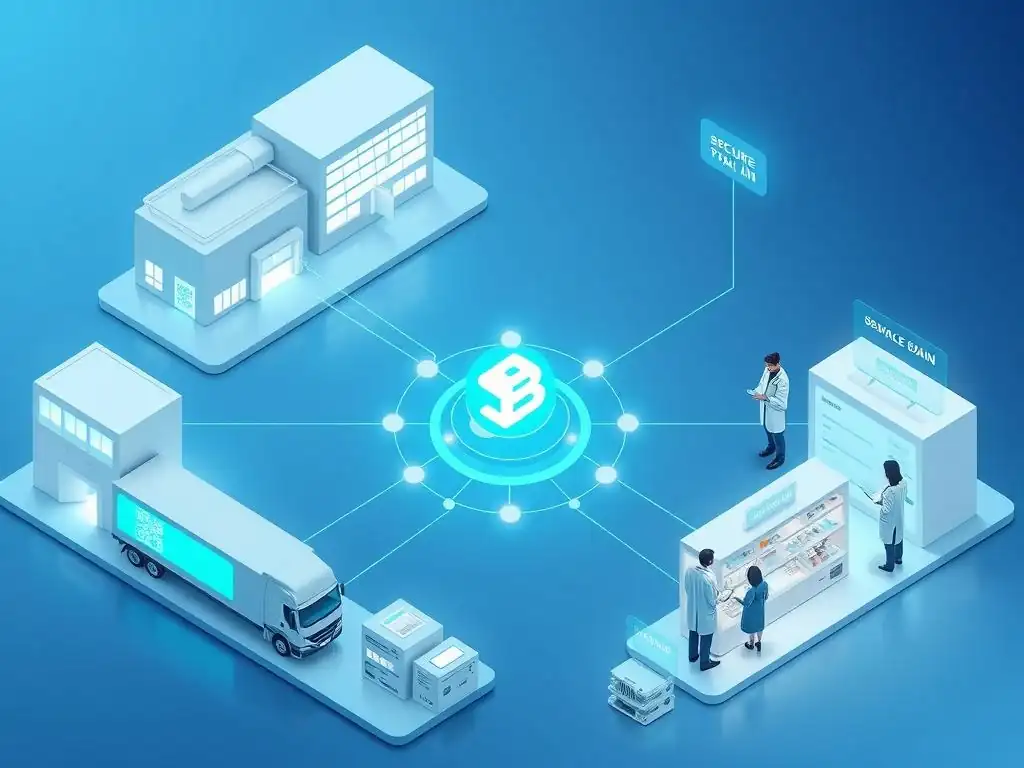
The application of blockchain in clinical trials extends across various aspects of the supply chain and data management, offering tangible improvements in specific processes. From tracking the physical flow of investigational products to securing critical trial data, blockchain provides a versatile technological foundation.
Exploring specific use cases helps illustrate the practical benefits and potential impact of adopting blockchain technology in the intricate world of clinical research logistics. These applications demonstrate how the core properties of blockchain – immutability, transparency, and security – can solve real-world problems in the blockchain clinical trials supply chain.
Tracking and Tracing Investigational Products from Manufacturing to Patient
One of the most prominent use cases is creating an end-to-end tracking and tracing system for investigational products. This involves assigning a unique, serialized identifier (like a 2D barcode or RFID tag linked to a blockchain entry) to each vial, kit, or package at the point of manufacturing. As the product moves through the supply chain – from the manufacturer's warehouse to the distributor, then to the clinical site, and finally dispensed to the patient – each transfer of custody and relevant event (e.g., storage location, expiry date check) is recorded on the blockchain.
This creates a continuous, verifiable chain of custody. Clinical site staff can scan the product upon receipt and dispensing, updating its status on the blockchain. This provides sponsors and regulators with complete visibility into the product's journey, ensuring that only authenticated products are used and enabling rapid recalls if necessary. This level of detailed tracking enhances the integrity of the entire clinical trial supply chain.
Managing Temperature-Sensitive Pharmaceuticals with Blockchain-Enabled Sensors
Many investigational products, especially biologics and vaccines, require strict temperature control throughout the supply chain (cold chain management). Failures in maintaining the required temperature range can render these products ineffective or even harmful. Integrating IoT temperature sensors with a blockchain platform allows for continuous monitoring and immutable recording of environmental conditions.
Sensors placed within shipment containers automatically collect temperature data. This data is then transmitted and recorded onto the blockchain ledger, often automatically triggering smart contracts if temperatures go out of range. This provides a tamper-proof record of temperature compliance for every segment of the journey. If a temperature excursion occurs, the blockchain record provides clear evidence, enabling informed decisions about the product's viability and ensuring that compromised products are not administered to patients.
Verifying the Authenticity of Clinical Trial Data Using Blockchain
While the primary focus is the physical supply chain, blockchain can also play a role in securing the integrity of data related to product handling and administration. Key data points recorded during a clinical trial, such as the date and time an investigational product was dispensed to a patient, or confirmation of a specific procedure being performed, can have their hashes (digital fingerprints) recorded on the blockchain.
This does not store the sensitive patient data itself on the blockchain but creates an immutable reference point. If the original data record is later altered, its hash will change, and this discrepancy can be verified against the hash recorded on the blockchain, proving that the data has been tampered with. This application enhances the trustworthiness of the clinical trial data linked to the supply chain process.
Streamlining Patient Recruitment and Consent Processes
While not directly part of the physical drug supply chain, some blockchain applications touch upon patient-related processes that interface with product administration. For instance, some platforms explore using blockchain to manage and verify patient consent in a secure and transparent manner. While patient recruitment itself is a separate process, ensuring that the correct investigational product is administered only to patients who have provided valid, verifiable consent is critical.
A blockchain system could potentially link the dispensing event of a specific product (tracked on the supply chain ledger) to a verifiable record of patient consent stored securely elsewhere, with only a hash on the blockchain. This adds an extra layer of integrity and auditability to the patient-product interaction point, reinforcing the importance of patient safety and ethical conduct within the clinical trial framework.
Implementing a Blockchain Solution for Clinical Trials: Key Considerations
Adopting blockchain technology for the clinical trial supply chain is a significant undertaking that requires careful planning and consideration of various factors. It's not simply a matter of plugging in a new technology; it involves evaluating different technical options, addressing complex regulatory and data privacy requirements, and planning for integration with existing infrastructure.
Successful implementation depends on making informed decisions about the platform, ensuring compliance, and managing the organizational change required to leverage the full potential of blockchain in the blockchain clinical trials supply chain. These considerations are critical for moving from pilot projects to widespread adoption.
Choosing the Right Blockchain Platform for Clinical Trial Needs
Selecting the appropriate blockchain platform is a foundational step. Options include public blockchains (like Ethereum or Bitcoin, generally unsuitable for private enterprise data due to lack of privacy and high transaction costs), private blockchains (controlled by a single entity), or consortium/permissioned blockchains (managed by a group of pre-selected participants). For the clinical trial supply chain, consortium or private blockchains are typically preferred due to the need for data privacy, controlled access, and higher transaction speed/throughput.
Platforms like Hyperledger Fabric, R3 Corda, or enterprise versions of Ethereum are often considered. The choice depends on factors such as required transaction volume, data privacy needs, ease of integration, cost of deployment and maintenance, and the level of collaboration needed among stakeholders. A platform that can handle sensitive data while providing necessary permissions and scalability is essential.
Data Privacy and Security Considerations in Blockchain Implementation
While blockchain offers strong data integrity and security, implementing it in clinical trials requires careful consideration of data privacy, particularly concerning Protected Health Information (PHI) or Personally Identifiable Information (PII). Regulations like GDPR in Europe and HIPAA in the United States strictly govern how health data must be handled. Storing sensitive patient data directly on an immutable public or even permissioned blockchain is generally not advisable or compliant.
Instead, strategies involve storing sensitive data off-chain in secure, compliant databases, while using the blockchain only to record hashes of this data or metadata about transactions (like product IDs, timestamps, locations). Access control mechanisms on the blockchain ensure that only authorized parties can view transaction details. Designing the solution with a 'privacy-by-design' approach is paramount to ensure compliance with global data protection regulations.
Integration with Existing Clinical Trial Management Systems
Clinical trial organizations already rely on a range of complex systems, including Clinical Trial Management Systems (CTMS), Electronic Data Capture (EDC) systems, Interactive Response Technology (IRT) for randomization and supply management, and enterprise resource planning (ERP) systems. A new blockchain supply chain solution must be able to integrate seamlessly with these existing systems to avoid creating new data silos or requiring complete overhauls of established workflows.
This integration often requires Application Programming Interfaces (APIs) to allow data flow between the blockchain ledger and legacy systems. Planning for this interoperability is crucial to ensure that the blockchain solution augments, rather than disrupts, current operations. The complexity of integrating disparate systems is a significant technical hurdle that must be addressed early in the implementation process.
Regulatory Landscape and Compliance Requirements for Blockchain in Pharma
The regulatory landscape for using new technologies like blockchain in the pharmaceutical industry is still evolving. While regulatory bodies are increasingly exploring the potential of blockchain, explicit guidelines for its use in clinical trial supply chains are not always fully defined. Organizations must ensure that their blockchain implementation meets existing GxP standards and other relevant regulations.
This includes ensuring that the system maintains audit trails acceptable to regulators, validates system integrity, and complies with data integrity guidance (e.g., FDA's ALCOA+ principles - Attributable, Legible, Contemporaneous, Original, Accurate, Complete, Consistent, Enduring, Available). Engaging with regulatory experts and potentially interacting with agencies to discuss the implementation approach is advisable to navigate this evolving landscape and ensure future compliance for the blockchain clinical trials supply chain.
Scalability and Interoperability of Blockchain Solutions
Clinical trials, especially large, multi-site global studies, involve managing vast quantities of investigational products and processing a high volume of transactions daily across numerous locations. The chosen blockchain platform and solution architecture must be scalable to handle this volume of transactions and data growth over time without performance degradation.
Furthermore, as different companies or consortiums may adopt different blockchain platforms, the ability for these distinct networks to interoperate and share relevant, authorized information (interoperability) will become increasingly important. This is crucial for scenarios involving multiple sponsors, CROs, or third-party logistics providers who may operate on different systems. Designing for scalability and considering future interoperability needs are key for long-term success.
Overcoming Challenges and Potential Risks
While the benefits of blockchain in the clinical trial supply chain are compelling, implementing this technology is not without its challenges and potential risks. Addressing these proactively is essential for successful adoption and realizing the promised value.
These challenges range from technical hurdles like integration and scalability to non-technical issues such as regulatory uncertainty and resistance to change within established organizations. Acknowledging and planning for these obstacles is a critical part of the implementation strategy for a blockchain clinical trials supply chain.
Addressing Data Privacy Concerns and GDPR Compliance
As mentioned earlier, data privacy is a major challenge. Simply putting all supply chain data, which might be linked to clinical sites and potentially impact patient timelines or data, onto a blockchain without careful design is risky. GDPR and similar regulations mandate specific requirements for processing personal data, including the right to erasure in some cases – a concept fundamentally at odds with blockchain's immutability.
Solutions involve storing sensitive data off-chain in compliant databases and using the blockchain only for immutable hashes or anonymized transaction metadata. Implementing robust access control mechanisms on the blockchain is also crucial to ensure that only authorized personnel can view even the non-sensitive transaction details. Organizations must seek legal and compliance expertise to design a system that leverages blockchain's benefits while strictly adhering to privacy regulations.
Ensuring Interoperability with Existing Systems
Integrating a new blockchain solution with the complex web of existing clinical trial management systems (CTMS, IRT, EDC, ERP, etc.) is a significant technical challenge. These legacy systems often use different data formats, communication protocols, and architectures. Building the necessary interfaces and APIs to ensure smooth, real-time data exchange between the blockchain ledger and these systems requires considerable development effort and expertise.
Failure to achieve seamless interoperability can lead to manual data entry between systems, negating the efficiency benefits of blockchain and potentially introducing new sources of error. A thorough assessment of existing IT infrastructure and a well-defined integration strategy are critical success factors.
Managing the Complexity of Blockchain Implementation
Implementing a blockchain solution is complex. It requires specialized expertise in blockchain technology, cryptography, smart contract development, and distributed systems, in addition to deep knowledge of pharmaceutical supply chain processes and regulatory requirements. Building or adopting a solution, configuring it, integrating it with existing systems, and training personnel is a substantial undertaking.
Organizations need to invest in developing or acquiring the necessary technical talent and work with experienced implementation partners. Starting with pilot projects focused on specific, well-defined use cases (like tracking a single type of investigational product on a specific route) can help manage complexity and demonstrate value before scaling up.
Overcoming Resistance to Change within the Pharmaceutical Industry
The pharmaceutical industry is often characterized by cautious adoption of new technologies, particularly in critical areas like clinical trials, due to the high stakes involved with patient safety and regulatory compliance. Introducing a disruptive technology like blockchain requires significant organizational change management.
Stakeholders across manufacturing, logistics, clinical operations, IT, quality assurance, and regulatory affairs need to understand the technology, its benefits, and how it will impact their roles and workflows. Overcoming inertia and skepticism requires clear communication, education, involving key stakeholders in the design process, and demonstrating tangible value through successful pilot implementations. Building trust in the new system is paramount for widespread adoption of the blockchain clinical trials supply chain.
The Future of Blockchain in Clinical Trial Supply Chain
The application of blockchain technology in the clinical trial supply chain is still relatively nascent but holds immense potential for future development and innovation. As the technology matures and pilot programs yield concrete results, its role is expected to expand, driven by emerging trends and the increasing need for efficiency and transparency in clinical research.
The future will likely see greater integration with other advanced technologies and a more pervasive use of blockchain across the entire drug development lifecycle, extending beyond just the supply chain logistics of the blockchain clinical trials supply chain.
Emerging Trends and Innovations in Blockchain Technology
Blockchain technology itself is continuously evolving. Future developments that could impact clinical trial supply chains include advancements in scalability solutions (like sharding or layer-2 protocols) to handle even larger transaction volumes, and improved privacy-preserving techniques (like zero-knowledge proofs) that allow verification of data without revealing the underlying sensitive information.
Interoperability standards between different blockchain networks are also under development, which could enable seamless tracking of products across different company or regional networks. These technological advancements will make blockchain solutions more robust, scalable, and capable of meeting the complex demands of global clinical trials.
Potential for Further Automation and Optimization
As smart contract capabilities become more sophisticated, the potential for automating complex supply chain processes will increase. This could include automated inventory management based on real-time dispensing data from clinical sites, automated re-ordering of supplies when stock levels hit predefined thresholds, or even automated payments triggered by smart contracts verifying multiple conditions (e.g., delivery confirmed, temperature maintained, and recipient identity verified).
Beyond automation, the rich, verifiable data recorded on the blockchain can be used for advanced analytics and optimization. Analyzing historical supply chain data on the ledger can reveal bottlenecks, inefficiencies, or risk areas, allowing organizations to optimize routes, inventory levels, and logistics strategies for future trials.
The Role of Blockchain in Decentralized Clinical Trials (DCTs)
Decentralized Clinical Trials (DCTs), where some or all trial activities occur away from traditional clinical sites (e.g., at patients' homes), are becoming more common. In DCTs, investigational products may be shipped directly to patients or local healthcare providers. This model introduces new supply chain complexities, particularly around last-mile delivery, patient identity verification for dispensing, and product returns or destruction.
Blockchain can play a crucial role in DCT supply chains by providing a secure and transparent way to track direct-to-patient shipments, verify patient receipt using digital identities, and manage the complex logistics of distributed dispensing and returns. It can provide the necessary trust and visibility for sponsors operating in this more fragmented and decentralized environment, enhancing the blockchain clinical trials supply chain for the DCT era.
The Convergence of Blockchain and AI in Optimizing Clinical Trial Logistics
The combination of blockchain's secure, immutable data ledger and Artificial Intelligence (AI) offers powerful possibilities for optimizing clinical trial logistics. AI algorithms can analyze the vast amounts of verifiable supply chain data recorded on the blockchain – including tracking information, temperature logs, delivery times, and potential incident reports – to identify patterns, predict potential disruptions, and recommend optimized logistics strategies.
For example, AI could analyze historical blockchain data to predict the likelihood of temperature excursions on specific routes under certain conditions or forecast potential delivery delays based on real-time network data. This convergence allows for data-driven, predictive supply chain management, moving beyond reactive problem-solving to proactive optimization, further enhancing the efficiency and reliability of the blockchain clinical trials supply chain.
Conclusion: Blockchain as a Catalyst for Transformation in Clinical Research
The clinical trial supply chain is a critical, yet often challenging, component of bringing new therapies to patients. Existing systems face significant limitations in terms of transparency, efficiency, security, and data integrity, leading to potential delays, increased costs, and risks to patient safety and trial validity. Blockchain technology offers a powerful and timely solution to these long-standing problems.
By providing a decentralized, immutable, and transparent ledger for tracking investigational products and related data, blockchain has the potential to fundamentally transform clinical trial logistics. Its ability to enhance traceability, improve data security, streamline processes through smart contracts, and enable real-time monitoring addresses the core pain points of the current system.
Embracing Blockchain for a More Transparent and Efficient Future
Embracing blockchain technology allows the pharmaceutical industry to move towards a more transparent and efficient future for clinical trials. A blockchain-powered supply chain provides all authorized stakeholders with a shared, verifiable record, fostering greater trust and collaboration. This enhanced transparency reduces the likelihood of errors, diversion, and counterfeiting, ensuring that patients receive authentic, properly handled investigational products.
The efficiencies gained through automation and improved data management can accelerate trial timelines and reduce operational costs. As pilot programs continue to demonstrate value, the adoption of blockchain in the clinical trials supply chain is expected to grow, paving the way for more streamlined and reliable logistics operations in clinical research.
The Potential of Blockchain to Improve Patient Outcomes
Ultimately, the goal of improving the clinical trial supply chain is to benefit patients. By ensuring that investigational products are authentic, stored correctly, delivered on time, and administered safely, blockchain technology directly contributes to patient safety and welfare. Reducing trial delays means that promising new therapies can potentially reach patients who need them sooner.
Furthermore, by improving the integrity and reliability of supply chain data, blockchain supports the overall quality and trustworthiness of clinical trial results. This, in turn, helps ensure that regulatory decisions about new drugs are based on accurate and reliable data, ultimately leading to better patient outcomes. The impact of a robust blockchain clinical trials supply chain extends far beyond logistics, touching the lives of patients participating in research.
Next Steps for the Pharmaceutical Industry in Adopting Blockchain Technology
For pharmaceutical companies, CROs, and logistics providers involved in clinical trials, the next steps in adopting blockchain technology involve continued education, collaboration, and strategic implementation. Organizations should:
- Investigate specific pain points in their current supply chains where blockchain could offer significant value.
- Engage in pilot projects focused on well-defined use cases to gain hands-on experience and demonstrate tangible benefits.
- Collaborate with technology providers and industry consortiums exploring blockchain standards for pharma supply chains.
- Develop internal expertise in blockchain technology and its regulatory implications.
- Plan for integration with existing IT infrastructure and address data privacy requirements rigorously.
Adopting blockchain is not a simple fix but a strategic investment in the future of clinical research logistics. By taking these steps, the industry can harness the transformative power of blockchain to build a more transparent, efficient, and secure blockchain clinical trials supply chain, ultimately benefiting the research process and the patients it serves.
Frequently Asked Questions
How does blockchain enhance transparency in the clinical trials supply chain?
Blockchain provides an immutable and transparent ledger, allowing all stakeholders to track the movement of drugs and materials from manufacturing to patient administration, reducing fraud and improving accountability.
What are the key benefits of using blockchain in managing clinical trial supplies?
Using blockchain offers benefits like enhanced traceability, improved data integrity, and greater supply chain efficiency. It reduces risks associated with counterfeit drugs and unauthorized diversions.
Can blockchain help streamline the regulatory compliance process for clinical trials?
Yes, blockchain can simplify regulatory compliance by providing a complete and auditable record of all supply chain activities. This makes it easier to demonstrate adherence to regulations and standards.
What role does blockchain play in ensuring the integrity of clinical trial data within the supply chain?
Blockchain ensures data integrity by creating a tamper-proof record of all transactions and data points related to the supply chain. This prevents unauthorized modifications and ensures the reliability of the data.
How will the adoption of blockchain impact the future of clinical trials and pharmaceutical supply chains?
The adoption of blockchain will lead to more efficient, secure, and transparent clinical trials and pharmaceutical supply chains. This will ultimately improve patient safety and reduce the costs associated with drug development and distribution.
Okay, here's a final reflection, formatted as requested, designed to resonate with readers interested in blockchain's application to clinical trial supply chains:
Final Reflection: Securing the Future of Clinical Trials
The promise of enhanced transparency and efficiency in clinical trials is no longer a distant aspiration, but a tangible reality within reach, thanks to the transformative potential of blockchain technology. The journey from theoretical concept to practical application, as explored throughout this article, highlights the critical role blockchain plays in revolutionizing the clinical trial supply chain, ensuring the integrity and reliability of vital medications and treatments.
The impact of this technology extends far beyond mere logistical improvements; it touches upon the very core of trust and accountability within the medical research landscape. The ability to track and verify every step of the supply chain, from manufacturing to patient administration, fosters a new era of confidence in clinical trial data. The beauty of blockchain isn't just about technology; it's about building trust in a trustless environment.
This quote encapsulates the fundamental shift blockchain enables, moving us closer to a future where clinical trials are conducted with unparalleled transparency and security.
Now, as we stand at the cusp of this technological revolution, let us consider the profound implications for patients, researchers, and the future of medical innovation. Embrace the potential of blockchain to reshape the clinical trial supply chain, and actively seek opportunities to contribute to this transformative movement. By championing transparency, efficiency, and security, we can collectively pave the way for a healthier and more equitable future for all.
Unlock the Future of Clinical Trials: Take Action Now!
Thank you for exploring how blockchain can revolutionize clinical trial supply chains! Now that you understand the potential for increased transparency and efficiency, it's time to bring these ideas to life.
- Prioritize exploring potential blockchain pilot projects within your organization. Identify key areas where enhanced transparency and traceability could significantly improve outcomes.
- Share this article with colleagues in your research and development departments to spark internal discussions and foster innovation.
- Delve deeper into publicly available blockchain platforms suited for supply chain management and explore their specific features.
What specific challenges within your clinical trial supply chain could blockchain potentially address in your opinion?
Leave a Reply