
Interoperable Blockchains for Supply Chain Management: Enhancing Transparency and Efficiency


Welcome to Blockchain Trends, your go-to source for understanding the real-world impact of blockchain technology. We're diving deeper than cryptocurrencies, exploring its potential to revolutionize industries.
Ever wondered how blockchain can fundamentally reshape global commerce? Our latest article unveils the incredible blockchain supply chain transparency benefits that are driving a new era of efficiency and trust. Discover how interoperable blockchains are poised to transform supply chain management, and what this means for the future of decentralized systems. Intrigued? Read on to unlock the possibilities.
Interoperable Blockchains for Supply Chain Management: Enhancing Transparency and Efficiency
- Introduction: The Need for Blockchain Interoperability in Supply Chains
- Understanding Blockchain Interoperability
- Blockchain Supply Chain Transparency Benefits Through Interoperability
- Implementing Interoperable Blockchains for Supply Chain Management: A Practical Guide
- Case Studies: Real-World Examples of Interoperable Blockchains in Supply Chain
- Overcoming Challenges to Blockchain Supply Chain Interoperability
- The Future of Blockchain Interoperability in Supply Chain Management
- Conclusion: Unlocking the Full Potential of Blockchain Supply Chain Transparency
-
Frequently Asked Questions
- What are the primary Blockchain supply chain transparency benefits offered by using interoperable blockchains?
- How does the use of interoperable blockchains improve efficiency in supply chain management?
- Beyond transparency and efficiency, what other advantages can businesses expect from implementing interoperable blockchain solutions?
- What are some of the challenges associated with implementing interoperable blockchain solutions for supply chain management?
- How does regulation play a role in the development and adoption of interoperable blockchains for supply chain management?
- Final Reflection: Embracing Transparent Supply Chains
- Empower Your Supply Chain: Embrace Blockchain's Potential!
Introduction: The Need for Blockchain Interoperability in Supply Chains
The Current Challenges of Supply Chain Transparency and Efficiency
Supply chains today face multifaceted challenges that hinder transparency and efficiency. Traditional systems often rely on legacy processes that generate data silos, making it difficult for stakeholders to track product journeys in real time. This opacity can lead to delays, miscommunications, and even fraud, which in turn diminish the overall resilience and responsiveness of the supply chain.
These challenges are particularly evident in sectors like food and pharmaceuticals, where the inability to verify provenance and maintain a clear audit trail has significant implications for consumer safety and regulatory compliance. The growing complexity of global trade, coupled with rising consumer expectations for transparency, underscores the urgent need for innovative solutions that can harness the true potential of blockchain supply chain transparency benefits.
How Blockchain Technology Addresses Supply Chain Bottlenecks
Blockchain technology brings a transformative approach to overcoming supply chain inefficiencies by offering an immutable, decentralized ledger accessible to all approved participants. By recording every transaction in a transparent and secure manner, blockchain helps to quickly identify and resolve bottlenecks that might otherwise go unnoticed. This transparency not only streamlines dispute resolution but also fosters a culture of accountability across the supply chain.
Moreover, the integration of smart contracts automates various processes such as payment settlements and compliance checks, significantly reducing manual intervention. This automation accelerates transactions and minimizes the potential for errors, providing tangible blockchain supply chain transparency benefits that lead to more agile and efficient logistical operations.
The Limitations of Siloed Blockchains in Supply Chain Management
While blockchain holds immense potential, the existence of siloed blockchain networks limits its full impact on supply chain management. Isolated systems struggle with data interoperability, which prevents end-to-end visibility and delays critical decision-making processes. Without seamless integration, various parts of the chain remain disconnected, negating the benefits that a unified, interoperable system could offer.
Additionally, these silos hinder the ability to trace products comprehensively from origin to destination. In cases of recalls or quality issues, the lack of a consistent data trail can delay remediation efforts and erode consumer trust. Thus, moving towards interoperable blockchains is essential for achieving genuine supply chain transparency and operational efficiency.
Understanding Blockchain Interoperability
Defining Blockchain Interoperability: Connecting Disparate Networks
Blockchain interoperability refers to the ability of different blockchain networks to communicate and share data easily, regardless of their underlying protocols. This interconnectedness ensures that information flows seamlessly across various systems, enabling real-time collaboration among supply chain participants. Such integration is critical for achieving comprehensive traceability, a vital element for maintaining accountability and trust within the industry.
Interoperability breaks down the barriers imposed by isolated blockchain networks, allowing for a smooth exchange of information between suppliers, manufacturers, logistics providers, and retailers. This level of connectivity not only enhances operational efficiency but also significantly boosts blockchain supply chain transparency benefits, leading to improved monitoring, auditing, and optimization of processes across all levels of the supply chain.
Different Approaches to Blockchain Interoperability: Cross-Chain Bridges, Atomic Swaps, and Sidechains
Multiple methodologies have emerged to facilitate blockchain interoperability, each addressing distinct aspects of connectivity between disparate networks. Cross-chain bridges, for instance, allow the transfer of digital assets and data between blockchains, preserving the integrity of both systems. Atomic swaps go a step further by enabling secure, direct exchanges between different cryptocurrencies, thereby fostering a trustless environment where traditional intermediaries are rendered obsolete.
Sidechains, on the other hand, operate as separate blockchains connected to a main chain, enabling experimentation with new features without risking the stability of the primary network. These approaches collectively illustrate tangible blockchain supply chain transparency benefits by ensuring that data remains reliable and accessible, regardless of the platform. Their implementation in supply chains not only enhances traceability but also supports a more dynamic and resilient ecosystem.
The Role of Interoperability Protocols in Enhancing Supply Chain Visibility
Interoperability protocols serve as the digital “languages” that enable distinct blockchain networks to communicate effectively. Protocols like the Interledger and Polkadot’s Relay Chain have been developed to mediate transactions between different blockchains, ensuring that data remains consistent and tamper-proof across platforms. This harmonization of data flow is crucial for maintaining high levels of supply chain transparency and operational efficiency.
By leveraging these protocols, companies can integrate disparate blockchain systems into a coherent, unified network. This consolidation fosters improved data sharing, reduces redundancies, and enhances the overall integrity of the supply chain. The resulting transparency not only simplifies compliance with industry regulations but also solidifies business relationships by building a foundation of trust among all stakeholders.
Blockchain Supply Chain Transparency Benefits Through Interoperability
Improved Traceability and Provenance of Goods
Interoperable blockchains enable detailed tracking of goods from origin to destination, ensuring that every stage of the supply chain is recorded and verifiable. Companies benefit from this improved traceability by being able to precisely monitor the movement of products, thereby reducing the risk of counterfeiting and ensuring authenticity. Industries such as pharmaceuticals and luxury goods have already seen significant improvements, where provenance directly correlates with consumer confidence.
The systematic documentation of each transaction, along with the immutable nature of blockchain records, provides an audit trail that is both transparent and secure. Stakeholders can access real-time data on product handling, storage conditions, and transport logistics, which are critical factors in quality control. This level of detail underlines the tangible blockchain supply chain transparency benefits that support regulatory compliance and enhance overall operational trust.
Enhanced Data Sharing and Collaboration Across the Supply Chain
By breaking down data silos, interoperable blockchains foster a culture of enhanced collaboration among diverse supply chain partners. When all parties—from raw material suppliers to retail vendors—share a common, real-time view of transactional data, coordination improves dramatically. This unified approach minimizes miscommunication and accelerates the decision-making process, ultimately leading to more efficient operations.
The transparency afforded by such systems also promotes mutual accountability, where each stakeholder understands their role and impact within the wider network. This collaborative model not only increases operational efficiency but also drives innovation by allowing different sectors to synergize their efforts. Such dynamic interactions are key to unlocking robust blockchain supply chain transparency benefits that can transform traditional supply chains into agile, data-driven ecosystems.
Streamlined Processes and Reduced Operational Costs
Interoperability in blockchain systems streamlines various supply chain processes by eliminating redundant operations and automating routine tasks. The adoption of smart contracts reduces the need for intermediaries, thereby cutting administrative overheads and expediting transactions. Industries that have integrated these systems report noticeable decreases in processing times and operational costs, thanks to the automation of payment settlements and quality assurance checks.
These efficiencies translate into measurable financial savings which, combined with enhanced traceability, create a compelling value proposition for businesses. Reduced paperwork, minimized errors, and quicker dispute resolutions are quantifiable outcomes that contribute to the overall blockchain supply chain transparency benefits. As companies continue to adopt these advanced technological solutions, the cost-to-benefit ratio increasingly justifies the initial investment in interoperable blockchain systems.
Increased Trust and Accountability Among Stakeholders
The implementation of interoperable blockchains builds a level of trust that is often difficult to achieve with traditional systems. With every transaction recorded in a decentralized ledger, stakeholders can verify the authenticity and timeliness of data independently. This transparency reinforces accountability, as any irregularities or deviations from agreed standards are immediately visible to all parties involved.
By creating an environment where information is shared freely and securely, businesses foster stronger partnerships and encourage best practices across the supply chain. The inherent security and immutability of blockchain records ensure that every participant is held accountable, reducing the risk of fraud and misreporting. Consequently, these features underpin the critical blockchain supply chain transparency benefits that can lead to more resilient and reliable global trade networks.
Implementing Interoperable Blockchains for Supply Chain Management: A Practical Guide
Identifying Key Data Points and Processes for Blockchain Integration
The first step in implementing interoperable blockchains is to conduct a thorough analysis of the supply chain, identifying key data points that are critical for successful integration. This involves mapping every process—from raw material sourcing to final product delivery—and pinpointing where blockchain can provide the most significant transparency and efficiency improvements. Companies should document processes such as quality control checks, logistics tracking, and regulatory reporting to create a clear blueprint for integration.
Understanding these operational nuances allows organizations to determine the specific data that needs to be recorded on the blockchain. For instance, tracking temperature-sensitive goods like fresh produce or pharmaceuticals requires detailed logging of environmental conditions, while electronic components might require rigorous serial number authentication. Focusing on these data points ensures that the resulting system delivers concrete blockchain supply chain transparency benefits that are measurable and actionable.
Selecting the Right Interoperability Solution for Your Supply Chain Needs
Choosing the appropriate interoperability solution is a critical decision that hinges on the unique requirements of your supply chain. It is important to evaluate different approaches—such as cross-chain bridges, atomic swaps, or sidechains—based on factors like transaction speed, security features, and compatibility with existing systems. Engaging with industry experts and reviewing case studies can provide valuable insights into which solution aligns best with your operational needs.
A careful assessment of available solutions ensures that the selected technology not only fits current operational requirements but also has the scalability to accommodate future growth. Companies often pilot different solutions in controlled environments before full-scale implementation, allowing them to measure real-world blockchain supply chain transparency benefits and adjust strategies accordingly. Such due diligence is essential for long-term success and operational resilience.
Establishing Data Governance and Security Protocols
Robust data governance and security measures are paramount when integrating blockchain technology into supply chain operations. Organizations must develop comprehensive protocols that define data ownership, access rights, and privacy standards. By clearly outlining who can view or alter the data on a blockchain, companies help prevent unauthorized access and ensure compliance with industry regulations.
Implementing multi-layered security frameworks, including encryption, role-based access control, and regular audits, strengthens the overall integrity of the blockchain network. These protocols help safeguard sensitive information while maintaining the transparency necessary for operational efficiency. As the system evolves, continuous monitoring and updates to these security measures are essential to mitigate emerging threats and maintain the blockchain supply chain transparency benefits over time.
Integrating with Existing Supply Chain Systems
Seamlessly integrating blockchain with legacy systems requires a well-thought-out strategy that minimizes disruption to ongoing operations. Companies should begin by identifying touchpoints where current systems overlap with blockchain applications, ensuring that data flows continuously between platforms. This often involves using middleware solutions that can interface between older ERP systems and modern blockchain networks, smoothly bridging the gap between various technologies.
A phased implementation approach allows organizations to gradually ramp up their blockchain integration, testing interoperability and making necessary adjustments along the way. By using such incremental strategies, companies can harness the blockchain supply chain transparency benefits without experiencing major operational hiccups. This careful integration process is essential for realizing a fully connected supply chain where data integrity and real-time decision-making go hand in hand.
Case Studies: Real-World Examples of Interoperable Blockchains in Supply Chain
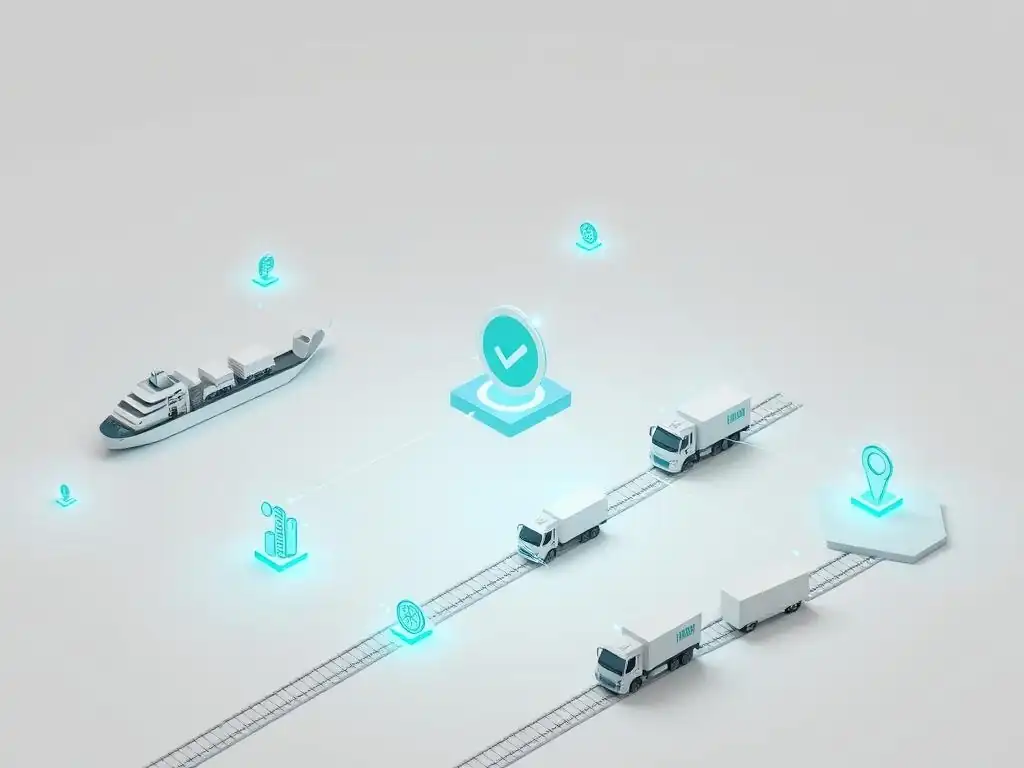
Case Study 1: IBM Food Trust - Traceability of Mangoes Using Interoperable Blockchains
IBM Food Trust has pioneered the use of interoperable blockchains to improve traceability in the supply chain by accurately tracking the journey of mangoes from farms to retail outlets. By integrating multiple blockchain networks, the system provides detailed records of harvest dates, quality checks, and shipping conditions. This end-to-end transparency has significantly reduced instances of food fraud and improved consumer confidence.
The success of IBM Food Trust demonstrates how blockchain supply chain transparency benefits deliver real value in the food industry. Retailers and consumers alike can verify the authenticity of products in real time, ensuring that perishable goods meet stringent quality standards. This case study provides a concrete example of how technological integration can lead to operational improvements and safer supply chains.
Case Study 2: TradeLens - Improved Shipping Efficiency Through Cross-Chain Data Sharing
TradeLens, a collaboration between major shipping companies, has utilized cross-chain data-sharing techniques to enhance the efficiency of global logistics. By employing interoperable blockchain protocols, TradeLens enables the seamless transfer of shipping documentation and real-time tracking data between carriers, ports, and logistics providers. This interconnected system minimizes delays and streamlines customs clearance procedures.
The implementation of TradeLens has led to significant cost reductions and faster shipping times, exemplifying the practical blockchain supply chain transparency benefits. Stakeholders experience an unprecedented degree of visibility into the shipping process, resulting in enhanced strategic planning and smoother operational flows. This case study serves as a model for future applications of blockchain interoperability in global trade logistics.
Analyzing the Results: Quantifiable Benefits and Lessons Learned
Both IBM Food Trust and TradeLens illustrate the measurable advantages of adopting interoperable blockchain solutions in supply chain management. Companies have reported reductions in operational costs by up to 20%, alongside improvements in delivery times and quality control measures. These projects underline the importance of clear data governance, robust integration strategies, and continual technological updates to maintain seamless operations.
The lessons learned from these case studies emphasize that interoperability is not just a technical requirement—it is a strategic imperative. Organizations that prioritize blockchain supply chain transparency benefits are better positioned to respond to market dynamics, regulatory changes, and evolving consumer expectations, thereby ensuring long-term competitive advantage in a rapidly changing world.
Overcoming Challenges to Blockchain Supply Chain Interoperability
Addressing Scalability Issues in Interoperable Blockchain Networks
Scalability remains one of the foremost challenges facing interoperable blockchain networks. As supply chains grow and transaction volumes increase, ensuring that the network can handle the load without compromising performance is critical. Many initiatives have focused on optimizing consensus mechanisms and employing layer-2 solutions to process transactions more efficiently, thus alleviating network congestion.
Real-world deployments have revealed that scalability improvements not only boost transaction throughput but also enhance overall network resilience. By optimizing resource allocation and leveraging innovative scaling techniques, businesses can secure the blockchain supply chain transparency benefits necessary to support large-scale operations. Continuous investment in technological upgrades ensures that systems remain robust and capable of adapting to future demands.
Ensuring Data Security and Privacy Across Multiple Blockchains
Data security and privacy are integral when multiple blockchain networks interact, especially in environments where sensitive commercial data is exchanged. Implementing end-to-end encryption, along with strict access controls, helps to protect confidential information from cyber threats and unauthorized alterations. Secure multi-party computation protocols further ensure that data remains confidential even when shared across multiple systems.
The challenge is to balance openness with security – ensuring that data is accessible to authorized stakeholders while safeguarding against breaches. Regular security audits and adherence to international standards, such as ISO/IEC 27001, provide the framework necessary for maintaining trust. Achieving this balance is fundamental to realizing the full spectrum of blockchain supply chain transparency benefits, without risking the integrity of sensitive business information.
Navigating the complex landscape of regulatory compliance is a critical concern for organizations implementing blockchain solutions. Different jurisdictions impose varied requirements regarding data storage, privacy, and transparency, necessitating a flexible yet comprehensive compliance strategy. Companies must closely collaborate with legal experts to ensure that blockchain implementations adhere to both local and international regulations.
As regulatory bodies continue to adapt to emerging technologies, businesses must remain agile and proactive. This may involve integrating compliance checks into smart contracts or building in mechanisms for audits and reporting. The process, although challenging, ultimately fortifies the blockchain supply chain transparency benefits by ensuring legal adherence and building trust among all stakeholders.
Promoting Industry Collaboration and Standardization
For blockchain interoperability to reach its full potential, industry-wide collaboration and standardization are imperative. Stakeholders from various sectors must work together to develop common protocols and best practices that facilitate seamless data exchange and integration. Collaborative efforts, such as those led by the Hyperledger Foundation and other consortiums, illustrate the positive outcomes of standardized approaches.
Standardization not only improves interoperability but also drives down integration costs by creating uniform frameworks for technology adoption. Such collective efforts ensure that all players work on a level playing field, thereby reinforcing the trust and reliability essential for achieving robust blockchain supply chain transparency benefits. As industries continue to converge around common standards, the future of integrated, efficient, and transparent supply chain systems becomes increasingly attainable.
The Future of Blockchain Interoperability in Supply Chain Management
Emerging Trends and Technologies: Zero-Knowledge Proofs and Federated Learning
Emerging technologies like Zero-Knowledge Proofs (ZKPs) and federated learning are setting the stage for the next wave of innovative supply chain solutions. ZKPs enable the validation of transactional data without exposing sensitive underlying information, creating an environment where privacy and transparency co-exist. This is particularly relevant for supply chains handling proprietary or confidential data, offering an additional layer of security without compromising visibility.
Federated learning, which allows multiple organizations to collaboratively train machine learning models without sharing raw data, further enhances predictive analytics and operational forecasting across the supply chain. Integrating these cutting-edge methods with interoperable blockchain networks is expected to unlock new levels of efficiency and further solidify blockchain supply chain transparency benefits, driving smarter, data-informed decision-making processes.
The Potential for Decentralized Supply Chain Finance (DeFi)
Decentralized Finance (DeFi) is gradually permeating traditional supply chain financing, offering decentralized ways of managing payments, credit, and risk. By embedding financial transactions within interoperable blockchain networks, companies can access real-time funding and risk assessment tools that are transparent and tamper-proof. This approach minimizes the friction traditionally associated with cross-border financial operations and significantly reduces administrative burdens.
The integration of DeFi applications provides a clear value proposition: lower transaction costs and immediate liquidity that ultimately benefits the entire supply chain ecosystem. As companies leverage these financial instruments, the blockchain supply chain transparency benefits extend beyond operational insights to impact financial management and strategic resource allocation. This trend is expected to gain momentum as more enterprises recognize the dual advantage of efficiency and financial innovation.
The Impact on Global Trade and Logistics
Blockchain interoperability is poised to revolutionize global trade and logistics by providing end-to-end visibility across multinational supply chains. Companies can track shipments in real time, ensure compliance with international regulations, and reduce the risks associated with global trade disruptions. This increased visibility creates a more responsive and resilient logistics network, capable of adapting to market fluctuations and geopolitical challenges.
Moreover, the enhanced traceability offered by interoperable blockchains simplifies border processes and customs clearance, resulting in faster and more transparent international trade operations. The adoption of these systems has already led to measurable improvements in shipping times and cost reductions for major logistics providers. In essence, the blockchain supply chain transparency benefits are not only transforming individual supply chains but are also reshaping the broader landscape of global commerce.
Conclusion: Unlocking the Full Potential of Blockchain Supply Chain Transparency
The Importance of Interoperability for a Resilient and Efficient Supply Chain
Interoperability is the cornerstone of modernizing supply chains in today’s digitized global economy. By connecting disparate blockchain networks, organizations unlock unparalleled transparency, efficiency, and traceability—factors that are indispensable for maintaining resilience in an increasingly complex business environment. The ability to seamlessly share data ensures that every stakeholder, from manufacturers to consumers, operates with verified and real-time information.
This unified approach mitigates risks, reduces operational costs, and enhances accountability across the board. The strategic integration of interoperable blockchains paves the way for not only addressing current supply chain challenges but also for future-proofing operations against emerging market disruptions. The resultant blockchain supply chain transparency benefits are transformative, setting a new standard for operational excellence worldwide.
Key Takeaways and Future Outlook for Blockchain in Supply Chain Management
The journey toward fully interoperable blockchain systems reveals a future where supply chains are smarter, more secure, and intrinsically transparent. Businesses that invest in these technologies today stand to gain significant strategic advantages—ranging from enhanced traceability and reduced costs to improved regulatory compliance and increased stakeholder trust.
As the landscape evolves, ongoing collaboration, standardization, and innovation will be critical in overcoming persistent challenges and maximizing the blockchain supply chain transparency benefits. The future for decentralized supply chain management is promising, with interoperable blockchains poised to redefine global trade and logistics for years to come.
Frequently Asked Questions
What are the primary Blockchain supply chain transparency benefits offered by using interoperable blockchains?
Interoperable blockchains enhance transparency by enabling seamless data sharing across different supply chain participants. This allows for greater visibility into product origin, movement, and condition, fostering trust and accountability. The result is improved tracking and tracing of goods.
How does the use of interoperable blockchains improve efficiency in supply chain management?
Efficiency gains arise from reduced manual processes and faster information flow. Interoperability automates data exchange between disparate systems, minimizing delays and errors. Ultimately, this leads to streamlined operations and cost savings.
Beyond transparency and efficiency, what other advantages can businesses expect from implementing interoperable blockchain solutions?
Beyond the core benefits, businesses can expect enhanced security due to the distributed and immutable nature of blockchain. They can also anticipate improved collaboration among supply chain partners and stronger regulatory compliance through verifiable data trails.
What are some of the challenges associated with implementing interoperable blockchain solutions for supply chain management?
Key challenges include standardization of data formats, ensuring scalability of the network, and addressing concerns about data privacy across different jurisdictions. Overcoming these hurdles is crucial for successful adoption.
How does regulation play a role in the development and adoption of interoperable blockchains for supply chain management?
Regulation is critical in establishing legal frameworks for blockchain-based transactions and data sharing. Clear guidelines on data governance and cross-border data transfer are essential to fostering trust and encouraging widespread adoption. The development of industry standards is also important.
Final Reflection: Embracing Transparent Supply Chains
The exploration of interoperable blockchains for supply chain management culminates in a crucial realization: the future of global commerce hinges on transparency and efficiency. What was once a theoretical concept is rapidly becoming a practical necessity, driven by consumer demand for ethical sourcing and businesses seeking to optimize their operations and build trust.
The promise of blockchain supply chain transparency benefits extends far beyond mere cost reduction; it fosters a deeper connection between producers, distributors, and consumers. This shift towards verifiable provenance and ethical practices is not just a trend, but a fundamental reshaping of the global marketplace. Transparency is not about exposing everything; it's about providing enough information so that others can make informed decisions.
- John Mackey, Whole Foods Market. This quote underscores the power that accessible information holds in empowering both businesses and consumers.
As we look ahead, let us embrace the potential of interoperable blockchains to revolutionize supply chain management. Consider how you, as a consumer, a business owner, or a policymaker, can champion the adoption of these technologies. Let us collectively strive to build supply chains that are not only efficient and profitable but also ethical, sustainable, and transparent for all.
Empower Your Supply Chain: Embrace Blockchain's Potential!
Thank you for exploring how interoperable blockchains are transforming supply chain management! You've gained valuable insights into improving transparency and efficiency. Now, it's time to take action.
Start by researching which blockchain platform best suits your supply chain needs. This is your first step—delve into the options available. Additionally, review case studies of companies already utilizing interoperable blockchain solutions to learn best practices and avoid common pitfalls. Sharing this article with your colleagues can spark discussions on how blockchain technology can revolutionize your organization's supply chain. Together, we can work toward a more transparent and efficient future.
What specific challenges in your supply chain could blockchain technology help you overcome? Share your thoughts in the comments below!
Leave a Reply