
The Future of Play: How Blockchain is Reshaping Decentralized Gaming Platforms

Welcome to Blockchain Trends, your compass in the rapidly evolving world of decentralized technology. Are you ready to unlock the next level of gaming? This article delves into the exciting future of play, specifically examining how blockchain gaming decentralized platforms future are revolutionizing the industry. Discover how these platforms are empowering players, creating new economic models, and reshaping the very fabric of digital entertainment. Intrigued? Read on to explore the transformative potential and the challenges that lie ahead...
The Future of Play: How Blockchain is Reshaping Decentralized Gaming Platforms
- Introduction: Blockchain Gaming's Decentralized Revolution
- Understanding Blockchain's Impact on Gaming Platforms
- Exploring the Future of Decentralized Gaming Platforms
- Challenges and Opportunities in Blockchain Gaming
- The Play-to-Earn (P2E) Model: A Sustainable Future for Gaming?
- NFTs and In-Game Assets: Powering the Future of Ownership
- Blockchain Gaming: Decentralized Platforms and the User Experience
- The Technological Landscape of Blockchain Gaming
- The Future of Game Development on Decentralized Platforms
- Conclusion: Embracing the Decentralized Gaming Future
-
Frequently Asked Questions
- How is blockchain technology transforming gaming platforms?
- What are the key benefits of decentralized gaming platforms for players?
- What role do NFTs play in the future of blockchain gaming?
- What are some of the regulatory challenges facing blockchain gaming platforms?
- How will blockchain gaming platforms evolve in the future?
- Final Reflection: Embracing the Decentralized Play Revolution
- Ignite Your Gaming Revolution: Explore the Decentralized Frontier!
Introduction: Blockchain Gaming's Decentralized Revolution
The Evolution of Gaming: From Centralized to Decentralized
The gaming industry has undergone a dramatic evolution, transitioning from arcade cabinets and isolated consoles to massively multiplayer online games and the burgeoning metaverse. Traditionally, this evolution has been characterized by increasing centralization. Game developers and publishers held absolute control over game worlds, in-game assets, and player economies. Players invested time and money into these ecosystems, yet they were essentially renters, with no real ownership over their digital possessions. This centralized model, while successful, often left players at the mercy of game companies' decisions, from server shutdowns to arbitrary in-game asset modifications.
However, a paradigm shift is underway, driven by blockchain technology. Decentralized gaming represents a move away from this control, aiming to distribute power and ownership to players. Instead of relying on a single entity, decentralized gaming leverages blockchain's distributed ledger technology to create more transparent, secure, and player-centric gaming experiences. This shift is not merely about changing technology; it's about fundamentally altering the relationship between players and games, potentially leading to more equitable and engaging virtual worlds.
Why Decentralization Matters for the Future of Gaming
Decentralization is not just a buzzword in the gaming industry; it represents a fundamental shift that addresses several key limitations of traditional gaming models and unlocks new possibilities for the future of play. At its core, decentralization offers players true digital ownership through Non-Fungible Tokens (NFTs).
Unlike in centralized games where in-game items are merely entries in a database controlled by the game company, NFTs on a blockchain provide verifiable and immutable ownership. This means players can truly own, trade, and even potentially utilize their in-game assets across different games or platforms, fostering a more open and interconnected gaming ecosystem.
Furthermore, decentralization enhances security and transparency. Blockchain's inherent security features, such as cryptography and distributed consensus, make it significantly harder to cheat or manipulate game systems compared to centralized servers. Transparency is also increased as game rules and asset ownership are often recorded on a public ledger, making it auditable and verifiable by anyone.
This fosters trust and fairness within the gaming community. Beyond ownership and security, decentralization paves the way for innovative economic models like Play-to-Earn (P2E), where players can earn cryptocurrency or NFTs for their in-game contributions and skills, blurring the lines between playing and earning and potentially creating new economic opportunities within virtual worlds.
Understanding Blockchain's Impact on Gaming Platforms
Key Features of Blockchain-Based Gaming
Blockchain technology introduces a suite of transformative features to gaming platforms, fundamentally altering how games are designed, played, and monetized. These features, working in concert, are creating a new paradigm of decentralized gaming experiences.
Ownership of In-Game Assets (NFTs)
Non-Fungible Tokens (NFTs) are arguably the most impactful feature blockchain brings to gaming. NFTs represent unique digital assets, ranging from in-game items like weapons and characters to virtual land and collectibles. Unlike traditional in-game items that are confined to a specific game and controlled by the game developer, NFTs exist on a blockchain, granting players verifiable and immutable ownership.
This ownership extends beyond the game itself, allowing players to trade their NFTs on open marketplaces, potentially earn real-world value from their in-game achievements, and even use these assets across different compatible games or metaverses. For example, in games like The Sandbox, players own virtual land as NFTs, which they can develop, monetize, and trade freely. This level of ownership empowers players and fosters a more robust and player-driven gaming economy.
Enhanced Security and Transparency
Blockchain technology inherently enhances security and transparency within gaming platforms. Traditional centralized gaming systems are vulnerable to hacking, data breaches, and manipulation by both internal and external actors. Blockchain's decentralized and distributed nature makes it significantly more resilient to these threats.
Transactions and in-game actions recorded on a blockchain are cryptographically secured and immutable, meaning they cannot be altered or deleted. This immutability provides a transparent and verifiable record of ownership and game events, reducing the potential for fraud and cheating. For instance, smart contracts, which are self-executing agreements coded on the blockchain, can automate game mechanics and reward distribution transparently, eliminating the need for centralized intermediaries and building trust within the player community.
Play-to-Earn (P2E) Mechanics and the Gaming Economy
Play-to-Earn (P2E) is a revolutionary economic model enabled by blockchain that fundamentally changes the relationship between players and games. In traditional gaming, players invest time and money into games, but the economic benefits primarily accrue to game developers and publishers. P2E mechanics, however, allow players to earn cryptocurrency or NFTs by participating in game activities, such as completing quests, winning battles, or contributing to the game ecosystem.
This earning potential can range from small amounts of cryptocurrency to valuable NFTs that can be traded on marketplaces for significant sums. Axie Infinity, a prominent P2E game, exemplifies this model, where players earn Smooth Love Potion (SLP) tokens by playing, which can then be exchanged for other cryptocurrencies or fiat money. P2E mechanics are creating new economic opportunities within gaming and are attracting a diverse player base, including those seeking alternative income streams.
The Role of Smart Contracts in Decentralized Gaming
Smart contracts are self-executing contracts with the terms of the agreement directly written into code. In the context of decentralized gaming, smart contracts play a crucial role in automating and enforcing game rules, managing in-game economies, and facilitating player interactions in a trustless and transparent manner. For example, smart contracts can be used to automatically distribute rewards to players based on predefined conditions, such as winning a tournament or completing a specific task. This eliminates the need for manual reward distribution and ensures fairness and accuracy.
Furthermore, smart contracts can govern the creation, distribution, and trading of in-game NFTs. They can define the properties and scarcity of NFTs, manage marketplaces for trading these assets, and even implement complex economic mechanisms within the game world. Decentraland, a virtual world platform, heavily utilizes smart contracts to manage land ownership, virtual asset transactions, and even governance mechanisms, allowing users to vote on platform decisions based on their LAND holdings. The programmable nature of smart contracts allows for highly customizable and dynamic game mechanics, opening up new possibilities for innovative game design in decentralized gaming platforms.
Exploring the Future of Decentralized Gaming Platforms
The Rise of Blockchain-Based Game Development
The landscape of game development is rapidly evolving, with a significant surge in blockchain-based game development. This rise is fueled by several factors, including the increasing awareness of blockchain technology, the potential for new revenue models like P2E, and the growing demand from players for true digital ownership. Established game studios, as well as independent developers, are increasingly exploring blockchain integration, experimenting with NFTs, and designing games with decentralized economies. Ubisoft, for example, has ventured into NFTs with its Quartz platform, integrating them into games like Tom Clancy's Ghost Recon Breakpoint.
Furthermore, the availability of blockchain game development tools and resources is expanding, making it easier for developers to build on decentralized platforms. Game engines like Unity and Unreal Engine are offering integrations with blockchain SDKs, and specialized platforms like Enjin are providing tools and infrastructure specifically designed for blockchain gaming. Venture capital investment in blockchain gaming startups has also seen significant growth, indicating strong confidence in the future of decentralized gaming.
According to a report by DappRadar and BGA Games, blockchain gaming and metaverse projects raised \$2.5 billion in Q1 2022 alone, highlighting the substantial capital flowing into this sector. This influx of resources and talent is accelerating the development of more sophisticated and engaging blockchain games.
Leading Decentralized Gaming Platforms
Several decentralized gaming platforms are at the forefront of this revolution, pioneering new models and demonstrating the potential of blockchain in gaming. The Sandbox is a prominent example, offering a user-generated content metaverse where players can create, own, and monetize their gaming experiences using NFTs and SAND, the platform's utility token. Decentraland is another leading platform, a fully decentralized virtual world governed by its users through a Decentralized Autonomous Organization (DAO), where users can buy, sell, and develop virtual land NFTs.
Axie Infinity, as mentioned before, popularized the P2E model and demonstrated its potential to create thriving gaming economies, although it has also faced challenges related to economic sustainability. Platforms like Gala Games are building a decentralized gaming ecosystem, partnering with various game developers to launch blockchain games and empowering players with ownership and control.
Immutable X, a Layer 2 scaling solution for Ethereum, is becoming a popular platform for NFT-based games due to its low gas fees and high transaction throughput, hosting games like Gods Unchained and Guild of Guardians. These platforms, along with many others, are collectively shaping the future of decentralized gaming and showcasing the diverse possibilities within this emerging space.
The Metaverse and Its Integration with Blockchain Gaming
The metaverse, often envisioned as a persistent, shared virtual world, is deeply intertwined with the future of blockchain gaming. Decentralized gaming platforms are not just building games; they are constructing foundational elements of the metaverse, leveraging blockchain to create interoperable, user-owned, and economically vibrant virtual environments. NFTs are key to this integration, acting as portable digital assets that can potentially be used across different metaverse platforms and games, creating a sense of persistent digital identity and ownership across virtual worlds.
Blockchain technology provides the infrastructure for building open and decentralized metaverses, moving away from the centralized control of current virtual world platforms. Decentralized gaming platforms are often designed with metaverse compatibility in mind, focusing on interoperability and user-generated content. For example, initiatives like the Metaverse Standards Forum are emerging to promote open standards and interoperability across different metaverse platforms, including blockchain-based gaming worlds. The convergence of blockchain gaming and the metaverse promises to create richer, more immersive, and user-empowering virtual experiences, where players are not just consumers but active participants and owners within these digital realms.
Challenges and Opportunities in Blockchain Gaming
Scalability Issues in Blockchain Gaming
Despite the immense potential, blockchain gaming currently faces significant scalability challenges. Many popular blockchains, particularly Ethereum, were not initially designed to handle the high volume of transactions required by real-time gaming applications. This limitation often results in network congestion, slow transaction speeds, and high gas fees, all of which can negatively impact the user experience in blockchain games. For instance, during peak activity periods, processing transactions in NFT-based games on Ethereum can become slow and expensive, hindering gameplay and discouraging player participation.
Layer 2 scaling solutions, such as Polygon, Immutable X, and Arbitrum, are emerging to address these scalability issues. These solutions operate on top of the main blockchain, processing transactions off-chain and then batching them onto the main chain, significantly increasing transaction throughput and reducing gas fees. Immutable X, specifically designed for NFTs, claims to offer up to 9,000 transactions per second with zero gas fees for trading NFTs.
While Layer 2 solutions are promising, they are still relatively new technologies, and their long-term scalability and security are continuously being evaluated. Overcoming scalability limitations is crucial for blockchain gaming to achieve mainstream adoption and support complex, high-performance gaming experiences.
Regulatory Concerns Surrounding Decentralized Gaming Platforms
The nascent nature of blockchain gaming and decentralized platforms also brings regulatory uncertainty and concerns. Governments and regulatory bodies worldwide are still grappling with how to classify and regulate cryptocurrencies, NFTs, and decentralized technologies in general. The legal status of in-game NFTs, particularly in relation to gambling laws and securities regulations, remains unclear in many jurisdictions. P2E mechanics, which involve earning cryptocurrency through gameplay, also raise questions about taxation and labor laws.
Regulatory uncertainty can create challenges for blockchain game developers and platform operators, potentially hindering investment and innovation. Some countries have already imposed restrictions or bans on cryptocurrency-related activities, which could impact blockchain gaming platforms operating within those regions. However, regulatory clarity is gradually emerging in some jurisdictions, with some governments actively exploring and supporting the development of blockchain technologies. Engaging with regulatory bodies and proactively addressing concerns is crucial for the long-term growth and sustainability of the decentralized gaming industry.
Overcoming Barriers to Mainstream Adoption of Blockchain Games
Despite the excitement surrounding blockchain gaming, several barriers still need to be overcome for it to achieve mainstream adoption and appeal to a wider audience beyond crypto enthusiasts. One of the primary barriers is user experience (UX). Many current blockchain games have complex onboarding processes, requiring players to set up cryptocurrency wallets, understand blockchain concepts, and navigate often clunky interfaces. This complexity can be daunting for non-crypto natives and detract from the core gaming experience.
Improving UX is paramount. This includes simplifying wallet integration, abstracting away blockchain complexities, and designing games that are fun and engaging regardless of their blockchain underpinnings. Education is also crucial. Many potential players are still unfamiliar with blockchain technology and its benefits in gaming.
Clearly communicating the value proposition of blockchain gaming, focusing on player ownership, and demonstrating the benefits of decentralized economies is essential for attracting a broader audience. Furthermore, game quality needs to be on par with or exceed traditional games. Early blockchain games often prioritized blockchain mechanics over gameplay quality. As the industry matures, focusing on creating high-quality, engaging games that leverage blockchain effectively, rather than simply being "blockchain games," will be key to mainstream success.
The Play-to-Earn (P2E) Model: A Sustainable Future for Gaming?
Analyzing the Economic Viability of P2E Games
The Play-to-Earn (P2E) model has generated considerable excitement and controversy within the gaming industry. While it offers the enticing prospect of players earning real-world value through gameplay, questions remain about its long-term economic viability and sustainability. The core challenge for P2E games is balancing the earning potential for players with the overall health and stability of the game economy. Many early P2E games have faced issues with token inflation, where an oversupply of in-game tokens, earned through gameplay, devalues the tokens and diminishes the earning potential for players.
Sustainable P2E economies require careful tokenomics design, including mechanisms to control token supply and demand, incentivize player engagement beyond just earning, and create sinks for in-game tokens. These mechanisms can include burning tokens for specific actions, introducing deflationary token models, and creating diverse utility for in-game assets. Furthermore, relying solely on new player influx to sustain the P2E economy is inherently unsustainable. A healthy P2E game needs to attract and retain players based on engaging gameplay and a rewarding in-game experience, not just the promise of quick financial gains.
Axie Infinity: A P2E Case Study
Axie Infinity serves as a prominent and complex case study for the P2E model. Initially, Axie Infinity experienced explosive growth, particularly in developing countries, where it provided a significant income stream for players. The game's P2E mechanics, centered around breeding and battling NFT-based creatures called Axies and earning Smooth Love Potion (SLP) tokens, attracted millions of players. However, Axie Infinity also faced significant economic challenges. The price of SLP, heavily influenced by supply and demand dynamics, became volatile and eventually experienced a significant decline.
This decline highlighted the inherent risks and complexities of P2E economies. To address these challenges, Axie Infinity has implemented significant economic adjustments, including changes to SLP earning mechanics and the introduction of new token sinks. The Axie Infinity case study underscores the importance of robust tokenomics, continuous economic balancing, and a focus on long-term sustainability for P2E games. It also highlights the need for P2E games to evolve beyond purely earning-focused models and prioritize engaging gameplay and player retention.
The Evolution of P2E: Beyond Earning, Towards Engagement
The future of P2E is likely to move beyond a purely earnings-centric model towards a more balanced approach that prioritizes engagement and long-term player retention. While the earning aspect remains a key differentiator and attraction of blockchain gaming, sustainable P2E games need to focus on creating fun, engaging, and rewarding gameplay experiences that incentivize players to participate for reasons beyond just financial gain. This evolution involves integrating P2E mechanics seamlessly into the core gameplay loop, rather than making earning the primary or sole focus.
Games are increasingly exploring models that blend P2E with Play-and-Earn (PAE) or Play-to-Own (PTO) concepts. PAE emphasizes earning as a reward for skillful gameplay and engagement, while PTO focuses on player ownership and control over in-game assets, regardless of direct earning potential. The future of sustainable blockchain gaming likely lies in creating ecosystems that offer a compelling blend of engaging gameplay, player ownership, and meaningful economic incentives, fostering vibrant communities and long-term player participation.
NFTs and In-Game Assets: Powering the Future of Ownership
The Value Proposition of NFT-Based In-Game Items
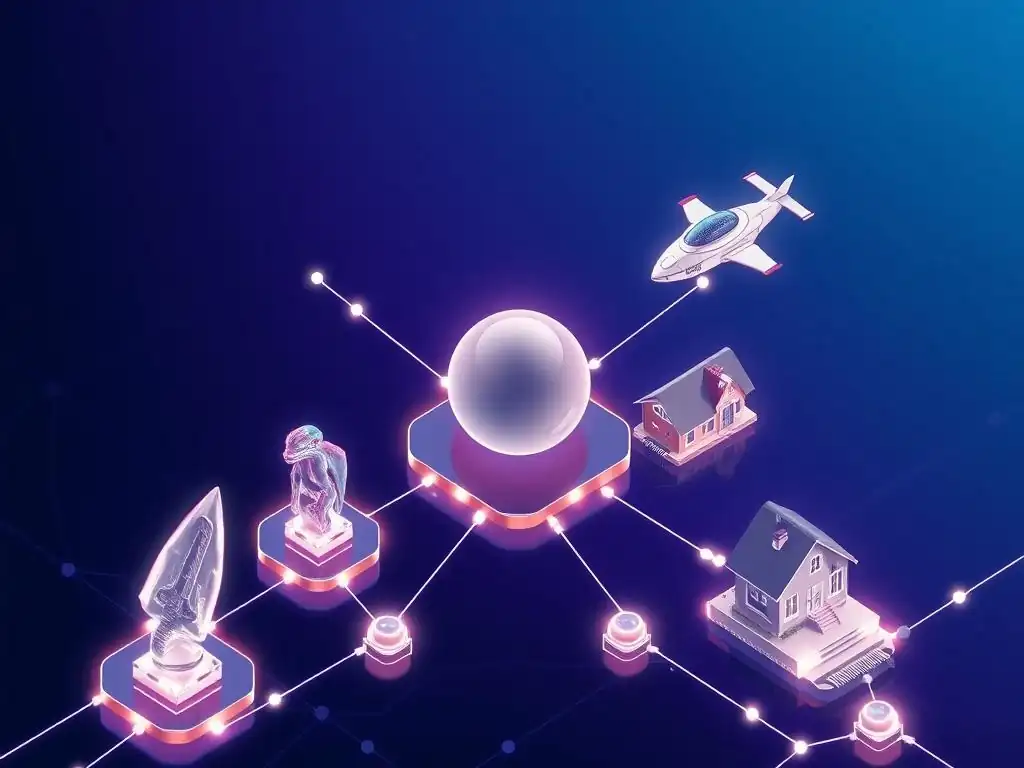
NFTs are revolutionizing the concept of in-game assets, shifting the paradigm from rented digital items to truly owned digital collectibles. The value proposition of NFT-based in-game items stems from several key factors. Firstly, NFTs provide verifiable scarcity and uniqueness. Unlike traditional in-game items that can be infinitely duplicated, NFTs are unique and limited in supply, as defined by their smart contract. This scarcity can drive up the perceived value and desirability of certain NFTs, particularly rare or high-utility items.
Secondly, NFTs grant players true ownership and control. Players are not just using in-game items; they own them on the blockchain and can freely trade, sell, or transfer them outside of the game's control. This ownership empowers players and creates a more liquid and player-driven in-game asset market. Thirdly, NFTs offer potential interoperability.
While still nascent, the vision of using NFTs across different games and metaverse platforms is a powerful value proposition. Imagine owning a sword NFT that can be used in multiple RPG games or a piece of virtual land that exists across different metaverse worlds. This interoperability would unlock new levels of digital asset utility and interconnected gaming experiences.
Innovative NFT Uses in Gaming
Beyond simple collectibles, NFTs are finding increasingly innovative uses within gaming, expanding their functionality and utility beyond just visual representation. Dynamic NFTs are emerging, where the metadata and properties of an NFT can change based on in-game events or external factors. For example, a weapon NFT could evolve and gain new abilities as the player progresses in the game, or a virtual land NFT could dynamically reflect real-world weather conditions.
Utility NFTs are another innovative application, where NFTs grant access to exclusive game content, features, or communities. Holding a specific NFT could unlock early access to game betas, grant entry to exclusive tournaments, or provide membership to a VIP player community. Fractional NFTs are also being explored, allowing for shared ownership of high-value in-game assets. This could enable players to collectively own and manage virtual land or rare in-game items, democratizing access to valuable digital assets. These innovative uses demonstrate the versatility of NFTs and their potential to create richer and more interactive gaming experiences.
The Impact of NFTs on the Gaming Economy
NFTs are fundamentally reshaping the gaming economy, creating new revenue streams for developers and empowering players within player-driven marketplaces. NFTs enable the creation of robust secondary markets for in-game assets, where players can freely trade and monetize their digital possessions. This contrasts sharply with traditional gaming models, where in-game item trading is often restricted or discouraged. The emergence of NFT marketplaces, such as OpenSea and Magic Eden, specifically catering to gaming NFTs, highlights the growing significance of this player-driven economy.
NFTs also empower creators and independent game developers. They can directly sell NFTs to players, bypassing traditional publishing intermediaries and retaining a larger share of revenue. NFTs can also facilitate new revenue models, such as royalty fees on secondary market sales, providing ongoing income for creators.
Furthermore, NFTs can foster stronger player communities and loyalty. Players who own NFTs often feel a greater sense of investment and ownership in the game, leading to increased engagement and community participation. The impact of NFTs on the gaming economy is still unfolding, but it is clear that they are paving the way for more decentralized, player-centric, and creator-empowering gaming ecosystems.
Blockchain Gaming: Decentralized Platforms and the User Experience
Improving User Experience in Blockchain Games
User experience (UX) is paramount for the mainstream adoption of blockchain gaming. Currently, a significant barrier to entry for many players is the complexity and often clunky UX associated with blockchain interactions. Improving UX requires simplifying various aspects of blockchain gaming, from onboarding to in-game interactions. Simplified wallet integration is crucial. Instead of requiring players to manually set up and manage cryptocurrency wallets, games are increasingly exploring embedded wallets or wallet-as-a-service solutions that abstract away the technical complexities.
Gas fee abstraction is another key area for improvement. Gas fees, the transaction fees on blockchains like Ethereum, can be confusing and unpredictable for new users. Solutions like gasless transactions or fee subsidization are being implemented to make blockchain interactions seamless and cost-effective for players.
Faster transaction speeds are also essential for a smooth gaming experience. Layer 2 scaling solutions and blockchain networks with higher throughput are crucial for reducing transaction latency and ensuring responsive gameplay. Furthermore, intuitive user interfaces and clear tutorials are needed to guide players through the nuances of blockchain gaming and make the experience accessible to a wider audience.
User Onboarding Challenges for Decentralized Platforms
Decentralized gaming platforms face unique user onboarding challenges compared to traditional gaming platforms. Educating new users about blockchain concepts, cryptocurrency wallets, and NFTs can be daunting. Many players are unfamiliar with these technologies and may be hesitant to engage with complex onboarding processes. Security concerns are also a significant factor. Players need to understand the importance of securing their cryptocurrency wallets and private keys, as losing access to these can result in the loss of valuable digital assets.
Overcoming these onboarding challenges requires a multi-faceted approach. Simplified onboarding flows, with step-by-step guides and in-game tutorials, are essential. Providing clear and concise educational resources about blockchain technology and its benefits in gaming can help demystify the technology and build trust. Robust security measures and user-friendly wallet solutions are also crucial for protecting players' assets and fostering a safe gaming environment. Furthermore, community support and player-to-player guidance can play a vital role in helping new users navigate the decentralized gaming landscape and overcome initial hurdles.
The Importance of Community Building in Blockchain Gaming
Community building is even more critical in blockchain gaming than in traditional gaming. Decentralized gaming platforms are often community-driven, with players having a greater sense of ownership and participation in the game's ecosystem. Strong communities can provide valuable feedback to developers, contribute to game development, and foster a sense of shared ownership and purpose. Community governance is also emerging as a key aspect of decentralized gaming. DAOs (Decentralized Autonomous Organizations) are being used to empower players to participate in decision-making processes related to game development, economy management, and platform governance.
Active community engagement is essential for fostering a vibrant and thriving decentralized gaming ecosystem. This includes creating channels for player feedback, organizing community events, and recognizing and rewarding community contributions. Transparent communication and open development processes are also crucial for building trust and fostering a strong sense of community ownership. Ultimately, the success of decentralized gaming platforms hinges on building strong, engaged, and empowered communities that actively participate in shaping the future of these virtual worlds.
The Technological Landscape of Blockchain Gaming
Blockchain Networks Powering Decentralized Games
A diverse range of blockchain networks are powering the decentralized gaming revolution, each with its own strengths and weaknesses in terms of scalability, transaction fees, and developer tools. Ethereum, while facing scalability challenges, remains a prominent platform for blockchain gaming due to its large ecosystem, established NFT standards (ERC-721 and ERC-1155), and robust developer community. Polygon, a Layer 2 scaling solution for Ethereum, is gaining significant traction in gaming due to its low gas fees and faster transaction speeds, making it suitable for games with high transaction volumes.
Solana is another popular blockchain for gaming, known for its high throughput and low transaction costs, attracting developers seeking to build fast and scalable games. Flow, developed by Dapper Labs (creators of CryptoKitties and NBA Top Shot), is specifically designed for NFTs and gaming, offering user-friendly developer tools and a focus on mainstream adoption. Wax (Worldwide Asset eXchange) is another blockchain optimized for NFTs and gaming, known for its ease of use and eco-friendly approach.
Immutable X, as mentioned previously, is a Layer 2 solution specifically tailored for NFTs and gaming on Ethereum, offering zero gas fees for NFT trading. Avalanche is also emerging as a viable platform for gaming, offering high throughput and customizable subnets for game-specific blockchains. The choice of blockchain network depends on the specific needs of the game, including scalability requirements, transaction cost sensitivity, and developer preferences.
Blockchain Platform Comparison for Gaming
Choosing the right blockchain platform for a decentralized game involves considering several key factors, including transaction speed, gas fees, scalability, developer tools, and community support. Ethereum, while having a large community and established ecosystem, suffers from high gas fees and slower transaction speeds, making it less ideal for games requiring frequent and low-cost transactions. Polygon addresses Ethereum's scalability issues with Layer 2 solutions, offering significantly lower gas fees and faster transaction speeds, making it a popular choice for many blockchain games.
Solana boasts high throughput and low transaction costs, making it suitable for fast-paced games, but its ecosystem is relatively younger compared to Ethereum. Flow is designed for NFTs and gaming with user-friendly developer tools and a focus on mainstream adoption, but its ecosystem is still developing. Wax is optimized for NFTs and gaming, offering ease of use and eco-friendliness, but its community and ecosystem are smaller compared to Ethereum or Polygon. Immutable X provides zero gas fees for NFT trading on Ethereum and high throughput, making it ideal for NFT-heavy games, but it is specifically focused on NFTs and may not be suitable for all types of games. Avalanche offers high throughput and customizable subnets, providing flexibility for game developers, but its ecosystem is still growing. The optimal blockchain platform depends on the specific game requirements and developer priorities, with each platform offering a unique balance of features and trade-offs.
The Future of Blockchain Gaming Technology: Layer 2 Solutions and Beyond
The future of blockchain gaming technology is likely to be driven by advancements in Layer 2 scaling solutions and the development of more specialized and interoperable blockchain infrastructure. Layer 2 solutions, such as rollups and sidechains, are crucial for addressing the scalability limitations of main blockchains like Ethereum, enabling faster transaction speeds and lower gas fees, essential for mainstream gaming adoption. Optimistic rollups and zero-knowledge rollups are both promising Layer 2 technologies, each with its own strengths and trade-offs in terms of security and scalability.
Beyond Layer 2 solutions, the development of interoperability solutions is critical for creating a more interconnected and open metaverse. Cross-chain bridges and interoperability protocols are emerging to enable seamless asset transfers and data exchange between different blockchain networks, allowing for greater composability and interoperability in blockchain gaming.
Furthermore, the development of metaverse-specific infrastructure, including decentralized identity solutions, virtual world engines, and decentralized storage solutions, will be crucial for building robust and scalable decentralized gaming platforms and metaverses. The evolution of blockchain gaming technology will continue to focus on improving scalability, reducing transaction costs, enhancing interoperability, and creating a more seamless and user-friendly experience for both developers and players.
The Future of Game Development on Decentralized Platforms
Empowering Independent Game Developers with Blockchain
Blockchain technology is democratizing game development, particularly empowering independent game developers by offering new funding models, direct access to players, and open ecosystems. Traditional game development often relies on publishers for funding and distribution, which can limit creative control and revenue share for independent developers. Blockchain offers alternative funding mechanisms, such as initial NFT offerings (INOs) and decentralized autonomous organizations (DAOs), allowing developers to raise capital directly from the community and retain greater ownership of their projects.
Direct access to players is another significant advantage. Blockchain enables developers to build direct relationships with their player communities, bypassing traditional gatekeepers and intermediaries. NFT-based in-game assets allow developers to create player-driven economies and reward early adopters and loyal fans directly. Open ecosystems and interoperability also empower independent developers. Blockchain's open-source nature and the potential for interoperability enable developers to build upon existing platforms and integrate their games into broader metaverse ecosystems, fostering innovation and collaboration within the decentralized gaming space.
Blockchain Game Development Tools and Resources
The ecosystem of blockchain game development tools and resources is rapidly expanding, making it easier for developers to build on decentralized platforms. Game engines like Unity and Unreal Engine, widely used in the traditional gaming industry, are offering increasing integration with blockchain SDKs (Software Development Kits) and APIs (Application Programming Interfaces).
These integrations simplify the process of incorporating blockchain functionalities, such as NFT minting and wallet integration, into game development workflows. Platforms like Enjin, Immutable X, and Gala Games provide specialized SDKs and APIs specifically designed for blockchain gaming, offering tools for NFT management, marketplace integration, and P2E mechanics implementation.
Developer communities and online resources are also growing, providing support, tutorials, and best practices for blockchain game development. Blockchain development platforms and infrastructure providers, such as Alchemy and Infura, offer tools and services to simplify blockchain integration and deployment. The increasing availability of these tools and resources is lowering the barrier to entry for game developers interested in exploring blockchain and building decentralized gaming experiences.
The Potential for Innovation in Decentralized Game Design
Decentralized platforms unlock significant potential for innovation in game design, enabling new game genres, player-driven narratives, and dynamic game worlds. Player-driven narratives become more feasible with blockchain, as players can truly own and influence the game world through NFTs and decentralized governance mechanisms. Games can evolve based on player actions and decisions, creating dynamic and emergent storylines. Dynamic game worlds are also enabled by blockchain, with NFTs representing persistent and evolving in-game assets and virtual land. Game worlds can become more interactive and responsive to player actions, creating more immersive and engaging experiences.
New game genres are emerging within the decentralized gaming space, such as decentralized autonomous games (DAGs) governed by player communities, and metaverse-integrated games that leverage interoperable NFTs and virtual worlds. Blockchain also facilitates the creation of new economic models within games, such as player-owned economies and decentralized marketplaces, fostering more equitable and player-centric gaming experiences. The potential for innovation in decentralized game design is vast and largely untapped, promising to reshape the future of interactive entertainment and create entirely new forms of gaming experiences.
Conclusion: Embracing the Decentralized Gaming Future
The Long-Term Vision for Blockchain Gaming
The long-term vision for blockchain gaming extends far beyond simply integrating cryptocurrency and NFTs into existing game models. It envisions a future where gaming is more open, decentralized, and player-owned, fundamentally reshaping the relationship between players and games. The ultimate goal is to create a player-owned metaverse, where players have true digital ownership, control over their in-game assets, and a voice in shaping the virtual worlds they inhabit. This vision encompasses interoperable gaming ecosystems, where NFTs and digital identities can be used across different games and metaverse platforms, creating a seamless and interconnected digital experience.
Blockchain gaming aims to foster new forms of digital entertainment, blurring the lines between playing, creating, and earning. It envisions a future where players are not just consumers but active participants and owners in the gaming ecosystems they engage with, contributing to game development, shaping game economies, and building vibrant communities within decentralized virtual worlds. This long-term vision represents a paradigm shift in the gaming industry, moving towards more equitable, transparent, and player-centric gaming experiences.
Predictions for the Future of Decentralized Gaming Platforms
Several key trends and predictions are shaping the future of decentralized gaming platforms. The Play-to-Earn (P2E) model is likely to evolve beyond purely earning-focused mechanics towards more sustainable and engagement-driven models, blending P2E with Play-and-Earn (PAE) and Play-to-Own (PTO) concepts. Metaverse integration will become increasingly prominent, with decentralized gaming platforms playing a crucial role in building interoperable and user-owned metaverses. Mainstream adoption of blockchain gaming is expected to accelerate as UX improves, onboarding becomes simpler, and game quality catches up with traditional gaming standards.
New game genres and innovative game designs will emerge, leveraging the unique capabilities of blockchain technology, such as player-driven narratives, dynamic game worlds, and decentralized autonomous games. Layer 2 scaling solutions and interoperability protocols will become increasingly crucial for addressing scalability challenges and creating more interconnected and seamless blockchain gaming experiences. The decentralized gaming space is poised for continued growth and innovation, with the potential to disrupt the traditional gaming industry and create entirely new forms of interactive entertainment.
The Transformative Potential of Blockchain in the Gaming Industry
Blockchain technology holds transformative potential for the gaming industry, fundamentally changing how games are developed, played, and experienced. It empowers players with true digital ownership of in-game assets, fostering player-driven economies and creating new revenue streams for both players and developers. Blockchain enables new economic models like Play-to-Earn, blurring the lines between playing and earning and potentially creating new economic opportunities within virtual worlds. It fosters greater transparency and security in gaming ecosystems, reducing fraud and manipulation and building trust within player communities.
Blockchain democratizes game development, empowering independent developers with new funding models, direct access to players, and open ecosystems. It unlocks significant potential for innovation in game design, enabling new game genres, player-driven narratives, and dynamic game worlds. Ultimately, blockchain is reshaping the gaming industry towards a more decentralized, player-centric, and creator-empowering future, promising to create richer, more engaging, and more equitable gaming experiences for players worldwide.
Frequently Asked Questions
How is blockchain technology transforming gaming platforms?
Blockchain is enabling decentralized gaming platforms through features like NFTs for in-game assets, secure and transparent transactions, and player ownership, reshaping the gaming experience.
What are the key benefits of decentralized gaming platforms for players?
Players on decentralized platforms gain true ownership of their in-game assets, enhanced security and transparency, and the potential to earn real-world value through play-to-earn mechanics.
What role do NFTs play in the future of blockchain gaming?
NFTs are crucial as they represent unique in-game items, characters, or virtual land, allowing players to trade, sell, and own their digital assets outside of the game itself, fostering a decentralized economy.
What are some of the regulatory challenges facing blockchain gaming platforms?
Regulatory uncertainty surrounding NFTs and cryptocurrencies presents a challenge, requiring platforms to navigate compliance issues related to financial regulations and player protection in different jurisdictions.
How will blockchain gaming platforms evolve in the future?
The future likely holds more sophisticated gaming experiences, interoperability between different blockchain games, and broader adoption as user-friendly interfaces and mainstream awareness of blockchain technology increase.
Final Reflection: Embracing the Decentralized Play Revolution
The insights explored throughout this article highlight a crucial shift: the future of gaming is undeniably intertwined with blockchain technology and decentralized platforms. The potential for true ownership, enhanced security, and player-driven economies is no longer a distant dream, but a rapidly approaching reality that will fundamentally alter how we interact with and value digital assets within gaming environments.
The rise of blockchain gaming is not just about technological advancement; it's about empowering players and fostering a more equitable and engaging ecosystem. This movement resonates deeply because it challenges the traditional power structures within the gaming industry, placing control back into the hands of the community. The future of gaming is not about bigger budgets or more realistic graphics. It's about giving players real ownership and agency over their experiences.
This quote encapsulates the core ethos of decentralized gaming, emphasizing the importance of player empowerment and community-driven development.
As we stand on the cusp of this decentralized play revolution, I invite you to consider the implications for your own gaming experiences. How can you actively participate in shaping this future? Explore the possibilities offered by blockchain gaming platforms, support developers who are championing decentralization, and advocate for a more transparent and equitable gaming landscape. The future of play is being written now – let's ensure it's a future where everyone has a seat at the table.
Ignite Your Gaming Revolution: Explore the Decentralized Frontier!
Thank you for exploring the world of blockchain gaming and discovering how it is transforming the future of play. You’ve seen how decentralization empowers both players and creators. Are you ready to take the next step and become part of this exciting evolution?
Here’s how you can get involved:
- Try out a decentralized game to experience the future of ownership firsthand! Platforms like Axie Infinity, Decentraland, and Gods Unchained demonstrate blockchain gaming in action.
- Share this article with your fellow gamers to spark conversations about the potential of blockchain in gaming. Let’s spread the word!
- Brainstorm and jot down ideas for new blockchain-based games or enhancements to existing ones. Your contributions can shape the future of decentralized gaming!
What kind of unique gaming experience would you create using blockchain technology, and how could it benefit the player community? Share your thoughts in the comments below!
Leave a Reply