
Blockchain for Renewable Energy: Powering a Sustainable Future


Welcome to Blockchain Trends, your guide to understanding the revolutionary impact of blockchain technology. Beyond the hype of cryptocurrencies, explore the real-world applications reshaping industries and driving innovation. Curious about how this technology can contribute to a greener future? Delve into our latest analysis on " Blockchain renewable energy integration challenges" and discover the hurdles and opportunities in leveraging blockchain to build a more sustainable energy landscape. Join us as we unravel the complexities and unlock the potential of decentralized systems.
Blockchain for Renewable Energy: Powering a Sustainable Future
- Introduction: The Synergy of Blockchain and Renewable Energy
- Understanding Blockchain Technology for Energy Applications
- The Potential of Blockchain in Renewable Energy Systems
- Blockchain Renewable Energy Integration Challenges: Addressing the Hurdles
- Overcoming Blockchain Renewable Energy Challenges: Solutions and Strategies
- Use Cases: Real-World Applications of Blockchain in Renewable Energy
- Benefits of Blockchain Implementation in Renewable Energy
- The Future of Blockchain in Sustainable Energy Systems
- Conclusion: Blockchain as a Catalyst for a Greener Energy Future
-
Frequently Asked Questions
- How can blockchain technology contribute to the renewable energy sector?
- What are some of the main Blockchain renewable energy integration challenges?
- How does blockchain enhance the transparency of renewable energy supply chains?
- What is the role of DeFi (Decentralized Finance) in funding renewable energy projects?
- How might regulations impact the adoption of blockchain in the renewable energy sector?
- Final Reflection: Decentralizing a Greener Tomorrow
- Ignite Your Green Revolution: Explore Blockchain's Energy Potential!
Introduction: The Synergy of Blockchain and Renewable Energy
Addressing Global Energy Challenges with Innovative Solutions
The global energy landscape is undergoing a dramatic transformation driven by the urgent need to combat climate change and transition towards sustainable sources. Traditional centralized energy systems, often reliant on fossil fuels, face significant hurdles including inefficiency, lack of transparency, and vulnerability to disruptions. The transition to renewable energy sources like solar and wind introduces new complexities, such as intermittency, distributed generation, and the need for dynamic grid management.
Innovative solutions are essential to overcome these challenges and build a resilient, sustainable energy infrastructure for the future. This requires not just technological advancements in energy generation and storage, but also in how energy is managed, traded, and consumed.
Addressing these challenges necessitates a shift towards more decentralized, transparent, and efficient systems. The integration of digital technologies is paramount in enabling smart grids, managing distributed energy resources (DERs), and empowering consumers. As the world targets ambitious goals like net-zero emissions by 2050, the pressure is on to deploy technologies that can accelerate the adoption and optimization of renewable energy.
This includes tackling issues like grid stability with high levels of variable renewables, ensuring equitable access to clean energy, and creating liquid markets for renewable energy credits and carbon offsets. The potential of emerging technologies to facilitate this transition is immense, offering new pathways for innovation in energy management and distribution.
Blockchain Trends' Focus: Sustainable Blockchain Solutions
At Blockchain Trends, we delve into the myriad ways blockchain technology is moving beyond its origins in cryptocurrencies to create tangible, real-world impact. Our focus on Sustainable Blockchain Solutions highlights how this distributed ledger technology can serve as a foundational layer for environmentally conscious applications. We explore how blockchain's inherent characteristics—decentralization, transparency, and immutability—can be leveraged to build systems that support sustainability initiatives across various sectors, including supply chain traceability, carbon accounting, and, significantly, renewable energy. Our aim is to provide insights into the practical applications and underlying mechanisms of blockchain solutions that contribute to a greener planet.
Within the realm of sustainable solutions, the intersection of blockchain and renewable energy is particularly compelling. We investigate how blockchain can enhance efficiency, trust, and participation in renewable energy markets, from facilitating peer-to-peer energy trading to improving the tracking and management of renewable energy certificates (RECs). This involves examining the technological frameworks, regulatory landscapes, and real-world projects that are pioneering the use of blockchain in this space. By focusing on these developments, Blockchain Trends seeks to inform our readers about the opportunities and challenges associated with deploying blockchain technology to accelerate the global transition towards a sustainable energy future.
Understanding Blockchain Technology for Energy Applications
What is Blockchain and How Does it Work?
Blockchain is a type of distributed ledger technology (DLT) that records transactions across multiple computers. It is structured as a chain of blocks, where each block contains a list of transactions. Once a block is completed, it is cryptographically linked to the previous block, creating a secure and immutable chain.
This distributed nature means there is no single point of failure, and the ledger is transparent to all participants on the network (depending on the type of blockchain – public, private, or consortium). The process typically involves participants (nodes) validating transactions, which are then grouped into blocks and added to the chain through a consensus mechanism, such as Proof-of-Work (PoW) or Proof-of-Stake (PoS).
The fundamental principle behind blockchain is cryptography, which ensures the security and integrity of the data. Each block contains a cryptographic hash of the previous block, a timestamp, and transaction data. If any data within a block is altered, the hash of that block changes, breaking the link to the next block and immediately signaling tampering.
This makes the ledger highly resistant to modification or deletion of data once it has been recorded. The consensus mechanism ensures that all participants agree on the state of the ledger, preventing fraudulent transactions and maintaining a single, shared version of truth across the network. This trustless environment eliminates the need for central intermediaries in many types of transactions.
Key Features: Decentralization, Transparency, and Security
Decentralization is a core feature of blockchain technology. Instead of relying on a central authority or server, the ledger is distributed across a network of computers (nodes). This distribution makes the system more robust and resistant to censorship or control by a single entity. In the context of energy, decentralization can empower individual energy producers and consumers, enabling peer-to-peer interactions without the need for traditional utility intermediaries for certain functions. For example, a homeowner with solar panels could directly trade excess energy with a neighbor, bypassing the conventional grid operator for the transaction settlement layer.
Transparency is another significant advantage. On public blockchains, all transactions are typically visible to all participants on the network, although the identities of the parties involved may be pseudonymous. This public verifiability enhances trust and accountability.
For renewable energy certificates or carbon credits, this transparency can help prevent double-counting or fraudulent claims, ensuring that certificates represent actual, verifiable renewable energy generation. Security is built into the blockchain through cryptographic hashing and the consensus mechanism, making it extremely difficult for malicious actors to alter records or disrupt the system. This high level of security is crucial for critical infrastructure applications like energy grids, where data integrity and system resilience are paramount.
Smart Contracts and Automated Energy Management
Smart contracts are self-executing contracts with the terms of the agreement directly written into code. They run on the blockchain and automatically execute actions when predefined conditions are met. These contracts can automate processes, reduce the need for intermediaries, and ensure that agreements are enforced transparently and reliably.
In the energy sector, smart contracts can automate a wide range of functions, from managing energy trading agreements between prosumers (producers/consumers) to automating payments based on real-time energy consumption or generation data. For instance, a smart contract could automatically trigger a payment from a buyer to a seller once a certain amount of solar energy has been delivered and verified on the grid.
The application of smart contracts extends to automated energy management systems. They can be used to manage distributed energy resources (DERs), such as rooftop solar arrays, battery storage systems, and electric vehicles. Smart contracts can orchestrate the charging and discharging of batteries based on grid conditions, price signals, or contractual agreements for grid services.
They can also facilitate automated bidding in local energy markets or manage complex power purchase agreements (PPAs) between renewable energy generators and corporate buyers. This automation streamlines operations, reduces administrative overhead, and allows for more dynamic and efficient management of decentralized energy assets, paving the way for more flexible and responsive energy grids.
The Potential of Blockchain in Renewable Energy Systems
Enhancing Transparency and Traceability in Renewable Energy Supply Chains
Ensuring the origin and environmental attributes of renewable energy is critical for establishing trust in green claims and compliance markets. Blockchain technology can provide an immutable and transparent ledger to track renewable energy from its point of generation through its distribution and consumption. Each unit of energy generated (e.g., per MWh) can be recorded on the blockchain with associated metadata, including source (solar, wind, hydro), location, and time of generation.
This creates a digital fingerprint for clean energy, offering unprecedented visibility into the supply chain. Companies and consumers can verify that the energy they purchase is truly from renewable sources, enhancing accountability and preventing greenwashing.
This enhanced traceability is particularly valuable for corporate power purchase agreements (PPAs) and for tracking the provenance of energy used in specific processes, such as manufacturing or data centers. For example, a large corporation committed to 100% renewable energy can use a blockchain-based system to trace the energy supplied to its facilities back to specific renewable generation assets.
This level of detail and transparency is difficult to achieve with traditional, often manual or siloed tracking systems. A pilot project tracking renewable energy flows in Germany, for instance, demonstrated the ability to record generation data from distributed sources and make it transparently available on a blockchain, improving confidence in the origin of the energy.
Facilitating Peer-to-Peer (P2P) Energy Trading
One of the most exciting applications of blockchain in renewable energy is the facilitation of peer-to-peer (P2P) energy trading. This model allows individuals or small businesses with excess renewable energy generation (like rooftop solar owners) to directly sell that energy to other consumers within their local community or grid network, bypassing traditional utility intermediaries for the transaction settlement.
Blockchain provides the secure, transparent, and automated platform needed for such direct exchanges. Smart contracts can define the terms of the trade, including price, volume, and time of delivery, and automatically execute the transaction and payment once the energy transfer is confirmed.
P2P energy trading platforms built on blockchain have been piloted in various locations globally. For instance, Power Ledger's platform has facilitated P2P trading trials in Australia, Europe, and Asia. In one trial in Australia, participants were able to buy and sell solar energy directly with neighbors using a blockchain-based application, demonstrating the technical feasibility and potential for cost savings for both buyers and sellers.
These platforms often report transaction fees significantly lower than those typically charged by traditional energy retailers for managing such small-scale transactions. This model not only offers potential economic benefits but also empowers prosumers, fostering a more engaged and decentralized energy community.
Streamlining Renewable Energy Certificate (REC) Tracking and Management
Renewable Energy Certificates (RECs), or similar instruments like Guarantees of Origin (GOs) in Europe, are market-based instruments that certify the generation of renewable energy. They represent the environmental attributes of electricity generated from renewable sources. Tracking and managing these certificates through traditional methods can be cumbersome, prone to errors, and vulnerable to double-counting. Blockchain offers a robust solution by providing a single, immutable, and transparent ledger for the issuance, ownership, and retirement of RECs. Each certificate can be tokenized on the blockchain, creating a unique, traceable digital asset.
Using blockchain for REC tracking ensures that once a certificate is issued for a specific MWh of renewable energy, its ownership history is transparently recorded on the ledger. When a company or individual uses the REC to make a renewable energy claim (retires the certificate), this action is permanently recorded, preventing the same certificate from being used again.
Platforms like Energy Web Foundation have developed blockchain networks specifically for tracking energy-related assets and certificates. Their work with various energy market participants demonstrates how blockchain can significantly reduce the administrative burden, improve the integrity of the REC market, and increase confidence in renewable energy claims, making it easier and more reliable for organizations to meet their sustainability goals.
Blockchain Renewable Energy Integration Challenges: Addressing the Hurdles
Technical Challenges of Integrating Blockchain with Renewable Energy Infrastructure
Integrating blockchain technology with existing, often legacy, renewable energy infrastructure presents significant technical hurdles. The energy grid is a complex, interconnected system involving generation, transmission, distribution, and consumption, managed by sophisticated operational technology (OT) and information technology (IT) systems. Blockchain platforms need to interface seamlessly with various devices and systems, including smart meters, grid sensors, distributed energy resources (DERs), and utility control systems.
Establishing reliable and secure communication protocols between these disparate systems and the blockchain is a major challenge. Data must be accurately captured from physical assets and recorded on the ledger in near real-time for applications like P2P trading or automated grid services.
Furthermore, the operational requirements of energy systems, such as high transaction throughput and low latency, can challenge the performance of some blockchain platforms. While public blockchains like Ethereum have faced scalability issues (processing perhaps 15-30 transactions per second), energy applications may require processing thousands or even millions of transactions per second, especially in dense networks of DERs or during peak trading periods.
Although newer blockchain platforms and layer-2 scaling solutions aim to address these limitations, achieving the necessary speed and capacity while maintaining decentralization and security remains a key technical challenge for blockchain renewable energy integration. Ensuring the security of oracles (data feeds connecting real-world data to smart contracts) is also critical, as compromised data could lead to incorrect or malicious contract execution.
Regulatory and Policy Barriers to Blockchain Adoption in the Energy Sector
The energy sector is heavily regulated, with established rules and market structures that have evolved over decades. Introducing a disruptive technology like blockchain, which enables new models like decentralized P2P trading or automated market participation, often clashes with existing regulations. Regulatory frameworks designed for centralized utilities may not adequately address the unique characteristics of blockchain-based energy transactions, ownership of tokenized energy assets, or the roles and responsibilities of participants in a decentralized market. Uncertainty surrounding legal status, consumer protection, grid stability responsibilities, and taxation of blockchain energy activities creates significant barriers to adoption.
Policy and regulatory bodies are often cautious in adopting new technologies, especially in critical infrastructure sectors like energy. The process of updating regulations to accommodate blockchain can be slow and complex, requiring coordination between various governmental agencies and industry stakeholders. For instance, defining who is responsible for grid stability when energy is traded directly between peers, or how blockchain-based energy transactions are taxed, are questions that require clear policy answers.
Without supportive or at least clear regulatory frameworks, energy companies and technology providers face significant risks, hindering investment and deployment of blockchain solutions. Overcoming these policy barriers is essential to unlock the full potential of blockchain renewable energy integration.
Scalability and Interoperability Issues in Blockchain-Based Energy Systems
Scalability is a critical concern for blockchain applications in the energy sector, especially as the number of distributed energy resources and participants grows exponentially. A future grid with millions of smart meters, solar panels, batteries, and EVs all interacting and potentially trading energy requires a blockchain platform capable of handling a massive volume of transactions efficiently and cost-effectively. Many existing blockchain platforms were not designed with this scale in mind.
While private or consortium blockchains can offer higher throughput than public ones, they may sacrifice some degree of decentralization, which is a core benefit for P2P models. Developing blockchain architectures that can scale to meet the demands of a future energy grid is a significant technical hurdle.
Interoperability is another key challenge. The energy sector involves a diverse ecosystem of technologies, standards, and market participants. Blockchain platforms need to be able to interact and exchange data with existing energy systems (SCADA, billing systems, market platforms), other blockchain networks, and various IoT devices using different communication protocols.
Lack of standardization in blockchain development for the energy sector can lead to siloed applications that cannot communicate with each other, limiting their overall effectiveness and potential for widespread adoption. Achieving seamless interoperability between different blockchain platforms and legacy energy systems is crucial for building a cohesive and efficient decentralized energy ecosystem. These interoperability issues contribute to the overall Blockchain renewable energy integration challenges.
Overcoming Blockchain Renewable Energy Challenges: Solutions and Strategies
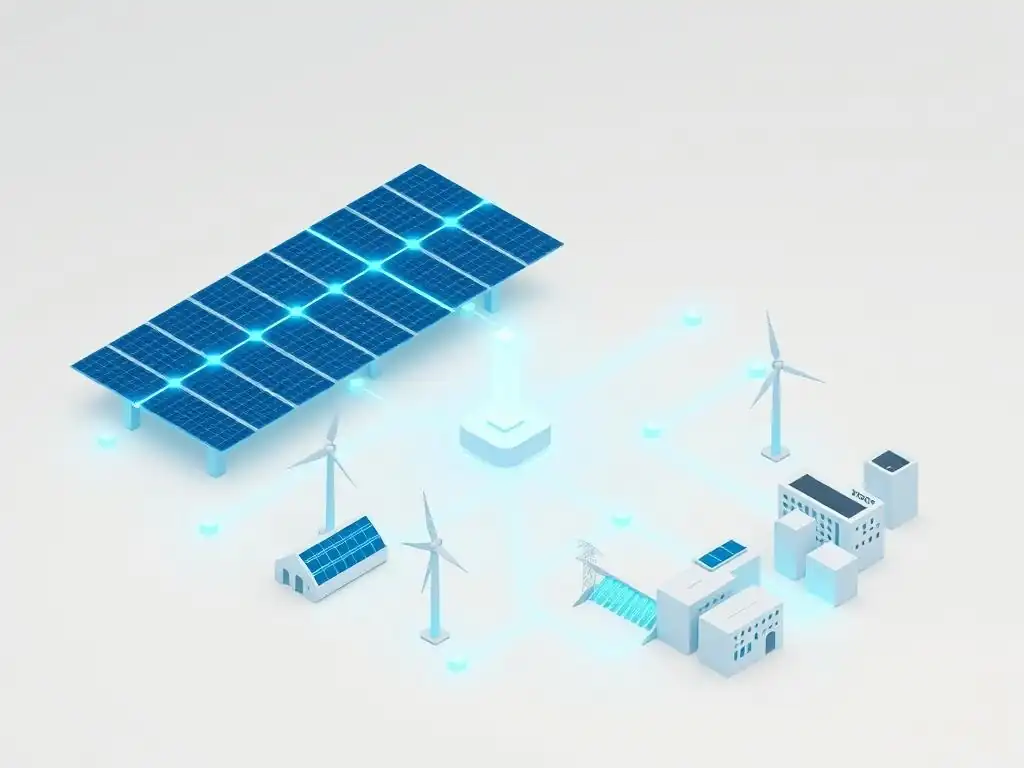
Developing Scalable Blockchain Platforms for Energy Grids
Addressing the scalability challenge requires the development and adoption of blockchain platforms specifically designed for the high throughput and low latency demands of energy applications. This involves exploring different blockchain architectures, such as purpose-built consortium blockchains, layer-2 scaling solutions on public blockchains, or entirely new distributed ledger designs optimized for energy transactions. Consortium blockchains, governed by a group of energy sector participants, can offer higher transaction speeds (potentially thousands per second) compared to public chains by limiting the number of validators, though this comes at the cost of some decentralization. Examples include platforms developed by the Energy Web Foundation.
Another strategy involves implementing layer-2 scaling solutions, such as state channels or sidechains, which process a large volume of transactions off the main blockchain while periodically settling onto the main chain for finality. This approach can significantly increase transaction capacity without sacrificing the security and decentralization of the underlying public blockchain. Continuous research and development in consensus mechanisms, data storage solutions, and network architectures are also vital. Collaboration between blockchain developers and energy grid operators is essential to build platforms that not only meet performance requirements but also integrate securely and reliably with existing and future energy infrastructure.
Establishing Clear Regulatory Frameworks for Blockchain-Based Energy Trading
Overcoming regulatory barriers requires proactive engagement and collaboration between blockchain innovators, energy companies, regulators, and policymakers. Establishing clear and supportive regulatory frameworks is crucial for fostering innovation and investment in blockchain energy solutions. This involves adapting existing regulations to accommodate new models like P2P trading, defining the legal status of tokenized energy assets, and addressing issues related to consumer protection, grid fees, and data privacy in a decentralized environment. Pilot projects and regulatory sandboxes can play a vital role in demonstrating the technology's capabilities and risks in a controlled environment, providing valuable data and insights for policymakers.
Policy discussions should focus on creating a level playing field for blockchain-based energy market participants and ensuring that grid stability and reliability are maintained. This might involve developing new tariff structures for grid usage by P2P traders or establishing clear rules for how blockchain platforms interact with grid operators. International collaboration on regulatory best practices can also help accelerate the process. Clearer guidelines on issues such as know-your-customer (KYC) requirements for participants in energy trading platforms or the taxation of energy tokens are necessary to provide legal certainty and reduce the perceived risk associated with blockchain renewable energy integration.
Fostering Collaboration and Standardization in the Blockchain Energy Ecosystem
Addressing the challenges of interoperability and accelerating widespread adoption requires fostering collaboration and standardization across the blockchain energy ecosystem. This involves bringing together utilities, renewable energy developers, technology providers, regulators, and consumers to agree on common standards for data formats, communication protocols, and blockchain architectures. Open standards and interoperable platforms will prevent fragmentation and allow different blockchain-based energy applications and systems to communicate seamlessly. Initiatives focused on developing common frameworks and reference architectures for blockchain in energy, such as those led by industry consortiums, are essential.
Collaboration is also key to developing shared infrastructure and best practices. Instead of each company building its own proprietary blockchain solution, industry participants can collaborate on developing shared, open-source platforms or consortium networks that benefit everyone. This reduces redundant effort, accelerates development, and creates a more robust ecosystem.
Educational initiatives and knowledge sharing are also critical to build capacity within the energy sector and increase understanding of blockchain technology's potential and limitations. By working together, stakeholders can collectively overcome the technical, regulatory, and market-related Blockchain renewable energy integration challenges and pave the way for a more efficient and sustainable energy future.
Use Cases: Real-World Applications of Blockchain in Renewable Energy
Case Study 1: Power Ledger - P2P Solar Energy Trading in Australia
Power Ledger is a prominent example of a company leveraging blockchain technology to facilitate peer-to-peer energy trading. Originating in Australia, Power Ledger has developed a platform that allows households and businesses with rooftop solar or other distributed energy resources to sell their excess energy directly to neighbors or other consumers on the local grid.
The platform uses blockchain to record energy generation and consumption data from smart meters and smart contracts to automate the trading process and settlement. In a trial conducted in partnership with Origin Energy in Australia, participants were able to trade solar energy credits in real-time, demonstrating the feasibility of a local energy market.
Further trials and projects have expanded Power Ledger's reach internationally, including initiatives in Thailand, Japan, and Europe. These projects have shown that P2P trading can potentially reduce energy costs for consumers buying locally sourced renewables and provide a new revenue stream for prosumers selling their excess generation.
While the volume of energy traded in these pilots might be relatively small compared to grid-scale transactions, the model proves the concept of a decentralized energy market layer enabled by blockchain. One project involving 10 residential households showed successful automated settlement of dozens of energy trades per day, highlighting the platform's potential for automating complex transactions at a local level.
Case Study 2: Energy Web Foundation - Blockchain-Based REC Tracking System in Europe
The Energy Web Foundation (EWF) is a non-profit organization focused on accelerating the clean energy transition using open-source blockchain technology. EWF has developed the Energy Web Chain, a public, enterprise-grade blockchain specifically designed for the energy sector. One of their key applications is facilitating the tracking and trading of renewable energy certificates (RECs) and similar instruments like Guarantees of Origin (GOs) in Europe. EWF has collaborated with numerous energy companies and grid operators across Europe to build and deploy solutions for digitalizing energy attribute certificates.
Through partnerships with organizations like Renewable Digital Passport and utilities in countries such as Germany and Austria, EWF's platform enables the transparent issuance, tracking, and retirement of GOs on the blockchain. This process significantly reduces the risk of double-counting and provides an immutable record of renewable energy generation and consumption claims.
For example, a system built on the Energy Web Chain is used by utilities to issue digital GOs for energy generated from specific renewable assets, allowing corporate buyers to purchase and retire these certificates with high confidence in their authenticity. The platform has demonstrated the capability to handle large volumes of certificates, processing tens of thousands of certificate transactions in pilot phases.
Case Study 3: LO3 Energy - Microgrids and Local Energy Markets in the United States
LO3 Energy is another company at the forefront of using blockchain for local energy markets and microgrids, particularly in the United States. Their most well-known project is the Brooklyn Microgrid in New York, a pilot program that allowed residents with solar panels to sell excess energy to their neighbors using a blockchain-based platform. Participants could set preferences for buying and selling energy within the local network, and smart contracts automatically facilitated the transactions based on these preferences and real-time generation data from smart meters.
The Brooklyn Microgrid project demonstrated the technical feasibility of creating a localized, decentralized energy market powered by blockchain. While operating as a pilot under specific regulatory allowances, it showcased how blockchain could enable more efficient use of locally generated renewable energy, reduce reliance on the main grid, and build community resilience.
LO3 Energy's platform, built on a private blockchain initially, focused on creating secure and transparent local energy transaction networks. The pilot involved several dozen participants and successfully completed hundreds of transactions per month, illustrating the potential for scaling such models in urban environments and contributing to overcoming Blockchain renewable energy integration challenges at the local level.
Benefits of Blockchain Implementation in Renewable Energy
Increased Efficiency and Reduced Costs in Energy Transactions
Blockchain technology has the potential to significantly increase efficiency and reduce costs associated with energy transactions. By eliminating the need for central intermediaries in processes like P2P trading or REC management, blockchain can streamline operations and reduce administrative overhead. Smart contracts automate the execution of agreements, reducing manual processing, potential for errors, and the time required for settlement. For example, settling a P2P energy trade via smart contract can happen instantly once conditions are met, compared to traditional billing cycles that might take days or weeks.
Studies and pilot projects suggest that transaction costs in blockchain-based energy markets can be substantially lower than those in traditional markets, particularly for small-scale, distributed transactions. The transparency and automation offered by blockchain also reduce the need for extensive auditing and reconciliation processes. For instance, managing RECs on a blockchain platform can reduce administrative costs by an estimated 10-20% compared to traditional registry systems, according to some industry reports. This increased efficiency and cost reduction can make renewable energy markets more accessible and economically viable for a wider range of participants.
Enhanced Security and Transparency in Renewable Energy Markets
Security and transparency are paramount in energy markets, and blockchain technology offers significant improvements in these areas. The cryptographic nature of blockchain ensures the integrity and immutability of transaction records, making it extremely difficult for malicious actors to tamper with data related to energy generation, consumption, or ownership of certificates. This enhanced security is vital for preventing fraud, such as the double-counting of renewable energy attributes. The decentralized nature of blockchain also makes the system more resilient to cyberattacks compared to centralized databases, as there is no single point of failure to target.
Furthermore, the transparency of blockchain ledgers (especially public or permissioned ones with controlled access) allows all authorized participants to view transaction histories. This visibility builds trust among market participants and increases accountability. For example, in a blockchain-based REC market, any participant can verify the issuance and retirement history of a certificate, ensuring the legitimacy of renewable energy claims. This level of transparency is difficult to achieve with traditional opaque or siloed systems, contributing positively to addressing some Blockchain renewable energy integration challenges related to trust and verification.
Empowering Consumers and Promoting Decentralized Energy Production
Blockchain technology empowers consumers by giving them greater control and participation in the energy market. Through P2P trading platforms, prosumers with rooftop solar or other DERs can become active participants, selling their excess energy and potentially earning revenue. This shifts consumers from being passive recipients of energy to active players in a decentralized grid. It also allows consumers to choose to buy energy directly from local renewable sources, fostering a sense of community and supporting local clean energy initiatives.
This empowerment aligns with the broader trend towards decentralized energy production, where power generation is moving away from large, central power plants towards smaller, distributed sources located closer to the point of consumption. Blockchain provides the necessary infrastructure to manage the complexity of a highly decentralized grid, enabling microgrids, virtual power plants, and local energy markets to function efficiently and securely. By facilitating these models, blockchain helps to promote the adoption of distributed renewable energy resources, contributing to a more resilient, sustainable, and democratic energy system.
The Future of Blockchain in Sustainable Energy Systems
Emerging Trends: IoT Integration, AI-Powered Energy Management, and Green Crypto Initiatives
The future of blockchain in sustainable energy systems is marked by several exciting emerging trends. One significant trend is the deeper integration of blockchain with the Internet of Things (IoT). IoT devices, such as smart meters, sensors, and smart appliances, can provide real-time data on energy generation, consumption, and grid conditions.
Blockchain can provide a secure and transparent ledger for recording this data, while smart contracts can automate actions based on it, enabling highly granular and dynamic energy management. For example, smart contracts could automatically adjust energy consumption in a building based on real-time renewable energy availability and price signals received from IoT devices.
Another trend is the convergence of blockchain with Artificial Intelligence (AI). AI algorithms can analyze the vast amounts of data recorded on blockchain ledgers to optimize energy forecasting, predict grid imbalances, and manage distributed energy resources more efficiently.
AI could, for instance, use blockchain transaction data from a local energy market to predict demand patterns and optimize the dispatch of battery storage systems via smart contracts. Furthermore, there's a growing movement towards "green crypto" initiatives that focus on using more energy-efficient blockchain consensus mechanisms (like Proof-of-Stake) or funding renewable energy projects with crypto revenues, aiming to mitigate the energy consumption concerns historically associated with some blockchain networks.
The Role of Blockchain in Achieving Global Sustainability Goals
Blockchain technology is poised to play a crucial role in helping the world achieve ambitious global sustainability goals, particularly those related to climate action and affordable and clean energy (as outlined in the UN Sustainable Development Goals). By enhancing the transparency and traceability of renewable energy, blockchain can improve the integrity of carbon markets and renewable energy certificate systems, making it easier for countries and corporations to track progress towards emission reduction targets and renewable energy deployment goals. The ability to reliably verify the source and attributes of clean energy is fundamental to building trust in global climate efforts.
Furthermore, blockchain's potential to facilitate decentralized energy systems and P2P trading can accelerate the adoption of distributed renewable energy resources, empowering communities and increasing energy access in underserved areas. By creating efficient and transparent local energy markets, blockchain can help unlock investment in small-scale renewable projects. The technology also offers potential for improving the efficiency of climate finance and carbon offset markets, ensuring that funds are directed towards verifiable emission reduction projects. While significant Blockchain renewable energy integration challenges remain, the technology's core features align well with the requirements for building a sustainable and transparent global energy infrastructure.
Predicting the Long-Term Impact of Blockchain on the Renewable Energy Landscape
The long-term impact of blockchain on the renewable energy landscape is likely to be transformative. As the technology matures and regulatory frameworks evolve, we can expect to see more widespread adoption of blockchain-based platforms for energy trading, grid management, and environmental attribute tracking. This could lead to a more decentralized, resilient, and democratic energy system where consumers play a more active role and renewable energy is integrated more seamlessly and efficiently. The automation offered by smart contracts will continue to reduce operational costs and increase the speed of transactions across the energy value chain.
While the path forward involves overcoming significant Blockchain renewable energy integration challenges related to scalability, interoperability, and regulation, the potential benefits are substantial. In the coming years, we may see blockchain becoming a standard component of smart grids, enabling automated energy balancing, dynamic pricing based on real-time conditions, and streamlined management of complex networks of distributed energy resources. The technology is set to fundamentally change how we generate, consume, and interact with energy, accelerating the transition towards a cleaner, more sustainable energy future.
Conclusion: Blockchain as a Catalyst for a Greener Energy Future
Recap of Blockchain's Transformative Potential in Renewable Energy
Blockchain technology holds significant transformative potential for the renewable energy sector. Its core characteristics of decentralization, transparency, and security provide a robust foundation for building more efficient, reliable, and equitable energy systems. We've explored how blockchain can enhance the traceability of renewable energy, facilitate peer-to-peer trading, and streamline the management of renewable energy certificates. These applications offer tangible benefits, including increased efficiency, reduced costs, enhanced security, and greater empowerment for energy consumers and prosumers.
Despite facing notable Blockchain renewable energy integration challenges, such as technical scalability issues, complex regulatory environments, and the need for greater interoperability and standardization, ongoing development and collaboration are paving the way for overcoming these hurdles. Real-world use cases from companies like Power Ledger, Energy Web Foundation, and LO3 Energy demonstrate that blockchain-based energy solutions are not just theoretical but are being successfully piloted and deployed today, showcasing the technology's practical viability and potential impact on the energy landscape.
Call to Action: Embracing Innovation for a Sustainable Energy Transition
The transition to a sustainable energy future is one of the most critical challenges of our time. Embracing innovative technologies like blockchain is essential to accelerate this transition and unlock new possibilities for renewable energy deployment and management. We encourage energy sector stakeholders—utilities, regulators, technology providers, and consumers—to explore the potential of blockchain technology, participate in pilot projects, and engage in discussions about how to adapt existing frameworks to support this innovation.
Investing in the development of scalable and interoperable blockchain platforms, working towards clear and supportive regulatory environments, and fostering collaboration across the ecosystem are crucial steps. By actively addressing the Blockchain renewable energy integration challenges, we can harness the power of this technology to build a more decentralized, transparent, and resilient energy infrastructure that benefits both the environment and society. The time to act is now to leverage these technological advancements for a greener planet.
Blockchain Trends' Commitment to Sustainable Blockchain Solutions
At Blockchain Trends, we are committed to exploring and highlighting the applications of blockchain technology that contribute to a sustainable future. We believe that blockchain has a vital role to play in the global energy transition, and we will continue to provide in-depth analysis, case studies, and insights into the latest developments in this dynamic field. Our focus remains on showcasing how blockchain can be a powerful tool for creating sustainable solutions, from renewable energy to carbon accounting and beyond.
We will continue to monitor the progress in overcoming Blockchain renewable energy integration challenges and report on the innovations that are driving the sector forward. Our goal is to be a leading resource for understanding the intersection of blockchain and sustainability, informing our readers about the opportunities, challenges, and the long-term impact of these technologies on our world. Join us in exploring how blockchain can power a truly sustainable energy future.
Frequently Asked Questions
How can blockchain technology contribute to the renewable energy sector?
Blockchain can facilitate peer-to-peer energy trading, enhance supply chain transparency, and improve the tracking of renewable energy certificates (RECs), fostering a more decentralized and efficient energy system.
What are some of the main Blockchain renewable energy integration challenges?
Challenges include scalability issues to handle large transaction volumes, regulatory uncertainties surrounding decentralized energy markets, and the need for interoperability with existing grid infrastructure.
How does blockchain enhance the transparency of renewable energy supply chains?
Blockchain's immutable ledger allows for traceability of components from origin to installation, ensuring ethical sourcing and verifying the authenticity of renewable energy products.
What is the role of DeFi (Decentralized Finance) in funding renewable energy projects?
DeFi platforms can provide alternative funding mechanisms for renewable energy projects, bypassing traditional financial institutions and offering greater access to capital for developers.
How might regulations impact the adoption of blockchain in the renewable energy sector?
Clear and consistent regulations are crucial to establish trust and address legal uncertainties, but overly restrictive regulations could hinder innovation and limit the potential benefits of blockchain technology.
Final Reflection: Decentralizing a Greener Tomorrow
The exploration of blockchain technology's potential in renewable energy, particularly in addressing the integration challenges we've discussed, underscores a critical truth: the future of sustainable energy is inextricably linked to innovative technological solutions. The complexities of grid management, transparent energy trading, and secure data sharing demand a paradigm shift, and blockchain offers a compelling framework for achieving just that.
This intersection of technology and sustainability is not merely a theoretical exercise; it's a force actively reshaping our world. Witnessing the growing adoption of decentralized energy solutions, powered by blockchain, fuels a sense of optimism and responsibility. We are at an inflection point where technology can truly empower individuals and communities to participate in a more sustainable energy future.
This sentiment resonates deeply, highlighting the transformative power we hold in our hands.
As we conclude this exploration, I invite you to consider your own role in this evolving landscape. How can you leverage your knowledge, your skills, and your influence to champion the integration of blockchain and renewable energy? The challenges are significant, but the potential rewards – a cleaner, more equitable, and more sustainable future – are immeasurable. Let us embrace this opportunity to power a brighter tomorrow, together.
Ignite Your Green Revolution: Explore Blockchain's Energy Potential!
Thank you for exploring how blockchain can transform renewable energy. You now see the remarkable potential of this technology to enhance transparency, efficiency, and sustainability in our energy systems. Let’s turn that knowledge into action!
Here’s how you can help build a greener future with blockchain:
- Begin researching real-world blockchain energy projects. Look into initiatives already underway in your area or around the world. Discover how blockchain is being utilized to develop more localized and democratized energy grids.
- Share this information! Spread the word with your network to inspire conversations and raise awareness about blockchain’s role in sustainable energy. The more people understand, the faster positive change can happen.
- Learn about policies: Investigate the current regulations related to blockchain and renewable energy. Understanding the legal environment is essential for advocating supportive policies.
What is one small step you can take today to explore how blockchain might make renewable energy more accessible in your community?
Leave a Reply