
Choosing a Software Wallet for LongTerm Crypto Storage (HODLing)


Welcome to Blockchain Trends, your gateway to understanding the revolutionary impact of blockchain technology!
Are you ready to secure your crypto for the long haul? Choosing the right software wallet is crucial for HODLing, but with so many options, where do you even begin? Dive into our exploration of secure, longterm crypto wallets and discover the key features, security considerations, and best practices to ensure your digital assets are protected for years to come. Let's unlock the potential of secure crypto storage together!
-
Choosing a Secure, Longterm Crypto Wallet for HODLing
- Understanding the Importance of a Secure Crypto Wallet
- Key Features of a Secure, Longterm Crypto Wallet
- Top Software Wallets for Longterm Crypto Storage
- Comparing the Best Options: Which is the Most Secure, Longterm Crypto Wallet?
- Recommendations for Choosing the Right Longterm Crypto Wallet
- Common Mistakes to Avoid When Choosing a Software Wallet
- Conclusion: Making an Informed Decision for Longterm Crypto Storage
-
Frequently Asked Questions
- How secure are software wallets for holding cryptocurrency long-term?
- What are the key features to look for in a software wallet for long-term crypto storage?
- How does a software wallet differ from a hardware wallet for storing crypto long-term?
- What are the risks of using a software wallet for "HODLing"?
- What steps can I take to enhance the security of my software wallet for long-term crypto storage?
- Final Reflection: Securing Your Digital Future
- Secure Your Digital Future: Start HODLing Smart!
Choosing a Secure, Longterm Crypto Wallet for HODLing
Understanding the Importance of a Secure Crypto Wallet
Why Longterm Storage Matters in Cryptocurrency
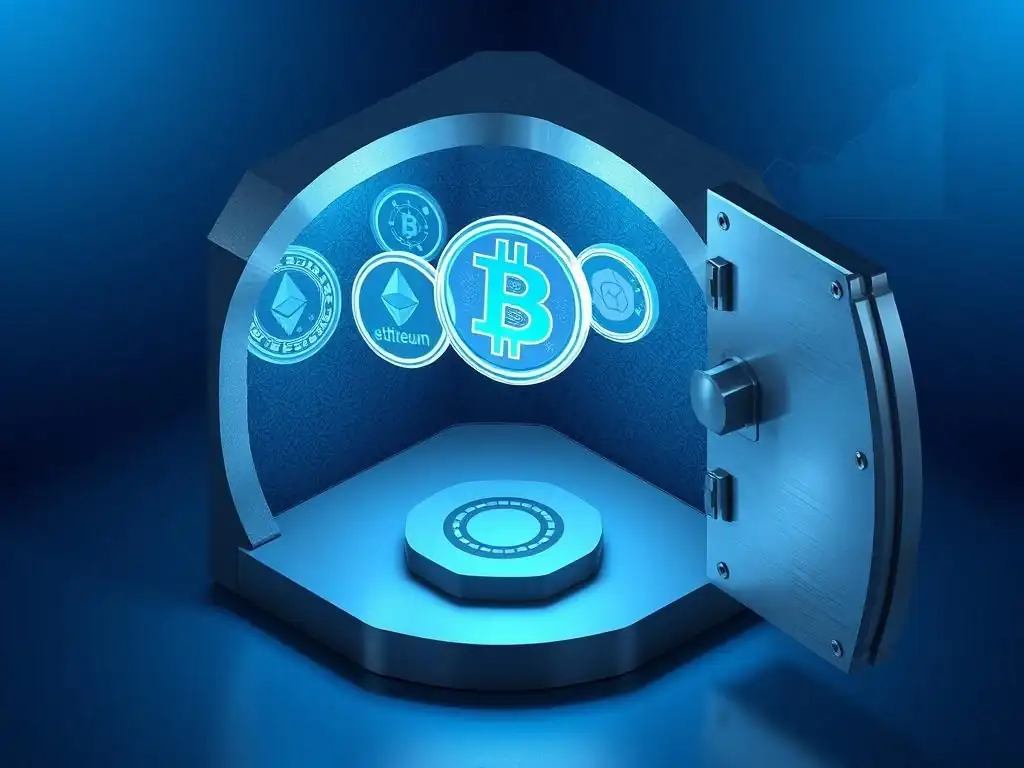
For individuals engaging in HODLing – the practice of buying and holding cryptocurrency assets for extended periods, often years – the security of their digital wealth is paramount. Unlike short-term trading where assets might frequently move between exchanges or temporary wallets, HODLing implies a commitment to keeping funds locked away safely, away from potential threats like exchange hacks, phishing attempts, or malware. A secure, longterm crypto wallet acts as the digital safe deposit box for these valuable assets.
The value of cryptocurrencies can be highly volatile, but the potential for significant appreciation over years makes robust, long-term storage solutions indispensable. Entrusting substantial value to a wallet that isn't designed for enduring security exposes assets to unnecessary risk, potentially negating any investment gains.
The landscape of cryptocurrency security is constantly evolving, with malicious actors developing increasingly sophisticated methods to target digital assets. Therefore, selecting a wallet specifically built with robust, multi-layered security features is not just advisable but essential for anyone planning to hold crypto for the long haul. A secure, longterm crypto wallet minimizes the attack surface, providing peace of mind that your private keys – the critical component granting access to your funds – remain protected. This focus on deep security is a primary differentiator when evaluating options for HODLing versus wallets used for frequent transactions.
The Role of Software Wallets in HODLing
Software wallets, which are applications installed on a computer or mobile device, offer a balance of accessibility and control that can be suitable for HODLing, provided they meet high security standards. While hardware wallets are often considered the gold standard for maximum offline security, well-designed software wallets can still provide a secure environment for holding significant crypto assets, especially when used with caution and supplementary security practices. They allow users direct control over their private keys, unlike exchange accounts where the exchange holds the keys. This self-custody is a fundamental security advantage for longterm storage.
Choosing a secure, longterm crypto wallet in the software category means evaluating its architecture, encryption methods, and user protection features. These wallets store the private keys on the device where the software is installed, potentially vulnerable if the device is compromised. However, advanced encryption, secure element integration (on mobile), and robust backup options significantly mitigate these risks. For many users, the convenience and lower cost of software wallets, combined with strong security features, make them a viable and attractive option for managing their HODLed crypto portfolio, especially for smaller to medium-sized holdings or as a complement to hardware solutions.
Key Features of a Secure, Longterm Crypto Wallet
User-Friendly Interface for Easy Management
While security is the top priority for a secure, longterm crypto wallet, the user interface (UI) and user experience (UX) are also crucial, particularly for long-term holders who may not interact with their wallet daily. A clear, intuitive interface makes it easier to manage multiple assets, view transaction history, and, critically, navigate security settings and backup procedures correctly.
A complex or confusing interface increases the risk of user error, which can be a significant security vulnerability. For instance, a poorly designed backup process might lead a user to incorrectly record their recovery phrase, jeopardizing their ability to restore funds if the device is lost or damaged.
Furthermore, a good UI/UX facilitates features like portfolio tracking, which is beneficial for HODLers monitoring the long-term performance of their assets. Visual representations of portfolio allocation and historical value can provide valuable insights. While not directly a security feature, ease of use contributes to the overall safety by reducing the likelihood of mistakes and encouraging users to utilize all available security options. A secure, longterm crypto wallet should strike a balance between robust protection and accessibility, ensuring users can confidently manage their stored value without unnecessary friction.
Strong Security Measures: Encryption and Two-Factor Authentication
The foundation of any secure, longterm crypto wallet lies in its core security architecture. This includes robust encryption of private keys stored on the device, often using industry-standard algorithms like AES-256. This ensures that even if the device's storage is accessed, the sensitive key data remains unreadable without the decryption key, typically derived from the user's password or PIN. Beyond basic encryption, the implementation method is critical – keys should ideally be stored in isolated or encrypted areas of the operating system, not easily accessible by other applications.
Two-Factor Authentication (2FA) adds another vital layer of security. While less common for accessing the wallet itself (as it's device-based), 2FA is essential for critical actions like sending funds or changing security settings. This can involve codes from an authenticator app (like Google Authenticator or Authy) or SMS codes (though app-based 2FA is generally more secure than SMS due to SIM swap risks).
A secure, longterm crypto wallet should offer strong 2FA options, and ideally, make them mandatory for outgoing transactions above a certain threshold. Some wallets also integrate with hardware security keys (like YubiKey) for even stronger second-factor protection.
Multi-Currency Support for Diverse Crypto Assets
Many HODLers diversify their portfolios across various cryptocurrencies. A secure, longterm crypto wallet that supports multiple assets simplifies management, allowing users to store Bitcoin, Ethereum, Litecoin, and numerous other altcoins within a single application, managed by a single recovery phrase. This convenience reduces the need to download and manage multiple different wallet applications, each with its own security considerations and backup procedures. Consolidating assets into one reliable wallet streamlines the HODLing process.
However, multi-currency support must not come at the expense of security. Each supported asset requires careful integration to ensure that the wallet correctly handles its specific blockchain's requirements and security protocols. A secure, longterm crypto wallet supporting many coins should have a proven track record of safely integrating new assets and maintaining compatibility with blockchain updates. Wallets that integrate with decentralized exchanges (DEX) or offer staking might also appeal to HODLers looking to grow their assets, but these features should be evaluated separately for their own security implications.
Backup and Recovery Options for Peace of Mind
Even the most secure, longterm crypto wallet software is tied to the device it's installed on. Device failure, loss, or theft are real possibilities. Robust backup and recovery mechanisms are non-negotiable features. The standard method is the generation of a recovery phrase (also known as a seed phrase), typically a sequence of 12 or 24 words. This phrase is a deterministic representation of the wallet's private keys and allows the user to restore access to their funds on a new device.
A secure, longterm crypto wallet will guide the user through the backup process immediately upon setup and provide clear instructions on how to store the recovery phrase offline and securely. Storing this phrase digitally (e.g., in a cloud service or email) is a major security risk. Best practices involve writing it down on paper or stamping it onto metal and storing it in a safe location, like a fireproof safe or bank safety deposit box.
Some wallets offer additional backup options, such as encrypted cloud backups or multi-signature schemes, but the core recovery phrase remains the critical fail-safe for any secure, longterm crypto storage solution. Testing the recovery process (with a small amount first) is a recommended step for any HODLer.
Top Software Wallets for Longterm Crypto Storage
1. Exodus Wallet
- Overview and Features
Exodus is a popular multi-currency software wallet known for its visually appealing interface and ease of use. Launched in 2015, it supports a wide array of cryptocurrencies, typically listing over 100 different assets that users can store, send, and receive. One of its key features is an integrated exchange function powered by APIs from services like FTX (historically, though partnerships change) or ShapeShift, allowing users to swap between supported assets directly within the wallet application without needing to send funds to an external exchange. This convenience is a significant draw for users managing a diverse portfolio for longterm holding.
Beyond basic storage and exchange, Exodus also offers features like portfolio tracking with real-time price charts and historical data, enabling HODLers to monitor their investment performance easily. They also provide staking options for certain proof-of-stake assets directly within the wallet, allowing users to earn passive income on their stored funds. The wallet is available on desktop (Windows, macOS, Linux) and mobile (iOS, Android), with seamless synchronization between devices, making it accessible across multiple platforms for convenient management of a secure, longterm crypto wallet.
- Security Measures
Exodus prioritizes ease of use, but it also incorporates essential security features for a secure, longterm crypto wallet. Private keys are encrypted and stored locally on the user's device. The wallet does not require account registration or KYC (Know Your Customer) procedures, which enhances user privacy but places the full responsibility of security on the user. A crucial security measure is the mandatory backup process using a 12-word recovery phrase, which must be written down and stored safely offline.
While Exodus does not offer traditional 2FA (like Google Authenticator) for wallet access or transactions, it relies on password protection for the application itself. Users must ensure their device is secure and the password is strong. For enhanced security, Exodus offers integration with Trezor hardware wallets, allowing users to manage assets stored on the hardware device through the Exodus interface, combining Exodus's user-friendliness with the offline security of a hardware wallet – a strong option for maximizing the security of a secure, longterm crypto wallet holding significant value.
- User Experience and Interface
Exodus is often praised for having one of the most user-friendly and aesthetically pleasing interfaces among software wallets. The design is clean, modern, and intuitive, making it accessible even for cryptocurrency newcomers. The portfolio view is particularly well-liked, presenting a clear breakdown of assets and their current value with attractive charts. Sending and receiving transactions is straightforward, with clear address fields and fee options.
The integrated exchange feature is seamlessly integrated, providing a smooth experience for swapping assets, although users should be mindful of the spread and fees associated with these instant exchanges, which can sometimes be higher than on centralized exchanges. The overall user experience is geared towards making crypto management simple and visually engaging, contributing to why many choose Exodus as their secure, longterm crypto wallet for managing diverse assets.
- Pricing and Fees
The Exodus wallet application itself is free to download and use. There are no direct fees charged by Exodus for storing or receiving cryptocurrencies. When sending cryptocurrencies, users pay the standard network transaction fees (e.g., Bitcoin mining fees, Ethereum gas fees), which go to the respective blockchain network validators/miners, not to Exodus.
Fees are primarily incurred when using the built-in exchange feature. Exodus earns a small percentage fee on these swaps, which is typically included in the exchange rate displayed to the user (the spread). This means the user doesn't see a separate fee line item but rather receives slightly less of the target currency than they would if they used a direct exchange service. For HODLers primarily storing assets and not frequently swapping, the cost of using Exodus as a secure, longterm crypto wallet is effectively limited to network transaction fees when initially depositing or eventually withdrawing funds.
2. Atomic Wallet
- Overview and Features
Atomic Wallet is another popular multi-currency software wallet that supports a wide range of cryptocurrencies, often exceeding 500 different assets, including major coins and numerous ERC-20 tokens. Like Exodus, it is available on desktop (Windows, macOS, Linux) and mobile (iOS, Android). A key feature is its integrated Atomic Swap technology, which allows for direct peer-to-peer cryptocurrency exchanges between different blockchains without relying on a centralized third party, although this feature is currently only supported for a limited number of pairs (e.g., BTC/LTC, BTC/QTUM).
In addition to Atomic Swaps, the wallet also integrates with centralized exchange partners (similar to Exodus's model) to facilitate swaps for a broader range of assets. Atomic Wallet also offers staking for various proof-of-stake coins directly within the application, providing HODLers with an opportunity to earn rewards on their stored assets. The wallet is designed to be a comprehensive platform for managing a diverse crypto portfolio, aiming to be a secure, longterm crypto wallet for a wide variety of digital assets.
- Security Measures
Atomic Wallet emphasizes security through local, encrypted storage of private keys. The keys are generated and stored on the user's device and are never sent to Atomic Wallet's servers. Access to the wallet is protected by a password set by the user. Crucially for a secure, longterm crypto wallet, Atomic Wallet requires users to back up their wallet using a 12-word recovery phrase, which must be stored securely offline.
The wallet offers additional security layers, including the option to set up wallet password recovery via email (though using email for security is generally less recommended than offline methods) and implementing a strong password. While it doesn't always enforce mandatory 2FA for transactions in the same way some services do, the core security relies on the user's device security, strong password, and secure offline storage of the recovery phrase.
Users seeking maximum security for their secure, longterm crypto wallet holdings might consider pairing Atomic Wallet with a hardware wallet if that integration becomes available or using a hardware wallet directly.
- User Experience and Interface
Atomic Wallet features a clean and functional interface, though perhaps slightly less polished than Exodus for some users. It provides a clear overview of the user's portfolio, showing asset balances and their equivalent value in fiat currency. Sending and receiving crypto is straightforward, with intuitive forms and QR code support.
The integrated exchange features (Atomic Swaps and centralized swaps) are accessible within the wallet, allowing for convenient trading. The staking interface is also well-integrated, making it easy for HODLers to participate in earning passive income if they hold supported assets. Navigation is generally logical, making it relatively easy for users to find features and manage their secure, longterm crypto wallet.
- Pricing and Fees
Atomic Wallet is free to download and use. There are no direct fees for storing or receiving cryptocurrencies. As with most non-custodial wallets, users are responsible for paying the standard blockchain network transaction fees when sending assets. These fees vary depending on the cryptocurrency and network congestion.
Fees are applicable when using the built-in exchange features. Atomic Swaps typically have lower fees as they are peer-to-peer, but they are limited in availability. Swaps through centralized partners incur fees similar to those in Exodus, embedded within the exchange rate. Staking rewards are earned by the user, but the wallet might take a small commission from the staking rewards, depending on the asset and validator used, a detail HODLers interested in passive income should verify. Overall, the cost structure for using Atomic Wallet as a secure, longterm crypto wallet is primarily network-fee driven for storage.
3. Electrum Wallet
- Overview and Features
Electrum is one of the oldest and most respected Bitcoin-only software wallets, first released in 2011. It is known for its focus on speed, low resource usage, and advanced features, making it a popular choice among experienced Bitcoin users. It is available for desktop (Windows, macOS, Linux) and Android mobile devices. Unlike multi-currency wallets, Electrum exclusively supports Bitcoin (BTC), which allows it to specialize and offer features tailored specifically to the Bitcoin network.
Key features include support for hardware wallets (Trezor, Ledger, KeepKey), multi-signature wallets (requiring multiple keys to authorize a transaction, significantly enhancing security for shared or high-value holdings), and customizable transaction fees. It connects to decentralized servers on the Bitcoin network, meaning it doesn't require downloading the entire blockchain, allowing for quick setup and usage. Its focus on Bitcoin makes it a strong contender for those seeking a dedicated, secure, longterm crypto wallet specifically for BTC.
- Security Measures
Electrum is highly regarded for its robust security features, particularly for Bitcoin storage. Private keys are encrypted on the user's computer using strong encryption. It supports two types of wallets: standard wallets (protected by a password and recovery phrase) and multi-signature wallets, which add a significant layer of security by requiring a set number of approvals from different keys before a transaction can be broadcast. This is particularly valuable for businesses or individuals holding large amounts of Bitcoin for the long term.
For maximum security, Electrum strongly recommends and seamlessly integrates with major hardware wallets. When used with a hardware wallet, Electrum acts as the interface, while the private keys remain securely stored offline on the hardware device. This combination is considered one of the most secure methods for managing Bitcoin. Electrum uses a deterministic wallet structure, generating addresses from a seed, and supports standard 12-word seed phrases (BIP39 compatible) or longer, custom seeds, which are crucial for recovering a secure, longterm crypto wallet.
- User Experience and Interface
Electrum's interface is functional and focused on providing detailed information and control over Bitcoin transactions, which can make it appear less user-friendly than wallets like Exodus for beginners. It offers advanced options for managing inputs/outputs, setting custom transaction fees (including Replace-By-Fee and Child-Pays-For-Parent), and verifying transactions. While it lacks the visual flair of multi-currency wallets, its interface is efficient for users familiar with Bitcoin concepts.
Setting up a standard wallet is relatively straightforward, involving password creation and seed phrase backup. The process for setting up multi-signature wallets or integrating hardware wallets requires more technical understanding but is well-documented. For HODLers focused purely on Bitcoin and valuing granular control and advanced security features, Electrum provides a powerful interface for their secure, longterm crypto wallet.
- Pricing and Fees
Electrum is a free, open-source software wallet. There are no fees charged by Electrum for using the wallet itself. Users pay standard Bitcoin network transaction fees when sending transactions. Electrum allows users to adjust these fees manually or use dynamic fee suggestions based on current network conditions, giving users control over how quickly their transaction is confirmed and how much they pay.
Because it is Bitcoin-only, there are no fees related to exchanging different cryptocurrencies within the wallet. The cost of using Electrum as a secure, longterm crypto wallet for Bitcoin is solely the cost of the Bitcoin transaction fees whenever funds are moved.
4. Jaxx Liberty Wallet
- Overview and Features
Jaxx Liberty is a multi-platform, multi-currency software wallet developed by Decentral. It supports a wide range of digital assets, typically over 90 cryptocurrencies, and is available across numerous operating systems, including desktop (Windows, macOS, Linux), mobile (iOS, Android), and browser extensions (Chrome, Firefox). Its key appeal lies in its broad platform compatibility and support for multiple assets within a single application.
Jaxx Liberty integrates various features beyond basic storage, including a portfolio dashboard for tracking asset values, news feeds related to cryptocurrencies, and integration with exchange services (like ShapeShift or Changelly) for swapping assets directly within the wallet. It aims to be a comprehensive hub for managing a user's digital life, including cryptocurrencies, making it a versatile option for those seeking a secure, longterm crypto wallet that works across multiple devices.
- Security Measures
Jaxx Liberty uses a 12-word master seed phrase as the primary backup and recovery mechanism. This phrase is generated and stored locally on the user's device, and users are instructed to back it up securely offline. Private keys are also stored locally and encrypted on the device. The wallet does not require users to create an account or provide personal information, maintaining a level of privacy.
However, historically, Jaxx Liberty has faced criticism regarding its security implementation, particularly the lack of strong password protection on initial versions and the absence of mandatory 2FA for transactions. While later updates have introduced password/PIN protection, it's crucial for users to understand that the primary security relies heavily on securing the device itself and keeping the master seed phrase absolutely confidential and offline. For a truly secure, longterm crypto wallet, users must implement strong device-level security.
- User Experience and Interface
Jaxx Liberty offers a clean, modern interface that is relatively easy to navigate, especially for managing multiple assets. The design is consistent across different platforms, providing a familiar experience whether on desktop or mobile. The portfolio view is clear, and the process for sending and receiving assets is intuitive.
The integrated news feed and exchange features are readily accessible, making it a convenient all-in-one application for users who want to stay informed and occasionally swap assets. While not as feature-rich for advanced users as Electrum (for Bitcoin) or as visually polished as Exodus for some, Jaxx Liberty provides a solid, multi-platform experience for managing a secure, longterm crypto wallet with diverse holdings.
- Pricing and Fees
Jaxx Liberty is free to download and use. There are no fees charged by Jaxx for storing or receiving cryptocurrencies. Users pay the standard network transaction fees for sending assets, which are determined by the respective blockchain networks. Jaxx allows for some adjustment of network fees, particularly for Bitcoin.
Fees are incurred when using the integrated exchange services (ShapeShift, Changelly). These services charge their own fees, which are typically included in the exchange rate, similar to Exodus and Atomic Wallet. For HODLers focused purely on storage, the cost of using Jaxx Liberty as a secure, longterm crypto wallet is limited to the network transaction fees.
5. Trust Wallet
- Overview and Features
Trust Wallet is a popular mobile-only multi-currency wallet owned by Binance, one of the world's largest cryptocurrency exchanges. It supports an extensive range of cryptocurrencies and tokens, including Bitcoin, Ethereum, Binance Coin, and a vast number of ERC-20, BEP-2, and BEP-20 tokens, often listing over 1 million assets. It is available on iOS and Android. Trust Wallet is particularly well-known for its integrated Web3 browser, which allows users to interact directly with decentralized applications (dApps) on various blockchains, including decentralized finance (DeFi) protocols.
Beyond basic storage and sending/receiving, Trust Wallet offers features like staking for supported assets, a decentralized exchange (DEX) integration (Binance DEX and PancakeSwap), and the ability to buy crypto directly within the app through various payment providers. Its strong focus on mobile and dApp connectivity makes it a versatile secure, longterm crypto wallet for users active in the DeFi space or managing a wide variety of tokens.
- Security Measures
Trust Wallet is a non-custodial wallet, meaning users have full control over their private keys. The keys are encrypted and stored locally on the user's mobile device. The primary security mechanism is a 12-word recovery phrase, which users must back up securely offline immediately upon wallet creation. Access to the wallet application is protected by a PIN or biometric authentication (fingerprint or facial recognition), leveraging the security features of the mobile device's operating system.
While it doesn't require mandatory 2FA in the traditional sense (as it's non-custodial), the combination of local encryption, secure element usage on modern smartphones, PIN/biometric access, and the crucial offline seed phrase backup provides a solid level of security for a mobile-first secure, longterm crypto wallet. Users must ensure their mobile device is free from malware and physically secured.
- User Experience and Interface
Trust Wallet boasts a clean, intuitive, and fast mobile interface. Managing multiple assets is easy, with clear balances and transaction histories. The process of sending and receiving is streamlined, and generating QR codes is simple. The integrated dApp browser is a major highlight, providing seamless access to decentralized applications directly from the wallet.
The portfolio view is clear, and features like staking and the DEX are well-integrated into the app's navigation. Buying crypto within the app is also a convenient feature. Overall, Trust Wallet offers an excellent user experience, particularly for mobile users who want a secure, longterm crypto wallet with extensive token support and dApp connectivity.
- Pricing and Fees
Trust Wallet is a free mobile application. There are no fees charged by Trust Wallet for storing or receiving cryptocurrencies. Users are responsible for paying the standard network transaction fees (e.g., Ethereum gas fees, Binance Smart Chain gas fees) when sending assets or interacting with smart contracts via the dApp browser.
Fees apply when using the integrated exchange features (Binance DEX, PancakeSwap) and when buying crypto through third-party providers, each having its own fee structure. For HODLers primarily using the wallet for storage, the costs associated with Trust Wallet as a secure, longterm crypto wallet are limited to network transaction fees when moving assets.
Comparing the Best Options: Which is the Most Secure, Longterm Crypto Wallet?
Feature Comparison Table
When evaluating options for a secure, longterm crypto wallet, comparing key features is essential. While a direct table isn't possible here, we can outline the comparison points.
| Feature | Exodus | Atomic Wallet | Electrum (BTC) | Jaxx Liberty | Trust Wallet |
|---|---|---|---|---|---|
| Supported Assets | Multi-Currency | Multi-Currency | Bitcoin Only | Multi-Currency | Multi-Currency |
| Platform Support | Desktop, Mobile | Desktop, Mobile | Desktop, Android | Desktop, Mobile, Browser | Mobile Only |
| Integrated Exchange | Yes (Centralized) | Yes (Atomic, Centralized) | No | Yes (Centralized) | Yes (DEX, Centralized Buy) |
| Staking | Yes | Yes | No | No | Yes |
| Hardware Wallet Support | Trezor | No | Trezor, Ledger, KeepKey | No | No (Direct Integration) |
| Multi-Sig Support | No | No | Yes | No | No |
| DApp Browser | No | No | No | No | Yes |
| Primary Security | Password, Seed, Optional HW | Password, Seed | Password, Seed, HW, Multi-Sig | Password/PIN, Seed | PIN/Biometric, Seed, Device SE |
This comparison highlights that while all listed wallets offer basic secure storage via encrypted private keys and seed phrases, they differ significantly in advanced features and specific security implementations. Electrum stands out for Bitcoin-specific security like multi-sig and deep hardware wallet integration. Trust Wallet leads in mobile dApp connectivity, while Exodus and Atomic Wallet offer broad multi-currency support and integrated services. Choosing the most secure, longterm crypto wallet depends on the specific assets held and the user's technical comfort level and desire for advanced features.
Security Comparison: What to Look For
Evaluating the security of a secure, longterm crypto wallet goes beyond just having a password and seed phrase. Key aspects to scrutinize include the wallet's architecture (is it open-source for community review? ), how private keys are handled (are they truly local and strongly encrypted? ), and what additional security layers are offered. For instance, Electrum's open-source nature allows experts to audit its code for vulnerabilities, contributing to its reputation for security among technical users. Its support for multi-signature wallets provides a level of security unmatched by simpler single-signature wallets.
The availability and implementation of 2FA (even if just for sending) and integration with hardware wallets are critical for enhancing the security of a secure, longterm crypto wallet. Wallets like Electrum and Exodus (via Trezor) that integrate with hardware wallets offload the most critical function – signing transactions – to an offline device, effectively making online compromise of the software wallet insufficient to steal funds.
Mobile wallets like Trust Wallet benefit from the secure elements and biometric authentication built into modern smartphones, adding device-level security. Ultimately, the strength of a secure, longterm crypto wallet is a combination of the software's design, the user's security practices (especially seed phrase storage), and potentially the use of complementary hardware.
Best Use Cases for Each Wallet Type
Given their distinct features, these wallets cater to different HODLer needs.
- Exodus and Atomic Wallet: Best for users holding a diverse portfolio of cryptocurrencies who value an intuitive interface and integrated exchange/staking features within a single application. They offer a good balance of convenience and security for managing multiple assets as a secure, longterm crypto wallet.
- Electrum: The prime choice for dedicated Bitcoin HODLers who prioritize advanced features, customization, and the highest level of security through multi-signature wallets and deep hardware wallet integration. It's less suitable for beginners or those holding altcoins. It is arguably the most secure, longterm crypto wallet specifically for Bitcoin.
- Jaxx Liberty: Suitable for users who need a multi-currency wallet accessible across a wide range of devices and operating systems. Its broad compatibility is its key strength, though users should be particularly diligent with device security.
- Trust Wallet: Ideal for mobile-first users, especially those actively involved in the DeFi space or holding a vast array of tokens (including less common ones). Its integrated dApp browser and extensive token support make it a versatile secure, longterm crypto wallet for the decentralized ecosystem.
Recommendations for Choosing the Right Longterm Crypto Wallet
Assessing Your Personal Needs: Security vs. Convenience
Selecting the ideal secure, longterm crypto wallet requires a careful assessment of your individual requirements, balancing the non-negotiable need for security with desired levels of convenience and functionality. For HODLers, security should always be the primary driver. Consider the value of the assets you plan to store long-term.
For very large amounts, the added security of a hardware wallet, often used in conjunction with a software interface like Electrum or Exodus, is strongly recommended over a software-only solution. If convenience is a higher priority for smaller holdings, a multi-currency software wallet with a user-friendly interface might suffice, provided it has robust encryption and backup features.
Also, consider the types of assets you hold. If you only hold Bitcoin, a specialized wallet like Electrum might be the most secure, longterm crypto wallet option due to its advanced Bitcoin-specific features. If you hold a wide variety of altcoins, a multi-currency wallet like Exodus, Atomic Wallet, or Trust Wallet is necessary.
Think about how you plan to interact with your crypto – are you just storing, or do you want to stake, swap, or access dApps? Your answers to these questions will narrow down the options and help you identify the most suitable secure, longterm crypto wallet for your specific situation.
The Importance of Regular Updates and Community Support
The cryptocurrency and blockchain space is rapidly evolving, and security threats are constantly emerging. Therefore, choosing a secure, longterm crypto wallet from a development team that consistently provides software updates is crucial. Updates often include security patches to address newly discovered vulnerabilities, performance improvements, and support for new assets or features. Using outdated wallet software can expose your funds to known exploits. Before choosing a wallet, check the frequency of their updates and whether they have a track record of responding quickly to security concerns.
Furthermore, the availability of reliable customer support and an active community can be invaluable, especially if you encounter technical issues or have questions about security practices. A wallet with comprehensive documentation, responsive support channels (email, chat), and a helpful community forum or social media presence indicates a dedicated development team and a strong user base, contributing to the overall trustworthiness and long-term viability of the secure, longterm crypto wallet.
Future-Proofing Your Assets: Wallets with DeFi Integrations
For HODLers interested in potentially leveraging their assets in the future, considering a secure, longterm crypto wallet that offers integrations with decentralized finance (DeFi) protocols or staking can be beneficial. Wallets like Trust Wallet, Exodus, and Atomic Wallet provide built-in access to staking, allowing users to earn passive income on certain proof-of-stake assets without moving them to an exchange. Trust Wallet's dApp browser opens up a world of possibilities within DeFi, from lending and borrowing to yield farming.
While not strictly a security feature for passive storage, these integrations offer flexibility and potential for growth. However, interacting with DeFi protocols carries its own set of risks (smart contract vulnerabilities, impermanent loss). If choosing a wallet with these features as your secure, longterm crypto wallet, ensure you understand the associated risks and practice caution when connecting your wallet to external dApps. The core function of secure storage should remain the priority.
Common Mistakes to Avoid When Choosing a Software Wallet
Underestimating the Importance of Security Features
One of the most critical mistakes HODLers make is prioritizing convenience or aesthetics over core security features when selecting a secure, longterm crypto wallet. A wallet might look great and support many coins, but if it lacks fundamental security measures like strong encryption, mandatory seed phrase backup, or options for 2FA/hardware wallet integration, it poses a significant risk for long-term storage. Remember, the primary purpose of a secure, longterm crypto wallet is to protect your private keys.
Ignoring warnings about security practices, such as securely storing your recovery phrase offline or using a strong, unique password, is equally dangerous. A secure, longterm crypto wallet provides the tools, but the user is ultimately responsible for implementing the security protocols correctly. Do not choose a wallet simply because it's popular or easy if it doesn't meet high security standards, and always follow the recommended security steps diligently.
Ignoring Customer Support and Community Feedback
Failing to research the reputation and support structure of a wallet before entrusting it with your assets is a common pitfall. Wallets with a history of security incidents, unresponsive support, or negative community feedback should be approached with extreme caution. An active and helpful community can be a great resource for troubleshooting and staying informed about potential issues.
Look for wallets that have been around for a while, have a proven track record, and are backed by a reputable team or organization. While newer wallets might offer innovative features, their long-term security and reliability might be unproven. Reading reviews, checking community forums (like Reddit or BitcoinTalk), and assessing the responsiveness of their official support channels are important steps in choosing a reliable secure, longterm crypto wallet.
Failing to Keep Wallet Software Updated
Neglecting to regularly update your secure, longterm crypto wallet software is a significant security oversight. Software updates frequently contain patches for newly discovered vulnerabilities that could be exploited by malicious actors. Running an outdated version means you are unprotected against known threats. This is true for both desktop and mobile wallets.
Make it a habit to check for and install updates whenever they are released. Most wallets provide notifications when updates are available. Ensure you download updates only from the official website or app store to avoid installing malicious fake versions. Keeping your wallet software current is a simple yet crucial step in maintaining the security of your secure, longterm crypto wallet.
Conclusion: Making an Informed Decision for Longterm Crypto Storage
Final Thoughts on Secure, Longterm Crypto Wallets
Choosing a secure, longterm crypto wallet is a critical decision for any individual committed to HODLing cryptocurrency assets. It's not merely about selecting an application; it's about securing your digital wealth against a landscape of evolving threats. While software wallets offer convenience and accessibility, their suitability for long-term storage hinges entirely on their underlying security architecture, the user's security practices, and the value of the assets being stored. Key considerations include robust encryption, secure handling of private keys, reliable backup mechanisms, and the integration of supplementary security features like hardware wallet support or multi-signature capabilities.
The wallets discussed – Exodus, Atomic Wallet, Electrum, Jaxx Liberty, and Trust Wallet – each offer distinct advantages and cater to different user needs, from multi-currency support and integrated services to specialized Bitcoin security and dApp connectivity. There is no single "best" secure, longterm crypto wallet for everyone; the ideal choice depends on your specific assets, technical comfort, and desired features. However, regardless of the wallet chosen, the responsibility for security ultimately rests with the user, particularly in the careful handling and offline storage of the crucial recovery phrase.
Encouraging Safe Practices and Continuous Learning
Beyond selecting a technically sound secure, longterm crypto wallet, maintaining rigorous personal security practices is paramount for HODLing success. This includes using strong, unique passwords, enabling any available multi-factor authentication, securing the device where the wallet is installed, and being constantly vigilant against phishing attempts and malware. The recovery phrase is the master key to your funds; its compromise is equivalent to losing everything. Storing it securely offline in multiple safe locations is non-negotiable for any secure, longterm crypto storage strategy.
The cryptocurrency space is dynamic, with new technologies and security challenges emerging regularly. Staying informed about best practices, potential threats, and updates to your chosen secure, longterm crypto wallet is essential for the long-term safety of your assets. Continuous learning, participating in reputable community discussions, and exercising caution are the pillars that support the technical security offered by the wallet software itself, ensuring your HODLed crypto remains secure for years to come.
Frequently Asked Questions
How secure are software wallets for holding cryptocurrency long-term?
Software wallets can be relatively secure if proper precautions are taken, such as enabling two-factor authentication and using a strong, unique password. However, they are generally considered less secure than hardware wallets because they are more vulnerable to online attacks.
What are the key features to look for in a software wallet for long-term crypto storage?
Look for features like multi-signature support, cold storage options (if available), and a reputable development team with a history of security updates. Also, ensure the wallet supports the specific cryptocurrencies you intend to store.
How does a software wallet differ from a hardware wallet for storing crypto long-term?
A software wallet stores your private keys on your device, connected to the internet. A hardware wallet stores them offline, offering better protection against online threats, making it a more secure option for long-term storage.
What are the risks of using a software wallet for "HODLing"?
The main risks involve potential hacks or malware that could compromise your device and steal your private keys. Also, losing access to your device or forgetting your password could result in permanent loss of your crypto assets.
What steps can I take to enhance the security of my software wallet for long-term crypto storage?
Implement strong password practices, enable two-factor authentication (2FA), keep your software and operating system updated, and consider using a separate device solely for your wallet to minimize exposure to potential threats.
Final Reflection: Securing Your Digital Future
The journey of selecting a secure, longterm crypto wallet is more than just a technical decision; it's an investment in peace of mind. In today's rapidly evolving digital landscape, where financial sovereignty is increasingly intertwined with technological proficiency, understanding the nuances of secure storage is paramount. The choices we make now will directly impact our ability to safeguard our assets and participate confidently in the future of finance.
The impact of choosing the right wallet resonates far beyond individual portfolios. It shapes the very foundation of trust within the cryptocurrency ecosystem. The ability to securely store and manage digital assets empowers individuals and fosters wider adoption, ultimately contributing to a more decentralized and equitable financial system. Security is always excessive until it's not enough.
This sentiment underscores the critical importance of prioritizing robust security measures when entrusting your assets to a software wallet, ensuring resilience against unforeseen threats.
As you navigate the complexities of the crypto world, remember that the quest for a secure, longterm crypto wallet is an ongoing process of learning and adaptation. Take the time to research, evaluate, and choose a solution that aligns with your individual needs and risk tolerance. Let this guide serve as a starting point, empowering you to make informed decisions and confidently secure your digital future.
Secure Your Digital Future: Start HODLing Smart!
Thank you for exploring the world of software wallets with us. We hope this guide has given you the confidence to choose the right wallet for your long-term crypto storage needs and a clearer understanding of the key factors in selecting a secure solution. Now, it's time to put that knowledge into action and build a strong foundation for your crypto portfolio.
Here are some steps you can take today:
- Download and carefully set up your chosen software wallet. Remember to prioritize security by enabling two-factor authentication and securely storing your recovery phrase offline. This is your first and most crucial step!
- Visit Blockchain Trends’ resource hub for comprehensive guides on securing popular wallets like MetaMask, Trust Wallet, and others.
- Share this article with fellow crypto enthusiasts to help them make informed decisions about their long-term storage strategies.
What security measures will you prioritize when setting up your new software wallet? Share your tips and concerns in the comments below!
Leave a Reply