
Blockchain and Drug Recalls: Streamlining the Process for Faster Patient Protection


Welcome to Blockchain Trends, your go-to source for understanding the real-world impact of blockchain technology. Beyond the hype, we delve into the transformative possibilities, from decentralized finance to revolutionizing industries.
Ever wondered how blockchain can save lives? Our latest exploration focuses on blockchain drug recall optimization, uncovering how this groundbreaking technology can streamline the process, ensuring faster patient protection. Dive in to discover how a decentralized, transparent system can revolutionize the pharmaceutical supply chain and minimize the risks associated with faulty medication. Ready to see how blockchain is changing healthcare for the better?
Blockchain and Drug Recalls: Streamlining the Process for Faster Patient Protection
- Introduction: The Urgent Need for Optimized Drug Recall Processes
- Understanding the Weaknesses of Traditional Drug Recall Systems
- How Blockchain Technology Enhances Drug Recall Efficiency
- Key Benefits of Blockchain-Based Drug Recall Systems
-
Implementing Blockchain for Drug Recall Optimization: A Step-by-Step Approach
- Step 1: Identifying Key Stakeholders and Data Requirements
- Step 2: Selecting the Appropriate Blockchain Platform
- Step 3: Developing Smart Contracts for Automated Recall Processes
- Step 4: Integrating Blockchain with Existing Pharma Supply Chain Systems
- Step 5: Ensuring Data Security and Privacy Compliance
- Case Studies: Real-World Examples of Blockchain in Pharma Recalls
- Addressing Challenges and Concerns of Blockchain Adoption in Pharma
- The Future of Blockchain in Pharmaceutical Supply Chain and Recalls
- Conclusion: Blockchain – A Paradigm Shift for Drug Recall Management
-
Frequently Asked Questions
- How can blockchain technology improve drug recall efficiency?
- What are the key benefits of using blockchain for drug recalls from a patient safety perspective?
- What are the main challenges in implementing blockchain for drug recall optimization in the pharmaceutical industry?
- How does blockchain help with verifying the authenticity of returned drugs during a recall?
- What is the role of regulatory bodies in promoting the adoption of blockchain for drug recalls?
- Final Reflection: Embracing Transparency for Patient Well-being
- Revolutionize Drug Safety: Embrace Blockchain Now!
Introduction: The Urgent Need for Optimized Drug Recall Processes
The Current State of Drug Recalls: Challenges and Inefficiencies
The process of recalling pharmaceutical products is a critical but often complex and inefficient undertaking. When a drug product is found to be defective, contaminated, or mislabeled, swift removal from the market is paramount to prevent patient harm. However, traditional paper-based or disparate digital systems often lack the real-time visibility and interconnectedness required for rapid identification, notification, and retrieval across the intricate pharmaceutical supply chain, which spans manufacturers, distributors, wholesalers, pharmacies, and healthcare providers. This fragmentation leads to significant delays.
Studies and reports from regulatory bodies like the FDA often highlight the challenges. For instance, tracking the exact location and quantity of affected batches can be incredibly difficult, especially for drugs that have moved through multiple intermediaries. This opacity prolongs the time it takes to initiate a recall, inform all affected parties, and ensure the product is removed from shelves or patient hands.
The financial burden is also substantial, with estimates for major recalls running into millions or even billions of dollars, including logistics, disposal, and reputational damage. These inefficiencies underscore a pressing need for a more robust, transparent, and agile system for managing pharmaceutical recalls.
Blockchain's Potential to Revolutionize Pharma Supply Chain Management
Blockchain technology, often associated with cryptocurrencies, offers a decentralized, immutable, and transparent ledger that holds significant promise for transforming pharmaceutical supply chain management. By creating a shared, verifiable record of every transaction and movement of a drug product from its point of origin to the point of dispensing, blockchain can provide unprecedented visibility and trust among diverse stakeholders who might otherwise operate in silos.
This distributed ledger technology can record details about manufacturing batches, serialization data, ownership transfers, temperature logs, and even dispense information. Each step is recorded as a block, cryptographically linked to the previous one, forming a chain that is extremely difficult to alter without detection. This inherent security and transparency lay the groundwork for a system where the provenance and journey of every drug unit can be tracked with high fidelity, a capability fundamentally lacking in many current systems and vital for effective blockchain drug recall optimization.
Focusing on Patient Safety Through Blockchain Drug Recall Optimization
Ultimately, the primary goal of optimizing the drug recall process is to enhance patient safety. Delays in identifying and removing harmful drugs can have severe consequences, ranging from ineffective treatment to life-threatening adverse events. By leveraging blockchain's capabilities, the time window between identifying a problem and executing a recall can be dramatically shortened.
A blockchain-enabled system allows for near instantaneous identification of affected batches based on specific criteria (e.g., lot number, manufacturing date, specific ingredient source). This rapid identification enables targeted notifications to only those parties in possession of the compromised product, reducing unnecessary disruption while focusing efforts where they are most needed. This precision, coupled with the speed afforded by a shared, real-time ledger, directly contributes to getting potentially harmful products out of the supply chain faster, thereby protecting patients from exposure. Blockchain drug recall optimization isn't just about efficiency; it's a critical layer in safeguarding public health.
Understanding the Weaknesses of Traditional Drug Recall Systems
Lack of Transparency and Traceability in Existing Systems
Traditional pharmaceutical supply chains are notoriously complex, involving numerous intermediaries like manufacturers, repackagers, wholesalers, distributors, pharmacies, and hospitals. Information flow between these entities is often fragmented, relying on disparate databases, spreadsheets, paper records, and Electronic Data Interchange (EDI) systems that may not be compatible or share data in real-time. This creates significant blind spots regarding the exact location and custody of specific drug batches at any given moment.
When a recall is initiated, tracing affected products back through this opaque network becomes a painstaking manual or semi-manual process. It involves sifting through various records, contacting numerous parties, and piecing together the product's journey. This lack of end-to-end transparency and granular traceability means that identifying exactly which units of a drug need to be recalled, where they are located, and who possesses them is a slow, cumbersome, and often incomplete process, hindering effective blockchain drug recall optimization efforts in current systems.
Time Delays in Identifying and Notifying Affected Parties
The inherent lack of transparency directly contributes to significant time delays during a recall. Once a safety issue is identified, the process of determining the scope of the recall—identifying all affected batch numbers and production dates—can take hours or even days. Following this, notifying all potentially impacted parties across the supply chain is another time-consuming step, often relying on emails, faxes, phone calls, or postal mail.
Compounding this, the lack of real-time inventory data across the network means that recipients of the recall notification then need to manually check their stock, identify affected products, and report back. This multi-step, often manual, verification and communication process can take days or even weeks, during which time the potentially harmful product remains in the supply chain, accessible to patients. Regulatory bodies have documented instances where recall effectiveness checks reveal that a significant percentage of recalled product was not successfully removed from the market within a reasonable timeframe, directly linked to these procedural delays.
Increased Risk of Counterfeit Drugs Entering the Supply Chain
The vulnerabilities in traditional supply chain traceability also create opportunities for counterfeit or substandard drugs to infiltrate the legitimate market. Without a secure, verifiable record of a drug's origin and journey, it becomes difficult to definitively authenticate a product at various points along the chain. This risk is particularly acute in complex global supply networks.
Counterfeit drugs pose a severe threat to patient safety, as they may contain incorrect ingredients, improper dosages, or harmful contaminants. When a recall occurs, the inability to distinguish between genuine recalled products and potentially dangerous counterfeits further complicates the process. A robust traceability system is essential not only for recalls but also for preventing counterfeits in the first place. The current system's weaknesses in this area highlight the need for a more secure and verifiable method, like blockchain, to protect the integrity of the pharmaceutical supply.
Regulatory Compliance Challenges in Pharmaceutical Recalls
Pharmaceutical recalls are subject to strict regulatory requirements imposed by agencies such as the FDA in the United States or the EMA in Europe. Companies must adhere to specific procedures for notifying regulators, distributing recall information, accounting for recalled products, and conducting effectiveness checks. Documenting every step of this process is crucial for demonstrating compliance.
Traditional systems often make it challenging to maintain a complete, accurate, and easily auditable trail of recall activities. Gathering all necessary documentation from various sources can be difficult and time-consuming. Furthermore, proving that all reasonable steps were taken to identify and notify affected parties, and that the recall was effective, requires robust data that is often fragmented or incomplete. This can lead to potential compliance violations, fines, and further damage to a company's reputation, emphasizing the need for a system that inherently supports transparent and verifiable record-keeping for blockchain drug recall optimization and compliance.
How Blockchain Technology Enhances Drug Recall Efficiency
Blockchain's Immutable Ledger for Enhanced Traceability of Pharmaceuticals
At its core, blockchain technology provides a shared, append-only ledger where transactions, in this case, the movement and handling of drug products, are recorded chronologically. Each record is cryptographically linked to the previous one, making it virtually impossible to alter past entries without detection. This immutability ensures the integrity of the data trail.
For pharmaceuticals, this means that every time a drug product changes hands, is scanned at a distribution center, or is verified at a pharmacy, that event can be recorded as a transaction on the blockchain. This creates a permanent, verifiable history for each serialized drug unit, from the moment it leaves the manufacturing line to the point of dispensing. This granular, tamper-proof record provides unprecedented traceability, allowing stakeholders to pinpoint the exact location and ownership history of any drug product, a fundamental capability for effective blockchain drug recall optimization.
Improved Transparency and Data Sharing Among Stakeholders
A key advantage of a blockchain network in the pharmaceutical supply chain is the ability to share relevant information securely and transparently among authorized participants. Instead of relying on siloed databases, all parties on the permissioned blockchain network can access the same, single version of the truth regarding a drug's journey.
This shared visibility means that manufacturers, wholesalers, distributors, and pharmacies are all working with the same real-time data. When a recall is initiated, the manufacturer can instantly flag the affected batch numbers on the shared ledger. Downstream partners can immediately see this information and identify if they hold any of the affected stock by querying the blockchain based on their inventory records. This eliminates the delays associated with manual data exchange and reconciliation, fostering unprecedented collaboration and accelerating the initial steps of a recall process.
Real-Time Tracking of Drug Products from Manufacturer to Patient
Integrating IoT devices, scanners, and existing supply chain systems with a blockchain platform enables near real-time tracking of drug products. As products move through the supply chain, scanning events or sensor data (like temperature logs for cold chain products) can trigger updates on the blockchain.
This continuous stream of verifiable data provides a live view of the supply chain. In the event of a recall, stakeholders can query the blockchain to see the current location and status of every affected unit. For example, a pharmacy can scan a drug package, and the system can instantly check the blockchain to see if that specific serial number is part of an active recall. This capability transforms recall management from a reactive, backward-looking process into a proactive, real-time operation, significantly enhancing the speed and accuracy of blockchain drug recall optimization efforts.
Smart Contracts for Automated Recall Execution
Smart contracts are self-executing contracts with the terms of the agreement directly written into code. Deployed on a blockchain, they automatically execute predefined actions when specific conditions are met. In the context of drug recalls, smart contracts can automate various steps, reducing manual intervention and potential errors.
For instance, a smart contract could be programmed to automatically notify all network participants holding a specific batch number as soon as the manufacturer flags that batch for recall on the blockchain. Another smart contract could automatically trigger a notification to healthcare providers or even patients (via integrated systems) once a recall is confirmed.
Furthermore, smart contracts could manage the financial aspects of recalls, such as automating credits or payments for returned products based on verified receipt data on the blockchain. This automation streamlines the recall workflow, making it faster, more efficient, and less prone to human error, embodying the potential of blockchain drug recall optimization.
Key Benefits of Blockchain-Based Drug Recall Systems
Enhanced Patient Safety Through Faster Recall Execution
The most significant benefit of implementing blockchain for drug recalls is the direct improvement in patient safety. By dramatically reducing the time it takes to identify, locate, and notify parties about affected products, blockchain ensures that potentially harmful drugs are removed from circulation much faster than with traditional methods.
Consider a scenario where a manufacturing defect is discovered. With a blockchain system providing end-to-end traceability and real-time location data, the manufacturer can instantly flag the specific batch. Smart contracts can then automatically trigger notifications to all downstream partners holding that batch.
Pharmacies and hospitals can quickly verify their stock against the blockchain record and isolate affected products, often within hours rather than days. This accelerated process minimizes the window during which patients might be exposed to the compromised drug, directly saving lives and preventing adverse health outcomes. This rapid response is the core promise of blockchain drug recall optimization.
Reduced Costs Associated with Drug Recalls
Drug recalls are incredibly expensive. Costs include identifying affected products, logistics for return and disposal, notifying stakeholders, potential legal fees, regulatory fines, and significant damage to brand reputation. Implementing a blockchain-based system can lead to substantial cost reductions.
Faster identification and targeting of affected products mean less disruption to the supply chain as a whole; only the necessary products are handled. Automated notifications and verification reduce manual labor costs. Improved traceability minimizes the need for broad, untargeted recalls, which are more expensive and disruptive. While initial implementation costs exist, the long-term savings from increased efficiency, reduced waste, fewer compliance issues, and mitigated reputational damage can be significant. For example, a major pharmaceutical company might spend tens to hundreds of millions on a single large-scale recall; optimizing this process through blockchain could yield millions in savings per incident.
Improved Regulatory Compliance and Auditability
Regulatory agencies require pharmaceutical companies to maintain detailed records of their supply chain activities and recall processes. Blockchain's immutable ledger provides a comprehensive, tamper-proof audit trail of every step a drug product takes and every action taken during a recall.
This inherent record-keeping capability simplifies compliance and audits. Regulators can be granted permission to access the relevant data on the blockchain, providing them with a transparent and verifiable history. Companies can easily demonstrate that they followed proper procedures, identified all affected products, and effectively notified stakeholders. This level of transparency and automated record-keeping not only ensures compliance but also builds trust with regulatory bodies, streamlining reporting and potentially reducing the burden of manual data collection during audits. Blockchain drug recall optimization directly supports a proactive approach to regulatory adherence.
Strengthened Brand Reputation and Consumer Trust
Efficiently managing a drug recall is crucial for maintaining public trust. A slow, messy, or ineffective recall can severely damage a pharmaceutical company's reputation, leading to decreased sales and long-term brand erosion. Conversely, a swift, transparent, and well-executed recall demonstrates a company's commitment to patient safety and regulatory responsibility.
By enabling faster, more targeted, and more transparent recalls, blockchain technology helps pharmaceutical companies protect their brand image. When a recall is handled quickly and effectively, it shows competence and a focus on consumer well-being. Furthermore, the transparency of the blockchain can help build trust with patients and healthcare providers, assuring them that the company is using the best available technology to ensure the safety and integrity of its products. This contributes to a positive brand image and strengthens consumer confidence in the pharmaceutical supply chain as a whole.
Implementing Blockchain for Drug Recall Optimization: A Step-by-Step Approach
Step 1: Identifying Key Stakeholders and Data Requirements
The first crucial step in implementing blockchain for blockchain drug recall optimization is to clearly define the scope of the project and identify all relevant stakeholders. This typically includes the manufacturer, wholesalers, distributors, pharmacies, hospitals, and potentially regulators and third-party logistics providers. Each stakeholder's role and responsibilities in the supply chain and during a recall must be understood.
Simultaneously, a detailed analysis of the data required for traceability and recall management is essential. This includes product serialization data (unique identifiers for each unit), batch information, manufacturing dates, expiration dates, ownership transfers, shipping data (including temperature logs for cold chain), and dispensing information. Defining which data points will be recorded on the blockchain and which will remain off-chain (with cryptographic hashes on-chain for verification) is critical for privacy and efficiency. This phase involves extensive consultation and agreement among participating entities.
Step 2: Selecting the Appropriate Blockchain Platform
Choosing the right blockchain platform is a critical decision. For enterprise-level applications like pharmaceutical supply chain management, a permissioned blockchain is usually preferred over public, permissionless chains like Bitcoin or Ethereum (though enterprise versions exist). Permissioned blockchains restrict participation to known and authorized entities, offering better control over data access and privacy while still providing the core benefits of a distributed ledger.
Popular enterprise blockchain platforms include Hyperledger Fabric (an open-source project), R3 Corda, and specific industry networks like the MediLedger Network (built on blockchain principles). The selection criteria should include the platform's scalability, security features, privacy capabilities (e.g., support for private transactions or zero-knowledge proofs), ease of integration with existing systems, governance model, and the willingness of key stakeholders to adopt it. A careful evaluation based on the specific needs defined in Step 1 is necessary.
Step 3: Developing Smart Contracts for Automated Recall Processes
Smart contracts are the engine that drives automation in a blockchain-based recall system. This step involves designing and coding the logic for automated actions based on predefined conditions related to recalls. Examples include smart contracts for initiating a recall, notifying specific parties holding affected stock, managing return logistics, and potentially handling financial settlements.
The development requires careful definition of the triggers and actions. For instance, a smart contract could be triggered when a manufacturer broadcasts a recall message for a specific batch number. The contract would then query the blockchain to identify all participants who have recorded possession of that batch and automatically send them a notification or flag the product in their inventory records on the chain. Rigorous testing and auditing of these smart contracts are paramount to ensure they function correctly and securely under various scenarios, as errors in code could have significant consequences.
Step 4: Integrating Blockchain with Existing Pharma Supply Chain Systems
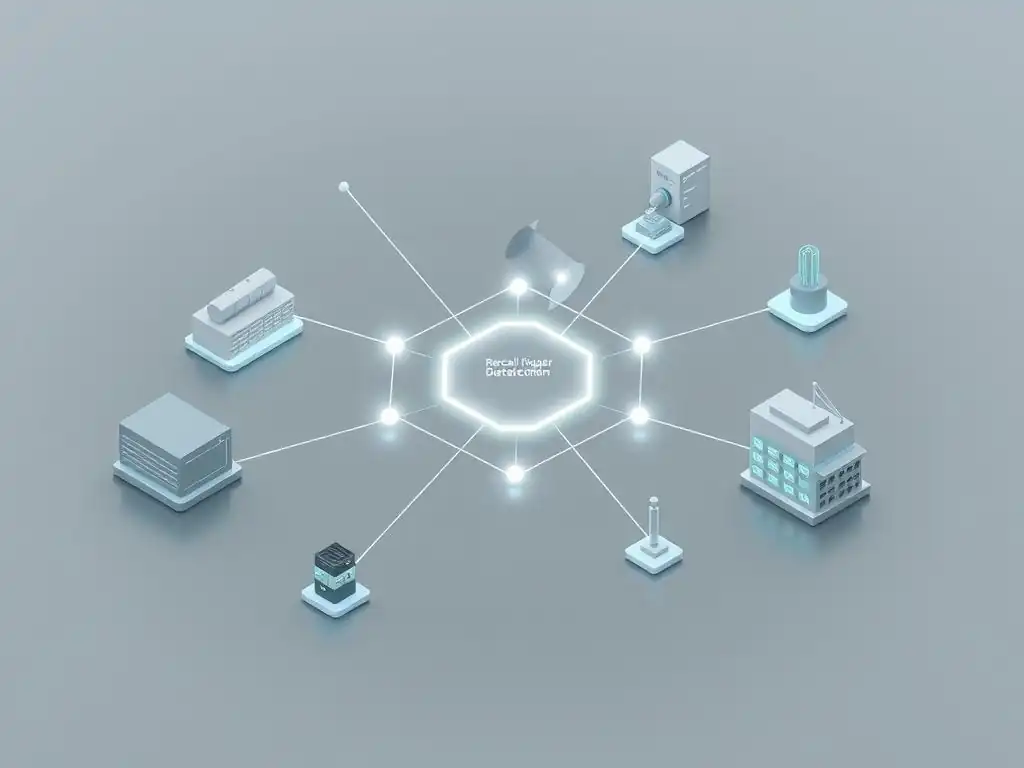
Integrating the new blockchain platform with the myriad of existing legacy systems used throughout the pharmaceutical supply chain is often the most technically challenging step. This includes Enterprise Resource Planning (ERP) systems, Warehouse Management Systems (WMS), serialization systems, and pharmacy dispensing systems.
APIs and middleware are typically used to facilitate the flow of data between existing systems and the blockchain. For example, when a product is scanned at a distribution center's WMS, an API call could record that transfer of custody on the blockchain. When a pharmacy dispenses a serialized product, their dispensing system could record that event on the chain. This integration must be seamless to avoid disrupting current operations and to ensure that the blockchain receives accurate, real-time data necessary for effective traceability and blockchain drug recall optimization.
Step 5: Ensuring Data Security and Privacy Compliance
While blockchain is inherently secure due to its cryptographic nature, implementing it in the pharmaceutical supply chain requires careful consideration of data security and privacy, especially concerning sensitive patient data and proprietary business information. Permissioned blockchains help by limiting access to authorized participants, but further measures are often needed.
Techniques like data partitioning, where sensitive data is stored off-chain with only cryptographic hashes on the blockchain, can protect privacy. Access controls must be strictly managed to ensure that participants only see the data they are authorized to view. Compliance with regulations like HIPAA (in the US) or GDPR (in Europe) is non-negotiable. Legal and technical teams must work together to design a system that meets these stringent requirements while still providing the necessary transparency and traceability for effective blockchain drug recall optimization and overall supply chain management.
Case Studies: Real-World Examples of Blockchain in Pharma Recalls
Chronicled's MediLedger Network: Addressing Chargebacks and Traceability
One of the most prominent real-world examples of blockchain in the pharmaceutical industry is the MediLedger Network, developed by Chronicled. While initially focused on automating chargeback disputes between manufacturers and wholesale distributors – a process plagued by manual reconciliation and errors costing the industry billions annually – MediLedger utilizes blockchain principles to create a shared, verifiable record of transactions.
The network uses a permissioned blockchain that allows participants to share data securely and selectively. For chargebacks, it verifies product identity, ownership, and pricing against a shared, trusted source. Critically for recalls and traceability, MediLedger also addresses the US Drug Supply Chain Security Act (DSCSA) requirements, which mandate enhanced traceability.
By providing a secure, interoperable network for exchanging Transaction History, Information, and Statements (TIS), MediLedger creates a foundation for rapid tracing of products. While a full recall automation layer is still evolving, the network's ability to quickly verify product provenance and ownership among major supply chain partners represents a significant step towards enabling faster, more accurate blockchain drug recall optimization by providing the necessary data backbone.
IBM Food Trust and its Application to Pharmaceutical Supply Chains
Although primarily designed for the food industry, the IBM Food Trust platform offers a compelling parallel for how blockchain can be applied to pharmaceutical supply chains to enhance traceability and recall efficiency. IBM Food Trust connects growers, processors, wholesalers, distributors, and retailers on a permissioned blockchain network, creating a shared, immutable record of food products' journeys.
A widely cited example is Walmart using IBM Food Trust to trace mangoes back to their farm of origin. What previously took days or weeks using traditional methods could be accomplished in seconds. This dramatic reduction in traceability time is directly applicable to pharmaceuticals.
By tracking drug products with similar granularity – recording each transfer of custody and key attribute on the blockchain – pharmaceutical companies could achieve similar speed and accuracy in identifying the source and path of a recalled drug. While specific pharmaceutical deployments leveraging the full IBM Food Trust architecture might be limited or proprietary, the underlying principles and demonstrated capability for rapid, end-to-end traceability serve as a powerful proof of concept for blockchain drug recall optimization in the pharma sector.
Addressing Challenges and Concerns of Blockchain Adoption in Pharma
Data Security and Privacy Considerations in a Decentralized System
While blockchain's cryptographic nature enhances security against tampering, implementing it in a system handling sensitive pharmaceutical data raises specific security and privacy concerns. Although permissioned blockchains restrict access, the distributed nature means data is shared across multiple nodes. Protecting this data from unauthorized access, cyber threats, and insider risks is paramount.
Furthermore, pharmaceutical companies hold significant amounts of proprietary data, including manufacturing processes, formulations, and business relationships. Sharing too much information on a blockchain, even a permissioned one, could pose competitive risks. Balancing the need for transparency for traceability and recalls with the need for business confidentiality requires careful architectural design, including potentially using off-chain data storage with on-chain hashes, zero-knowledge proofs, or private transactions where supported by the platform. Adhering to strict data governance policies and cybersecurity best practices is essential.
Scalability and Interoperability Challenges
Pharmaceutical supply chains are vast and complex, involving millions of transactions daily across numerous entities globally. A blockchain platform designed for this scale must be able to handle a high volume of transactions efficiently without becoming slow or prohibitively expensive. While enterprise blockchains are generally more scalable than public ones, ensuring performance under peak load requires careful planning and infrastructure.
Interoperability is another significant challenge. The pharmaceutical industry relies on a diverse ecosystem of legacy systems and differing data standards. A blockchain solution must be able to seamlessly integrate with these existing systems and facilitate data exchange between different companies using potentially different technologies or even different blockchain networks in the future. Establishing industry-wide standards for data formats and blockchain interactions is crucial for achieving true end-to-end visibility and enabling effective blockchain drug recall optimization across the entire ecosystem.
Regulatory Uncertainty and the Need for Clear Guidelines
The pharmaceutical industry is highly regulated, and adopting new technologies like blockchain often faces scrutiny from regulatory bodies. While agencies like the FDA are exploring the potential of blockchain for supply chain security and traceability (as mandated by DSCSA), clear guidelines and frameworks for using blockchain in regulated processes like recalls are still evolving.
Companies are cautious about adopting blockchain for critical functions like recall management without explicit regulatory approval or guidance. There are questions about how blockchain records will be viewed during audits, the requirements for data immutability versus the need for data correction in case of errors, and the legal standing of smart contracts. Increased collaboration between blockchain solution providers, pharmaceutical companies, and regulatory agencies is needed to establish clear standards, conduct pilot programs, and develop the necessary regulatory frameworks to support widespread blockchain drug recall optimization.
Overcoming Resistance to Change and Promoting Collaboration
Implementing a blockchain solution requires significant changes to existing processes and workflows across multiple organizations. Overcoming resistance to change from employees accustomed to traditional methods and securing buy-in from all necessary stakeholders is a major hurdle.
Furthermore, for a blockchain network to be effective, it requires active participation and collaboration from all parties in the supply chain – manufacturers, distributors, pharmacies, etc. Convincing competing companies to join a shared network and agree on data standards and governance models can be challenging. Building trust, demonstrating clear value propositions for each participant, and fostering a collaborative environment are essential for successful adoption and realizing the full potential of blockchain drug recall optimization. Pilot programs and phased rollouts can help demonstrate value and build confidence among stakeholders.
The Future of Blockchain in Pharmaceutical Supply Chain and Recalls
Emerging Trends and Innovations in Blockchain-Based Pharma Solutions
The application of blockchain in the pharmaceutical supply chain is rapidly evolving. Beyond basic traceability, emerging trends include using blockchain for temperature monitoring of cold chain products via IoT sensors, managing clinical trial data securely, and even tracking prescription drug use to combat the opioid crisis.
Innovations are also focusing on enhancing privacy and scalability. Solutions like zero-knowledge proofs allow participants to verify information (e.g., that a product is not counterfeit) without revealing sensitive underlying data. Layer 2 scaling solutions and new consensus mechanisms are being explored to handle the immense volume of transactions expected in a global pharmaceutical network. Furthermore, integration with other emerging technologies is becoming more common, paving the way for more sophisticated applications of blockchain drug recall optimization.
The Role of AI and IoT in Enhancing Blockchain's Capabilities
The combination of blockchain with Artificial Intelligence (AI) and the Internet of Things (IoT) holds immense potential for the future of pharmaceutical supply chain management and recalls. IoT sensors can provide real-time data on location, temperature, humidity, and other critical conditions, automatically recording this verifiable information onto the blockchain. This ensures the integrity of the cold chain and provides immediate alerts if conditions deviate, potentially triggering automated actions via smart contracts.
AI can analyze the vast amounts of data collected on the blockchain to identify patterns, predict potential supply chain disruptions, detect anomalies indicative of counterfeiting or diversion, and optimize logistics. AI algorithms could even help refine smart contract logic for recalls based on historical data, making the process more intelligent and predictive. This synergy between AI, IoT, and blockchain creates a powerful ecosystem for proactive risk management and highly efficient, data-driven blockchain drug recall optimization.
Predictions for the Widespread Adoption of Blockchain in the Pharma Industry
While challenges remain, the momentum towards blockchain adoption in the pharmaceutical industry is growing, driven by regulatory mandates like DSCSA and the clear benefits in terms of safety, efficiency, and cost reduction. Industry consortia and pilot programs are demonstrating feasibility and value.
Predictions suggest that within the next five to ten years, blockchain-based traceability solutions will become standard practice, particularly in regulated markets. The focus will likely expand from basic track-and-trace to more complex use cases, including automated recalls via smart contracts, enhanced supply chain financing, and secure sharing of sensitive data while maintaining privacy. Widespread blockchain drug recall optimization is expected to become a reality as platforms mature, standards are established, and regulatory clarity increases, fundamentally changing how the industry ensures the safety and integrity of its products.
Conclusion: Blockchain – A Paradigm Shift for Drug Recall Management
Embracing Blockchain for a Safer and More Efficient Pharmaceutical Ecosystem
The pharmaceutical industry stands at a critical juncture, facing increasing pressure to enhance supply chain security, efficiency, and most importantly, patient safety. Traditional drug recall systems, burdened by opacity, fragmentation, and manual processes, are no longer sufficient to meet the demands of a complex global market and stringent regulatory requirements. Blockchain technology offers a transformative solution, providing the bedrock for a more transparent, traceable, and responsive supply chain ecosystem.
By leveraging blockchain's immutable ledger, smart contracts, and real-time data capabilities, pharmaceutical companies can move beyond reactive, cumbersome recall procedures towards a proactive, automated, and highly efficient system. This shift not only mitigates the significant financial and reputational costs associated with recalls but, more crucially, ensures that potentially harmful drugs are removed from the hands of patients with unprecedented speed and accuracy. Embracing blockchain is not just an technological upgrade; it represents a fundamental paradigm shift towards a safer and more trustworthy pharmaceutical landscape.
Key Takeaways: The Transformative Potential of Blockchain Drug Recall Optimization
The journey towards widespread blockchain adoption for drug recall optimization involves addressing technical hurdles, regulatory uncertainties, and industry-wide collaboration challenges. However, the potential benefits are too significant to ignore. The ability to achieve near-instantaneous traceability, automate critical recall steps, enhance data integrity, and provide a single, shared source of truth for all stakeholders fundamentally changes the game.
The transformative potential of blockchain drug recall optimization lies in its capacity to turn a slow, error-prone process into a rapid, precise, and verifiable operation. This leads directly to enhanced patient safety, reduced operational costs, improved regulatory compliance, and strengthened public trust. As pilot programs demonstrate success and industry standards emerge, blockchain is poised to become an indispensable tool in the pharmaceutical industry's ongoing effort to ensure the integrity and safety of the medicines that patients rely on every day. The future of drug recall management is decentralized, transparent, and powered by blockchain.
Frequently Asked Questions
How can blockchain technology improve drug recall efficiency?
Blockchain offers improved traceability of drug products throughout the supply chain. This allows for faster identification of affected batches and more targeted recalls, minimizing impact on patients.
What are the key benefits of using blockchain for drug recalls from a patient safety perspective?
Blockchain's enhanced transparency and immutable record-keeping enable quicker removal of unsafe drugs from the market. This leads to reduced patient exposure and improved public health outcomes.
What are the main challenges in implementing blockchain for drug recall optimization in the pharmaceutical industry?
Challenges include lack of standardization across the industry, integration with existing systems, and ensuring data privacy and security compliance.
How does blockchain help with verifying the authenticity of returned drugs during a recall?
Blockchain provides a verifiable history of the drug's journey, making it easier to distinguish genuine products from counterfeit ones during the recall process. This reduces the risk of reintroducing fraudulent medications.
What is the role of regulatory bodies in promoting the adoption of blockchain for drug recalls?
Regulatory bodies can establish standards and provide guidance for blockchain implementation. Their support is crucial for widespread adoption and ensuring interoperability across the pharmaceutical supply chain.
Final Reflection: Embracing Transparency for Patient Well-being
The exploration of blockchain technology in streamlining drug recalls underscores a critical need for enhanced transparency and efficiency in pharmaceutical supply chains. The potential to drastically reduce recall times and improve patient safety is not just a technological advancement; it's a moral imperative that demands immediate attention and proactive implementation.
The impact of delayed or inefficient drug recalls reverberates through communities, eroding trust in healthcare systems and causing unnecessary suffering. Witnessing the potential of blockchain to mitigate these risks has profoundly shifted my perspective on the future of pharmaceutical safety. The best way to predict the future is to create it.
- Peter Drucker. This quote resonates deeply, urging us to actively shape a future where technology safeguards patient health and well-being.
Now, consider the implications of this technology in your own life. How can you advocate for greater transparency and accountability in the healthcare systems you interact with? Let us all commit to embracing innovation that prioritizes patient safety, ensuring that the promise of blockchain drug recall optimization becomes a reality for a healthier, more secure future.
Revolutionize Drug Safety: Embrace Blockchain Now!
Thank you for exploring how blockchain technology can improve drug recall processes and enhance patient safety. You've gained valuable insights into creating a more transparent and efficient system, and now it's time to take action.
Consider reaching out to your local representatives to advocate for the adoption of blockchain-based drug tracking systems. Highlight how this technology is essential for safeguarding public health. Additionally, examine existing blockchain platforms used in supply chain management to see how their features could be adapted for the pharmaceutical industry. Sharing your ideas on relevant forums can help spark innovation.
You might also join or initiate discussions on platforms dedicated to emerging trends in blockchain technology to brainstorm solutions for preventing future drug recalls. Collaborating on these efforts can help build a safer future for all.
In your opinion, which specific blockchain application could most effectively accelerate drug recalls and better protect patients? Share your thoughts below!
Leave a Reply