
The Art of NonFungible Tokens: An Informative Deep Dive into NFT Collectibles

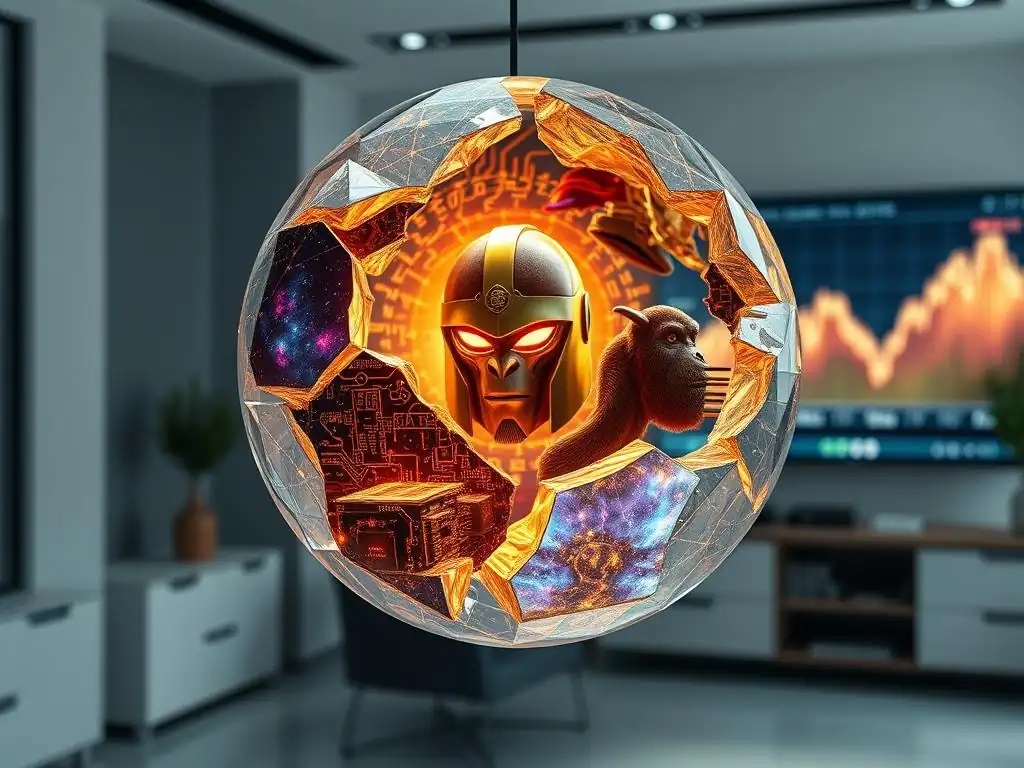
Welcome to Blockchain Trends, your go-to source for understanding the revolutionary impact of blockchain technology. Intrigued by the potential of NFTs but unsure where to start with collectibles? Dive into our latest article, "The Art of NonFungible Tokens: An Informative Deep Dive into NFT Collectibles," and discover insightful NFT collectibles investment strategies that could reshape your perspective on digital ownership and the future of art. Are you ready to unlock the secrets of this burgeoning market?
The Art of Non-Fungible Tokens: An Informative Deep Dive into NFT Collectibles
- Understanding Non-Fungible Tokens (NFTs) and Their Uniqueness
-
Frequently Asked Questions
- What are the key factors to consider when evaluating an NFT collectible for investment?
- How does the NFT market's volatility affect investment strategies for NFT collectibles?
- What are some effective strategies for identifying undervalued NFT collectibles with high growth potential?
- How do regulations surrounding NFTs impact investment decisions and what should investors be aware of?
- Beyond price appreciation, what other potential benefits can NFT collectibles offer to investors?
- Final Reflection: Embracing the Digital Renaissance
- Unlock Your NFT Potential: Start Collecting Today!
Understanding Non-Fungible Tokens (NFTs) and Their Uniqueness
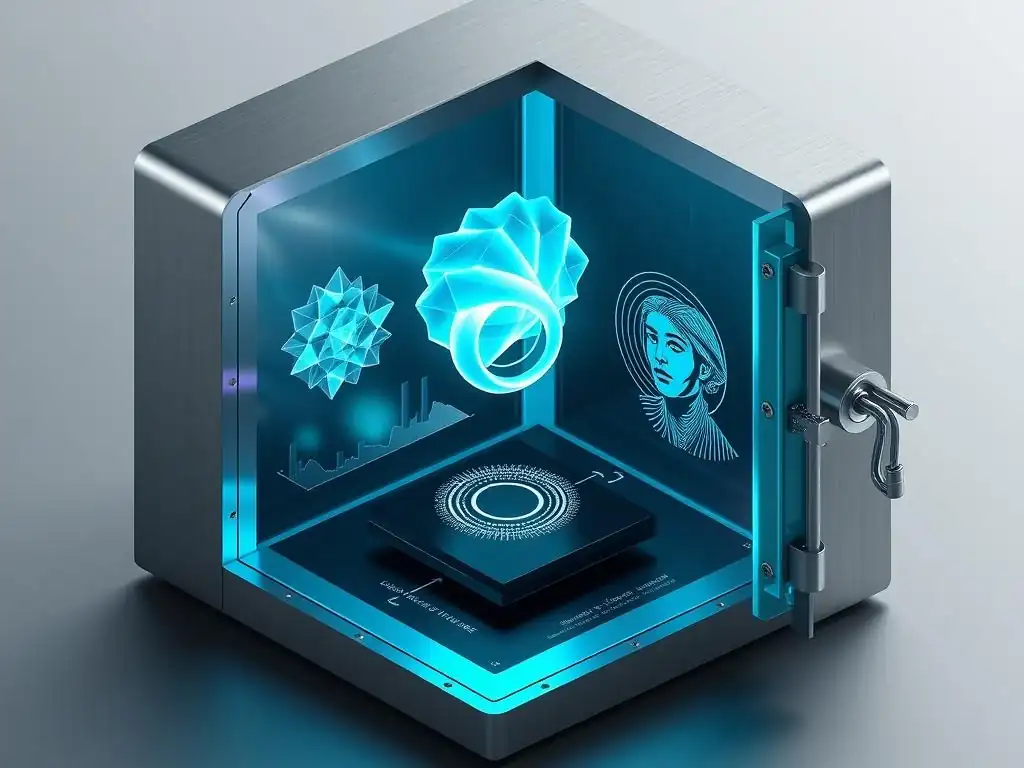
What are NFTs? Defining Non-Fungible Tokens
Non-Fungible Tokens, or NFTs, represent a revolutionary concept in the digital world, offering a method to tokenize unique items. Unlike cryptocurrencies like Bitcoin or Ethereum, which are fungible and interchangeable, NFTs are distinct and irreplaceable. Think of them as digital certificates of authenticity and ownership for unique assets, existing on a blockchain.
This digital scarcity is what gives NFTs their value and utility, enabling the representation of everything from digital art and collectibles to virtual real estate and in-game items. The core concept revolves around creating a verifiable and permanent record of ownership for a specific digital or even physical asset.
In essence, an NFT is a unique digital identifier recorded on a blockchain, confirming the authenticity and ownership of a particular asset. This asset can be anything unique, either digital or physical, that can be represented in a digital format. For instance, a piece of digital art can be tokenized as an NFT, ensuring that there is only one original, even though copies might exist online.
This digital representation allows for provable scarcity and ownership in the digital realm, concepts that were previously difficult to establish definitively. This technological innovation has opened up new avenues for creators, collectors, and investors alike, particularly within the realm of digital art and collectibles.
The Underlying Technology: Blockchain and NFT Creation
The creation and existence of NFTs are intrinsically linked to blockchain technology. Blockchain, a decentralized and distributed ledger, provides the secure and transparent infrastructure necessary for NFTs to function. NFTs are typically created on blockchains that support smart contracts, most notably Ethereum, but also other platforms like Solana, Tezos, and Flow.
Smart contracts are self-executing contracts with the terms of the agreement directly written into code. When an NFT is "minted," a smart contract is executed to record the unique token and its associated metadata onto the blockchain. This process essentially creates a permanent and immutable record of the NFT's existence, ownership history, and attributes.
The blockchain's immutability is crucial for the integrity and value of NFTs. Once an NFT is minted and recorded on the blockchain, the information cannot be altered or deleted. This ensures the verifiable scarcity and provenance of the NFT. Each NFT has a unique identifier and metadata that points to the digital asset it represents.
This metadata can include details about the creator, the artwork, and other relevant information. The blockchain acts as a public and transparent ledger, allowing anyone to verify the authenticity and ownership history of an NFT, fostering trust and security within the NFT ecosystem. The decentralized nature of blockchain also means that no single entity controls the NFT, further enhancing its security and resilience.
Fungible vs. Non-Fungible Assets: Key Differences
Understanding the distinction between fungible and non-fungible assets is fundamental to grasping the unique nature of NFTs. Fungible assets are interchangeable and indistinguishable from one another. A dollar bill, for example, is fungible because one dollar bill has the same value and can be exchanged for any other dollar bill. Similarly, cryptocurrencies like Bitcoin are fungible; one Bitcoin is equivalent to any other Bitcoin. Fungibility implies that each unit of the asset is identical and can be mutually substituted without any loss of value.
Non-fungible assets, on the other hand, are unique and cannot be interchanged. A famous painting, like the Mona Lisa, is a non-fungible asset. There is only one Mona Lisa, and it cannot be replaced by any other painting. Similarly, a first edition of a rare book, or a unique piece of jewelry, are examples of non-fungible items.
NFTs apply this concept to the digital realm. Each NFT is unique and represents a specific, irreplaceable digital asset. This non-fungibility is what makes NFTs suitable for representing collectibles, digital art, virtual land, and other unique items where scarcity and originality are valued. The key difference lies in the interchangeability: fungible assets are interchangeable, while non-fungible assets are distinct and irreplaceable.
Frequently Asked Questions
What are the key factors to consider when evaluating an NFT collectible for investment?
Consider rarity, provenance (creator and history), and community support. These factors significantly impact the potential value and long-term appreciation of the NFT.
How does the NFT market's volatility affect investment strategies for NFT collectibles?
High volatility requires diversification and risk management. Investors should consider setting stop-loss orders and understand the market's speculative nature.
What are some effective strategies for identifying undervalued NFT collectibles with high growth potential?
Research emerging artists and projects before they gain mainstream attention. Analyzing transaction history and market trends can reveal undervalued assets.
How do regulations surrounding NFTs impact investment decisions and what should investors be aware of?
Regulations are still evolving, so stay informed about tax implications and legal frameworks. Understanding copyright and ownership is also crucial.
Beyond price appreciation, what other potential benefits can NFT collectibles offer to investors?
NFTs can offer exclusive access to communities, events, or virtual experiences. They can also provide utility within specific platforms or games, adding value beyond speculative investment.
Final Reflection: Embracing the Digital Renaissance
The exploration of NFT collectibles investment strategies reveals more than just financial opportunities; it unveils a profound shift in how we perceive ownership and value in the digital age. The rise of NFTs signifies a democratization of art and investment, empowering creators and collectors alike in unprecedented ways. This isn't merely a trend; it's a fundamental reshaping of the artistic and economic landscape, demanding a deeper understanding of its potential and pitfalls.
The impact of NFTs extends far beyond the blockchain, influencing cultural norms and challenging traditional notions of art and ownership. Witnessing this evolution firsthand has been both exhilarating and humbling, prompting a re-evaluation of what it means to create, collect, and invest in a world increasingly defined by digital experiences. The future is already here – it's just not evenly distributed.
- William Gibson. This quote resonates deeply with the current state of NFTs, highlighting the uneven access and understanding that still exists, urging us to strive for greater inclusivity and education within this burgeoning space.
As you navigate this exciting new frontier of NFT collectibles, remember that informed decision-making is paramount. Embrace the potential for innovation and creativity, but always approach investment with caution and a critical eye. The art of NFT collectibles lies not only in the acquisition but also in the appreciation of the underlying technology and the community it fosters. Let this knowledge empower you to participate thoughtfully and responsibly in shaping the future of digital art and investment.
Unlock Your NFT Potential: Start Collecting Today!
Thanks for exploring the exciting world of NFTs with us! We hope you now have a better understanding of these digital assets and the opportunities they offer. Ready to take the next step?
Here’s how you can begin your journey into the NFT space:
- Build your collection: Visit reputable NFT marketplaces: like OpenSea, Rarible, or Foundation to discover unique pieces that inspire you.
- Dive deeper! Join our community forums to discuss your favorite artists and upcoming releases with fellow enthusiasts.
- Create your own NFT! Even a simple digital project can be a fun way to learn about minting and contribute to the ecosystem.
What digital collectible are you most excited about, and what do you look forward to in the future of digital collectibles? Share your thoughts below!
Leave a Reply