
Beyond Passwords: Advanced Authentication Methods for Decentralized Identities

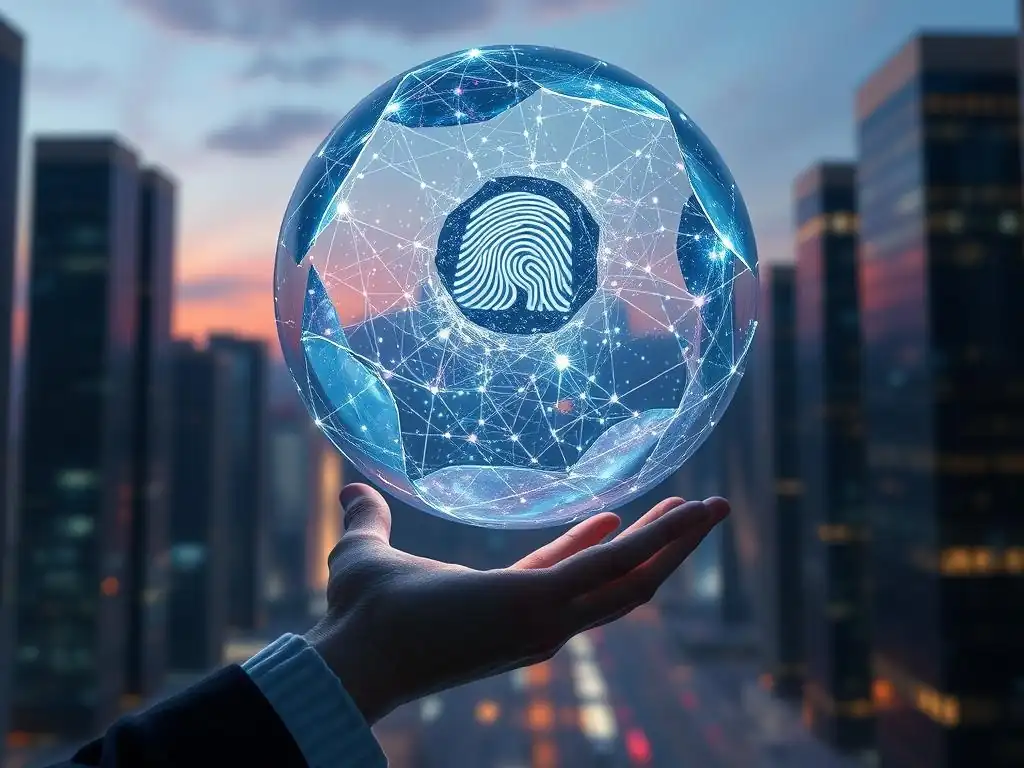
Welcome to Blockchain Trends, your compass in the rapidly evolving landscape of decentralized technology. Beyond the hype, lies a revolution reshaping industries. Are you ready to unlock the true power of blockchain beyond cryptocurrency? This week, we delve into a critical aspect of this transformation: decentralized identity authentication methods. Explore how these innovative solutions are poised to redefine security and control in the digital age, offering a future free from the vulnerabilities of traditional passwords. Curious how it works? Dive in to discover the future of secure and private digital interaction!
- Understanding Decentralized Identity (DID) and its Authentication Challenges
- Biometric Authentication for Decentralized Identity
- Multi-Factor Authentication (MFA) in Decentralized Environments
- Blockchain-Based Authentication Mechanisms for Decentralized Identity
- Zero-Knowledge Proofs (ZKPs) for Enhanced Privacy in Decentralized Authentication
- Behavioral Biometrics for Continuous Authentication in Decentralized Systems
- Decentralized Identity Authentication Security Best Practices
- The Future of Decentralized Identity Authentication
- Conclusion: Securing Decentralized Identities with Advanced Authentication
-
Frequently Asked Questions
- What are some examples of Decentralized Identity (DID) authentication methods beyond traditional passwords?
- How does blockchain technology facilitate secure Decentralized Identity Authentication Methods?
- What are the potential benefits of using Decentralized Identity Authentication Methods for enterprises?
- How are governments and regulatory bodies approaching the regulation of Decentralized Identity Authentication Methods and related technologies?
- What is the future outlook for Decentralized Identity Authentication Methods and their impact on decentralized systems?
- Final Reflection: Embracing the Future of Trust
- Revolutionize Your Identity Security Today!
Understanding Decentralized Identity (DID) and its Authentication Challenges
The Limitations of Traditional Password-Based Authentication in Decentralized Systems
Traditional password-based authentication, a cornerstone of Web2 security, faces significant limitations when applied to decentralized systems. The reliance on centralized databases to store and verify passwords creates a single point of failure, making these systems vulnerable to large-scale data breaches. For example, the 2013 Yahoo data breach, which exposed 3 billion user accounts, highlighted the catastrophic consequences of centralized password storage.
In a decentralized environment, where the ethos is to distribute control and eliminate central authorities, the inherent vulnerabilities of password-centric systems become even more pronounced. Users are forced to manage numerous passwords across different decentralized applications (dApps), leading to password fatigue and the adoption of weak or reused passwords, further amplifying security risks. Phishing attacks, social engineering, and brute-force attempts are consistently successful against password-protected accounts, regardless of the platform, and decentralized systems are not immune to these threats.
Moreover, the fundamental principle of decentralized identity (DID) is user self-sovereignty and control over personal data. Password-based systems inherently contradict this principle by placing control over authentication credentials in the hands of centralized service providers. Users are essentially entrusting their identity and access keys to third parties, which undermines the very foundation of decentralization.
In scenarios involving blockchain-based applications and digital assets, compromised passwords can lead to irreversible loss of funds or access. Consider the numerous reports of cryptocurrency wallet thefts attributed to weak password security, where users have lost significant amounts of digital currency due to inadequate password protection. Therefore, relying solely on passwords in decentralized systems not only introduces security vulnerabilities but also fundamentally clashes with the core tenets of user empowerment and data ownership that DIDs are designed to uphold.
Why Decentralized Identity Needs Stronger Authentication
Decentralized Identity (DID) necessitates stronger authentication methods than traditional systems due to the amplified stakes and unique characteristics of decentralized environments. In decentralized ecosystems, users often manage digital assets, sensitive personal data, and access to critical services directly, without intermediaries. Compromising a DID can lead to the irreversible loss of digital assets or exposure of highly personal information, consequences that are often far more severe than in traditional web applications.
The very nature of decentralization, while offering benefits in terms of resilience and censorship resistance, also shifts the burden of security directly onto the user. There is no central authority to reset a forgotten password or recover a compromised account in many DID scenarios, emphasizing the critical need for robust and resilient authentication mechanisms.
Furthermore, the interoperable nature of DIDs across different decentralized platforms and applications increases the potential impact of a security breach. If a DID is compromised on one platform, the attacker might gain access to all services and assets associated with that DID across the entire decentralized web. This interconnectedness demands a higher standard of security than isolated, centralized systems.
Moreover, the emerging use cases for DIDs, such as verifiable credentials for healthcare, finance, and supply chain management, involve handling highly sensitive and regulated data. For instance, imagine a decentralized healthcare system using DIDs to manage patient records; a weak authentication method could expose extremely private medical information, leading to severe legal and ethical ramifications. Therefore, stronger authentication for DIDs is not merely a matter of convenience; it is a fundamental requirement for building secure, trustworthy, and scalable decentralized ecosystems that can handle sensitive data and high-value transactions.
Exploring the Landscape of Decentralized Identity Authentication Methods
The landscape of decentralized identity authentication methods is rapidly evolving, moving beyond traditional password-centric approaches to embrace more secure and user-centric solutions. This evolution is driven by the need to address the limitations of passwords in decentralized systems and to fully realize the potential of DIDs. A diverse range of technologies and methodologies are being explored and implemented, each with its own strengths and weaknesses, catering to different use cases and security requirements.
These methods range from biometric authentication, leveraging unique biological traits for verification, to multi-factor authentication (MFA), adding layers of security beyond a single password. Blockchain-based authentication mechanisms are also gaining traction, utilizing the inherent security and immutability of distributed ledgers for identity verification and management.
Furthermore, innovative cryptographic techniques like Zero-Knowledge Proofs (ZKPs) are being investigated to enhance privacy in decentralized authentication, allowing users to prove their identity without revealing sensitive personal data. Behavioral biometrics, which analyzes user behavior patterns for continuous authentication, offers another promising avenue for strengthening DID security.
This multifaceted landscape reflects the complexity and importance of securing decentralized identities, with ongoing research and development focused on creating authentication methods that are not only secure but also user-friendly, privacy-preserving, and interoperable across different decentralized platforms. The goal is to establish a robust and adaptable authentication infrastructure that can support the widespread adoption of DIDs and unlock the full potential of decentralized systems while mitigating the inherent security risks.
Biometric Authentication for Decentralized Identity
Fingerprint Authentication for Decentralized Access
Fingerprint authentication, a widely adopted biometric method, offers a convenient and relatively secure approach for decentralized access management. Leveraging the unique ridge patterns on an individual's fingertips, fingerprint scanners provide a strong form of authentication that is resistant to traditional password-based attacks like phishing and brute force. Modern fingerprint sensors, commonly found in smartphones and laptops, offer high accuracy and speed, making them a user-friendly option for securing decentralized identities.
For instance, many cryptocurrency hardware wallets now integrate fingerprint scanners to authorize transactions, adding a layer of physical security against unauthorized access to digital assets. The biometric data itself is typically stored locally on the user's device, enhancing privacy and control compared to centralized biometric databases.
However, fingerprint authentication is not without its limitations. While generally robust, fingerprint scanners can be susceptible to spoofing, although advanced sensors with liveness detection features are mitigating this risk. Furthermore, accessibility can be a concern, as fingerprint authentication relies on physical hardware and may not be suitable for all users or devices.
In the context of DIDs, fingerprint authentication can be seamlessly integrated with decentralized applications through WebAuthn or similar APIs, allowing users to authenticate their DIDs using their device's fingerprint sensor. This provides a significant improvement over password-only authentication by adding a strong biometric factor. For example, a decentralized social media platform could allow users to log in and verify their identity using fingerprint authentication, enhancing account security and user experience.
Facial Recognition in Decentralized Identity Management
Facial recognition technology presents another compelling biometric authentication method for decentralized identity management, offering a hands-free and intuitive user experience. By analyzing unique facial features, facial recognition systems can verify a user's identity with increasing accuracy. Advancements in machine learning and computer vision have significantly improved the reliability of facial recognition, making it a viable option for securing access to decentralized applications and services.
Many smartphones and computers are now equipped with sophisticated facial recognition systems, such as Apple's Face ID and Windows Hello, which are being leveraged for authentication in various applications. In the decentralized space, facial recognition can be employed to authenticate users accessing their DIDs or authorizing transactions within decentralized platforms.
Despite its convenience, facial recognition raises privacy concerns and presents certain security challenges. The potential for bias in facial recognition algorithms, particularly against certain demographic groups, is a significant ethical consideration. Furthermore, facial recognition systems can be vulnerable to presentation attacks, where attackers attempt to spoof the system using photos or videos.
However, advancements in liveness detection and 3D facial scanning are improving the resilience of facial recognition against these attacks. In the context of DIDs, it is crucial to ensure that facial recognition systems are implemented in a privacy-preserving manner, ideally with biometric data stored locally and user consent obtained transparently. For example, a decentralized voting platform could use facial recognition as a secondary authentication factor, combined with other methods, to verify voter identity securely and conveniently.
Voice Authentication and its Role in Securing DIDs
Voice authentication offers a unique and user-friendly biometric modality for securing Decentralized Identities (DIDs), leveraging the distinctive characteristics of an individual's voice for verification. Voiceprints, similar to fingerprints, are unique to each person and can be used to authenticate identity through spoken phrases or voice commands.
The increasing prevalence of voice assistants and smart devices has made voice authentication a familiar and convenient technology for many users. In the decentralized realm, voice authentication can provide a secure and accessible method for users to manage their DIDs and interact with decentralized applications, particularly in scenarios where hands-free authentication is desirable or necessary.
While voice authentication offers convenience, it also faces challenges in terms of security and reliability. Voice recordings can potentially be used to spoof voice authentication systems, although advancements in anti-spoofing techniques, such as liveness detection and noise cancellation, are improving security. Background noise and variations in voice due to illness or emotional state can also affect the accuracy of voice authentication.
Furthermore, privacy concerns regarding voice data collection and storage need to be carefully addressed in DID implementations. However, when combined with other authentication factors, voice authentication can significantly enhance DID security and user experience. For example, a decentralized financial application could use voice authentication as a secondary verification step for high-value transactions, adding an extra layer of security without compromising usability.
Multi-Factor Authentication (MFA) in Decentralized Environments
Implementing MFA for Enhanced DID Security
Multi-Factor Authentication (MFA) is a critical security measure for enhancing the protection of Decentralized Identities (DIDs) in decentralized environments. MFA significantly reduces the risk of unauthorized access by requiring users to present multiple independent authentication factors, typically from different categories: something you know (e.g., password, PIN), something you have (e.g., hardware token, authenticator app), and something you are (e.g., biometrics).
By combining these factors, MFA makes it exponentially harder for attackers to compromise an account, even if one factor is breached. For example, if a password is stolen in a phishing attack, the attacker would still need access to the user's physical device or biometric data to gain unauthorized access.
In the context of DIDs, MFA is particularly crucial due to the high value and sensitivity of assets and data often associated with decentralized identities. Implementing MFA for DIDs can involve various combinations of authentication factors, tailored to the specific security needs and user experience considerations of different decentralized applications and platforms. For instance, a high-security cryptocurrency wallet might require a combination of a strong password, a hardware token, and fingerprint authentication for critical operations like transferring funds.
The adoption of MFA for DIDs is essential for building trust and security in decentralized ecosystems, providing users with stronger protection against account takeovers and data breaches. Industry best practices and emerging standards are increasingly advocating for MFA as a baseline security requirement for decentralized identity solutions.
Hardware Tokens and Decentralized Identity Verification
Hardware tokens offer a robust and highly secure method for multi-factor authentication (MFA) in decentralized identity verification. These physical devices generate time-based one-time passwords (TOTP) or utilize challenge-response mechanisms, providing a strong "something you have" factor for authentication. Hardware tokens are resistant to phishing attacks and malware, as they operate independently of the user's computer or smartphone and do not rely on internet connectivity for password generation. They are particularly valuable for securing high-value DIDs and critical operations in decentralized environments, such as managing cryptocurrency wallets or accessing sensitive decentralized applications.
Examples of hardware tokens include YubiKeys, Ledger Nano hardware wallets (which can also function as authentication tokens), and Google Titan Security Keys. These devices offer varying levels of security and features, ranging from basic TOTP generation to more advanced cryptographic capabilities. In the context of DIDs, hardware tokens can be integrated into authentication workflows to provide a strong second or third factor of authentication.
For instance, a user might be required to enter a password and then verify their identity by pressing a button on their hardware token to generate a one-time password. This significantly enhances security compared to password-only authentication and offers a higher level of protection than software-based authenticator apps in certain threat scenarios. The physical nature of hardware tokens also provides a tangible element of security, reassuring users that their DIDs are protected by a dedicated security device.
Software-Based Authenticator Apps for DIDs
Software-based authenticator apps are a widely accessible and convenient method for implementing multi-factor authentication (MFA) for Decentralized Identities (DIDs). These apps, installed on smartphones or computers, generate time-based one-time passwords (TOTP) or push notifications for authentication, serving as a "something you have" factor. Popular authenticator apps include Google Authenticator, Authy, and Microsoft Authenticator, which are compatible with numerous online services and increasingly being adopted for securing decentralized applications and DIDs. Authenticator apps offer a good balance between security and user convenience, providing a significant improvement over password-only authentication without requiring users to purchase and manage separate hardware tokens.
The ease of use and widespread availability of smartphones make software-based authenticator apps a practical MFA solution for a broad range of DID users. Setting up an authenticator app typically involves scanning a QR code or manually entering a secret key provided by the decentralized service or DID provider.
Once configured, the app generates time-based one-time passwords that users enter during the login process, along with their password. Some authenticator apps also support push notifications, where users simply approve a login request directly within the app, further streamlining the authentication process.
While software-based authenticator apps are generally secure, they are somewhat more vulnerable to phishing attacks and malware compared to hardware tokens, as they reside on devices that are connected to the internet and potentially susceptible to compromise. However, they still offer a substantial security enhancement over relying solely on passwords for DID protection and are a crucial component of a layered security strategy for decentralized identities.
Blockchain-Based Authentication Mechanisms for Decentralized Identity
Using Blockchain for Identity Verification and Authentication
Blockchain technology offers novel and powerful mechanisms for decentralized identity verification and authentication, leveraging its inherent security, transparency, and immutability. Instead of relying on centralized identity providers, blockchain can serve as a distributed ledger for storing and verifying identity credentials, empowering users with greater control over their personal data and reducing the risks associated with single points of failure.
Blockchain-based authentication systems can enable self-sovereign identity (SSI), where individuals own and control their identities, granting permissions to access services and applications without intermediaries. The cryptographic nature of blockchain ensures the integrity and authenticity of identity data, making it highly resistant to tampering and fraud.
In blockchain-based authentication, users can create and manage their DIDs on a blockchain network, storing verifiable credentials and cryptographic keys associated with their identity. When authenticating to a decentralized application or service, users can cryptographically prove their identity using their private keys, without revealing sensitive personal information directly to the service provider. The blockchain acts as a trusted and auditable record of identity claims and verifications, enhancing transparency and accountability.
For example, a decentralized KYC (Know Your Customer) solution could utilize blockchain to allow users to verify their identity once and reuse that verification across multiple platforms, eliminating redundant KYC processes and improving user privacy. Blockchain-based authentication is a fundamental building block for creating truly decentralized and user-centric identity ecosystems.
Self-Sovereign Identity (SSI) and Blockchain Integration
Self-Sovereign Identity (SSI) represents a paradigm shift in identity management, placing individuals at the center of their digital identity ecosystem. SSI empowers users to create, control, and manage their own identities, independent of centralized authorities or intermediaries. Blockchain technology is a crucial enabler of SSI, providing the underlying infrastructure for storing, verifying, and sharing identity credentials in a decentralized and secure manner.
By integrating blockchain with SSI principles, users gain unprecedented control over their personal data, deciding what information to share, with whom, and for how long. This approach contrasts sharply with traditional centralized identity systems where users often have limited control over their data and are subject to the policies and practices of identity providers.
Blockchain facilitates SSI by providing a tamper-proof and transparent ledger for recording identity claims and verifiable credentials. Users can store cryptographic keys and DIDs on a blockchain, enabling them to digitally sign and prove their identity without relying on third parties. Verifiable credentials, issued by trusted organizations and cryptographically signed, can be stored and presented by users as proof of specific attributes or qualifications, such as educational degrees, professional licenses, or KYC verifications.
SSI and blockchain integration is driving the development of decentralized identity solutions that prioritize user privacy, security, and autonomy. For instance, initiatives like the Sovrin Network and the W3C Decentralized Identifiers (DIDs) standard are building upon blockchain to create interoperable and user-centric SSI ecosystems.
Verifiable Credentials and their Role in Decentralized Authentication
Verifiable Credentials (VCs) are a cornerstone of decentralized authentication, enabling secure and privacy-preserving exchange of identity information in decentralized ecosystems. VCs are digital credentials, cryptographically signed by an issuer, that can be presented by a holder to a verifier to prove specific attributes or qualifications. They are designed to be tamper-proof, interoperable, and privacy-preserving, allowing users to control what information they share and with whom. Blockchain technology plays a vital role in the issuance, storage, and verification of VCs, providing a secure and auditable infrastructure for decentralized credential management.
VCs offer a significant improvement over traditional forms of identity verification by eliminating the need for intermediaries and reducing reliance on centralized databases. Instead of directly sharing sensitive personal data, users can present VCs as proof of specific attributes, such as "verified age over 18" or "holds a valid driver's license," without revealing underlying personal information like their birth date or full address. This privacy-preserving approach is particularly valuable in decentralized environments where data minimization and user control are paramount.
VCs are being adopted in various use cases, including digital identity, supply chain management, healthcare, and education, to enable secure and efficient verification of information in a decentralized manner. The W3C Verifiable Credentials standard provides a framework for interoperable VCs, fostering the development of a global ecosystem of decentralized and user-centric identity solutions.
Zero-Knowledge Proofs (ZKPs) for Enhanced Privacy in Decentralized Authentication

How Zero-Knowledge Proofs Enhance DID Security
Zero-Knowledge Proofs (ZKPs) offer a revolutionary approach to enhancing privacy and security in Decentralized Identity (DID) authentication. ZKPs are cryptographic protocols that allow one party (the prover) to prove to another party (the verifier) that a statement is true, without revealing any information beyond the validity of the statement itself. In the context of DID authentication, ZKPs enable users to prove their identity and possess specific attributes without disclosing sensitive personal data to the verifying party. This significantly reduces the risk of data breaches and privacy violations, as minimal information is exchanged during the authentication process.
The fundamental advantage of ZKPs in DID security is their ability to minimize data exposure. Traditional authentication methods often require users to share personal information, such as usernames, passwords, or even biometric data, with service providers. ZKPs eliminate this need by allowing users to cryptographically prove their identity or attributes without revealing the underlying data.
For example, using a ZKP, a user could prove to a website that they are over 18 years old without revealing their actual birth date. This privacy-preserving authentication is crucial for building trust and user confidence in decentralized systems, particularly in applications involving sensitive personal information or high-value transactions. ZKPs represent a cutting-edge cryptographic tool for achieving both strong security and enhanced privacy in decentralized identity management.
Implementing ZKPs for Authentication without Revealing Sensitive Data
Implementing Zero-Knowledge Proofs (ZKPs) for authentication in Decentralized Identity (DID) systems requires careful design and integration of cryptographic protocols. ZKPs are not a single technology but rather a family of cryptographic techniques, each with its own strengths and weaknesses in terms of performance, security, and complexity.
Common ZKP techniques used in authentication include zk-SNARKs (Zero-Knowledge Succinct Non-Interactive Argument of Knowledge) and zk-STARKs (Zero-Knowledge Scalable Transparent Argument of Knowledge), which offer different trade-offs between proof size, verification speed, and setup requirements. Integrating ZKPs into DID authentication workflows typically involves generating cryptographic proofs on the user's device and verifying these proofs by the service provider or relying party.
The implementation process usually involves several steps: first, defining the specific attributes or statements that need to be proven without revealing sensitive data. Second, selecting an appropriate ZKP protocol based on the security and performance requirements of the application. Third, developing the cryptographic code for proof generation and verification, often utilizing specialized ZKP libraries and frameworks.
Fourth, integrating the ZKP authentication flow into the decentralized application or service, ensuring seamless user experience. While ZKP implementation can be technically complex, the benefits in terms of enhanced privacy and security are substantial. For example, decentralized exchanges are exploring ZKP-based authentication to allow users to trade anonymously while still complying with regulatory requirements, demonstrating the practical applicability of ZKPs in real-world decentralized systems.
Use Cases for ZKPs in Decentralized Identity Management
Zero-Knowledge Proofs (ZKPs) are finding diverse and impactful use cases in Decentralized Identity Management (DID), particularly in scenarios where privacy and security are paramount. One prominent use case is anonymous authentication, where users can prove their identity or attributes without revealing personal information to the service provider. This is crucial for applications like anonymous voting, private messaging, and confidential transactions in decentralized finance (DeFi). For example, ZKPs can enable users to participate in decentralized governance processes without revealing their voting identity, protecting their privacy and preventing potential coercion or censorship.
Another significant use case is selective disclosure of verifiable credentials. ZKPs allow users to selectively disclose only the necessary attributes from their verifiable credentials, rather than revealing the entire credential. For instance, a user could prove they possess a valid driver's license without disclosing their license number, date of birth, or address. This granular control over data sharing enhances user privacy and reduces the risk of over-sharing personal information.
ZKPs are also valuable for privacy-preserving KYC (Know Your Customer) and AML (Anti-Money Laundering) compliance in decentralized finance. By leveraging ZKPs, users can prove their compliance with regulatory requirements without revealing sensitive financial data, enabling privacy-compliant DeFi services. The versatility and privacy-enhancing capabilities of ZKPs are driving their adoption across various DID applications, contributing to a more secure and user-centric decentralized web.
Behavioral Biometrics for Continuous Authentication in Decentralized Systems
Analyzing User Behavior for Authentication Purposes
Behavioral biometrics offers a novel approach to authentication in decentralized systems by analyzing unique patterns in user behavior. Unlike traditional biometrics that rely on static biological traits, behavioral biometrics continuously monitors and analyzes user actions such as typing patterns, mouse movements, scrolling behavior, and even gait or posture. These behavioral patterns, while seemingly subtle, can be highly distinctive to individuals and can be used for continuous authentication, providing an added layer of security beyond initial login credentials. Behavioral biometrics operates passively in the background, without requiring explicit user interaction, making it a user-friendly and non-intrusive authentication method.
The strength of behavioral biometrics lies in its ability to detect anomalies and deviations from established user behavior patterns. Machine learning algorithms are employed to build behavioral profiles for individual users, establishing a baseline of their typical actions. Any significant deviation from this baseline, such as unusual typing speed, mouse movements from a geographically distant location, or access patterns outside of normal hours, can trigger a risk assessment and potentially require additional authentication steps.
In decentralized systems, behavioral biometrics can enhance security by providing continuous monitoring and authentication throughout a user session, mitigating the risk of account takeover even after initial login. For example, if an attacker gains access to a user's DID credentials, behavioral biometrics can detect anomalous behavior and prevent unauthorized actions, providing an additional layer of defense.
Adaptive Authentication and Risk-Based Assessment
Adaptive authentication, often powered by behavioral biometrics, is a dynamic security approach that adjusts authentication requirements based on the assessed risk level of a user session. Instead of applying a uniform security policy to all users and situations, adaptive authentication dynamically tailors authentication measures based on contextual factors such as user behavior, device characteristics, location, time of day, and transaction type.
Risk-based assessment is central to adaptive authentication, evaluating the likelihood of fraudulent activity or unauthorized access based on various risk indicators. Behavioral biometrics plays a crucial role in this risk assessment by continuously monitoring user behavior and detecting anomalies that may signal a compromised account or malicious activity.
In decentralized systems, adaptive authentication offers a flexible and user-centric security approach. For low-risk actions, such as browsing content or viewing account balances, adaptive authentication might require minimal or no additional authentication beyond initial login. However, for high-risk actions, such as transferring digital assets or accessing sensitive personal data, adaptive authentication can dynamically step up security measures, requiring additional authentication factors like biometric verification or hardware tokens.
This risk-based approach balances security and user convenience, avoiding unnecessary friction for low-risk activities while providing robust protection for high-value transactions and sensitive operations. For example, a decentralized exchange could implement adaptive authentication to monitor user behavior continuously and trigger enhanced security measures only when anomalous activity is detected, ensuring a secure and user-friendly trading experience.
The Future of Behavioral Biometrics in DID Security
The future of behavioral biometrics in Decentralized Identity (DID) security is promising, with ongoing advancements in machine learning, sensor technology, and data analytics driving its evolution and adoption. Behavioral biometrics is expected to play an increasingly important role in providing continuous, passive, and user-friendly authentication for DIDs, enhancing security and reducing reliance on traditional password-based methods. As decentralized systems become more complex and interconnected, the need for dynamic and adaptive security measures will grow, making behavioral biometrics a valuable component of a comprehensive DID security strategy.
Emerging trends in behavioral biometrics include the integration of more sophisticated machine learning algorithms to improve accuracy and reduce false positives, the use of multimodal behavioral biometrics combining multiple behavioral signals for enhanced robustness, and the development of privacy-preserving behavioral biometric techniques that minimize data collection and protect user privacy. Furthermore, the increasing adoption of wearable devices and IoT devices provides new opportunities for collecting and analyzing behavioral biometric data in decentralized environments, extending continuous authentication beyond traditional computer and smartphone interactions.
As research and development in behavioral biometrics continue, it is poised to become a mainstream authentication method for DIDs, contributing to a more secure, user-centric, and privacy-preserving decentralized web.
Decentralized Identity Authentication Security Best Practices
Secure Key Management for Decentralized Identities
Secure key management is paramount for the overall security of Decentralized Identities (DIDs) and their associated authentication mechanisms. In decentralized systems, private keys are the gateway to accessing and controlling DIDs and digital assets. Compromising private keys can lead to irreversible loss of funds, data breaches, and identity theft. Therefore, implementing robust key management practices is essential for protecting DIDs and ensuring the security of decentralized ecosystems. Best practices for secure key management for DIDs encompass various aspects, including key generation, storage, usage, and recovery.
Key generation should be performed using cryptographically secure random number generators to ensure the unpredictability and strength of private keys. Key storage should prioritize security and resilience, utilizing hardware wallets, secure enclaves, or encrypted storage solutions to protect private keys from unauthorized access and physical theft. Software wallets should employ strong encryption and security measures, but hardware wallets generally offer a higher level of security for storing private keys offline.
Key usage should follow the principle of least privilege, granting access only to authorized applications and services and limiting the exposure of private keys. Key recovery mechanisms, such as mnemonic phrases or key backups, should be implemented securely to enable users to recover their DIDs in case of key loss or device failure, while also preventing unauthorized key recovery. Regular security audits and updates of key management systems are crucial for maintaining the ongoing security of DIDs.
Regularly Auditing Decentralized Authentication Systems
Regular security audits are a critical best practice for maintaining the integrity and effectiveness of decentralized authentication systems. Decentralized environments are constantly evolving, with new vulnerabilities and attack vectors emerging regularly. Proactive security audits help identify potential weaknesses in authentication mechanisms, key management practices, and overall system architecture, enabling timely remediation and preventing security breaches. Security audits should be conducted by independent security experts with expertise in blockchain, cryptography, and decentralized identity technologies.
Audits should encompass various aspects of the decentralized authentication system, including code review, penetration testing, vulnerability scanning, and security architecture analysis. Code review involves examining the source code of authentication protocols, smart contracts, and related software components to identify potential coding errors or security flaws. Penetration testing simulates real-world attacks to assess the system's resilience to various threats and identify vulnerabilities that could be exploited by attackers.
Vulnerability scanning uses automated tools to detect known security vulnerabilities in software and infrastructure components. Security architecture analysis evaluates the overall design and implementation of the authentication system to identify potential weaknesses in its architecture and security controls. Audit findings should be documented and prioritized for remediation, with regular follow-up audits to verify the effectiveness of implemented security improvements.
User Education and Awareness Regarding Decentralized Security
User education and awareness are crucial yet often overlooked components of decentralized security, particularly in the context of Decentralized Identity (DID) authentication. In decentralized systems, users bear greater responsibility for their own security compared to traditional centralized platforms. Empowering users with the knowledge and awareness necessary to protect their DIDs and digital assets is essential for fostering a secure and trustworthy decentralized ecosystem. User education initiatives should focus on raising awareness about the risks and responsibilities associated with decentralized security, as well as providing practical guidance on best practices for securing DIDs and using decentralized authentication methods safely.
User education should cover topics such as secure key management, multi-factor authentication, phishing awareness, social engineering prevention, and the importance of keeping software and devices updated. Educational materials can include user-friendly guides, tutorials, videos, and interactive training modules, tailored to different levels of technical expertise. Decentralized platforms and DID providers should actively promote user education and awareness through their websites, documentation, and community channels.
Ongoing communication and updates about emerging security threats and best practices are also crucial for maintaining user awareness over time. Investing in user education is a proactive and cost-effective approach to enhancing the overall security of decentralized systems and fostering a culture of security awareness within the decentralized community.
The Future of Decentralized Identity Authentication
Emerging Trends in Decentralized Identity Verification
The future of Decentralized Identity (DID) verification is characterized by several emerging trends, driven by advancements in technology, evolving security needs, and increasing user expectations for privacy and convenience. One key trend is the growing adoption of biometric authentication methods, including fingerprint, facial recognition, and voice authentication, for DID verification. Biometrics offer a user-friendly and relatively secure alternative to traditional password-based authentication, enhancing both security and user experience.
Another significant trend is the increasing use of multi-factor authentication (MFA), combining multiple authentication factors to provide stronger protection against account takeovers and unauthorized access. MFA is becoming a standard security practice for DID verification, particularly for high-value applications and sensitive data.
Zero-Knowledge Proofs (ZKPs) are also emerging as a transformative technology for privacy-preserving DID verification. ZKPs enable users to prove their identity and attributes without revealing sensitive personal data, enhancing privacy and security in decentralized authentication workflows. Furthermore, behavioral biometrics is gaining traction as a continuous authentication method, providing ongoing security monitoring and adaptive authentication based on user behavior patterns. The convergence of these emerging trends is shaping the future of DID verification towards more secure, user-friendly, and privacy-preserving authentication mechanisms, paving the way for wider adoption of DIDs and decentralized identity solutions.
The Role of AI and Machine Learning in Securing DIDs
Artificial Intelligence (AI) and Machine Learning (ML) are poised to play an increasingly significant role in securing Decentralized Identities (DIDs) and enhancing decentralized authentication methods. AI and ML technologies can be leveraged to improve the accuracy and effectiveness of various authentication techniques, detect and prevent fraud, and enhance the overall security posture of DID ecosystems.
In behavioral biometrics, ML algorithms are crucial for analyzing user behavior patterns, building user profiles, and detecting anomalies that may indicate fraudulent activity or account compromise. AI-powered anomaly detection systems can continuously monitor user behavior and trigger alerts or adaptive authentication measures when suspicious activities are detected.
AI and ML can also enhance biometric authentication by improving the accuracy and robustness of fingerprint, facial recognition, and voice authentication systems. AI algorithms can be used to develop more sophisticated anti-spoofing techniques, improve biometric matching accuracy, and adapt to variations in biometric data due to environmental factors or user changes. Furthermore, AI can be applied to analyze security logs and audit trails in decentralized authentication systems, identifying potential security vulnerabilities and predicting future threats.
AI-powered threat intelligence can provide valuable insights for proactively strengthening DID security and mitigating emerging risks. The integration of AI and ML into DID security is expected to drive the development of more intelligent, adaptive, and resilient decentralized authentication systems.
Standardization Efforts and Interoperability in Decentralized Authentication
Standardization efforts and interoperability are crucial for the widespread adoption and success of decentralized authentication and Decentralized Identities (DIDs). The lack of interoperability and consistent standards can hinder the seamless integration of DIDs across different platforms and applications, limiting user experience and hindering the growth of the decentralized identity ecosystem.
Various organizations and industry consortia are actively working on developing standards and specifications for DIDs and decentralized authentication, aiming to foster interoperability and promote wider adoption. The W3C Decentralized Identifiers (DIDs) standard provides a foundational framework for creating and managing DIDs in a decentralized manner, defining a common format and architecture for DIDs.
Other standardization efforts include initiatives focused on verifiable credentials, authentication protocols, and security best practices for decentralized identity systems. Interoperability testing and certification programs are also emerging to ensure that DID implementations and authentication solutions adhere to established standards and can seamlessly interoperate with each other.
Achieving interoperability in decentralized authentication is essential for creating a user-centric and open ecosystem where users can seamlessly manage their DIDs and access services across different decentralized platforms without vendor lock-in or compatibility issues. Standardization and interoperability are key enablers for realizing the full potential of decentralized identity and building a more secure, user-controlled, and interconnected decentralized web.
Conclusion: Securing Decentralized Identities with Advanced Authentication
Frequently Asked Questions
What are some examples of Decentralized Identity (DID) authentication methods beyond traditional passwords?
Beyond passwords, DID authentication methods include biometric verification, knowledge-based authentication (KBA) using personal data, and hardware wallets for secure key storage. These methods offer enhanced security and control.
How does blockchain technology facilitate secure Decentralized Identity Authentication Methods?
Blockchain enables secure DID authentication by providing a tamper-proof and immutable ledger for storing identity data and authentication credentials. This decentralized approach reduces reliance on central authorities and enhances user control.
What are the potential benefits of using Decentralized Identity Authentication Methods for enterprises?
Enterprises can benefit from improved security, reduced fraud, and streamlined user onboarding processes. Decentralized Identity Authentication Methods can also enhance data privacy and compliance with regulations.
Regulation is still evolving, but generally focuses on data privacy, security standards, and anti-money laundering (AML) compliance. The goal is to balance innovation with consumer protection and financial stability.
What is the future outlook for Decentralized Identity Authentication Methods and their impact on decentralized systems?
The future looks promising, with increasing adoption across various sectors. Decentralized Identity Authentication Methods are expected to play a crucial role in enhancing security, trust, and interoperability within decentralized ecosystems.
Final Reflection: Embracing the Future of Trust
The exploration of decentralized identity authentication methods, as we've seen, isn't just a technological exercise; it's a fundamental shift in how we understand and manage trust in the digital age. The promise of self-sovereign identity, secured by advanced authentication, is no longer a distant dream but a tangible possibility reshaping the landscape of online interactions. The vulnerabilities inherent in password-centric systems demand a more robust and user-centric approach, and the methods discussed offer a compelling path forward.
The impact of decentralized identity extends far beyond mere convenience; it touches upon core principles of privacy, security, and individual autonomy. The ability to control one's own digital identity, free from centralized control, is a powerful concept with the potential to revolutionize everything from online commerce to government services. Identity is the new perimeter,
as many security experts have stated, and decentralized identity offers a way to fortify that perimeter with unprecedented strength and resilience.
As you consider the implications of these advanced authentication methods, I encourage you to reflect on your own digital footprint and the control you currently have over your personal data. How can you advocate for and embrace solutions that empower individuals and foster a more trustworthy digital world? The future of identity is being written now, and your understanding and engagement are crucial to shaping a future where trust is earned, not granted.
Revolutionize Your Identity Security Today!
Thank you for exploring the world of passwordless authentication and decentralized identities. Now that you have this knowledge, it’s time to take control of your digital security. Here are some steps to get started:
- Implement a multi-factor authentication solution that includes biometric verification for your most important accounts. This will serve as your primary defense against unauthorized access.
- Investigate a decentralized identity platform to understand its architecture and potential applications for managing your personal data.
- Identify a website or app where you can replace your password with a more secure authentication method, and share your experience!
Which innovative authentication method interests you the most, and how do you plan to incorporate it into your digital life? Let’s discuss in the comments!
Leave a Reply