
Decentralized Voting and the Challenge of Voter Authentication: Proof of Identity

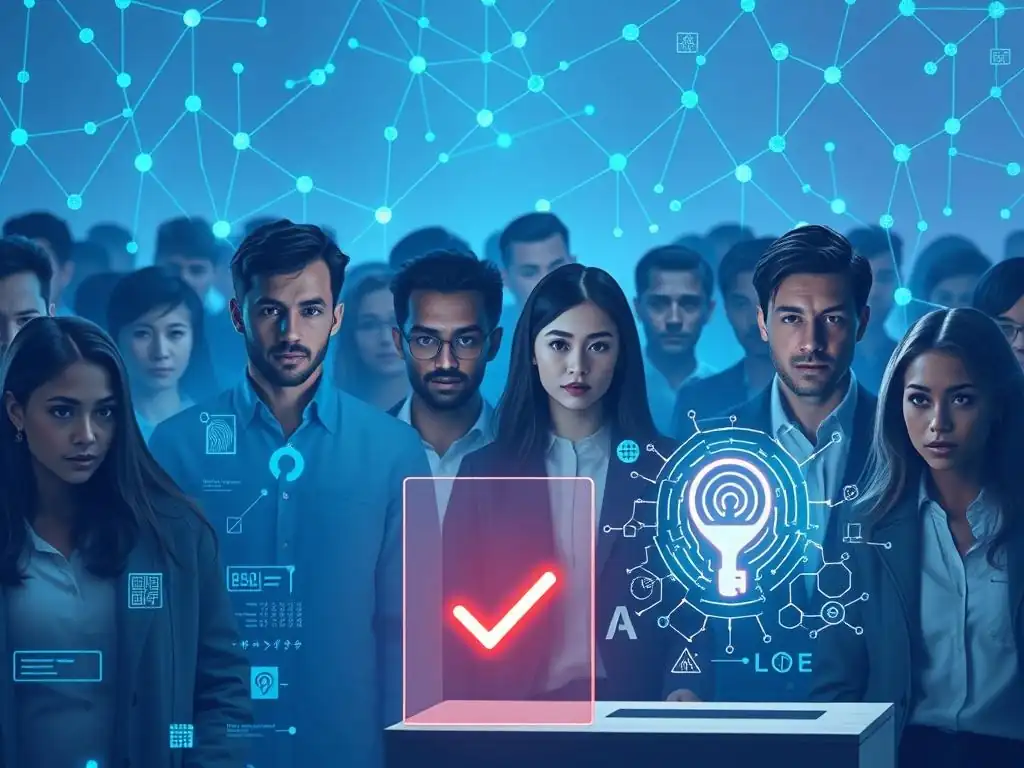
Welcome to Blockchain Trends, your guide to understanding the revolutionary impact of blockchain technology beyond the hype. Dive into the world of decentralized finance, enterprise solutions, and regulatory landscapes, all shaping the future of decentralized systems.
Ever wondered how blockchain could revolutionize elections? Our in-depth analysis of blockchain voter authentication challenges explores the complexities and potential of using this technology to secure our democratic processes. Can blockchain truly solve the proof of identity puzzle in decentralized voting? Let's unravel the challenges and possibilities together.
Decentralized Voting and Voter Authentication: Leveraging Zero-Knowledge Proofs
- Introduction: Blockchain's Potential for Secure and Transparent Elections
- Understanding Decentralized Voting Systems
- The Critical Need for Robust Voter Authentication
- Voter Authentication Challenges in Blockchain Voting
- Exploring Zero-Knowledge Proofs for Blockchain Voting
- Comparing Different Authentication Methods for Voter Verification
- Case Studies: Implementing ZKP-Based Voter Authentication
- Overcoming Technical and Regulatory Hurdles
- The Future of Blockchain Voter Authentication
- Conclusion: Securing Elections with Blockchain and ZKPs
-
Frequently Asked Questions
- What are the primary challenges associated with implementing blockchain-based voter authentication systems?
- How does the concept of "Proof of Identity" relate to blockchain-based voter authentication?
- Beyond cryptocurrencies, how can blockchain technology enhance the security and transparency of the voting process?
- What regulatory hurdles might hinder the widespread adoption of blockchain-based voting systems?
- What is the future outlook for decentralized voting systems, considering the current challenges in voter authentication?
- Final Reflection: Embracing Trust in a Trustless System
- Empower Democracy: Secure Your Voice!
Introduction: Blockchain's Potential for Secure and Transparent Elections
Decentralized Governance: Exploring Blockchain-Based Voting Platforms
Blockchain technology, initially famed for cryptocurrencies, extends its transformative capabilities into various sectors, notably governance. Decentralized voting systems built on blockchain promise to revolutionize elections by enhancing transparency, security, and accessibility. Traditional voting systems often face criticisms regarding manipulation, lack of transparency, and logistical inefficiencies. Blockchain-based platforms offer a compelling alternative by leveraging cryptography and distributed ledger technology to create immutable and auditable voting records. This shift towards decentralized governance aims to empower citizens with greater control over electoral processes and foster trust in democratic institutions.
The allure of blockchain in voting lies in its inherent characteristics. Every vote cast on a blockchain can be recorded as a transaction, transparently visible to all participants while maintaining voter anonymity. This transparency drastically reduces the potential for electoral fraud and manipulation, as any alteration to the voting record would be immediately detectable.
Furthermore, the decentralized nature of blockchain eliminates single points of failure, making the system more resilient to cyberattacks and technical malfunctions. Early implementations and pilot programs worldwide are beginning to showcase the viability and potential benefits of blockchain voting in real-world scenarios, driving further exploration and development in this domain.
Addressing Authentication Challenges in Blockchain Voting
While blockchain offers a robust framework for secure voting, one of the most significant hurdles lies in voter authentication. Ensuring that only eligible voters participate and that each voter casts only one vote is paramount to maintaining the integrity of any election. In decentralized systems, this challenge is amplified as there is no central authority to verify voter identities. Traditional methods of voter authentication, such as physical identification documents or voter registration rolls, are not directly transferable to decentralized, digital environments without significant adaptations and potential compromises to privacy.
The core challenge revolves around establishing a secure and privacy-preserving method to link a voter's identity to their digital vote within the blockchain system. Solutions must navigate the complex landscape of digital identity, data privacy regulations, and user experience. The need for robust blockchain voter authentication mechanisms is not merely a technical requirement but a fundamental prerequisite for widespread adoption and trust in decentralized voting systems. Without effective authentication, the promised benefits of blockchain voting – transparency and security – risk being undermined by potential vulnerabilities arising from identity fraud and unauthorized voting.
Understanding Decentralized Voting Systems
Enhancing Transparency and Security with Blockchain Technology
Decentralized voting systems leverage blockchain technology to create a publicly auditable and tamper-proof record of votes. Transparency is significantly enhanced because every transaction, representing a vote, is recorded on the distributed ledger, making it verifiable by anyone. Unlike traditional systems where vote counting and verification processes are often opaque and centralized, blockchain allows for open scrutiny, fostering greater trust in the electoral outcome.
Security is fortified through cryptographic techniques inherent in blockchain. Each block of transactions is linked and secured using cryptographic hashes, making it computationally infeasible to alter past records without detection. This immutability is crucial for preventing vote manipulation and ensuring the integrity of the electoral process.
Furthermore, the decentralized nature of blockchain voting distributes control and eliminates single points of failure. Traditional voting systems are often vulnerable to centralized attacks or manipulation at the point of vote counting or data storage. By distributing the voting data across a network of nodes, blockchain makes the system more resilient and less susceptible to single points of failure or malicious interventions. This distributed architecture, combined with cryptographic security, provides a robust foundation for building voting systems that are significantly more secure and transparent than existing centralized models.
Key Components of a Secure Blockchain Voting Platform
A secure blockchain voting platform comprises several key components working in concert to ensure integrity and functionality. Firstly, a robust digital identity system is crucial for voter authentication. This system must securely verify the identity of each voter without compromising their privacy. Secondly, the blockchain network itself, whether permissioned or permissionless, forms the backbone of the system. The choice of blockchain architecture impacts factors like scalability, consensus mechanisms, and accessibility. Thirdly, a secure and user-friendly voting application is necessary for voters to cast their ballots. This application must interface seamlessly with the blockchain and the digital identity system.
Beyond these core elements, smart contracts play a vital role in automating and enforcing voting rules. Smart contracts are self-executing agreements written in code and stored on the blockchain. They can be programmed to manage voter eligibility, vote counting, and election outcome verification automatically, reducing the need for manual intervention and minimizing the risk of human error or manipulation.
Finally, a comprehensive audit and verification mechanism is essential. While blockchain inherently offers auditability, clear protocols and tools are needed to allow independent verification of the entire voting process, from voter authentication to final results, further enhancing transparency and public trust.
The Critical Need for Robust Voter Authentication
Ensuring Democratic Integrity Through Accurate Voter Identification
Accurate voter identification is the bedrock of democratic integrity. The principle of "one person, one vote" relies entirely on the ability to verify that each vote is cast by a legitimate, eligible voter and that no individual votes more than once. Without robust voter authentication, the entire electoral process becomes vulnerable to fraud, manipulation, and ultimately, a loss of public trust in the democratic system. Inaccurate voter identification can lead to various forms of electoral malpractice, including impersonation, double voting, and ineligible voters participating, all of which can skew election outcomes and undermine the legitimacy of elected officials.
The consequences of inadequate voter authentication extend beyond individual elections. A lack of confidence in the integrity of the voting process can erode public trust in democratic institutions as a whole. When citizens perceive elections as unfair or rigged due to authentication failures, it can lead to political instability, social unrest, and a decline in civic engagement.
Therefore, investing in and developing robust voter authentication mechanisms is not just a matter of technical improvement but a fundamental necessity for maintaining the health and legitimacy of democratic societies. The pursuit of secure and reliable voter identification is an ongoing endeavor crucial for upholding the principles of fair and representative governance.
Limitations of Traditional Voter Authentication Methods
Traditional voter authentication methods, while serving their purpose for many years, exhibit limitations in the modern digital age, particularly when considering the context of decentralized voting. Methods such as paper-based voter registration rolls are susceptible to inaccuracies, outdated information, and logistical challenges in maintaining and updating them. Physical identification documents, while widely used, are prone to forgery, loss, and can be cumbersome for voters to manage and present. Furthermore, these methods often rely on manual verification processes, which are time-consuming, resource-intensive, and prone to human error.
In the context of online or remote voting, traditional methods become even more problematic. Replicating physical ID verification in a digital environment poses significant challenges. Digital scans of IDs can be easily manipulated, and verifying the authenticity of digital documents at scale is a complex task. Moreover, traditional methods often lack privacy-preserving features, potentially exposing sensitive voter information during the authentication process. These limitations highlight the need for innovative authentication solutions that are better suited to the demands of digital voting systems, offering enhanced security, efficiency, and privacy compared to conventional approaches.
Voter Authentication Challenges in Blockchain Voting
Scalability Issues in Decentralized Identity Verification
Implementing decentralized identity verification for blockchain voting systems presents significant scalability challenges. Verifying the identity of each voter through decentralized methods, especially during periods of high voter turnout, can strain the system's resources and potentially lead to delays or bottlenecks. Decentralized identity (DID) solutions, while promising in terms of privacy and user control, often involve complex cryptographic processes for identity verification that can be computationally intensive. When applied to a large-scale election with millions of voters attempting to authenticate simultaneously, the processing load on the blockchain network and the identity verification infrastructure can become substantial.
Furthermore, the decentralized nature of these systems means that verification processes are distributed across multiple nodes, which, while enhancing security and resilience, can also impact performance. The need to reach consensus among network participants on the validity of each identity claim adds to the overall latency of the authentication process. Addressing these scalability issues is crucial for ensuring that decentralized voter authentication methods can handle the demands of real-world elections without compromising speed, efficiency, or user experience. Research and development efforts are focused on optimizing cryptographic protocols, improving network infrastructure, and exploring layer-2 scaling solutions to overcome these limitations.
Security Vulnerabilities and Potential Attack Vectors
Despite the inherent security advantages of blockchain, decentralized voter authentication systems are not immune to security vulnerabilities and potential attack vectors. One area of concern is the security of the digital identity systems themselves. If a voter's private key or digital identity is compromised, it could allow malicious actors to impersonate the voter and cast fraudulent ballots. Phishing attacks, social engineering, and malware infections are potential threats to the security of individual voter's digital identities.
Another potential attack vector involves vulnerabilities in the smart contracts governing the voting process. While smart contracts are designed to be secure and tamper-proof, poorly written or inadequately audited code can contain bugs or loopholes that attackers could exploit to manipulate the voting process. Furthermore, distributed denial-of-service (DDoS) attacks could target the blockchain network or the identity verification infrastructure, disrupting the voting process and potentially preventing legitimate voters from participating. Robust security audits, penetration testing, and continuous monitoring are essential to identify and mitigate these potential vulnerabilities and ensure the overall security of blockchain-based voter authentication systems.
User Experience Concerns in Authentication Processes
User experience is a critical factor for the successful adoption of any voting system, and decentralized authentication methods can present unique challenges in this regard. Complex cryptographic processes and unfamiliar interfaces can be daunting for voters, particularly those who are not technologically savvy. Decentralized identity solutions often require users to manage their own private keys and digital wallets, which can be confusing and error-prone for the average voter. If the authentication process is perceived as too cumbersome or technically demanding, it can lead to voter disenfranchisement and low participation rates.
Furthermore, privacy concerns, while addressed by technologies like Zero-Knowledge Proofs, can also impact user experience. Voters may be hesitant to adopt authentication methods that they do not fully understand or trust, especially when dealing with sensitive personal information. Designing user-friendly interfaces, providing clear instructions and support, and prioritizing simplicity in the authentication process are crucial for ensuring that decentralized voter authentication systems are accessible and usable by all eligible voters, regardless of their technical expertise. Balancing security and privacy with ease of use is a key challenge in the development and deployment of these systems.
Exploring Zero-Knowledge Proofs for Blockchain Voting
Zero-Knowledge Proofs: Principles and Applications
Zero-Knowledge Proofs (ZKPs) are cryptographic protocols that allow one party (the prover) to prove to another party (the verifier) that a statement is true without revealing any information beyond the truth of the statement itself. In the context of voter authentication, ZKPs can be used to prove that a voter is eligible to vote without revealing their actual identity or other sensitive information. The core principle of ZKPs is to demonstrate knowledge of some secret information without disclosing the secret itself. This is achieved through interactive or non-interactive cryptographic protocols involving mathematical computations and commitments.
ZKPs have diverse applications beyond voter authentication, including secure identity management, privacy-preserving data sharing, and anonymous transactions in cryptocurrencies. Their ability to provide proof of knowledge without information leakage makes them particularly valuable in scenarios where privacy and security are paramount. In blockchain voting, ZKPs offer a promising approach to address the challenge of voter authentication while simultaneously preserving voter anonymity and complying with data privacy regulations. The ongoing development and refinement of ZKP techniques are expanding their applicability and efficiency, making them increasingly relevant for real-world applications like decentralized governance and secure voting systems.
Privacy-Preserving Authentication with ZKPs
Zero-Knowledge Proofs offer a compelling solution for privacy-preserving voter authentication in blockchain voting systems. By leveraging ZKPs, a voter can prove their eligibility to vote – for example, that they are registered and of legal voting age – without revealing their name, address, or other identifying details to the voting system or other participants.
This is achieved by the voter generating a ZKP that cryptographically demonstrates their eligibility based on some underlying secret information (e.g., their voter registration record) without actually disclosing that record. The voting system can then verify the ZKP to confirm the voter's eligibility without learning anything else about their identity.
This approach significantly enhances voter privacy compared to traditional authentication methods that often require voters to disclose personal information. ZKPs allow for authentication based on verifiable credentials without exposing the underlying data itself, aligning with principles of data minimization and privacy by design. By decoupling identity verification from identity revelation, ZKPs enable secure and anonymous voting, fostering greater trust and encouraging broader participation in decentralized electoral processes. The use of ZKPs represents a significant step forward in building voting systems that prioritize both security and voter privacy.
Advantages of ZKPs over Traditional Methods
Zero-Knowledge Proofs offer several key advantages over traditional voter authentication methods, particularly in the context of decentralized blockchain voting. Firstly, enhanced privacy is a primary benefit. ZKPs allow for authentication without revealing sensitive voter information, protecting voter anonymity and reducing the risk of data breaches or privacy violations. Secondly, improved security is achieved by minimizing the reliance on centralized identity databases and reducing the attack surface. ZKPs can be designed to be resistant to various forms of fraud and manipulation, enhancing the overall security of the voting process.
Thirdly, ZKPs can contribute to increased efficiency in certain scenarios. While the initial generation of ZKPs can be computationally intensive, the verification process is typically fast and efficient, making them suitable for large-scale elections. Furthermore, ZKPs can facilitate greater transparency in the authentication process.
The cryptographic proofs themselves can be publicly auditable, allowing for independent verification of the integrity of the authentication process without compromising voter privacy. Finally, ZKPs are adaptable to digital environments and seamlessly integrate with blockchain technology, making them a natural fit for decentralized voting systems. These advantages position ZKPs as a promising alternative to traditional authentication methods in the pursuit of secure, private, and efficient digital elections.
Comparing Different Authentication Methods for Voter Verification
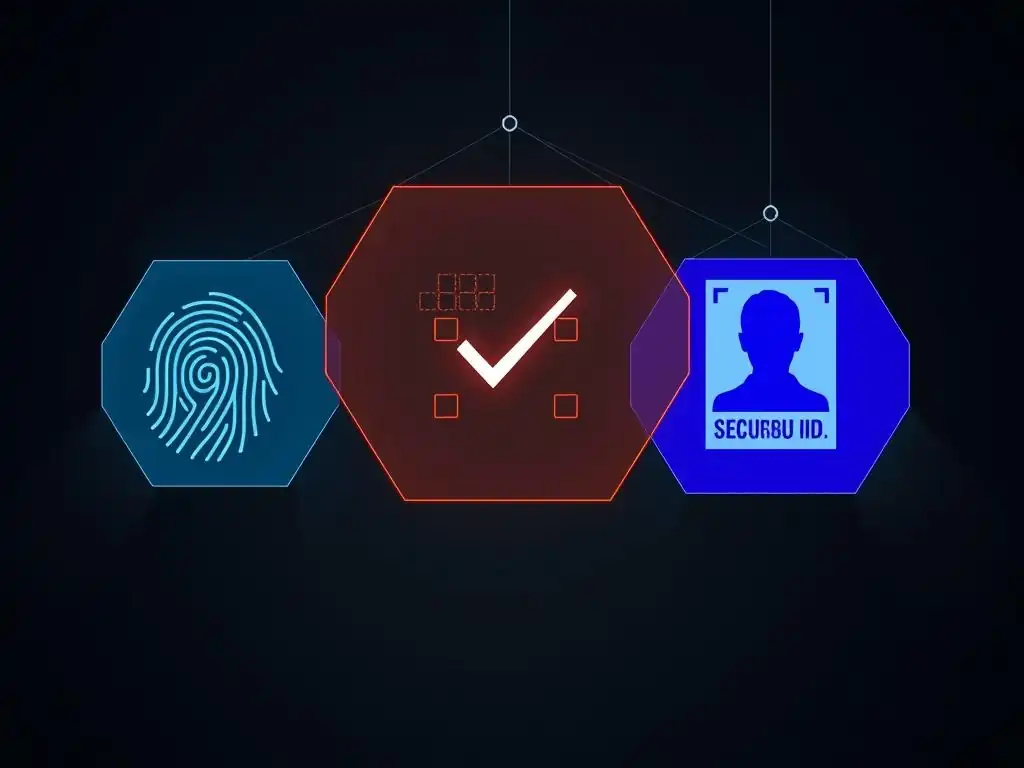
Advantages and Disadvantages of Biometric Authentication
Biometric authentication, utilizing unique biological traits like fingerprints, facial recognition, or iris scans, offers several advantages for voter verification. One key advantage is strong security, as biometric data is inherently difficult to forge or replicate, providing a high level of assurance of voter identity. Biometrics can also offer convenience for voters, eliminating the need to remember passwords or carry physical identification documents. Furthermore, biometric systems can potentially enhance efficiency by automating the authentication process and reducing manual verification efforts.
However, biometric authentication also presents disadvantages. Privacy concerns are paramount, as biometric data is highly sensitive personal information. Storing and managing biometric data securely is a significant challenge, and potential data breaches could have severe consequences. Accuracy and reliability can also be issues, as biometric systems are not always foolproof and can be affected by factors like environmental conditions or variations in biometric traits.
Cost and infrastructure requirements for implementing biometric systems can be substantial, especially for large-scale elections. Accessibility and inclusivity are also considerations, as biometric systems may not be suitable for all voters, for example, individuals with disabilities or those who may be uncomfortable with biometric data collection. These factors need careful consideration when evaluating the suitability of biometric authentication for voter verification.
Benefits and Drawbacks of Decentralized Identity (DID)
Decentralized Identity (DID) offers a paradigm shift in identity management, placing control back in the hands of individuals. In the context of voter authentication, DIDs provide several benefits. Enhanced privacy is a key advantage, as individuals manage their own identity data and selectively disclose information only when necessary.
Increased security is achieved by eliminating central points of failure and reducing reliance on centralized identity providers. Greater user control empowers voters to manage their digital identities and credentials, fostering autonomy and self-sovereignty. Interoperability is a potential benefit, as DIDs are designed to be standards-based and portable across different systems and platforms.
However, DIDs also have drawbacks. Complexity and usability can be challenges, as managing DIDs and cryptographic keys can be technically demanding for average users. Scalability issues may arise when implementing DID verification at scale for large elections, as discussed earlier. Recovery mechanisms for lost or compromised private keys need to be robust and user-friendly to prevent permanent loss of access to digital identities.
Standardization and adoption are still ongoing processes, and widespread acceptance and interoperability of DID systems require further development and collaboration. Trust and responsibility are shifted to individuals, requiring users to take greater responsibility for securing and managing their own digital identities. These factors highlight the need for careful design and user education when implementing DID-based voter authentication systems.
The Role of ZKPs in Balancing Privacy and Security
Zero-Knowledge Proofs play a crucial role in balancing privacy and security within voter authentication systems, particularly when combined with other methods like Biometric Authentication or Decentralized Identity. ZKPs can be used to enhance the privacy of biometric authentication by allowing voters to prove possession of valid biometric data without revealing the actual biometric template itself. Similarly, ZKPs can complement DID systems by enabling privacy-preserving verification of voter credentials stored within DIDs, without disclosing the underlying identity attributes.
By acting as a privacy-enhancing layer, ZKPs mitigate the privacy concerns associated with biometric and DID-based authentication methods. They allow for secure verification of voter eligibility while minimizing the disclosure of sensitive personal information. This balance between privacy and security is essential for building voter authentication systems that are both robust and trustworthy. ZKPs enable the benefits of strong authentication offered by biometrics and DIDs to be realized without compromising voter privacy, making them a valuable tool for developing next-generation secure and privacy-preserving voting systems.
Case Studies: Implementing ZKP-Based Voter Authentication
Switzerland's e-Voting Pilot Program using ZKPs
Switzerland has been at the forefront of exploring e-voting, including pilot programs incorporating Zero-Knowledge Proofs. While facing setbacks and ultimately suspending its nationwide e-voting project in 2019 due to security concerns unrelated to ZKPs themselves, Switzerland's efforts provide valuable insights. Their pilot programs explored using ZKPs to ensure vote secrecy and verifiability in online voting systems. The system aimed to allow voters to verify that their vote was correctly recorded and counted without revealing how they voted. This approach leveraged ZKPs to achieve end-to-end verifiability, a crucial aspect of ensuring trust in electronic voting.
Although the Swiss e-voting project encountered challenges and is currently on hold, the exploration of ZKPs within their system demonstrated the potential of this technology for enhancing the security and verifiability of online voting. The lessons learned from the Swiss experience, particularly concerning the complexities of implementing and auditing ZKP-based voting systems, are valuable for ongoing research and development in this field. Their pioneering work highlights both the promise and the practical challenges of deploying advanced cryptographic techniques like ZKPs in real-world electoral contexts.
Estonia's Digital Identity System and Potential ZKP Integration
Estonia, a global leader in digital governance, boasts a highly developed digital identity system. Every Estonian citizen has a digital ID card that enables access to a wide range of online services, including e-voting in municipal and parliamentary elections. While Estonia's current e-voting system does not explicitly utilize Zero-Knowledge Proofs for voter authentication or vote verification, the robust digital identity infrastructure they have established provides a strong foundation for potential future integration of ZKP technology.
Estonia's digital ID system provides secure and reliable voter authentication, but incorporating ZKPs could further enhance voter privacy and verifiability. For instance, ZKPs could be used to enable voters to verify that their vote was correctly cast and counted without revealing their identity to the voting system or other observers. Integrating ZKPs into Estonia's existing digital infrastructure could represent a significant step towards building even more secure and privacy-preserving e-voting systems. The Estonian case demonstrates the importance of a strong underlying digital identity framework as a prerequisite for effectively implementing advanced cryptographic solutions like ZKPs in voting.
Overcoming Technical and Regulatory Hurdles
Addressing Regulatory Concerns and Ensuring Compliance
The deployment of blockchain-based voter authentication systems, particularly those utilizing Zero-Knowledge Proofs, faces significant regulatory hurdles. Existing election laws and regulations in many jurisdictions are often designed for traditional paper-based voting systems and may not adequately address the unique characteristics of digital and decentralized voting technologies. Regulatory frameworks need to be adapted to accommodate blockchain voting while ensuring compliance with fundamental principles of electoral integrity, voter privacy, and accessibility. Concerns around data privacy, security standards, and auditability need to be addressed to gain regulatory approval and public trust.
Furthermore, international cooperation and harmonization of regulatory standards are crucial for facilitating the cross-border adoption of blockchain voting technologies. Different jurisdictions may have varying legal requirements and interpretations regarding digital identity, data protection, and electronic voting. Navigating this complex regulatory landscape requires proactive engagement with policymakers, regulators, and legal experts to develop clear and consistent guidelines for the deployment of blockchain-based voting systems. Addressing regulatory uncertainty and ensuring compliance are essential steps towards realizing the full potential of these technologies in governance.
Building User Trust and Promoting Adoption
Building user trust is paramount for the successful adoption of blockchain-based voter authentication systems. Voters need to have confidence that these systems are secure, reliable, and protect their privacy. Addressing public skepticism and misconceptions about blockchain technology and digital voting is crucial. Clear and transparent communication about the security measures, privacy safeguards, and auditability features of these systems is essential to build trust. User-friendly interfaces and intuitive authentication processes are also critical for promoting adoption, particularly among voters who are not technologically proficient.
Furthermore, independent audits and certifications can play a vital role in demonstrating the security and integrity of blockchain voting platforms. Engaging with civil society organizations, election observers, and cybersecurity experts to conduct thorough evaluations and provide independent assessments can enhance public confidence. Pilot programs and public education initiatives can also help familiarize voters with these new technologies and demonstrate their benefits in real-world settings. Building user trust is a long-term process that requires ongoing communication, transparency, and a commitment to addressing voter concerns and ensuring a positive user experience.
The Future of Blockchain Voter Authentication
Potential of Homomorphic Encryption in Enhancing Authentication
Homomorphic encryption (HE) is an advanced cryptographic technique that allows computations to be performed on encrypted data without decrypting it first. In the context of blockchain voter authentication, HE holds significant potential for further enhancing privacy and security. Imagine a scenario where voter authentication data, such as encrypted biometric information or digital credentials, is stored and processed on the blockchain in encrypted form. Using HE, the voting system could perform authentication checks and computations on this encrypted data without ever decrypting it, ensuring end-to-end privacy and minimizing the risk of data exposure.
HE could enable more sophisticated and privacy-preserving authentication schemes for blockchain voting. For example, it could facilitate secure multi-factor authentication or anonymous credential verification without revealing any sensitive information to the voting platform. While HE is still a relatively computationally intensive technology, ongoing research and development are making it more practical for real-world applications. As HE technology matures, its integration with blockchain voter authentication systems could usher in a new era of highly secure and privacy-preserving digital elections.
Exploring Interoperability Between Voting Platforms
The future of blockchain voter authentication may also involve a focus on interoperability between different voting platforms. Currently, various blockchain-based voting initiatives are being developed using different technologies and protocols. Lack of interoperability could create silos and limit the potential for wider adoption and seamless integration of blockchain voting systems. Developing standards and protocols that enable interoperability between different blockchain voting platforms is crucial for creating a more unified and accessible ecosystem.
Interoperability could facilitate cross-jurisdictional voting, allow for seamless integration with existing digital identity systems, and promote the sharing of best practices and technological advancements across different voting initiatives. Standardized APIs, data formats, and communication protocols could enable different blockchain voting platforms to communicate and interact with each other, enhancing flexibility and choice for voters and election administrators. Collaboration among researchers, developers, and policymakers is essential to drive the development of interoperable blockchain voting solutions and unlock the full potential of this technology for transforming governance.
Conclusion: Securing Elections with Blockchain and ZKPs
Recap of Challenges and Solutions
Decentralized voting systems offer a promising path towards more secure and transparent elections, but voter authentication remains a critical challenge. Traditional authentication methods are often inadequate for digital environments, and decentralized identity verification faces scalability and usability hurdles. Zero-Knowledge Proofs emerge as a powerful tool for addressing these challenges, offering privacy-preserving authentication without compromising security. ZKPs enable voters to prove their eligibility without revealing sensitive personal information, balancing the need for robust authentication with the imperative of voter privacy.
Overcoming technical and regulatory hurdles is essential for realizing the widespread adoption of blockchain voter authentication systems. Addressing scalability issues, mitigating security vulnerabilities, improving user experience, and navigating complex regulatory landscapes are key priorities. Building user trust through transparency, education, and independent audits is also crucial. By focusing on these challenges and leveraging innovative solutions like ZKPs, we can pave the way for a future where blockchain technology plays a transformative role in securing and democratizing electoral processes.
The Transformative Potential of Blockchain in Governance
Blockchain technology holds immense transformative potential for governance beyond just voting. Its ability to create transparent, immutable, and auditable records can be applied to various aspects of public administration, including land registry, supply chain management, and identity management. Decentralized governance models enabled by blockchain can empower citizens, enhance accountability, and reduce corruption.
While challenges remain, the ongoing development and refinement of blockchain technologies, coupled with innovative cryptographic solutions like Zero-Knowledge Proofs, are paving the way for a more secure, transparent, and participatory future for governance. The journey towards realizing this potential requires continued research, collaboration, and a commitment to building trust and fostering wider adoption of these transformative technologies.
Frequently Asked Questions
What are the primary challenges associated with implementing blockchain-based voter authentication systems?
The primary challenges involve ensuring user privacy while verifying identity, addressing scalability limitations to handle large voter populations, and overcoming digital literacy gaps among voters.
How does the concept of "Proof of Identity" relate to blockchain-based voter authentication?
"Proof of Identity" in this context refers to methods used to verify a voter's identity on the blockchain without revealing sensitive personal information. This is crucial for maintaining voter privacy and security.
Beyond cryptocurrencies, how can blockchain technology enhance the security and transparency of the voting process?
Blockchain can create an immutable audit trail of votes, making it difficult to tamper with election results. It also offers the potential for increased transparency by allowing voters to verify their votes were recorded accurately.
What regulatory hurdles might hinder the widespread adoption of blockchain-based voting systems?
Regulatory hurdles include the lack of clear legal frameworks for digital identities and blockchain-based voting, as well as concerns about data privacy and security compliance with existing laws.
What is the future outlook for decentralized voting systems, considering the current challenges in voter authentication?
The future depends on overcoming authentication challenges through innovative identity solutions and addressing concerns about accessibility and security. Continued research and development are crucial for wider adoption.
Final Reflection: Embracing Trust in a Trustless System
The exploration of decentralized voting and its inherent blockchain voter authentication challenges reveals a critical juncture in our pursuit of secure and accessible elections. While the promise of transparency and immutability offered by blockchain technology is undeniable, the practical hurdles of verifying voter identity without compromising privacy remain significant. The solutions we develop today will directly shape the future of democratic processes, influencing not only the integrity of elections but also the public's trust in the system itself.
This journey into decentralized voting has underscored the delicate balance between technological innovation and fundamental rights. The need for robust and privacy-preserving authentication methods is paramount, not just for the success of blockchain-based voting, but for the preservation of democratic ideals in an increasingly digital world. The best argument against democracy is a five-minute conversation with the average voter.
- Winston Churchill. While this quote highlights the challenges of informed participation, it also underscores the importance of ensuring that every eligible voice can be heard, securely and without fear of manipulation.
As we stand on the precipice of a new era in electoral systems, let us not shy away from the complexities of blockchain voter authentication challenges. Instead, let us embrace the opportunity to innovate responsibly, prioritizing both security and individual liberties. Consider how you can contribute to this vital conversation, whether through research, advocacy, or simply by staying informed. The future of democracy depends on our collective commitment to building a voting system that is both technologically advanced and fundamentally just.
Empower Democracy: Secure Your Voice!
Thank you for exploring the crucial intersection of decentralized voting and voter authentication. We hope you now have a clearer understanding of the challenges and potential solutions for securing democratic processes using blockchain technology. Ready to take the next step in shaping the future of voting?
Here are a few ways you can get involved:
- Learn more about developing reliable and user-friendly identity verification solutions for decentralized voting within your community or organizations. This is the most impactful action!
- Explore existing blockchain-based voting platforms and share your insights on their security and accessibility features in online forums or social media, using the hashtag #BlockchainVoting.
- Consider attending or organizing a local workshop or discussion group focused on the ethical and practical implications of using blockchain for secure elections.
What innovative method for verifying voter identity do you think holds the most promise for revolutionizing authentication in decentralized voting systems? Share your thoughts below!
Leave a Reply