
BlockchainBased Digital Identity: Your Key to Secure Online Voting


Welcome to Blockchain Trends, your gateway to understanding the revolutionary impact of blockchain technology! Are you ready to explore how blockchain is moving beyond cryptocurrency and shaping the future of decentralized systems?
In this article, we delve into the fascinating world of Secure blockchain digital identity voting, examining how this innovative approach can revolutionize elections and other secure online processes. But how does it work, and what are the real-world implications? Discover the answers and more as we unlock the potential of enterprise blockchain solutions. Keep reading to learn how blockchain is making secure digital identity a reality!
Blockchain-Based Digital Identity: Your Key to Secure Online Voting
- Introduction: Revolutionizing Elections with Secure Blockchain Digital Identity
- Understanding Blockchain Digital Identity for Voting
- Secure Blockchain Digital Identity Voting: The Process
- Advantages of Secure Blockchain Digital Identity Voting Systems
- Real-World Applications and Case Studies of Blockchain Voting
- Challenges and Considerations for Implementing Blockchain Voting
- The Future of Secure Online Voting: Blockchain's Role
- Conclusion: Embracing Secure Blockchain Digital Identity
-
Frequently Asked Questions
- What is blockchain-based digital identity, and how does it relate to online voting?
- How does blockchain enhance the security of digital identity for voting?
- What are the potential benefits of using blockchain for digital identity in voting systems?
- What are the main challenges in implementing blockchain-based digital identity for voting?
- How does the "Secure blockchain digital identity voting" solution promote voter privacy?
- Final Reflection: Embracing Secure Digital Sovereignty
- Unlock Secure Democracy: Cast Your Vote with Confidence!
Introduction: Revolutionizing Elections with Secure Blockchain Digital Identity
The Need for Secure and Transparent Online Voting Systems
Traditional voting methods, whether paper ballots or current electronic systems, face significant challenges in ensuring both security and transparency. Issues range from potential ballot tampering, voter fraud, and logistical complexities to low voter turnout and high administrative costs. In an increasingly digital world, there is a growing demand for online voting solutions that can offer convenience without sacrificing the integrity of the electoral process.
However, existing online systems often struggle with proving identity securely, preventing double voting, and ensuring that votes remain private yet verifiable. The lack of public trust in the security and transparency of online polls remains a major hurdle for widespread adoption.
The imperative for more robust and trustworthy voting mechanisms is clear. As more aspects of life move online, citizens expect the electoral process to follow suit, provided it can guarantee security and transparency at levels equal to, or exceeding, traditional methods.
This requires innovative approaches to identity verification and vote recording that can withstand sophisticated attacks and provide undeniable proof of the election's outcome. The core challenge is building a system where every eligible voter can cast a single vote securely and privately, and where the final tally is demonstrably accurate and resistant to manipulation, addressing the fundamental need for secure blockchain digital identity voting.
How Blockchain Digital Identity Addresses Flaws in Traditional Voting
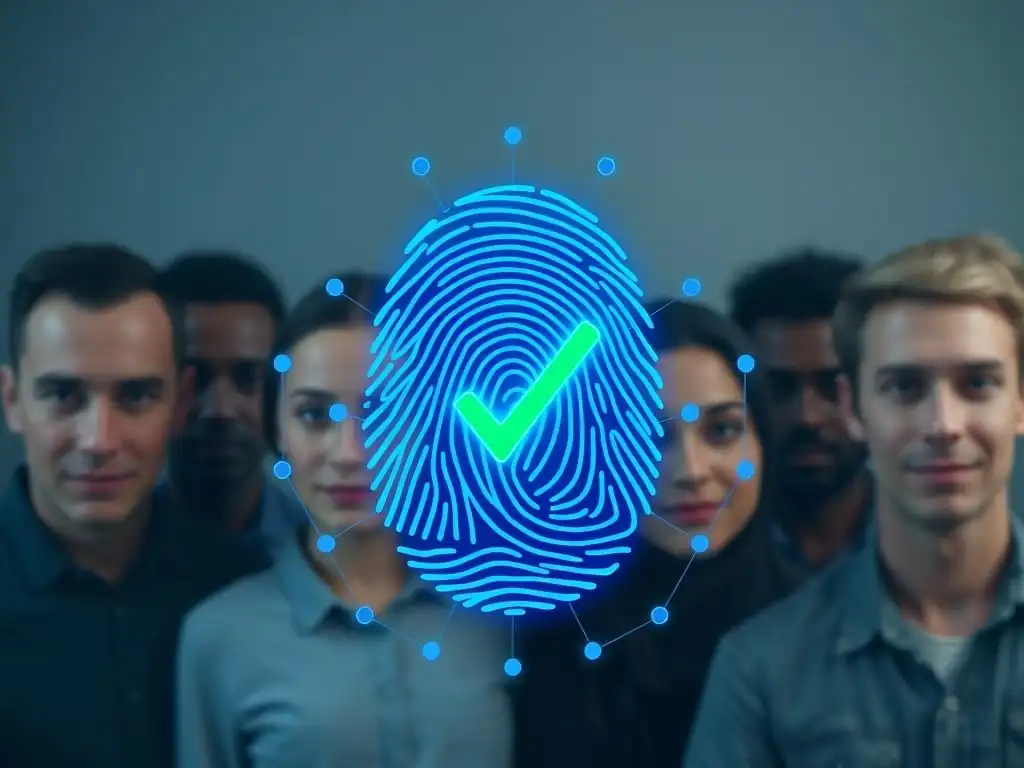
Blockchain technology, particularly when coupled with robust digital identity solutions, offers a compelling answer to many of the inherent flaws in traditional and current online voting systems. Its core properties – immutability, transparency (of transactions, not necessarily voter identity or ballot content), and decentralization – provide a foundation for a fundamentally more secure and trustworthy process. A secure blockchain digital identity voting system leverages these properties to create a verifiable link between a validated voter and their ballot, ensuring that only eligible individuals can vote and only once. This digital identity acts as a secure, unforgeable credential.
Unlike centralized databases susceptible to single points of failure or malicious attacks, a blockchain records votes across a distributed network, making it extremely difficult for any single entity or attacker to alter or delete votes without being detected. Furthermore, while the ledger itself is transparent, advanced cryptographic techniques within a secure blockchain digital identity voting framework can ensure voter anonymity, separating the voter's identity from their recorded ballot data while still allowing for cryptographic verification that a valid, eligible voter cast the ballot.
This combination of secure identity management and a tamper-proof, verifiable ledger offers a pathway to overcoming trust deficits and enhancing the overall integrity of elections.
Understanding Blockchain Digital Identity for Voting
What is Blockchain Digital Identity? A Decentralized Approach
Blockchain digital identity refers to a system where an individual's identity attributes are managed and verified using blockchain technology. Unlike traditional identity systems, which rely on centralized databases (like government registries or bank records) controlled by a single authority, blockchain digital identity is inherently decentralized.
This means that identity data, or verifiable proofs related to that data, are stored or referenced on a distributed ledger, providing individuals with greater control over their own information. Instead of needing to trust a single third party to manage and secure their identity, users can cryptographically prove aspects of their identity directly to relying parties (like an election system) without necessarily revealing all underlying personal data.
In the context of secure blockchain digital identity voting, this decentralized approach empowers the voter. Their digital identity, once established and verified against eligibility requirements, exists as a secure, cryptographically protected credential on the blockchain or linked to it. This credential is not easily forged or duplicated, and the voter controls how and when it is used to interact with the voting system. This contrasts sharply with traditional methods that might rely on easily copied physical IDs or centralized digital records that are vulnerable to breaches, laying a critical foundation for secure blockchain digital identity voting processes.
Key Features: Security, Privacy, and Decentralization
Secure blockchain digital identity systems for voting are built upon several key features derived from blockchain technology. Security is paramount, achieved through advanced cryptography. Each digital identity is linked to a pair of cryptographic keys: a public key for identification (or pseudonymous identification) and a private key known only to the user, used for digitally signing transactions, such as casting a vote. The immutability of the blockchain ensures that once an identity is verified and recorded, or a vote is cast using that identity, it cannot be altered or removed retroactively without invalidating the entire chain.
Privacy is another critical feature, often implemented through techniques like zero-knowledge proofs or linking a verified real-world identity to a pseudonymous on-chain identifier used solely for voting. This ensures that while the system can verify that an eligible voter cast a ballot, it cannot link which specific voter cast which specific ballot, preserving the secrecy of the vote.
Finally, Decentralization distributes the identity verification and transaction recording process across multiple nodes, removing single points of failure and making the system more resilient to censorship or attacks. These features collectively contribute to the robustness required for secure blockchain digital identity voting.
Benefits: Enhanced Security and Trust
The integration of secure blockchain digital identity into voting systems offers significant benefits, primarily centered around enhanced security and increased public trust. The cryptographic security inherent in blockchain makes it incredibly difficult for malicious actors to interfere with the voting process. Digital identities, secured by private keys, ensure that only authenticated, eligible voters can participate.
The immutable nature of the blockchain ledger means that once a vote is cast and recorded, it cannot be tampered with or deleted, preventing fraud such as stuffing ballot boxes or altering vote counts after they are submitted. This level of tamper-evidence is a major improvement over traditional systems where paper ballots can be lost or altered, or electronic records can be hacked.
Beyond technical security, the transparency of the blockchain ledger (even if vote contents are encrypted) allows for public verifiability of the election process. Anyone can audit the chain to confirm that votes were recorded as cast (without knowing who cast them) and that the final tally accurately reflects the recorded votes. This verifiable transparency builds trust in the electoral outcome, addressing concerns about rigged elections or opaque counting processes. By providing a secure, auditable, and resilient infrastructure, secure blockchain digital identity voting has the potential to significantly boost confidence in the integrity of democratic processes.
Secure Blockchain Digital Identity Voting: The Process
Voter Registration and Identity Verification
The first step in implementing secure blockchain digital identity voting involves a rigorous voter registration and identity verification process. This phase is crucial for ensuring that only eligible citizens can create a digital identity for voting. It typically involves linking a person's real-world identity, verified through official documents or existing government databases, with a unique digital credential on the blockchain.
This might utilize Know Your Customer (KYC) or Anti-Money Laundering (AML) type procedures adapted for electoral purposes, performed by trusted authorities or a network of verified entities. The goal is to confirm eligibility based on criteria such as citizenship, age, and residency, similar to traditional registration, but creating a digital link that is secure and resistant to fraud.
Once eligibility is confirmed, the voter is provisioned with a secure digital identity. This identity is cryptographically tied to their verified status but designed to protect their privacy during the actual voting phase. The verification process must be robust enough to prevent duplicate identities or the registration of ineligible individuals. This foundational step is paramount for the integrity of the entire secure blockchain digital identity voting system, ensuring the principle of "one person, one vote" is upheld from the outset.
Creating a Unique Digital Identity for Each Voter
Following successful identity verification, a unique digital identity is generated for each eligible voter within the blockchain voting framework. This digital identity is not necessarily the voter's real name or personal information visible on the public ledger; rather, it's a cryptographic representation or a pseudonymous identifier. This identifier is securely linked to the voter's verified eligibility status but is designed to maintain anonymity during the voting process itself. The system ensures that each verified individual is assigned only one such digital identity credential, preventing a single person from registering or voting multiple times.
This unique digital identity acts as the voter's key to the system. It is used to authenticate the voter when they access the online ballot and, crucially, to cryptographically sign their vote.
The use of public and private key pairs is fundamental here: the voter uses their private key to sign their ballot, proving they are the legitimate holder of the unique digital identity, while the public key allows the system (and potentially auditors) to verify the signature without revealing the voter's real identity. This secure, one-to-one mapping between a verified person and a unique, privacy-preserving digital credential is a cornerstone of secure blockchain digital identity voting.
The Voting Process: Secure Ballot Casting
With their secure blockchain digital identity established, the voter can proceed to cast their ballot. This process typically involves accessing the voting platform using their digital identity credential. Once authenticated, the voter marks their choices on a digital ballot. Before submission, the ballot is usually encrypted to ensure voter privacy and then signed using the voter's unique private key associated with their digital identity. This digital signature serves as proof that the ballot was cast by a verified, eligible voter and that it has not been tampered with since leaving the voter's control.
The encrypted and signed ballot is then submitted to the blockchain network. It is processed as a transaction and added to a new block, which is then verified and added to the distributed ledger.
The immutable nature of the blockchain ensures that once this transaction is confirmed and added to the chain, the vote cannot be altered or removed. The vote is recorded securely and transparently on the public ledger (or a permissioned ledger for voting), though the contents remain encrypted until the tallying phase, and the voter's real identity is protected by the design of the secure blockchain digital identity voting system.
Ensuring Vote Integrity: Auditing and Verification
A key advantage of secure blockchain digital identity voting is the enhanced capability for auditing and verification, which is crucial for ensuring vote integrity. Because every cast ballot (as an encrypted, signed transaction) is recorded on the immutable blockchain ledger, the entire process from ballot submission to final tally can be made verifiable. While individual votes are typically encrypted to protect voter privacy, the presence of a validly signed transaction from a unique digital identity serves as proof that a vote was cast by an eligible voter.
Auditors, election observers, or even the general public (depending on the system's design) can access the blockchain ledger and verify several critical aspects. They can confirm the total number of votes cast, verify that each vote corresponds to a unique, valid digital identity (without knowing which identity), and check the cryptographic signatures to ensure ballots weren't tampered with.
After the voting period ends and votes are decrypted (often through a secure, multi-party computation process), the tally itself can be cryptographically verified against the recorded, valid ballots on the chain. This level of transparent, verifiable integrity significantly strengthens trust in the outcome of elections conducted using secure blockchain digital identity voting.
Advantages of Secure Blockchain Digital Identity Voting Systems
Enhanced Security: Preventing Fraud and Tampering
The security benefits of implementing secure blockchain digital identity voting systems are substantial, primarily due to the underlying cryptographic principles and distributed nature of blockchain technology. Each voter's digital identity is secured by private keys, making it exceptionally difficult for unauthorized individuals to cast votes. The ballots themselves, once cast, are cryptographically signed and recorded as immutable transactions on the blockchain. This means that altering, deleting, or adding fraudulent votes after they have been recorded is practically impossible without detection, as any change would break the cryptographic links and be immediately visible on the distributed ledger.
This inherent tamper-evidence provides a level of security that is often difficult to achieve with traditional voting methods, which can be vulnerable to physical ballot manipulation or centralized database hacks. The distributed consensus mechanism of the blockchain further enhances security by removing single points of failure. An attacker would need to compromise a majority of the network nodes simultaneously to even attempt to manipulate the ledger, a task that becomes exponentially harder as the network grows. This robust security framework is a core promise of secure blockchain digital identity voting.
Increased Transparency: Enabling Verifiable Elections
One of the most compelling advantages of secure blockchain digital identity voting is the significant increase in transparency it can offer compared to conventional systems. While individual voter privacy is maintained through encryption and pseudonymous identities, the record of transactions (cast ballots) on the blockchain is publicly auditable in many designs. This means that anyone can view the ledger and verify that votes were received and recorded. They can check that the total number of votes aligns with the number of valid transactions from unique, eligible digital identities.
After decryption and tallying, the final results can also be cryptographically verified against the recorded votes on the chain. This allows citizens, candidates, and observers to independently verify the accuracy of the election outcome, fostering greater trust in the democratic process. For instance, pilot programs have demonstrated the feasibility of allowing auditors to trace the flow of encrypted votes from submission to inclusion in the final tally, providing cryptographic proof of integrity. This level of verifiable transparency distinguishes secure blockchain digital identity voting from systems where the counting process is often a black box.
Improved Accessibility: Making Voting Easier
Secure blockchain digital identity voting systems have the potential to dramatically improve voter accessibility, removing barriers that prevent eligible citizens from participating in elections. Online voting, enabled by secure digital identity, allows voters to cast their ballots from anywhere with internet access – their homes, offices, or while traveling abroad. This is particularly beneficial for citizens living overseas, military personnel stationed abroad, individuals with disabilities who may find it difficult to travel to polling stations, and those in remote geographic areas.
The convenience of voting online using a secure digital identity could lead to increased voter turnout, strengthening democratic participation. For example, studies on online voting pilots in some regions have indicated a potential increase in participation rates among specific demographics. By leveraging digital technology and secure blockchain digital identity, the act of voting can become more flexible and less constrained by physical location or mobility issues, making the process more inclusive for a wider range of the population.
Cost Reduction: Streamlining the Process
Implementing secure blockchain digital identity voting systems could lead to significant cost reductions associated with conducting elections. Traditional elections involve substantial expenses related to printing and distributing paper ballots, securing and maintaining physical polling stations, hiring and training poll workers, and transporting and manually counting votes. These costs can run into millions or even billions of dollars for large national elections.
A digital voting system based on secure blockchain digital identity can streamline many of these processes. While there are initial development and infrastructure costs, the ongoing expenses for managing digital ballots, verifying identities electronically, and automating the counting process could be considerably lower. For instance, the need for thousands of physical polling stations and manual labor for counting is drastically reduced or eliminated. Pilot projects have shown potential for efficiency gains, suggesting that while not without investment, secure blockchain digital identity voting could offer a more cost-effective long-term solution for election administration.
Real-World Applications and Case Studies of Blockchain Voting
Estonia's e-Residency and Digital Identity
Estonia is a widely cited example of a nation leveraging digital identity for government services, including i-voting (internet voting). While Estonia's i-voting system itself does not use blockchain for the vote tally, its sophisticated national digital identity system, which underpins services like e-Residency, provides a relevant case study for the identity layer crucial for secure blockchain digital identity voting.
Since 2005, Estonians have been able to vote online using their state-issued digital ID cards and mobile IDs, secured by public key cryptography. In the 2019 parliamentary elections, over 47% of votes were cast online, demonstrating high public adoption and trust in their digital identity infrastructure.
Estonia's system highlights the feasibility and acceptance of using secure digital identities for critical civic functions like voting. While their current i-voting relies on centralized servers for vote counting (with security protocols like independent audits and client-side verification), integrating a blockchain layer could potentially enhance the transparency and verifiability of the vote tally itself, building upon their already successful secure digital identity framework to create a truly secure blockchain digital identity voting system.
Voatz Mobile Voting Platform
Voatz is a mobile voting application that has utilized a permissioned blockchain to conduct pilot elections for specific groups of voters, such as overseas military personnel and citizens in certain US states. Notable pilots include the 2018 West Virginia primary election, where military personnel stationed abroad from two counties used the Voatz app to cast absentee ballots. Subsequent pilots have occurred in other states like Utah and Delaware, involving hundreds of voters. The platform uses blockchain to record encrypted ballots, aiming to provide a secure and verifiable record of votes.
These pilots, while limited in scope and facing scrutiny regarding security and centralization aspects of the permissioned chain, represent tangible steps towards implementing secure blockchain digital identity voting. They demonstrate the technical viability of using blockchain for recording votes and highlight the challenges and lessons learned in deploying such systems in real-world electoral scenarios, particularly concerning identity verification on mobile devices and ensuring end-to-end security.
Swiss Canton Zug's Blockchain Voting Pilot
In 2018, the Swiss canton of Zug, often referred to as "Crypto Valley," conducted a municipal vote using a blockchain-based e-voting system. This pilot allowed residents who had previously registered using the city's eID system (based on uPort, an Ethereum-based identity system) to cast advisory votes on several municipal issues. The system recorded the encrypted votes on a private blockchain, allowing participants and observers to verify that their vote was recorded and included in the tally, without revealing their identity or vote choice.
The Zug pilot, involving a few hundred participants, was a significant step in exploring the practical application of secure blockchain digital identity voting at a municipal level. It tested the integration of a blockchain-based identity system with a voting application and provided valuable insights into the technical and logistical challenges of running a blockchain election. While it was a non-binding advisory vote, it served as a proof-of-concept for using blockchain to enhance the security and verifiability of digital suffrage.
Challenges and Considerations for Implementing Blockchain Voting
Scalability Challenges and Solutions
One of the primary technical challenges facing the widespread implementation of secure blockchain digital identity voting systems is scalability. Public blockchains, while highly secure and decentralized, can have limited transaction throughput compared to the millions of votes that need to be processed in a large national election within a short timeframe. For instance, Bitcoin processes around 7 transactions per second, and Ethereum currently handles around 15-30, far below the thousands or tens of thousands of transactions per second potentially required during peak voting hours.
Solutions to address scalability include utilizing faster, more scalable blockchain architectures, such as next-generation public chains with higher throughput or employing permissioned blockchains specifically designed for high transaction volumes, as seen in some pilot projects. Layer 2 scaling solutions, which process transactions off-chain before settling them on the main chain, also offer potential. Designing efficient data structures and consensus mechanisms optimized for voting is crucial to ensure that a secure blockchain digital identity voting system can handle the load of a national election without performance bottlenecks.
Regulatory and Legal Framework for Digital Identity and Voting
A significant non-technical hurdle for secure blockchain digital identity voting is the absence of established regulatory and legal frameworks in most jurisdictions. Current election laws are typically designed around traditional paper ballots or specific types of electronic voting machines and often do not recognize blockchain-based digital identities or votes cast and recorded on a distributed ledger as legally valid. New legislation is required to define the legal status of blockchain digital identities, set standards for their verification, and formally recognize votes cast via blockchain as legitimate and binding.
Developing these legal frameworks involves addressing complex questions around identity verification standards, ensuring equal access to digital identity credentials, establishing procedures for auditing blockchain-based results, and defining responsibilities in case of technical issues or security breaches. Without clear legal recognition and regulatory guidance, the widespread adoption of secure blockchain digital identity voting remains challenging, regardless of technical feasibility.
Public Perception and Trust
Building public trust and confidence is paramount for the successful implementation of secure blockchain digital identity voting. Blockchain technology, while offering enhanced security features, is often perceived as complex or is primarily associated with volatile cryptocurrencies, leading to skepticism among the general public. Concerns about the security of online systems in general, the digital divide impacting accessibility, and the potential for new forms of manipulation (e.g., targeting the digital identity layer) need to be addressed transparently.
Efforts to educate the public about how secure blockchain digital identity voting works, how their privacy is protected, and how the system ensures verifiability are crucial. Demonstrating the system through transparent pilots and audits can help build confidence. Overcoming inertia and skepticism towards a fundamental change in how elections are conducted requires significant public outreach, clear communication, and a track record of reliable performance in smaller-scale applications before widespread adoption can be seriously considered.
Data Privacy and Security Concerns
While secure blockchain digital identity voting aims to enhance privacy and security, specific concerns must be carefully addressed in system design. Ensuring voter anonymity while maintaining the ability to verify that only eligible voters participated and that all valid votes are counted is a delicate balance. Poorly designed systems could potentially leak information linking a voter's identity to their ballot, violating the principle of a secret ballot. Cryptographic techniques like zero-knowledge proofs are essential but add complexity.
Furthermore, the security of the digital identity itself is critical. If a voter's private key is compromised, their digital identity could potentially be misused. The overall security of the blockchain network against attacks (though difficult for decentralized public chains) and the security of the voting application interface are also concerns. Rigorous security audits, penetration testing, and robust identity management protocols are necessary to mitigate these risks and ensure the integrity and privacy of secure blockchain digital identity voting systems.
The Future of Secure Online Voting: Blockchain's Role
Predictions for Adoption in Elections
The future trajectory for the adoption of secure blockchain digital identity voting in governmental elections is likely to be gradual and incremental. While the technology offers significant advantages, the challenges related to scalability, regulation, and public trust mean that rapid, widespread implementation at a national level is improbable in the short term. Initial adoption is more likely to occur in specific contexts, such as for absentee military voters, citizens living abroad, or in smaller municipal or regional elections, building upon the experiences of pilot programs like those in West Virginia or Zug.
As the technology matures, scalability solutions improve, and legal frameworks adapt, we may see broader use cases emerge. Corporate governance votes, shareholder meetings, and internal organizational elections could also serve as proving grounds. Over the next decade, it is plausible that a growing number of jurisdictions will move beyond pilots to implement secure blockchain digital identity voting for certain types of elections or specific populations, paving the way for potentially wider adoption in the long term as trust and infrastructure develop.
The Impact of Blockchain Technology on Voting Security
Blockchain technology stands to fundamentally alter the landscape of voting security. By providing an immutable, cryptographically secured, and distributed ledger for recording votes, it shifts the reliance from trusting a centralized authority or physical security measures to trusting cryptographic proofs and the transparency of the ledger. This makes many traditional forms of electoral fraud, such as ballot stuffing, altering ballots, or discarding votes, significantly harder or impossible without immediate detection.
The integration of secure blockchain digital identity ensures that the security extends to the voter authentication phase, preventing ineligible individuals from voting and ensuring the one-person, one-vote principle. While no system is entirely immune to all forms of attack, blockchain's inherent properties offer a robust defense against tampering and provide an unprecedented level of verifiability. The long-term impact is the potential for elections that are not only more secure against manipulation but also demonstrably so, increasing confidence in the results.
Potential for Transforming Democratic Processes
Beyond enhancing security and efficiency, secure blockchain digital identity voting has the potential to transform democratic processes in more profound ways. By making voting more accessible and potentially increasing participation rates, it could lead to a more representative electorate. The increased transparency offered by a verifiable ledger could strengthen the legitimacy of elected officials and institutions by reducing doubts about electoral integrity.
Furthermore, the underlying technology could facilitate new forms of democratic engagement, such as continuous voting on specific issues, more frequent referendums, or improved mechanisms for corporate governance and citizen participation. By leveraging secure blockchain digital identity, governments and organizations could create more direct, transparent, and secure channels for individuals to express their will, potentially revitalizing democratic engagement in the digital age. The secure blockchain digital identity voting paradigm is not just about technology; it's about building a more trustworthy and inclusive future for governance.
Conclusion: Embracing Secure Blockchain Digital Identity
The Power of Blockchain in Secure Online Voting
The exploration of secure blockchain digital identity voting reveals a powerful potential to address long-standing challenges in electoral systems. By combining the inherent security, transparency, and immutability of blockchain technology with robust, decentralized digital identity solutions, it becomes possible to envision and build online voting systems that are significantly more resistant to fraud and tampering than many current methods. The ability to cryptographically link a verified, unique digital identity to an encrypted, immutable ballot on a distributed ledger offers a compelling pathway to ensuring the integrity of the voting process from voter authentication through to the final tally.
Real-world pilots and the foundational work in digital identity by nations like Estonia demonstrate the feasibility and potential of this approach. While challenges related to scalability, regulation, and public trust remain significant hurdles, they are not insurmountable technical barriers. Continued research, development, and careful implementation, informed by lessons learned from early case studies, are essential to realizing the full benefits of this technology.
Towards a More Transparent, Accessible, and Secure Election System
The journey towards widespread adoption of secure blockchain digital identity voting is ongoing, but the destination promises a more transparent, accessible, and secure election system. By enabling citizens to cast votes conveniently and securely from various locations, accessibility can be greatly enhanced, potentially boosting participation rates and making democratic processes more inclusive. Crucially, the verifiable nature of the blockchain ledger offers a level of transparency that can build unprecedented trust in election outcomes, allowing anyone to audit the process and confirm the accuracy of the results.
As technology evolves and regulatory environments mature, secure blockchain digital identity voting could become a standard method for conducting elections, strengthening democratic institutions by making them more resilient, efficient, and trustworthy. Embracing this technology, while proceeding cautiously and addressing all potential risks, represents a significant step forward in securing the future of online voting and enhancing the democratic experience for citizens worldwide.
Frequently Asked Questions
What is blockchain-based digital identity, and how does it relate to online voting?
Blockchain-based digital identity leverages the decentralized and secure nature of blockchain to create a tamper-proof and verifiable way to identify individuals online. This allows for secure online voting by ensuring only eligible voters can participate and preventing fraudulent activities.
How does blockchain enhance the security of digital identity for voting?
Blockchain's cryptographic security features make it extremely difficult to alter or forge digital identities stored on the chain. This immutability helps prevent voter impersonation and ensures voting results are verifiable and trustworthy.
What are the potential benefits of using blockchain for digital identity in voting systems?
Besides enhanced security, blockchain offers increased transparency, improved auditability, and reduced costs associated with traditional voting systems. It also empowers voters with greater control over their personal data and voting credentials.
What are the main challenges in implementing blockchain-based digital identity for voting?
Challenges include scalability concerns, regulatory uncertainties, and the need for widespread adoption and user education. Addressing these hurdles is crucial for the successful integration of blockchain into voting infrastructure.
How does the "Secure blockchain digital identity voting" solution promote voter privacy?
While providing a secure and verifiable identity, blockchain solutions can incorporate privacy-enhancing technologies like zero-knowledge proofs to protect voter anonymity. This ensures that votes cannot be traced back to individual voters, preserving ballot secrecy.
Final Reflection: Embracing Secure Digital Sovereignty
The exploration of blockchain-based digital identity for secure online voting underscores a critical juncture in our digital age. The promise of verifiable, tamper-proof identities is no longer a futuristic fantasy, but a tangible solution to the growing concerns surrounding election integrity and individual data ownership. This technology offers a pathway towards a more transparent and trustworthy democratic process, empowering citizens with greater control over their digital footprint and participation in civic life.
The impact of secure digital identity extends far beyond the ballot box. It represents a fundamental shift in how we interact with the digital world, placing individuals at the center of their own data ecosystem. This paradigm shift is crucial in an era where data breaches and identity theft are rampant. As the internet continues to evolve, the need for robust and decentralized identity solutions becomes increasingly paramount. Identity is the new perimeter of security.
This quote encapsulates the urgency and importance of establishing secure and reliable digital identities for all.
As we stand on the cusp of this technological revolution, let us consider the profound implications of secure blockchain digital identity voting. It is an invitation to reflect on the future of democracy, the power of individual sovereignty, and the potential for technology to empower us all. Embrace the opportunity to become informed, engaged, and proactive in shaping a future where your digital identity is a key to unlocking a more secure, transparent, and equitable world.
Unlock Secure Democracy: Cast Your Vote with Confidence!
Thank you for diving into the world of blockchain-based digital identity and its potential to revolutionize online voting. We hope you've gained valuable insights into how this technology can enhance security and trust in our democratic processes. Now, let's take action to shape the future of voting!
Here's how you can contribute:
- Champion the Future: Contact your local representatives and advocate for pilot programs implementing blockchain-based voting solutions.: This is the most impactful step you can take!
- Join the Conversation: Participate in online forums and discussions about digital identity and secure voting. Share your thoughts and help shape the narrative.
- Explore further: Research existing blockchain-based digital identity platforms and understand their potential applications beyond voting.
What steps will you take today to contribute to a more secure and transparent future of online voting?
Leave a Reply