
Liquidation in DeFi Derivatives: Avoid This Crypto Nightmare Scenario


Welcome to Blockchain Trends, your guide to navigating the evolving landscape of decentralized innovation! Are you ready to delve deeper into the world of blockchain beyond the hype?
Today, we're tackling a critical aspect of decentralized finance: DeFi liquidation risk management. Understanding how to mitigate these risks is paramount for anyone venturing into DeFi derivatives. Intrigued? Let's unravel the complexities and safeguard your investments. Discover strategies to avoid the crypto nightmare scenario of liquidation – and unlock the full potential of DeFi!
Liquidation in DeFi Derivatives: Avoid This Crypto Nightmare Scenario
- Understanding DeFi Derivatives and Liquidation Risk
- Why DeFi Liquidation Happens: Mechanisms and Triggers
-
DeFi Liquidation Risk Management: Strategies to Protect Your Assets
- Effective Leverage Management: Staying Within Your Risk Tolerance
- Diversifying Your Portfolio: Mitigating Single Asset Exposure
- Monitoring Your Collateralization Ratio: A Key Metric to Watch
- Utilizing Stop-Loss Orders: Limiting Potential Losses
- Hedging Strategies: Offsetting Risk with Complementary Positions
- Choosing the Right DeFi Platform for Risk Mitigation
- Real-World Examples of DeFi Liquidations: Learning from Past Mistakes
- Tools and Resources for DeFi Liquidation Risk Management
- The Future of DeFi Liquidation Risk Management
- Conclusion: Mastering DeFi Liquidation Risk for Sustainable Success
-
Frequently Asked Questions
- What exactly is DeFi liquidation risk, and why is it a "nightmare scenario"?
- How does liquidation happen specifically within DeFi derivatives?
- What are some key strategies for effective DeFi liquidation risk management?
- What role does regulation play in mitigating or exacerbating DeFi liquidation risk?
- Beyond individual user responsibility, what are DeFi protocols doing to address liquidation risk?
- Final Reflection: Navigating the Perils of DeFi Liquidation
- Safeguard Your Crypto: Understand & Conquer Liquidation!
Understanding DeFi Derivatives and Liquidation Risk
What are DeFi Derivatives? A Primer
DeFi derivatives represent a significant evolution in decentralized finance, bringing the complex world of traditional financial instruments onto the blockchain. In essence, DeFi derivatives are financial contracts whose value is derived from an underlying asset, such as cryptocurrencies like Bitcoin or Ethereum, or even traditional assets represented on-chain. These instruments allow traders to speculate on the future price movements of assets without directly owning them, offering exposure to a wide range of markets within the decentralized ecosystem. Common examples include perpetual swaps, options, and futures contracts, all replicated in a decentralized and often permissionless manner.
Unlike their centralized counterparts, DeFi derivatives operate through smart contracts, self-executing agreements written in code. This automation removes intermediaries, theoretically reducing costs and increasing transparency. Platforms like dYdX, GMX, and Synthetix are prominent examples, offering various derivative products. The appeal of DeFi derivatives lies in their accessibility, often requiring no KYC (Know Your Customer) processes and allowing anyone with a crypto wallet to participate. However, this accessibility comes with inherent risks, particularly concerning liquidation, which traders need to understand to navigate this complex landscape safely.
The Inherent Risks of Trading DeFi Derivatives
Trading DeFi derivatives, while potentially lucrative, is fraught with risks that are amplified compared to spot trading or traditional finance. One primary concern is the extreme volatility inherent in the cryptocurrency market. Prices can fluctuate dramatically in short periods, especially for less established or lower market cap tokens often used as collateral or underlying assets in DeFi derivatives. This volatility directly impacts the value of positions and increases the likelihood of adverse events like liquidation.
Another significant risk stems from the nascent nature of DeFi itself. Smart contracts, while designed to be secure, are still susceptible to bugs and exploits. The code is often open-source and complex, meaning vulnerabilities can be difficult to detect and may be exploited by malicious actors. Furthermore, the regulatory landscape surrounding DeFi is still evolving, creating uncertainty and potential legal risks. The combination of technological novelty, market volatility, and regulatory ambiguity makes DeFi derivatives trading a high-risk endeavor where understanding and mitigating risks, particularly liquidation risk management, is paramount for any participant.
What is Liquidation in DeFi? Defining the Crypto Nightmare
Liquidation in DeFi derivatives is the forced closure of a leveraged position by the protocol when the value of the collateral falls below a critical threshold, known as the liquidation price. This mechanism is designed to protect the protocol and its users from cascading losses by ensuring that lenders are repaid and the system remains solvent.
Imagine a scenario where a trader borrows assets to open a leveraged long position on Ethereum, using Bitcoin as collateral. If the price of Ethereum drops significantly, or the price of Bitcoin collateral decreases, the value of the position declines, and the collateralization ratio worsens.
When the collateralization ratio, the ratio of collateral value to debt value, falls below a predetermined maintenance margin, the smart contract automatically initiates liquidation. This process essentially sells off the trader's collateral at a discount to repay the borrowed assets and accrued interest. For the trader, liquidation represents a significant loss, often losing a substantial portion, if not all, of their initial collateral.
It's considered a "nightmare scenario" because it can happen swiftly, especially during periods of high volatility, wiping out positions and causing significant financial damage. Understanding and actively managing DeFi liquidation risk is therefore crucial for anyone engaging with these platforms.
Why DeFi Liquidation Happens: Mechanisms and Triggers
Price Volatility: The Primary Catalyst for DeFi Liquidations
Price volatility stands as the foremost catalyst for DeFi liquidations, particularly in the cryptocurrency market characterized by its dramatic price swings. DeFi derivatives platforms rely on collateral to secure leveraged positions. When the price of the underlying asset in a derivative contract or the collateral asset itself experiences a sharp decline, the value of a trader's position can plummet rapidly. For instance, if a trader has a leveraged long position on a token and its price suddenly drops by 20% within a few hours, as frequently observed in crypto markets, the collateralization ratio deteriorates quickly.
Protocols are designed to trigger liquidations automatically when this ratio falls below a critical level to prevent the debt from becoming undercollateralized and to protect the platform's solvency. Consider the flash crash events common in crypto history. For example, in May 2021, Bitcoin's price plunged by nearly 30% in a single day. Such extreme volatility events triggered a cascade of liquidations across various DeFi platforms, causing billions of dollars in losses within a short timeframe. This underscores the direct and potent link between price volatility and the risk of DeFi liquidation, making it a central concern for traders.
Over-Leveraged Positions: Amplifying Liquidation Vulnerability
Over-leveraged positions significantly amplify the vulnerability to DeFi liquidations. Leverage, while offering the potential for magnified profits, also dramatically magnifies losses. A trader using high leverage borrows a substantial amount relative to their collateral. For example, using 10x leverage means controlling a position worth ten times the amount of deposited collateral. While a small price movement in the favorable direction can lead to substantial gains, a similar movement in the opposite direction can rapidly erode the collateral and trigger liquidation.
Imagine a trader using 20x leverage on a volatile cryptocurrency. A mere 5% price drop against their position can lead to a 100% loss of their initial margin if the liquidation threshold is close to this level. Many DeFi platforms offer high leverage options, sometimes exceeding 50x or even 100x.
While tempting for speculative gains, such high leverage dramatically increases the risk of liquidation. Data from liquidation dashboards consistently shows that periods of high market volatility, combined with prevalent high leverage usage, result in massive liquidation volumes. Therefore, prudent DeFi liquidation risk management necessitates careful consideration and moderation of leverage levels to avoid amplifying potential losses.
Oracle Failures: When Price Feeds Go Wrong
Oracle failures represent a critical, albeit less frequent, trigger for DeFi liquidations. DeFi protocols rely on oracles, external data feeds, to obtain real-world price information necessary for various functions, including triggering liquidations. If an oracle malfunctions, becomes compromised, or is subject to manipulation, it can provide inaccurate price data to the DeFi platform. This inaccurate data can lead to wrongful liquidations, where positions are liquidated based on incorrect price information, even if the underlying asset's actual price is still within a safe range.
One notable example occurred in early 2021, when a vulnerability in the Chainlink oracle network, though quickly addressed, briefly caused incorrect price feeds for certain assets on some platforms. While widespread wrongful liquidations were averted, the incident highlighted the potential risk. Furthermore, in smaller, less robust DeFi ecosystems, oracle manipulation or failure can be more prevalent. If a malicious actor can manipulate the oracle price feed, they could potentially trigger liquidations on healthy positions for profit. Therefore, understanding the oracle mechanisms used by a DeFi platform and their reliability is an essential aspect of DeFi liquidation risk management.
Smart Contract Vulnerabilities: Exploits Leading to Liquidations
Smart contract vulnerabilities are a significant, and often underestimated, source of DeFi liquidation risk. DeFi platforms operate on smart contracts, which are, in essence, computer code. Like any software, smart contracts can contain bugs or vulnerabilities that can be exploited by malicious actors. If a smart contract governing a DeFi derivatives platform has a vulnerability, attackers could potentially manipulate the protocol's logic to trigger liquidations unfairly or even drain funds.
The DeFi space has witnessed numerous exploits where vulnerabilities in smart contracts have been leveraged. For instance, the BadgerDAO hack in late 2021, while not directly causing liquidations on the platform itself, resulted in the theft of user funds, which in other scenarios could directly lead to cascading liquidations if leveraged positions were involved and collateral was affected. Similarly, flash loan attacks, where attackers borrow and return massive amounts of assets within a single transaction, have been used to manipulate prices and exploit smart contract vulnerabilities, potentially leading to liquidations.
Rigorous smart contract audits, although crucial, cannot guarantee complete security. Therefore, understanding the security posture of a DeFi platform and being aware of the inherent smart contract risks is vital for effective DeFi liquidation risk management.
DeFi Liquidation Risk Management: Strategies to Protect Your Assets
Effective Leverage Management: Staying Within Your Risk Tolerance
Effective leverage management is paramount in DeFi liquidation risk management. While high leverage can amplify potential gains, it exponentially increases the risk of liquidation. A prudent strategy involves carefully assessing your risk tolerance and choosing leverage levels that align with your financial capacity to absorb potential losses. Beginners, or those less comfortable with high-risk trading, should consider starting with low leverage, such as 2x or 3x, or even trading without leverage initially to understand market dynamics and platform mechanics.
More experienced traders might consider higher leverage, but it should always be employed with caution and a clear understanding of the potential downside. A useful approach is to calculate the liquidation price for your position before entering a trade and assess how much price movement against you would trigger liquidation. For example, using a liquidation calculator, one can determine that a 10x leveraged position with 50% initial margin on a platform with a 5% liquidation threshold is liquidated if the price drops by approximately 4.76%.
Understanding this allows for setting appropriate stop-loss orders or adjusting leverage proactively. Regularly reviewing and adjusting leverage based on market volatility and position performance is also crucial for proactive DeFi liquidation risk management.
Diversifying Your Portfolio: Mitigating Single Asset Exposure
Diversifying your portfolio is a fundamental risk mitigation strategy applicable to DeFi liquidation risk management. Concentrating collateral in a single asset, especially a volatile one, significantly increases liquidation risk. If the value of that single collateral asset drops sharply, it directly and negatively impacts the collateralization ratio, increasing the likelihood of liquidation. Diversification across multiple, uncorrelated assets can help mitigate this risk.
For instance, instead of solely using a single altcoin as collateral, a trader could diversify by using a mix of Bitcoin, Ethereum, and stablecoins. If one asset experiences a price decline, the others might remain stable or even appreciate, offsetting the negative impact on the overall collateralization ratio. While diversification does not eliminate risk entirely, it spreads it across different assets, reducing the impact of adverse price movements in any single asset.
In the context of DeFi derivatives, diversification can extend beyond collateral to the underlying assets being traded. Trading a variety of derivatives across different asset classes can also reduce the overall risk profile compared to concentrating positions in a single market.
Monitoring Your Collateralization Ratio: A Key Metric to Watch
Monitoring your collateralization ratio is a critical aspect of DeFi liquidation risk management and a key metric to watch continuously. The collateralization ratio, often expressed as a percentage, represents the value of your collateral relative to the value of your borrowed assets or position size. DeFi platforms typically display this ratio prominently in the user interface. A higher collateralization ratio indicates a safer position with more buffer against price fluctuations before liquidation is triggered. Conversely, a lower ratio signifies a higher risk of liquidation.
Most platforms set a minimum maintenance margin, below which liquidation is initiated. For example, if a platform has a 150% minimum collateralization ratio, and your ratio falls below this level, liquidation occurs. Therefore, regularly monitoring this ratio is crucial. Traders should set up alerts or notifications on DeFi dashboards or through portfolio tracking tools to be warned if their collateralization ratio approaches the critical threshold. Proactive management involves adding more collateral or reducing position size if the ratio drops, effectively preventing liquidation. Actively tracking and managing this metric is a cornerstone of effective DeFi liquidation risk management.
Utilizing Stop-Loss Orders: Limiting Potential Losses
Utilizing stop-loss orders, where supported by the DeFi derivatives platform, is a valuable tool for DeFi liquidation risk management and limiting potential losses. A stop-loss order is an instruction to automatically close a position if the price reaches a specified level, the stop-loss price. In the context of DeFi derivatives, a stop-loss order can be set slightly above the liquidation price to automatically exit a position and prevent full liquidation of collateral.
While not all DeFi platforms currently offer sophisticated order types like stop-loss orders directly on-chain due to the complexities of decentralized order books, some platforms are integrating or developing such functionalities. Alternatively, traders can manually monitor their positions closely and execute market sell orders to close positions preemptively when prices approach critical liquidation levels.
However, automated stop-loss orders, when available, offer a more efficient and less emotionally driven approach to risk management, especially in volatile markets where prices can move rapidly. Exploring platforms that offer or plan to offer stop-loss functionalities should be part of a comprehensive DeFi liquidation risk management strategy.
Hedging Strategies: Offsetting Risk with Complementary Positions
Hedging strategies offer a more advanced approach to DeFi liquidation risk management, involving offsetting potential losses in one position with complementary positions in other assets or markets. Hedging aims to reduce overall portfolio volatility and limit downside risk. In DeFi derivatives, several hedging techniques can be employed. One common strategy is to hedge a long position in a cryptocurrency by simultaneously opening a short position in the same or a correlated asset.
For example, if a trader holds a leveraged long position in Ethereum, they could hedge against potential price declines by opening a short position in Ethereum futures or perpetual swaps on another platform. If the price of Ethereum falls, losses on the long position may be partially or fully offset by gains on the short position. Another hedging approach involves using options contracts.
Buying put options on an asset held in a leveraged position provides downside protection, limiting potential losses if the asset's price declines. While hedging can reduce liquidation risk, it also typically reduces potential profits and requires a deeper understanding of market dynamics and derivative instruments. Effective hedging strategies are a sophisticated tool for DeFi liquidation risk management, best suited for experienced traders.
Choosing the Right DeFi Platform for Risk Mitigation
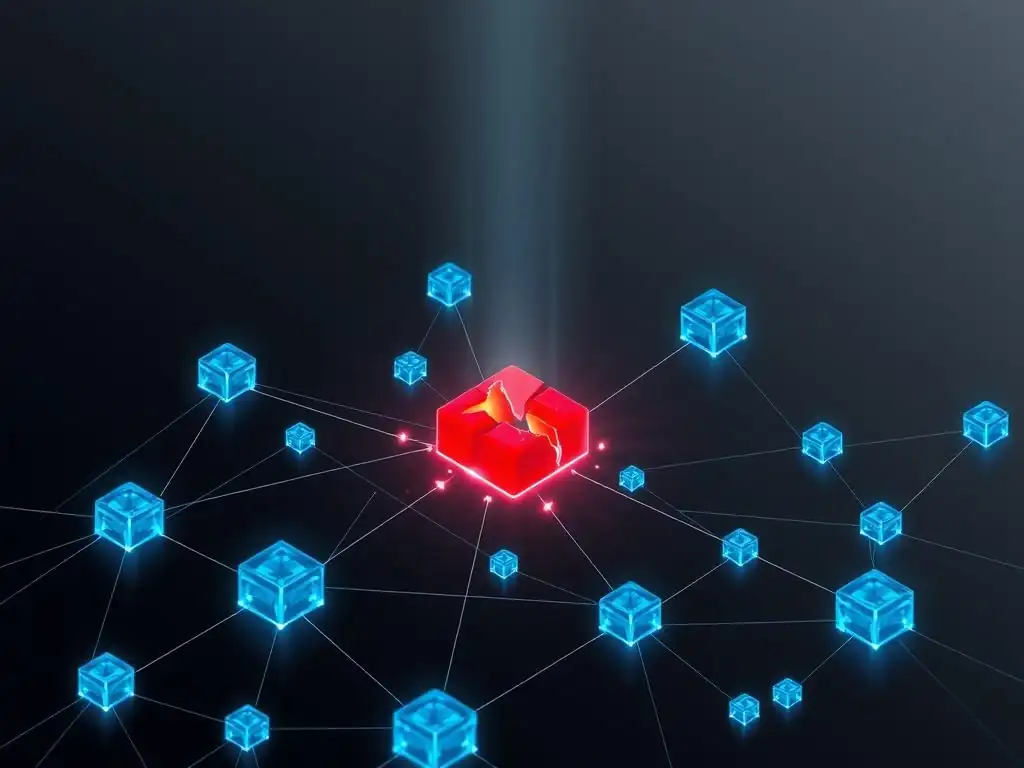
Platform Security Audits: Assessing Vulnerability to Exploits
Choosing the right DeFi platform for risk mitigation starts with carefully evaluating platform security audits. Security audits are independent reviews of a platform's smart contract code, infrastructure, and security practices, conducted by reputable cybersecurity firms. These audits aim to identify potential vulnerabilities that could be exploited, leading to hacks, fund losses, or, indirectly, liquidations due to protocol failures. Platforms that undergo regular and comprehensive security audits demonstrate a commitment to security and risk mitigation.
Before using any DeFi derivatives platform, users should look for publicly available audit reports. These reports often detail identified vulnerabilities, their severity, and whether they have been remediated. Reputable platforms typically publish audit reports on their websites and are transparent about their security posture. However, it's crucial to understand that audits are not a guarantee of absolute security.
They represent a snapshot in time, and new vulnerabilities can emerge. Nonetheless, platforms with a history of undergoing and acting upon security audits are generally considered lower risk compared to unaudited or platforms with a poor audit track record. Assessing platform security audits is a fundamental step in DeFi liquidation risk management.
Transparency of Liquidation Mechanisms: Understanding the Process
Transparency of liquidation mechanisms is a crucial factor when choosing a DeFi platform for effective risk mitigation. A transparent platform clearly outlines how liquidations are triggered, the specific parameters involved (like maintenance margin, liquidation penalty, and liquidation price calculation), and the process by which collateral is liquidated. This transparency allows users to fully understand the risks involved and make informed decisions about position sizing and risk management. Platforms with opaque or vaguely defined liquidation processes create uncertainty and increase the potential for unexpected liquidations or unfair outcomes.
Reputable DeFi platforms typically provide detailed documentation explaining their liquidation mechanisms. This documentation should be readily accessible and easy to understand. Key aspects to look for include clear definitions of the collateralization ratio, maintenance margin, liquidation penalty (the discount applied to collateral during liquidation), and the oracle price feed used for liquidation triggers. Some platforms even offer liquidation simulators or calculators that allow users to test different scenarios and understand how liquidations might occur under various market conditions. Choosing platforms with transparent liquidation mechanisms empowers users to better manage DeFi liquidation risk.
Collateralization Requirements: Evaluating Platform Safety Margins
Collateralization requirements are a critical aspect to evaluate when choosing a DeFi platform for risk mitigation. These requirements define the minimum amount of collateral needed to open and maintain a leveraged position. Platforms with higher collateralization requirements generally offer greater safety margins and reduce the risk of liquidation, albeit potentially at the cost of capital efficiency. Conversely, platforms with lower collateralization requirements might offer higher capital efficiency but expose users to a greater risk of liquidation, especially during volatile market conditions.
Different DeFi platforms have varying collateralization ratios. For example, some platforms might require a minimum collateralization ratio of 150%, meaning users must deposit collateral worth at least 1.5 times the value of their borrowed assets. Others might offer lower ratios, such as 120% or even 110%, increasing leverage but also liquidation risk.
When selecting a platform, users should consider their risk tolerance and trading strategy. Those seeking greater safety and lower liquidation risk might prefer platforms with higher collateralization requirements, even if it means slightly lower capital efficiency. Evaluating collateralization requirements is essential for making informed choices in DeFi liquidation risk management.
Oracle Reliability: Ensuring Accurate Price Feeds
Oracle reliability is paramount when choosing a DeFi platform, as oracles are crucial for accurate price feeds that trigger liquidations. As discussed earlier, oracle failures or manipulations can lead to wrongful liquidations. Therefore, selecting platforms that utilize robust and reliable oracle solutions is vital for effective DeFi liquidation risk management. Platforms should ideally use decentralized oracle networks, which aggregate price data from multiple sources, reducing the risk of single points of failure or manipulation.
Reputable platforms often disclose the oracle providers they use, such as Chainlink, Band Protocol, or custom-built decentralized oracle solutions. Users should research the reliability and security track record of these oracle providers. Factors to consider include the number of data sources used by the oracle, the reputation of these sources, the oracle's update frequency, and any historical incidents of oracle failures or manipulation.
Platforms that prioritize oracle reliability and utilize robust decentralized oracle solutions generally offer a lower risk of liquidation due to faulty price feeds. Assessing oracle reliability is a key component of choosing a safe DeFi derivatives platform for effective DeFi liquidation risk management.
Real-World Examples of DeFi Liquidations: Learning from Past Mistakes
Case Study 1: The Iron Finance TITAN Crash
The Iron Finance TITAN crash in June 2021 serves as a stark real-world example of DeFi liquidation vulnerabilities and the devastating consequences of algorithmic stablecoin failures. TITAN was the token of Iron Finance, a partially collateralized algorithmic stablecoin protocol. The protocol relied on a mechanism involving TITAN and IRON stablecoin to maintain IRON's peg to $1. However, a bank run ensued when TITAN's price began to decline rapidly due to speculative selling pressure. This price drop triggered a feedback loop: as TITAN's price fell, users rushed to redeem IRON, further depleting TITAN's value.
The design of the protocol, intended to be stable, exacerbated the decline. As TITAN plummeted from a high of around $60 to virtually zero within a day, users holding leveraged positions in TITAN or using TITAN/IRON LP tokens as collateral faced massive liquidations. Estimates suggest that billions of dollars were wiped out. This case highlights the extreme risks associated with algorithmic stablecoins and the cascading liquidation effects that can occur when these systems fail, impacting not only the stablecoin itself but also related derivative positions and collateralized loans across the DeFi ecosystem.
Case Study 2: BadgerDAO Hack and Wrapped Bitcoin Liquidations
The BadgerDAO hack in December 2021 provides another real-world example illustrating how security breaches can indirectly lead to DeFi liquidations. BadgerDAO was a DeFi protocol focused on bringing Bitcoin to DeFi through wrapped Bitcoin (wBTC). Attackers compromised BadgerDAO's user interface and injected malicious code, allowing them to intercept user transactions and steal wBTC and other assets. While the hack itself was not a direct liquidation event, it had significant implications for liquidation risk.
Users who had used their stolen wBTC as collateral on other DeFi platforms for leveraged positions suddenly found their collateral depleted. This depletion triggered liquidations on those platforms as the collateralization ratios fell below maintenance margins. Although precise figures on liquidations directly resulting from the BadgerDAO hack are difficult to quantify, it undoubtedly contributed to liquidation events across various DeFi lending and derivatives platforms. This case underscores that security breaches, even if not directly targeting liquidation mechanisms, can indirectly trigger liquidations by impacting collateral availability and value, highlighting the interconnectedness of DeFi risks.
Lessons Learned: Key Takeaways From DeFi Liquidation Events
The Iron Finance TITAN crash and the BadgerDAO hack, along with numerous other DeFi liquidation events, offer crucial lessons for DeFi liquidation risk management. Firstly, algorithmic stablecoins and protocols relying heavily on them carry significant systemic risk. Their failure can trigger cascading liquidations across the ecosystem, as seen with TITAN. Secondly, smart contract and platform security is paramount. Exploits like the BadgerDAO hack demonstrate that security breaches, even seemingly unrelated to liquidation mechanisms, can indirectly trigger liquidations by impacting collateral.
Thirdly, extreme market volatility remains a constant threat. Flash crashes and sudden price drops can trigger rapid and widespread liquidations, regardless of platform security or protocol design. Fourthly, over-leveraging amplifies liquidation risk. High leverage positions are significantly more vulnerable to liquidation during volatile periods. Finally, understanding protocol mechanisms and risk factors is essential. Users must thoroughly understand the liquidation mechanisms, collateralization ratios, and oracle dependencies of the platforms they use. These lessons emphasize the need for robust DeFi liquidation risk management strategies encompassing diversification, leverage control, platform selection, and continuous monitoring.
Tools and Resources for DeFi Liquidation Risk Management
DeFi Portfolio Trackers: Monitoring Your Positions
DeFi portfolio trackers are invaluable tools for effective DeFi liquidation risk management, providing a consolidated view of your DeFi positions across multiple platforms. These trackers aggregate data from various DeFi protocols, displaying key metrics like portfolio value, asset allocation, profit and loss, and, crucially, collateralization ratios for leveraged positions. By providing a centralized dashboard, portfolio trackers eliminate the need to manually check each platform individually, saving time and reducing the risk of overlooking critical information.
Popular DeFi portfolio trackers include Zapper, Zerion, and DeBank. These tools often offer features specifically designed for liquidation risk management, such as customizable alerts that notify users when their collateralization ratio approaches a critical level. Some trackers also integrate with liquidation calculators, allowing users to simulate different scenarios and understand their liquidation prices under varying market conditions. Using DeFi portfolio trackers is a proactive step towards managing DeFi liquidation risk by providing real-time visibility and alerts for critical position metrics.
Risk Assessment Tools: Quantifying Potential Losses
Risk assessment tools are emerging as valuable resources in DeFi liquidation risk management, offering functionalities beyond basic portfolio tracking. These tools aim to quantify potential losses and assess the overall risk profile of a DeFi portfolio, including liquidation risk. Some tools analyze historical volatility data and simulate potential price movements to estimate the probability of liquidation for leveraged positions under different market scenarios. This allows users to stress-test their portfolios and understand their exposure to liquidation risk.
Examples of such tools include risk dashboards offered by some DeFi platforms themselves and third-party risk assessment platforms. These tools may provide metrics like Value at Risk (VaR) or Expected Shortfall (ES), which are statistical measures of potential losses. While still evolving, these risk assessment tools represent a more sophisticated approach to DeFi liquidation risk management, moving beyond simple monitoring to quantitative risk analysis. However, it's important to note that these tools rely on historical data and probabilistic models, which are not guarantees of future outcomes, especially in the highly dynamic crypto market.
Community Resources and Forums: Staying Informed
Community resources and forums are essential, often underestimated, tools for staying informed about DeFi liquidation risk management. The DeFi space is rapidly evolving, with new platforms, protocols, and risk factors emerging constantly. Active participation in DeFi communities and forums allows users to stay abreast of the latest developments, security vulnerabilities, and risk mitigation strategies. Platforms like Discord, Telegram, and Reddit host numerous DeFi communities where users share information, discuss risks, and learn from each other's experiences.
Following reputable DeFi analysts, security researchers, and experienced traders on social media platforms like Twitter is also a valuable way to stay informed. These individuals often share insights on emerging risks, platform vulnerabilities, and effective risk management techniques. Furthermore, many DeFi platforms themselves maintain active community forums where users can ask questions, report issues, and receive support. Engaging with these community resources is a proactive approach to DeFi liquidation risk management, ensuring users are continuously learning and adapting to the ever-changing DeFi landscape.
The Future of DeFi Liquidation Risk Management
Emerging Risk Management Protocols: Innovations in Security
The future of DeFi liquidation risk management is being shaped by emerging risk management protocols and innovations in security. Developers are actively working on new solutions to mitigate liquidation risks and enhance the overall safety of DeFi derivatives platforms. One area of innovation is in improved oracle mechanisms. Researchers are exploring more robust and decentralized oracle solutions that are less susceptible to manipulation and failure, reducing the risk of wrongful liquidations due to faulty price feeds. Techniques like zk-SNARKs and zk-STARKs (zero-knowledge succinct non-interactive arguments of knowledge/transparent arguments of knowledge) are being explored to enhance oracle security and privacy.
Another area of development is in more sophisticated liquidation mechanisms. Protocols are exploring techniques like partial liquidations, where only a portion of the collateral is liquidated to restore the collateralization ratio, rather than liquidating the entire position at once. This can potentially reduce the severity of liquidations and provide a softer landing for traders.
Furthermore, on-chain risk scoring and credit scoring systems are being developed to assess the risk profile of users and adjust collateralization requirements dynamically, potentially leading to more personalized and risk-aware DeFi derivatives platforms. These emerging risk management protocols hold promise for a safer and more resilient DeFi future.
Insurance Solutions for DeFi Derivatives: Protecting Against Losses
Insurance solutions are increasingly becoming relevant in the future of DeFi liquidation risk management, offering a mechanism to protect against losses from unforeseen events, including liquidations. DeFi insurance protocols aim to provide coverage for various risks, such as smart contract exploits, oracle failures, and even liquidation events in some cases. Users can purchase insurance policies to protect their DeFi positions, paying a premium in exchange for coverage against specific risks.
Platforms like Nexus Mutual, InsurAce, and Cover Protocol offer various DeFi insurance products. While coverage for liquidation events is still evolving and not universally offered, the broader trend towards DeFi insurance signifies a growing recognition of the need for risk mitigation tools. As the DeFi insurance market matures, it's likely that more comprehensive coverage options, potentially including specific liquidation insurance products, will emerge. Insurance solutions offer a layer of financial protection, potentially mitigating the "crypto nightmare scenario" of DeFi liquidation and contributing to a more robust and user-friendly DeFi ecosystem.
Regulatory Landscape and its Impact on Liquidation Practices
The evolving regulatory landscape will significantly impact DeFi liquidation practices and the future of DeFi risk management. As regulators globally begin to pay closer attention to DeFi, the industry is likely to face increased scrutiny and potentially new regulations. These regulations could affect various aspects of DeFi derivatives platforms, including liquidation mechanisms, collateralization requirements, and user protection measures. For instance, regulators might mandate stricter KYC/AML (Know Your Customer/Anti-Money Laundering) requirements for DeFi platforms, impacting accessibility and user privacy.
Furthermore, regulations could impose specific standards for smart contract audits, oracle reliability, and liquidation transparency. The degree and nature of regulation remain uncertain, but it's likely that increased regulatory oversight will shape the future of DeFi liquidation risk management. Platforms that proactively adopt robust risk management practices and prioritize user protection are likely to be better positioned to navigate the evolving regulatory landscape. Understanding and anticipating potential regulatory changes is a crucial aspect of long-term DeFi liquidation risk management and platform sustainability.
Conclusion: Mastering DeFi Liquidation Risk for Sustainable Success
Mastering DeFi liquidation risk is not merely about avoiding a "crypto nightmare scenario"; it is fundamental for achieving sustainable success in the dynamic world of decentralized finance. As DeFi derivatives offer exciting opportunities for financial innovation and access, they also present significant risks, with liquidation being a primary concern. Understanding the mechanisms, triggers, and consequences of DeFi liquidation is the first step towards effective risk management.
Proactive DeFi liquidation risk management, combined with continuous learning and adaptation, is the key to navigating the complexities of DeFi derivatives and unlocking their transformative potential while safeguarding assets in this nascent but rapidly evolving financial frontier.
Frequently Asked Questions
What exactly is DeFi liquidation risk, and why is it a "nightmare scenario"?
DeFi liquidation risk refers to the possibility of your collateral being sold off to cover your debt in a decentralized finance (DeFi) lending protocol. It's a nightmare because you can lose your collateral and potentially incur additional fees.
How does liquidation happen specifically within DeFi derivatives?
In DeFi derivatives, liquidation occurs when the price of your collateral asset drops below a certain threshold, triggering the automated sale of your assets to repay your borrowed amount. This is usually determined by a loan-to-value ratio (LTV) set by the protocol.
What are some key strategies for effective DeFi liquidation risk management?
Effective DeFi liquidation risk management involves actively monitoring your collateralization ratio, diversifying your portfolio to reduce exposure to single assets, and utilizing risk management tools offered by DeFi platforms.
What role does regulation play in mitigating or exacerbating DeFi liquidation risk?
While current regulation is still evolving, future regulatory frameworks could introduce clearer guidelines on risk management practices for DeFi protocols. This may help protect users from excessive liquidation risk, but could also stifle innovation.
Beyond individual user responsibility, what are DeFi protocols doing to address liquidation risk?
DeFi protocols are implementing measures like tiered liquidation thresholds, insurance funds, and oracle diversification to mitigate systemic risk and reduce the likelihood of cascading liquidations affecting a large number of users.
The complexities of decentralized finance (DeFi) offer unprecedented opportunities, but as we've explored, they also harbor significant risks, most notably the specter of liquidation. Understanding and actively managing DeFi liquidation risk is no longer optional; it's a fundamental requirement for anyone venturing into this dynamic landscape. The potential for sudden and substantial losses demands a proactive approach, emphasizing education, diversification, and strategic risk mitigation.
The ever-present threat of liquidation has profoundly shaped the DeFi ecosystem, forcing users to become more informed and cautious. This constant awareness, while sometimes stressful, ultimately fosters a more resilient and sustainable market. It underscores the importance of understanding the underlying mechanics of DeFi protocols and the potential consequences of market volatility. Risk comes from not knowing what you're doing.
- Warren Buffett. This quote resonates deeply within the context of DeFi, highlighting the critical need for due diligence and informed decision-making.
As you navigate the world of DeFi derivatives, remember that knowledge is your strongest defense against liquidation. Take the lessons learned here and apply them to your own strategies. Question assumptions, diversify your portfolio, and always prioritize risk management. The future of DeFi is bright, but only for those who are prepared to navigate its inherent challenges with wisdom and foresight.
Safeguard Your Crypto: Understand & Conquer Liquidation!
Thank you for exploring the intricacies of liquidations in decentralized finance derivatives. With this knowledge, you are better equipped to navigate the challenges of the market. Remember, knowledge alone isn’t enough—taking action is key to safeguarding your assets.
Here’s how you can take control and reduce your risk:
- Review the liquidation thresholds and collateralization ratios for all your derivative positions. This is your first line of defense!
- Set up price alerts for your collateral assets across multiple platforms to anticipate market downturns and act proactively before a liquidation occurs.
- Share this vital information with your crypto community to help others avoid the risks associated with liquidations in DeFi.
What strategies are you currently using to protect yourself from liquidation risks? Share your insights in the comments below!
Leave a Reply