
Blockchain for Apparel and Textile Supply Chains: Addressing Ethical and Sustainability Concerns

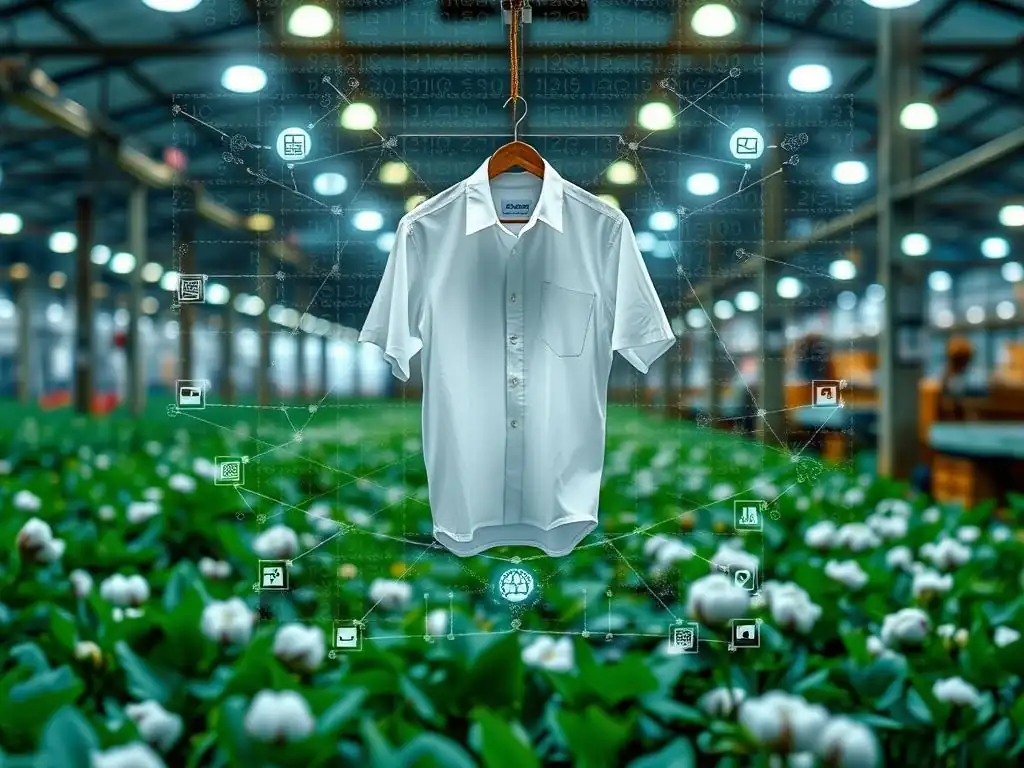
Welcome to Blockchain Trends, your go-to source for understanding the real-world applications of blockchain technology. Dive into the transformative potential extending far beyond cryptocurrencies, as we explore DeFi, enterprise adoption, and the future of decentralized systems.
Ever wondered how blockchain can revolutionize the fashion industry? Our latest article delves into the fascinating world of blockchain traceability apparel textiles, uncovering how this innovative technology is tackling ethical and sustainability concerns within complex supply chains. Discover how this is reshaping the future of fashion and why it matters.
Blockchain for Apparel and Textile Supply Chains: Addressing Ethical and Sustainability Concerns
- Introduction: The Need for Transparency in Apparel and Textile Supply Chains
- Understanding Blockchain Technology for Supply Chain Management
- Blockchain Traceability: Revolutionizing Apparel and Textile Sourcing
- Use Cases: Blockchain Applications in the Apparel and Textile Industry
- Addressing Ethical Concerns with Blockchain in the Textile Sector
- Enhancing Sustainability with Blockchain Traceability in Apparel and Textiles
- Overcoming Challenges to Blockchain Adoption in Apparel and Textiles
- The Future of Blockchain in Fashion: Trends and Predictions
- Conclusion: Blockchain's Potential to Transform Apparel and Textile Supply Chains
-
Frequently Asked Questions
- What is the primary benefit of using blockchain for apparel and textile supply chains?
- How can blockchain help address ethical concerns in the apparel and textile industry?
- What role does blockchain play in promoting sustainability within apparel and textile supply chains?
- Are there any challenges to implementing blockchain for apparel and textile traceability?
- How does blockchain traceability affect the future of the apparel and textile industry?
- Final Reflection: Weaving a Future of Transparency
- Ignite Ethical Fashion: Trace Your Impact!
Introduction: The Need for Transparency in Apparel and Textile Supply Chains
Ethical and Sustainability Challenges in the Fashion Industry
The global apparel and textile industry faces significant ethical and sustainability challenges throughout its complex supply chains. From the sourcing of raw materials like cotton and synthetic fibers to manufacturing, logistics, and retail, issues such as environmental pollution, excessive resource consumption, precarious labor conditions, and waste generation are prevalent.
For instance, the production of textiles is estimated to be responsible for approximately 4-8% of global greenhouse gas emissions, a figure higher than international flights and maritime shipping combined in some analyses. Water usage is also staggering, with roughly 2,700 liters of water needed to produce a single cotton t-shirt, highlighting the environmental burden at the raw material stage.
Beyond environmental concerns, the industry is frequently criticized for its labor practices. Reports of forced labor, child labor, dangerously low wages, and unsafe working conditions in manufacturing hubs across Asia, Africa, and Latin America are common. The Rana Plaza factory collapse in Bangladesh in 2013, which killed over 1,100 workers, remains a stark reminder of the human cost of opaque supply chains.
Brands often lack visibility beyond their Tier 1 suppliers (the direct manufacturers), making it difficult to monitor conditions further upstream where materials are processed or sourced. This lack of transparency hinders accountability and makes it challenging for consumers and regulators to verify ethical and sustainable claims.
How Blockchain Can Enhance Supply Chain Visibility
Enhancing visibility across multi-tiered supply chains is critical for addressing these deep-seated issues. Traditional methods, relying on paper trails, disparate databases, and infrequent audits, are often inefficient, prone to errors, and susceptible to manipulation. These systems struggle to provide a comprehensive, real-time, and verifiable history of a product as it moves from origin to consumer. This is where blockchain technology offers a transformative solution by creating a shared, immutable, and transparent ledger accessible to authorized participants.
Blockchain traceability apparel textiles allows for the digital recording of every step in a product's journey – from the farm or chemical plant producing the raw material, through spinning, weaving, dyeing, cutting, sewing, packaging, and logistics. Each transaction or event in the supply chain can be recorded as a block, linked cryptographically to the previous one, forming an unbreakable chain.
This distributed ledger technology (DLT) ensures that once data is entered, it cannot be altered or deleted without consensus from the network, providing a high degree of trust and verifiability. This enhanced visibility is the foundation upon which genuine ethical and sustainability improvements can be built, empowering stakeholders with actionable information.
Understanding Blockchain Technology for Supply Chain Management
What is Blockchain and How Does It Work?
At its core, a blockchain is a decentralized, distributed ledger that records transactions across many computers. These transactions are grouped into 'blocks,' and each new block is added to the chain chronologically, linked to the previous block using cryptography. This creates a secure and tamper-evident record of all transactions. Unlike traditional databases controlled by a single entity, the blockchain ledger is shared and maintained by a network of participants. For a new block to be added, the network must validate the transactions within it, typically through a consensus mechanism.
In the context of supply chain management, blockchain technology can track the movement and transformation of goods. When a batch of raw material is harvested, processed, or shipped, this event can be recorded on the blockchain. As the material moves to the next stage – say, spinning into yarn – that transaction is also logged.
This continuous recording creates a digital thread linked to the physical product. The distributed nature means that no single point of failure exists, and the ledger is resilient to manipulation, making it ideal for creating trustworthy records of provenance and processes required for effective blockchain traceability apparel textiles initiatives.
Key Features of Blockchain: Immutability, Transparency, and Security
Three key features make blockchain particularly valuable for supply chain applications: immutability, transparency, and security. Immutability means that once data is added to the blockchain, it is extremely difficult, if not impossible, to alter or delete it. This ensures the integrity of the historical record, preventing fraudulent claims about origin, materials used, or labor practices. If an unethical practice or unsustainable material is recorded, that entry remains on the ledger, providing a permanent record for scrutiny.
Transparency, depending on the type of blockchain (public, private, or consortium), allows authorized participants (and potentially consumers) to view the transaction history on the ledger. This shared view eliminates information silos between different supply chain partners and provides a single source of truth about a product's journey. Security is inherent in the cryptographic linking of blocks and the decentralized nature of the network. Each transaction is verified by the network participants, and the chain's structure makes tampering with past records computationally infeasible, providing a robust framework for secure blockchain traceability apparel textiles data.
The Benefits of Decentralized Ledger Technology (DLT) in Supply Chains
Decentralized Ledger Technology (DLT), of which blockchain is the most well-known type, offers numerous benefits for improving supply chain operations beyond just traceability. By removing the need for a central authority to manage the ledger, DLT reduces reliance on potentially untrustworthy intermediaries. This can streamline processes, reduce administrative overhead, and build trust among disparate parties in a complex network. Smart contracts, self-executing contracts with the terms of the agreement directly written into code, can automate processes like payments upon delivery or verification of specific conditions (e.g., arrival at a certain location), further increasing efficiency and reducing disputes.
Furthermore, DLT can enhance data accuracy and reduce reconciliation efforts. With a shared, immutable ledger, all participants are working with the same version of truth. This minimizes discrepancies that often arise from manual data entry or incompatible legacy systems used by different companies in the supply chain. For apparel and textile companies, implementing DLT can lead to faster transactions, improved inventory management, reduced fraud, and, crucially, provide the technical backbone for robust blockchain traceability apparel textiles systems that build consumer trust and meet regulatory demands.
Blockchain Traceability: Revolutionizing Apparel and Textile Sourcing
Tracking Raw Materials: From Origin to Finished Product
Blockchain traceability offers a powerful tool for tracking raw materials from their very source. For natural fibers like cotton, wool, or silk, this means potentially tracing a batch back to the specific farm or region where it was grown or produced.
Data points such as farm location, harvest date, organic certifications (e.g., GOTS - Global Organic Textile Standard), water usage metrics, and even soil health data could be recorded on the blockchain. For synthetic materials, traceability could start from the point of chemical production, linking specific batches of polyester or nylon to their manufacturing facility and recording data related to recycled content or chemical certifications (e.g., Oeko-Tex).
As these raw materials move through the various processing stages – spinning, weaving, dyeing, finishing – each step is logged. The quantity of material, the facility location, the dates of processing, and details about the processes used (e.g., type of dye, water temperature, energy consumption) can all be added to the chain.
This creates a detailed, verifiable history for each batch of material that follows it through the supply chain. This level of granular blockchain traceability apparel textiles allows brands to pinpoint the exact origin and processing history of the materials used in a finished garment, moving beyond generic country-of-origin labels.
Verifying Production Processes and Labor Standards
Beyond materials, blockchain can be used to verify critical production processes and labor standards within factories. As garments are cut, sewn, and finished, data about the specific factory, the date of production, and even the shift or production line can be recorded. More importantly, data related to labor practices can be integrated. This could include timestamps for worker hours logged via digital systems, records of wage payments linked to individual or group identifiers (while respecting privacy), and verification of safety audits or certifications (like SA8000).
Integrating IoT devices or digital logging systems within factories can automate the recording of some of this data directly onto the blockchain. For example, a time-stamping system can record when a batch of garments enters and leaves a specific workstation, providing data on production flow and potentially highlighting bottlenecks or unusual delays that might indicate issues.
By requiring suppliers to record key labor data on the shared ledger, brands gain unprecedented visibility into working conditions. This robust blockchain traceability apparel textiles framework makes it significantly harder for factories to falsify records related to working hours or safety compliance, promoting greater accountability.
Ensuring Authenticity and Preventing Counterfeiting with Blockchain
Counterfeiting is a significant problem in the apparel and textile industry, particularly for luxury goods, costing brands billions annually and eroding consumer trust. Blockchain traceability apparel textiles offers a powerful solution to verify the authenticity of products. By assigning a unique digital identity (often linked via a QR code, NFC tag, or RFID chip embedded in the garment) to each individual item or batch, its entire history can be traced back to its verified origin on the blockchain.
When a consumer scans the tag on a garment, they can access the immutable history recorded on the ledger, verifying that the product followed the legitimate supply chain path. This proves it is an authentic item from the brand, not a counterfeit. This system makes it much harder for counterfeit goods, which lack the verified blockchain record, to enter the legitimate market stream. Furthermore, blockchain can track ownership transfers, providing a clear chain of custody from the manufacturer to the final consumer, adding another layer of security against fraud and enabling transparent resale markets for luxury or vintage items.
Use Cases: Blockchain Applications in the Apparel and Textile Industry
Case Study 1: Provenance - Improving Transparency in Luxury Goods
Provenance is a platform that utilizes blockchain technology to provide supply chain transparency, and they have worked with brands in the apparel sector, particularly focusing on luxury goods and sustainable fashion. One notable collaboration involved tracking the journey of sustainable materials like organic cotton or traceable wool from farms to finished products. Provenance's approach allows brands to create a digital passport for their products, recording key data points about origin, processing, and certifications on a blockchain.
For consumers, this translates into the ability to scan a QR code on a garment label and access verified stories about where the materials came from, who made the product, and its environmental impact. This level of detailed information, underpinned by immutable blockchain traceability apparel textiles data, builds trust and allows brands to credibly communicate their sustainability and ethical sourcing efforts. While specific financial figures related to impact are often proprietary, the ability to verify claims directly through the blockchain significantly enhances brand reputation and consumer engagement for participating companies.
Case Study 2: Circularise - Enhancing Material Traceability and Recycling
Circularise is a company focused on bringing transparency to complex supply chains, with a strong emphasis on plastics, chemicals, and textiles, to accelerate the transition to a circular economy. They use blockchain technology, combined with what they call "Smart Questioning," to allow companies to share and track material information without revealing sensitive data. This is particularly crucial for tracking recycled materials and ensuring they are genuinely incorporated into new products.
Their system creates digital twins of materials and products on the blockchain, recording attributes such as recycled content percentage, chemical composition, and certifications. This allows stakeholders downstream – like recyclers or new product manufacturers – to verify the properties and origin of materials. By implementing this form of blockchain traceability apparel textiles, Circularise helps textile companies track materials through multiple life cycles, proving the use of recycled fibers and facilitating efficient sorting and recycling processes at the end of a garment's life, thereby supporting circular business models.
Real-World Examples of Blockchain for Sustainable Fashion
Several apparel brands and initiatives are exploring or implementing blockchain for sustainable and ethical practices. For instance, the Aura Blockchain Consortium, founded by luxury brands like LVMH, Prada, and Cartier, initially focused on proving authenticity and traceability for high-value goods, including apparel. While primarily focused on anti-counterfeiting and ownership, the underlying blockchain infrastructure provides a foundation for integrating ethical and sustainability data points in the future.
Another example is the use of blockchain by denim manufacturers to trace cotton from certified organic farms or to track the water and energy usage during the dyeing and finishing processes. Some smaller, independent sustainable fashion brands are also leveraging platforms like Provenance or building their own systems to provide granular transparency to their customers, detailing the entire journey of each garment using blockchain traceability apparel textiles. These examples, though sometimes limited in scale, demonstrate the practical application of DLT in verifying sustainable materials, ethical production, and product authenticity within the fashion industry.
Addressing Ethical Concerns with Blockchain in the Textile Sector

Combating Forced Labor and Human Rights Abuses
Forced labor and human rights abuses remain significant issues in the global textile supply chain, often hidden deep within subcontracted facilities. Blockchain traceability apparel textiles offers a powerful mechanism to combat these abuses by creating an immutable and verifiable record of labor practices. By integrating digital systems in factories that log working hours, attendance, and wage payments, this data can be recorded on a blockchain accessible to auditors, brands, and potentially NGOs.
While it's impossible for blockchain alone to prevent abuse from happening, it makes it significantly harder to hide it. Discrepancies between claimed working hours and logged data, or inconsistencies in wage payment records, become visible on the shared ledger. This transparency empowers auditors and brands to identify red flags and investigate potential abuses more effectively. Furthermore, requiring suppliers to use such verifiable systems as part of their contract, with data recorded on a blockchain, shifts the burden of proof and accountability, pushing factories towards greater compliance with labor laws and human rights standards.
Promoting Fair Wages and Safe Working Conditions
Promoting fair wages and safe working conditions requires not only monitoring but also verifiable proof of compliance. Blockchain can contribute by providing a transparent ledger for financial transactions related to wages. If wages are paid digitally, these transactions can be recorded on the blockchain, providing a verifiable record of payment to individual or group identifiers (maintaining privacy where necessary). This makes it difficult for employers to claim they paid fair wages when they did not.
Similarly, data from safety inspections, certifications (like OHSAS 18001 or ISO 45001), and even records of safety training attendance can be logged on the blockchain. While audits are still necessary, having a continuous, immutable record of these activities on a blockchain provides ongoing assurance and makes it harder to present falsified records during inspections. By demanding this level of verifiable data through blockchain traceability apparel textiles, brands can exert pressure on suppliers to improve working conditions and ensure workers receive fair compensation.
Empowering Stakeholders Through Supply Chain Transparency
Ultimately, blockchain in the textile sector empowers various stakeholders by providing unprecedented supply chain transparency. Brands gain end-to-end visibility, enabling them to make informed sourcing decisions, manage risks related to ethical and sustainability issues, and build consumer trust through credible claims. Suppliers benefit from clearer communication channels and the ability to prove their compliance and ethical practices to multiple buyers efficiently.
Consumers, who are increasingly demanding transparency and ethical products, can use blockchain traceability apparel textiles to verify the stories behind their clothes. By scanning a QR code, they can access detailed, immutable information about the garment's origin, the conditions under which it was made, and its environmental footprint. This empowers consumers to make purchasing decisions aligned with their values and hold brands accountable for their promises. NGOs and auditors also benefit from access to verifiable data, allowing for more effective monitoring and advocacy efforts within the industry.
Enhancing Sustainability with Blockchain Traceability in Apparel and Textiles
Tracking Environmental Impact: Resource Consumption and Pollution
Measuring and reducing the environmental footprint of apparel and textile production requires detailed data on resource consumption and pollution generated at each stage. Blockchain traceability apparel textiles can facilitate this by providing a platform to record and verify environmental data points. For example, water usage during dyeing and finishing, energy consumption during spinning and weaving, chemical usage in processing, and waste generated can all be logged onto the blockchain for specific batches of material or production runs.
Integrating flow meters, energy meters, and chemical usage tracking systems with the blockchain can automate the recording of this data, reducing the potential for manual error or manipulation. This creates a transparent and immutable record of the environmental resources consumed and pollutants generated throughout the supply chain. Brands can then aggregate this data to calculate the environmental impact of specific garments accurately and identify areas for improvement, moving beyond generalized impact assessments to product-specific environmental tracking.
Verifying Sustainable Certifications and Claims
The apparel industry uses numerous certifications (e.g., GOTS for organic textiles, Oeko-Tex for harmful substances, Fair Trade for labor) to signal sustainable and ethical practices. However, verifying the authenticity of these certifications and ensuring that the certified practices were actually followed throughout the supply chain can be challenging. Blockchain traceability apparel textiles provides a robust mechanism for verifying these claims.
When a material batch receives a certification at a specific facility, the details of that certification, including the issuing body and validity period, can be recorded on the blockchain and linked to that material batch. As the material moves through subsequent processing stages, the blockchain record confirms its certified status. Brands can then use this immutable record to prove to consumers that the materials or processes used in a garment indeed meet the standards of the claimed certifications, preventing 'greenwashing' and building genuine trust in their sustainability efforts.
Promoting Circular Economy Principles in the Fashion Industry
Transitioning to a circular economy, where materials are kept in use for as long as possible and waste is minimized, is a key sustainability goal for the fashion industry. Blockchain traceability is essential for enabling circular models, particularly in tracking materials for recycling and reuse. By assigning a digital identity to materials and products on the blockchain, their composition (e.g., fiber type, dye chemistry) and history can be recorded.
This information is crucial for effective sorting and recycling processes. When a garment reaches its end-of-life, its blockchain record can inform recyclers about its exact material breakdown, allowing for more efficient and appropriate recycling methods. Furthermore, blockchain can track the journey of recycled fibers back into new products, providing verified proof of recycled content. Platforms like Circularise, as mentioned earlier, specifically leverage blockchain traceability apparel textiles to create a transparent loop for materials, enabling brands to participate in and prove their commitment to circularity.
Overcoming Challenges to Blockchain Adoption in Apparel and Textiles
Data Standardization and Interoperability
Despite its potential, the widespread adoption of blockchain traceability in apparel and textiles faces significant challenges, particularly regarding data standardization and interoperability. The industry supply chain involves numerous players, from small farms and artisanal producers to large multinational corporations, each using different systems and formats for data collection and management. There is currently no universal standard for how supply chain data (e.g., batch numbers, facility IDs, certifications, labor data) should be structured and recorded on a blockchain.
This lack of standardization makes it difficult for different companies to share data seamlessly across a blockchain network. For a blockchain traceability apparel textiles system to be truly effective end-to-end, data from every participant needs to be compatible. Industry-wide collaboration is needed to define common data models and standards for recording supply chain events and attributes on distributed ledgers. Without this, implementing blockchain solutions becomes complex and costly, often resulting in fragmented systems that cannot provide full supply chain visibility.
Scalability and Cost Considerations
Scalability and cost are also significant hurdles for implementing blockchain solutions across the vast and often low-margin apparel and textile industry. Public blockchains, while offering high levels of decentralization and immutability, can face issues with transaction speed and cost, particularly as the number of transactions (i.e., supply chain events) grows exponentially. Recording every single step for every single garment on a public chain might be economically unfeasible and technically challenging at scale.
Private or consortium blockchains offer better scalability and lower transaction costs but require governance among participating members and may raise questions about the degree of decentralization. Furthermore, the initial investment in blockchain technology – including developing or licensing software, integrating with existing systems, training personnel, and potentially implementing new hardware like IoT sensors or digital tagging – can be substantial. For smaller businesses within the supply chain, these costs can be prohibitive, creating a barrier to achieving comprehensive blockchain traceability apparel textiles across the entire network.
Regulatory Compliance and Data Privacy
Navigating regulatory compliance and ensuring data privacy present additional complexities for blockchain adoption in the textile sector. Different countries have varying regulations regarding data storage, protection (e.g., GDPR in Europe), and supply chain transparency mandates. Implementing a global blockchain solution requires careful consideration of these diverse legal landscapes. While blockchain can enhance transparency, it must also protect sensitive business data (like pricing or proprietary processes) and personal information (like individual worker wage details).
Designing blockchain networks with appropriate access controls and permissions is crucial. Consortium blockchains, where participation and data access are permissioned, can help manage who sees what information. Techniques like zero-knowledge proofs can allow verification of data attributes (e.g., "this material batch is certified organic") without revealing the underlying sensitive data (e.g., the specific farm's yield data). Addressing these regulatory and privacy concerns is vital for building a blockchain traceability apparel textiles system that is both compliant and trustworthy for all participants.
The Future of Blockchain in Fashion: Trends and Predictions
Integration with IoT and AI for Enhanced Supply Chain Monitoring
The future of blockchain traceability apparel textiles will likely involve deeper integration with other emerging technologies, particularly the Internet of Things (IoT) and Artificial Intelligence (AI). IoT devices, such as sensors placed on farms, in factories, or on shipping containers, can automatically collect real-time data on environmental conditions (temperature, humidity), resource usage (water, energy), location, and production progress. This data can then be automatically fed onto the blockchain, creating a continuous, verifiable, and automated record of supply chain events.
AI can analyze the vast amounts of data collected via IoT and stored on the blockchain. AI algorithms can identify patterns, detect anomalies (e.g., unusual delays, inconsistent energy usage, deviations from planned routes), predict potential issues (e.g., supply chain disruptions, quality control problems), and even verify the consistency of reported data against sensor readings. This integration will move blockchain traceability beyond simple data logging to proactive, intelligent supply chain monitoring, significantly enhancing efficiency, risk management, and the accuracy of sustainability reporting.
The Rise of Blockchain-Based Consumer Engagement Platforms
As consumers increasingly demand transparency, blockchain is poised to power innovative consumer engagement platforms in the fashion industry. Brands will leverage blockchain traceability apparel textiles to tell verifiable product stories directly to their customers. This could involve interactive experiences where scanning a garment's tag reveals its journey, introduces the people who made it, details its environmental impact, and explains the brand's ethical sourcing policies, all backed by immutable blockchain data.
These platforms can go beyond simple information sharing. They could potentially incorporate features like digital ownership certificates for luxury items, facilitating secure peer-to-peer resale markets tracked on the blockchain. Loyalty programs could be built on blockchain, rewarding customers for purchasing sustainable products or participating in recycling initiatives. This direct, transparent line of communication, enabled by blockchain, can build deeper trust and foster stronger relationships between brands and their ethically-minded consumer base.
The Role of Blockchain in Promoting Sustainable and Ethical Fashion Consumption
Ultimately, blockchain traceability apparel textiles is not just about improving supply chains; it has a crucial role to play in promoting more sustainable and ethical consumption patterns. By providing consumers with clear, verifiable information about a product's origins and impact, blockchain empowers them to make informed choices. This transparency can drive demand for responsibly produced goods and incentivize brands to improve their practices.
Furthermore, blockchain can support circular models that encourage consumers to return garments for recycling or resale, by providing a traceable history that facilitates these processes. By making the often-invisible impacts of fashion production visible and verifiable, blockchain technology can shift consumer behavior towards prioritizing durability, ethical sourcing, and sustainability, helping to transform the industry towards a more responsible future.
Conclusion: Blockchain's Potential to Transform Apparel and Textile Supply Chains
Key Takeaways: Blockchain for Ethical and Sustainable Practices
The apparel and textile industry's complex supply chains are rife with ethical and sustainability challenges, from environmental pollution and resource depletion to poor labor conditions and human rights abuses. Traditional methods of tracking and verification have proven insufficient to provide the necessary transparency and accountability. Blockchain technology, with its core features of immutability, transparency, and security, offers a powerful solution to these issues by enabling robust, end-to-end supply chain traceability.
Implementing blockchain traceability apparel textiles allows companies to create verifiable records of raw material origins, production processes, labor practices, and environmental data. This shared, immutable ledger makes it significantly harder to hide unethical practices or falsify sustainability claims, bringing much-needed transparency to an opaque industry. While challenges related to standardization, cost, and regulation remain, the potential benefits for improving ethical sourcing, promoting fair labor, reducing environmental impact, and combating counterfeiting are substantial.
The Future of Blockchain Traceability in Apparel and Textiles
The future of blockchain traceability in apparel and textiles is promising, driven by increasing consumer demand for transparency and regulatory pressures. As the technology matures and integrates with IoT and AI, we can expect more automated, granular, and intelligent supply chain monitoring. Blockchain will increasingly power consumer-facing platforms that provide verifiable product histories, empowering individuals to make more responsible purchasing decisions.
Ultimately, blockchain technology is poised to be a key enabler of a more ethical, sustainable, and circular fashion industry. By creating a single source of truth for supply chain data, blockchain fosters trust among stakeholders, from producers to consumers. The widespread adoption of blockchain traceability apparel textiles will be a significant step towards ensuring that the clothes we wear are made under fair conditions with minimal harm to the planet.
Frequently Asked Questions
What is the primary benefit of using blockchain for apparel and textile supply chains?
The primary benefit is enhanced transparency and traceability. This allows consumers and businesses to track the journey of a garment from raw materials to the finished product, ensuring ethical sourcing and sustainable practices. This fosters trust and accountability.
How can blockchain help address ethical concerns in the apparel and textile industry?
Blockchain can verify fair labor practices and prevent exploitation by recording and authenticating data related to worker conditions and wages. It provides an immutable record, making it difficult to falsify information and promoting ethical sourcing.
What role does blockchain play in promoting sustainability within apparel and textile supply chains?
Blockchain enables the tracking of sustainable materials and production processes. This allows for verification of claims related to organic cotton, recycled fibers, and reduced water usage, supporting eco-conscious consumer choices.
Are there any challenges to implementing blockchain for apparel and textile traceability?
Yes, challenges include the initial cost of implementation and the need for industry-wide collaboration. Data standardization and ensuring data integrity across the entire supply chain can also be complex.
How does blockchain traceability affect the future of the apparel and textile industry?
Blockchain fosters a future where supply chains are more transparent, accountable, and sustainable. This leads to increased consumer confidence, improved brand reputation, and a shift towards more ethical and environmentally friendly practices.
Final Reflection: Weaving a Future of Transparency
The journey through the potential of blockchain for apparel and textile supply chains has revealed a powerful tool for addressing critical ethical and sustainability concerns. The promise of verifiable traceability, from raw material to finished garment, is no longer a futuristic fantasy but a tangible possibility, poised to revolutionize an industry often shrouded in opacity. This technology offers a pathway to empower consumers, hold brands accountable, and ultimately, foster a more responsible and equitable global fashion ecosystem.
The impact of this technology extends far beyond mere efficiency; it touches the very fabric of our social conscience. Witnessing the potential for blockchain to combat forced labor, reduce environmental impact, and promote fair wages underscores its profound significance. The future of fashion is not just about what we wear, but how we wear it, and the story behind it.
This quote encapsulates the growing consumer demand for transparency and the power of blockchain to deliver that narrative, transforming the industry from a black box into an open book.
Now, as we stand at the cusp of this technological transformation, consider your own role in shaping a more ethical and sustainable future. Reflect on the power of your purchasing decisions and the potential of blockchain to inform those choices. Let us all strive to demand greater transparency from the brands we support, actively seeking out and championing those who embrace blockchain traceability. By doing so, we can collectively weave a future where fashion is not just beautiful, but also just and sustainable for all.
Ignite Ethical Fashion: Trace Your Impact!
Thank you for exploring how blockchain is transforming transparency and sustainability in the apparel and textile industries. Now that you’re informed, you can help create a more ethical future.
Here are a few ways you can make a difference:
- Demand transparency from your favorite brands: Reach out and inquire about their initiatives or commitments to ethical sourcing supported by blockchain technology. Your voice can have a powerful impact.
- Explore marketplaces that verify apparel using blockchain: Many innovative platforms now feature ethically produced clothing. Support these businesses with your purchases.
- Share this article with friends or colleagues passionate about sustainability: Let’s spread awareness about how blockchain can foster a more responsible industry.
What actions will you take to encourage brands to adopt blockchain for greater transparency in their supply chains? Share your thoughts in the comments below!
Leave a Reply