
The Cybersecurity Advantages of Decentralization: Resilience and Distributed Security


Welcome to Blockchain Trends, your guide to navigating the evolving landscape of blockchain technology. Forget just crypto; we're diving deep into the transformative potential of decentralized systems. Ever wondered about the inherent advantages of blockchain in safeguarding data? This article unveils the blockchain cybersecurity resilience benefits that are revolutionizing digital security. Discover how decentralization is not just a buzzword, but a powerful shield against modern cyber threats. Intrigued? Read on to explore the future of secure, distributed systems.
- Introduction: Understanding Decentralized Cybersecurity Resilience Benefits
-
Frequently Asked Questions
- What are the primary cybersecurity resilience benefits of using blockchain technology, as opposed to traditional centralized systems?
- How does blockchain's decentralized architecture enhance its resistance to denial-of-service (DDoS) attacks?
- In what ways does the immutability of blockchain data contribute to improved cybersecurity?
- How can blockchain technology improve cybersecurity resilience benefits within enterprise applications beyond just data storage?
- What role does cryptography play in ensuring the cybersecurity resilience benefits of blockchain networks?
- Final Reflection: Embracing Decentralized Security
- Fortify Your Digital Future: Embrace Decentralization Now!
Introduction: Understanding Decentralized Cybersecurity Resilience Benefits
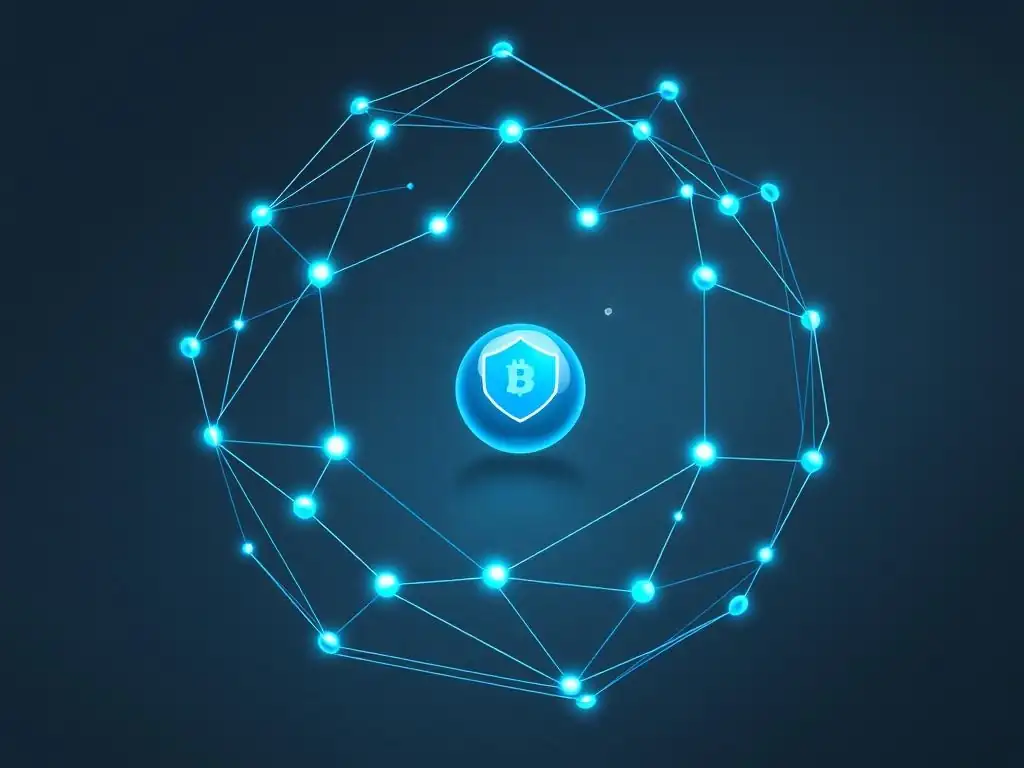
The Growing Need for Robust Cybersecurity in the Digital Age
In today's interconnected world, the reliance on digital systems for critical infrastructure, financial transactions, and personal data management is unprecedented. This digital dependency has simultaneously amplified the importance of robust cybersecurity. The sheer volume of cyberattacks is staggering, with estimates suggesting a ransomware attack occurs every 11 seconds globally in 2021, causing billions of dollars in damages.
Reports from cybersecurity firms indicate a continuous year-over-year increase in the sophistication and frequency of cyber threats, ranging from data breaches and malware infections to denial-of-service attacks and supply chain compromises. This escalating threat landscape underscores the urgent need for more resilient and effective cybersecurity strategies to protect sensitive information and maintain operational continuity across all sectors.
The traditional cybersecurity model, often characterized by centralized defenses, is increasingly struggling to keep pace with these evolving threats. Centralized systems, while offering a single point of control, also present a single point of failure, making them attractive and lucrative targets for malicious actors.
The concentration of data and control in central servers creates a honeypot effect, where a successful breach can have catastrophic and widespread consequences. High-profile data breaches, like the Equifax breach in 2017 which exposed the personal information of over 147 million individuals, or the Yahoo breaches affecting 3 billion accounts between 2013 and 2016, serve as stark reminders of the vulnerabilities inherent in centralized systems and the devastating impact of successful cyberattacks on individuals, organizations, and the economy at large.
Decentralization as a Paradigm Shift in Cybersecurity Approaches
Decentralization offers a compelling paradigm shift in cybersecurity, moving away from the inherent vulnerabilities of centralized architectures towards distributed and resilient systems. Instead of concentrating assets and control in a single location, decentralization distributes them across a network, making it significantly harder for attackers to compromise the entire system. This approach mirrors the resilience found in natural systems, where redundancy and distribution contribute to robustness and adaptability.
Think of a forest ecosystem; if a single tree is damaged, the entire forest remains intact and continues to function. Similarly, in a decentralized cybersecurity model, the failure of one node or component does not necessarily compromise the entire system's security or functionality.
This shift towards decentralization is not merely a technological trend but a fundamental rethinking of how we approach security in the digital age. It leverages principles of distributed systems, cryptography, and consensus mechanisms to create inherently more secure and resilient environments. Decentralized systems aim to eliminate single points of failure, enhance transparency, and empower users with greater control over their data and digital identities.
By distributing trust and control across a network, decentralization promises to create a more robust and secure digital infrastructure, capable of withstanding increasingly sophisticated and persistent cyber threats. This approach is particularly relevant in the context of blockchain technology, where decentralization is a core tenet of its design and operation.
Article Overview: Exploring the Resilience of Decentralized Systems
This article delves into the cybersecurity advantages of decentralization, focusing on its role in enhancing resilience and distributed security. We will explore how decentralization, particularly within the context of blockchain technology, offers a robust alternative to traditional centralized cybersecurity models. We will define decentralized security models, outline their key principles, and contrast them with conventional approaches. Furthermore, we will examine the specific ways in which blockchain technology fortifies security through immutability, cryptography, and smart contracts.
The discussion will then move to the critical issue of single points of failure, analyzing the inherent vulnerabilities of centralized systems and highlighting how decentralization mitigates these risks through redundancy and distribution. We will explore the concept of distributed security, emphasizing the power of network-wide defense and proactive threat detection.
Real-world examples and case studies will be used to illustrate the practical applications and benefits of decentralized cybersecurity. Finally, we will address the challenges and considerations associated with implementing decentralized security solutions, discuss future trends in this evolving field, and conclude by summarizing the transformative potential of decentralization for creating a more secure and resilient digital future, ultimately demonstrating the significant blockchain cybersecurity resilience benefits.
Frequently Asked Questions
What are the primary cybersecurity resilience benefits of using blockchain technology, as opposed to traditional centralized systems?
Blockchain offers inherent resilience due to its distributed nature. This means there's no single point of failure, making it harder for attackers to compromise the entire system. Data tampering is also significantly reduced thanks to the cryptographic hashing and consensus mechanisms.
How does blockchain's decentralized architecture enhance its resistance to denial-of-service (DDoS) attacks?
DDoS attacks target a central server, overwhelming it with traffic. Blockchain's distributed network makes it much harder to bring the entire system down, as attackers would need to simultaneously overwhelm a vast number of nodes. This greatly enhances attack resilience.
In what ways does the immutability of blockchain data contribute to improved cybersecurity?
Once data is recorded on a blockchain, it cannot be altered retroactively without changing all subsequent blocks. This immutability provides a tamper-proof audit trail, making it easy to detect and prevent data breaches and fraud.
How can blockchain technology improve cybersecurity resilience benefits within enterprise applications beyond just data storage?
Blockchain can be used for secure identity management, supply chain tracking, and access control. These applications leverage the decentralized and immutable nature of the blockchain to improve security and transparency across various business processes, bolstering overall system resilience.
What role does cryptography play in ensuring the cybersecurity resilience benefits of blockchain networks?
Cryptography is fundamental to blockchain security. Cryptographic hashing ensures data integrity, while digital signatures verify transactions and identities. These cryptographic mechanisms are essential for maintaining the security and trustworthiness of the blockchain network and ensuring data confidentiality.
Final Reflection: Embracing Decentralized Security
The exploration of cybersecurity advantages inherent in decentralization, particularly through blockchain technology, underscores a crucial shift in our approach to digital protection. The promise of enhanced resilience and distributed security is no longer a theoretical concept but a tangible solution to the escalating threats facing our interconnected world. This paradigm shift, driven by the inherent characteristics of blockchain, offers a compelling alternative to traditional, centralized security models that are increasingly vulnerable to single points of failure.
The impact of decentralized security solutions extends far beyond the technical realm, influencing the very fabric of trust and data integrity in our digital society. Witnessing the growing adoption of blockchain-based security measures across various industries reinforces the profound need for robust, transparent, and immutable systems. Security is always seen as too expensive until you don't have it.
This quote perfectly encapsulates the proactive and preventative nature of blockchain cybersecurity resilience benefits, urging us to prioritize security investments before disaster strikes.
As we navigate an increasingly complex digital landscape, let us embrace the principles of decentralization and distributed security. Consider how you can integrate these concepts into your own digital practices, whether it's through supporting blockchain-based initiatives, advocating for greater transparency in data management, or simply educating yourself and others about the power of decentralized technologies. The future of cybersecurity lies in our collective ability to build a more resilient and secure digital world, one block at a time.
Fortify Your Digital Future: Embrace Decentralization Now!
Thank you for exploring the powerful cybersecurity benefits that decentralization offers. You now have a solid understanding of how distributed security can enhance resilience. Let's put that knowledge into action and secure your digital world.
Here are some concrete steps you can take:
- Begin researching decentralized applications that align with your security needs. Start exploring real-world implementations to see how they can benefit your organization.
- Share this article with your network to spark important conversations about the future of cybersecurity. Help spread awareness and encourage innovative solutions.
- Contribute your insights! Join the community forum and share your experiences with decentralized security. Let's learn from each other.
What specific cybersecurity challenge are you hoping to solve with decentralization? Share your thoughts in the comments below!
Leave a Reply