
Blockchain for Biodiversity Conservation: Protecting Endangered Species and Habitats


Welcome to Blockchain Trends, your guide to understanding the revolutionary impact of blockchain technology beyond the hype.
Ever wondered how blockchain could help save endangered species and their habitats? Dive into our latest article exploring the groundbreaking potential of blockchain conservation biodiversity protection. Discover how this innovative technology is being used to create transparent, secure, and verifiable solutions for a more sustainable future. Read on to learn how blockchain is changing the game in environmental conservation and what the future holds!
Blockchain for Biodiversity Conservation: Protecting Endangered Species and Habitats
- Introduction: The Role of Blockchain in Environmental Conservation
- Understanding the Challenges in Biodiversity Conservation
- How Blockchain Technology Can Revolutionize Biodiversity Conservation
- Blockchain-Based Solutions for Endangered Species Protection
- Protecting Habitats with Blockchain Technology
- Blockchain-Powered Funding and Resource Allocation for Conservation
- Case Studies: Successful Blockchain Conservation Projects
- Overcoming Challenges and Adoption Barriers
- The Future of Blockchain in Biodiversity Conservation
- Conclusion: Blockchain as a Catalyst for a Sustainable Future
-
Frequently Asked Questions
- How can blockchain technology contribute to biodiversity conservation?
- What are some practical applications of blockchain in protecting endangered species?
- How can blockchain enhance the transparency of conservation funding?
- What role can blockchain play in combating illegal wildlife trade?
- What are the potential challenges and limitations of using blockchain for biodiversity conservation?
- Final Reflection: Securing Our Natural Legacy
- Engage! Transform Biodiversity Conservation with Blockchain Today!
Introduction: The Role of Blockchain in Environmental Conservation
The Urgent Need for Innovative Biodiversity Protection Strategies
The planet is facing an unprecedented biodiversity crisis. According to the International Union for Conservation of Nature (IUCN), over 42,100 species are currently threatened with extinction, representing a significant portion of assessed plant, animal, and fungi species. This alarming rate of decline is primarily driven by habitat loss, climate change, overexploitation, pollution, and invasive species, all exacerbated by human activities. Traditional conservation methods, while vital, often struggle with limitations such as insufficient funding, lack of transparency, data silos, and complex, often corrupt, supply chains that fuel illegal activities like poaching and deforestation.
Addressing this crisis requires not only scaling up existing efforts but also adopting innovative approaches that leverage cutting-edge technology. The interconnected nature of ecological systems and the global scale of threats demand solutions that can enhance collaboration, improve data integrity, and ensure resources are used effectively. Exploring how emerging technologies can bolster conservation efforts, particularly in areas where trust and transparency are lacking, is paramount to developing more robust and impactful strategies for preserving life on Earth.
Exploring Blockchain's Potential for Sustainable Solutions
Blockchain technology, widely known for its role in cryptocurrencies, possesses inherent characteristics that extend far beyond finance. Its decentralized, immutable, and transparent ledger system offers unique possibilities for tackling some of the most persistent challenges in environmental and biodiversity protection. By providing a trustworthy layer for recording transactions, data, and agreements, blockchain can help build accountability and efficiency in complex conservation projects.
The application of blockchain in this domain, often referred to as blockchain conservation biodiversity protection, is gaining traction as a means to enhance transparency in supply chains linked to natural resources, secure sensitive ecological data, facilitate transparent funding mechanisms, and even create incentives for sustainable behavior. These properties make blockchain a promising tool for developing sustainable solutions that can support the critical work of protecting endangered species and preserving vital habitats worldwide.
Understanding the Challenges in Biodiversity Conservation
Traditional Conservation Methods: Limitations and Inefficiencies
Traditional approaches to biodiversity conservation often rely on government regulations, protected areas, scientific monitoring, and field-based interventions. While these methods have achieved notable successes, they frequently encounter significant limitations. Bureaucratic hurdles can slow down decision-making and resource deployment. Data collection and sharing are often fragmented across different organizations and regions, leading to incomplete pictures of species populations or habitat health. Furthermore, enforcement of anti-poaching laws or sustainable resource management can be difficult in remote areas with limited oversight.
These inefficiencies can result in resources being misallocated, critical data being overlooked, and a general lack of coordination among diverse stakeholders, including local communities, NGOs, researchers, and government agencies. The complexity of tracking impact and ensuring accountability across multiple projects operating in different locations adds another layer of difficulty, making it challenging to assess the true effectiveness of conservation investments.
Data Transparency and Trust: Key Barriers to Effective Conservation
A fundamental challenge in biodiversity conservation is the lack of verifiable and trustworthy data. Information regarding species populations, habitat conditions, illegal activities, and the effectiveness of conservation interventions is often scattered, inconsistent, or unverifiable. This makes it difficult for policymakers, researchers, and conservationists to make informed decisions, track progress accurately, and build effective strategies. The absence of a single, reliable source of truth also erodes trust among stakeholders and makes it easier for illicit activities to go undetected.
For example, tracking the origin and legality of timber or wildlife products is notoriously complex, with paper-based systems susceptible to fraud. Similarly, monitoring deforestation rates or species movements across vast, remote areas can be challenging without robust, tamper-proof data collection and sharing mechanisms. Establishing trust in the data is essential for coordinating global efforts and ensuring that resources are directed where they are most needed for effective blockchain conservation biodiversity protection.
The Problem of Funding and Resource Allocation in Biodiversity Projects
Securing adequate and consistent funding is a perpetual challenge for biodiversity conservation efforts globally. Even when funds are raised, ensuring that they reach the intended projects on the ground and are used effectively and transparently can be difficult. Donors, whether individuals, foundations, or governments, often lack visibility into how their contributions are spent and the actual impact achieved. This lack of transparency can discourage future donations and hinder the scalability of successful initiatives.
Furthermore, allocating resources efficiently across numerous projects with varying needs and priorities requires robust mechanisms for evaluation and accountability. Without clear, verifiable data on expenditures and outcomes, it is hard to optimize resource distribution, prioritize urgent needs, and demonstrate the tangible results of conservation work. This opacity in financial flows and impact reporting represents a significant barrier to achieving large-scale, sustainable blockchain conservation biodiversity protection.
How Blockchain Technology Can Revolutionize Biodiversity Conservation
Enhancing Transparency and Traceability in Conservation Efforts
Blockchain's core strength lies in its ability to create a transparent and immutable record of transactions and data. Applied to conservation, this means that funding flows, project milestones, data collection events, and even the movement of goods can be recorded on a distributed ledger accessible to relevant parties. This transparency can significantly improve accountability, making it clear how resources are being used and tracking progress against conservation goals.
For instance, tracking donations for a specific project – like protecting a rhino population – could be done on a blockchain, allowing donors to see exactly when and where their funds were spent, whether on anti-poaching patrols, veterinary care, or habitat restoration. This level of traceability builds trust and can potentially unlock more funding by demonstrating the direct impact of contributions. It provides an auditable trail that is resistant to tampering, a critical feature for effective blockchain conservation biodiversity protection.
Secure and Immutable Data Storage for Endangered Species Information
Collecting accurate and reliable data on endangered species – such as population counts, health status, location tracking, and genetic information – is crucial for conservation planning. Blockchain can serve as a secure and immutable repository for this sensitive data. Once recorded on the blockchain, this information cannot be altered or deleted, ensuring data integrity and preventing manipulation.
Researchers and conservationists can use blockchain to timestamp and store data from field observations, camera traps, or satellite imagery, creating a verifiable historical record. This is particularly important for long-term monitoring and scientific research, providing a trusted foundation for analyzing trends and evaluating the effectiveness of interventions. Secure data storage on a distributed ledger mitigates the risk of data loss or compromise, enhancing the reliability of information used for blockchain conservation biodiversity protection.
Using Smart Contracts for Automated Conservation Agreements
Smart contracts are self-executing contracts with the terms of the agreement directly written into code. Deployed on a blockchain, they can automate processes and agreements based on predefined conditions being met. In conservation, smart contracts can automate the release of funds upon verification of a project milestone, such as a specific area of forest being replanted or a certain number of anti-poaching patrols being completed, verified by geolocated timestamps or third-party data feeds.
This automation reduces the need for intermediaries, speeds up processes, and ensures that payments or actions are triggered only when conditions are objectively met, reducing opportunities for delay or misappropriation of funds. Smart contracts can also be used to enforce agreements related to sustainable land use, resource management, or payments for ecosystem services, creating programmable incentives for conservation outcomes and streamlining the execution of blockchain conservation biodiversity protection projects.
Blockchain-Based Solutions for Endangered Species Protection
Wildlife Tracking and Anti-Poaching Initiatives Using Blockchain
Poaching remains a major threat to many endangered species. Blockchain technology can be integrated with tracking devices and data systems to enhance anti-poaching efforts. IoT sensors attached to animals or placed in habitats can transmit data (like location or health status) that is then recorded immutably on a blockchain. This creates a verifiable log of animal movements and potential threats, accessible in near real-time to authorized personnel.
Furthermore, blockchain can be used to track confiscated illegal wildlife products. By assigning a unique digital identifier on a blockchain to items seized from poachers, authorities can create a transparent chain of custody. This helps prevent these items from re-entering the black market and provides verifiable evidence for legal proceedings. Pilot projects have explored using blockchain to track high-value species or products, offering a more secure and transparent alternative to traditional methods in the fight for blockchain conservation biodiversity protection.
Creating Digital Identities for Endangered Animals
Assigning unique digital identities to individual endangered animals on a blockchain can revolutionize how we monitor and manage populations. Each animal could be represented by a non-fungible token (NFT) or similar blockchain asset linked to its biological data, location history, health records, and even lineage. This creates a comprehensive, secure, and accessible digital profile for each animal.
This system allows conservationists to track individuals throughout their lives, monitor their health and movements more effectively, and manage breeding programs with greater precision. It also provides a transparent record of population dynamics. In the future, such digital identities could potentially be linked to funding mechanisms, allowing donors to contribute directly to the care or monitoring of specific animals, creating a more personal and transparent connection to blockchain conservation biodiversity protection efforts.
Supply Chain Transparency for Sustainable Wildlife Products
The legal trade in products derived from wildlife (like certain types of wood, fish, or traditional medicines) often provides a cover for illegal activities. Ensuring the legality and sustainability of these supply chains is crucial. Blockchain can provide end-to-end transparency by tracking products from their source to the final consumer. Each step in the supply chain – harvesting, processing, transportation, and sale – can be recorded on a blockchain, creating an immutable ledger.
Participants in the supply chain can add data, which is then verified by other parties or automated systems. Consumers can scan a QR code on a product to view its history, verifying that it was sourced legally and sustainably. This transparency helps combat fraud, ensures compliance with regulations like CITES (Convention on International Trade in Endangered Species of Wild Fauna and Flora), and allows consumers to make informed choices that support ethical and sustainable practices, contributing to blockchain conservation biodiversity protection.
Protecting Habitats with Blockchain Technology
Land Registry and Ownership Tracking on the Blockchain
Habitat loss is the primary driver of species extinction. Secure and transparent land ownership records are essential for protecting critical ecosystems. In many regions, land registries are paper-based, incomplete, or susceptible to corruption, leading to disputes and facilitating illegal land grabbing or deforestation. Blockchain can provide an immutable and transparent digital land registry.
By recording land titles and transactions on a blockchain, it becomes virtually impossible to tamper with ownership records. This provides legal certainty for protected areas and indigenous lands, empowering communities to defend their territories against illegal exploitation. Pilot projects in various countries have explored using blockchain for land administration, demonstrating its potential to secure land rights and protect vital habitats crucial for blockchain conservation biodiversity protection.
Smart Contracts for Habitat Restoration and Management
Habitat restoration and sustainable land management projects often involve complex agreements between landowners, conservation organizations, and funding bodies. Smart contracts can automate and enforce these agreements. For example, a smart contract could disburse payments to landowners based on verifiable evidence that they have maintained forest cover, restored wetlands, or implemented sustainable farming practices on their land.
Data from satellite imagery, ground sensors, or third-party verification agents could trigger the smart contract, ensuring payments are made only when conservation outcomes are achieved. This creates performance-based incentives for habitat protection and restoration, making funding mechanisms more efficient and accountable. Smart contracts streamline the process of managing and funding habitat initiatives, supporting effective blockchain conservation biodiversity protection.
Monitoring Deforestation and Illegal Logging with Blockchain
Illegal logging and deforestation destroy critical habitats and contribute significantly to carbon emissions. Monitoring these activities across vast forest areas is a major challenge. Integrating satellite imagery, drone footage, and ground sensor data with blockchain technology can create a powerful monitoring system. High-resolution images and data points can be timestamped and recorded on a blockchain, providing immutable evidence of forest cover change.
This verifiable data can be used to trigger alerts for potential illegal activity and provide indisputable proof for enforcement actions. By making monitoring data transparent and tamper-proof, blockchain enhances accountability and makes it harder for illegal loggers to operate undetected. Combining remote sensing data with blockchain's integrity offers a robust solution for monitoring and combating deforestation, a vital component of blockchain conservation biodiversity protection.
Blockchain-Powered Funding and Resource Allocation for Conservation
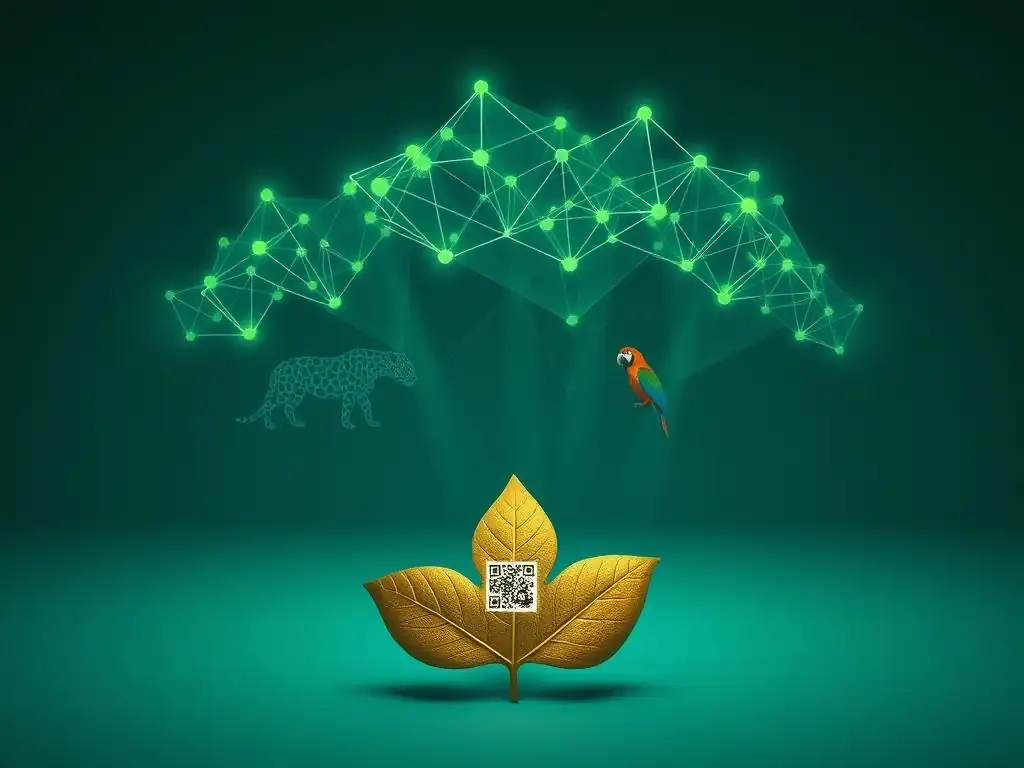
Decentralized Autonomous Organizations (DAOs) for Conservation Funding
Decentralized Autonomous Organizations (DAOs) are blockchain-based structures that enable collective decision-making and resource management without central authority. DAOs can be established for specific conservation projects or broader environmental goals. Donors or stakeholders can receive tokens representing voting rights or shares in the DAO. These tokens can then be used to vote on how funds are allocated, which projects to support, and even the governance rules of the organization.
This model decentralizes power, increases community involvement, and provides a highly transparent way to manage conservation funds. Every funding decision and transaction is recorded on the blockchain, visible to all participants. DAOs offer a novel governance model that can empower local communities and conservation experts, ensuring that funding decisions are aligned with the needs on the ground for blockchain conservation biodiversity protection.
Transparent and Accountable Donation Platforms
Many people want to support conservation but are concerned about whether their donations reach the intended beneficiaries and have a real impact. Blockchain-based donation platforms can address this by providing complete transparency for every transaction. When a donor contributes cryptocurrency or fiat currency through such a platform, the transaction can be recorded on a public or permissioned blockchain.
Donors can then track the journey of their donation from the platform to the specific conservation project or even specific expenditures within that project, such as purchasing equipment for anti-poaching patrols or planting trees. This level of accountability is difficult to achieve with traditional financial systems. By making the flow of funds entirely transparent and auditable, these platforms build trust and can encourage greater philanthropic support for blockchain conservation biodiversity protection initiatives.
Tokenization of Conservation Assets
Tokenization involves representing real-world assets as digital tokens on a blockchain. In conservation, this could include tokenizing carbon credits generated by forest preservation projects, representing ownership or usage rights of protected land, or even future revenue streams from ecotourism or sustainable resource harvesting. These tokens can be traded, donated, or used as incentives.
For example, tokenized carbon credits, like those facilitated by platforms such as Veridium Labs or Toucan Protocol, allow individuals and corporations to easily purchase and retire verified carbon offsets, directly channeling funds into forest conservation projects. This creates new financial mechanisms to support conservation work and allows for fractional ownership or investment in conservation assets, potentially unlocking significant capital for blockchain conservation biodiversity protection.
Case Studies: Successful Blockchain Conservation Projects
Veridium Labs: Tokenizing Carbon Credits for Forest Conservation
Veridium Labs was an early pioneer in using blockchain to tokenize environmental assets, focusing specifically on carbon credits derived from forest conservation. They developed a token called the "Veridium Carbon Unit" (VCU) on the Stellar blockchain, designed to represent verified carbon reductions or removals. Their aim was to create a more transparent, efficient, and accessible market for carbon offsetting, directly linking climate action with forest preservation.
By tokenizing carbon credits, Veridium sought to address issues of double-counting, lack of transparency, and illiquidity in traditional carbon markets. Although the project faced market challenges, it demonstrated the technical feasibility of using blockchain to create verifiable, traceable environmental assets that can fund large-scale conservation efforts, highlighting the potential for blockchain conservation biodiversity protection through market mechanisms.
Open Forest Protocol: Transparent Measurement and Reporting of Forest Carbon Sequestration
Open Forest Protocol (OFP) provides a decentralized platform for transparently measuring, reporting, and verifying (MRV) forest carbon projects. It uses blockchain technology to ensure the integrity and immutability of data related to forest growth, carbon sequestration, and project activities. Instead of relying on opaque, centralized systems, OFP leverages a network of independent validators who verify project data submitted by forest managers.
This approach creates a highly trustworthy and auditable record of a forest project's impact, crucial for generating high-quality carbon credits or accessing other forms of results-based finance. By providing a transparent and verifiable MRV layer on the blockchain, OFP empowers forest projects worldwide to access funding and demonstrate their environmental impact with confidence, contributing significantly to blockchain conservation biodiversity protection efforts focused on forests.
Plastic Bank: Rewarding Plastic Waste Collection with Blockchain-Based Tokens
Plastic Bank is a social enterprise that uses blockchain technology to combat ocean plastic and poverty. They establish collection centers in coastal communities where individuals can exchange plastic waste for digital tokens secured on a blockchain. These tokens can be redeemed for cash, goods, or services, creating an economic incentive for collecting plastic before it reaches the ocean.
The collected plastic is then processed and sold as "Social Plastic," providing traceable, ethical sourcing for corporations. The blockchain ensures that each transaction is recorded transparently, providing accountability for the plastic collected and the value distributed. By turning waste into a currency, Plastic Bank empowers marginalized communities and prevents millions of kilograms of plastic from polluting marine ecosystems, demonstrating a tangible link between blockchain, social impact, and ocean biodiversity protection.
Overcoming Challenges and Adoption Barriers
Scalability and Interoperability of Blockchain Solutions
While promising, applying blockchain at a global scale for biodiversity conservation faces technical hurdles. The scalability of some blockchain networks can be a limitation when dealing with massive datasets from monitoring devices or tracking millions of individual animals or products. High transaction costs on certain blockchains can also make micro-transactions or frequent data updates prohibitively expensive.
Furthermore, ensuring interoperability between different blockchain platforms and integrating blockchain systems with existing conservation databases and technologies (like GIS, remote sensing, and IoT networks) is crucial for widespread adoption. Developing robust, cost-effective, and energy-efficient blockchain solutions that can handle the volume and diversity of conservation data is an ongoing challenge that needs to be addressed for effective blockchain conservation biodiversity protection.
Regulatory Frameworks and Legal Considerations for Blockchain Conservation
The legal and regulatory landscape surrounding blockchain technology is still evolving in many countries. Applying blockchain to areas like land registry, asset tokenization, or data management in conservation raises complex legal questions regarding data ownership, liability, and compliance with existing environmental laws and international agreements.
Clear regulatory frameworks are needed to provide legal certainty for conservation organizations, investors, and governments wishing to implement blockchain-based solutions. Navigating different legal jurisdictions and ensuring compliance across borders is essential for projects operating on an international scale. Developing appropriate governance models that integrate blockchain technology within existing legal structures is key to unlocking its full potential for blockchain conservation biodiversity protection.
Educating and Engaging Stakeholders in Blockchain Adoption
One of the most significant barriers to adopting blockchain in conservation is the lack of awareness and understanding among key stakeholders. Conservationists, field workers, local communities, government officials, and even donors may not be familiar with blockchain technology or its potential benefits. There is a need for comprehensive education and capacity building to ensure that potential users understand how these systems work and how they can be effectively implemented.
Engaging local communities, who are often the frontline stewards of biodiversity, is particularly important. Solutions must be designed to be user-friendly and accessible, even in remote areas with limited technical infrastructure. Building trust and fostering collaboration among diverse groups through participatory design processes is essential for the successful and sustainable implementation of blockchain conservation biodiversity protection initiatives.
The Future of Blockchain in Biodiversity Conservation
Emerging Trends in Blockchain and Environmental Sustainability
The intersection of blockchain and environmental sustainability is a rapidly evolving field. Beyond current applications, future trends include the integration of decentralized science (DeSci) platforms on blockchain for open, verifiable environmental research; the use of zero-knowledge proofs to share sensitive biodiversity data privately while maintaining verifiability; and the development of more energy-efficient blockchain consensus mechanisms (like Proof-of-Stake) to reduce the technology's environmental footprint.
We may also see greater integration with advanced technologies like AI and machine learning for analyzing vast datasets recorded on blockchain, enabling more predictive conservation strategies. The development of global, interoperable environmental data marketplaces powered by blockchain could facilitate data sharing and collaboration on an unprecedented scale, driving innovation in blockchain conservation biodiversity protection.
The Potential for Global Collaboration and Data Sharing
Blockchain's distributed nature makes it inherently suitable for fostering global collaboration. Conservation challenges, such as protecting migratory species or managing shared ecosystems, often require coordination across multiple countries and organizations. Blockchain can provide a neutral, trusted platform for sharing critical data and coordinating actions among diverse stakeholders, regardless of their location or organizational affiliation.
A global, permissioned blockchain could, for instance, allow different national parks, research institutions, and international NGOs to share standardized data on species sightings, genetic information, or disease outbreaks in a secure and verifiable manner. This shared infrastructure could break down data silos and enable a more coordinated and effective global response to biodiversity threats, amplifying the impact of blockchain conservation biodiversity protection efforts.
Scaling Blockchain Solutions for Maximum Impact on Biodiversity Protection
While many blockchain conservation projects are currently in pilot or early implementation phases, the future holds the potential for scaling these solutions for maximum impact. This will require not only overcoming technical and regulatory hurdles but also fostering partnerships between technology providers, conservation organizations, governments, and the private sector.
Scaling successful models, such as transparent funding platforms or supply chain traceability systems, across multiple regions and species will be key. This involves developing standardized protocols, building capacity within conservation organizations, and attracting significant investment. The goal is to move from isolated projects to a global network of blockchain-powered initiatives that collectively contribute to the preservation of endangered species and their habitats on a significant scale, realizing the full potential of blockchain conservation biodiversity protection.
Conclusion: Blockchain as a Catalyst for a Sustainable Future
Harnessing the Power of Blockchain to Protect Our Planet
The biodiversity crisis demands innovative and effective solutions. Blockchain technology offers a powerful suite of tools that can address some of the fundamental challenges in conservation, including lack of transparency, data integrity issues, and inefficient resource allocation. By providing a decentralized, immutable, and transparent ledger, blockchain can build trust, enhance accountability, and create new economic incentives for protecting the natural world.
From tracking endangered species and verifying sustainable supply chains to securing land rights and enabling transparent funding, blockchain applications are already demonstrating their potential to revolutionize conservation practices. While challenges remain, ongoing developments in scalability, interoperability, and regulatory clarity, combined with increasing awareness and education, pave the way for broader adoption. Harnessing the unique capabilities of blockchain is not a silver bullet, but a critical step towards building more robust, efficient, and trustworthy systems for blockchain conservation biodiversity protection.
Call to Action: Supporting and Implementing Blockchain Conservation Initiatives
Protecting our planet's biodiversity is a collective responsibility. The potential of blockchain technology to contribute to this vital goal is significant, but its success depends on active support and implementation. Conservation organizations should explore integrating blockchain solutions into their operations, particularly in areas like data management, supply chain monitoring, and fundraising transparency.
Technology developers are encouraged to collaborate with conservation experts to build user-friendly and scalable platforms tailored to the specific needs of the field. Donors and investors can seek out and support blockchain-powered conservation projects that offer enhanced transparency and verifiable impact. Policymakers should work towards creating clear and supportive regulatory environments for the responsible application of blockchain in environmental protection. By supporting and actively engaging with blockchain conservation biodiversity protection initiatives, we can leverage this transformative technology to build a more sustainable future for all life on Earth.
Frequently Asked Questions
How can blockchain technology contribute to biodiversity conservation?
Blockchain can provide transparent and immutable records for tracking species, combating illegal wildlife trade, and verifying sustainable practices. This helps build trust and accountability in conservation efforts.
What are some practical applications of blockchain in protecting endangered species?
Blockchain can be used to create digital identities for animals, track their movements, and manage conservation funds. It can also verify the authenticity of sustainable products, discouraging harmful practices.
How can blockchain enhance the transparency of conservation funding?
By using blockchain, donations and grants can be tracked in real-time, ensuring funds are used for their intended purpose. This reduces corruption and increases donor confidence in conservation projects.
What role can blockchain play in combating illegal wildlife trade?
Blockchain can create a secure and transparent supply chain for legal wildlife products, making it easier to identify and trace illegal items. This disrupts the illegal market and protects endangered species.
What are the potential challenges and limitations of using blockchain for biodiversity conservation?
Challenges include the need for technical expertise, ensuring data privacy, and achieving widespread adoption. Scalability and regulatory uncertainty are also important considerations.
Final Reflection: Securing Our Natural Legacy
The potential of blockchain technology to revolutionize biodiversity conservation is no longer a futuristic fantasy, but a tangible reality. Blockchain conservation biodiversity protection is moving beyond theoretical discussions and pilot projects, offering verifiable, transparent, and secure solutions to combat the escalating crisis of species extinction and habitat loss. The urgency of this application is undeniable; our planet's biodiversity is dwindling at an alarming rate, demanding innovative and effective interventions.
This exploration into blockchain's role has profoundly underscored the interconnectedness of technology, conservation, and human responsibility. Witnessing the ingenuity of these applications – from tracking sustainable supply chains to creating transparent carbon offset markets – has instilled a renewed sense of hope and a deeper understanding of our collective power to enact positive change. We have to understand that biodiversity is not just a nice-to-have; it is the foundation of our well-being and the future of our planet.
This quote serves as a constant reminder of the stakes involved and the imperative to act decisively.
As we conclude this journey into the world of blockchain-powered conservation, I urge you to consider your own role in safeguarding our planet's precious biodiversity. How can you leverage your skills, resources, or influence to support initiatives that embrace transparency, accountability, and sustainability? Let us all commit to becoming active participants in this vital mission, ensuring that future generations inherit a world rich in life and resilient in the face of adversity.
Engage! Transform Biodiversity Conservation with Blockchain Today!
Thank you for exploring the intersection of blockchain technology and biodiversity conservation with us! By now, you understand the vital role that innovative technology can play in protecting endangered species and their habitats. It's time to take action and contribute to this essential cause!
Here’s how you can make a difference:
- Start a conversation: Reach out to local conservation groups and discuss how blockchain can enhance their efforts. Your insights can spark new initiatives!
- Become an advocate: Share this article with friends, family, and colleagues who are passionate about conservation. Let’s broaden the impact of our collective voice!
- Explore projects: Research blockchain initiatives focused on environmental protection. Discover where your interests align and join a project that resonates with your commitment to biodiversity.
What unique ways do you think blockchain could help protect the planet’s most vulnerable species?
Leave a Reply